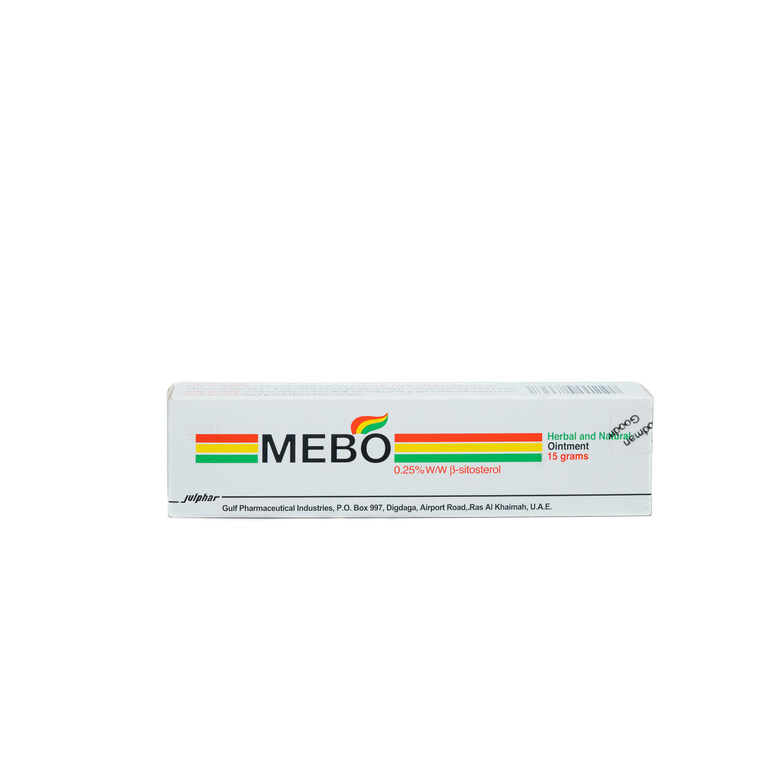
What it does
B-sitosterol is a plant sterol that may help lower cholesterol levels and support heart health.
Commonly used for: high cholesterol (hyperlipidemia), heart health support
Read more in plain English ↓Plain-language summary for general understanding - not medical advice. Always follow your pharmacist/doctor.
Ask about this medicine
Answers come only from this medicine's registration record, BNF monograph and interaction data - not medical advice.
Hard to find? We help patients in Kenya source rare medicines. We don't sell or dispense medicines - licensed pharmacies do.
Source this medicineRegistration & product details
Source: Pharmacy and Poisons Board · fetched 2026-01-28 21:01:35 · updated 2026-07-26 13:43:54
About this medicine
B-sitosterol is a plant sterol that may help lower cholesterol levels and support heart health.
What it treats
- high cholesterol (hyperlipidemia)
- heart health support
How it works
B-sitosterol helps to block the absorption of cholesterol in the intestines, which can lower cholesterol levels in the blood.
Who it's for
It is for people looking to manage their cholesterol levels and improve heart health.
AI-assisted summary grounded in BNF data - general information only, not medical advice. Always confirm with your pharmacist or doctor.
Clinical monograph: bsitosterol
BNF-referencedBsitosterol is a plant sterol that is structurally similar to cholesterol and is commonly found in various plant sources. It is known for its potential benefits in lowering cholesterol levels and improving heart health. Bsitosterol competes with cholesterol for absorption in the intestines, thereby reducing overall cholesterol levels in the body. It is often used as a dietary supplement and is incorporated in functional foods aimed at cardiovascular health.
Indications
- Hyperlipidemia
- Cardiovascular disease prevention
- Benign prostatic hyperplasia
Dosage
Children: Refer to BNF for Children for specific dosing recommendations as there is no standard paediatric dosage provided.
Adults: Refer to BNF for specific dosing recommendations as there is no standard adult dosage provided.
Mechanism of action
Bsitosterol primarily functions by inhibiting the absorption of cholesterol in the intestines. It competes with cholesterol for incorporation into micelles, which are necessary for efficient absorption. This mechanism results in decreased serum cholesterol levels and may contribute to improved cardiovascular health. Additionally, it may influence steroid biosynthesis pathways and plant sterol biosynthesis.
Pharmacodynamics
Bsitosterol exerts its effects by modulating lipid metabolism, particularly by lowering low-density lipoprotein (LDL) cholesterol levels without significantly affecting high-density lipoprotein (HDL) cholesterol. Its actions may help in reducing the risk of atherosclerosis and other cardiovascular diseases. The pharmacodynamic profile includes anti-inflammatory properties and potential benefits in benign prostatic hyperplasia (BPH).
Pharmacokinetics
The absorption of bsitosterol occurs in the gastrointestinal tract, where it competes with dietary cholesterol. It is absorbed in small amounts, and its bioavailability is relatively low. Bsitosterol is metabolized primarily in the liver, with some conversion to more active metabolites involved in steroid biosynthesis pathways. The elimination half-life and specific excretion pathways are not well-defined, but it is thought to be excreted via the biliary route.
Pregnancy
Bsitosterol is classified as a category C drug. There are no adequate and well-controlled studies in pregnant women. It should be used during pregnancy only if the potential benefit justifies the potential risk to the fetus.
Breast-feeding
It is unknown whether bsitosterol is excreted in human milk. Caution should be exercised when administering to breastfeeding women.
Storage
Store at room temperature, away from moisture and heat. Keep the container tightly closed.
Formulations
- Capsules
- Tablets
- Powder
AI-synthesized from BNF references - general information only, not a substitute for professional medical advice or the current BNF. Verify doses with a pharmacist.
Molecular reference: b-sitosterol
PubChem CID 222284Molecular formula: C29H50O
Biological pathways
Source: PubChem (NCBI) · pathways from PathBank, Reactome, WikiPathways & PharmGKB.
This drug in other countries
The same active ingredient registered across other registries we cover - including different brands.