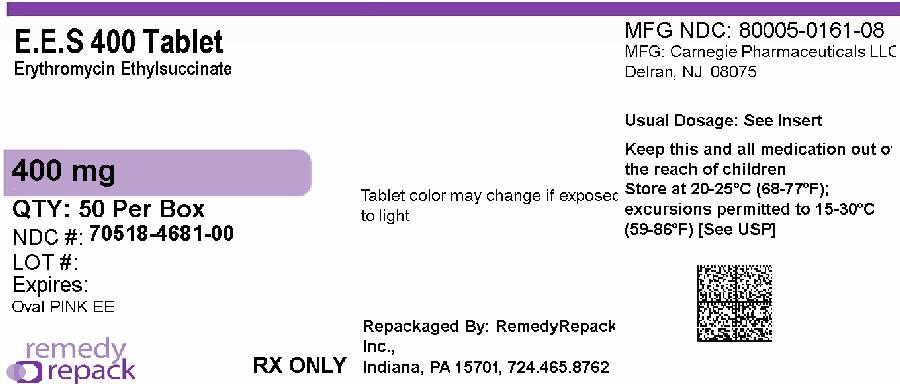
(erythromycin · DailyMed)
Medomycin 35 WSP
Colloidal Silicon Dioxide 10 mg/g,Erythromycin Thiocyanate 350 mg/g,Polyethylene Glycol 6000 40 mg/g,Sodium acetete anhydrous 40 mg/g,Sucrose up to 1 gm
What it does
Acetate is used to help manage certain health conditions by affecting the balance of fluids in the body.
Commonly used for: fluid retention (edema), certain heart conditions (heart failure)
Read more in plain English ↓Plain-language summary for general understanding - not medical advice. Always follow your pharmacist/doctor.
Ask about this medicine
Answers come only from this medicine's registration record, BNF monograph and interaction data - not medical advice.
Medicine sourcing is available in Kenya only. We don't sell or dispense medicines - licensed pharmacies do.
Sourcing - Kenya onlyRegistration & product details
Source: Tanzania Medicines and Medical Devices Authority · fetched 2026-03-11 23:36:50 · updated 2026-10-19 03:00:44
Drug Interactions
151Pharmacodynamic Warnings
Erythromycin appears in TABLE 9: Drugs that prolong the QT interval
Severe (14)
Antipsychotics, Second Generation - increases exposure
Erythromycin is predicted to increase the exposure to antipsychotics, second generation (cariprazine). Avoid.
Cariprazine - increases exposure
Erythromycin is predicted to increase the exposure to antipsychotics, second generation (cariprazine). Avoid.
Eletriptan - increases exposure
Erythromycin moderately increases the exposure to triptans (eletriptan). Avoid.
Ergometrine - increases risk of ergotism
Macrolides (clarithromycin) are predicted to increase the risk of ergotism when given with ergometrine. Avoid.
Ergotamine - increases risk of ergotism
Macrolides (clarithromycin) are predicted to increase the risk of ergotism when given with ergotamine. Avoid.
Moderate (38)
Alfentanil - increases exposure
Erythromycinispredictedtoincreasetheexposuretoopioids (alfentanil,buprenorphine,fentanyl,oxycodone).Monitorand adjustdose.oStudy com/codemedicalapps/ cal Applications)
Amlodipine - increases exposure
Erythromycin is predicted to increase the exposure to calcium channel blockers (amlodipine, felodipine, lacidipine, lercanidipine, nicardipine, nifedipine, nimodipine). Monitor and adjust dose.
Antiarrhythmics - increases exposure
Erythromycin is predicted to increase the exposure to antiarrhythmics (propafenone). Monitor and adjust dose.
Antiepileptics - increases concentration
Erythromycin markedly increases the concentration of antiepileptics (carbamazepine). Monitor concentration and adjust dose.
Atorvastatin - increases exposure
Erythromycins slightly increases the exposure to statins (atorvastatin). Monitor and adjust dose.
Unknown (99)
Abemaciclib - increases exposure
Erythromycin is predicted to increase the exposure to abemaciclib.
Acalabrutinib - increases exposure
Erythromycin is predicted to increase the exposure to acalabrutinib. Avoid or monitor.
Afatinib - increases exposure
Macrolides are predicted to increase the exposure to afatinib.
Alphablockers - increases exposure
Erythromycin is predicted to increase the exposure to alpha blockers (tamsulosin).
Alprazolam - increases exposure
Erythromycin is predicted to increase the exposure to benzodiazepines (alprazolam).
Data from BNF 85 (British National Formulary). This is not a substitute for professional medical advice. Matched via: exact
About acetete
Acetate is used to help manage certain health conditions by affecting the balance of fluids in the body.
What it treats
- fluid retention (edema)
- certain heart conditions (heart failure)
How it works
Acetate helps the body get rid of excess fluid, which can relieve pressure and improve health.
Who it's for
This medication is for people who need help managing fluid levels in their bodies.
AI-assisted summary grounded in BNF data - general information only, not medical advice. Always confirm with your pharmacist or doctor.
About colloidal
Colloidal solutions are often used in various medical treatments and can help improve the delivery of certain medications.
What it treats
- supporting hydration
- helping with nutrient absorption
- improving medication effectiveness
How it works
Colloidal solutions contain small particles that can help carry and deliver substances in the body more effectively.
Who it's for
Adults and children who need assistance with hydration or nutrient delivery.
AI-assisted summary grounded in BNF data - general information only, not medical advice. Always confirm with your pharmacist or doctor.
About dioxide
Dioxide is used in various medical applications, but specific details about its class or interactions are not provided.
How it works
The exact mechanism of action for dioxide is not specified, but it generally serves various therapeutic roles in medicine.
Who it's for
Dioxide may be suitable for individuals needing treatment related to its specific applications, but more information is needed to identify specific patient groups.
AI-assisted summary grounded in BNF data - general information only, not medical advice. Always confirm with your pharmacist or doctor.
About erythromycin
Erythromycin is an antibiotic used to treat various bacterial infections.
What it treats
- bacterial infections
- bronchitis
- pneumonia
- skin infections
- ear infections
How it works
It works by stopping the growth of bacteria, helping the body to fight off infections.
Who it's for
It is suitable for adults and children who have certain bacterial infections.
Drug class
Macrolides
Cautions
- • Be careful if you are taking other medications that can affect heart rhythm.
AI-assisted summary grounded in BNF data - general information only, not medical advice. Always confirm with your pharmacist or doctor.
About glycol
Glycol is a substance used in various medical and industrial applications, primarily known for its properties as a solvent and humectant.
What it treats
- moisturizing skin (topical applications)
- acting as a solvent in medications
How it works
Glycol helps to retain moisture and can dissolve other substances, making it useful in creams and solutions.
Who it's for
Glycol is generally safe for use in topical products for adults and children when used as directed.
AI-assisted summary grounded in BNF data - general information only, not medical advice. Always confirm with your pharmacist or doctor.
About polyethylene
Polyethylene is a substance often used to relieve constipation by increasing the amount of water in the stool, making it easier to pass.
What it treats
- constipation
- bowel obstruction
How it works
It works by drawing water into the intestines, softening the stool and helping it move through the digestive system.
Who it's for
It is suitable for adults and children experiencing constipation or needing to clear their bowels.
AI-assisted summary grounded in BNF data - general information only, not medical advice. Always confirm with your pharmacist or doctor.
About silicon
Silicon is a mineral that may help support healthy bones and connective tissues.
What it treats
- bone health
- joint health
- skin health
How it works
Silicon helps form collagen, which is important for maintaining the strength and elasticity of bones and tissues.
Who it's for
Silicon is for individuals looking to support their bone and joint health.
AI-assisted summary grounded in BNF data - general information only, not medical advice. Always confirm with your pharmacist or doctor.
About sucrose
Sucrose is a type of sugar commonly used as a sweetener in food and beverages.
What it treats
- providing energy
- sweetening food and drinks
How it works
Sucrose provides a quick source of energy when consumed.
Who it's for
Suitable for anyone needing a sweetener, but those with diabetes should use it with caution.
Cautions
- • Excessive intake can lead to weight gain.
- • May affect blood sugar levels.
AI-assisted summary grounded in BNF data - general information only, not medical advice. Always confirm with your pharmacist or doctor.
About thiocyanate
Thiocyanate is a compound that can affect the body in various ways, often related to its role in certain medical conditions.
What it treats
- used in some medical tests
- helps assess thyroid function
How it works
Thiocyanate can influence how the body uses iodine, which is important for making thyroid hormones.
Who it's for
Thiocyanate may be used for individuals undergoing tests for thyroid-related issues.
AI-assisted summary grounded in BNF data - general information only, not medical advice. Always confirm with your pharmacist or doctor.
Clinical monograph: Erythromycin
BNF-referencedErythromycin is a macrolide antibiotic effective against a range of bacterial infections. It works primarily by inhibiting protein synthesis in susceptible bacteria, making it a valuable choice for patients with penicillin hypersensitivity. Erythromycin is commonly used in treating respiratory tract infections, skin infections, and various other bacterial infections, including those caused by organisms like Propionibacterium acnes.
Indications
- Bacterial infections
- Acute otitis media
- Community-acquired pneumonia
- Skin and soft tissue infections
- Campylobacter enteritis
- Pertussis
- Syphilis (early stage)
- Chlamydia infections
- Impetigo
- Secondary bacterial infection of eczema
Dosage
Children: Child 1–23 months: 125 mg 4 times a day. Child 2–7 years: 250 mg 4 times a
Adults: 500 mg 4 times a day for 5 days, or alternatively 250–500 mg 4 times a day for 5–7 days.
Mechanism of action
Erythromycin exerts its antibacterial effect by binding to the 23S ribosomal RNA in the 50S subunit of bacterial ribosomes. This binding inhibits the transpeptidation and translocation steps of protein synthesis, effectively halting bacterial growth. The drug has a strong affinity for bacterial ribosomes, which contributes to its broad-spectrum activity against various pathogens.
Pharmacodynamics
Erythromycin acts as a bacteriostatic agent, preventing bacterial growth by inhibiting protein synthesis. It is effective against many strains of bacteria, although susceptibility testing is recommended due to increasing resistance. Notably, erythromycin does not impact nucleic acid synthesis and may lead to complications such as pseudomembranous colitis or hepatotoxicity in some patients.
Pharmacokinetics
Erythromycin is well-absorbed from the gastrointestinal tract, with bioavailability affected by food. It is widely distributed in body tissues, with higher concentrations in the lungs and liver. The drug undergoes hepatic metabolism and is primarily excreted in bile, with a small amount eliminated through urine. Erythromycin's half-life varies but generally ranges from 1.5 to 2 hours.
Contra-indications
- Hypersensitivity to erythromycin or any component of the formulation
- History of cholestatic jaundice or hepatic dysfunction associated with prior use of erythromycin
Adverse effects
- Gastrointestinal disturbances (nausea, vomiting, diarrhea)
- Cholestatic jaundice
- Hepatotoxicity
- Skin rashes
- QT interval prolongation
- Tinnitus
- Hearing loss (reversible)
- Pseudomembranous colitis
Interactions
- Erythromycin may significantly increase the exposure to certain drugs such as antipsychotics, simvastatin, and triptans due to its effect on cytochrome P450 enzymes
- Caution with concurrent use of drugs that prolong the QT interval
- Moderate interaction with aminophylline (decreases exposure)
Precautions
- Use with caution in patients with hepatic impairment or pre-existing liver disease
- Monitor for signs of pseudomembranous colitis in patients with diarrhea following antibiotic use
- Assess for potential drug interactions due to the impact on CYP450 metabolism
Pregnancy
Erythromycin crosses the placenta. It is generally considered safe for use during pregnancy, particularly for treating infections when no alternatives are available, but should be used with caution.
Breast-feeding
Erythromycin is excreted in breast milk. While generally considered safe, the infant should be monitored for potential side effects. Consult healthcare providers for specific recommendations.
Storage
Store in a cool, dry place away from direct sunlight. Keep out of reach of children. Check specific product information for any temperature requirements.
Formulations
- Oral suspension (125 mg/5 ml)
- Tablets (250 mg and 500 mg)
- Injectable solution (various strengths for intravenous administration)
AI-synthesized from BNF references - general information only, not a substitute for professional medical advice or the current BNF. Verify doses with a pharmacist.
Clinical monograph: acetete
Acetate is a chemical compound that plays a critical role in metabolism, particularly in the energy production cycle. It is commonly used in various pharmaceutical formulations and is involved in several metabolic pathways, including the citric acid cycle. Acetate can also serve as a precursor for the synthesis of fatty acids and cholesterol.
Indications
- Metabolic disorders
- Energy supplementation
- Fatty acid synthesis disorders
Dosage
Children: Refer to specific product guidelines for dosing information.
Adults: Refer to specific product guidelines for dosing information.
Mechanism of action
Acetate is primarily involved in the metabolic processing of carbohydrates and fats. It is converted to acetyl-CoA, which enters the citric acid cycle to produce energy in the form of ATP. Acetate also serves as a substrate for the synthesis of lipids and may influence various signaling pathways related to metabolism.
Pharmacodynamics
Acetate contributes to energy balance by participating in lipid metabolism and the regulation of glucose homeostasis. It can modulate the activity of various enzymes involved in metabolic pathways, thus affecting the overall metabolic rate and energy utilization. Additionally, acetate may have effects on appetite regulation and insulin sensitivity.
Pharmacokinetics
Acetate is rapidly absorbed and distributed throughout the body. It is metabolized primarily in the liver, where it is converted to acetyl-CoA. The elimination half-life of acetate is relatively short, with metabolites being excreted primarily in the urine. The pharmacokinetics can vary based on the formulation and route of administration.
Pregnancy
Safety in pregnancy has not been established. Use only if the potential benefit justifies the potential risk to the fetus.
Breast-feeding
The effects on breastfed infants are unknown. Caution is advised when administering to nursing mothers.
Storage
Store in a cool, dry place away from direct sunlight. Keep out of reach of children.
AI-synthesized from BNF references - general information only, not a substitute for professional medical advice or the current BNF. Verify doses with a pharmacist.
Clinical monograph: colloidal
Colloidal solutions are mixtures in which small particles are dispersed throughout a continuous medium. They can be used in various medical applications, including as intravenous fluids for volume expansion and as drug delivery systems. Colloidal solutions can improve the solubility and stability of drugs, enhancing their therapeutic effects.
Indications
- Hypovolemic shock
- Severe burns
- Postoperative fluid replacement
- Sepsis
- Trauma management
Dosage
Children: Refer to established guidelines for specific dosing, as it varies based on the type of colloidal solution used and the clinical condition being treated.
Adults: Refer to established guidelines for specific dosing, as it varies based on the type of colloidal solution used and the clinical condition being treated.
Mechanism of action
Colloidal solutions work by maintaining oncotic pressure in the blood, thus helping to retain fluid within the vascular system. This is primarily due to the large molecular weight of the colloidal particles, which cannot easily pass through capillary walls. The presence of colloids in the blood helps to draw water into the circulation, increasing blood volume and improving tissue perfusion.
Pharmacodynamics
The pharmacodynamics of colloidal solutions are centered on their ability to exert osmotic pressure, which helps maintain blood volume and pressure. This effect is particularly important in conditions such as hypovolemia and shock, where fluid replacement is necessary to restore hemodynamic stability. The efficacy of colloidal solutions can vary depending on the type of colloid used, as well as the underlying clinical condition being treated.
Pharmacokinetics
Colloidal solutions are typically administered intravenously and their pharmacokinetics can vary based on the specific formulation. Generally, colloids are distributed throughout the vascular compartment and have a longer duration of action compared to crystalloids, as they remain in circulation longer. The elimination of colloids is primarily through the reticuloendothelial system, where they are metabolized or eliminated by the liver and spleen. Factors such as particle size and composition can influence their distribution and clearance.
Adverse effects
- Allergic reactions
- Injection site reactions
- Nausea
- Vomiting
- Headache
- Fever
Precautions
- Use with caution in patients with known allergies to any component of the formulation
- Monitor for signs of hypersensitivity during administration
- Consider volume overload in patients with cardiac or renal impairment
Pregnancy
The safety of colloidal solutions during pregnancy has not been established. Use only if the potential benefit justifies the potential risk to the fetus.
Breast-feeding
It is not known whether colloidal solutions are excreted in human milk. Caution should be exercised when administering to breastfeeding mothers.
Storage
Store at room temperature, protect from light, and do not freeze. Keep out of reach of children.
Formulations
- Colloidal silver
- Colloidal gold
- Colloidal iron
- Other metal colloids
AI-synthesized from BNF references - general information only, not a substitute for professional medical advice or the current BNF. Verify doses with a pharmacist.
Clinical monograph: dioxide
Dioxide refers to a class of chemical compounds that contain two oxygen atoms bonded to another element or group. The most commonly referenced dioxide is carbon dioxide (CO2), a colorless, odorless gas produced by respiration in animals and plants and by the combustion of organic matter. In a clinical context, dioxides are often involved in various physiological processes and can play roles in drug mechanisms, particularly with respect to gas exchange and acid-base balance in the body.
Indications
- Monitoring respiratory function
- Assessment of metabolic status
- Management of respiratory acidosis
- Management of respiratory alkalosis
Dosage
Children: Dosing for interventions related to carbon dioxide levels in pediatric patients should be guided by clinical protocols and the BNF for Children.
Adults: Dosing for interventions related to carbon dioxide levels is typically based on clinical assessment and individual patient needs. Refer to clinical guidelines for specific scenarios.
Mechanism of action
Carbon dioxide acts primarily as a signaling molecule in the body, influencing respiratory drive and blood pH. It is produced during cellular respiration and is a critical component of the bicarbonate buffering system, which helps maintain acid-base homeostasis. Elevated levels of CO2 in the blood stimulate ventilation in the lungs, increasing the rate of gas exchange and facilitating the removal of excess CO2.
Pharmacodynamics
The pharmacodynamic effects of dioxides, particularly carbon dioxide, are closely related to its concentration in the blood. As CO2 levels increase, it leads to respiratory acidosis, which can stimulate the respiratory centers in the brain to increase ventilation. Conversely, low levels of CO2 can cause respiratory alkalosis, potentially leading to decreased respiratory drive. CO2 also plays a role in vasodilation and can affect blood flow and pressure through its influence on smooth muscle tone.
Pharmacokinetics
Carbon dioxide is produced endogenously during metabolic processes and is transported in the bloodstream primarily in three forms: dissolved in plasma, as bicarbonate ions (HCO3-), and bound to hemoglobin. The half-life of CO2 in the bloodstream is very short due to its rapid exchange with alveolar gas in the lungs. The elimination of CO2 occurs through exhalation, making it a dynamic component of respiratory physiology.
Pregnancy
Data on the effects of dioxide during pregnancy are limited. Caution is advised due to potential risks associated with exposure.
Breast-feeding
Limited data are available regarding the excretion of dioxide in human milk. Caution is recommended.
Storage
Store in a cool, dry place, away from direct sunlight and moisture.
AI-synthesized from BNF references - general information only, not a substitute for professional medical advice or the current BNF. Verify doses with a pharmacist.
Clinical monograph: glycol
BNF-referencedEthylene glycol, a colorless, odorless liquid with a sweet taste, is primarily used in antifreeze and industrial applications. It is toxic to humans and can lead to severe metabolic acidosis and organ damage upon ingestion. Due to its potential for misuse and toxicity, it is classified as a hazardous substance.
Dosage
Children: Refer to the BNF for Children for appropriate dosing information in paediatric cases, especially in instances of overdose.
Adults: Refer to the BNF for specific dosing information based on clinical circumstances, particularly in cases of overdose.
Mechanism of action
Ethylene glycol is metabolized by alcohol dehydrogenase to glycoaldehyde, which is subsequently converted to glycolic, glyoxylic, and oxalic acids. These metabolites contribute to anion gap metabolic acidosis and are responsible for tissue injury through the formation of insoluble calcium oxalate crystals.
Pharmacodynamics
The toxicity of ethylene glycol arises from its metabolites, particularly glycolic and oxalic acids. These compounds induce metabolic acidosis, lead to renal failure through calcium oxalate crystal deposition in the kidneys, and can cause neurological impairment. The anion gap increases due to the accumulation of these acids, leading to complications such as cardiovascular instability and potential multi-organ failure.
Pharmacokinetics
Ethylene glycol is rapidly absorbed after oral ingestion. It undergoes first-pass metabolism primarily in the liver, where it is converted into its toxic metabolites. The elimination half-life of ethylene glycol varies but is generally prolonged in cases of renal impairment. Renal excretion of metabolites contributes to the duration of toxicity, necessitating prompt medical intervention in cases of overdose.
Adverse effects
- Metabolic acidosis
- Renal failure
- CNS depression
- Hypocalcemia
- Cardiovascular collapse
- Pulmonary edema
Precautions
- Use with caution in patients with renal impairment
- Monitor for signs of metabolic acidosis
- Evaluate electrolyte levels, particularly calcium
Pregnancy
There is limited data on the safety of ethylene glycol in pregnancy. It should only be used if clearly needed.
Breast-feeding
It is unknown if ethylene glycol is excreted in human milk. Caution is advised.
Storage
Store in a tightly closed container at room temperature, away from heat and moisture.
Formulations
- Liquid
AI-synthesized from BNF references - general information only, not a substitute for professional medical advice or the current BNF. Verify doses with a pharmacist.
Clinical monograph: polyethylene
Polyethylene is a polymer used primarily as a laxative for the treatment of constipation. It is often administered in the form of polyethylene glycol (PEG), which acts by holding water in the stool, resulting in softer stools and increased bowel movements. It is generally considered safe for use in both adults and children, with minimal side effects when used as directed.
Indications
- Constipation
- Bowel preparation prior to surgical procedures or diagnostic tests
Dosage
Children: Refer to specific guidelines or BNF for Children for dosing information.
Adults: Refer to specific guidelines or BNF for detailed dosing information.
Mechanism of action
Polyethylene glycol works by osmotically retaining water in the intestinal lumen, which increases the water content of the stool. This enhances the passage of stool through the intestines and promotes bowel movements. The high molecular weight of polyethylene glycol prevents its absorption in the gastrointestinal tract, ensuring that it remains in the lumen to exert its effects.
Pharmacodynamics
The pharmacodynamic profile of polyethylene glycol involves its ability to increase stool water content, thereby reducing stool consistency and facilitating easier passage. It does not stimulate intestinal motility directly but rather relies on the osmotic effect to promote bowel evacuation. The onset of action typically occurs within 24 to 96 hours after ingestion.
Pharmacokinetics
Polyethylene glycol is not absorbed systemically, and its pharmacokinetics are characterized by its presence solely in the gastrointestinal tract. It is excreted unchanged in the stool. The volume of polyethylene glycol administered can influence the effectiveness and timing of its action, but its absorption is negligible, making systemic side effects rare.
Adverse effects
- Abdominal cramping
- Diarrhea
- Nausea
- Vomiting
- Bloating
- Flatulence
Precautions
- Use with caution in patients with gastrointestinal disorders or bowel obstruction.
- Ensure adequate hydration during use to prevent dehydration.
Pregnancy
Polyethylene glycol is generally considered safe during pregnancy, but should be used under medical supervision.
Breast-feeding
Polyethylene glycol is excreted in breast milk in very small amounts and is generally regarded as safe during breastfeeding.
Storage
Store at room temperature, away from moisture and heat.
Formulations
- Powder for oral solution
- Liquid formulation
AI-synthesized from BNF references - general information only, not a substitute for professional medical advice or the current BNF. Verify doses with a pharmacist.
Clinical monograph: silicon
BNF-referencedSilicon, represented by the molecular formula Si, is a metalloid that plays a significant role in various biological processes, particularly in the formation of connective tissues and bone. It is thought to contribute to the structural integrity of collagen and other extracellular matrix components. Silicon is not classified as an essential element in the human diet, but it is involved in the metabolism of minerals and may affect bone health and formation.
Indications
- Potential role in bone health
- Support for connective tissue formation
- May aid in mineral metabolism
Dosage
Children: There is no established clinical dosage for silicon in paediatric populations, as it is not classified as an essential nutrient.
Adults: There is no established clinical dosage for silicon in adults, as it is not classified as an essential nutrient.
Mechanism of action
Silicon is believed to enhance the synthesis of glycosaminoglycans and collagen, which are important for the structural integrity of connective tissues. It may also influence the activity of certain enzymes involved in bone mineralization, thus playing a role in maintaining bone density and health.
Pharmacodynamics
The pharmacodynamics of silicon is not fully elucidated; however, it is thought to involve the modulation of bone metabolism and the promotion of connective tissue health. Silicon may have a synergistic effect with other minerals, such as calcium and magnesium, aiding in their utilization and metabolism in the body.
Pharmacokinetics
The pharmacokinetics of silicon is complex, as it is not absorbed through typical gastrointestinal pathways. Instead, silicon is thought to be taken up in the form of silicates and then distributed throughout the body, particularly in connective tissues. The elimination of silicon occurs primarily through renal excretion, with some variations depending on dietary intake and individual metabolism.
Pregnancy
Silicon is generally considered safe during pregnancy, as it is a naturally occurring element in the human body. However, specific recommendations regarding supplementation should be followed based on the advice of a healthcare provider.
Breast-feeding
Silicon is present in breast milk in small amounts. Its safety during breastfeeding is generally regarded as acceptable, although supplementation should be approached with caution and under medical advice.
Storage
Silicon should be stored in a cool, dry place, protected from light and moisture. Follow specific storage recommendations provided by the manufacturer if available.
AI-synthesized from BNF references - general information only, not a substitute for professional medical advice or the current BNF. Verify doses with a pharmacist.
Clinical monograph: sucrose
BNF-referencedSucrose is a disaccharide composed of glucose and fructose, commonly found in many plants. It serves as a primary form of carbohydrate storage and energy source in various organisms. Sucrose is widely used in food and pharmaceutical applications due to its sweet taste and energy-providing properties. In clinical settings, it may be utilized as a sweetening agent or in specific formulations.
Indications
- Sweetening agent in food and beverages
- Ingredient in pharmaceutical formulations
- Source of quick energy
Dosage
Children: Refer to specific formulations and clinical guidelines for dosing, as sucrose does not have a standardized dosage. Typically used as needed for sweetening.
Adults: Refer to specific formulations and clinical guidelines for dosing, as sucrose does not have a standardized dosage. Typically used as needed for sweetening.
Mechanism of action
Sucrose is metabolized in the body to glucose and fructose, which are then used as energy sources. It does not have a specific pharmacological mechanism of action but contributes to energy metabolism via the glycolytic and citric acid pathways.
Pharmacodynamics
Upon ingestion, sucrose is hydrolyzed by the enzyme sucrase into its constituent monosaccharides, glucose and fructose. These monosaccharides are absorbed in the small intestine and enter the bloodstream, leading to a rise in blood glucose levels. This process provides a quick source of energy for cellular functions.
Pharmacokinetics
Sucrose is rapidly absorbed in the gastrointestinal tract after hydrolysis. Its absorption depends on the presence of sucrase in the intestine. Once in the bloodstream, glucose can be utilized by cells or stored as glycogen in the liver and muscles. The elimination half-life of sucrose itself is not well-defined as it is quickly broken down and utilized.
Pregnancy
Sucrose is generally regarded as safe during pregnancy when consumed in moderation as part of a balanced diet.
Breast-feeding
Sucrose is considered safe during breastfeeding when consumed in normal dietary amounts.
Storage
Store in a cool, dry place, away from direct sunlight.
Formulations
- Oral solution
- Granules
- Tablets
AI-synthesized from BNF references - general information only, not a substitute for professional medical advice or the current BNF. Verify doses with a pharmacist.
Clinical monograph: thiocyanate
BNF-referencedThiocyanate is an anion derived from thiocyanic acid, commonly found in various biological systems. It plays a role in sulfur metabolism and is involved in various biochemical pathways. Thiocyanate can be produced in the body through the metabolism of cyanide and is excreted primarily via the kidneys. Its presence in the body may reflect exposure to cyanogenic compounds or certain dietary sources, such as cruciferous vegetables.
Mechanism of action
Thiocyanate acts primarily by competing with iodide for uptake in the thyroid gland, thereby potentially inhibiting thyroid hormone synthesis. This can lead to a reduction in the production of thyroid hormones, affecting metabolic processes that are regulated by these hormones. Additionally, thiocyanate is involved in various metabolic pathways related to sulfur compounds, influencing overall redox status and metabolic homeostasis.
Pharmacodynamics
Thiocyanate has a notable effect on thyroid function due to its ability to inhibit iodide transport. This inhibition can result in decreased levels of thyroid hormones, which are crucial for regulating metabolism, growth, and development. The compound may also influence various metabolic pathways involving sulfur, interacting with enzymes and substrates related to sulfur metabolism.
Pharmacokinetics
Thiocyanate is absorbed through the gastrointestinal tract, and its distribution is influenced by factors such as protein binding and tissue uptake. The compound is primarily excreted through the kidneys, with renal clearance being a significant route of elimination. The half-life of thiocyanate can vary, but it is generally considered to be several days in the body, depending on individual metabolic rates and kidney function.
Pregnancy
Thiocyanate should be used during pregnancy only if the potential benefit justifies the potential risk to the fetus.
Breast-feeding
Thiocyanate is excreted in breast milk. Caution should be exercised when administering to nursing mothers.
Storage
Store in a tightly closed container at room temperature, away from heat and moisture.
AI-synthesized from BNF references - general information only, not a substitute for professional medical advice or the current BNF. Verify doses with a pharmacist.
Molecular reference: Erythromycin
PubChem CID 12560Molecular formula: C37H67NO13
Mechanism of action
In order to replicate, bacteria require a specific process of protein synthesis, enabled by ribosomal proteins. Erythromycin acts by inhibition of protein synthesis by binding to the 23S ribosomal RNA molecule in the 50S subunit of ribosomes in susceptible bacterial organisms. It stops bacterial protein synthesis by inhibiting the transpeptidation/translocation step of protein synthesis and by inhibiting the assembly of the 50S ribosomal subunit. This results in the control of various bacterial infections. The strong affinity of macrolides, including erythromycin, for bacterial ribosomes, supports their broad‐spectrum antibacterial activities. Macrolide antibiotics are bacteriostatic agents that inhibit protein synthesis by binding reversibly to 50S ribosomal subunits of sensitive microorganisms, at or very near the site that binds chloramphenicol. Erythromycin does not inhibit peptide bond formation per se, but rather inhibits the translocation step wherein a newly synthesized peptidyl tRNA molecule moves from the acceptor site on the ribosome to the peptidyl donor site. Gram-positive bacteria accumulate about 100 times more erythromycin than do gram-negative bacteria. Cells are considerably more permeable to the un-ionized form of the drug, which probably explains the increased antimicrobial activity at alkaline pH. ... /Erythromycin/ inhibits the growth of susceptible organisms (principally Propionibacterium acnes) on the surface of the skin and reduces the concn of free fatty acids in sebum ... The reduction in free fatty acids in sebum may be an indirect result of the inhibition of lipase-producing organisms which convert triglycerides into free fatty acids or may be a direct result of interference with lipase production in these organisms. /In acne treatment regimens/ Although stromal-derived factor-1 (SDF-1) via its cognate receptor CXCR4 is assumed to play a critical role in migration of endothelial cells during new vessel formation after tissue injury, CXCR4 expression on endothelial cells is strictly regulated. Erythromycin (EM), a 14-membered ring macrolide, has an anti-inflammatory effect that may account for its clinical benefit in the treatment of chronic inflammatory diseases. However, the effects of EM on endothelial cells and especially their expression of CXCR4 have not been fully evaluated. In this study, we demonstrated that EM markedly induced CXCR4 surface expression on microvascular endothelial cells in vitro and lung capillary endothelial cells in vivo. This ability to induce CXCR4 surface expression on endothelial cells was restricted to 14-membered ring macrolides and was not observed in other antibiotics including a 16-membered ring macrolide, josamycin. Furthermore, this EM-induced expression of CXCR4 on endothelial cells was functionally significant as demonstrated by chemotaxis assays in vitro. These findings suggest that EM-induced CXCR4 surface expression on endothelial cells may promote migration of CXCR4-expressing endothelial cells into sites of tissue injury, which may be associated with the known anti-inflammatory activity of this macrolide.
Pharmacodynamics
Macrolides, such as erythromycin, stop bacterial growth by inhibiting protein synthesis and translation, treating bacterial infections. Erythromycin does not exert effects on nucleic acid synthesis. This drug has been shown to be active against most strains of the following microorganisms, effectively treating both in vitro and clinical infections. Despite this, it is important to perform bacterial susceptibility testing before administering this antibiotic, as resistance is a common issue that may affect treatment. **A note on antimicrobial resistance, pseudomembranous colitis, and hepatotoxicity** Many strains of Haemophilus influenzae are resistant to erythromycin alone but are found to be susceptible to erythromycin and sulfonamides used in combination. It is important to note that Staphylococci that are resistant to erythromycin may emerge during erythromycin and/or sulfonamide therapy. Pseudomembranous colitis has been reported with most antibacterial agents, including erythromycin, and may range in severity from mild to life-threatening. Therefore, the physician should consider this diagnosis in patients with diarrhea after the administration of antibacterial agents. Erythromycin can cause hepatic dysfunction, cholestatic jaundice, and abnormal liver transaminases, particularly when erythromycin estolate is administered.
Biological pathways
Source: PubChem (NCBI) · pathways from PathBank, Reactome, WikiPathways & PharmGKB.
Molecular reference: glycol
PubChem CID 174Molecular formula: C2H6O2
Mechanism of action
Ethylene glycol is metabolized by alcohol dehydrogenase to glycoaldehyde, which is then metabolized to glycolic, glyoxylic, and oxalic acids. These acids, along with excess lactic acid are responsible for the anion gap metabolic acidosis. Oxalic acid readily precipitates with calcium to form insoluble calcium oxalate crystals. Tissue injury is caused by widespread deposition of oxalate crystals and the toxic effects of glycolic and glyoxylic acids.
Biological pathways
Source: PubChem (NCBI) · pathways from PathBank, Reactome, WikiPathways & PharmGKB.
Molecular reference: silicon
PubChem CID 5461123Molecular formula: Si
Source: PubChem (NCBI) · pathways from PathBank, Reactome, WikiPathways & PharmGKB.
Molecular reference: sucrose
PubChem CID 5988Molecular formula: C12H22O11
Biological pathways
Source: PubChem (NCBI) · pathways from PathBank, Reactome, WikiPathways & PharmGKB.
Molecular reference: thiocyanate
PubChem CID 9322Molecular formula: CNS-
Biological pathways
Source: PubChem (NCBI) · pathways from PathBank, Reactome, WikiPathways & PharmGKB.
This drug in other countries
The same active ingredient registered across other registries we cover - including different brands.
- AKUROSE INJECTION (Each 1ml contains Iron Sucrose 20mg) · Akum Drugs & Pharmaceuticals
- CENTRE- ERYSTREP SOLUBLE POWDER · Aether Centre Biology
- CIROTAMIN CAPLETS · Ciron Drugs & Pharmaceuticals
- CURALAX ORAL SUSPENSION · Fredun Pharmaceuticals
- DEEP FREEZE COLD GEL · The Mentholutum Company Ltd
- DEEP FREEZE COLD SPRAY · The Mentholutum Company Ltd
- AGIFER INJECTION 20MG/ML · Phillips Healthcare
- AKUROSE INJECTION · Unisel
- AMOKLAVIN ES 600MG/42.9MG ORAL SUSPENSION,100ML. · Pharmaco Healthcare
- ASOMYCIN · Opera Pharma
- ASOMYCIN-500 · Opera Pharma
- BIOTROCIN SYRUP · Biodeal Laboratories