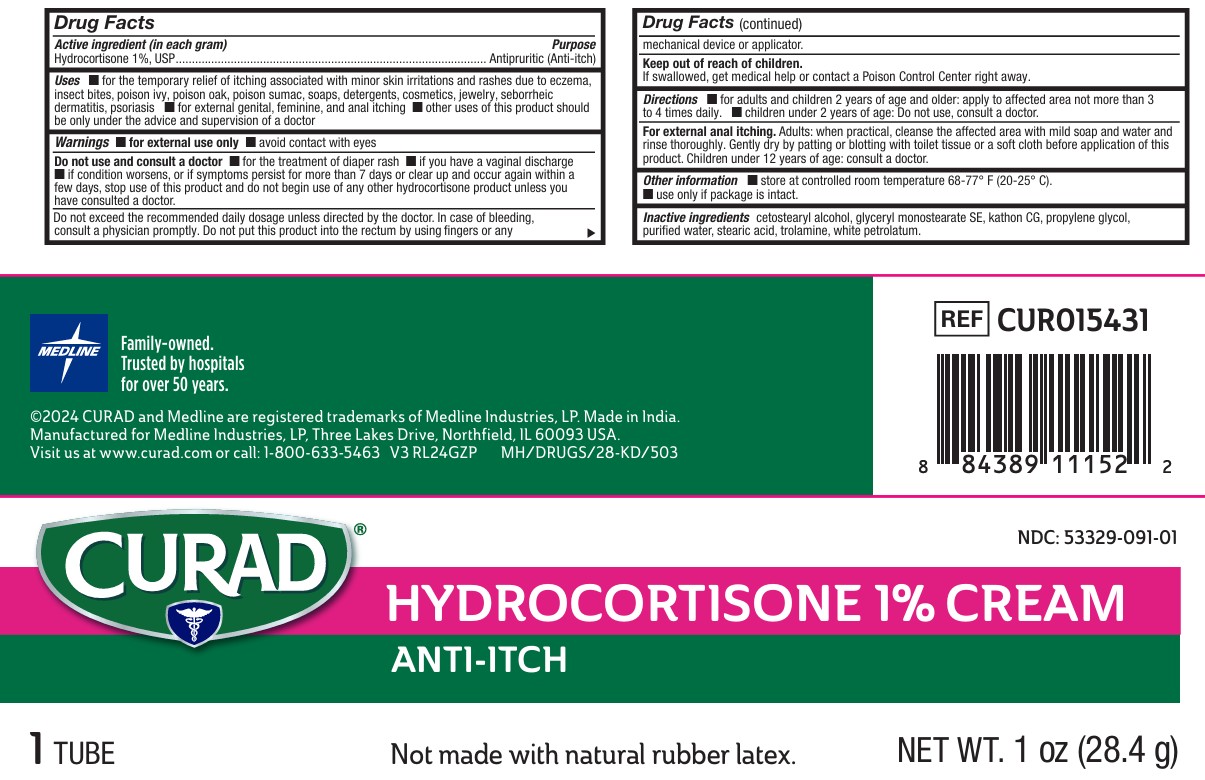
(hydrocortisone · DailyMed)
MELALITE CREAM
HYDROQUINONE TRETINOIN & HYDROCORTISONE ACETATE
What it does
Hydrocortisone is a corticosteroid used to reduce inflammation and treat various conditions.
Commonly used for: Inflammation, Allergic reactions, Skin conditions, Adrenal insufficiency (Addison's disease)
Read more in plain English ↓Plain-language summary for general understanding - not medical advice. Always follow your pharmacist/doctor.
Ask about this medicine
Answers come only from this medicine's registration record, BNF monograph and interaction data - not medical advice.
Hard to find? We help patients in Kenya source rare medicines. We don't sell or dispense medicines - licensed pharmacies do.
Source this medicineRegistration & product details
Source: Pharmacy and Poisons Board · fetched 2026-01-28 20:55:39 · updated 2026-07-26 11:46:18
Drug Interactions
43Pharmacodynamic Warnings
Tretinoin appears in TABLE 5: Drugs that cause thromboembolism
Hydrocortisone appears in TABLE 17: Drugs that reduce serum potassium
Severe (2)
Mifamurtide - decreases efficacy
Corticosteroidsarepredictedtodecreasetheefficacyof mifamurtide.Avoid.rTheoretical
Vitamin - increases risk of vitamin a toxicity
TretinoinispredictedtoincreasetheriskofvitaminAtoxicity whengivenwithvitaminA.Avoid.rStudy Ribavirin e
Moderate (21)
Corticosteroids - increases exposure
Dronedarone is predicted to increase the exposure to corticosteroids (methylprednisolone). Monitor and adjust dose.
Corticosteroids - increases concentration
Miconazole is predicted to increase the concentration of corticosteroids (methylprednisolone). Monitor and adjust dose.
Corticosteroids - increases exposure
Antifungals, azoles (fluconazole, isavuconazole, posaconazole) are predicted to increase the exposure to corticosteroids (methylprednisolone). Monitor and adjust dose.
Corticosteroids - decreases exposure
Cenobamate is predicted to decrease the exposure to corticosteroids (fluticasone). Adjust dose.
Corticosteroids - decreases efficacy
Mifepristone is predicted to decrease the efficacy of corticosteroids. Use with caution and adjust dose.
Unknown (20)
Aspirin - decreases concentration
Corticosteroids are predicted to decrease the concentration of aspirin (high-dose) and aspirin (high-dose) increases the risk of gastrointestinal bleeding when given with corticosteroids.
Choline Salicylate - decreases concentration
Corticosteroids are predicted to decrease the concentration of cholinesalicylate. Ciclesonide → see corticosteroids Ciclosporin → see TABLE 2 p. 1517 (nephrotoxicity), TABLE 16 p. 1521 (increased seru
Corticosteroids - increases exposure
Cobicistat is predicted to increase the exposure to corticosteroids (beclometasone) (risk with beclometasone is likely to be lower than with other corticosteroids).
Corticosteroids - increases risk of gastrointestinal perforation
Erlotinib is predicted to increase the risk of gastrointestinal perforation when given with corticosteroids.
Corticosteroids - increases exposure
Idelalisib is predicted to increase the exposure to corticosteroids (betamethasone, budesonide, ciclesonide, deflazacort, dexamethasone, fludrocortisone, fluticasone, hydrocortisone, methylprednisolon
Data from BNF 85 (British National Formulary). This is not a substitute for professional medical advice. Matched via: class
About hydrocortisone
Hydrocortisone is a corticosteroid used to reduce inflammation and treat various conditions.
What it treats
- Inflammation
- Allergic reactions
- Skin conditions
- Adrenal insufficiency (Addison's disease)
How it works
It works by decreasing inflammation and suppressing the immune system.
Who it's for
Hydrocortisone is for people dealing with severe inflammation or conditions related to hormone deficiency.
Drug class
Corticosteroids
Cautions
- • Be cautious if you are taking medications that lower potassium levels in your blood.
AI-assisted summary grounded in BNF data - general information only, not medical advice. Always confirm with your pharmacist or doctor.
About hydroquinone
Hydroquinone is a skin-lightening agent commonly used to treat dark spots and hyperpigmentation.
What it treats
- dark spots
- hyperpigmentation
- melasma
How it works
Hydroquinone works by reducing the amount of melanin, the pigment that gives skin its color, thereby lightening the skin in areas where there is excess pigmentation.
Who it's for
This treatment is suitable for individuals looking to lighten dark patches on their skin.
AI-assisted summary grounded in BNF data - general information only, not medical advice. Always confirm with your pharmacist or doctor.
About tretinoin
Tretinoin is a medication used to treat acne and certain skin conditions by promoting skin cell turnover.
What it treats
- acne
- acne vulgaris
- sun-damaged skin
- certain types of skin cancer
How it works
Tretinoin helps to unclog pores and reduce the formation of acne by speeding up the growth of new skin cells.
Who it's for
This medication is suitable for individuals suffering from acne or specific skin issues.
Cautions
- • Be cautious if taking other medications that may cause blood clots.
AI-assisted summary grounded in BNF data - general information only, not medical advice. Always confirm with your pharmacist or doctor.
Clinical monograph: Hydrocortisone
BNF-referencedHydrocortisone is a corticosteroid that exhibits both glucocorticoid and mineralocorticoid activities, making it effective in managing various inflammatory and autoimmune conditions. It is commonly used as a replacement therapy in adrenal insufficiency and as an anti-inflammatory agent in a range of disorders.
Indications
- Adrenocortical insufficiency
- Inflammatory bowel disease
- Severe acute asthma
- Acute hypersensitivity reactions
- Congenital adrenal hyperplasia
- Replacement therapy in adrenal insufficiency
Dosage
Children: For children aged 1-5 months: Initially 25 mg 3 times a day, adjusted according to response. For children aged 6 months-5 years: Initially 50 mg 3 times a day, adjusted according to response. For children aged 6-11 years: Initially 100 mg 3 times a day, adjusted
Adults: 100-500 mg 3-4 times a day or when required. For replacement in adrenocortical insufficiency, 20-30 mg once daily, adjusted according to response.
Mechanism of action
Hydrocortisone binds to the glucocorticoid receptor, leading to decreased vasodilation and permeability of capillaries, inhibition of leukocyte migration to inflammation sites, and changes in gene expression that promote anti-inflammatory pathways. It inhibits phospholipase A2, NF-kappa B, and other inflammatory transcription factors, stabilizing leukocyte lysosomal membranes and reducing the release of destructive enzymes. High doses can raise sodium levels and decrease potassium levels through mineralocorticoid receptor activity.
Pharmacodynamics
Hydrocortisone's pharmacodynamic profile includes the inhibition of various inflammatory mediators and the promotion of anti-inflammatory cytokines. Its effects are dose-dependent, with lower doses providing anti-inflammatory benefits, while higher doses exhibit immunosuppressive effects. It has a wide therapeutic index and moderate duration of action.
Pharmacokinetics
Hydrocortisone is metabolized primarily in the liver, with its effects lasting for several hours to days. The onset of action varies with the route of administration, being more rapid when given intravenously. Its half-life is influenced by factors such as dose and administration route, and it is excreted through urine as metabolites.
Contra-indications
- Systemic fungal infections
- Hypersensitivity to hydrocortisone or any excipients
Adverse effects
- Increased risk of infections
- Hyperglycemia
- Hypertension
- Fluid retention and edema
- Gastrointestinal disturbances
- Mood changes
- Osteoporosis
- Peptic ulcer disease
- Cushing's syndrome with long-term use
Interactions
- Mitotane: Moderate decrease in hydrocortisone exposure
- Rifampicin: Moderate decrease in hydrocortisone exposure
- Cobicistat: Unknown effect, potential increase in hydrocortisone exposure
- Idelalisib: Unknown effect, potential increase in hydrocortisone exposure
- Clarithromycin: Unknown effect, potential increase in hydrocortisone exposure
Precautions
- Use with caution in patients with diabetes
- Monitor for signs of infection during therapy
- Consider dose adjustment in patients with hepatic impairment
- Gradual withdrawal is recommended to avoid adrenal insufficiency after prolonged therapy
Pregnancy
Hydrocortisone is categorized as category C. Use only if the potential benefit justifies the potential risk to the fetus.
Breast-feeding
Hydrocortisone is excreted in breast milk. Caution is advised when administering to nursing mothers.
Storage
Store at room temperature, away from moisture and heat. Protect from light.
Formulations
- Injectable form (sodium succinate)
- Modified-release tablets
- Immediate-release tablets
AI-synthesized from BNF references - general information only, not a substitute for professional medical advice or the current BNF. Verify doses with a pharmacist.
Clinical monograph: Tretinoin
BNF-referencedTretinoin, also known as all-trans retinoic acid, is a derivative of vitamin A used primarily in the treatment of skin conditions such as acne vulgaris and in the management of acute promyelocytic leukemia (APL). It functions by promoting cell turnover and differentiation, which aids in normalizing the growth and differentiation of skin cells and leukemic cells. Its applications extend to dermatological and oncological uses due to its cytotoxic properties against certain malignancies.
Indications
- Acne vulgaris
- Acute promyelocytic leukemia (APL)
- Cytotoxic responsive malignancies
Dosage
Children: For children, consult local protocols or BNF for Children for specific dosing regimens.
Adults: For acute promyelocytic leukemia, the recommended dose is 45 mg/m2 daily in two divided doses for a maximum duration of 90 days.
Mechanism of action
Tretinoin exerts its pharmacological effects by binding to and activating retinoic acid receptors (RARs) and retinoid X receptors (RXRs) in the nucleus. This binding induces transcriptional regulation of genes involved in cell differentiation and proliferation. In skin conditions, it enhances keratinocyte turnover and reduces inflammation, while in APL, it promotes differentiation of leukemic cells.
Pharmacodynamics
Tretinoin promotes cell production, proliferation, and differentiation, primarily affecting epidermal cells. Topically, it regulates epidermal turnover and collagen synthesis, thereby preventing collagen degradation and enhancing skin appearance. It also exhibits antineoplastic effects by inducing cytodifferentiation in tumor cells, particularly in APL, leading to decreased proliferation of leukemic cells.
Pharmacokinetics
Tretinoin is well absorbed after oral administration, with peak plasma concentrations occurring within 1-2 hours. It is extensively metabolized in the liver, primarily through oxidation and conjugation, yielding several active and inactive metabolites. The elimination half-life ranges from 0.5 to 2 hours, and its metabolites are excreted in urine. The pharmacokinetics may be affected by liver function, necessitating caution in hepatic impairment.
Contra-indications
- Pregnancy
- Breastfeeding
- Hypersensitivity to tretinoin
- History of depression or severe neuropsychiatric reactions
Adverse effects
- Headache
- Dizziness
- Nausea
- Vomiting
- Abdominal pain
- Dry skin
- Erythema
- Chills
- Insomnia
- Intracranial hypertension
- Visual impairment
- Emotional lability
- Increased risk of thromboembolism
- Hypercalcemia
- Tinnitus
- Skin reactions
Interactions
- Tretinoin and vitamin A: Severe (increases risk of vitamin A toxicity)
- Tretinoin and posaconazole: Moderate (increases risk of tretinoin toxicity)
Precautions
- Caution in hepatic impairment
- Monitor haematological and coagulation profile, liver function, serum calcium, and plasma lipids before and during treatment
- Risk of neuropsychiatric reactions; advise patients to seek medical attention for mood changes
Pregnancy
Tretinoin is teratogenic; avoid use during pregnancy.
Breast-feeding
Avoid; discontinue breastfeeding during treatment.
Storage
Store in a cool, dry place away from direct sunlight.
Formulations
- Capsules (75 mg)
- Solution for injection
- Topical formulations (cream or gel)
AI-synthesized from BNF references - general information only, not a substitute for professional medical advice or the current BNF. Verify doses with a pharmacist.
Clinical monograph: hydroquinone
BNF-referencedHydroquinone is a skin-lightening agent commonly used in cosmetic formulations to treat conditions associated with hyperpigmentation, such as melasma, age spots, and post-inflammatory hyperpigmentation. It functions primarily by inhibiting the enzyme tyrosinase, which is crucial for melanin production in the skin. The therapeutic effects of hydroquinone typically develop over several months of consistent use.
Indications
- Hyperpigmentation
- Melasma
- Post-inflammatory hyperpigmentation
- Age spots
Dosage
Children: Refer to the BNF for Children for appropriate dosing information, as pediatric dosing may differ significantly from adult recommendations.
Adults: Topical application of hydroquinone is typically applied to the affected areas twice daily. Patients should follow specific product guidelines and consult healthcare professionals for individualized treatment plans.
Mechanism of action
Hydroquinone reduces melanin pigment production through inhibition of the tyrosinase enzyme, which is involved in the initial step of the melanin pigment biosynthesis pathway. This inhibition decreases the overall production of melanin, leading to a lighter skin appearance.
Pharmacodynamics
The pharmacodynamic effects of hydroquinone are largely related to its ability to modulate melanin synthesis in melanocytes by inhibiting tyrosinase activity. Prolonged exposure to hydroquinone can lead to a gradual lightening of the skin. However, the drug's efficacy may vary among individuals based on skin type and the extent of hyperpigmentation.
Pharmacokinetics
Hydroquinone is absorbed through the skin, reaching systemic circulation to some extent. The metabolic pathways of hydroquinone include its conversion to various reactive metabolites, which can generate reactive oxygen species and may lead to oxidative stress. Hydroquinone has a half-life that varies based on the route of administration and individual metabolism, but specific pharmacokinetic parameters are not well defined in the literature.
Adverse effects
- Skin irritation
- Erythema
- Hypopigmentation
- Allergic contact dermatitis
Precautions
- Use with caution in individuals with a history of skin sensitivity or allergy
- Avoid prolonged exposure to sunlight or ultraviolet light during treatment
- Not for use on broken or inflamed skin
Pregnancy
Hydroquinone should be used during pregnancy only if clearly needed, as safety in pregnancy has not been established.
Breast-feeding
Caution is advised when using hydroquinone while breastfeeding, as it is not known whether it is excreted in human milk.
Storage
Store at room temperature, away from light and moisture. Keep out of reach of children.
Formulations
- Cream
- Gel
- Lotion
AI-synthesized from BNF references - general information only, not a substitute for professional medical advice or the current BNF. Verify doses with a pharmacist.
Molecular reference: Hydrocortisone
PubChem CID 5754Molecular formula: C21H30O5
Mechanism of action
The short-term effects of corticosteroids are decreased vasodilation and permeability of capillaries, as well as decreased leukocyte migration to sites of inflammation. Corticosteroids binding to the glucocorticoid receptor mediates changes in gene expression that lead to multiple downstream effects over hours to days. Glucocorticoids inhibit neutrophil apoptosis and demargination; they inhibit phospholipase A2, which decreases the formation of arachidonic acid derivatives; they inhibit NF-Kappa B and other inflammatory transcription factors; they promote anti-inflammatory genes like interleukin-10. Lower doses of corticosteroids provide an anti-inflammatory effect, while higher doses are immunosuppressive. High doses of glucocorticoids for an extended period bind to the mineralocorticoid receptor, raising sodium levels and decreasing potassium levels. Following topical application, corticosteroids produce anti-inflammatory, antipruritic, and vasoconstrictor actions. The activity of the drugs is thought to result at least in part from binding with a steroid receptor. Corticosteroids decrease inflammation by stabilizing leukocyte lysosomal membranes, preventing release of destructive acid hydrolases from leukocytes; inhibiting macrophage accumulation in inflamed areas; reducing leukocyte adhesion to capillary endothelium; reducing capillary wall permeability and edema formation; decreasing complement components; antagonizing histamine activity and release of kinin from substrates; reducing fibroblast proliferation, collagen deposition, and subsequent scar tissue formation; and possibly by other mechanisms as yet unknown. Corticosteroids, especially the fluorinated corticosteroids, have antimitotic activity on cutaneous fibroblasts and the epidermis. /Corticosteroids/ Reactive oxygen species (ROS) generation by polymorphonuclear leukocytes (PMNL) and mononuclear cells (MNC) is inhibited following the intravenous administration of hydrocortisone. This is associated with a parallel decrease in intranuclear NFkappaB, known to modulate inflammatory responses including ROS generation. Plasma levels of interleukin-10 (IL-10), an anti-inflammatory and immunosuppressive cytokine produced by TH2 cells, are also increased after hydrocortisone administration. In this study, we have investigated the effect of hydrocortisone on p47(phox) subunit, a key component of nicotinamide adenine dinucleotide phosphate (NADPH) oxidase, in MNC and the pharmacodynamics of this effect with ROS generation and plasma IL-10 levels /were investigated/. p47(phox) subunit protein levels in MNC showed a progressive decrease after hydrocortisone administration. It reached a nadir at 4 hours and increased thereafter to a baseline level at 24 hours. ROS generation also decreased, reached a nadir between 2 and 4 hours, and returned to a baseline level at 24 hours. IL-10 concentrations increased, peaked at 4 hours, and reverted to the baseline levels at 24 hours. In conclusion, p47(phox) subunit suppression may contribute to the inhibition of ROS generation in MNC after hydrocortisone administration. This suppression occurs in parallel with the suppression of NFkappaB and an increase in IL-10 plasma levels. Therefore, it would appear that the decrease in intranuclear NFkappaB and an increase in IL-10 may cause the inhibitory modulation on p47(phox) subunit and ROS generation by MNC following hydrocortisone and other glucocorticoids.
Pharmacodynamics
Hydrocortisone binds to the glucocorticoid receptor leading to downstream effects such as inhibition of phospholipase A2, NF-kappa B, other inflammatory transcription factors, and the promotion of anti-inflammatory genes. Hydrocortisone has a wide therapeutic index and a moderate duration of action. Patients should stop taking the medication if irritation or sensitization occurs.
Biological pathways
Source: PubChem (NCBI) · pathways from PathBank, Reactome, WikiPathways & PharmGKB.
Molecular reference: Tretinoin
PubChem CID 444795Molecular formula: C20H28O2
Mechanism of action
The exact mechanism of action of tretinoin in skin conditions and acute promyelocytic leukemia (APL) has not been fully elucidated; however, several proposed mechanisms exist. Tretinoin is believed to exert its pharmacological actions by binding to and activating two types of nuclear receptors - retinoic acid receptors (RARs) alpha, beta, and gamma and retinoid X receptors (RXRs). In the human skin, RARs (especially RAR-alpha) form heterodimers with RXR to act as inducible transcription regulators of genes involved in cell differentiation by binding to retinoic acid response elements. Tretinoin binds to RXRs to promote epidermal proliferation. It also blocks the actions of inflammatory mediators, enhancing procollagen production and collagen type I and III formations. Some animal and human studies suggest that tretinoin induces the expression of transforming growth factor beta (TGF-β), which stimulates the transcription of several types of collagen messenger RNA. Collagen formation curtails further solar UV-induced skin damage and aging processes. Acne is associated with abnormal follicular formation from excessive keratinization of epithelial cells. Tretinoin promotes cornified cell detachment and enhances keratinocyte shedding. It also stimulates mitotic activity and loosely-adherent corneocyte turnover to expel comedo contents, reducing microcomedo precursor lesions of acne vulgaris. Tretinoin may reduce epidermal melanin and pigmentation by increasing keratinocyte turnover and reducing tyrosinase activity. RAR-alpha and -beta have also been implicated in APL. APL is characterized by a t(15;17) chromosomal translocation, which fuses the promyelocytic myeloid leukemia (PML) gene with the RAR-alpha gene. The resulting PML-RAR-alpha fusion protein plays a role in the pathogenesis of APL by aberrating promyelocyte differentiation. The PML-RAR-alpha fusion protein is found to be predominant in leukemic cells, exerting a dominant negative effect on RAR, RXR and PML function. Tretinoin induces terminal differentiation in hemopoietic precursor cell lines and APL cells. Tretinoin is believed to promote caspase-mediated cleavage and proteasome-dependent degradation to cause apoptosis and degradation of the PML-RAR-alpha fusion protein. It may also convert the fusion protein from a transcription repressor to an activator. Although the precise mechanism(s) of action of tretinoin has not been fully elucidated, it is known that the drug is not a cytolytic agent. Tretinoin induces cellular differentiation and decreases the proliferation of acute promyelocytic leukemia (APL) cells. The PML/RAR-a fusion protein resulting from the chromosomal translocation appears to block myeloid differentiation at the promyelocyte stage, possibly by complexing and inactivating wild-type PML or by inhibiting the normal retinoic acid signaling pathway. In patients with APL who achieve a complete remission with tretinoin therapy, the drug causes an initial maturation of the primitive promyelocytes derived from the cellular leukemic clone followed by a repopulation of the bone marrow and peripheral blood by normal, polyclonal hematopoietic cells. Observations supporting cellular differentiation effects as a mechanism of tretinoin include the absence of bone marrow hypoplasia during induction, the appearance of immunophenotypically unique "intermediate cells" expressing both mature and immature cell surface antigens, and the presence of both Auer rods and the translocation in morphologically mature granulocytes until a late stage of induction. The mechanism by which the population of malignant cells is eliminated is not fully understood but appears to involve apoptosis (programmed cell death). Following induction therapy, the PML/RAR-a fusion protein can be detected in the majority of patients, suggesting that tretinoin alone does not eradicate the leukemic clone.
Pharmacodynamics
Tretinoin is a vitamin A derivative that promotes cell production, proliferation, and differentiation. When used topically, tretinoin regulates epidermal cell turnover and collagen production. It also prevents collagen loss, reduces inflammation, and blocks the induction of matrix metalloproteinase (MMP), which are enzymes that disrupt collagen and elastic fibres. In short-term and long-term studies, topical application of tretinoin at doses ranging from 0.001% to 0.1% was associated with improvements in clinical signs of photoaging and fine wrinkles, increased epidermal thickness, compaction of the stratum corneum, and decreased melanin content. It also improved melanocyte differentiation and distribution, promotion of epidermal hyperplasia, and angiogenesis. Tretinoin exhibits antineoplastic activities when given orally. Tretinoin was shown to induce differentiation in tumour cells. It induced cytodifferentiation and decreased acute promyelocytic leukemia (APL) cell proliferation in culture and _in vivo_. In patients with APL, tretinoin promoted the initial maturation of the primitive promyelocytes derived from the leukemic clone, followed by a repopulation of the bone marrow and peripheral blood by normal, polyclonal hematopoietic cells in patients achieving complete remission.
Biological pathways
Source: PubChem (NCBI) · pathways from PathBank, Reactome, WikiPathways & PharmGKB.
Molecular reference: hydroquinone
PubChem CID 785Molecular formula: C6H6O2
Mechanism of action
Hydroquinone reduces melanin pigment production through inhibition of the tyrosinase enzyme, which is involved in the initial step of the melanin pigment biosynthesis pathway. Hydroquinone takes several months to take effect. Benzene is a well-established human carcinogen. Benzene metabolites hydroquinone (HQ) and benzoquinone (BQ) are highly reactive molecules capable of producing reactive oxygen species and causing oxidative stress. /This study/ investigated the role of the Nrf2, a key nuclear transcription factor that regulates antioxidant response element (ARE)-containing genes, in defense against HQ- and BQ-induced cytotoxicity in cultured human lung epithelial cells (Beas-2B). When the cells were exposed to HQ or BQ the activity of an ARE reporter was induced in a dose-dependent manner, meanwhile Nrf2 protein levels were elevated and accumulated in the nucleus. Increased expression of well-known Nrf2-dependent proteins including NQO1, GCLM, GSS and HMOX was also observed in the HQ/BQ-treated cells. Moreover, transient overexpression of Nrf2 conferred protection against HQ- and BQ-induced cell death, whereas knockdown of Nrf2 by small interfering RNA resulted in increased apoptosis. /This study/ also found that the increased susceptibility of Nrf2-knockdown cells to HQ and BQ was associated with reduced glutathione levels and loss of inducibility of ARE-driven genes, suggesting that deficiency of Nrf2 impairs cellular redox capacity to counteract oxidative damage. Altogether, these results suggest that Nrf2-ARE pathway is essential for protection against HQ- and BQ-induced toxicity.
Biological pathways
Source: PubChem (NCBI) · pathways from PathBank, Reactome, WikiPathways & PharmGKB.
This drug in other countries
The same active ingredient registered across other registries we cover - including different brands.
- ACNESOL 0.05%W/W CREAM
- ANICORT-1% 1%W/W OINTMENT
- ANOMEX COMBINATION PRODUCT OINTMENT
- ANOMEX COMBINATION PRODUCT SUPPOSITORY
- CLEAR-T 1%/0.025%W/W GEL
- CORTILEB 1% CREAM
- ACRETIN CREAM (Each gram contains Tretinoin 0.05%w/w) · Jamjoom Pharmaceuticals
- ACRETIN C GEL (Each 30g Aluminium collapsible tube contains Clindamycin Phosphate/Tretinoin 1.2%/0.025%) · Jamjoom Pharmaceuticals
- ACRETIN TRETINOIN (Each 30g tube contains Tretinoin 0.025%w/w) · Jamjoom Pharmaceuticals
- ACRETINC GEL (Each 30g Aluminium collapsible tube contains Clindamycin Phosphate/ tretinoin · Jamjoom Pharmaceuticals
- ANOMEX OINTMENT (Each gram contains Hydrocortisone Acetate/Lidocaine/Zinc Oxide/Allantoin 0.25%w/w/3%w/w/5%w/w/0.5%w/w) · Kremoint Pharma
- BLUCORT INJECTION (Each vial contains Hydrocortisone Sodium Succinate 100mg) · Pharmax India