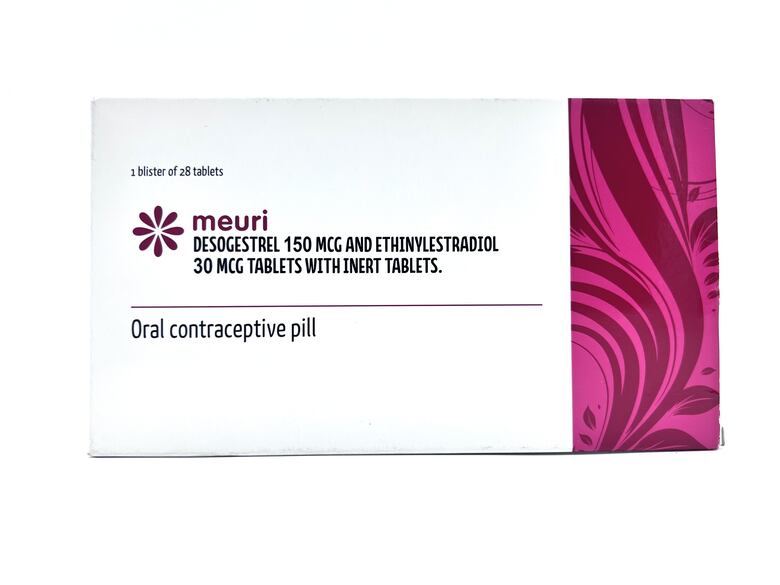
MEURI
DESOGESTREL PH. EUR. AND ETHINYLESTRADIOL USP
What it does
Desogestrel is a type of birth control pill that helps prevent pregnancy.
Commonly used for: prevention of pregnancy (contraception)
Read more in plain English ↓Plain-language summary for general understanding - not medical advice. Always follow your pharmacist/doctor.
Ask about this medicine
Answers come only from this medicine's registration record, BNF monograph and interaction data - not medical advice.
Hard to find? We help patients in Kenya source rare medicines. We don't sell or dispense medicines - licensed pharmacies do.
Source this medicineRegistration & product details
Source: Pharmacy and Poisons Board · fetched 2026-01-28 19:40:11 · updated 2026-09-18 02:31:12
Drug Interactions
12Unknown (12)
Antiepileptics - increases exposure
Desogestrel is predicted to increase the exposure to antiepileptics (lamotrigine) and antiepileptics (lamotrigine) might decrease the effects of desogestrel. For FSRH guidance, see Contraceptives, int
Desogestrel - decreases efficacy
Antiepileptics (carbamazepine, eslicarbazepine, fosphenytoin, oxcarbazepine, perampanel, phenobarbital, phenytoin, primidone, rufinamide, topiramate) are predicted to decrease the efficacy of desogest
Desogestrel - decreases efficacy
Lumacaftor might decrease the efficacy of desogestrel. Use additional contraceptive precautions.
Desogestrel - decreases efficacy
Modafinil is predicted to decrease the efficacy of desogestrel. For FSRH guidance, see Contraceptives, interactions p. 870.
Desogestrel - decreases efficacy
Rifamycins are predicted to decrease the efficacy of desogestrel. For FSRH guidance, see Contraceptives, interactions p. 870.
Data from BNF 85 (British National Formulary). This is not a substitute for professional medical advice. Matched via: exact
About desogestrel
Desogestrel is a type of birth control pill that helps prevent pregnancy.
What it treats
- prevention of pregnancy (contraception)
How it works
Desogestrel works by stopping the ovaries from releasing eggs and thickening the mucus in the cervix to prevent sperm from reaching an egg.
Who it's for
This medication is for women who want to prevent pregnancy.
AI-assisted summary grounded in BNF data - general information only, not medical advice. Always confirm with your pharmacist or doctor.
About ethinylestradiol
Ethinylestradiol is a synthetic form of the hormone estrogen, often used in combination with other hormones for various treatments.
What it treats
- prevention of pregnancy (contraception)
- regulation of menstrual cycles
- treatment of hormonal imbalances
How it works
It works by mimicking the effects of natural estrogen in the body, helping to control reproductive functions.
Who it's for
It is typically prescribed for women of reproductive age who need help with birth control or hormonal issues.
AI-assisted summary grounded in BNF data - general information only, not medical advice. Always confirm with your pharmacist or doctor.
Clinical monograph: Desogestrel
BNF-referencedDesogestrel is a synthetic progestogen used primarily as an oral contraceptive. It acts by inhibiting ovulation and modifying reproductive and metabolic processes. Desogestrel is distinguished from traditional progestogen-only pills due to its primary reliance on ovulation suppression for contraceptive efficacy. It has a low androgenic activity, making it suitable for women sensitive to androgenic side effects. Clinical evidence suggests a Pearl failure rate of 0.17 per 100 women-years, indicating its effectiveness as a contraceptive agent.
Indications
- Contraception
- Uterine fibroids
Dosage
Children: Refer to the BNF for Children for specific dosing information.
Adults: 75 micrograms daily, taken continuously at the same time each day starting on day 1 of the menstrual cycle. If the dose is delayed by more than 12 hours, the missed dose should not be taken, and the next dose should be taken at the normal time.
Mechanism of action
Desogestrel enters cells passively and selectively binds to progesterone receptors, producing an effect akin to a transcription factor, which modifies mRNA synthesis. Its active metabolite, etonogestrel, exhibits high progestational activity with minimal androgenicity. The primary contraceptive mechanism is the inhibition of ovulation, supplemented by changes in cervical mucus and endometrial alterations that reduce implantation likelihood.
Pharmacodynamics
Desogestrel affects reproductive hormones by modifying luteinizing hormone and follicle-stimulating hormone levels, leading to delayed menstruation and increased cervical mucus viscosity. It also influences metabolic processes, including insulin secretion and fat deposition. The primary therapeutic effect results from ovulation inhibition, confirmed by clinical trials showing a high efficacy rate compared to other progestogen-only contraceptives.
Pharmacokinetics
Following oral administration, desogestrel is rapidly absorbed and metabolized into etonogestrel, which is the active form. It has a half-life that allows for once-daily dosing. The pharmacokinetics might be altered by concomitant medications, particularly those affecting liver enzymes, leading to potential changes in efficacy.
Contra-indications
- Acute porphyrias
- Current breast cancer
- Hypersensitivity or allergy to peanuts or soya
Adverse effects
- Dizziness
- Breast tenderness
- Nausea
- Abdominal pain
- Changes in menstrual bleeding
- Headache
- Acne
- Weight gain
Interactions
- Antiepileptics (carbamazepine, eslicarbazepine, fosphenytoin, oxcarbazepine, perampanel, phenobarbital, phenytoin, primidone, rufinamide, topiramate) - may decrease efficacy
- Lamotrigine - may increase exposure
- Berotralstat - may decrease efficacy
- Lumacaftor - may decrease efficacy
- Modafinil - may decrease efficacy
- Rifamycins - may decrease efficacy
- St John's wort - may decrease efficacy
- Sugammadex - may decrease exposure
Precautions
- Caution in patients with cardiac dysfunction
- Monitor closely in patients with diabetes
- Consider risks in women with a history of venous thromboembolism
Pregnancy
Not known to be harmful.
Breast-feeding
Progestogen-only contraceptives do not affect lactation.
Storage
Store in a cool, dry place below 30°C, protect from light.
Formulations
- Desogestrel 75 micrograms tablet
AI-synthesized from BNF references - general information only, not a substitute for professional medical advice or the current BNF. Verify doses with a pharmacist.
Clinical monograph: Ethinylestradiol
BNF-referencedEthinylestradiol is a synthetic estrogen used primarily in hormonal contraceptives and hormone replacement therapy. It mimics the effects of natural estrogens in the body, influencing various physiological processes including the menstrual cycle and reproductive system. Ethinylestradiol is known for its role in suppressing ovulation, thickening cervical mucus, and altering the endometrium to prevent implantation, making it effective in preventing pregnancy.
Indications
- Hormonal contraception
- Menstrual cycle regulation
- Hormone replacement therapy
- Management of menopausal symptoms
- Treatment of polycystic ovary syndrome
- Endometriosis management
- Dysfunctional uterine bleeding
Dosage
Adults: The dosing of ethinylestradiol varies based on the formulation and indication. Commonly, it is administered in combination with progestins for contraception, typically as a daily oral tablet containing 20 to 35 micrograms of ethinyles
Mechanism of action
Ethinylestradiol acts as a synthetic estrogen by binding to estrogen receptors in estrogen-responsive tissues. It suppresses gonadotropic hormone secretion from the pituitary gland, leading to decreased luteinizing hormone levels. This results in reduced endometrial vascularization and prevents ovulation by inhibiting the hormonal changes necessary for ovarian follicle maturation. Additionally, it thickens cervical mucus to impede sperm movement and alters the endometrium to prevent implantation.
Pharmacodynamics
Ethinylestradiol has a long duration of action and a wide therapeutic index. It effectively decreases luteinizing hormone and gonadotropic hormone levels, thereby preventing ovulation and altering reproductive tract conditions. Patients using ethinylestradiol should be made aware of potential thrombotic risks, particularly in specific populations such as smokers and those with a history of thromboembolic disorders.
Pharmacokinetics
Ethinylestradiol is well absorbed when taken orally, with peak plasma concentrations occurring approximately 1 to 2 hours after administration. It has a high plasma protein binding rate, predominantly to sex hormone-binding globulin. The drug undergoes extensive hepatic metabolism, primarily by cytochrome P450 enzymes, and has a half-life of about 10-20 hours. Excretion is primarily via the kidneys, with metabolites being eliminated in urine.
Contra-indications
- Pregnancy
- History of thromboembolic disorders
- Active liver disease
- Severe hypertension
- Undiagnosed vaginal bleeding
- Hormone-sensitive cancers (e.g., breast cancer)
- Known hypersensitivity to ethinylestradiol or any component of the formulation
Adverse effects
- Nausea
- Headache
- Breast tenderness
- Mood changes
- Thromboembolic events (e.g., deep vein thrombosis, pulmonary embolism)
- Increased risk of certain cancers (e.g., breast and endometrial cancer)
- Hypertension
- Skin reactions (e.g., rash)
Interactions
- Antibiotics (e.g., rifampicin) may reduce effectiveness
- Anticonvulsants (e.g., phenytoin, carbamazepine) may reduce effectiveness
- St. John's Wort may reduce effectiveness
- Fostemsavir increases ethinylestradiol concentration
- Certain antiretrovirals may interact with ethinylestradiol
Precautions
- Monitor for signs of thromboembolism
- Caution in patients with a history of migraines
- Caution in patients with liver disease
- Regular breast examinations and mammograms are recommended
- Consider risks versus benefits in patients with a family history of breast cancer
- Use with caution in patients with hypertension, renal disease, asthma, epilepsy, and systemic lupus erythematosus
Pregnancy
Ethinylestradiol is contraindicated in pregnancy due to potential risks to the fetus and maternal health.
Breast-feeding
Caution is advised as ethinylestradiol may be excreted in breast milk. It is recommended to weigh the benefits of the treatment against potential risks to the nursing infant.
Storage
Store in a cool, dry place away from direct light. Keep out of reach of children.
Formulations
- Tablets
- Transdermal patches
- Gels
- Sachets
AI-synthesized from BNF references - general information only, not a substitute for professional medical advice or the current BNF. Verify doses with a pharmacist.
Molecular reference: Desogestrel
PubChem CID 40973Molecular formula: C22H30O
Mechanism of action
Desogestrel enters the cell passively and acts by binding selectively to the progesterone receptor and generating low androgenic activity. Its binding produces an effect like a transcription factor and thus, it produces modifications in the mRNA synthesis. The active metabolite of desogestrel, [etonogestrel], presents a combination of high progestational activity with minimal intrinsic androgenicity. Combination oral contraceptives act by suppression of gonadotropins. Although the primary mechanism of this action is inhibition of ovulation, other alterations include changes in the cervical mucus, which increase the difficulty of sperm entry into the uterus, and changes in the endometrium which reduce the likelihood of implantation. Receptor binding studies, as well as studies in animals, have shown that 3-keto-desogestrel, the biologically active metabolite of desogestrel, combines high progestational activity with minimal intrinsic androgenicity. The relevance of this latter finding in humans is unknown. In contrast to traditional progestogen-only pills, the contraceptive effect of Cerazette is achieved primarily by inhibition of ovulation. Other effects include increased viscosity of the cervical mucus. Recent studies have demonstrated that desogestrel activates the estrogen receptor-alpha at an activity of about 50% of that of 17beta-estradiol but activates the estrogen receptor-beta at an activity of only 20%. Desogestrel and/or its metabolite 3-keto-desogestrel (etonogestrel) were strongly progestogenic (approximately twofold over progesterone), weakly or not androgenic in animal studies in vivo and in-vitro binding assays and weakly or not active on the glucocorticoid receptor. The active metabolite of desogestrel, 3-ketodesogestrel, strongly bound to and activated progesterone receptor-A and, to a slightly lesser extent, progesterone receptor-B Improvement in oral contraceptive formulations was originally achieved through dose reduction of the estrogen and progestogen components. Recently, further improvement was achieved by increasing the selectivity of contraceptive progestins. The ratio between the affinity for the progesterone receptor and the affinity for the androgen receptor is an indicator of progesterone (or androgen) selectivity of a progestin. This ratio (selectivity index) reflects the relative amount of androgenic or progestational effect at a given dose. Relative selectivity can be characterized with in vitro receptor-binding studies and animal pharmacologic experiments. In comparison with levonorgestrel, desogestrel displays markedly lower androgenicity and slightly increased relative progestational activity. In receptor-binding experiments and animal pharmacologic studies, 3-keto-desogestrel, the active metabolite of desogestrel, shows the highest selectivity index. The favorable effect of desogestrel-containing oral contraceptives on lipoprotein metabolism and preexisting androgen-dependent skin disorders and the absence of adverse effects on blood pressure and body weight are attributed to the increased progestin selectivity of desogestrel. For more Mechanism of Action (Complete) data for DESOGESTREL (6 total), please visit the HSDB record page.
Pharmacodynamics
The effects of desogestrel are divided on reproductive including modification of luteinizing hormone and follicle stimulating hormone, declines on the onset of menstruation, and increases the viscosity of the vaginal fluid; and on metabolic that includes increase insulin secretion and resistance, increased lipase activity, and increased fat deposition. The effect of desogestrel on the lipids has been studied extensively and the results are contradictory. Desogestrel main therapeutic effect due to its mechanism of action is known to be related to the inhibition of the ovulation in 97% of the cycles. This effect was proven in clinical trials in non-breastfeeding women from which the Pearl failure rate was reported to be of 0.17 per 100 women-years. This result indicated that desogestrel is more efficient when compared to other progestogen-only pills. All the therapeutic effect is produced by a transformation of the endometrium followed by an inhibition of the ovulation due to the suppression of other hormones. Desogestrel has been widely confirmed to be related to an increase in the risk of venous thromboembolism due to the driven increased in blood coagulation factors, leading to a pronounced prothrombotic state. However, the effects of desogestrel are known to not impact significantly the level of total cholesterol remaining in the range of change of 10% which allows it to be a molecule that presents a favorable lipid profile.
Source: PubChem (NCBI) · pathways from PathBank, Reactome, WikiPathways & PharmGKB.
Molecular reference: Ethinylestradiol
PubChem CID 5991Molecular formula: C20H24O2
Mechanism of action
Ethinylestradiol is a synthetic estrogenic compound. Use of estrogens have a number of effects on the body including reduced bone density. Combined oral contraceptives suppress ovulation by suppressing gonadotrophic hormone, thickening cervical mucus to prevent the travel of sperm, and preventing changes in the endometrium required for implantation of a fertilized egg. Ethinylestradiol decreases luteinizing hormone, decreasing vascularity in the endometrium. It also increases sex hormone binding globulin. Endogenous estrogens are largely responsible for the development and maintenance of the female reproductive system and secondary sexual characteristics. Although circulating estrogens exist in a dynamic equilibrium of metabolic interconversions, estradiol is the principal intracellular human estrogen and is substantially more potent than its metabolites estrone and estriol at the receptor level. ... After menopause, most endogenous estrogen is produced by conversion of androstenedione, secreted by the adrenal cortex, to estrone by peripheral tissues. Thus, estrone and the sulfate conjugated form, estrone sulfate, are the most abundant circulating estrogens in postmenopausal women. The pharmacologic effects of ethinyl estradiol are similar to those of endogenous estrogens. Estrogens act through binding to nuclear receptors in estrogen-responsive tissues. To date, two estrogen receptors have been identified. These vary in proportion from tissue to tissue. Circulating estrogens modulate the pituitary secretion of the gonadotropins, luteinizing hormone (LH) and follicle stimulating hormone (FSH) through a negative feedback mechanism. Estrogens act to reduce the elevated levels of these hormones seen in postmenopausal women. Estrogens have an important role in the reproductive, skeletal, cardiovascular, and central nervous systems in women, and act principally by regulating gene expression. Biologic response is initiated when estrogen binds to a ligand-binding domain of the estrogen receptor resulting in a conformational change that leads to gene transcription through specific estrogen response elements (ERE) of target gene promoters; subsequent activation or repression of the target gene is mediated through 2 distinct transactivation domains (ie, AF-1 and AF-2) of the receptor. The estrogen receptor also mediates gene transcription using different response elements (ie, AP-1) and other signal pathways. Recent advances in the molecular pharmacology of estrogen and estrogen receptors have resulted in the development of selective estrogen receptor modulators (eg, clomiphene, raloxifene, tamoxifen, toremifene), agents that bind and activate the estrogen receptor but that exhibit tissue-specific effects distinct from estrogen. Tissue-specific estrogen-agonist or -antagonist activity of these drugs appears to be related to structural differences in their estrogen receptor complex (eg, specifically the surface topography of AF-2 for raloxifene) compared with the estrogen (estradiol)-estrogen receptor complex. A second estrogen receptor also has been identified, and existence of at least 2 estrogen receptors (ER-alpha, ER-beta) may contribute to the tissue-specific activity of selective modulators. While the role of the estrogen receptor in bone, cardiovascular tissue, and the CNS continues to be studied, emerging evidence indicates that the mechanism of action of estrogen receptors in these tissues differs from the manner in which estrogen receptors function in reproductive tissue. /Estrogen General Statement/ Intracellular cytosol-binding proteins for estrogens have been identified in estrogen-responsive tissues including the female genital organs, breasts, pituitary, and hypothalamus. The estrogen-binding protein complex (ie, cytosol-binding protein and estrogen) distributes into the cell nucleus where it stimulates DNA, RNA, and protein synthesis. The presence of these receptor proteins is responsible for the palliative response to e
Pharmacodynamics
Ethinylestradiol is a synthetic estrogen that decreases luteinizing hormone to decrease endometrial vascularization, and decreases gonadotrophic hormone to prevent ovulation. It has a long duration of action as it is taken once daily, and a wide therapeutic index as overdoses are generally not associated with serious adverse effects. Patients should be counselled regarding the risks of thrombotic events.
Biological pathways
Source: PubChem (NCBI) · pathways from PathBank, Reactome, WikiPathways & PharmGKB.
This drug in other countries
The same active ingredient registered across other registries we cover - including different brands.
- CERAZETTE · Organon
- CONTREZ · Oman Pharmaceutical Products
- CONTREZIN · Oman Pharmaceutical Products
- CONTROL PILL · Senador Laboratories
- DAISY-30 · Senador Laboratories
- DAISY-P · Senador Laboratories
- Daisy P · Mylan Laboratories
- Desogest Film coated tablets · Oman Pharmaceutical Products Co., LLC
- Levorest · Renata
- MICROGYNON ED · Bayer
- Microgynon · Bayer
- Microgynon EL · Bayer
- Contrez Tablets · Oman Pharmaceutical Products Co.
- Contrezin Tablet · Oman Pharmaceutical Products Co.
- Florina -28 tablets · Unicure Remedies
- Meuri tablets · Population Services International
- Microgynon ED Fe tablets · Bayer
- Oralcon F · Mylan Laboratories
- CYPRESS 2.0MG/ 0.035MG TABLET
- MICROGYNON-ED-FE 0.03MG/0.15MG TABLET
- MICROGYNON-Fe 0.15MG/0.03MG SUGAR COATED TABLET
- MICROGYNON_ED 30µg/150µg TABLET
- MICROLETTE COMBINATION PRODUCT TABLET
- NOGESTOL COMBINATION PRODUCT TABLET
- EVRA PATCH · Lohmann Therapie Systeme
- FEMODENE ED · Bayer
- GINETTE · Cipla Ltd
- MEURI · Mylan Laboratories
- NOVELLA · Hll Lifecare
- POSTOVAL · Aspen SA