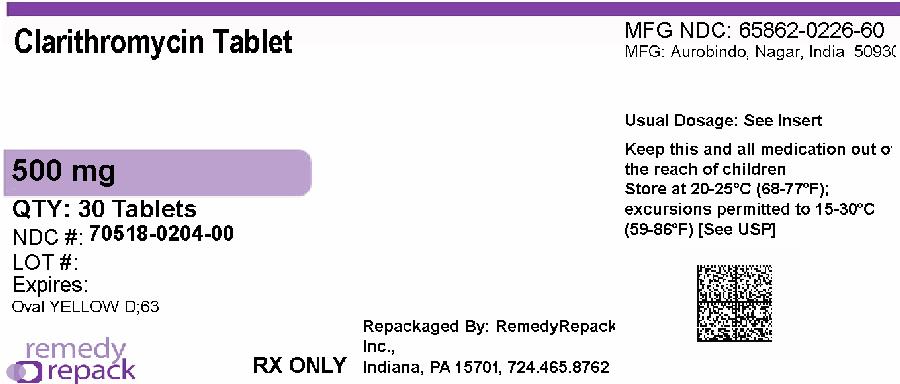
(clarithromycin · DailyMed)
Micropyl Kit Plus
Clarithromycin 500 mg,Colloidal Anhydrous silica (Aerosil 200) 4.500 mg/6 mL,Colloidal Silicon dioxide (Aerosil 200) 7.500 mg/6 mL,Croscarmellose Sodium (Primellose) 26.000 mg/6 mL,Dichloromethane (Methylene Chloride) 0.000 QS,Hypromellose (HPMC 15CPS) 11.000 mg/6 mL,Hypromellose (HPMC 15CPS) 8.000 mg/6 mL,Isopropyl Alcohol 0.000 QS,Lake of quinoline yellow 0.107 mg/6 mL,Lansoprazole 300 mg,Magnesium Stearate 5.000 mg/6 mL,Magnesium Stearate 6.000 mg/6 mL,Maize starch 10.000 mg/6 mL,Maize starch 30.000 mg/6 mL,Methyl Hydroxybenzoate 1.000 mg/6 mL,Microcrystalline Cellulose 42.269 mg/6 mL,Microcrystalline Cellulose. 65.500 mg/6 mL,Polysorbate-80 (TWEEN 80) 0.800 mg/6 mL,Povidone K 30 30.000 mg/6 mL,Povidone K 30 5.000 mg/6 mL,Propyl Hydroxybenzoate 0.500 mg/6 mL,Propylene Gylcol 1.800 mg/6 mL,Purified Water 0.000 QS,Sodium Starch Glycolate (Primojel) 20.000 mg/6 mL,Sodium Starch Glycolate (Primojel) 6.000 mg/6 mL,Sorbic Acid 0.528 mg/6 mL,Sorbitan Mono oleate (ARLACEL-80) 2.000 mg/6 mL,Starch (Maize) 4.240
What it does
Alcohol is a substance that can affect your mood and behavior. It is important to use it carefully, especially if you are taking other medications.
Commonly used for: social enjoyment, anxiety relief, temporary relaxation
Read more in plain English ↓Plain-language summary for general understanding - not medical advice. Always follow your pharmacist/doctor.
Ask about this medicine
Answers come only from this medicine's registration record, BNF monograph and interaction data - not medical advice.
Medicine sourcing is available in Kenya only. We don't sell or dispense medicines - licensed pharmacies do.
Sourcing - Kenya onlyRegistration & product details
Source: Tanzania Medicines and Medical Devices Authority · fetched 2026-08-06 03:00:38 · updated 2026-09-24 03:00:47
Drug Interactions
220Pharmacodynamic Warnings
Alcohol appears in TABLE 1: Drugs that cause hepatotoxicity
Alcohol appears in TABLE 8: Drugs that cause hypotension
Clarithromycin appears in TABLE 9: Drugs that prolong the QT interval
Alcohol appears in TABLE 11: Drugs with CNS depressant effects
Severe (35)
Acalabrutinib - increases exposure
Clarithromycin is predicted to increase the exposure to acalabrutinib. Avoid.
Alprazolam - increases exposure
Clarithromycin moderately increases the exposure to benzodiazepines (alprazolam). Avoid.
Antihistamines,non-Sedating - increases exposure
Clarithromycin is predicted to increase the exposure to antihistamines, non-sedating (mizolastine). Avoid.
Avapritinib - increases exposure
Clarithromycin is predicted to increase the exposure to avapritinib. Avoid.
Benzodiazepines - increases exposure
Clarithromycin moderately increases the exposure to benzodiazepines (alprazolam). Avoid.
Moderate (50)
Alfentanil - increases exposure
Clarithromycin is predicted to increase the exposure to opioids (alfentanil, buprenorphine, fentanyl, oxycodone). Monitor and adjust dose.
Aminophylline - increases exposure
Clarithromycin is predicted to increase the exposure to aminophylline. Adjust dose.
Amlodipine - increases exposure
Clarithromycin is predicted to increase the exposure to calcium channel blockers (amlodipine, felodipine, lacidipine, nicardipine, nifedipine, nimodipine). Monitor and adjust dose.
Antiarrhythmics - increases exposure
Clarithromycin is predicted to increase the exposure to antiarrhythmics (propafenone). Monitor and adjust dose.
Anticholinesterases, Centrally Acting - increases exposure
Clarithromycin is predicted to increase the exposure to anticholinesterases, centrally acting (galantamine). Monitor and adjust dose.
Unknown (135)
Abemaciclib - increases exposure
Clarithromycin is predicted to increase the exposure to abemaciclib. Avoid or adjust abemaciclib dose, p. 1056.
Acitretin - increases concentration
Alcohol potentially increases the concentration of retinoids (acitretin). Avoid and for 2 months after stopping acitretin.
Afatinib - increases exposure
Macrolides are predicted to increase the exposure to afatinib.
Alitretinoin - increases exposure
Clarithromycin is predicted to increase the exposure to retinoids (alitretinoin). Adjust alitretinoin dose, p. 1382.
Almotriptan - increases exposure
Clarithromycin increases the exposure to triptans (almotriptan).
Data from BNF 85 (British National Formulary). This is not a substitute for professional medical advice. Matched via: exact
About alcohol
Alcohol is a substance that can affect your mood and behavior. It is important to use it carefully, especially if you are taking other medications.
What it treats
- social enjoyment
- anxiety relief
- temporary relaxation
How it works
Alcohol affects the brain and central nervous system, leading to changes in mood and behavior.
Who it's for
Adults who consume alcohol in moderation for social or relaxation purposes.
Cautions
- • Be cautious if taking medications that can harm the liver.
- • Use with care if you have low blood pressure.
- • Avoid combining with medications that can cause drowsiness.
AI-assisted summary grounded in BNF data - general information only, not medical advice. Always confirm with your pharmacist or doctor.
About cellulose
Cellulose is a type of fiber that helps with digestion and promotes bowel health.
What it treats
- constipation
- irregular bowel movements
How it works
Cellulose adds bulk to the stool, making it easier to pass through the intestines.
Who it's for
Suitable for people looking to improve their digestive health.
AI-assisted summary grounded in BNF data - general information only, not medical advice. Always confirm with your pharmacist or doctor.
About clarithromycin
Clarithromycin is an antibiotic used to treat infections caused by bacteria.
What it treats
- bacterial infections
- chest infections (pneumonia)
- skin infections
- ear infections (otitis media)
How it works
It works by stopping the growth of bacteria, helping your body to fight off the infection.
Who it's for
It is for adults and children with certain bacterial infections.
Drug class
Macrolides
Cautions
- • Be cautious if you are taking other medications that affect heart rhythm.
AI-assisted summary grounded in BNF data - general information only, not medical advice. Always confirm with your pharmacist or doctor.
About colloidal
Colloidal solutions are often used in various medical treatments and can help improve the delivery of certain medications.
What it treats
- supporting hydration
- helping with nutrient absorption
- improving medication effectiveness
How it works
Colloidal solutions contain small particles that can help carry and deliver substances in the body more effectively.
Who it's for
Adults and children who need assistance with hydration or nutrient delivery.
AI-assisted summary grounded in BNF data - general information only, not medical advice. Always confirm with your pharmacist or doctor.
About croscarmellose
Croscarmellose is a substance used in medicines to help them dissolve and be absorbed in the body.
What it treats
- helps improve the effectiveness of oral medications
How it works
It works by breaking down the medicine so that it can be easily absorbed in the stomach and intestines.
Who it's for
It is used in various oral medicines that require better absorption.
AI-assisted summary grounded in BNF data - general information only, not medical advice. Always confirm with your pharmacist or doctor.
About dichloromethane
Dichloromethane is a chemical commonly used as a solvent in various industrial and laboratory applications.
What it treats
- used in the production of plastics
- used in paint removers
- used in cleaning agents
How it works
Dichloromethane works by dissolving other substances, making it easier to remove or clean them.
Who it's for
Dichloromethane is mainly for industrial or laboratory use and not typically for personal or home use.
Cautions
- • Can be harmful if inhaled or absorbed through the skin.
- • May cause irritation to the eyes and skin.
- • Should only be used in well-ventilated areas.
AI-assisted summary grounded in BNF data - general information only, not medical advice. Always confirm with your pharmacist or doctor.
About dioxide
Dioxide is used in various medical applications, but specific details about its class or interactions are not provided.
How it works
The exact mechanism of action for dioxide is not specified, but it generally serves various therapeutic roles in medicine.
Who it's for
Dioxide may be suitable for individuals needing treatment related to its specific applications, but more information is needed to identify specific patient groups.
AI-assisted summary grounded in BNF data - general information only, not medical advice. Always confirm with your pharmacist or doctor.
About glycolate
Glycolate is a compound that may be used in various medical treatments.
How it works
Glycolate works by interacting with certain bodily processes, though specific details are not available.
Who it's for
Glycolate may be suitable for individuals needing treatment related to certain health conditions, but specific indications are not provided.
AI-assisted summary grounded in BNF data - general information only, not medical advice. Always confirm with your pharmacist or doctor.
About gylcol
Glycol is a substance used in various medical products, often to help with certain health conditions.
How it works
Glycol helps to maintain moisture and improve the texture of products.
Who it's for
Glycol can be used by individuals needing skin hydration or for specific medical applications.
AI-assisted summary grounded in BNF data - general information only, not medical advice. Always confirm with your pharmacist or doctor.
About hydroxybenzoate
Hydroxybenzoate is a compound often used as a preservative in various products.
What it treats
- preservative in cosmetics
- preservative in food products
- preservative in pharmaceuticals
How it works
It helps prevent the growth of bacteria and fungi, keeping products safe and effective for longer.
Who it's for
Hydroxybenzoate is generally suitable for most people, but individuals with specific allergies should avoid it.
AI-assisted summary grounded in BNF data - general information only, not medical advice. Always confirm with your pharmacist or doctor.
About hypromellose
Hypromellose is a substance that helps to keep the eyes moist and can be used to soothe irritation.
What it treats
- dry eyes (keratoconjunctivitis sicca)
- eye irritation
How it works
It forms a protective layer over the eye, which helps to retain moisture and relieve discomfort.
Who it's for
This medication is suitable for anyone experiencing dry or irritated eyes.
AI-assisted summary grounded in BNF data - general information only, not medical advice. Always confirm with your pharmacist or doctor.
About isopropyl
Isopropyl is commonly used in various topical applications for its antiseptic properties.
What it treats
- skin disinfectant
- cleaning agent
- antiseptic for minor cuts and scrapes
How it works
Isopropyl works by killing bacteria and preventing infection when applied to the skin.
Who it's for
It is suitable for anyone needing a disinfectant for minor skin issues.
AI-assisted summary grounded in BNF data - general information only, not medical advice. Always confirm with your pharmacist or doctor.
About lake
Lake is not classified under any specific drug class and has no known interactions or cautions.
How it works
No specific information is available about how Lake works.
Who it's for
Lake can be used by anyone, but specific conditions are not mentioned.
AI-assisted summary grounded in BNF data - general information only, not medical advice. Always confirm with your pharmacist or doctor.
About lansoprazole
Lansoprazole is a medication that reduces stomach acid, helping to treat certain digestive issues.
What it treats
- acid reflux (gastroesophageal reflux disease)
- stomach ulcers (peptic ulcers)
- Zollinger-Ellison syndrome
How it works
It works by blocking the production of stomach acid, which helps heal and prevent damage to the stomach and esophagus.
Who it's for
It is for adults and children over the age of 1 who need relief from acid-related conditions.
AI-assisted summary grounded in BNF data - general information only, not medical advice. Always confirm with your pharmacist or doctor.
About maize
Maize is a common food ingredient that provides energy and nutrients.
What it treats
- nutrition
- energy source
How it works
Maize is a carbohydrate-rich food that the body uses for energy.
Who it's for
Suitable for most people, including adults and children.
AI-assisted summary grounded in BNF data - general information only, not medical advice. Always confirm with your pharmacist or doctor.
About methyl
Methyl is an active ingredient used in various medications. It is involved in different treatments for health conditions.
What it treats
- mood disorders
- depression
- anxiety
How it works
Methyl helps to improve mood and reduce feelings of anxiety by affecting certain chemicals in the brain.
Who it's for
This medication is for adults experiencing mood-related issues.
AI-assisted summary grounded in BNF data - general information only, not medical advice. Always confirm with your pharmacist or doctor.
About microcrystalline
Microcrystalline is a type of substance often used in medicines to help with various health issues. It is commonly used as a filler or binder in tablets and capsules.
What it treats
- stomach issues
- constipation
- weight management
How it works
It helps to improve the texture of medicines and can assist in the absorption of other ingredients in the body.
Who it's for
Adults and children who need help with specific health conditions, as directed by a healthcare professional.
AI-assisted summary grounded in BNF data - general information only, not medical advice. Always confirm with your pharmacist or doctor.
About mono
Mono is a medication with various uses in treating certain conditions.
What it treats
- depression
- anxiety disorders
How it works
Mono works by helping to balance chemicals in the brain that affect mood and emotions.
Who it's for
Mono is for adults dealing with depression or anxiety.
AI-assisted summary grounded in BNF data - general information only, not medical advice. Always confirm with your pharmacist or doctor.
About oleate
Oleate is a compound often used for its potential health benefits.
What it treats
- supports heart health
- promotes healthy skin
How it works
Oleate may help improve cholesterol levels and keep skin moisturized.
Who it's for
Adults looking to support their heart or skin health.
AI-assisted summary grounded in BNF data - general information only, not medical advice. Always confirm with your pharmacist or doctor.
About polysorbate-80
Polysorbate-80 is a substance used as an emulsifier and stabilizer in various products, including medicines and foods.
What it treats
- used in some medications and vaccines
- helps mix ingredients that usually don't blend well
How it works
Polysorbate-80 helps to keep ingredients mixed together, ensuring even distribution in products.
Who it's for
This ingredient is generally safe for most people, but check with your healthcare provider if you have specific concerns.
AI-assisted summary grounded in BNF data - general information only, not medical advice. Always confirm with your pharmacist or doctor.
About povidone
Povidone is a synthetic polymer often used as a disinfectant and to help deliver medications in various forms.
What it treats
- skin infections
- wound care
- eye infections (conjunctivitis)
How it works
Povidone works by killing bacteria and other germs, helping to prevent infections.
Who it's for
Povidone is suitable for people needing treatment for skin or eye infections.
AI-assisted summary grounded in BNF data - general information only, not medical advice. Always confirm with your pharmacist or doctor.
About propyl
Propyl is a chemical compound often used in various medicines. It helps in treating certain health conditions, but specific information on its uses and interactions is not provided.
How it works
Propyl works by influencing biological processes in the body, but the exact mechanism is not detailed.
Who it's for
Propyl may be suitable for individuals needing treatment for specific health issues, though details are not provided.
AI-assisted summary grounded in BNF data - general information only, not medical advice. Always confirm with your pharmacist or doctor.
About propylene
Propylene is a compound used in various medical applications, often as a solvent or carrier for medications.
What it treats
- used in some topical treatments
- acts as a solvent in pharmaceuticals
How it works
Propylene helps dissolve other substances, making them easier to apply or absorb in the body.
Who it's for
It is typically for adults and children who need certain medications delivered in a specific form.
AI-assisted summary grounded in BNF data - general information only, not medical advice. Always confirm with your pharmacist or doctor.
About purified
Purified ingredients are often used in various medicines to ensure safety and effectiveness by removing impurities.
What it treats
- various medical conditions
How it works
Purified ingredients help in delivering the intended effects of the medicine without the risk of contaminants.
Who it's for
People who need medications with safe and effective ingredients.
AI-assisted summary grounded in BNF data - general information only, not medical advice. Always confirm with your pharmacist or doctor.
About quinoline
Quinoline is a chemical compound often used in various treatments.
What it treats
- treating infections caused by certain parasites
- used in some medications for malaria
How it works
Quinoline works by interfering with the growth and reproduction of parasites in the body.
Who it's for
It is usually prescribed for people diagnosed with infections from specific parasites, including those with malaria.
AI-assisted summary grounded in BNF data - general information only, not medical advice. Always confirm with your pharmacist or doctor.
About silica
Silica is a natural substance that can be found in various forms and is often used to help with digestion and absorb excess moisture.
What it treats
- digestive issues
- absorption of moisture
How it works
Silica helps improve digestion by supporting the body's ability to break down food and absorb nutrients.
Who it's for
Silica may be suitable for adults experiencing digestive discomfort or needing help with moisture control.
AI-assisted summary grounded in BNF data - general information only, not medical advice. Always confirm with your pharmacist or doctor.
About silicon
Silicon is a mineral that may help support healthy bones and connective tissues.
What it treats
- bone health
- joint health
- skin health
How it works
Silicon helps form collagen, which is important for maintaining the strength and elasticity of bones and tissues.
Who it's for
Silicon is for individuals looking to support their bone and joint health.
AI-assisted summary grounded in BNF data - general information only, not medical advice. Always confirm with your pharmacist or doctor.
About sorbic
Sorbic is often used as a preservative in food products to prevent spoilage from mold and yeast.
What it treats
- preservative in food products
- prevention of mold growth
- prevention of yeast growth
How it works
Sorbic works by inhibiting the growth of certain fungi and bacteria, helping to keep products fresh for longer.
Who it's for
Sorbic is suitable for food manufacturers looking to extend the shelf life of their products.
AI-assisted summary grounded in BNF data - general information only, not medical advice. Always confirm with your pharmacist or doctor.
About sorbitan
Sorbitan is a substance often used in products to help mix ingredients together and improve texture.
What it treats
- skin conditions
- wound care
- topical treatments
How it works
Sorbitan helps to blend oils and water in creams and lotions, making them smoother and easier to apply.
Who it's for
Sorbitan is suitable for people needing topical treatments for various skin conditions.
AI-assisted summary grounded in BNF data - general information only, not medical advice. Always confirm with your pharmacist or doctor.
About starch
Starch is a carbohydrate that serves as a source of energy and is often used in various food products.
What it treats
- energy source
- dietary supplement
How it works
Starch is broken down by the body into glucose, which provides energy for daily activities.
Who it's for
Starch can be used by anyone needing extra energy in their diet, particularly those with increased energy needs.
AI-assisted summary grounded in BNF data - general information only, not medical advice. Always confirm with your pharmacist or doctor.
About yellow
Yellow is a medicinal product used to treat various conditions.
What it treats
- general health support
How it works
The exact way Yellow works is not specified, but it is designed to support overall well-being.
Who it's for
Yellow is suitable for individuals looking to improve their general health.
AI-assisted summary grounded in BNF data - general information only, not medical advice. Always confirm with your pharmacist or doctor.
Clinical monograph: Hypromellose
BNF-referencedHypromellose is a semisynthetic polymer derived from cellulose, primarily used as an ocular lubricant in the management of dry eye conditions. It acts by forming a protective layer over the eye surface, providing moisture and relief from irritation, thereby improving comfort and protecting the corneal epithelium.
Indications
- Dry eye conditions
- Tear deficiency
- Keratoconjunctivitis sicca
Dosage
Children: Apply as required, typically in the form of eye drops.
Adults: Apply as required, typically in the form of eye drops.
Mechanism of action
Hypromellose acts by forming a viscous gel upon contact with the ocular surface, which helps to retain moisture and protect against irritants. This gel-like property enhances the stability of the tear film and reduces evaporation, thereby alleviating symptoms associated with dry eye conditions.
Pharmacodynamics
The pharmacodynamic effects of hypromellose are primarily related to its ability to mimic natural tears, providing lubrication to the ocular surface. This lubrication reduces friction during blinking and maintains corneal hydration, which is critical for ocular comfort and health. Its high viscosity also contributes to prolonged retention time on the eye surface.
Pharmacokinetics
Hypromellose is administered topically as eye drops and is not significantly absorbed systemically. The retention time of hypromellose on the ocular surface is enhanced due to its viscosity, allowing for extended relief of dry eye symptoms. The elimination of hypromellose occurs primarily through drainage from the eye and dilution by the natural tear fluid.
Adverse effects
- Temporary visual disturbance
- Eye irritation
Precautions
- Should not be used during contact lens wear
- Use with caution in patients with known hypersensitivity to any component of the formulation
Pregnancy
Hypromellose is generally considered safe for use during pregnancy. However, it should be used only if clearly needed and after consulting a healthcare provider.
Breast-feeding
Hypromellose is unlikely to affect breastfed infants when used as directed, but consultation with a healthcare provider is advisable.
Storage
Store in a cool, dry place away from direct sunlight. Once opened, use within a specified period as indicated on the packaging.
Formulations
- {'name': 'Teardew', 'concentration': '0.3%', 'form': 'eye drops', 'volume': '10 ml'}
- {'name': 'Xailin Hydrate', 'concentration': '0.3%', 'form': 'eye drops', 'volume': '10 ml'}
- {'name': 'AacuLose', 'concentration': '0.3%', 'form': 'eye drops', 'volume': '10 ml'}
- {'name': 'Artelac', 'concentration': '0.32%', 'form': 'eye drops', 'volume': '10 ml'}
- {'name': 'Lacrilube', 'concentration': '2 mg/g', 'form': 'eye ointment', 'volume': '3.5 g'}
- {'name': 'Celluvisc', 'concentration': '1%', 'form': 'eye drops', 'volume': '0.4 ml unit dose'}
AI-synthesized from BNF references - general information only, not a substitute for professional medical advice or the current BNF. Verify doses with a pharmacist.
Clinical monograph: Lansoprazole
BNF-referencedLansoprazole is a proton pump inhibitor (PPI) used primarily to treat gastric acid-related disorders such as gastro-oesophageal reflux disease, duodenal ulcers, and gastric ulcers. It functions by irreversibly inhibiting the H+,K+-ATPase enzyme in the gastric parietal cells, which is responsible for the final step in gastric acid secretion, thereby reducing gastric acidity and promoting healing of the gastrointestinal mucosa.
Indications
- Gastro-oesophageal reflux disease
- Duodenal ulcer
- Benign gastric ulcer
- NSAID-associated gastric or duodenal ulcer
- Zollinger-Ellison syndrome
Dosage
Adults: 30 mg once daily for 4 weeks for duodenal ulcers, 30 mg once daily for 8 weeks for gastric ulcers, and 15 mg once daily for maintenance treatment. For gastro-oesophageal reflux disease, the usual dose is 15 mg
Mechanism of action
Lansoprazole is a prodrug that becomes activated in an acidic environment. Once protonated, it forms stable disulfide bonds with cysteine residues on the H+,K+-ATPase enzyme in parietal cells. This covalent binding leads to prolonged inhibition of gastric acid secretion, affecting both basal and stimulated acid production regardless of the stimulus.
Pharmacodynamics
Lansoprazole decreases gastric acid secretion by specifically targeting the H+,K+-ATPase enzyme, which catalyzes the final step in gastric acid secretion. It effectively heals duodenal ulcers and alleviates symptoms associated with acid secretion, such as heartburn, while also reducing pepsin secretion. Its action is effective in both daytime and nocturnal acid secretion, making it useful in treating various acid-related disorders.
Pharmacokinetics
Lansoprazole is absorbed after oral administration, with peak plasma concentrations usually occurring within 1-2 hours. It is extensively metabolized in the liver primarily via cytochrome P450 enzymes, leading to various metabolites that are excreted in urine. The half-life of lansoprazole is approximately 1.5 hours, but its acid-suppressive effects last longer due to its mechanism of action. The presence of food can affect the absorption rate, so it is typically recommended to take lansoprazole before meals.
Contra-indications
- Hypersensitivity to lansoprazole or any of its excipients
- Concurrent use with rilpivirine-containing products
Adverse effects
- Headache
- Diarrhoea
- Nausea
- Abdominal pain
- Constipation
- Flatulence
- Dizziness
- Fatigue
- Skin rash
- Elevated liver enzymes
- Acute interstitial nephritis
- Clostridium difficile-associated diarrhoea
- Bone fractures
- Hypomagnesemia
Interactions
- Increased risk of gastrointestinal infections due to reduced gastric acidity
- Apalutamide may decrease exposure when used with lansoprazole
- May alter the absorption of drugs that require an acidic environment for optimal absorption
Precautions
- Use with caution in patients with hepatic impairment
- Monitor for signs of Clostridium difficile infection in patients with prolonged therapy
- Consider risk of hypomagnesemia and associated complications
Pregnancy
Manufacturer advises to avoid use during pregnancy due to lack of adequate human data.
Breast-feeding
Specialist sources indicate use with caution, as lansoprazole is likely to be present in human milk, but in small amounts probably too low to be harmful.
Storage
Store below 25°C in a dry place, protect from light.
Formulations
- Gastro-resistant capsules
- Oral suspension
- Gastro-resistant tablets
- Gastro-resistant granules
AI-synthesized from BNF references - general information only, not a substitute for professional medical advice or the current BNF. Verify doses with a pharmacist.
Clinical monograph: Alcohol
BNF-referencedAlcohol is a volatile, flammable liquid used primarily as an antiseptic for skin disinfection and preparation before injections. It is commonly employed in medical settings to cleanse the skin and reduce the risk of infection.
Indications
- Skin disinfection
- Preparation of skin before injections
- Cleansing minor wounds
Dosage
Children: Apply to the skin as required; consult product literature for specific guidance.
Adults: Apply to the skin as required for disinfection.
Mechanism of action
Alcohol exerts its antiseptic effect by denaturing proteins, disrupting cell membranes, and dehydrating microbial cells, leading to cell lysis and death.
Pharmacodynamics
Alcohol has broad-spectrum antimicrobial activity, effective against bacteria, fungi, and viruses. Its efficacy is influenced by concentration, with higher concentrations generally being more effective.
Pharmacokinetics
Alcohol is rapidly absorbed through the skin and mucous membranes. It is metabolized primarily in the liver, with a half-life that varies based on the individual's metabolic rate and the amount consumed.
Contra-indications
- Concomitant use with lithium
- Regular use in neonates
- Patients with severe burns when diathermy has been preceded by application of alcoholic skin disinfectants
Adverse effects
- Eye erythema
- Punctate keratitis
- Cytotoxicity
- Eye discolouration
Interactions
- Increases risk of visual disturbances with antiepileptics
- Increases concentration with methylphenidate
- Increases risk of facial flushing and skin irritation with topical pimecrolimus
- Increases concentration with retinoids
- Increases concentration with acitretin
- Increases risk of facial flushing and skin irritation with topical tacrolimus
- Decreases antidiuretic effect with vasopressin
Precautions
- Avoid regular application to inflamed or broken skin or mucosa
- Avoid broken skin
- Flammable
Pregnancy
Sufficient iodine may be absorbed to affect the fetal thyroid in the second and third trimester.
Breast-feeding
Avoid regular or excessive use.
Storage
Store in a cool, dry place away from heat and direct sunlight.
Formulations
- Betadine 2.5% dry powder spray
- Industrial methylated spirit
- Povidone-Iodine 25 mg per 1 gram
AI-synthesized from BNF references - general information only, not a substitute for professional medical advice or the current BNF. Verify doses with a pharmacist.
Clinical monograph: Clarithromycin
BNF-referencedClarithromycin is a macrolide antibiotic effective against a range of bacterial infections. It is primarily used in the treatment of community-acquired pneumonia, skin infections, and as a prophylactic measure for certain infections. Clarithromycin works by inhibiting bacterial protein synthesis, making it a crucial agent in combating gram-positive and some gram-negative bacteria.
Indications
- Bacterial infections
- Community-acquired pneumonia
- Skin infections
- Prophylaxis for certain infections
Dosage
Adults: 500 mg once daily for
Mechanism of action
Clarithromycin is metabolized to 14-OH clarithromycin, which is active. It penetrates bacterial cell walls and reversibly binds to domain V of the 23S ribosomal RNA of the 50S ribosomal subunit, blocking the translocation of aminoacyl-tRNA and inhibiting polypeptide synthesis. It may be bactericidal in high concentrations against susceptible organisms, particularly Streptococcus pyogenes, S. pneumoniae, Haemophilus influenzae, and Chlamydia trachomatis. Additionally, clarithromycin inhibits the hepatic microsomal CYP3A4 isoenzyme and P-glycoprotein.
Pharmacodynamics
Clarithromycin exhibits a broad spectrum of activity against numerous gram-positive bacteria, including Staphylococcus aureus, Streptococcus pneumoniae, and Streptococcus pyogenes. It also shows activity against gram-negative bacteria such as Haemophilus influenzae and Moraxella catarrhalis, as well as against various anaerobic bacteria, mycobacteria, and other organisms like Mycoplasma, Ureaplasma, and Chlamydia. While typically bacteriostatic, it can sometimes demonstrate bactericidal properties depending on the concentration and the organism.
Pharmacokinetics
Clarithromycin is well absorbed after oral administration, with its bioavailability enhanced by food. It is extensively metabolized in the liver, primarily via CYP3A4, leading to active metabolites. The drug has a half-life of approximately 3 to 4 hours, but its active metabolite, 14-OH clarithromycin, has a longer half-life, contributing to its prolonged activity. Renal impairment can significantly affect its clearance, necessitating dosage adjustments in patients with reduced renal function.
Adverse effects
- Nausea
- Diarrhea
- Abdominal pain
- Dysgeusia
- Headache
- Rash
- Liver enzyme elevations
- QT prolongation
Interactions
- Clarithromycin + acalabrutinib: Severe (increases exposure)
- Clarithromycin + antiarrhythmics: Severe (increases exposure)
- Clarithromycin + dronedarone: Severe (increases exposure)
- Clarithromycin + non-sedating antihistamines: Severe (increases exposure)
- Clarithromycin + mizolastine: Severe (increases exposure)
- Clarithromycin + lurasidone: Severe (increases exposure)
- Clarithromycin + quetiapine: Severe (increases exposure)
- Clarithromycin + avapritinib: Severe (increases exposure)
- Clarithromycin + benzodiazepines: Severe (increases exposure)
- Clarithromycin + alprazolam: Severe (increases exposure)
Precautions
- Caution in hepatic impairment
- Use with caution in renal impairment
- Monitor for signs of QT prolongation
- Consider alternative therapy in patients with history of arrhythmias
- Use with caution in patients with myasthenia gravis due to potential exacerbation
Pregnancy
Manufacturers advise use only if adequate alternatives are not available.
Breast-feeding
Present in milk; use only if no suitable alternatives.
Storage
Store in a cool, dry place away from light. Keep out of reach of children.
Formulations
- Oral suspension 200 mg/5 mL
- Capsules 250 mg
AI-synthesized from BNF references - general information only, not a substitute for professional medical advice or the current BNF. Verify doses with a pharmacist.
Clinical monograph: cellulose
Cellulose is a complex carbohydrate and a key structural component of the plant cell wall. It is an indigestible polysaccharide made up of linear chains of glucose molecules linked by β-1,4-glycosidic bonds. As a dietary fiber, cellulose contributes to digestive health by promoting bowel regularity and is commonly used as a laxative and bulking agent in various food products and pharmaceuticals.
Indications
- Constipation
- Dietary fiber supplementation
- Irritable bowel syndrome
- Diverticular disease
- Weight management
Dosage
Children: Refer to appropriate guidelines for specific dosage; generally taken with adequate fluid intake.
Adults: Refer to appropriate guidelines for specific dosage; generally taken with adequate fluid intake.
Mechanism of action
Cellulose acts primarily as a bulk-forming laxative. It absorbs water in the intestines, which increases stool bulk and stimulates peristalsis, thus facilitating bowel movements. Additionally, cellulose is not digestible by human enzymes, leading to fermentation by gut bacteria, which may enhance gut health and alter gut microbiota composition.
Pharmacodynamics
Cellulose increases stool weight and frequency of bowel movements. It works by retaining water in the intestines, leading to softer stools and improved passage through the gastrointestinal tract. The bulking effect of cellulose can help alleviate constipation and promote overall digestive health. It may also play a role in cholesterol reduction and glycemic control through its effects on digestion and absorption of nutrients.
Pharmacokinetics
Cellulose is not absorbed into the bloodstream due to its indigestible nature. Instead, it passes through the gastrointestinal tract, where it adds bulk to the stool. Its fermentation by colonic bacteria produces short-chain fatty acids, which may have beneficial effects on colon health. The onset of action for cellulose as a laxative can vary but is generally within 24 to 72 hours after ingestion.
Adverse effects
- Bloating
- Flatulence
- Diarrhea
- Abdominal discomfort
Precautions
- Use with caution in patients with a history of gastrointestinal disorders.
- Monitor for potential allergic reactions in sensitive individuals.
Pregnancy
Cellulose is generally considered safe during pregnancy as it is a non-toxic, indigestible fiber.
Breast-feeding
Cellulose is also considered safe during breastfeeding; it is excreted in breast milk in negligible amounts.
Storage
Store in a cool, dry place away from direct sunlight.
Formulations
- Powder
- Capsules
- Tablets
- Granules
AI-synthesized from BNF references - general information only, not a substitute for professional medical advice or the current BNF. Verify doses with a pharmacist.
Clinical monograph: colloidal
Colloidal solutions are mixtures in which small particles are dispersed throughout a continuous medium. They can be used in various medical applications, including as intravenous fluids for volume expansion and as drug delivery systems. Colloidal solutions can improve the solubility and stability of drugs, enhancing their therapeutic effects.
Indications
- Hypovolemic shock
- Severe burns
- Postoperative fluid replacement
- Sepsis
- Trauma management
Dosage
Children: Refer to established guidelines for specific dosing, as it varies based on the type of colloidal solution used and the clinical condition being treated.
Adults: Refer to established guidelines for specific dosing, as it varies based on the type of colloidal solution used and the clinical condition being treated.
Mechanism of action
Colloidal solutions work by maintaining oncotic pressure in the blood, thus helping to retain fluid within the vascular system. This is primarily due to the large molecular weight of the colloidal particles, which cannot easily pass through capillary walls. The presence of colloids in the blood helps to draw water into the circulation, increasing blood volume and improving tissue perfusion.
Pharmacodynamics
The pharmacodynamics of colloidal solutions are centered on their ability to exert osmotic pressure, which helps maintain blood volume and pressure. This effect is particularly important in conditions such as hypovolemia and shock, where fluid replacement is necessary to restore hemodynamic stability. The efficacy of colloidal solutions can vary depending on the type of colloid used, as well as the underlying clinical condition being treated.
Pharmacokinetics
Colloidal solutions are typically administered intravenously and their pharmacokinetics can vary based on the specific formulation. Generally, colloids are distributed throughout the vascular compartment and have a longer duration of action compared to crystalloids, as they remain in circulation longer. The elimination of colloids is primarily through the reticuloendothelial system, where they are metabolized or eliminated by the liver and spleen. Factors such as particle size and composition can influence their distribution and clearance.
Adverse effects
- Allergic reactions
- Injection site reactions
- Nausea
- Vomiting
- Headache
- Fever
Precautions
- Use with caution in patients with known allergies to any component of the formulation
- Monitor for signs of hypersensitivity during administration
- Consider volume overload in patients with cardiac or renal impairment
Pregnancy
The safety of colloidal solutions during pregnancy has not been established. Use only if the potential benefit justifies the potential risk to the fetus.
Breast-feeding
It is not known whether colloidal solutions are excreted in human milk. Caution should be exercised when administering to breastfeeding mothers.
Storage
Store at room temperature, protect from light, and do not freeze. Keep out of reach of children.
Formulations
- Colloidal silver
- Colloidal gold
- Colloidal iron
- Other metal colloids
AI-synthesized from BNF references - general information only, not a substitute for professional medical advice or the current BNF. Verify doses with a pharmacist.
Clinical monograph: croscarmellose
Croscarmellose sodium is a pharmaceutical excipient widely used as a disintegrant in oral dosage forms. It enhances the dissolution of active pharmaceutical ingredients by promoting rapid disintegration of tablets and capsules upon contact with moisture. This characteristic makes it essential in improving the bioavailability of various medications.
Indications
- Used as a disintegrant in tablet formulations
- Enhances the bioavailability of active pharmaceutical ingredients
Dosage
Children: Refer to the specific formulation guidelines, as dosage will vary based on the active ingredient and formulation type.
Adults: Refer to the specific formulation guidelines, as dosage will vary based on the active ingredient and formulation type.
Mechanism of action
Croscarmellose sodium works by swelling and absorbing water when it comes into contact with gastrointestinal fluids. This swelling leads to the rapid disintegration of the tablet or capsule matrix, facilitating the release and absorption of the active pharmaceutical ingredients.
Pharmacodynamics
Croscarmellose sodium is classified as a superdisintegrant. Its ability to rapidly disintegrate solid dosage forms can significantly enhance the dissolution rate of the active ingredient, which is crucial for achieving therapeutic effects in a timely manner.
Pharmacokinetics
Croscarmellose sodium is not absorbed in the gastrointestinal tract and does not exert pharmacological effects in the body. It is considered non-toxic and is excreted unchanged. Its main role is as an excipient, influencing the formulation's characteristics rather than the pharmacokinetics of the active ingredients.
Precautions
- Use with caution in patients with known hypersensitivity to croscarmellose or its components.
Pregnancy
Safety in pregnancy has not been established. Use only if clearly needed.
Breast-feeding
Caution is advised when using during breastfeeding, as safety has not been established.
Storage
Store in a cool, dry place, away from moisture and heat.
Formulations
- Powder
- Granules
AI-synthesized from BNF references - general information only, not a substitute for professional medical advice or the current BNF. Verify doses with a pharmacist.
Clinical monograph: dichloromethane
BNF-referencedDichloromethane, also known as methylene chloride, is a colorless, volatile liquid with a sweet aroma. It is primarily used as a solvent in various industrial applications, including paint stripping, degreasing, and as a reagent in organic synthesis. Due to its potential toxicity and carcinogenic properties, its use is regulated in many regions.
Mechanism of action
Dichloromethane induces mammary adenomas in rats through an indirect mechanism involving hyperprolactinaemia, resulting in benign neoplasms. It does not bind to DNA in various tissues, suggesting that its carcinogenic effects are likely mediated through metabolic pathways in the liver. In mice, DCM acts as a hepatic and pulmonary carcinogen, mediated by interaction with DNA through a glutathione (GSH) conjugate produced by the enzyme glutathione S-transferase T1-1 (GST T1-1).
Pharmacodynamics
Dichloromethane exhibits carcinogenic properties, particularly evident in animal studies where exposure leads to liver and lung tumors. The incidence of tumors varies by species, with higher susceptibility observed in mice due to differences in glutathione transferase activity. Its effects on humans are still uncertain, necessitating caution in its handling and use due to potential health risks.
Pharmacokinetics
Dichloromethane is rapidly absorbed through inhalation and dermal exposure, with peak blood concentrations occurring shortly after exposure. It undergoes extensive hepatic metabolism primarily via cytochrome P450 enzymes, leading to the formation of reactive metabolites. The elimination half-life is relatively short, with excretion occurring mainly through the lungs and urine.
Pregnancy
Dichloromethane should be avoided during pregnancy due to its potential carcinogenic effects and lack of safety data in pregnant women.
Breast-feeding
It is not known whether dichloromethane is excreted in human milk, thus it should be used with caution in breastfeeding mothers.
Storage
Store in a cool, dry place away from heat and light. Keep container tightly closed.
AI-synthesized from BNF references - general information only, not a substitute for professional medical advice or the current BNF. Verify doses with a pharmacist.
Clinical monograph: dioxide
Dioxide refers to a class of chemical compounds that contain two oxygen atoms bonded to another element or group. The most commonly referenced dioxide is carbon dioxide (CO2), a colorless, odorless gas produced by respiration in animals and plants and by the combustion of organic matter. In a clinical context, dioxides are often involved in various physiological processes and can play roles in drug mechanisms, particularly with respect to gas exchange and acid-base balance in the body.
Indications
- Monitoring respiratory function
- Assessment of metabolic status
- Management of respiratory acidosis
- Management of respiratory alkalosis
Dosage
Children: Dosing for interventions related to carbon dioxide levels in pediatric patients should be guided by clinical protocols and the BNF for Children.
Adults: Dosing for interventions related to carbon dioxide levels is typically based on clinical assessment and individual patient needs. Refer to clinical guidelines for specific scenarios.
Mechanism of action
Carbon dioxide acts primarily as a signaling molecule in the body, influencing respiratory drive and blood pH. It is produced during cellular respiration and is a critical component of the bicarbonate buffering system, which helps maintain acid-base homeostasis. Elevated levels of CO2 in the blood stimulate ventilation in the lungs, increasing the rate of gas exchange and facilitating the removal of excess CO2.
Pharmacodynamics
The pharmacodynamic effects of dioxides, particularly carbon dioxide, are closely related to its concentration in the blood. As CO2 levels increase, it leads to respiratory acidosis, which can stimulate the respiratory centers in the brain to increase ventilation. Conversely, low levels of CO2 can cause respiratory alkalosis, potentially leading to decreased respiratory drive. CO2 also plays a role in vasodilation and can affect blood flow and pressure through its influence on smooth muscle tone.
Pharmacokinetics
Carbon dioxide is produced endogenously during metabolic processes and is transported in the bloodstream primarily in three forms: dissolved in plasma, as bicarbonate ions (HCO3-), and bound to hemoglobin. The half-life of CO2 in the bloodstream is very short due to its rapid exchange with alveolar gas in the lungs. The elimination of CO2 occurs through exhalation, making it a dynamic component of respiratory physiology.
Pregnancy
Data on the effects of dioxide during pregnancy are limited. Caution is advised due to potential risks associated with exposure.
Breast-feeding
Limited data are available regarding the excretion of dioxide in human milk. Caution is recommended.
Storage
Store in a cool, dry place, away from direct sunlight and moisture.
AI-synthesized from BNF references - general information only, not a substitute for professional medical advice or the current BNF. Verify doses with a pharmacist.
Clinical monograph: glycolate
BNF-referencedGlycolate is an intermediate in the metabolism of ethylene glycol, a compound that can cause toxicity when ingested. The toxicity arises primarily from its conversion to glycolic acid and other harmful metabolites. Glycolate and its relation to ethylene glycol's elimination kinetics have been studied, revealing important insights into their toxicokinetics in animal models.
Dosage
Children: Refer to specific clinical guidelines for dosing in children, as no standard paediatric dosage is specified in the provided resources.
Adults: Refer to specific clinical guidelines for dosing, as no standard adult dosage is specified in the provided resources.
Mechanism of action
Ethylene glycol toxicity results from its metabolism to glycolic acid and other toxic metabolites. Glycolate accumulates in the body and is eliminated more slowly than ethylene glycol itself. The renal excretion of both compounds plays a crucial role in their elimination, accounting for a significant portion of the administered dose.
Pharmacodynamics
The pharmacodynamics of glycolate are closely tied to its role as a metabolite of ethylene glycol. Its accumulation can lead to metabolic acidosis, although minimal clinical effects have been observed at low doses. The relationship between glycolate and ethylene glycol indicates that glycolate may contribute to the overall toxic effects of ethylene glycol ingestion.
Pharmacokinetics
The pharmacokinetics of glycolate indicate that it reaches peak plasma levels between 4-6 hours after the administration of ethylene glycol. The elimination half-life of ethylene glycol is approximately 1.7 hours in rats and 3.4 hours in dogs. Glycolate is predominantly eliminated through renal excretion, with about 5% of the dose being excreted unchanged.
Pregnancy
There is limited data on the safety of glycolate in pregnancy. Caution is advised.
Breast-feeding
Data on the excretion of glycolate in human milk is not available. Caution is advised.
Storage
Store at room temperature, away from light and moisture.
AI-synthesized from BNF references - general information only, not a substitute for professional medical advice or the current BNF. Verify doses with a pharmacist.
Clinical monograph: gylcol
Glycol refers to a class of compounds that includes various diols, with ethylene glycol and propylene glycol being the most commonly known. These compounds are primarily used as solvents, antifreeze agents, and in various industrial applications. In a clinical context, propylene glycol is often used as a pharmaceutical excipient and may also be utilized to treat certain medical conditions, although its use in humans should be carefully monitored due to potential toxicity at high doses.
Indications
- Solvent in pharmaceutical formulations
- Moisturizer and humectant in topical applications
- Potential use in the management of drug solubility issues
Dosage
Children: Refer to specific formulations and clinical guidelines, as dosing varies widely based on the application and formulation.
Adults: Refer to specific formulations and clinical guidelines, as dosing varies widely based on the application and formulation.
Mechanism of action
Glycols, particularly propylene glycol, act as humectants, which help to retain moisture in formulations. They can also enhance the solubility of drugs, aiding in their absorption when used as excipients. Propylene glycol is metabolized in the liver to lactate and subsequently to glucose, providing a source of energy when utilized in metabolic pathways.
Pharmacodynamics
The pharmacodynamics of glycols involve their ability to modulate the viscosity of solutions and enhance the solubility of other compounds. Propylene glycol can also facilitate the absorption of other drugs when used in formulations. It exhibits a low toxicity profile when used appropriately, but excessive systemic exposure can lead to metabolic acidosis and other adverse effects.
Pharmacokinetics
Glycols are rapidly absorbed when administered intravenously or orally. Propylene glycol is metabolized primarily in the liver, with a half-life varying based on the dose and individual metabolism. Renal excretion plays a role in the elimination of metabolites. Accumulation can occur in individuals with impaired liver or kidney function, necessitating careful monitoring of dosing in such populations.
Pregnancy
The safety of glycol in pregnancy is not well established. Consult healthcare professionals before use.
Breast-feeding
Glycol's effects during breastfeeding are not well characterized. Caution is advised.
Storage
Store in a cool, dry place away from direct sunlight and moisture.
AI-synthesized from BNF references - general information only, not a substitute for professional medical advice or the current BNF. Verify doses with a pharmacist.
Clinical monograph: hydroxybenzoate
BNF-referencedHydroxybenzoate, also known as a derivative of benzoic acid, is a compound that plays a significant role in various biochemical pathways, including the biosynthesis of salicylates and volatile benzenoids. It is commonly utilized in pharmaceutical formulations and is recognized for its potential applications in preserving medications and food products due to its antimicrobial properties.
Indications
- Use as a preservative in pharmaceutical formulations
- Antimicrobial agent in cosmetic and food products
- Potential use in the management of inflammatory conditions due to salicylate biosynthesis
Dosage
Children: Refer to the BNF for Children for appropriate dosing information.
Adults: Refer to the specific product guidelines and BNF for appropriate dosing information.
Mechanism of action
Hydroxybenzoate functions primarily as a preservative by inhibiting the growth of microorganisms. It exerts its effects through the disruption of microbial cell metabolism, thereby preventing spoilage and degradation. The compound is involved in various biosynthetic pathways, including the production of salicylates, which possess anti-inflammatory properties.
Pharmacodynamics
Hydroxybenzoate displays antimicrobial activity against a range of bacteria and fungi. Its efficacy is influenced by factors such as pH and concentration, with higher concentrations generally leading to greater antimicrobial effects. The compound may also exhibit antioxidant properties, contributing to its protective effects in various formulations.
Pharmacokinetics
The pharmacokinetics of hydroxybenzoate involves its absorption, distribution, metabolism, and excretion. It is readily absorbed when applied topically or ingested. Once in the system, it is metabolized primarily in the liver, with metabolites excreted through the urine. The elimination half-life may vary based on the formulation and route of administration.
Pregnancy
There is limited information available regarding the safety of hydroxybenzoate during pregnancy. Consult a healthcare provider for advice.
Breast-feeding
It is unclear if hydroxybenzoate is excreted in human milk. Consult a healthcare provider before use.
Storage
Store in a cool, dry place, away from direct sunlight. Keep out of reach of children.
AI-synthesized from BNF references - general information only, not a substitute for professional medical advice or the current BNF. Verify doses with a pharmacist.
Clinical monograph: isopropyl
BNF-referencedIsopropyl alcohol, also known as isopropanol or 2-propanol, is a colorless, flammable chemical compound with the molecular formula C3H8O. It is commonly used as a solvent, antiseptic, and disinfectant. Isopropyl alcohol has broad applications in medical, industrial, and household settings due to its effective antimicrobial properties and ability to dissolve a wide range of non-polar compounds.
Indications
- Antiseptic for skin disinfection
- Solvent in pharmaceutical formulations
- Cleaning agent in laboratories and healthcare settings
Dosage
Children: For pediatric use, consult specific guidelines in the BNF for Children, as dosing may vary based on age, weight, and clinical circumstances.
Adults: For skin antisepsis, apply isopropyl alcohol topically in a concentration of 70% to the affected area. Dosage may vary based on clinical indication and setting.
Mechanism of action
Isopropyl alcohol works primarily as an antiseptic by denaturing proteins and disrupting cell membranes of bacteria, viruses, and fungi, leading to cell lysis and death. Its efficacy is enhanced by the presence of water, which facilitates the penetration of the alcohol into microbial cells.
Pharmacodynamics
Isopropyl alcohol exhibits a rapid onset of action against a variety of pathogens, including gram-positive and gram-negative bacteria, fungi, and some viruses. Its antimicrobial activity is concentration-dependent, with higher concentrations generally providing a broader spectrum of activity. It is commonly used in concentrations ranging from 60% to 90%, with 70% being optimal for disinfection due to its ability to penetrate the cell wall effectively.
Pharmacokinetics
Isopropyl alcohol is readily absorbed through the skin and mucous membranes. After absorption, it is metabolized primarily in the liver to acetone, which is then further metabolized and excreted, mostly via urine. The elimination half-life of isopropyl alcohol varies but is typically around 2 to 3 hours. Its effects can be influenced by factors such as dosage, route of exposure, and individual metabolic differences.
Pregnancy
Isopropyl alcohol should be used with caution during pregnancy. It is a category C drug, indicating that risk cannot be ruled out.
Breast-feeding
Caution is advised when using isopropyl alcohol during breastfeeding, as it is not known if it is excreted in human milk.
Storage
Isopropyl alcohol should be stored at room temperature, away from heat and flame. Keep the container tightly closed and in a well-ventilated area.
Formulations
- Isopropyl alcohol 70% solution
- Isopropyl alcohol 99% solution
AI-synthesized from BNF references - general information only, not a substitute for professional medical advice or the current BNF. Verify doses with a pharmacist.
Clinical monograph: lake
BNF-referencedLake is a pharmaceutical compound with the molecular formula C13H23ClN4O3S. It is primarily used in various therapeutic applications, particularly in the management of certain medical conditions that require the modulation of biological pathways. Its specific indications, pharmacological properties, and clinical uses are determined based on its mechanism of action and pharmacokinetic profile.
Mechanism of action
Lake acts by inhibiting specific biological pathways, potentially modulating neurotransmitter activity or influencing enzymatic reactions related to its clinical indications. Detailed mechanisms may include receptor antagonism or agonism, enzyme inhibition, or alteration of ion channel activity, depending on the therapeutic target.
Pharmacodynamics
Lake demonstrates dose-dependent effects on the body, with its pharmacological activity correlating with the concentration of the drug in circulation. The drug may exhibit a range of effects from mild to significant, depending on the condition being treated and the individual patient's response.
Pharmacokinetics
The pharmacokinetic profile of Lake includes absorption, distribution, metabolism, and excretion characteristics that dictate its therapeutic efficacy and safety. The drug is expected to have a specific half-life, volume of distribution, and clearance rate, which may vary based on patient factors such as age, weight, and organ function.
Pregnancy
Use in pregnancy only if the potential benefit justifies the potential risk to the fetus.
Breast-feeding
Use with caution; it is not known whether this drug is excreted in human milk.
Storage
Store in a cool, dry place, away from light.
AI-synthesized from BNF references - general information only, not a substitute for professional medical advice or the current BNF. Verify doses with a pharmacist.
Clinical monograph: maize
Maize, also known as corn, is a cereal grain first domesticated by indigenous peoples in southern Mexico about 10,000 years ago. It is a staple food in many parts of the world and is used for human consumption, animal feed, and as a raw material in various industrial processes. Maize is rich in carbohydrates, particularly starch, and provides essential nutrients such as vitamins B and E, magnesium, and dietary fiber.
Indications
- Nutritional support
- Source of carbohydrates
- Dietary fiber source
- Animal feed
Dosage
Children: As with adults, there are no specific dosing recommendations for maize for children. It can be introduced into the diet in age-appropriate forms and quantities, keeping in mind the overall dietary balance.
Adults: There are no specific dosing recommendations for maize as it is typically consumed as part of a balanced diet. It can be included in daily meals in various forms such as whole kernels, flour, or as part of dishes.
Mechanism of action
Maize primarily acts as a source of energy due to its high carbohydrate content. The complex carbohydrates in maize are broken down into glucose, which is then utilized by the body for energy production. It also contributes to dietary fiber intake, which can aid in digestive health and regulation of blood sugar levels.
Pharmacodynamics
The consumption of maize influences blood glucose and insulin levels due to its carbohydrate content. It has a relatively low glycemic index when consumed in whole form, which can help in managing blood sugar levels. The dietary fiber present in maize can also promote satiety and aid in weight management.
Pharmacokinetics
The digestion of maize begins in the mouth with salivary amylase breaking down starches into simpler sugars. In the stomach and small intestine, enzymes further break down these carbohydrates. The resultant glucose is absorbed into the bloodstream, where it is transported to cells for energy production. The absorption rate can vary based on the form of maize consumed (e.g., whole kernels versus processed forms).
Pregnancy
Maize is generally considered safe for consumption during pregnancy as it is a staple food and provides essential nutrients.
Breast-feeding
Maize is safe to consume while breastfeeding and can provide important nutrients to both the mother and the infant.
Storage
Store in a cool, dry place, away from moisture and pests. Properly sealed containers can help prolong shelf life.
Formulations
- Whole maize grains
- Maize flour (cornmeal)
- Maize starch
- Maize oil
AI-synthesized from BNF references - general information only, not a substitute for professional medical advice or the current BNF. Verify doses with a pharmacist.
Clinical monograph: methyl
BNF-referencedMethyl compounds, including corticosteroids like methylprednisolone, are synthetic derivatives of naturally occurring steroids. They are widely used for their anti-inflammatory and immunosuppressive properties. Methylprednisolone is notably effective in managing various conditions involving inflammation and autoimmunity.
Indications
- Allergic conditions
- Autoimmune diseases
- Asthma and chronic obstructive pulmonary disease (COPD)
- Certain cancers (e.g., leukemia, lymphoma)
- Skin conditions (e.g., dermatitis)
- Inflammatory bowel disease
- Multiple sclerosis exacerbations
- Severe infections requiring immunosuppression
Dosage
Children: Refer to BNF for Children for specific dosing; doses vary significantly based on the child's age, weight, and condition being treated.
Adults: Refer to BNF for specific dosing; typically, initial doses range from 4 to 48 mg depending on the severity of the condition.
Mechanism of action
Methylprednisolone exerts its effects by binding to glucocorticoid receptors, leading to the modulation of gene expression. This interaction influences the transcription of anti-inflammatory proteins while suppressing the expression of pro-inflammatory genes, ultimately resulting in reduced inflammation and immune response.
Pharmacodynamics
The pharmacodynamic effects of methylprednisolone are characterized by its ability to decrease inflammation, suppress the immune response, and affect carbohydrate metabolism. Therapeutic doses lead to various systemic effects, including modification of leukocyte distribution and inhibition of cytokine production.
Pharmacokinetics
Methylprednisolone is well absorbed after oral administration, with a bioavailability of approximately 50%. It has a volume of distribution that reflects extensive tissue binding. The drug is metabolized primarily in the liver through conjugation and reduction, and its metabolites are excreted in urine. The half-life varies based on the route of administration but is generally around 18 to 36 hours.
Adverse effects
- Increased blood pressure
- Hyperglycemia
- Weight gain
- Mood changes
- Insomnia
- Gastrointestinal disturbances
- Increased susceptibility to infections
Interactions
- methylphenidate+apraclonidine: Severe (decreases effects)
- methylthioninium chloride+bupropion: Severe (increases risk of severe hypertension)
- methylphenidate+linezolid: Severe (increases risk of elevated blood pressure)
- rasagiline+methylphenidate: Severe (increases risk of a hypertensive crisis)
- mao-inhibitors+methylphenidate: Severe (increases risk of a hypertensive crisis)
- dronedarone+methylprednisolone: Moderate (increases exposure)
- miconazole+methylprednisolone: Moderate (increases concentration)
- antifungals, azoles+methylprednisolone: Moderate (increases exposure)
- crizotinib+methylprednisolone: Moderate (increases exposure)
Precautions
- Use with caution in patients with hypertension
- Monitor blood glucose levels in diabetic patients
- Consider potential for infection risk due to immunosuppression
- Evaluate for psychiatric effects in susceptible individuals
Pregnancy
Corticosteroids may be used during pregnancy if the potential benefit justifies the risk to the fetus. Careful monitoring is advised.
Breast-feeding
Corticosteroids are excreted in breast milk; caution is advised. Monitor the infant for potential effects.
Storage
Store in a cool, dry place, away from light. Keep out of reach of children.
Formulations
- Tablets
- Injectable solutions
- Topical preparations
AI-synthesized from BNF references - general information only, not a substitute for professional medical advice or the current BNF. Verify doses with a pharmacist.
Clinical monograph: methylsulphate
BNF-referencedMethylsulphate, with the molecular formula CH3O4S, is an organic compound that serves as a methylating agent. It is commonly used in various chemical reactions, including the methylation of nucleophiles in organic synthesis. Methylsulphate is not typically used as a therapeutic agent in clinical practice but may be encountered in laboratory settings.
Mechanism of action
Methylsulphate functions as a methylating agent, transferring a methyl group to nucleophiles. This process involves the formation of a sulfonium ion, which is highly reactive and can readily react with nucleophilic sites on various substrates, leading to methylation reactions.
Pharmacodynamics
The pharmacodynamics of methylsulphate is primarily related to its role as a methylating agent in biochemical reactions. It can alter the structure and function of biological molecules, potentially affecting cellular processes and signaling pathways. However, detailed pharmacodynamic studies specific to therapeutic use are limited.
Pharmacokinetics
There is limited information on the pharmacokinetics of methylsulphate, given its typical use as a reagent in laboratory settings rather than a clinical drug. When used in chemical reactions, its reactivity and transformation into other compounds would dictate its pharmacokinetic profile, which could vary significantly based on the specific context of use.
Pregnancy
There is limited data on the use of methylsulphate in pregnancy. Consult relevant guidelines.
Breast-feeding
Data on the excretion of methylsulphate in human milk is not available. Caution is advised.
Storage
Store in a cool, dry place, away from direct sunlight.
AI-synthesized from BNF references - general information only, not a substitute for professional medical advice or the current BNF. Verify doses with a pharmacist.
Clinical monograph: microcrystalline
Microcrystalline cellulose is a refined wood pulp, commonly used as an excipient in pharmaceutical formulations. It serves as a bulking agent and stabilizer in tablets and capsules, improving the physical properties of the drug formulation. It is characterized by its ability to absorb moisture and provide a suitable texture for various dosage forms.
Indications
- Used as an excipient in tablet formulations
- Used as a bulking agent in capsule formulations
- Used in food products as a thickener or stabilizer
Dosage
Children: Refer to specific product guidelines as dosage will depend on the formulation and the active ingredients.
Adults: Refer to specific product guidelines as dosage will depend on the formulation and the active ingredients.
Mechanism of action
Microcrystalline cellulose acts as a non-digestible filler that enhances the flow properties of powders during the manufacturing of tablets and capsules. It does not have a direct pharmacological action on the body but ensures that the active ingredients are effectively delivered to the patient.
Pharmacodynamics
As a non-active ingredient, microcrystalline cellulose does not exert pharmacodynamic effects typical of active pharmaceutical ingredients. Its primary role is to provide a stable and consistent matrix for the drug, facilitating the release of the active compound once ingested.
Pharmacokinetics
Microcrystalline cellulose is not absorbed in the gastrointestinal tract; it passes through the digestive system largely unchanged. It adds bulk to the stool, which may aid in promoting regular bowel movements. The substance is excreted in feces, where it contributes to dietary fiber intake.
Pregnancy
Data regarding the use of microcrystalline cellulose during pregnancy is limited. It is advisable to consult with healthcare professionals before use.
Breast-feeding
Microcrystalline cellulose is considered safe during breastfeeding, as it is not absorbed systemically.
Storage
Store in a cool, dry place away from direct sunlight and moisture.
AI-synthesized from BNF references - general information only, not a substitute for professional medical advice or the current BNF. Verify doses with a pharmacist.
Clinical monograph: mono
Monoclonal antibodies are laboratory-engineered molecules designed to target specific antigens in the body. They are derived from immune cells and can mimic the immune system's ability to fight off harmful pathogens such as viruses. These agents are widely used in various therapeutic applications, including oncology, autoimmune diseases, and infectious diseases.
Indications
- Cancer (various types)
- Rheumatoid arthritis
- Multiple sclerosis
- Inflammatory bowel disease
- Psoriasis
- Hypercholesterolemia
- Infectious diseases (e.g., COVID-19)
Dosage
Children: Refer to the BNF for Children for paediatric dosing information, as it varies based on the specific monoclonal antibody and the condition being treated.
Adults: Refer to the specific monoclonal antibody product information for adult dosage, as it varies based on indication and specific agent used.
Mechanism of action
Monoclonal antibodies work by binding to specific proteins on the surface of cells. This binding can block the activity of certain proteins, mark cells for destruction by the immune system, or deliver cytotoxic agents directly to target cells. The mechanism of action varies depending on the specific monoclonal antibody but often involves modulation of immune response, inhibition of cell proliferation, and induction of apoptotic pathways.
Pharmacodynamics
The pharmacodynamics of monoclonal antibodies is primarily characterized by their specificity and affinity for targeted antigens. This leads to a variety of effects, including neutralization of pathogens, blockade of receptor-ligand interactions, and antibody-dependent cellular cytotoxicity. The clinical effects depend on the disease being treated and the specific antibody's action, such as inducing tumor regression in cancer or reducing inflammation in autoimmune diseases.
Pharmacokinetics
Monoclonal antibodies typically have a long half-life, allowing for less frequent dosing. They are generally administered intravenously or subcutaneously, with absorption and distribution influenced by the antibody's size and charge. The elimination occurs primarily through proteolytic degradation and intracellular recycling. Factors such as patient-specific variables, including immunogenicity and the presence of antibodies against the monoclonal antibody, can impact pharmacokinetics.
Interactions
- abatacept+monoclonalantibodies: Severe (increases risk of generalised infection (possibly life-threatening))
- anakinra+monoclonalantibodies: Severe (increases risk of generalised infection (possibly life-threatening))
- anthracyclines+monoclonalantibodies: Severe (increases risk of cardiotoxicity)
- filgotinib+monoclonalantibodies: Severe (increases risk of immunosuppression)
- monoclonalantibodies+fingolimod: Severe (increases risk of generalised infection (possibly life-threatening))
- normal immunoglobulin+monoclonalantibodies: Severe (affects effects)
- monoclonalantibodies+ozanimod: Severe (increases risk of generalised infection (possibly life-threatening))
- monoclonalantibodies+siponimod: Severe (increases risk of generalised infection (possibly life-threatening))
- monoclonalantibodies+vemurafenib: Severe (increases risk of hepatotoxicity)
- monoclonalantibodies+aminophylline: Moderate (decreases exposure)
AI-synthesized from BNF references - general information only, not a substitute for professional medical advice or the current BNF. Verify doses with a pharmacist.
Clinical monograph: oleate
BNF-referencedOleate is a long-chain unsaturated fatty acid, primarily derived from animal and vegetable fats. It serves as a key component in various biological processes and is involved in the metabolism of lipids and cellular signaling. As a fatty acid, oleate plays a critical role in energy storage and membrane structure.
Indications
- Fatty acid supplementation
- Dietary management of hyperlipidemia
- Support in lipid metabolism disorders
Dosage
Children: Refer to the BNF for Children for appropriate pediatric dosing.
Adults: Refer to the BNF for specific dosing guidelines.
Mechanism of action
Oleate functions as a signaling molecule that can influence various metabolic pathways, including phospholipid remodeling and choline biosynthesis. It is involved in the regulation of cellular functions through its incorporation into phospholipids and modulation of enzyme activity, particularly phospholipases.
Pharmacodynamics
Oleate exhibits effects on lipid metabolism, insulin sensitivity, and inflammation. It has been shown to influence the composition of cell membranes, affecting their fluidity and functionality. Oleate may also play a role in the regulation of gene expression related to fat metabolism and inflammation.
Pharmacokinetics
Oleate is absorbed through the gastrointestinal tract and transported in the bloodstream as part of lipoproteins. It is metabolized primarily in the liver and can be oxidized for energy production or esterified for storage in adipose tissue. The metabolism of oleate can influence the levels of other fatty acids and lipid profiles in the body.
Pregnancy
Oleate is generally considered safe during pregnancy; however, it is advisable to consult a healthcare professional before use.
Breast-feeding
Oleate is typically regarded as safe during breastfeeding, but it is important to seek guidance from a healthcare provider.
Storage
Store in a cool, dry place, away from direct sunlight and moisture.
Formulations
- Oleate solution
- Oleate emulsion
AI-synthesized from BNF references - general information only, not a substitute for professional medical advice or the current BNF. Verify doses with a pharmacist.
Clinical monograph: polysorbate80
Polysorbate 80 is a nonionic surfactant and emulsifier commonly used in pharmaceuticals, food products, and cosmetics. It is a polyoxyethylene derivative of sorbitan monooleate, which allows it to solubilize hydrophobic compounds in aqueous solutions. Its emulsifying properties facilitate the formulation of stable mixtures of oil and water, making it a crucial ingredient in a variety of formulations, including vaccines and intravenous medications.
Indications
- Used as an emulsifier in pharmaceutical formulations
- Facilitates the solubilization of hydrophobic drugs
- Commonly included in vaccines to enhance efficacy and stability
- Acts as a stabilizer in food and cosmetic products
Dosage
Children: Refer to specific formulation guidelines for paediatric dosing, as polysorbate 80 is typically used in small amounts as an excipient.
Adults: Refer to specific formulation guidelines for adult dosing, as polysorbate 80 is typically used in small amounts as an excipient.
Mechanism of action
Polysorbate 80 functions by reducing the surface tension between two immiscible phases, such as oil and water. It contains both hydrophilic (water-attracting) and lipophilic (fat-attracting) components, which allows it to stabilize emulsions by preventing the coalescence of dispersed droplets. This mechanism enhances the bioavailability of hydrophobic substances by improving their solubility in aqueous environments.
Pharmacodynamics
As a surfactant, polysorbate 80 can improve the absorption and bioavailability of co-administered drugs by enhancing their solubility. Its ability to modify membrane permeability can also affect drug delivery and release profiles. However, polysorbate 80 is generally considered non-toxic at typical concentrations used in formulations.
Pharmacokinetics
Polysorbate 80 is not extensively absorbed through the gastrointestinal tract and is primarily eliminated through feces. It may undergo limited metabolism, with some hydrolysis occurring in the body. Due to its large molecular weight, it does not readily cross biological membranes. The pharmacokinetics can vary depending on the formulation and administration route, such as oral, intravenous, or topical.
Adverse effects
- Hypersensitivity reactions
- Gastrointestinal disturbances
- Injection site reactions
- Headache
Precautions
- Use with caution in patients with known allergies to polysorbates
- Monitor for hypersensitivity reactions, especially in parenteral formulations
Pregnancy
Polysorbate 80 is generally considered safe for use during pregnancy, but it should be used only if clearly needed.
Breast-feeding
Polysorbate 80 is considered safe during breastfeeding, as it is unlikely to affect the nursing infant.
Storage
Store in a cool, dry place, protected from light. Follow specific manufacturer's storage instructions for formulations.
Formulations
- Injectable solution
- Oral liquid
- Topical cream
AI-synthesized from BNF references - general information only, not a substitute for professional medical advice or the current BNF. Verify doses with a pharmacist.
Clinical monograph: povidone
Povidone, also known as polyvinylpyrrolidone (PVP), is a synthetic polymer that is used as a water-soluble binder, stabilizer, and film-forming agent in various pharmaceutical formulations. It is recognized for its ability to enhance the solubility and bioavailability of drugs, making it valuable in both topical and oral therapies. Povidone has antiseptic properties and is commonly used in wound care, surgical scrubs, and as an excipient in medications.
Indications
- Topical antiseptic for skin disinfection
- Surgical scrubs and hand sanitizers
- Wound care management
- Pharmaceutical excipient in solid and liquid formulations
Dosage
Children: Refer to specific product guidelines for pediatric dosing recommendations, as doses can vary based on formulation and intended use.
Adults: Refer to specific product guidelines for dosing recommendations, as doses can vary based on the formulation and intended use.
Mechanism of action
Povidone acts by forming a complex with iodine when used as an antiseptic, which releases iodine slowly to exert its antimicrobial effect. The iodine disrupts microbial cell walls and interferes with protein synthesis, leading to cell death. Additionally, as a polymer, povidone can enhance drug solubility and stability by forming a hydrophilic matrix.
Pharmacodynamics
Povidone has a broad spectrum of antimicrobial activity against bacteria, viruses, and fungi. Its antiseptic properties are primarily due to the release of iodine, which is effective in reducing microbial load and preventing infection. The polymer's ability to bind to various substances allows it to be utilized in formulations that require improved stability and solubility.
Pharmacokinetics
Povidone is not absorbed systemically when applied topically, as it remains localized at the site of application. Its pharmacokinetics are largely dependent on the formulation and route of administration, with the polymer being metabolized by hydrolysis and excreted in urine as low-molecular-weight compounds. The release and activity of iodine are influenced by the concentration of povidone and the presence of organic matter.
Adverse effects
- Local irritation
- Allergic reactions
- Skin rashes
- Hypersensitivity reactions
Precautions
- Use with caution in patients with known allergies to iodine or povidone-iodine
- Avoid use in deep puncture wounds or serious burns
Pregnancy
Povidone is generally considered safe for use during pregnancy, but it is advisable to consult a healthcare professional before use.
Breast-feeding
Povidone is considered safe during breastfeeding, but it is recommended to consult a healthcare professional.
Storage
Store at room temperature, away from moisture and heat. Keep the container tightly closed.
Formulations
- Topical solution
- Ointment
- Surgical scrub
- Gauze impregnated with povidone-iodine
AI-synthesized from BNF references - general information only, not a substitute for professional medical advice or the current BNF. Verify doses with a pharmacist.
Clinical monograph: propyl
BNF-referencedPropyl, or propyl group, refers to a branched alkyl group derived from propane and is often used in organic chemistry as a substituent on various compounds. In pharmacology, propyl derivatives have been associated with various therapeutic agents, including antithyroid medications. Propylthiouracil (PTU) is a notable drug that contains a propyl group and is used primarily in the management of hyperthyroidism. It inhibits the synthesis of thyroid hormones, thereby decreasing their levels in the body.
Indications
- Hyperthyroidism
- Graves' disease
- Thyroid storm
Dosage
Children: Refer to the BNF
Adults: The usual initial dose of propylthiouracil in adults is 300 mg per day, divided into 3 doses. The maintenance dose is typically 100-150 mg per day, adjusted based on thyroid function tests.
Mechanism of action
Propylthiouracil acts by inhibiting the enzyme thyroid peroxidase, which is involved in the iodination of tyrosine residues in thyroglobulin, a precursor of thyroid hormones. By blocking this enzyme, PTU reduces the production of thyroxine (T4) and triiodothyronine (T3), leading to decreased thyroid hormone levels in circulation. Additionally, PTU inhibits the conversion of T4 to T3 in peripheral tissues, further contributing to its antithyroid effects.
Pharmacodynamics
The pharmacodynamic effects of propylthiouracil are primarily centered around its ability to lower thyroid hormone levels, which helps alleviate symptoms of hyperthyroidism such as increased heart rate, weight loss, and anxiety. The onset of action can vary, but therapeutic effects may be observed within several weeks of initiation. Monitoring thyroid function tests is essential to assess the efficacy and adjust dosing as needed.
Pharmacokinetics
Propylthiouracil is well absorbed from the gastrointestinal tract, though its bioavailability can be affected by factors such as food intake. The drug is extensively metabolized in the liver, and its elimination half-life averages around 1-2 hours. Most of the drug is excreted in urine as metabolites. It is important to note that due to its rapid metabolism, multiple daily doses may be required to maintain therapeutic levels.
Interactions
- propylthiouracil+metyrapone: Severe (decreases effects)
AI-synthesized from BNF references - general information only, not a substitute for professional medical advice or the current BNF. Verify doses with a pharmacist.
Clinical monograph: propylene
BNF-referencedPropylene, also known as propene, is a colorless gas with a faint petroleum-like odor. It is primarily used as a chemical feedstock in the production of polypropylene, a widely used plastic. Propylene also has applications in agriculture as a plant growth inhibitor, where it functions by affecting the oxidation processes in plants.
Indications
- Plant growth regulation
- Agricultural applications as a growth inhibitor
Dosage
Children: Not applicable.
Adults: Refer to the relevant agricultural guidelines for specific applications.
Mechanism of action
In an in vitro study, propylene acts as a plant growth inhibitor by inhibiting the oxidation of indole-3-acetic acid by peroxidase in the presence of superoxide anion radicals. This inhibition is linked to the activation of an iron complex (compound III) shuttle, which enhances the reaction rate between superoxide and peroxidase, ultimately affecting plant growth processes. Propylene is a less effective inhibitor compared to ethylene.
Pharmacodynamics
The pharmacodynamic effects of propylene are primarily observed in its role as a growth inhibitor in plants. By modulating the oxidation of phytohormones like indole-3-acetic acid, propylene can influence various growth responses in plants, potentially affecting processes such as cell elongation and division.
Pharmacokinetics
Information on the pharmacokinetics of propylene in humans is not well-documented, as its primary uses are industrial and agricultural. Its metabolism may be influenced by environmental factors, and its effects are primarily studied in the context of plant biology rather than human pharmacology.
AI-synthesized from BNF references - general information only, not a substitute for professional medical advice or the current BNF. Verify doses with a pharmacist.
Clinical monograph: purified
Purified refers to a substance that has been processed to remove impurities, contaminants, or unwanted substances, resulting in a more concentrated and effective form of the original compound. In pharmacology, purified compounds are often used to enhance therapeutic efficacy and reduce adverse effects. The purification process can apply to a variety of substances, including drugs, biological products, and chemical compounds.
Dosage
Children: Refer to specific drug formulations and product labels as purified substances can vary widely in their use and dosing.
Adults: Refer to specific drug formulations and product labels as purified substances can vary widely in their use and dosing.
Mechanism of action
The mechanism of action for purified compounds varies widely depending on the specific substance. Generally, purified drugs exert their effects by interacting with specific biological targets, such as receptors, enzymes, or ion channels, leading to a desired therapeutic effect. This interaction can involve binding to receptors to activate or inhibit signaling pathways, modulating enzymatic activity, or altering physiological processes.
Pharmacodynamics
Pharmacodynamics describes the effects of a drug on the body and the relationship between drug concentration and effect. For purified drugs, this can involve dose-response relationships and the time course of their action. The purified form often enhances potency and reduces variability in response among patients, which can lead to more predictable therapeutic outcomes. The overall effect is determined by the drug's affinity for its target, the efficacy of the drug-receptor interaction, and the downstream signaling pathways activated as a result of this interaction.
Pharmacokinetics
Pharmacokinetics involves the absorption, distribution, metabolism, and excretion (ADME) of a drug. For purified substances, absorption can be more efficient due to the absence of impurities that may affect solubility or stability. Distribution may also be enhanced, leading to higher bioavailability. Metabolism can be influenced by the structure of the purified compound, as it may be metabolized more readily by liver enzymes. Excretion typically occurs through the kidneys or liver, depending on the molecular characteristics of the purified drug.
Pregnancy
Consult with a healthcare professional, as the safety of purified forms of medications during pregnancy may vary depending on the specific substance.
Breast-feeding
Consult with a healthcare professional, as the safety of purified forms of medications during breastfeeding may vary depending on the specific substance.
Storage
Store in a cool, dry place, away from light and moisture, and keep out of reach of children.
AI-synthesized from BNF references - general information only, not a substitute for professional medical advice or the current BNF. Verify doses with a pharmacist.
Clinical monograph: quinoline
BNF-referencedQuinoline is an aromatic heterocyclic compound with a molecular formula of C9H7N. It is a bicyclic structure consisting of a benzene ring fused to a pyridine ring. Quinoline and its derivatives have been studied for various biological activities, including antimalarial and antibacterial effects, due to their ability to interact with nucleic acids and other biological macromolecules.
Indications
- Antimalarial treatment
- Antibacterial therapy
- Potential use in cancer treatment
Dosage
Children: Refer to the BNF for Children for guidance on paediatric dosing, as it is crucial to adjust the dosage based on the child's weight and age.
Adults: Refer to the BNF for specific indications and dosing information for adults, as dosage can vary based on the condition being treated.
Mechanism of action
Quinoline binds to RNA, DNA, and certain polyribonucleotides in the presence of NADPH and rat liver microsomes. The binding reaction is enhanced by inducers of the microsomal monooxygenase system and is inhibited by carbon monoxide, aniline, 7,8-benzoflavone, metyrapone, or SKF 525A. Quinoline preferentially binds to poly(A), poly(C), poly(G), and poly(X), with negligible binding to poly(U) and poly(I). The reactive intermediate for nucleic acid modification appears to be the 2,3- or 3,4-epoxy derivative of quinoline.
Pharmacodynamics
Quinoline exhibits various pharmacological effects, including antimicrobial and antiparasitic activities. Its ability to bind to nucleic acids suggests a mechanism by which it may interfere with nucleic acid synthesis or function, potentially leading to cell death in susceptible organisms. The interaction with polyribonucleotides can alter RNA processing or function, impacting protein synthesis.
Pharmacokinetics
Information on the pharmacokinetics of quinoline is limited. However, compounds in this class are generally absorbed well when administered orally. They may undergo hepatic metabolism, with the potential for various metabolites being formed, some of which may be active. Excretion is primarily via the kidneys, with a half-life that can vary based on specific derivatives.
Pregnancy
There is limited information on the safety of quinoline during pregnancy. It is recommended to avoid use unless absolutely necessary.
Breast-feeding
It is unknown whether quinoline is excreted in human milk. Caution is advised when administering to breastfeeding mothers.
Storage
Store in a cool, dry place away from light. Keep out of reach of children.
AI-synthesized from BNF references - general information only, not a substitute for professional medical advice or the current BNF. Verify doses with a pharmacist.
Clinical monograph: silica
BNF-referencedSilica, primarily in the form of silicon dioxide (SiO2), is a naturally occurring mineral found in various forms, including crystalline and amorphous structures. It is widely used in various industries, including construction, manufacturing, and as a food additive. Silica is known for its high melting point and chemical stability. In clinical contexts, exposure to crystalline silica has been linked to respiratory diseases such as silicosis and lung cancer due to its cytotoxic effects on lung cells. The different forms of silica exhibit varying degrees of biological activity, with crystalline silica being more hazardous than amorphous types.
Indications
- Silicosis
- Chronic obstructive pulmonary disease (COPD)
- Lung cancer associated with silica exposure
Dosage
Adults: Silica is not administered as a drug, but rather
Mechanism of action
Silica, particularly crystalline forms like quartz and cristobalite, can induce cytotoxicity and morphological transformation in cells. The cytotoxic effects are attributed to the presence of silanol groups and trace iron on the silica surface, which can generate reactive oxygen species. These interactions lead to cellular damage and transformation, suggesting multiple molecular mechanisms underlying silica's biological effects. The activity is sensitive to the silica's surface structure and composition, indicating that the biological response is a phenomenon originating from the silica's surface characteristics.
Pharmacodynamics
Silica's pharmacodynamic effects are largely related to its cytotoxic and transforming properties, particularly in lung tissue. The inhalation of crystalline silica can lead to the activation of inflammatory pathways, oxidative stress, and apoptosis in alveolar macrophages and epithelial cells. This can result in chronic inflammation, fibrosis, and ultimately, diseases such as silicosis and lung cancer. The degree of these effects varies based on the type of silica, its crystalline structure, and the presence of surface modifications.
Pharmacokinetics
The pharmacokinetics of silica is complex as it is not absorbed systemically when inhaled or ingested. Instead, inhaled silica particles can deposit in the alveolar region of the lungs, where they may persist for long periods. The body responds to silica exposure through inflammatory processes, and macrophages attempt to phagocytize silica particles. However, the persistence of these particles can lead to chronic lung conditions. Clearance mechanisms are inefficient, leading to prolonged retention in lung tissue.
Adverse effects
- Cytotoxicity
- Morphological transformation of cells
- Respiratory issues
- Silicosis
- Lung cancer
Precautions
- Use caution in occupational settings with silica dust exposure
- Regular monitoring of lung function in exposed individuals
Pregnancy
There is insufficient data on the effects of silica on pregnancy. It is advised to minimize exposure.
Breast-feeding
Limited data available; caution is advised due to potential respiratory effects.
Storage
Store in a cool, dry place, away from moisture and incompatible materials.
Formulations
- Crystalline silica
- Amorphous silica (diatomaceous earth)
- Silica gel
AI-synthesized from BNF references - general information only, not a substitute for professional medical advice or the current BNF. Verify doses with a pharmacist.
Clinical monograph: silicon
BNF-referencedSilicon, represented by the molecular formula Si, is a metalloid that plays a significant role in various biological processes, particularly in the formation of connective tissues and bone. It is thought to contribute to the structural integrity of collagen and other extracellular matrix components. Silicon is not classified as an essential element in the human diet, but it is involved in the metabolism of minerals and may affect bone health and formation.
Indications
- Potential role in bone health
- Support for connective tissue formation
- May aid in mineral metabolism
Dosage
Children: There is no established clinical dosage for silicon in paediatric populations, as it is not classified as an essential nutrient.
Adults: There is no established clinical dosage for silicon in adults, as it is not classified as an essential nutrient.
Mechanism of action
Silicon is believed to enhance the synthesis of glycosaminoglycans and collagen, which are important for the structural integrity of connective tissues. It may also influence the activity of certain enzymes involved in bone mineralization, thus playing a role in maintaining bone density and health.
Pharmacodynamics
The pharmacodynamics of silicon is not fully elucidated; however, it is thought to involve the modulation of bone metabolism and the promotion of connective tissue health. Silicon may have a synergistic effect with other minerals, such as calcium and magnesium, aiding in their utilization and metabolism in the body.
Pharmacokinetics
The pharmacokinetics of silicon is complex, as it is not absorbed through typical gastrointestinal pathways. Instead, silicon is thought to be taken up in the form of silicates and then distributed throughout the body, particularly in connective tissues. The elimination of silicon occurs primarily through renal excretion, with some variations depending on dietary intake and individual metabolism.
Pregnancy
Silicon is generally considered safe during pregnancy, as it is a naturally occurring element in the human body. However, specific recommendations regarding supplementation should be followed based on the advice of a healthcare provider.
Breast-feeding
Silicon is present in breast milk in small amounts. Its safety during breastfeeding is generally regarded as acceptable, although supplementation should be approached with caution and under medical advice.
Storage
Silicon should be stored in a cool, dry place, protected from light and moisture. Follow specific storage recommendations provided by the manufacturer if available.
AI-synthesized from BNF references - general information only, not a substitute for professional medical advice or the current BNF. Verify doses with a pharmacist.
Clinical monograph: sorbic
Sorbic acid, commonly known as sorbic, is a compound primarily used as a preservative in food and cosmetic products due to its ability to inhibit the growth of molds, yeast, and some bacteria. It is a naturally occurring compound found in various berries and has been widely adopted in the food industry for its efficacy in extending shelf life. Sorbic acid is generally recognized as safe (GRAS) when used within recommended limits.
Indications
- Food preservation
- Cosmetic preservation
- Pharmaceutical preservation
Dosage
Children: Refer to applicable regulations and guidelines for specific usage limits, typically not exceeding 0.1% to 0.3% in food products.
Adults: Refer to applicable regulations and guidelines for specific usage limits, typically not exceeding 0.1% to 0.3% in food products.
Mechanism of action
Sorbic acid exerts its antimicrobial effects by inhibiting the enzyme activity required for yeast and mold growth. It disrupts the metabolic pathways of these microorganisms, preventing their reproduction and leading to cell death. The undissociated form of sorbic acid penetrates the microbial cell membrane, where it lowers the intracellular pH, thus inhibiting vital cellular processes.
Pharmacodynamics
Sorbic acid is effective against a wide range of fungi and some bacteria. Its antimicrobial activity is pH-dependent, exhibiting greater efficacy at lower pH levels. The compound is particularly effective in acidic environments, making it suitable for use in acidic food products. The inhibitory concentration varies depending on the type of microorganism, with molds generally being more susceptible than bacteria.
Pharmacokinetics
Sorbic acid is poorly absorbed in the gastrointestinal tract when ingested, leading to minimal systemic exposure. It is primarily excreted unchanged in the urine. The half-life of sorbic acid in the body is short, which correlates with its rapid elimination. The compound does not accumulate in tissues, making it safe for short-term consumption at low doses.
Adverse effects
- Allergic reactions
- Skin irritation
- Gastrointestinal disturbances
Precautions
- Use with caution in patients with known allergies to sorbates
- Should be used in moderation to avoid potential gastrointestinal upset
Pregnancy
Safety during pregnancy has not been established; consult a healthcare provider before use.
Breast-feeding
Consult a healthcare provider before use while breastfeeding.
Storage
Store in a cool, dry place, away from direct sunlight. Keep out of reach of children.
Formulations
- Sorbic acid
- Potassium sorbate
AI-synthesized from BNF references - general information only, not a substitute for professional medical advice or the current BNF. Verify doses with a pharmacist.
Clinical monograph: sorbitan
Sorbitan, also known as sorbitan esters, is a group of emulsifying agents commonly used in pharmaceuticals and food products. It is derived from sorbitol and is used to stabilize emulsions and improve the texture of various formulations. Sorbitan plays a crucial role in enhancing the solubility of lipophilic compounds in aqueous solutions, making it valuable in both topical and oral drug formulations.
Indications
- Emulsifying agent in topical formulations
- Stabilizing agent in oral drug formulations
- Food industry applications as an emulsifier
- Cosmetic formulations
Dosage
Children: Refer to specific formulation guidelines for dosage recommendations.
Adults: Refer to specific formulation guidelines for dosage recommendations.
Mechanism of action
Sorbitan acts primarily as a surfactant and emulsifier. Its amphiphilic nature allows it to reduce the surface tension between oil and water, thereby facilitating the formation and stabilization of emulsions. The hydrophilic part of the sorbitan molecule interacts with water, while the lipophilic part interacts with oils, promoting the mixing of immiscible liquids.
Pharmacodynamics
As an emulsifier, sorbitan enhances the bioavailability of lipophilic drugs by aiding their dispersion in aqueous environments. This property is particularly valuable in formulations where uniform distribution of active ingredients is critical for efficacy. Sorbitan may also impact the release profiles of drugs from emulsified formulations, potentially affecting the onset of action.
Pharmacokinetics
Sorbitan is generally considered to be poorly absorbed when administered orally, leading to minimal systemic exposure. Its primary role is local, serving as an excipient in formulations rather than as an active therapeutic agent. Due to its emulsifying properties, it may enhance the solubility and absorption of other drugs in the gastrointestinal tract, but the absorption characteristics of sorbitan itself are limited. Metabolism and excretion details specific to sorbitan are not well-documented, as it typically functions in a non-systemic capacity.
Pregnancy
Sorbitan has not been well studied in pregnant women. Use during pregnancy should be based on a risk-benefit assessment.
Breast-feeding
Sorbitan is generally considered safe during breastfeeding, however, there is limited data available.
Storage
Store at room temperature, away from moisture and heat. Keep container tightly closed.
Formulations
- Sorbitan monooleate
- Sorbitan monostearate
- Sorbitan tristearate
AI-synthesized from BNF references - general information only, not a substitute for professional medical advice or the current BNF. Verify doses with a pharmacist.
Clinical monograph: starch
Starch is a polysaccharide carbohydrate consisting of a large number of glucose units joined by glycosidic bonds. It is a major energy source in the human diet and is found in numerous food sources such as grains, legumes, and tubers. In a clinical setting, starch can also be used as an excipient in various pharmaceuticals and is sometimes utilized in enteral nutrition formulations.
Indications
- Nutritional supplementation
- Energy source in enteral nutrition
- Excipient in pharmaceutical formulations
Dosage
Children: Refer to specific guidelines or product inserts for dosing information, as it can vary based on the context of use.
Adults: Refer to specific guidelines or product inserts for dosing information, as it can vary based on the context of use.
Mechanism of action
Starch is broken down into glucose units by enzymes such as amylase during digestion. The glucose is then absorbed in the intestines and utilized for energy production in the body's cells. This pathway involves hydrolysis of the glycosidic bonds, converting starch into simpler sugars.
Pharmacodynamics
Starch primarily serves as an energy source. Its digestion and absorption lead to an increase in blood glucose levels, which provides energy for metabolic processes. In this context, it plays a crucial role in maintaining energy homeostasis in the body.
Pharmacokinetics
Starch is not absorbed in its polymeric form; it must first be enzymatically hydrolyzed into simpler sugars such as maltose and glucose. The digestion and absorption of starch occur predominantly in the small intestine, with glucose being readily absorbed into the bloodstream. The rate of absorption can vary depending on the type of starch and its physical form.
Adverse effects
- Allergic reactions
- Gastrointestinal discomfort
- Diarrhea
- Constipation
Precautions
- Use with caution in individuals with known allergies to starch or starch derivatives
- Monitor for gastrointestinal symptoms in patients with a history of digestive disorders
Pregnancy
Starch is generally considered safe for use during pregnancy. However, it should be consumed in moderation as part of a balanced diet.
Breast-feeding
Starch is deemed safe for nursing mothers when used in moderation as part of a balanced diet.
Storage
Store in a cool, dry place away from moisture and direct sunlight.
Formulations
- Powder
- Granules
- Tablets
- Suspensions
AI-synthesized from BNF references - general information only, not a substitute for professional medical advice or the current BNF. Verify doses with a pharmacist.
Clinical monograph: yellow
BNF-referencedYellow is a compound with the molecular formula C24H12O2. It is not a specific drug but may refer to a class of compounds or a colorant used in various applications. Detailed pharmacological data and clinical applications are not provided in the standard references.
Pregnancy
No specific data available, consult a healthcare professional.
Breast-feeding
No specific data available, consult a healthcare professional.
Storage
Store in a cool, dry place away from light.
AI-synthesized from BNF references - general information only, not a substitute for professional medical advice or the current BNF. Verify doses with a pharmacist.
Molecular reference: Alcohol
PubChem CID 702Molecular formula: C2H6O
Mechanism of action
Ethanol affects the brain’s neurons in several ways. It alters their membranes as well as their ion channels, enzymes, and receptors. Alcohol also binds directly to the receptors for acetylcholine, serotonin, GABA, and the NMDA receptors for glutamate. The sedative effects of ethanol are mediated through binding to GABA receptors and glycine receptors (alpha 1 and alpha 2 subunits). It also inhibits NMDA receptor functioning. In its role as an anti-infective, ethanol acts as an osmolyte or dehydrating agent that disrupts the osmotic balance across cell membranes. ... Ethanol is known to affect a large number of membrane proteins that participate in signaling pathways such as neurotransmitter receptors, enzymes, and ion channels, and there is extensive evidence that ethanol interacts with a variety of neurotransmitters. The major actions of ethanol involve enhancing the inhibitory effects of gamma-aminobutyric acid (GABA) at GABAa receptors and blockade of the N-methyl-D-aspartate (NMDA) subtype of glutamate, an excitatory amine acid (EAA) receptor. Animal studies indicate that the acute effects of ethanol result from competitive inhibition of glycine binding to NMDA receptor and disruption of glutamatergic neurotransmission by inhibiting the response of the NMDA receptor. Persistent glycine antagonism and attenuation of glutamatergic neurotransmission by chronic ethanol exposure results in tolerance to ethanol by enhancing EAA neurotransmission and NMDA receptor upregulation. The latter appears to involve selective increases in NMDA R2B subunit concentrations and other molecular changes in specific brain loci. The abrupt withdrawal of ethanol thus produces a hyperexcitable state that leads to the ethanol withdrawal syndrome and excitotoxic neuronal death. GABA-mediated inhibition, which normally acts to limit excitation, is eliminated during ethanol withdrawal syndrome and further intensifies this excitation. In addition, NMDA receptors function to inhibit the release of dopamine in the nucleus accumbens and mesolimbic structures, which modulate the reinforcing action of addictive xenobiotics such as ethanol. By inhibiting NMDA receptor activity, ethanol could increase dopamine release from the nucleus accumbens and ventral tegmental area and could thus create dependence. Chronic ethanol administration also results in tolerance, dependence, and an ethanol withdrawal syndrome, mediated, in part, by desensitization and or downregulation of GABAa receptors. The development of alcoholic ketoacidosis (AKA) requires that a combination of physical and physiologic events occur. The normal response to starvation and depletion of hepatic glycogen stores is for amino acids to be converted to pyruvate. Pyruvate can serve as a substrate for gluconeogenesis, be converted to acetyl-CoA, which can enter the Krebs cycle or can be utilized in various biosynthetic pathways (eg, fatty acid, ketone bodies, cholesterol, and acetylcholine) ... Ethanol metabolism generates NADH, resulting in an excess of reducing potential. This high redox state favors the conversion of pyruvate to lactate, diverting pyruvate from being a substrate for gluconeogenesis. To compensate for the lack of normal metabolic substrates, the body mobilizes fat from adipose tissue and increased fatty acid metabolism as an alternative source of energy. This response is mediated by a decrease in insulin and an increased secretion of glucagon, catecholamines, growth hormone, and cortisol. Fatty acid metabolism results in the formation of acetyl-CoA and it combines with the excess acetate that is generated from ethanol metabolism to form acetoacetate. Most of the acetoacetate is reduced to beta-hydroxybutyrate due to the excess reducing potential or high redox state of the cell. Volume depletion interferes with the renal elimination of acetoacetate and beta-hydroxybutyrate, and contributes to the acidosis. An elevated lactate concentration may result from shunting from pyruvate or
Pharmacodynamics
Alcohol produces injury to cells by dehydration and precipitation of the cytoplasm or protoplasm. This accounts for its bacteriocidal and antifungal action. When alcohol is injected in close proximity to nerve tissues, it produces neuritis and nerve degeneration (neurolysis). Ninety to 98% of ethanol that enters the body is completely oxidized. Ethanol is also used as a cosolvent to dissolve many insoluble drugs and to serve as a mild sedative in some medicinal formulations. Ethanol also binds to GABA, glycine, NMDA receptors and modulates their effects. Ethanol is also metabolised by the hepatic enzyme alcohol dehydrogenase.
Biological pathways
Source: PubChem (NCBI) · pathways from PathBank, Reactome, WikiPathways & PharmGKB.
Molecular reference: Clarithromycin
PubChem CID 84029Molecular formula: C38H69NO13
Mechanism of action
Clarithromycin is first metabolized to 14-OH clarithromycin, which is active and works synergistically with its parent compound. Like other macrolides, it then penetrates bacteria cell wall and reversibly binds to domain V of the 23S ribosomal RNA of the 50S subunit of the bacterial ribosome, blocking translocation of aminoacyl transfer-RNA and polypeptide synthesis. Clarithromycin also inhibits the hepatic microsomal CYP3A4 isoenzyme and P-glycoprotein, an energy-dependent drug efflux pump. Clarithromycin usually is bacteriostatic, although it may be bactericidal in high concentrations or against highly susceptible organisms. Bactericidal activity has been observed against Streptococcus pyogenes, S. pneumoniae, Haemophilus influenzae, and Chlamydia trachomatis. Clarithromycin inhibits protein synthesis in susceptible organisms by penetrating the cell wall and binding to 50S ribosomal subunits, thereby inhibiting translocation of aminoacyl transfer-RNA and inhibiting polypeptide synthesis. The site of action of clarithromycin appears to be the same as that of erythromycin, clindamycin, lincomycin, and chloramphenicol.
Pharmacodynamics
Clarithromycin is a macrolide antibiotic whose spectrum of activity includes many gram-positive (<i>Staphylococcus aureus, S. pneumoniae, and S. pyogenes</i>) and gram-negative aerobic bacteria (<i>Haemophilus influenzae, H. parainfluenzae, and Moraxella catarrhalis</i>), many anaerobic bacteria, some mycobacteria, and some other organisms including <i>Mycoplasma, Ureaplasma, Chlamydia, Toxoplasma</i>, and <i>Borrelia</i>. Other aerobic bacteria that clarithromycin has activity against include <i>C. pneumoniae and M. pneumoniae</i>. Clarithromycin has an in-vitro activity that is similar or greater than that of erythromycin against erythromycin-susceptible organisms. Clarithromycin is usually bacteriostatic, but may be bactericidal depending on the organism and the drug concentration.
Biological pathways
Source: PubChem (NCBI) · pathways from PathBank, Reactome, WikiPathways & PharmGKB.
Molecular reference: Lansoprazole
PubChem CID 3883Molecular formula: C16H14F3N3O2S
Mechanism of action
As a PPI, lansoprazole is a prodrug and requires protonation via an acidic environment to become activated. Once protonated, lansoprazole is able to react with cysteine residues, specifically Cys813 and Cys321, on parietal H+,K+-ATPase resulting in stable disulfides. PPI's in general are able to provide prolonged inhibition of acid secretion due to their ability to bind covalently to their targets. Lansoprazole is a selective and irreversible proton pump inhibitor. In the acidic environment of the gastric parietal cell, lansoprazole is converted to active sulphenamide derivatives that bind to the sulfhydryl group of (H+, K+)-adenosine triphosphatase ((H+,K+)-ATPase), also known as the proton pump (H+,K+)-ATPase catalyzes the final step in the gastric acid secretion pathway. Lansoprazole's inhibition of (H+,K+)-ATPase results in inhibition of both centrally and peripherally mediated gastric acid secretion. The inhibitory effect is dose-related. Lansoprazole inhibits both basal and stimulated gastric acid secretion regardless of the stimulus.
Pharmacodynamics
Lansoprazole decreases gastric acid secretion by targeting H+,K+-ATPase, which is the enzyme that catalyzes the final step in the acid secretion pathway in parietal cells. Conveniently, lansoprazole administered any time of day is able to inhibit both daytime and nocturnal acid secretion. The result is that lansoprazole is effective at healing duodenal ulcers, reduces ulcer-related pain, and offers relief from symptoms of heartburn Lansoprazole also reduces pepsin secretion, making it a useful treatment option for hypersecretory conditions such as Zollinger-Ellison syndrome.
Biological pathways
Source: PubChem (NCBI) · pathways from PathBank, Reactome, WikiPathways & PharmGKB.
Molecular reference: dichloromethane
PubChem CID 6344Molecular formula: CH2Cl2
Mechanism of action
The mechanism by which methylene chloride induces mammary adenomas in the rat is important for human hazard assessment. Female Sprague- Dawley rats receiving methylene chloride have a high blood level of prolactin. In common with the response to other agents which act via hyperprolactinaemia, the methylene chloride-induced response is of benign neoplasms only. There is no evidence for the binding of methylene chloride to the DNA of other tissues and hence it seems unlikely that it will bind to mammary tissue when the primary site of metabolism is the liver. It seems most likely, therefore, that the increased incidence of mammary adenomas is the result of an indirect mechanism operating via hyperprolactinaemia. Dichloromethane (DCM) is a hepatic and pulmonary carcinogen in mice exposed to high doses by inhalation. It has been shown previously that the incidence of liver and lung tumors does not increase in rats or hamsters exposed to the dihaloalkane under conditions similar to those that produced tumors in mice. The biological consequences of DCM exposure to humans is therefore uncertain. The carcinogenic effects of DCM in the mouse are caused by the interaction with DNA of a glutathione (GSH) conjugate that is produced by the class theta glutathione S-transferase T1-1 (GST T1-1). The species specificity is thought to be due to the greater amount of transferase activity in mouse target organs and specific nuclear localization of GST T1-1 in target cells. This paper directly compares the relative capacity and locality of DCM activation in mouse and human tissues. The results show that mouse GST T1-1 is more efficient in catalyzing the conjugation of DCM with GSH than the orthologous human enzyme. In addition, the mouse expresses higher levels of the transferase than humans in hepatic tissue. Histochemical analysis confirmed the presence of GST T1-1 in the nucleus of mouse liver cells. However, in human liver GST T1-1 was detected in bile duct epithelial cells and hepatocyte nuclei but was also present in the cytoplasm. Taking this information into account, it is unlikely that humans have a sufficiently high capacity to activate DCM for this compound to be considered to represent a carcinogenic risk. Dichloromethane (DCM) is considered a probable human carcinogen. Laboratory studies have shown an increased incidence of lung and liver cancer in mice but not in rats or hamsters. Despite the correlation between metabolism of DCM by the glutathione-S-transferase (GST) pathway and the occurrence of tumors in different species, the mechanism of tumor induction by DCM metabolites produced through the GST pathway remains unclear. In this study a V79 cell line stably transfected with the murine GST theta 1 gene (mGSTT1) was compared to the parent cell line (MZ) to determine how the construct affects DCM metabolism and the sensitivity of the cell line to DNA damage and cytotoxicity. V79 cells were treated with DCM (2.5-10mM) or formaldehyde (150-600muM) for 2hr. Also, formaldehyde produced by V79 cytosol metabolism of DCM was measured spectrophotometrically. DNA damage and DNA-protein crosslinks were measured by the standard and proteinase K-modified alkaline single cell gel electrophoresis (SCG) assays. Cytotoxicity was assessed by trypan blue stain exclusion, the Live/Dead((R)) cell viability/cytotoxicity kit for animal cells, and the neutral red assay. After DCM treatment a significant concentration-dependent increase in tail moment in the V79 MZ cells was observed compared to a significant concentration-dependent decrease in tail moment in the V79 mGSTT1 cells. Post-incubation with proteinase K significantly increased DNA migrations in DCM-treated V79 mGSTT1 cells. DCM formed significantly higher levels of formaldehyde in the cytosol of the V79 mGSTT1 cells than in the cytosol of the V79 MZ cells. Results using the cytotoxicity assays were comparable using the trypan blue and Live/Dead((R)) assays, neither showing a difference in resp
Source: PubChem (NCBI) · pathways from PathBank, Reactome, WikiPathways & PharmGKB.
Molecular reference: glycolate
PubChem CID 757Molecular formula: C2H4O3
Mechanism of action
Ethylene glycol toxicity results from its metabolism to glycolic acid and other toxic metabolites. The accumulation of glycolate and the elimination kinetics of ethylene glycol and its metabolites are not well understood, so studies with male Sprague-Dawley rats and mixed breed dogs have been carried out. Ethylene glycol was administered by gavage to rats and dogs which were placed in metabolic cages for urine and blood sample collection at timed intervals. The peak plasma level of ethylene glycol occurred at 2 hr after dosing and that of glycolate between 4-6 hr. The rate of ethylene glycol elimination was somewhat faster in rats with a half-life of 1.7 hr compared to 3.4 hr in dogs. The maximum plasma level of glycolate was greater in rats although the pattern of accumulation was similar to that in dogs. Glycolate disappeared from the plasma at the same time as ethylene glycol, suggesting a slower rate of elimination of the metabolite than that of ethylene glycol. Renal excretion of ethylene glycol was an important route for its elimination accounting for 20-30% of the dose. Renal excretion of glycolate represented about 5% of the dose. Ethylene glycol induced an immediate, but short lived diuresis compared to that in control rats. Minimal clinical effects (mild acidosis with no sedation) were noted at these doses of ethylene glycol (1-2 g/kg) in both rats and dogs. The results indicate that the toxicokinetics of ethylene glycol and glycolate were similar in both species. The effect of 0.35 to 0.8 mmol/kg glycolic acid and 1.0 to 4.4 mmol/kg sodium glycolate on cyclopropane-epinephrine induced cardiac arrhythmias was examined using dogs. Doses of 0.35 to 0.5 mmol/kg glycolic acid increased the duration of arrhythmias in the 13 dogs tested, whereas doses >0.5 mmol/kg decreased or totally eliminated the arrhythmias in each of 11 dogs. Depression was observed for many of the dogs at higher doses. Sodium glycolate was much less effective in decreasing the arrhythmias, with 3 mmol/kg being required and its action being transient.
Biological pathways
Source: PubChem (NCBI) · pathways from PathBank, Reactome, WikiPathways & PharmGKB.
Molecular reference: hydroxybenzoate
PubChem CID 54675850Molecular formula: C7H5O3-
Biological pathways
Source: PubChem (NCBI) · pathways from PathBank, Reactome, WikiPathways & PharmGKB.
Molecular reference: isopropyl
PubChem CID 3776Molecular formula: C3H8O
Biological pathways
Source: PubChem (NCBI) · pathways from PathBank, Reactome, WikiPathways & PharmGKB.
Molecular reference: lake
PubChem CID 47909Molecular formula: C13H23ClN4O3S
Source: PubChem (NCBI) · pathways from PathBank, Reactome, WikiPathways & PharmGKB.
Molecular reference: methyl
PubChem CID 3034819Molecular formula: CH3
Source: PubChem (NCBI) · pathways from PathBank, Reactome, WikiPathways & PharmGKB.
Molecular reference: methylbromide
PubChem CID 6323Molecular formula: CH3Br
Biological pathways
Source: PubChem (NCBI) · pathways from PathBank, Reactome, WikiPathways & PharmGKB.
Molecular reference: methylsulfate
PubChem CID 4694097Molecular formula: CH3O4S-
Source: PubChem (NCBI) · pathways from PathBank, Reactome, WikiPathways & PharmGKB.
Molecular reference: methylsulphate
PubChem CID 4694097Molecular formula: CH3O4S-
Source: PubChem (NCBI) · pathways from PathBank, Reactome, WikiPathways & PharmGKB.
Molecular reference: oleate
PubChem CID 5460221Molecular formula: C18H33O2-
Biological pathways
Source: PubChem (NCBI) · pathways from PathBank, Reactome, WikiPathways & PharmGKB.
Molecular reference: propyl
PubChem CID 123145Molecular formula: C3H7
Source: PubChem (NCBI) · pathways from PathBank, Reactome, WikiPathways & PharmGKB.
Molecular reference: propylene
PubChem CID 8252Molecular formula: C3H6
Mechanism of action
In an in vitro study of the mechanism of action of ethylene as a plant growth inhibitor, the effects of ethylene and some of its analogs, including propylene, on the oxidation of indole-3-acetic acid were examined. Ethylene and its analogs inhibited the oxidation of indole-3-acetic acid by peroxidase under conditions where the iron complex (compound III, an oxy-ferrous complex of peroxidase) shuttle was activated. Inhibition occurred only in the presence of the superoxide anion radical 02(-). Spectral and kinetic data indicated that ethylene and its analogs enhanced the rate of reaction of 02(-) with peroxidase; ie, the iron complex (compound III) shuttle, resulting in the formation of compound III. Propylene was a less effective inhibitor than ethylene.
Biological pathways
Source: PubChem (NCBI) · pathways from PathBank, Reactome, WikiPathways & PharmGKB.
Molecular reference: quinoline
PubChem CID 7047Molecular formula: C9H7N
Mechanism of action
QUINOLINE BINDS TO RNA, DNA & CERTAIN POLYRIBONUCLEOTIDES IN PRESENCE OF NADPH & RAT LIVER MICROSOMES. BINDING WAS PRONOUNCED WITH HELP OF SOME INDUCERS OF MICROSOMAL MONOOXYGENASE SYSTEM. BINDING REACTION REQUIRED NADPH & WAS INHIBITED BY CARBON MONOXIDE, ANILINE, 7,8-BENZOFLAVONE, METHYRAPONE OR SKF 525A. QUINOLINE BOUND PREFERENTIALLY TO POLY(A), POLY(C), POLY(G) & POLY(X), BUT NEGLIGIBLY TO POLY(U) & POLY(I). MOST OF QUINOLINE RESIDUES OF THE ADDUCTS, REGARDLESS OF KIND OF POLYNUCLEOTIDES USED WERE RELEASED BY ACID OR ALKALI AT 100 °C IN FORM OF 3-HYDROXYQUINOLINE. THE 2,3- OR 3,4-EPOXY DERIVATIVE OF QUINOLINE APPARENTLY IS THE REACTIVE INTERMEDIATE FOR NUCLEIC ACID MODIFICATION.
Source: PubChem (NCBI) · pathways from PathBank, Reactome, WikiPathways & PharmGKB.
Molecular reference: silica
PubChem CID 24261Molecular formula: O2Si
Mechanism of action
...Some quartz and cristobalite dusts (crystalline) as well as the diatomaceous earths (amorphous), but not the pyrogenic amorphous silica, were cytotoxic and induced morphological transformation of SHE cells in a concentration-dependent manner. The ranking in cytotoxicity was different from that in transforming potency, suggesting two separate molecular mechanisms for the two effects. The cytotoxic and transforming potencies were different from one dust to another, even among the same structural silicas. The type of crystalline structure (quartz vs cristobalite) and the crystalline vs biogenic amorphous form did not correlate with cytotoxic or transforming potency of silica dusts. Comparison of cellular effects induced by original and surface modified samples revealed that several surface functionalities modulate cytotoxic and transforming potencies. The cytotoxic effects appeared to be related to the distribution and abundance of silanol groups and to the presence of trace amounts of iron on the silica surface. Silica particles with fractured surfaces and/or iron-active sites, able to generate reactive oxygen species, induced SHE cell transformation. The results show that the activity of silica at the cellular level is sensitive to the composition and structure of surface functionalities and confirm that the biological response to silica is a surface originated phenomenon. In vivo exposure of rat lungs to crystalline silica either by intratracheal instillation or by inhalation results in an increase in mRNA levels for inducible nitric oxide synthase (iNOS) in bronchoalveolar lavage cells (BALC), elevated nitric oxide (.NO) production by BALC, and an increase in .NO-dependent chemiluminescence (CL) from alveolar macrophages (AM). Induction of iNOS message occurs in both AM and polymorphonuclear leukocytes (PMN) harvested from silica-exposed lungs but is not significantly elevated in lavaged lung tissue. This review presents characteristics of simple and complicated coal workers' pneumoconiosis (CWP) as well as pathologic indices of acute and chronic silicosis by summarizing results of in vitro, animal, and human investigations. These results support four basic mechanisms in the etiology of CWP and silicosis: a) direct cytotoxicity of coal dust or silica, resulting in lung cell damage, release of lipases and proteases, and eventual lung scarring; b) activation of oxidant production by pulmonary phagocytes, which overwhelms the antioxidant defenses and leads to lipid peroxidation, protein nitrosation, cell injury, and lung scarring; c) activation of mediator release from alveolar macrophages and epithelial cells, which leads to recruitment of polymorphonuclear leukocytes and macrophages, resulting in the production of proinflammatory cytokines and reactive species and in further lung injury and scarring; d) secretion of growth factors from alveolar macrophages and epithelial cells, stimulating fibroblast proliferation and eventual scarring. Results of in vitro and animal studies provide a basis for proposing these mechanisms for the initiation and progression of pneumoconiosis. Data obtained from exposed workers lend support to these mechanisms. /The authors/ reported previously that freshly fractured silica (FFSi) induces activator protein-1 (AP-1) activation through extracellular signal-regulated protein kinases (ERKs) and p38 kinase pathways. In the present study, the biologic activities of FFSi and aged silica (ASi) were compared by measuring their effects on the AP-1 activation and phosphorylation of ERKs and p38 kinase. The roles of reactive oxygen species (ROS) in this silica-induced AP-1 activation were also investigated. FFSi-induced AP-1 activation was four times higher than that of ASi in JB6 cells. FFSi also caused greater phosphorylation of ERKs and p38 kinase than ASi. FFSi generated more ROS than ASi when incubated with the cells as measured by electron spin resonance (ESR). Studies using ROS-sensitive dyes and
Source: PubChem (NCBI) · pathways from PathBank, Reactome, WikiPathways & PharmGKB.
Molecular reference: silicon
PubChem CID 5461123Molecular formula: Si
Source: PubChem (NCBI) · pathways from PathBank, Reactome, WikiPathways & PharmGKB.
Molecular reference: yellow
PubChem CID 31412Molecular formula: C24H12O2
Source: PubChem (NCBI) · pathways from PathBank, Reactome, WikiPathways & PharmGKB.
This drug in other countries
The same active ingredient registered across other registries we cover - including different brands.
- ALEVE® · Bayer Bitterfeld GMBH
- BEVAC® · Biological E. Limited
- CARBAMAZEPINE TABLETS 200MG · Medreich Limited
- CLAREM · Remedica
- CLAREM 250MG · Remedica
- COTRIMOL 400/80 · Ipca Labotratories Ltd
- ADDRUB GEL ( Diclofenac Diethylamine/ Methyl Salicylate/Menthol/ Linseed Oil Gel 1.16%w/w/1.0%w/w/ 10.0% w/w / 5.0w/w/ 3.0w/w) · Addii Biotech
- ARTHROFLEX PLUS TABLETS (Each tablet contains Glucosamine 500mg/ Chondroitin 400mg/ Methyl Sulfonyl Methane 250mg/ Collagen type 2 40mg/ Hyaluronic Acid 3.3mg) · Aayansh Wellness
- ASHITOX POWDER (Each gram contains: Propionic Acid/Benzoic acid/Sorbic Acid /Acetic Acid/MOS/Aluminum Silicate 5.75%/1.5%/0.63%/7.00%/0.50%/84.62%) · Advanced Agrovets Biotechnologies
- AXARELIEF GEL ([Unit Content] DICLOFENAC DIETHYLAMINE, LINSEED OIL, METHYL SALICYLATE & MENTHOL GEL. 1.16%w/w/1%w/w/3%w/w/10%w/w/5%w/w · Kremoint Pharma
- B- TOX POWDER (Each gram contains: Propionic acid/ Benzoic acid/ Sorbic acid/ Acetic acid/ Hydrated sodium calcium aluminosilicates 8.75%/ 1.5%/ 0.63%/ 10%) · Tradeon Band
- B-TOX POWDER POWDER ((Each gram contains: 8.75%/ 1.5%/ 0.63%/ 10%) · Tradeon Band