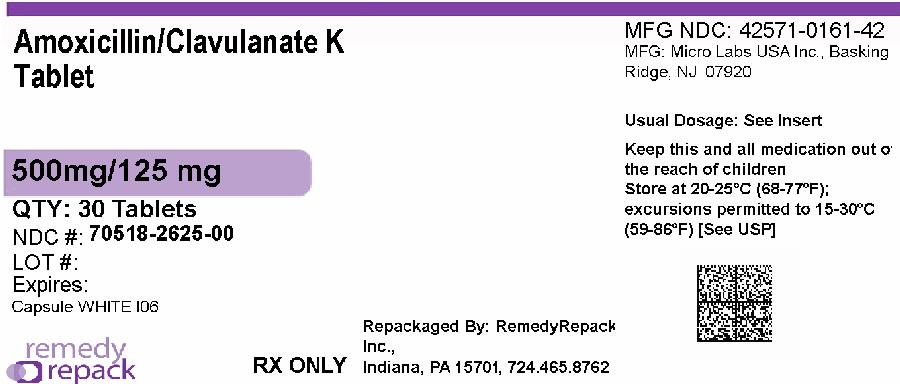
(amoxicillin · DailyMed)
Moxacil
Amoxicillin Trihydrate BP 125 mg/5mL,Disodium Edetate mg,Egg Yellow mg,Orange flavour mg,Sodium Benzoate mg,Sodium Citrate mg,Sucrose mg
What it does
Amoxicillin is an antibiotic used to treat infections caused by bacteria.
Commonly used for: infections of the ear, nose, and throat, urinary tract infections, pneumonia, skin infections
Read more in plain English ↓Plain-language summary for general understanding - not medical advice. Always follow your pharmacist/doctor.
Ask about this medicine
Answers come only from this medicine's registration record, BNF monograph and interaction data - not medical advice.
Medicine sourcing is available in Kenya only. We don't sell or dispense medicines - licensed pharmacies do.
Sourcing - Kenya onlyRegistration & product details
Source: Tanzania Medicines and Medical Devices Authority · fetched 2026-03-11 23:41:21 · updated 2026-10-19 03:00:44
Drug Interactions
7Severe (1)
Penicillins - increases risk of adverse effects
Valproate increases the risk of adverse effects when given with penicillins (pivmecillinam). Avoid.
Unknown (6)
Amoxicillin - increases risk of skin rash
Allopurinol increases the risk of skin rash when given with penicillins (amoxicillin, ampicillin).
Penicillins - increases risk of skin rash
Allopurinol increases the risk of skin rash when given with penicillins (amoxicillin, ampicillin).
Penicillins - increases exposure
Leflunomide is predicted to increase the exposure to penicillins (benzylpenicillin).
Penicillins - increases exposure
Nitisinone is predicted to increase the exposure to penicillins (benzylpenicillin).
Penicillins - increases exposure
Teriflunomide is predicted to increase the exposure to penicillins (benzylpenicillin).
Phenindione - increases risk of bleeding events
Penicillins are predicted to increase the risk of bleeding events when given with phenindione.
Data from BNF 85 (British National Formulary). This is not a substitute for professional medical advice. Matched via: class
About amoxicillin
Amoxicillin is an antibiotic used to treat infections caused by bacteria.
What it treats
- infections of the ear, nose, and throat
- urinary tract infections
- pneumonia
- skin infections
How it works
It kills bacteria or stops their growth, helping to clear up infections.
Who it's for
Amoxicillin is suitable for adults and children who have bacterial infections.
Drug class
Penicillins
AI-assisted summary grounded in BNF data - general information only, not medical advice. Always confirm with your pharmacist or doctor.
About benzoate
Benzoate is a compound often used as a preservative in food and medicines.
What it treats
- food preservation
- medicinal uses in certain formulations
How it works
Benzoate helps prevent the growth of harmful bacteria and fungi, keeping products safe for longer.
Who it's for
People consuming products containing benzoate, including children and adults.
AI-assisted summary grounded in BNF data - general information only, not medical advice. Always confirm with your pharmacist or doctor.
About disodium
Disodium is a compound that may be used in various medical applications, particularly in maintaining electrolyte balance.
What it treats
- maintaining salt and water balance in the body
- supporting kidney function
How it works
Disodium helps to regulate the levels of sodium in the body, which is important for many bodily functions, including nerve and muscle activity.
Who it's for
It is usually prescribed for individuals who need help with electrolyte balance, such as those with certain kidney conditions or those undergoing specific treatments.
AI-assisted summary grounded in BNF data - general information only, not medical advice. Always confirm with your pharmacist or doctor.
About edetate
Edetate is used to treat conditions caused by metal poisoning, such as lead or mercury poisoning.
What it treats
- metal poisoning
- lead poisoning
- mercury poisoning
How it works
Edetate works by binding to heavy metals in the body, helping to remove them through urine.
Who it's for
It is for individuals who have been exposed to harmful levels of certain metals.
AI-assisted summary grounded in BNF data - general information only, not medical advice. Always confirm with your pharmacist or doctor.
About egg
Eggs are a nutritious food that provide protein and essential nutrients.
What it treats
- nutritional support
- protein source
How it works
Eggs supply high-quality protein and various vitamins and minerals that are important for health.
Who it's for
Suitable for most people, unless they have an egg allergy.
Cautions
- • People with an egg allergy should avoid eating eggs.
AI-assisted summary grounded in BNF data - general information only, not medical advice. Always confirm with your pharmacist or doctor.
About flavour
Flavour is used to enhance the taste of products and make them more enjoyable.
What it treats
- improving the taste of foods and drinks
- masking unpleasant tastes in medications
How it works
Flavours work by stimulating our taste buds, making foods and drinks taste better.
Who it's for
Flavour can be used by anyone who wants to improve the taste of their food or beverages.
AI-assisted summary grounded in BNF data - general information only, not medical advice. Always confirm with your pharmacist or doctor.
About orange
Orange is a fruit that is rich in vitamins and nutrients, particularly vitamin C, which can support overall health.
What it treats
- boosting the immune system
- providing hydration
- improving skin health
How it works
Oranges contain antioxidants and vitamins that help protect the body from damage and support various bodily functions.
Who it's for
Oranges can be enjoyed by most people as part of a healthy diet.
AI-assisted summary grounded in BNF data - general information only, not medical advice. Always confirm with your pharmacist or doctor.
About sucrose
Sucrose is a type of sugar commonly used as a sweetener in food and beverages.
What it treats
- providing energy
- sweetening food and drinks
How it works
Sucrose provides a quick source of energy when consumed.
Who it's for
Suitable for anyone needing a sweetener, but those with diabetes should use it with caution.
Cautions
- • Excessive intake can lead to weight gain.
- • May affect blood sugar levels.
AI-assisted summary grounded in BNF data - general information only, not medical advice. Always confirm with your pharmacist or doctor.
About yellow
Yellow is a medicinal product used to treat various conditions.
What it treats
- general health support
How it works
The exact way Yellow works is not specified, but it is designed to support overall well-being.
Who it's for
Yellow is suitable for individuals looking to improve their general health.
AI-assisted summary grounded in BNF data - general information only, not medical advice. Always confirm with your pharmacist or doctor.
Clinical monograph: Amoxicillin
BNF-referencedAmoxicillin is a broad-spectrum antibiotic belonging to the penicillin class, effective against a variety of bacterial infections. It is commonly used to treat conditions such as urinary tract infections, sinusitis, community-acquired pneumonia, and salmonellosis.
Indications
- Bacterial infections
- Urinary tract infections
- Sinusitis
- Uncomplicated community-acquired pneumonia
- Salmonellosis
- Oral infections
- Lyme disease (under expert supervision)
- Acute exacerbation of bronchiectasis
- Anthrax (treatment and post-exposure prophylaxis)
Dosage
Children: 1 month–11 years: 30 mg/kg 3 times a day for 21 days; children 1–4 years: 250 mg 3 times a day; children 5–11 years: 500 mg 3 times a day.
Adults: 500 mg 3 times a day; increased if necessary up to 1 g 3 times a day in severe infections.
Mechanism of action
Amoxicillin works by inhibiting bacterial cell wall synthesis, leading to cell lysis and death. It binds to penicillin-binding proteins (PBPs) located inside the bacterial cell wall, interfering with the transpeptidation process necessary for cell wall integrity.
Pharmacodynamics
Amoxicillin exhibits bactericidal activity against susceptible bacteria. Its action is time-dependent, meaning that its effectiveness is related to the duration of time that the drug concentration remains above the minimum inhibitory concentration (MIC) for the target pathogen.
Pharmacokinetics
Amoxicillin is well absorbed from the gastrointestinal tract, with peak plasma concentrations achieved within 1-2 hours after oral administration. It is widely distributed in body tissues and fluids, and it is excreted primarily via the kidneys. The elimination half-life is approximately 1 hour, and renal impairment may necessitate dosage adjustments.
Adverse effects
- Skin rash
- Gastrointestinal disturbances (nausea, vomiting, diarrhea)
- Allergic reactions (including anaphylaxis)
- Superinfection (due to resistant organisms)
Interactions
- Allopurinol (increases risk of skin rash)
Precautions
- History of penicillin allergy
- Renal impairment (reduce dose)
- Use with caution in patients with mononucleosis
Pregnancy
Use only if clearly needed; no adequate studies in pregnant women.
Breast-feeding
Amoxicillin is excreted in breast milk; use with caution.
Storage
Store in a cool, dry place away from direct sunlight.
Formulations
- Phenoxymethylpenicillin 250mg/5ml oral solution
- Phenoxymethylpenicillin 250 mg tablets
AI-synthesized from BNF references - general information only, not a substitute for professional medical advice or the current BNF. Verify doses with a pharmacist.
Clinical monograph: benzoate
BNF-referencedBenzoate is the conjugate base of benzoic acid, characterized by the molecular formula C7H5O2-. It is primarily utilized as a food preservative and has various roles in metabolic pathways within the human body. As a naturally occurring compound, it plays a role in the biosynthesis of several secondary metabolites and is involved in the degradation of certain aromatic compounds.
Indications
- Food preservative
- Treatment of urea cycle disorders
- Metabolic disorders involving benzoyl-CoA
Dosage
Children: Refer to the BNF for Children for specific dosing guidelines based on condition.
Adults: Refer to the BNF for specific dosing guidelines based on condition.
Mechanism of action
Benzoate acts mainly by inhibiting the growth of bacteria and fungi through its ability to lower the pH, creating an environment that is less favorable for microbial growth. It is also involved in metabolic pathways where it helps in the conjugation of toxic substances, facilitating their excretion from the body.
Pharmacodynamics
Benzoate is known for its antimicrobial properties, which are particularly effective against a wide range of fungi and bacteria. Its efficacy as a preservative is due to its ability to penetrate microbial cell membranes and disrupt their metabolic processes. Additionally, it has been observed to modulate various metabolic pathways, particularly those associated with aromatic compound degradation.
Pharmacokinetics
After ingestion, benzoate is rapidly absorbed in the gastrointestinal tract. It is metabolized primarily in the liver, where it undergoes conjugation with glycine to form hippurate, which is then excreted in the urine. The half-life of benzoate varies depending on individual metabolic rates but is generally short due to its efficient conversion and excretion.
Pregnancy
There is limited data on the use of benzoate in pregnancy. Consultation with healthcare professionals is advised before use.
Breast-feeding
Limited data is available on the excretion of benzoate in breast milk. Caution is recommended when administering to nursing mothers.
Storage
Store in a cool, dry place away from direct sunlight. Keep out of reach of children.
AI-synthesized from BNF references - general information only, not a substitute for professional medical advice or the current BNF. Verify doses with a pharmacist.
Clinical monograph: disodium
BNF-referencedDisodium is a chemical compound composed of two sodium ions. It is not commonly referenced as a standalone drug but is often found in various formulations and compounds, particularly in the context of sodium salts. Disodium salts can have various applications in medicine, including as electrolytes in intravenous solutions and in the formulation of certain medications.
Indications
- Electrolyte replacement
- Volume expansion in hypovolemic patients
- Management of hyponatremia
- Support in intravenous fluid therapy
Dosage
Children: Refer to the BNF for Children for appropriate dosing in paediatric patients, as dosages may vary based on the formulation and clinical condition.
Adults: Refer to specific product information or clinical guidelines for dosage recommendations, as disodium is often part of combination products.
Mechanism of action
Disodium compounds often function by providing sodium ions that are essential for various physiological processes. Sodium ions play a critical role in maintaining osmotic balance, nerve impulse transmission, and muscle contraction. In the context of intravenous solutions, disodium helps to restore electrolyte balance in patients.
Pharmacodynamics
The pharmacodynamics of disodium is primarily related to its role in electrolyte balance and fluid homeostasis. Sodium ions are vital for the function of excitable tissues, including neurons and muscle cells. Changes in sodium levels can affect blood pressure, hydration status, and overall cellular function.
Pharmacokinetics
The pharmacokinetics of disodium compounds depend on their specific formulation and route of administration. When administered intravenously, disodium is rapidly distributed in the extracellular fluid, where it helps to maintain osmotic pressure. Sodium is primarily excreted by the kidneys, and its levels can be influenced by fluid intake, dietary sodium, and renal function.
Pregnancy
Use with caution. Consult a healthcare provider for specific guidance.
Breast-feeding
Use with caution. Consult a healthcare provider for specific guidance.
Storage
Store at room temperature, away from moisture and direct sunlight.
AI-synthesized from BNF references - general information only, not a substitute for professional medical advice or the current BNF. Verify doses with a pharmacist.
Clinical monograph: edetate
BNF-referencedEdetate, also known as edetic acid or disodium edetate, is a chelating agent used primarily to treat heavy metal poisoning, particularly lead and mercury. It works by binding to metal ions in the bloodstream, facilitating their excretion from the body. Edetate is also utilized in certain diagnostic procedures and as part of treatment regimens for conditions associated with calcium overload.
Indications
- Lead poisoning
- Mercury poisoning
- Calcium overload
- Certain diagnostic procedures involving heavy metals
Dosage
Children: Refer to the BNF for Children for appropriate dosing information tailored for paediatric patients.
Adults: Refer to the BNF for specific dosing guidelines based on the condition being treated, considering factors such as the severity of metal poisoning and renal function.
Mechanism of action
Edetate functions by forming stable complexes with divalent and trivalent metal ions, including lead and calcium, through its multiple carboxylate and amine groups. This chelation renders the metals more soluble and promotes their renal excretion, thereby reducing their toxic effects in the body.
Pharmacodynamics
The chelation of metals by edetate decreases the free metal concentration in the bloodstream, which mitigates the toxic effects associated with heavy metal accumulation. The efficacy of edetate in removing metals such as lead has been well documented, and its ability to bind calcium can influence calcium homeostasis in certain clinical scenarios.
Pharmacokinetics
Edetate is administered intravenously, with rapid distribution throughout the extracellular fluid. It is primarily excreted unchanged by the kidneys. The onset of action occurs quickly after administration, and the duration depends on the dose and the patient's renal function. The elimination half-life is approximately 1 hour but may vary based on renal clearance.
Contra-indications
- Hypersensitivity to edetate or any component of the formulation
- Severe renal impairment
- Active bleeding disorders
Adverse effects
- Hypocalcemia
- Nausea
- Vomiting
- Diarrhea
- Abdominal pain
- Headache
- Rash
- Fever
Interactions
- May enhance the effects of anticoagulants
- Concurrent use with calcium supplements may reduce effectiveness
- May interfere with the absorption of certain medications due to changes in gastrointestinal motility
Precautions
- Use with caution in patients with renal impairment
- Monitor electrolyte levels, particularly calcium, during treatment
- Assess the patient's hydration status before administration
Pregnancy
Limited data on the use of edetate in pregnancy. Use only if the potential benefit justifies the potential risk to the fetus.
Breast-feeding
Caution is advised as it is not known whether edetate is excreted in human milk. Weigh the risks and benefits before use.
Storage
Store in a cool, dry place, protected from light. Do not freeze.
Formulations
- Edetate disodium injection
- Edetate calcium disodium injection
AI-synthesized from BNF references - general information only, not a substitute for professional medical advice or the current BNF. Verify doses with a pharmacist.
Clinical monograph: flavour
Flavour agents, often referred to as flavorings, are substances added to food and beverages to impart a specific taste or aroma. They can be natural or artificial and are widely used in the food industry to enhance palatability and consumer acceptance of products. Natural flavors are derived from fruits, vegetables, spices, and other plant materials, while artificial flavors are synthesized to mimic natural tastes.
Indications
- Enhancement of taste in food and beverages
- Improvement of palatability in nutritional products
- Masking undesirable flavors in medications
Dosage
Children: There is no specific pediatric dosage for flavor agents as they are used as needed to improve the taste of food and beverages.
Adults: There is no specific dosage for flavor agents as they are used as needed to achieve the desired taste and aroma in food and beverages.
Mechanism of action
Flavor compounds interact with taste receptors on the tongue, stimulating the sensory neurons responsible for taste perception. This interaction influences the overall flavor profile of food and beverages, enhancing the eating experience. Some flavors may also have a psychological effect, stimulating appetite or evoking pleasant memories associated with certain tastes.
Pharmacodynamics
While flavor agents are primarily used for sensory enhancement in food, their pharmacodynamic effects are minimal as they are not designed to elicit a pharmacological response. However, certain flavors may influence digestion and metabolism indirectly by enhancing saliva production or affecting gut motility. The enjoyment of flavored products can also lead to increased food intake and satisfaction.
Pharmacokinetics
Flavour compounds are typically ingested and metabolized by the body. Their absorption rates can vary depending on their chemical structure and formulation. Once ingested, they may be rapidly metabolized in the liver and other tissues, with excretion primarily via urine. The specific pharmacokinetic profiles of flavor agents can vary significantly based on their source and chemical properties.
Pregnancy
Flavours are generally considered safe for use during pregnancy, but specific assessments should be made based on the type of flavouring agent.
Breast-feeding
Most flavouring agents are deemed safe during breastfeeding, although it's advisable to consult healthcare professionals regarding specific ingredients.
Storage
Store in a cool, dry place away from direct sunlight and heat sources. Ensure that the container is tightly sealed to prevent contamination.
AI-synthesized from BNF references - general information only, not a substitute for professional medical advice or the current BNF. Verify doses with a pharmacist.
Clinical monograph: orange
Orange juice is a popular beverage derived from the fruit of the orange tree. It is rich in vitamin C, flavonoids, and various other nutrients. While primarily consumed for its refreshing taste and nutritional benefits, it may also interact with certain medications, affecting their absorption and efficacy.
Dosage
Children: Refer to BNF for Children for specific recommendations regarding the consumption of orange juice in children.
Adults: There is no standard dosage for orange juice as it is typically consumed as a beverage. Moderation is advised, especially for individuals on certain medications.
Mechanism of action
The exact mechanism of action of orange juice is not fully understood, but it is known to contain compounds that can influence the metabolism of certain drugs. For instance, it may affect the activity of cytochrome P450 enzymes, particularly CYP3A4, which can alter the pharmacokinetics of medications.
Pharmacodynamics
Orange juice is known to enhance the bioavailability of certain nutrients and may influence the pharmacological effects of some drugs. Its high vitamin C content contributes to various physiological functions, including antioxidant activity, which may indirectly support overall health.
Pharmacokinetics
The pharmacokinetics of orange juice itself are not extensively studied, but it is generally absorbed well through the gastrointestinal tract. The compounds in orange juice can affect the absorption and metabolism of medications, leading to varied clinical effects depending on the drug in question.
Interactions
- orange juice + celiprolol: Unknown (decreases exposure)
Formulations
- juice
- whole fruit
AI-synthesized from BNF references - general information only, not a substitute for professional medical advice or the current BNF. Verify doses with a pharmacist.
Clinical monograph: sucrose
BNF-referencedSucrose is a disaccharide composed of glucose and fructose, commonly found in many plants. It serves as a primary form of carbohydrate storage and energy source in various organisms. Sucrose is widely used in food and pharmaceutical applications due to its sweet taste and energy-providing properties. In clinical settings, it may be utilized as a sweetening agent or in specific formulations.
Indications
- Sweetening agent in food and beverages
- Ingredient in pharmaceutical formulations
- Source of quick energy
Dosage
Children: Refer to specific formulations and clinical guidelines for dosing, as sucrose does not have a standardized dosage. Typically used as needed for sweetening.
Adults: Refer to specific formulations and clinical guidelines for dosing, as sucrose does not have a standardized dosage. Typically used as needed for sweetening.
Mechanism of action
Sucrose is metabolized in the body to glucose and fructose, which are then used as energy sources. It does not have a specific pharmacological mechanism of action but contributes to energy metabolism via the glycolytic and citric acid pathways.
Pharmacodynamics
Upon ingestion, sucrose is hydrolyzed by the enzyme sucrase into its constituent monosaccharides, glucose and fructose. These monosaccharides are absorbed in the small intestine and enter the bloodstream, leading to a rise in blood glucose levels. This process provides a quick source of energy for cellular functions.
Pharmacokinetics
Sucrose is rapidly absorbed in the gastrointestinal tract after hydrolysis. Its absorption depends on the presence of sucrase in the intestine. Once in the bloodstream, glucose can be utilized by cells or stored as glycogen in the liver and muscles. The elimination half-life of sucrose itself is not well-defined as it is quickly broken down and utilized.
Pregnancy
Sucrose is generally regarded as safe during pregnancy when consumed in moderation as part of a balanced diet.
Breast-feeding
Sucrose is considered safe during breastfeeding when consumed in normal dietary amounts.
Storage
Store in a cool, dry place, away from direct sunlight.
Formulations
- Oral solution
- Granules
- Tablets
AI-synthesized from BNF references - general information only, not a substitute for professional medical advice or the current BNF. Verify doses with a pharmacist.
Clinical monograph: yellow
BNF-referencedYellow is a compound with the molecular formula C24H12O2. It is not a specific drug but may refer to a class of compounds or a colorant used in various applications. Detailed pharmacological data and clinical applications are not provided in the standard references.
Pregnancy
No specific data available, consult a healthcare professional.
Breast-feeding
No specific data available, consult a healthcare professional.
Storage
Store in a cool, dry place away from light.
AI-synthesized from BNF references - general information only, not a substitute for professional medical advice or the current BNF. Verify doses with a pharmacist.
Molecular reference: Amoxicillin
PubChem CID 33613Molecular formula: C16H19N3O5S
Mechanism of action
Amoxicillin competitively inhibits penicillin-binding protein 1 and other high molecular weight penicillin binding proteins. Penicillin bind proteins are responsible for glycosyltransferase and transpeptidase reactions that lead to cross-linking of D-alanine and D-aspartic acid in bacterial cell walls. Without the action of penicillin binding proteins, bacteria upregulate autolytic enzymes and are unable to build and repair the cell wall, leading to bacteriocidal action. The penicillins and their metabolites are potent immunogens because of their ability to combine with proteins and act as haptens for acute antibody-mediated reactions. The most frequent (about 95 percent) or "major" determinant of penicillin allergy is the penicilloyl determinant produced by opening the beta-lactam ring of the penicillin. This allows linkage of the penicillin to protein at the amide group. "Minor" determinants (less frequent) are the other metabolites formed, including native penicillin and penicilloic acids. /Penicillins/ Amoxicillin is similar to penicillin in its bactericidal action against susceptible bacteria during the stage of active multiplication. It acts through the inhibition of cell wall biosynthesis that leads to the death of the bacteria.
Pharmacodynamics
Amoxicillin competitively inhibit penicillin binding proteins, leading to upregulation of autolytic enzymes and inhibition of cell wall synthesis. Amoxicillin has a long duration of action as it is usually given twice daily. Amoxicillin has a wide therapeutic range as mild overdoses are not associated with significant toxicity. Patients should be counselled regarding the risk of anaphylaxis, _Clostridium difficile_ infections, and bacterial resistance.
Biological pathways
Source: PubChem (NCBI) · pathways from PathBank, Reactome, WikiPathways & PharmGKB.
Molecular reference: benzoate
PubChem CID 242Molecular formula: C7H5O2-
Biological pathways
Source: PubChem (NCBI) · pathways from PathBank, Reactome, WikiPathways & PharmGKB.
Molecular reference: disodium
PubChem CID 141233Molecular formula: Na2
Source: PubChem (NCBI) · pathways from PathBank, Reactome, WikiPathways & PharmGKB.
Molecular reference: edetate
PubChem CID 6144Molecular formula: C10H12N2O8Na4
Source: PubChem (NCBI) · pathways from PathBank, Reactome, WikiPathways & PharmGKB.
Molecular reference: sucrose
PubChem CID 5988Molecular formula: C12H22O11
Biological pathways
Source: PubChem (NCBI) · pathways from PathBank, Reactome, WikiPathways & PharmGKB.
Molecular reference: yellow
PubChem CID 31412Molecular formula: C24H12O2
Source: PubChem (NCBI) · pathways from PathBank, Reactome, WikiPathways & PharmGKB.
This drug in other countries
The same active ingredient registered across other registries we cover - including different brands.
- AC-CLAV 1000 TABLETS (Each film coated tablet contains Amoxicillin and Cluvalanate Potassium 1000mg · Kiux Pharma
- AC-CLAV 625 TABLETS (Each film coated tablet contains Amoxicillin and Clavulanate Potassium 625 · Kiux Pharma
- ACICLAVCARE 1G TABLETS (Each film-coated tablet contains Amoxicillin trihydrate / Potassium clavulanate 1g) · East African Overseas
- ACINET 1.2G INJECTION (Each vial contains Amoxicillin Sodium/Potassium Clavulanate 1g/0.2g · East African Creasteas
- ACINET 228.5MG/5ML DRY SUSPENSION (Each 5ml of reconstituted suspension contains Amoxicillin Trihydrate/Potassium Clavulanate 200mg/28.5mg) · Indchemie Health Specialities
- ACINET 457MG/5ML DRY SUSPENSION (Each 5ml of reconstituted suspension contains Amoxicillin Trihydrate/Potassium Clavulanate 400mg/57mg) · Indchemie Health Specialities