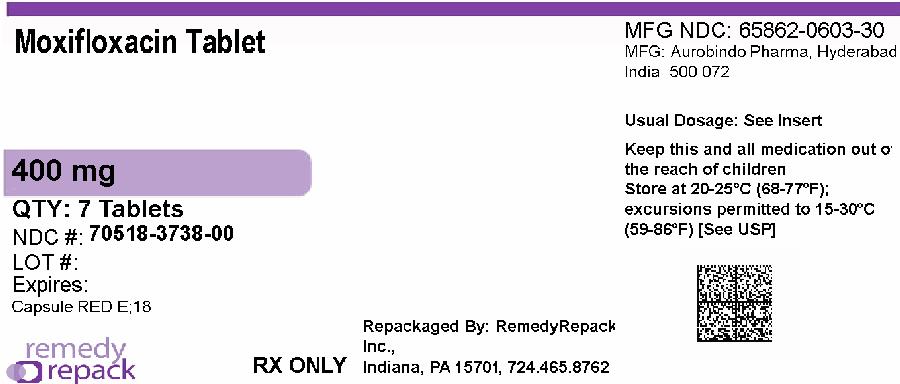
(moxifloxacin · DailyMed)
MOXIFLOX
Crosscarmellose Sodium 14.7 mg/6 mL,Ethanol 96% QS mg/6 mL,Lactose/Crospovidone (Ludipress-BASF) 55.0 mg/6 mL,Microcrystalline Cellulose (Avicel pH 102) 173.4 mg/6 mL,Moxifloxacin Hydrochloride 400 mg,Opadry yellow II (31K32701) 14.7 mg/6 mL,Polyvinyl Pyrrolidone K30(Povidone) 14.0 mg/6 mL,Polyvinyl Pyrrolidone XL 10(Crospovidone) 14.0 mg/6 mL,Silica colloidal anhydrous 3.5 mg/6 mL,Water Purified QS mg/6 mL,magnessium stearate 7.0 mg/6 mL
What it does
Cellulose is a type of fiber that helps with digestion and promotes bowel health.
Commonly used for: constipation, irregular bowel movements
Read more in plain English ↓Plain-language summary for general understanding - not medical advice. Always follow your pharmacist/doctor.
Ask about this medicine
Answers come only from this medicine's registration record, BNF monograph and interaction data - not medical advice.
Medicine sourcing is available in Kenya only. We don't sell or dispense medicines - licensed pharmacies do.
Sourcing - Kenya onlyRegistration & product details
Source: Tanzania Medicines and Medical Devices Authority · fetched 2026-03-11 23:38:39 · updated 2026-10-19 03:00:44
Drug Interactions
6Pharmacodynamic Warnings
Moxifloxacin appears in TABLE 9: Drugs that prolong the QT interval
Severe (1)
Quinolones - decreases absorption
Strontiumispredictedtodecreasetheabsorptionof quinolones.Avoid.oTheoretical
Unknown (5)
Quinolones - decreases exposure
Lanthanum moderately decreases the exposure to quinolones. Quinolones should be taken 2 hours before or 4 hours after lanthanum.
Quinolones - increases exposure
Leflunomideispredictedtoincreasetheexposuretoquinolones (ciprofloxacin).oTheoretical
Quinolones - decreases exposure
Sucralfate decreases the exposure to quinolones. Separate administration by 2 hours.
Quinolones - decreases exposure
Zinc is predicted to decrease the exposure to quinolones. Separate administration by 2 hours. Rabeprazole → see proton pump inhibitors Rabies immunoglobulin → see immunoglobulins Rabies vaccine
Quinolones - increases exposure
Teriflunomideispredictedtoincreasetheexposureto quinolones(ciprofloxacin).oTheoretical https://www.facebook.c (Books-Courses-Medic
Data from BNF 85 (British National Formulary). This is not a substitute for professional medical advice. Matched via: class
About cellulose
Cellulose is a type of fiber that helps with digestion and promotes bowel health.
What it treats
- constipation
- irregular bowel movements
How it works
Cellulose adds bulk to the stool, making it easier to pass through the intestines.
Who it's for
Suitable for people looking to improve their digestive health.
AI-assisted summary grounded in BNF data - general information only, not medical advice. Always confirm with your pharmacist or doctor.
About colloidal
Colloidal solutions are often used in various medical treatments and can help improve the delivery of certain medications.
What it treats
- supporting hydration
- helping with nutrient absorption
- improving medication effectiveness
How it works
Colloidal solutions contain small particles that can help carry and deliver substances in the body more effectively.
Who it's for
Adults and children who need assistance with hydration or nutrient delivery.
AI-assisted summary grounded in BNF data - general information only, not medical advice. Always confirm with your pharmacist or doctor.
About crospovidone
Crospovidone is a substance used primarily as an excipient in medications, helping to improve their effectiveness.
What it treats
- used in various medications as a binder
- helps in the absorption of active ingredients
How it works
Crospovidone acts by increasing the solubility and stability of drugs, ensuring that they work effectively in the body.
Who it's for
Crospovidone is suitable for people taking medications that require improved absorption and effectiveness.
AI-assisted summary grounded in BNF data - general information only, not medical advice. Always confirm with your pharmacist or doctor.
About crosscarmellose
Crosscarmellose is a substance used to help medications dissolve properly in the body.
What it treats
- helps medications work better
- improves absorption of oral medications
How it works
It acts as a disintegrant, breaking down tablets and capsules so the body can absorb the medicine more effectively.
Who it's for
It is used in various medications for adults and children who need assistance in absorbing medicine.
AI-assisted summary grounded in BNF data - general information only, not medical advice. Always confirm with your pharmacist or doctor.
About ethanol
Ethanol is a type of alcohol commonly found in drinks. It can affect your mood and behavior.
What it treats
- social drinking
- disinfectant
- solvent
How it works
Ethanol works by affecting the brain and nervous system, which can lead to relaxation and a feeling of euphoria.
Who it's for
Adults who consume alcoholic beverages responsibly.
Cautions
- • Excessive consumption can lead to addiction and health problems.
- • Not recommended for people with liver disease or certain medical conditions.
- • Should not be mixed with certain medications.
AI-assisted summary grounded in BNF data - general information only, not medical advice. Always confirm with your pharmacist or doctor.
About lactose
Lactose is a sugar found in milk and dairy products. It is often used as an excipient in medications.
What it treats
- lactose intolerance
- as a filler in tablets and capsules
How it works
Lactose helps improve the texture and stability of medications and is sometimes used as a sweetener.
Who it's for
Individuals who require lactose as part of their medication or those who consume dairy products.
Cautions
- • May cause digestive issues in people with lactose intolerance.
AI-assisted summary grounded in BNF data - general information only, not medical advice. Always confirm with your pharmacist or doctor.
About magnessium
Magnesium is an essential mineral that supports various bodily functions, including muscle and nerve function, blood sugar control, and blood pressure regulation.
What it treats
- muscle cramps
- migraine prevention
- constipation
- heart health
How it works
Magnesium helps maintain normal muscle and nerve function, supports a healthy immune system, and helps regulate blood pressure.
Who it's for
Magnesium is for individuals who may have low magnesium levels or need extra support for muscle and nerve health.
AI-assisted summary grounded in BNF data - general information only, not medical advice. Always confirm with your pharmacist or doctor.
About microcrystalline
Microcrystalline is a type of substance often used in medicines to help with various health issues. It is commonly used as a filler or binder in tablets and capsules.
What it treats
- stomach issues
- constipation
- weight management
How it works
It helps to improve the texture of medicines and can assist in the absorption of other ingredients in the body.
Who it's for
Adults and children who need help with specific health conditions, as directed by a healthcare professional.
AI-assisted summary grounded in BNF data - general information only, not medical advice. Always confirm with your pharmacist or doctor.
About moxifloxacin
Moxifloxacin is an antibiotic used to treat various bacterial infections.
What it treats
- bacterial infections
- lung infections (pneumonia)
- skin infections
- abdominal infections
How it works
It works by stopping the growth of bacteria, helping your body to fight off the infection.
Who it's for
It is for adults and children aged 2 months and above who have certain bacterial infections.
Drug class
Quinolones
Cautions
- • Be cautious if you are taking other medications that may affect heart rhythm.
AI-assisted summary grounded in BNF data - general information only, not medical advice. Always confirm with your pharmacist or doctor.
About opadry
Opadry is a coating agent used in pharmaceutical formulations.
What it treats
- to improve the taste of medicines
- to protect the active ingredients in tablets and capsules
How it works
Opadry forms a protective layer around tablets and capsules, which helps to mask their taste and protect the ingredients from moisture and light.
Who it's for
Opadry is suitable for various patients who are taking medications in tablet or capsule form.
AI-assisted summary grounded in BNF data - general information only, not medical advice. Always confirm with your pharmacist or doctor.
About polyvinyl
Polyvinyl is a substance often used in medical products and devices.
What it treats
- used in various medical applications
- often found in surgical materials
- used in drug delivery systems
How it works
Polyvinyl works by providing a stable and safe medium for delivering medications or as part of medical devices.
Who it's for
This is for patients needing medical treatments involving devices or drug delivery systems that use polyvinyl.
AI-assisted summary grounded in BNF data - general information only, not medical advice. Always confirm with your pharmacist or doctor.
About purified
Purified ingredients are often used in various medicines to ensure safety and effectiveness by removing impurities.
What it treats
- various medical conditions
How it works
Purified ingredients help in delivering the intended effects of the medicine without the risk of contaminants.
Who it's for
People who need medications with safe and effective ingredients.
AI-assisted summary grounded in BNF data - general information only, not medical advice. Always confirm with your pharmacist or doctor.
About pyrrolidone
Pyrrolidone is a compound that may be used in various formulations, but specific details on its applications are limited.
How it works
Pyrrolidone is known for its properties in helping with the solubility and stability of certain substances, making it useful in various products.
Who it's for
Pyrrolidone may be suitable for adults and children depending on its specific formulations and uses.
AI-assisted summary grounded in BNF data - general information only, not medical advice. Always confirm with your pharmacist or doctor.
About silica
Silica is a natural substance that can be found in various forms and is often used to help with digestion and absorb excess moisture.
What it treats
- digestive issues
- absorption of moisture
How it works
Silica helps improve digestion by supporting the body's ability to break down food and absorb nutrients.
Who it's for
Silica may be suitable for adults experiencing digestive discomfort or needing help with moisture control.
AI-assisted summary grounded in BNF data - general information only, not medical advice. Always confirm with your pharmacist or doctor.
About yellow
Yellow is a medicinal product used to treat various conditions.
What it treats
- general health support
How it works
The exact way Yellow works is not specified, but it is designed to support overall well-being.
Who it's for
Yellow is suitable for individuals looking to improve their general health.
AI-assisted summary grounded in BNF data - general information only, not medical advice. Always confirm with your pharmacist or doctor.
Clinical monograph: Moxifloxacin
BNF-referencedMoxifloxacin is a fluoroquinolone antibiotic used to treat a variety of bacterial infections. It exhibits a broad spectrum of activity against both Gram-positive and Gram-negative bacteria and is particularly effective against respiratory tract infections, skin and soft tissue infections, and certain intra-abdominal infections. The drug is characterized by its bactericidal action, which results from the inhibition of bacterial DNA replication.
Indications
- Bacterial infections
- Complicated skin and soft-tissue infections
- Pelvic inflammatory disease
- Respiratory tract infections
- Intra-abdominal infections
Dosage
Children: Refer to the BNF for Children for appropriate dosing information.
Adults: 400 mg once daily for 7-21 days, depending on the specific infection being treated.
Mechanism of action
Moxifloxacin's bactericidal effect is primarily due to its inhibition of the enzymes topoisomerase II (DNA gyrase) and topoisomerase IV. By interfering with these enzymes, moxifloxacin prevents the replication, transcription, and repair of bacterial DNA. This mechanism is crucial for bacterial cell division and survival.
Pharmacodynamics
As a quinolone antibiotic, moxifloxacin is effective against a range of bacteria including aerobic Gram-positive organisms such as _Staphylococcus aureus_ and _Streptococcus pneumoniae_, as well as Gram-negative organisms like _Haemophilus influenzae_. It is known for its high affinity for bacterial DNA gyrase, which is approximately 100 times greater than its affinity for mammalian enzymes, making it selectively toxic to bacteria.
Pharmacokinetics
Moxifloxacin exhibits good oral bioavailability and is widely distributed in body tissues, reaching peak plasma concentrations approximately 1 to 2 hours after administration. The drug is primarily metabolized in the liver and excreted via the urine. The half-life of moxifloxacin is approximately 12 hours, allowing for once-daily dosing.
Contra-indications
- Acute myocardial infarction (risk factor for QT interval prolongation)
- Bradycardia (risk factor for QT interval prolongation)
- Congenital long QT syndrome (risk factor for QT interval prolongation)
- Electrolyte disturbances (risk factor for QT interval prolongation)
- Heart failure with reduced left ventricular ejection fraction (risk factor for QT interval prolongation)
- History of symptomatic arrhythmias (risk factor for QT interval prolongation)
Adverse effects
- Increased risk of infection
- Akathisia
- Angina pectoris
- Colitis associated with antibiotics
- Asthma
- Dehydration
- Gastritis
- Hyperlipidaemia
- Malaise
- Oedema
- Pelvic pain
- Thrombocytosis
- Vasodilation
Precautions
- May impair performance of skilled tasks (e.g. driving)
- Use with caution in patients with a history of seizures or CNS disorders
Pregnancy
Manufacturer advises use only if potential benefit outweighs risk.
Breast-feeding
Manufacturer advises avoid-present in milk in animal studies.
Storage
Store in a cool, dry place away from direct sunlight.
Formulations
- Tablets 400 mg
- Injection solution 400 mg/250 ml
- Nebuliser solution 100 mg/1 ml
AI-synthesized from BNF references - general information only, not a substitute for professional medical advice or the current BNF. Verify doses with a pharmacist.
Clinical monograph: cellulose
Cellulose is a complex carbohydrate and a key structural component of the plant cell wall. It is an indigestible polysaccharide made up of linear chains of glucose molecules linked by β-1,4-glycosidic bonds. As a dietary fiber, cellulose contributes to digestive health by promoting bowel regularity and is commonly used as a laxative and bulking agent in various food products and pharmaceuticals.
Indications
- Constipation
- Dietary fiber supplementation
- Irritable bowel syndrome
- Diverticular disease
- Weight management
Dosage
Children: Refer to appropriate guidelines for specific dosage; generally taken with adequate fluid intake.
Adults: Refer to appropriate guidelines for specific dosage; generally taken with adequate fluid intake.
Mechanism of action
Cellulose acts primarily as a bulk-forming laxative. It absorbs water in the intestines, which increases stool bulk and stimulates peristalsis, thus facilitating bowel movements. Additionally, cellulose is not digestible by human enzymes, leading to fermentation by gut bacteria, which may enhance gut health and alter gut microbiota composition.
Pharmacodynamics
Cellulose increases stool weight and frequency of bowel movements. It works by retaining water in the intestines, leading to softer stools and improved passage through the gastrointestinal tract. The bulking effect of cellulose can help alleviate constipation and promote overall digestive health. It may also play a role in cholesterol reduction and glycemic control through its effects on digestion and absorption of nutrients.
Pharmacokinetics
Cellulose is not absorbed into the bloodstream due to its indigestible nature. Instead, it passes through the gastrointestinal tract, where it adds bulk to the stool. Its fermentation by colonic bacteria produces short-chain fatty acids, which may have beneficial effects on colon health. The onset of action for cellulose as a laxative can vary but is generally within 24 to 72 hours after ingestion.
Adverse effects
- Bloating
- Flatulence
- Diarrhea
- Abdominal discomfort
Precautions
- Use with caution in patients with a history of gastrointestinal disorders.
- Monitor for potential allergic reactions in sensitive individuals.
Pregnancy
Cellulose is generally considered safe during pregnancy as it is a non-toxic, indigestible fiber.
Breast-feeding
Cellulose is also considered safe during breastfeeding; it is excreted in breast milk in negligible amounts.
Storage
Store in a cool, dry place away from direct sunlight.
Formulations
- Powder
- Capsules
- Tablets
- Granules
AI-synthesized from BNF references - general information only, not a substitute for professional medical advice or the current BNF. Verify doses with a pharmacist.
Clinical monograph: colloidal
Colloidal solutions are mixtures in which small particles are dispersed throughout a continuous medium. They can be used in various medical applications, including as intravenous fluids for volume expansion and as drug delivery systems. Colloidal solutions can improve the solubility and stability of drugs, enhancing their therapeutic effects.
Indications
- Hypovolemic shock
- Severe burns
- Postoperative fluid replacement
- Sepsis
- Trauma management
Dosage
Children: Refer to established guidelines for specific dosing, as it varies based on the type of colloidal solution used and the clinical condition being treated.
Adults: Refer to established guidelines for specific dosing, as it varies based on the type of colloidal solution used and the clinical condition being treated.
Mechanism of action
Colloidal solutions work by maintaining oncotic pressure in the blood, thus helping to retain fluid within the vascular system. This is primarily due to the large molecular weight of the colloidal particles, which cannot easily pass through capillary walls. The presence of colloids in the blood helps to draw water into the circulation, increasing blood volume and improving tissue perfusion.
Pharmacodynamics
The pharmacodynamics of colloidal solutions are centered on their ability to exert osmotic pressure, which helps maintain blood volume and pressure. This effect is particularly important in conditions such as hypovolemia and shock, where fluid replacement is necessary to restore hemodynamic stability. The efficacy of colloidal solutions can vary depending on the type of colloid used, as well as the underlying clinical condition being treated.
Pharmacokinetics
Colloidal solutions are typically administered intravenously and their pharmacokinetics can vary based on the specific formulation. Generally, colloids are distributed throughout the vascular compartment and have a longer duration of action compared to crystalloids, as they remain in circulation longer. The elimination of colloids is primarily through the reticuloendothelial system, where they are metabolized or eliminated by the liver and spleen. Factors such as particle size and composition can influence their distribution and clearance.
Adverse effects
- Allergic reactions
- Injection site reactions
- Nausea
- Vomiting
- Headache
- Fever
Precautions
- Use with caution in patients with known allergies to any component of the formulation
- Monitor for signs of hypersensitivity during administration
- Consider volume overload in patients with cardiac or renal impairment
Pregnancy
The safety of colloidal solutions during pregnancy has not been established. Use only if the potential benefit justifies the potential risk to the fetus.
Breast-feeding
It is not known whether colloidal solutions are excreted in human milk. Caution should be exercised when administering to breastfeeding mothers.
Storage
Store at room temperature, protect from light, and do not freeze. Keep out of reach of children.
Formulations
- Colloidal silver
- Colloidal gold
- Colloidal iron
- Other metal colloids
AI-synthesized from BNF references - general information only, not a substitute for professional medical advice or the current BNF. Verify doses with a pharmacist.
Clinical monograph: crospovidone
Crospovidone is a synthetic polymer of N-vinyl-2-pyrrolidone that is primarily used as an excipient in pharmaceutical formulations. It serves as a disintegrant, promoting the breakdown of tablets and capsules in the gastrointestinal tract to enhance the absorption of active pharmaceutical ingredients. Crospovidone is characterized by its ability to hydrate rapidly and swell, facilitating the disintegration process in solid dosage forms.
Indications
- Used as an excipient in solid dosage forms
- Facilitates drug disintegration and dissolution
Dosage
Children: Refer to specific product formulation guidelines as crospovidone is used as an excipient and does not have a direct dosage.
Adults: Refer to specific product formulation guidelines as crospovidone is used as an excipient and does not have a direct dosage.
Mechanism of action
Crospovidone acts by rapidly absorbing water and swelling upon contact with moisture. This action leads to the disintegration of solid dosage forms, thus increasing the surface area of the active ingredients and promoting their dissolution and subsequent absorption in the gastrointestinal tract. It does not affect the pH of the formulation, ensuring that the active ingredients remain stable.
Pharmacodynamics
Crospovidone exhibits properties that enhance the bioavailability of active ingredients in pharmaceutical formulations. Its ability to rapidly disintegrate tablets and capsules leads to quicker release and absorption of the drug into systemic circulation. As a disintegrant, it aids in the effective delivery of drugs that may otherwise be poorly soluble.
Pharmacokinetics
Crospovidone itself is not absorbed systemically when administered orally. It remains in the gastrointestinal tract, where it performs its function as a disintegrant. The pharmacokinetic profile of drugs formulated with crospovidone may be influenced by the enhanced dissolution and absorption rates provided by this excipient.
Pregnancy
Crospovidone is considered to have low toxicity and is generally regarded as safe for use during pregnancy, but specific studies are limited.
Breast-feeding
There is insufficient data on the excretion of crospovidone in human milk, but it is deemed safe for use during breastfeeding.
Storage
Store in a cool, dry place away from light and moisture, in tightly closed containers.
Formulations
- Powder
- Tablets
AI-synthesized from BNF references - general information only, not a substitute for professional medical advice or the current BNF. Verify doses with a pharmacist.
Clinical monograph: crosscarmellose
Crosscarmellose sodium is a modified cellulose derivative used as a disintegrant in pharmaceutical formulations. It enhances the dissolution of active pharmaceutical ingredients by facilitating rapid disintegration of tablets and capsules in the gastrointestinal tract. It is particularly useful in formulations where a quick release of medication is desired.
Indications
- Tablet formulation
- Capsule formulation
- Rapid release of active pharmaceutical ingredients
Dosage
Children: Refer to specific product guidelines for exact formulations. Typically used in concentrations of 1-5% in solid dosage forms.
Adults: Refer to specific product guidelines for exact formulations. Typically used in concentrations of 1-5% in solid dosage forms.
Mechanism of action
Crosscarmellose sodium works by swelling upon contact with water, leading to the rapid disintegration of the dosage form. This process increases the surface area of the active ingredient, promoting faster dissolution and absorption in the gastrointestinal tract. It does not possess any pharmacological activity of its own but acts as a functional excipient.
Pharmacodynamics
As a disintegrant, crosscarmellose sodium aids in the breakdown of solid dosage forms, allowing for quicker release and absorption of active ingredients. Its effectiveness is influenced by factors such as the formulation's composition, the presence of other excipients, and the conditions within the gastrointestinal environment.
Pharmacokinetics
Crosscarmellose sodium is not absorbed in the gastrointestinal tract and does not undergo metabolism. It functions primarily as a physical agent that enhances the disintegration of the dosage form. Its safety profile is well-established, and it is considered non-toxic and non-irritating.
Pregnancy
Crosscarmellose is considered safe for use during pregnancy as it is not systemically absorbed, but consult a healthcare provider for specific cases.
Breast-feeding
Crosscarmellose is not absorbed systemically and is generally considered safe during breastfeeding, but consult a healthcare provider for specific cases.
Storage
Store in a cool, dry place away from moisture and heat.
Formulations
- Tablets
- Capsules
- Powders
AI-synthesized from BNF references - general information only, not a substitute for professional medical advice or the current BNF. Verify doses with a pharmacist.
Clinical monograph: ethanol
BNF-referencedEthanol, commonly known as alcohol, is a colorless, volatile liquid with the molecular formula C2H6O. It is widely used as a recreational beverage and has various applications in medicine and industry. Ethanol acts as a central nervous system depressant, and its effects are primarily mediated through interactions with neurotransmitter systems. It exhibits bactericidal and antifungal properties, making it useful as an antiseptic. Ethanol is metabolized primarily in the liver and is associated with both acute and chronic effects on the body.
Indications
- Alcohol use disorder
- Acute alcohol intoxication
- Antiseptic for skin disinfection
Mechanism of action
Ethanol affects the brain’s neurons in several ways. It alters their membranes, ion channels, enzymes, and receptors. Ethanol binds directly to the receptors for acetylcholine, serotonin, GABA, and NMDA receptors for glutamate. The sedative effects are mediated through binding to GABA receptors and glycine receptors, while also inhibiting NMDA receptor functioning. As an anti-infective, ethanol acts as an osmolyte, disrupting the osmotic balance across cell membranes. The acute effects result from competitive inhibition of glycine binding to NMDA receptors, leading to disrupted glutamatergic neurotransmission.
Pharmacodynamics
Ethanol produces cellular injury through dehydration and precipitation of cytoplasm, contributing to its bactericidal and antifungal actions. It can lead to neuritis and nerve degeneration when injected near nerve tissues. Up to 98% of ethanol in the body is oxidized, primarily by the hepatic enzyme alcohol dehydrogenase. Its modulation of neurotransmitter receptors, particularly GABA and NMDA, leads to its sedative properties and potential for developing tolerance with chronic use.
Pharmacokinetics
Ethanol is readily absorbed from the gastrointestinal tract and distributed throughout the body. It has a volume of distribution of approximately 0.5 to 0.6 L/kg. Ethanol is metabolized predominantly in the liver by alcohol dehydrogenase to acetaldehyde, which is further oxidized to acetic acid by aldehyde dehydrogenase. The elimination half-life of ethanol varies but is generally around 4 to 5 hours. Factors such as age, sex, body weight, and genetic variability can influence ethanol metabolism.
Contra-indications
- Hypersensitivity to ethanol
- Acute alcohol intoxication
- Severe liver disease
- Pregnancy (in non-medicinal use)
- Severe pancreatitis
- Severe head injury or intracranial bleeding
Adverse effects
- Dizziness
- Nausea
- Vomiting
- Headache
- Sedation
- Cognitive impairment
- Respiratory depression
- Hypotension
- Gastrointestinal bleeding
- Alcohol withdrawal syndrome
Interactions
- CNS depressants (e.g., benzodiazepines, opioids) may enhance sedative effects
- Disulfiram may cause unpleasant reactions when taken with ethanol
- Acetaminophen may increase hepatic toxicity when used with ethanol
- Warfarin may have altered effects when used with ethanol
Precautions
- Caution in patients with a history of alcohol abuse
- Use with caution in patients with hepatic impairment
- Monitor for signs of respiratory depression
- Consider potential for addiction and withdrawal symptoms
- Use in moderation in older adults due to increased sensitivity
Pregnancy
Ethanol should be avoided during pregnancy due to the risk of fetal alcohol spectrum disorders.
Breast-feeding
Ethanol can pass into breast milk; breastfeeding should be avoided for a minimum of 2 hours after consumption.
Storage
Store in a cool, dry place away from light. Keep tightly closed and out of reach of children.
Formulations
- Oral solutions
- Topical antiseptics
- Intravenous formulations
- Medicinal tinctures
AI-synthesized from BNF references - general information only, not a substitute for professional medical advice or the current BNF. Verify doses with a pharmacist.
Clinical monograph: lactose
BNF-referencedLactose is a disaccharide sugar composed of galactose and glucose, primarily found in milk and dairy products. It serves as a source of energy and is metabolized by the enzyme lactase. In individuals with lactase deficiency, lactose can lead to gastrointestinal symptoms such as bloating, diarrhea, and abdominal pain.
Indications
- Lactose intolerance
- As a filler or excipient in pharmaceutical formulations
Dosage
Children: Refer to the BNF for Children for specific dosing information based on age and clinical context.
Adults: Refer to the BNF for specific dosing information based on clinical context.
Mechanism of action
Lactose is metabolized in the intestine by the enzyme lactase into its constituent monosaccharides, glucose and galactose. In individuals with lactase deficiency, unabsorbed lactose passes into the colon, where it is fermented by bacteria, leading to gas production and osmotic effects that contribute to diarrhea.
Pharmacodynamics
The pharmacodynamics of lactose are primarily related to its effects on gastrointestinal function. In healthy individuals, lactose is effectively broken down into glucose and galactose, which are absorbed and utilized for energy. In individuals with lactose intolerance, the unabsorbed lactose can cause osmotic diarrhea and colonic fermentation, leading to discomfort and symptoms associated with lactose intolerance.
Pharmacokinetics
Lactose is not absorbed in the gastrointestinal tract until it is hydrolyzed into glucose and galactose by lactase. The absorption of glucose and galactose occurs in the small intestine. The half-life is not applicable as lactose is not typically administered as a medication but is rather ingested as a natural component of food. Its metabolism primarily occurs in the intestine.
Adverse effects
- Bloating
- Diarrhea
- Abdominal pain
- Flatulence
Precautions
- Use with caution in patients with lactose intolerance.
- Consider potential for gastrointestinal upset in sensitive individuals.
Pregnancy
Lactose is generally considered safe for use during pregnancy. However, consult a healthcare professional for individual advice.
Breast-feeding
Lactose is safe to use while breastfeeding, as it is a natural sugar present in breast milk.
Storage
Store in a cool, dry place, away from direct sunlight.
Formulations
- Powder
- Granules
- Tablets
- Syrup
AI-synthesized from BNF references - general information only, not a substitute for professional medical advice or the current BNF. Verify doses with a pharmacist.
Clinical monograph: magnessium
Magnesium is a vital mineral involved in numerous biochemical reactions in the body. It plays a crucial role in muscle function, nerve transmission, energy production, and the synthesis of proteins and nucleic acids. Magnesium is also important for maintaining normal heart rhythm, blood pressure regulation, and bone health. Deficiency can lead to various health issues, including muscle cramps, fatigue, and cardiovascular problems.
Indications
- Hypomagnesemia
- Magnesium deficiency
- Cardiac arrhythmias
- Eclampsia
- Asthma exacerbations
- Migraine prophylaxis
Dosage
Children: Refer to the BNF for Children for pediatric dosing recommendations.
Adults: Refer to clinical guidelines or specific product information for adult dosing.
Mechanism of action
Magnesium acts as a cofactor for over 300 enzymatic reactions in the body. It is essential for ATP production, the synthesis of nucleic acids, and the regulation of calcium homeostasis. By modulating calcium channels and neurotransmitter release, magnesium influences neuromuscular transmission and muscle contraction. It also plays a role in stabilizing cellular membranes and protecting against oxidative stress.
Pharmacodynamics
Magnesium's pharmacodynamics involve its effects on various physiological processes, particularly in the cardiovascular and neuromuscular systems. It helps to maintain normal muscle and nerve function and influences cardiac rhythm. Magnesium is known to inhibit excessive calcium influx into cells, thus contributing to vasodilation and lowering blood pressure. It also has a calming effect on the nervous system, which can help alleviate anxiety and promote relaxation.
Pharmacokinetics
Magnesium is absorbed primarily in the small intestine, with the efficiency of absorption being influenced by dietary factors and the presence of other minerals. The body regulates magnesium levels through renal excretion and intestinal absorption. The half-life of magnesium varies depending on the route of administration, with intravenous administration leading to quicker distribution and elimination. The majority of magnesium is stored in the bones, muscles, and soft tissues, with only a small fraction present in the extracellular fluid.
Contra-indications
- Severe renal impairment
- Myasthenia gravis
- Hypocalcemia
- Hypophosphatemia
Adverse effects
- Diarrhea
- Nausea
- Vomiting
- Abdominal cramping
- Hypotension
- Bradypnea
- Muscle weakness
Interactions
- Antibiotics (e.g., tetracyclines, fluoroquinolones) - may bind and reduce their absorption
- Calcium supplements - may compete for absorption
- Diuretics (especially loop diuretics) - can increase the risk of magnesium deficiency
- ACE inhibitors - may enhance the hypotensive effect
- Neuromuscular blocking agents - may potentiate their effects
Precautions
- Use with caution in patients with renal impairment
- Monitor electrolytes in patients with gastrointestinal losses
- Avoid in patients with heart block
- Caution in elderly patients due to potential for electrolyte imbalance
Pregnancy
Magnesium is generally considered safe during pregnancy and is often recommended for certain conditions, such as preeclampsia.
Breast-feeding
Magnesium is excreted in breast milk but is generally considered safe for use during breastfeeding.
Storage
Store in a cool, dry place away from direct sunlight. Keep out of reach of children.
Formulations
- Oral tablets
- Oral solution
- Intravenous injection
- Intramuscular injection
AI-synthesized from BNF references - general information only, not a substitute for professional medical advice or the current BNF. Verify doses with a pharmacist.
Clinical monograph: microcrystalline
Microcrystalline cellulose is a refined wood pulp, commonly used as an excipient in pharmaceutical formulations. It serves as a bulking agent and stabilizer in tablets and capsules, improving the physical properties of the drug formulation. It is characterized by its ability to absorb moisture and provide a suitable texture for various dosage forms.
Indications
- Used as an excipient in tablet formulations
- Used as a bulking agent in capsule formulations
- Used in food products as a thickener or stabilizer
Dosage
Children: Refer to specific product guidelines as dosage will depend on the formulation and the active ingredients.
Adults: Refer to specific product guidelines as dosage will depend on the formulation and the active ingredients.
Mechanism of action
Microcrystalline cellulose acts as a non-digestible filler that enhances the flow properties of powders during the manufacturing of tablets and capsules. It does not have a direct pharmacological action on the body but ensures that the active ingredients are effectively delivered to the patient.
Pharmacodynamics
As a non-active ingredient, microcrystalline cellulose does not exert pharmacodynamic effects typical of active pharmaceutical ingredients. Its primary role is to provide a stable and consistent matrix for the drug, facilitating the release of the active compound once ingested.
Pharmacokinetics
Microcrystalline cellulose is not absorbed in the gastrointestinal tract; it passes through the digestive system largely unchanged. It adds bulk to the stool, which may aid in promoting regular bowel movements. The substance is excreted in feces, where it contributes to dietary fiber intake.
Pregnancy
Data regarding the use of microcrystalline cellulose during pregnancy is limited. It is advisable to consult with healthcare professionals before use.
Breast-feeding
Microcrystalline cellulose is considered safe during breastfeeding, as it is not absorbed systemically.
Storage
Store in a cool, dry place away from direct sunlight and moisture.
AI-synthesized from BNF references - general information only, not a substitute for professional medical advice or the current BNF. Verify doses with a pharmacist.
Clinical monograph: opadry
Opadry is a film-coating system used in the pharmaceutical industry to coat tablets and granules. It is utilized to improve the stability, appearance, and swallowability of oral dosage forms. Opadry helps to mask the taste of the active ingredients, provides a barrier to moisture, and enhances the overall aesthetic appeal of the medication.
Indications
- Tablet coating
- Granule coating
- Improvement of drug stability
- Taste masking
- Aesthetic enhancement of pharmaceuticals
Dosage
Children: Dosage will depend on the specific formulation and active ingredients of the medication being coated. Refer to the specific product information for guidance.
Adults: Dosage will depend on the specific formulation and active ingredients of the medication being coated. Refer to the specific product information for guidance.
Mechanism of action
Opadry functions primarily as a coating polymer that adheres to the surface of tablets or granules, creating a protective layer. This layer can control the release of the active ingredient and protect it from environmental factors such as moisture and light. The specific composition of Opadry can vary, but it typically includes film-forming agents, plasticizers, and colorants that work together to achieve the desired coating characteristics.
Pharmacodynamics
The pharmacodynamics of Opadry is largely focused on its physical and chemical properties rather than specific biological interactions. The coating alters the dissolution characteristics of the drug, potentially leading to modified release profiles. This can enhance drug bioavailability or control the release rate of the active ingredient, thereby impacting the therapeutic effect.
Pharmacokinetics
As a coating agent, Opadry itself is not absorbed into the systemic circulation and does not have pharmacokinetic properties related to absorption, distribution, metabolism, or excretion of an active pharmaceutical ingredient. Its impact on pharmacokinetics is indirect, as it affects how the active drug is released and absorbed in the gastrointestinal tract.
Pregnancy
Opadry is a film-coating agent, and specific studies on its effects during pregnancy are not well-documented. Generally, it is advisable to use medications cautiously during pregnancy. Consult a healthcare provider for guidance.
Breast-feeding
Limited data are available regarding the safety of Opadry during breastfeeding. It is recommended to consult a healthcare provider before use.
Storage
Store in a cool, dry place away from direct sunlight and moisture. Keep out of reach of children.
Formulations
- Opadry OY - a coating system for oral solid dosage forms
- Opadry II - a polymer-based coating system for tablet and capsule applications
AI-synthesized from BNF references - general information only, not a substitute for professional medical advice or the current BNF. Verify doses with a pharmacist.
Clinical monograph: polyvinyl
Polyvinyl refers to a group of synthetic polymers derived from vinyl compounds, commonly used in various medical and pharmaceutical applications. It is primarily known for its use in the production of containers, tubing, and other medical devices due to its chemical stability, durability, and biocompatibility. Polyvinyl chloride (PVC) is one of the most common forms, often utilized in blood bags, IV containers, and other medical products.
Indications
- Used in medical devices and containers for fluids
- Used in drug delivery systems
Dosage
Children: Polyvinyl is not a drug and therefore does not have a dosage.
Adults: Polyvinyl is not a drug and therefore does not have a dosage.
Mechanism of action
Polyvinyl does not have a pharmacological mechanism of action as it is a structural material rather than a drug. Its function is primarily physical, providing a safe and effective medium for storage and transport of medical fluids and medications.
Pharmacodynamics
As a polymer, polyvinyl does not exert pharmacodynamic effects typical of active pharmaceutical ingredients. Its role in medicine is to serve as an inert substance that provides a barrier to contamination and ensures the integrity of the contents it holds.
Pharmacokinetics
Polyvinyl is not absorbed or metabolized in the body in the way that drugs are. It remains in a stable form and is excreted unchanged if it enters the body, with no systemic effects or pharmacokinetic profile.
Pregnancy
Polyvinyl products are generally considered safe for use during pregnancy; however, specific formulations should be assessed for safety.
Breast-feeding
Polyvinyl compounds are unlikely to pose a risk during breastfeeding, but exposure should be minimized when possible.
Storage
Store in a cool, dry place away from direct sunlight and moisture. Keep out of reach of children.
AI-synthesized from BNF references - general information only, not a substitute for professional medical advice or the current BNF. Verify doses with a pharmacist.
Clinical monograph: purified
Purified refers to a substance that has been processed to remove impurities, contaminants, or unwanted substances, resulting in a more concentrated and effective form of the original compound. In pharmacology, purified compounds are often used to enhance therapeutic efficacy and reduce adverse effects. The purification process can apply to a variety of substances, including drugs, biological products, and chemical compounds.
Dosage
Children: Refer to specific drug formulations and product labels as purified substances can vary widely in their use and dosing.
Adults: Refer to specific drug formulations and product labels as purified substances can vary widely in their use and dosing.
Mechanism of action
The mechanism of action for purified compounds varies widely depending on the specific substance. Generally, purified drugs exert their effects by interacting with specific biological targets, such as receptors, enzymes, or ion channels, leading to a desired therapeutic effect. This interaction can involve binding to receptors to activate or inhibit signaling pathways, modulating enzymatic activity, or altering physiological processes.
Pharmacodynamics
Pharmacodynamics describes the effects of a drug on the body and the relationship between drug concentration and effect. For purified drugs, this can involve dose-response relationships and the time course of their action. The purified form often enhances potency and reduces variability in response among patients, which can lead to more predictable therapeutic outcomes. The overall effect is determined by the drug's affinity for its target, the efficacy of the drug-receptor interaction, and the downstream signaling pathways activated as a result of this interaction.
Pharmacokinetics
Pharmacokinetics involves the absorption, distribution, metabolism, and excretion (ADME) of a drug. For purified substances, absorption can be more efficient due to the absence of impurities that may affect solubility or stability. Distribution may also be enhanced, leading to higher bioavailability. Metabolism can be influenced by the structure of the purified compound, as it may be metabolized more readily by liver enzymes. Excretion typically occurs through the kidneys or liver, depending on the molecular characteristics of the purified drug.
Pregnancy
Consult with a healthcare professional, as the safety of purified forms of medications during pregnancy may vary depending on the specific substance.
Breast-feeding
Consult with a healthcare professional, as the safety of purified forms of medications during breastfeeding may vary depending on the specific substance.
Storage
Store in a cool, dry place, away from light and moisture, and keep out of reach of children.
AI-synthesized from BNF references - general information only, not a substitute for professional medical advice or the current BNF. Verify doses with a pharmacist.
Clinical monograph: pyrrolidone
BNF-referencedPyrrolidone, specifically 2-pyrrolidone, is a cyclic amide with the molecular formula C4H7NO. It is primarily used as a solvent and a skin penetration enhancer in pharmaceutical formulations. It assists in enhancing the permeation of various compounds through the skin, making it valuable in topical applications.
Indications
- Topical drug formulations
- Skin penetration enhancer
Dosage
Children: Refer to the BNF for Children for appropriate formulations and concentrations.
Adults: Refer to specific product guidelines or consult the BNF for appropriate formulations and concentrations.
Mechanism of action
2-Pyrrolidone enhances skin permeation by increasing the diffusivity of polar compounds while decreasing the diffusivity and partitioning of nonpolar compounds through the skin. It acts as a mild accelerant for polar material diffusion, such as methanol, through the human stratum corneum, while inhibiting the transport of nonpolar lipophilic substances.
Pharmacodynamics
Pyrrolidone exhibits unique properties that facilitate the transport of drugs through the skin. Its ability to alter the permeability of the skin barrier allows for enhanced transdermal absorption of active pharmaceutical ingredients, which can lead to improved therapeutic outcomes in topical drug delivery.
Pharmacokinetics
The pharmacokinetics of pyrrolidone involve factors such as its absorption through the skin, distribution within biological tissues, metabolism, and excretion. While specific pharmacokinetic data on 2-pyrrolidone is limited, its role as a skin penetration enhancer suggests that it may exhibit relatively rapid absorption when applied topically. Further studies are needed to elucidate its complete pharmacokinetic profile.
Pregnancy
Safety during pregnancy has not been established. Use only if clearly needed and the benefits outweigh the risks.
Breast-feeding
Not enough data available to determine safety during breastfeeding. Caution is advised.
Storage
Store in a cool, dry place away from light. Keep container tightly closed.
AI-synthesized from BNF references - general information only, not a substitute for professional medical advice or the current BNF. Verify doses with a pharmacist.
Clinical monograph: silica
BNF-referencedSilica, primarily in the form of silicon dioxide (SiO2), is a naturally occurring mineral found in various forms, including crystalline and amorphous structures. It is widely used in various industries, including construction, manufacturing, and as a food additive. Silica is known for its high melting point and chemical stability. In clinical contexts, exposure to crystalline silica has been linked to respiratory diseases such as silicosis and lung cancer due to its cytotoxic effects on lung cells. The different forms of silica exhibit varying degrees of biological activity, with crystalline silica being more hazardous than amorphous types.
Indications
- Silicosis
- Chronic obstructive pulmonary disease (COPD)
- Lung cancer associated with silica exposure
Dosage
Adults: Silica is not administered as a drug, but rather
Mechanism of action
Silica, particularly crystalline forms like quartz and cristobalite, can induce cytotoxicity and morphological transformation in cells. The cytotoxic effects are attributed to the presence of silanol groups and trace iron on the silica surface, which can generate reactive oxygen species. These interactions lead to cellular damage and transformation, suggesting multiple molecular mechanisms underlying silica's biological effects. The activity is sensitive to the silica's surface structure and composition, indicating that the biological response is a phenomenon originating from the silica's surface characteristics.
Pharmacodynamics
Silica's pharmacodynamic effects are largely related to its cytotoxic and transforming properties, particularly in lung tissue. The inhalation of crystalline silica can lead to the activation of inflammatory pathways, oxidative stress, and apoptosis in alveolar macrophages and epithelial cells. This can result in chronic inflammation, fibrosis, and ultimately, diseases such as silicosis and lung cancer. The degree of these effects varies based on the type of silica, its crystalline structure, and the presence of surface modifications.
Pharmacokinetics
The pharmacokinetics of silica is complex as it is not absorbed systemically when inhaled or ingested. Instead, inhaled silica particles can deposit in the alveolar region of the lungs, where they may persist for long periods. The body responds to silica exposure through inflammatory processes, and macrophages attempt to phagocytize silica particles. However, the persistence of these particles can lead to chronic lung conditions. Clearance mechanisms are inefficient, leading to prolonged retention in lung tissue.
Adverse effects
- Cytotoxicity
- Morphological transformation of cells
- Respiratory issues
- Silicosis
- Lung cancer
Precautions
- Use caution in occupational settings with silica dust exposure
- Regular monitoring of lung function in exposed individuals
Pregnancy
There is insufficient data on the effects of silica on pregnancy. It is advised to minimize exposure.
Breast-feeding
Limited data available; caution is advised due to potential respiratory effects.
Storage
Store in a cool, dry place, away from moisture and incompatible materials.
Formulations
- Crystalline silica
- Amorphous silica (diatomaceous earth)
- Silica gel
AI-synthesized from BNF references - general information only, not a substitute for professional medical advice or the current BNF. Verify doses with a pharmacist.
Clinical monograph: yellow
BNF-referencedYellow is a compound with the molecular formula C24H12O2. It is not a specific drug but may refer to a class of compounds or a colorant used in various applications. Detailed pharmacological data and clinical applications are not provided in the standard references.
Pregnancy
No specific data available, consult a healthcare professional.
Breast-feeding
No specific data available, consult a healthcare professional.
Storage
Store in a cool, dry place away from light.
AI-synthesized from BNF references - general information only, not a substitute for professional medical advice or the current BNF. Verify doses with a pharmacist.
Molecular reference: Moxifloxacin
PubChem CID 152946Molecular formula: C21H24FN3O4
Mechanism of action
The bactericidal action of moxifloxacin results from inhibition of the enzymes topoisomerase II (DNA gyrase) and topoisomerase IV. DNA gyrase is an essential enzyme that is involved in the replication, transcription and repair of bacterial DNA. Topoisomerase IV is an enzyme known to play a key role in the partitioning of the chromosomal DNA during bacterial cell division. The fluoroquinolone antibiotic moxifloxacin has been associated with the acquired long QT syndrome and is used as a positive control in the evaluation of the QT-interval prolonging potential of new drugs. In common with other QT-prolonging agents, moxifloxacin is known to inhibit the hERG potassium K+ channel, but at present there is little mechanistic information available on this action. This study was conducted in order to characterise the inhibition of hERG current (I(hERG)) by moxifloxacin, and to determine the role in drug binding of the S6 aromatic amino-acid residues Tyr652 and Phe656. hERG currents were studied using whole-cell patch clamp (at room temperature and at 35-37 degrees C) in an HEK293 cell line stably expressing hERG channels. Moxifloxacin reversibly inhibited currents in a dose-dependent manner. We investigated the effects of different voltage commands to elicit hERG currents on moxifloxacin potency. Using a 'step-ramp' protocol, the IC50 was 65 uM at room temperature and 29 microM at 35 degrees C. When a ventricular action potential waveform was used to elicit currents, the IC50 was 114 microM. Block of hERG by moxifloxacin was found to be voltage-dependent, occurred rapidly and was independent of stimulation frequency. Mutagenesis of the S6 helix residue Phe656 to Ala failed to eliminate or reduce the moxifloxacin-mediated block whereas mutation of Tyr652 to Ala reduced moxifloxacin block by approximately 66%. Our data demonstrate that moxifloxacin blocks the hERG channel with a preference for the activated channel state. The Tyr652 but not Phe656 S6 residue is involved in moxifloxacin block of hERG, concordant with an interaction in the channel inner cavity. The bactericidal action of moxifloxacin results from inhibition of the topoisomerase II (DNA gyrase) and topoisomerase IV required for bacterial DNA replication, transcription, repair, and recombination. It appears that the C8-methoxy moiety contributes to enhanced activity and lower selection of resistant mutants of Gram-positive bacteria compared to the C8-H moiety. The presence of the bulky bicycloamine substituent at the C-7 position prevents active efflux, associated with the NorA or pmrA genes seen in certain Gram-positive bacteria. Torsade de pointes (TdP) is increasingly recognized as a complication of drug therapy. The most common cause of drug-induced QT prolongation is inhibition of the rapidly activating component of the delayed potassium current (I(Kr)). Moxifloxacin, a widely used fluoroquinolone, is a weak I(Kr) inhibitor and has been associated with QT prolongation. Fluoroquinolones prolong the QT interval by blocking voltage-gated potassium channels, especially the rapid component of the delayed rectifier potassium current I(Kr), expressed by HERG (the human ether-a-go-go-related gene). According to the available case reports and clinical studies, moxifloxacin carries the greatest risk of QT prolongation from all available quinolones in clinical practice and it should be used with caution in patients with predisposing factors for Torsades de pointes (TdP).
Pharmacodynamics
Moxifloxacin is a quinolone/fluoroquinolone antibiotic. Moxifloxacin can be used to treat infections caused by the following bacteria: Aerobic Gram-positive microorganisms: _Corynebacterium_ species, _Micrococcus luteus_, _Staphylococcus aureus_, _Staphylococcus epidermidis_, _Staphylococcus haemolyticus_, _Staphylococcus hominis_, _Staphylococcus warneri_, _Streptococcus pneumoniae_, and _Streptococcus viridans_ group. Aerobic Gram-negative microorganisms: _Acinetobacter lwoffii_, _Haemophilus influenzae_, and _Haemophilus parainfluenzae_. Other microorganisms: _Chlamydia trachomatis_. Moxifloxacin is bactericidal and its mode of action depends on blocking of bacterial DNA replication by binding itself to an enzyme called DNA gyrase, which allows the untwisting required to replicate one DNA double helix into two. Notably the drug has 100 times higher affinity for bacterial DNA gyrase than for mammalian. Moxifloxacin is a broad-spectrum antibiotic that is active against both Gram-positive and Gram-negative bacteria.
Source: PubChem (NCBI) · pathways from PathBank, Reactome, WikiPathways & PharmGKB.
Molecular reference: ethanol
PubChem CID 702Molecular formula: C2H6O
Mechanism of action
Ethanol affects the brain’s neurons in several ways. It alters their membranes as well as their ion channels, enzymes, and receptors. Alcohol also binds directly to the receptors for acetylcholine, serotonin, GABA, and the NMDA receptors for glutamate. The sedative effects of ethanol are mediated through binding to GABA receptors and glycine receptors (alpha 1 and alpha 2 subunits). It also inhibits NMDA receptor functioning. In its role as an anti-infective, ethanol acts as an osmolyte or dehydrating agent that disrupts the osmotic balance across cell membranes. ... Ethanol is known to affect a large number of membrane proteins that participate in signaling pathways such as neurotransmitter receptors, enzymes, and ion channels, and there is extensive evidence that ethanol interacts with a variety of neurotransmitters. The major actions of ethanol involve enhancing the inhibitory effects of gamma-aminobutyric acid (GABA) at GABAa receptors and blockade of the N-methyl-D-aspartate (NMDA) subtype of glutamate, an excitatory amine acid (EAA) receptor. Animal studies indicate that the acute effects of ethanol result from competitive inhibition of glycine binding to NMDA receptor and disruption of glutamatergic neurotransmission by inhibiting the response of the NMDA receptor. Persistent glycine antagonism and attenuation of glutamatergic neurotransmission by chronic ethanol exposure results in tolerance to ethanol by enhancing EAA neurotransmission and NMDA receptor upregulation. The latter appears to involve selective increases in NMDA R2B subunit concentrations and other molecular changes in specific brain loci. The abrupt withdrawal of ethanol thus produces a hyperexcitable state that leads to the ethanol withdrawal syndrome and excitotoxic neuronal death. GABA-mediated inhibition, which normally acts to limit excitation, is eliminated during ethanol withdrawal syndrome and further intensifies this excitation. In addition, NMDA receptors function to inhibit the release of dopamine in the nucleus accumbens and mesolimbic structures, which modulate the reinforcing action of addictive xenobiotics such as ethanol. By inhibiting NMDA receptor activity, ethanol could increase dopamine release from the nucleus accumbens and ventral tegmental area and could thus create dependence. Chronic ethanol administration also results in tolerance, dependence, and an ethanol withdrawal syndrome, mediated, in part, by desensitization and or downregulation of GABAa receptors. The development of alcoholic ketoacidosis (AKA) requires that a combination of physical and physiologic events occur. The normal response to starvation and depletion of hepatic glycogen stores is for amino acids to be converted to pyruvate. Pyruvate can serve as a substrate for gluconeogenesis, be converted to acetyl-CoA, which can enter the Krebs cycle or can be utilized in various biosynthetic pathways (eg, fatty acid, ketone bodies, cholesterol, and acetylcholine) ... Ethanol metabolism generates NADH, resulting in an excess of reducing potential. This high redox state favors the conversion of pyruvate to lactate, diverting pyruvate from being a substrate for gluconeogenesis. To compensate for the lack of normal metabolic substrates, the body mobilizes fat from adipose tissue and increased fatty acid metabolism as an alternative source of energy. This response is mediated by a decrease in insulin and an increased secretion of glucagon, catecholamines, growth hormone, and cortisol. Fatty acid metabolism results in the formation of acetyl-CoA and it combines with the excess acetate that is generated from ethanol metabolism to form acetoacetate. Most of the acetoacetate is reduced to beta-hydroxybutyrate due to the excess reducing potential or high redox state of the cell. Volume depletion interferes with the renal elimination of acetoacetate and beta-hydroxybutyrate, and contributes to the acidosis. An elevated lactate concentration may result from shunting from pyruvate or
Pharmacodynamics
Alcohol produces injury to cells by dehydration and precipitation of the cytoplasm or protoplasm. This accounts for its bacteriocidal and antifungal action. When alcohol is injected in close proximity to nerve tissues, it produces neuritis and nerve degeneration (neurolysis). Ninety to 98% of ethanol that enters the body is completely oxidized. Ethanol is also used as a cosolvent to dissolve many insoluble drugs and to serve as a mild sedative in some medicinal formulations. Ethanol also binds to GABA, glycine, NMDA receptors and modulates their effects. Ethanol is also metabolised by the hepatic enzyme alcohol dehydrogenase.
Biological pathways
Source: PubChem (NCBI) · pathways from PathBank, Reactome, WikiPathways & PharmGKB.
Molecular reference: lactose
PubChem CID 6134Molecular formula: C12H22O11
Source: PubChem (NCBI) · pathways from PathBank, Reactome, WikiPathways & PharmGKB.
Molecular reference: pyrrolidone
PubChem CID 12025Molecular formula: C4H7NO
Mechanism of action
THE MECHANISMS OF SKIN PENETRATION ENHANCERS WERE INVESTIGATED BY MEASURING STEADY-STATE FLUXES IN VITRO FOR MODEL COMPOUNDS, METHANOL, OCTANOL & CAFFEINE. 2-PYRROLIDONE ENHANCED THEIR PERMEATION THROUGH THE POLAR ROUTE OF THE SKIN BY INCREASING THE DIFFUSIVITY & DECREASED PASSAGE THROUGH THE NONPOLAR ROUTE BY DECREASING DIFFUSIVITY & PARTITIONING. TRYPSINIZED, ABDOMINAL STRATUM CORNEUM ABSORBED 1-4 TIMES ITS WT OF PRIMARY ALCOHOLIC VEHICLE FROM SOLUTIONS OF 0-80% WT 2-PYRROLIDONE IN WATER; ABOUT 2 SEPARATION PARTITION COEFFICIENTS OPERATED. CALCULATIONS OF HM VALUES FOR THE PARTITIONS INDICATED THAT 2-PYRROLIDONE IS PROBABLY NOT A PENETRATION ACCELERANT FOR C1-C8 PRIMARY ALCOHOLS. FOR THE SIMPLE NONELECTROLYTES TESTED, & UNDER IDEALIZED IN VITRO STEADY STATE CONDITIONS, 2-PYRROLIDONE ACTED AS A MILD ACCELERANT FOR POLAR MATERIAL (METHANOL) DIFFUSION THROUGH HUMAN STRATUM CORNEUM, BUT INHIBITED NONPOLAR, LIPOPHILIC (OCTANOL) TRANSPORT.
Biological pathways
Source: PubChem (NCBI) · pathways from PathBank, Reactome, WikiPathways & PharmGKB.
Molecular reference: silica
PubChem CID 24261Molecular formula: O2Si
Mechanism of action
...Some quartz and cristobalite dusts (crystalline) as well as the diatomaceous earths (amorphous), but not the pyrogenic amorphous silica, were cytotoxic and induced morphological transformation of SHE cells in a concentration-dependent manner. The ranking in cytotoxicity was different from that in transforming potency, suggesting two separate molecular mechanisms for the two effects. The cytotoxic and transforming potencies were different from one dust to another, even among the same structural silicas. The type of crystalline structure (quartz vs cristobalite) and the crystalline vs biogenic amorphous form did not correlate with cytotoxic or transforming potency of silica dusts. Comparison of cellular effects induced by original and surface modified samples revealed that several surface functionalities modulate cytotoxic and transforming potencies. The cytotoxic effects appeared to be related to the distribution and abundance of silanol groups and to the presence of trace amounts of iron on the silica surface. Silica particles with fractured surfaces and/or iron-active sites, able to generate reactive oxygen species, induced SHE cell transformation. The results show that the activity of silica at the cellular level is sensitive to the composition and structure of surface functionalities and confirm that the biological response to silica is a surface originated phenomenon. In vivo exposure of rat lungs to crystalline silica either by intratracheal instillation or by inhalation results in an increase in mRNA levels for inducible nitric oxide synthase (iNOS) in bronchoalveolar lavage cells (BALC), elevated nitric oxide (.NO) production by BALC, and an increase in .NO-dependent chemiluminescence (CL) from alveolar macrophages (AM). Induction of iNOS message occurs in both AM and polymorphonuclear leukocytes (PMN) harvested from silica-exposed lungs but is not significantly elevated in lavaged lung tissue. This review presents characteristics of simple and complicated coal workers' pneumoconiosis (CWP) as well as pathologic indices of acute and chronic silicosis by summarizing results of in vitro, animal, and human investigations. These results support four basic mechanisms in the etiology of CWP and silicosis: a) direct cytotoxicity of coal dust or silica, resulting in lung cell damage, release of lipases and proteases, and eventual lung scarring; b) activation of oxidant production by pulmonary phagocytes, which overwhelms the antioxidant defenses and leads to lipid peroxidation, protein nitrosation, cell injury, and lung scarring; c) activation of mediator release from alveolar macrophages and epithelial cells, which leads to recruitment of polymorphonuclear leukocytes and macrophages, resulting in the production of proinflammatory cytokines and reactive species and in further lung injury and scarring; d) secretion of growth factors from alveolar macrophages and epithelial cells, stimulating fibroblast proliferation and eventual scarring. Results of in vitro and animal studies provide a basis for proposing these mechanisms for the initiation and progression of pneumoconiosis. Data obtained from exposed workers lend support to these mechanisms. /The authors/ reported previously that freshly fractured silica (FFSi) induces activator protein-1 (AP-1) activation through extracellular signal-regulated protein kinases (ERKs) and p38 kinase pathways. In the present study, the biologic activities of FFSi and aged silica (ASi) were compared by measuring their effects on the AP-1 activation and phosphorylation of ERKs and p38 kinase. The roles of reactive oxygen species (ROS) in this silica-induced AP-1 activation were also investigated. FFSi-induced AP-1 activation was four times higher than that of ASi in JB6 cells. FFSi also caused greater phosphorylation of ERKs and p38 kinase than ASi. FFSi generated more ROS than ASi when incubated with the cells as measured by electron spin resonance (ESR). Studies using ROS-sensitive dyes and
Source: PubChem (NCBI) · pathways from PathBank, Reactome, WikiPathways & PharmGKB.
Molecular reference: yellow
PubChem CID 31412Molecular formula: C24H12O2
Source: PubChem (NCBI) · pathways from PathBank, Reactome, WikiPathways & PharmGKB.
This drug in other countries
The same active ingredient registered across other registries we cover - including different brands.
- ANCIGEL O · Entrance Pharmaceuticals
- ANTASIL TABLETS · Kinapharma
- AROX EYE DROPS · Jamjoom Pharmaceuticals
- AROX UD OPTHALMIC SOLUTION · Jampoon Pharmaceuticals
- BEEHIVE BALSAM SYRUP · Ayrton Saunders
- BELL'S ANTACID MIXTURE ( Magnesium Trisilicate/Light Magnessium Carbonate/Sodium Bicarbonate 2.5%w/v/ 2.5%w/v/ 2.5%w/v 2.5%w/v) · Bells Sons & Company