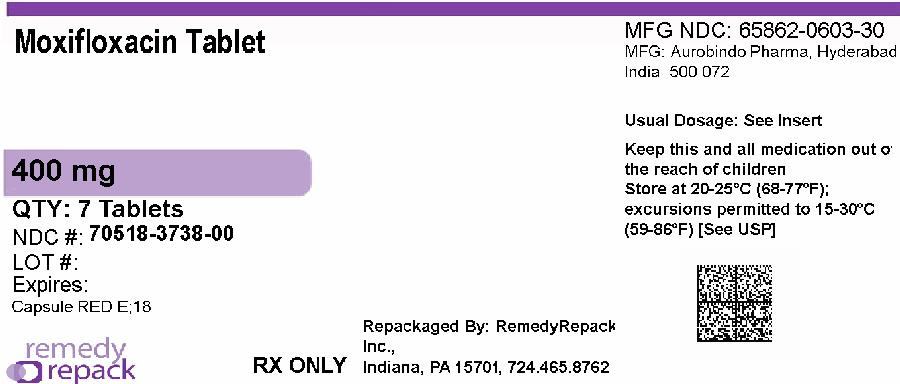
(moxifloxacin · DailyMed)
MOXIGET IV
Diphenhydramine Hydrochloride 9.000 mg/ mL,Hydrochloric acid Q.S. mg/ mL,Moxifloxacin Hydrochloride 400 mg/250 ml,Sodium Hydroxide Q.S. mg/ mL,Sterilized Water for Injection Q.S. mg/5.26ml
What it does
Diphenhydramine is an antihistamine that helps relieve allergy symptoms and promotes sleep.
Commonly used for: allergic reactions, hay fever (allergic rhinitis), insomnia, motion sickness
Read more in plain English ↓Plain-language summary for general understanding - not medical advice. Always follow your pharmacist/doctor.
Ask about this medicine
Answers come only from this medicine's registration record, BNF monograph and interaction data - not medical advice.
Medicine sourcing is available in Kenya only. We don't sell or dispense medicines - licensed pharmacies do.
Sourcing - Kenya onlyRegistration & product details
Source: Tanzania Medicines and Medical Devices Authority · fetched 2026-03-11 23:51:01 · updated 2026-07-23 03:00:41
Drug Interactions
6Pharmacodynamic Warnings
Moxifloxacin appears in TABLE 9: Drugs that prolong the QT interval
Severe (1)
Quinolones - decreases absorption
Strontiumispredictedtodecreasetheabsorptionof quinolones.Avoid.oTheoretical
Unknown (5)
Quinolones - decreases exposure
Lanthanum moderately decreases the exposure to quinolones. Quinolones should be taken 2 hours before or 4 hours after lanthanum.
Quinolones - increases exposure
Leflunomideispredictedtoincreasetheexposuretoquinolones (ciprofloxacin).oTheoretical
Quinolones - decreases exposure
Sucralfate decreases the exposure to quinolones. Separate administration by 2 hours.
Quinolones - decreases exposure
Zinc is predicted to decrease the exposure to quinolones. Separate administration by 2 hours. Rabeprazole → see proton pump inhibitors Rabies immunoglobulin → see immunoglobulins Rabies vaccine
Quinolones - increases exposure
Teriflunomideispredictedtoincreasetheexposureto quinolones(ciprofloxacin).oTheoretical https://www.facebook.c (Books-Courses-Medic
Data from BNF 85 (British National Formulary). This is not a substitute for professional medical advice. Matched via: class
About diphenhydramine
Diphenhydramine is an antihistamine that helps relieve allergy symptoms and promotes sleep.
What it treats
- allergic reactions
- hay fever (allergic rhinitis)
- insomnia
- motion sickness
How it works
It works by blocking histamine, a substance in the body that causes allergic symptoms and can affect sleep.
Who it's for
It is suitable for adults and children over a certain age, but always check with a healthcare provider.
AI-assisted summary grounded in BNF data - general information only, not medical advice. Always confirm with your pharmacist or doctor.
About hydrochloric
Hydrochloric acid is a substance that helps with digestion in the stomach.
What it treats
- stomach acidity issues
- digestive problems
How it works
It aids in breaking down food and absorbing nutrients in the stomach.
Who it's for
It is used for people who have low stomach acid or certain digestive disorders.
AI-assisted summary grounded in BNF data - general information only, not medical advice. Always confirm with your pharmacist or doctor.
About hydroxide
Hydroxide is a compound used to help neutralize stomach acid and relieve indigestion or heartburn.
What it treats
- indigestion
- heartburn
How it works
Hydroxide works by neutralizing the excess acid in the stomach, which helps to reduce discomfort.
Who it's for
Hydroxide is suitable for adults and children experiencing symptoms of excess stomach acid.
AI-assisted summary grounded in BNF data - general information only, not medical advice. Always confirm with your pharmacist or doctor.
About moxifloxacin
Moxifloxacin is an antibiotic used to treat various bacterial infections.
What it treats
- bacterial infections
- lung infections (pneumonia)
- skin infections
- abdominal infections
How it works
It works by stopping the growth of bacteria, helping your body to fight off the infection.
Who it's for
It is for adults and children aged 2 months and above who have certain bacterial infections.
Drug class
Quinolones
Cautions
- • Be cautious if you are taking other medications that may affect heart rhythm.
AI-assisted summary grounded in BNF data - general information only, not medical advice. Always confirm with your pharmacist or doctor.
About sterilized
Sterilized is used to ensure that medical instruments and environments are free from germs and contaminants.
What it treats
- sterilization of surgical instruments
- preparation of sterile environments
How it works
Sterilized products kill or remove all forms of microbial life, including bacteria, viruses, and fungi.
Who it's for
Healthcare professionals and facilities that require a sterile environment for medical procedures.
AI-assisted summary grounded in BNF data - general information only, not medical advice. Always confirm with your pharmacist or doctor.
Clinical monograph: Moxifloxacin
BNF-referencedMoxifloxacin is a fluoroquinolone antibiotic used to treat a variety of bacterial infections. It exhibits a broad spectrum of activity against both Gram-positive and Gram-negative bacteria and is particularly effective against respiratory tract infections, skin and soft tissue infections, and certain intra-abdominal infections. The drug is characterized by its bactericidal action, which results from the inhibition of bacterial DNA replication.
Indications
- Bacterial infections
- Complicated skin and soft-tissue infections
- Pelvic inflammatory disease
- Respiratory tract infections
- Intra-abdominal infections
Dosage
Children: Refer to the BNF for Children for appropriate dosing information.
Adults: 400 mg once daily for 7-21 days, depending on the specific infection being treated.
Mechanism of action
Moxifloxacin's bactericidal effect is primarily due to its inhibition of the enzymes topoisomerase II (DNA gyrase) and topoisomerase IV. By interfering with these enzymes, moxifloxacin prevents the replication, transcription, and repair of bacterial DNA. This mechanism is crucial for bacterial cell division and survival.
Pharmacodynamics
As a quinolone antibiotic, moxifloxacin is effective against a range of bacteria including aerobic Gram-positive organisms such as _Staphylococcus aureus_ and _Streptococcus pneumoniae_, as well as Gram-negative organisms like _Haemophilus influenzae_. It is known for its high affinity for bacterial DNA gyrase, which is approximately 100 times greater than its affinity for mammalian enzymes, making it selectively toxic to bacteria.
Pharmacokinetics
Moxifloxacin exhibits good oral bioavailability and is widely distributed in body tissues, reaching peak plasma concentrations approximately 1 to 2 hours after administration. The drug is primarily metabolized in the liver and excreted via the urine. The half-life of moxifloxacin is approximately 12 hours, allowing for once-daily dosing.
Contra-indications
- Acute myocardial infarction (risk factor for QT interval prolongation)
- Bradycardia (risk factor for QT interval prolongation)
- Congenital long QT syndrome (risk factor for QT interval prolongation)
- Electrolyte disturbances (risk factor for QT interval prolongation)
- Heart failure with reduced left ventricular ejection fraction (risk factor for QT interval prolongation)
- History of symptomatic arrhythmias (risk factor for QT interval prolongation)
Adverse effects
- Increased risk of infection
- Akathisia
- Angina pectoris
- Colitis associated with antibiotics
- Asthma
- Dehydration
- Gastritis
- Hyperlipidaemia
- Malaise
- Oedema
- Pelvic pain
- Thrombocytosis
- Vasodilation
Precautions
- May impair performance of skilled tasks (e.g. driving)
- Use with caution in patients with a history of seizures or CNS disorders
Pregnancy
Manufacturer advises use only if potential benefit outweighs risk.
Breast-feeding
Manufacturer advises avoid-present in milk in animal studies.
Storage
Store in a cool, dry place away from direct sunlight.
Formulations
- Tablets 400 mg
- Injection solution 400 mg/250 ml
- Nebuliser solution 100 mg/1 ml
AI-synthesized from BNF references - general information only, not a substitute for professional medical advice or the current BNF. Verify doses with a pharmacist.
Clinical monograph: diphenhydramine
BNF-referencedDiphenhydramine is a first-generation antihistamine with sedative, anti-emetic, and antimuscarinic properties. It is commonly used to relieve symptoms of allergy, hay fever, and the common cold, such as runny nose, sneezing, and itchy or watery eyes. Additionally, it is utilized for its antiemetic effects in motion sickness and as a sleep aid due to its sedative properties. Its ability to cross the blood-brain barrier makes it effective in treating symptoms that involve the central nervous system.
Indications
- Allergic rhinitis
- Allergic conjunctivitis
- Urticaria
Mechanism of action
Diphenhydramine primarily functions by antagonizing H1 (Histamine 1) receptors located in various tissues, including the respiratory system, gastrointestinal tract, and central nervous system. By acting as an inverse agonist at H1 receptors, it mitigates the effects of histamine, thereby reducing allergic symptoms. As a first-generation antihistamine, it also crosses the blood-brain barrier, leading to sedative effects. Furthermore, diphenhydramine exhibits antimuscarinic activity by competitively antagonizing muscarinic acetylcholine receptors, contributing to its use in treating parkinsonian symptoms.
Pharmacodynamics
Diphenhydramine possesses anti-histaminic, anti-emetic, anti-vertigo, and sedative properties. Its antihistaminic action blocks the effects of histamine by competing for H1 receptor sites, preventing symptoms associated with histamine release. Its anti-emetic effects are due to inhibition at the medullary chemoreceptor trigger zone, while its anti-vertigo action arises from a central antimuscarinic effect on the vestibular apparatus and the vomiting center in the midbrain.
Pharmacokinetics
Diphenhydramine is well-absorbed following oral administration and reaches peak plasma concentrations within 1 to 2 hours. It is metabolized in the liver and has a half-life of approximately 4 to 8 hours, although this can vary based on individual factors. The drug is excreted primarily in the urine, with a significant portion eliminated as metabolites rather than unchanged drug. Due to its lipophilic nature, diphenhydramine readily crosses the blood-brain barrier, contributing to its sedative effects.
Contra-indications
- Severe asthma exacerbation
- Hypersensitivity to diphenhydramine or any of its components
- Newborns or premature infants
Adverse effects
- Drowsiness
- Dizziness
- Dry mouth
- Constipation
- Urinary retention
- Blurred vision
- Confusion
Interactions
- CNS depressants (e.g., alcohol, sedatives, tranquilizers) may enhance sedative effects
- MAO inhibitors can prolong and intensify anticholinergic effects
Precautions
- Use with caution in patients with glaucoma
- Prostatic hypertrophy
- Cardiovascular disease
- Elderly patients may be more sensitive to side effects
Pregnancy
Diphenhydramine should only be used during pregnancy if clearly needed. Consult a healthcare provider for advice.
Breast-feeding
Diphenhydramine is excreted in breast milk. Use caution when administering to nursing mothers.
Storage
Store at room temperature, away from moisture and heat. Keep out of reach of children.
Formulations
- Tablets
- Capsules
- Liquid formulations
- Topical preparations
AI-synthesized from BNF references - general information only, not a substitute for professional medical advice or the current BNF. Verify doses with a pharmacist.
Clinical monograph: hydrochloric
Hydrochloric acid, commonly known as stomach acid, is a clear, colorless solution that is produced in the stomach. It plays a critical role in digestion by creating an acidic environment that aids in the breakdown of food and activates digestive enzymes. In a pharmaceutical context, hydrochloric acid is used in various formulations to adjust pH levels, facilitate drug absorption, and as a component in sterile preparations.
Indications
- Adjustment of pH in pharmaceutical formulations
- Facilitation of drug absorption
- Used in sterile preparations
Dosage
Children: Refer to specific product guidelines for dosing information, as hydrochloric acid is typically used in a controlled setting based on formulation requirements.
Adults: Refer to specific product guidelines for dosing information, as hydrochloric acid is typically used in a controlled setting based on formulation requirements.
Mechanism of action
Hydrochloric acid dissociates in aqueous solution to release hydrogen ions (H+), leading to a decrease in pH. This acidic environment promotes the activation of pepsinogen to pepsin, an enzyme essential for protein digestion. Additionally, the acidity aids in the absorption of certain minerals and drugs that require an acidic environment for optimal bioavailability.
Pharmacodynamics
The primary pharmacodynamic action of hydrochloric acid is the maintenance of gastric acidity, which is essential for normal digestive processes. The acidic environment helps in denaturing proteins, activating digestive enzymes, and providing a barrier against pathogenic microorganisms. Its effects can influence the absorption and efficacy of various medications, particularly those that are pH-dependent.
Pharmacokinetics
Hydrochloric acid does not undergo significant systemic absorption when used in its normal contexts, as it acts locally within the gastrointestinal tract. The amount of hydrochloric acid produced by the stomach varies with food intake and physiological needs. It is secreted by parietal cells in the gastric mucosa, and its secretion is regulated by neural, hormonal, and local factors. The half-life of hydrochloric acid is not applicable as it is continuously produced and neutralized within the gastrointestinal tract.
Contra-indications
- Hypersensitivity to hydrochloric acid or any of its components
- Severe renal impairment
- Active gastrointestinal bleeding
Adverse effects
- Abdominal pain
- Diarrhea
- Nausea
- Vomiting
- Esophageal irritation
- Gastric mucosal irritation
- Electrolyte imbalances
Interactions
- May interact with alkaline substances, potentially neutralizing hydrochloric acid
- Caution with antacids as they may affect the efficacy of hydrochloric acid
Precautions
- Use with caution in patients with a history of gastritis or gastric ulcers
- Monitor electrolytes in prolonged use
- Use cautiously in patients with respiratory conditions due to potential aspiration risks
Pregnancy
Hydrochloric acid is classified as a category C drug. Use during pregnancy only if clearly needed and the potential benefits justify the risks to the fetus.
Breast-feeding
There is limited data on the excretion of hydrochloric acid in human milk. Use with caution during breastfeeding.
Storage
Store in a cool, dry place away from direct sunlight and heat. Ensure the container is tightly closed.
Formulations
- Oral solutions
- Injectable forms
- Tablets
AI-synthesized from BNF references - general information only, not a substitute for professional medical advice or the current BNF. Verify doses with a pharmacist.
Clinical monograph: hydroxide
BNF-referencedHydroxide, represented by the molecular formula HO-, is an anion commonly found in various chemical and biological systems. It plays a crucial role in acid-base chemistry and is a fundamental component in many biochemical pathways. Hydroxide ions are involved in maintaining pH balance in biological systems and participate in various metabolic processes.
Dosage
Children: Refer to specific guidelines for pediatric dosing; consult the BNF for Children for accurate dosage information.
Adults: Refer to specific guidelines for use; dosage may vary based on the context of use.
Mechanism of action
Hydroxide ions act primarily as bases, neutralizing acids to form water and salts. They participate in various biochemical pathways, including selenium metabolism and the degradation of reactive oxygen species. Hydroxide can influence enzyme activity and stability by altering the pH of the environment, thereby affecting metabolic reactions.
Pharmacodynamics
Hydroxide ions can impact biological processes by changing the local pH, which influences enzyme activity, ion transport, and the solubility of other compounds. Their ability to neutralize acids can help regulate physiological pH, contributing to homeostasis in living organisms.
Pharmacokinetics
As an inorganic ion, hydroxide does not undergo traditional pharmacokinetic processes like absorption, distribution, metabolism, or excretion. Instead, it is rapidly equilibrated in biological fluids and participates in acid-base reactions, having immediate effects on the local environment.
Pregnancy
There is limited information regarding the use of hydroxide during pregnancy. Consult a healthcare professional for advice.
Breast-feeding
Limited data is available on the excretion of hydroxide in breast milk. Consult a healthcare professional before use.
Storage
Store in a cool, dry place away from direct sunlight. Keep out of reach of children.
AI-synthesized from BNF references - general information only, not a substitute for professional medical advice or the current BNF. Verify doses with a pharmacist.
Clinical monograph: sterilized
Sterilized refers to the process of rendering an object or substance free from all living microorganisms, including bacteria, viruses, fungi, and spores. This process is crucial in healthcare settings, particularly in surgical procedures, to prevent infections. Sterilization can be achieved through various methods such as steam under pressure (autoclaving), dry heat, chemical sterilants, radiation, or filtration. The selection of a sterilization method depends on the material being sterilized and the specific requirements of the procedure.
Indications
- Surgical instrument sterilization
- Preparation of sterile pharmaceuticals
- Sterilization of medical devices
- Laboratory equipment sterilization
- Maintenance of aseptic conditions in operating rooms
Dosage
Children: Not applicable, as sterilization does not involve drug dosing.
Adults: Not applicable, as sterilization does not involve drug dosing.
Mechanism of action
The mechanism of action for sterilization techniques varies by method. For instance, autoclaving uses steam to denature proteins and disrupt cellular structures, effectively killing microorganisms. Chemical sterilants may act by damaging cellular membranes or interfering with metabolic processes. Radiation methods, such as gamma rays, cause DNA damage in microorganisms, preventing replication.
Pharmacodynamics
Pharmacodynamics in the context of sterilization is not applicable as it primarily pertains to drug action. However, understanding the effectiveness of sterilization methods can be related to the concentration of the agent used, exposure time, and the nature of the microorganisms targeted. The aim is to achieve a sterility assurance level (SAL) that ensures a significant reduction in microbial load.
Pharmacokinetics
Pharmacokinetics is not applicable in the traditional sense for sterilization processes, as they do not involve drug absorption, distribution, metabolism, or excretion. Instead, the effectiveness of a sterilization method is evaluated based on the parameters of the sterilization process itself, including temperature, pressure, time, and the nature of the sterilant used.
Pregnancy
Sterilized products are generally considered safe during pregnancy, but specific formulations should be evaluated for individual safety.
Breast-feeding
Sterilized products are usually safe during breastfeeding; however, it is advisable to consult healthcare professionals regarding specific products.
Storage
Store in a cool, dry place, away from direct sunlight and moisture. Follow specific storage instructions provided by the manufacturer.
AI-synthesized from BNF references - general information only, not a substitute for professional medical advice or the current BNF. Verify doses with a pharmacist.
Molecular reference: Moxifloxacin
PubChem CID 152946Molecular formula: C21H24FN3O4
Mechanism of action
The bactericidal action of moxifloxacin results from inhibition of the enzymes topoisomerase II (DNA gyrase) and topoisomerase IV. DNA gyrase is an essential enzyme that is involved in the replication, transcription and repair of bacterial DNA. Topoisomerase IV is an enzyme known to play a key role in the partitioning of the chromosomal DNA during bacterial cell division. The fluoroquinolone antibiotic moxifloxacin has been associated with the acquired long QT syndrome and is used as a positive control in the evaluation of the QT-interval prolonging potential of new drugs. In common with other QT-prolonging agents, moxifloxacin is known to inhibit the hERG potassium K+ channel, but at present there is little mechanistic information available on this action. This study was conducted in order to characterise the inhibition of hERG current (I(hERG)) by moxifloxacin, and to determine the role in drug binding of the S6 aromatic amino-acid residues Tyr652 and Phe656. hERG currents were studied using whole-cell patch clamp (at room temperature and at 35-37 degrees C) in an HEK293 cell line stably expressing hERG channels. Moxifloxacin reversibly inhibited currents in a dose-dependent manner. We investigated the effects of different voltage commands to elicit hERG currents on moxifloxacin potency. Using a 'step-ramp' protocol, the IC50 was 65 uM at room temperature and 29 microM at 35 degrees C. When a ventricular action potential waveform was used to elicit currents, the IC50 was 114 microM. Block of hERG by moxifloxacin was found to be voltage-dependent, occurred rapidly and was independent of stimulation frequency. Mutagenesis of the S6 helix residue Phe656 to Ala failed to eliminate or reduce the moxifloxacin-mediated block whereas mutation of Tyr652 to Ala reduced moxifloxacin block by approximately 66%. Our data demonstrate that moxifloxacin blocks the hERG channel with a preference for the activated channel state. The Tyr652 but not Phe656 S6 residue is involved in moxifloxacin block of hERG, concordant with an interaction in the channel inner cavity. The bactericidal action of moxifloxacin results from inhibition of the topoisomerase II (DNA gyrase) and topoisomerase IV required for bacterial DNA replication, transcription, repair, and recombination. It appears that the C8-methoxy moiety contributes to enhanced activity and lower selection of resistant mutants of Gram-positive bacteria compared to the C8-H moiety. The presence of the bulky bicycloamine substituent at the C-7 position prevents active efflux, associated with the NorA or pmrA genes seen in certain Gram-positive bacteria. Torsade de pointes (TdP) is increasingly recognized as a complication of drug therapy. The most common cause of drug-induced QT prolongation is inhibition of the rapidly activating component of the delayed potassium current (I(Kr)). Moxifloxacin, a widely used fluoroquinolone, is a weak I(Kr) inhibitor and has been associated with QT prolongation. Fluoroquinolones prolong the QT interval by blocking voltage-gated potassium channels, especially the rapid component of the delayed rectifier potassium current I(Kr), expressed by HERG (the human ether-a-go-go-related gene). According to the available case reports and clinical studies, moxifloxacin carries the greatest risk of QT prolongation from all available quinolones in clinical practice and it should be used with caution in patients with predisposing factors for Torsades de pointes (TdP).
Pharmacodynamics
Moxifloxacin is a quinolone/fluoroquinolone antibiotic. Moxifloxacin can be used to treat infections caused by the following bacteria: Aerobic Gram-positive microorganisms: _Corynebacterium_ species, _Micrococcus luteus_, _Staphylococcus aureus_, _Staphylococcus epidermidis_, _Staphylococcus haemolyticus_, _Staphylococcus hominis_, _Staphylococcus warneri_, _Streptococcus pneumoniae_, and _Streptococcus viridans_ group. Aerobic Gram-negative microorganisms: _Acinetobacter lwoffii_, _Haemophilus influenzae_, and _Haemophilus parainfluenzae_. Other microorganisms: _Chlamydia trachomatis_. Moxifloxacin is bactericidal and its mode of action depends on blocking of bacterial DNA replication by binding itself to an enzyme called DNA gyrase, which allows the untwisting required to replicate one DNA double helix into two. Notably the drug has 100 times higher affinity for bacterial DNA gyrase than for mammalian. Moxifloxacin is a broad-spectrum antibiotic that is active against both Gram-positive and Gram-negative bacteria.
Source: PubChem (NCBI) · pathways from PathBank, Reactome, WikiPathways & PharmGKB.
Molecular reference: diphenhydramine
PubChem CID 3100Molecular formula: C17H21NO
Mechanism of action
Diphenhydramine predominantly works via the antagonism of H1 (Histamine 1) receptors. Such H1 receptors are located on respiratory smooth muscles, vascular endothelial cells, the gastrointestinal tract (GIT), cardiac tissue, immune cells, the uterus, and the central nervous system (CNS) neurons. When the H1 receptor is stimulated in these tissues it produces a variety of actions including increased vascular permeability, promotion of vasodilation causing flushing, decreased atrioventricular (AV) node conduction time, stimulation of sensory nerves of airways producing coughing, smooth muscle contraction of bronchi and the GIT, and eosinophilic chemotaxis that promotes the allergic immune response. Ultimately, diphenhydramine functions as an inverse agonist at H1 receptors, and subsequently reverses effects of histamine on capillaries, reducing allergic reaction symptoms. Moreover, since diphenhydramine is a first-generation antihistamine, it readily crosses the blood-brain barrier and inversely agonizes the H1 CNS receptors, resulting in drowsiness, and suppressing the medullary cough center. Furthermore, H1 receptors are similar to muscarinic receptors. Consequently, diphenhydramine also acts as an antimuscarinic. It does so by behaving as a competitive antagonist of muscarinic acetylcholine receptors, resulting in its use as an antiparkinson medication. Lastly, diphenhydramine has also demonstrated activity as an intracellular sodium channel blocker, resulting in possible local anesthetic properties. Antihistamines used in the treatment of allergy act by competing with histamine for H1-receptor sites on effector cells. They thereby prevent, but do not reverse, responses mediated by histamine alone. Antihistamines antagonize, in varying degrees, most of the pharmacological effects of histamine, including urticaria and pruritus. Also, the anticholinergic actions of most antihistamines provide a drying effect on the nasal mucosa. /Antihistamines/ H1 antagonists inhibit both the vasoconstrictor effects of histamine and, to a degree, the more rapid vasodilator effects mediated by activation of H1 receptors on endothelial cells (synthesis/release of NO and other mediators). /H1 Receptor Antagonists/ H1 antagonists suppress the action of histamine on nerve endings, including the flare component of the triple response and the itching caused by intradermal injection. /H1 Receptor Antagonists/ The first-generation antihistamines are widely prescribed medications that relieve allergic reactions and urticaria by blocking the peripheral histamine H(1) receptor. Overdose of these drugs often results in serious neuronal toxic effects, including seizures, convulsions and worsening of epileptic symptoms. The KCNQ/M K(+) channel plays a crucial role in controlling neuron excitability. Here, we demonstrate that mepyramine and diphenhydramine, two structurally related first-generation antihistamines, can act as potent KCNQ/M channel blockers. Extracellular application of these drugs quickly and reversibly reduced KCNQ2/Q3 currents heterologously expressed in HEK293 cells. The current inhibition was concentration and voltage dependent. The estimated IC(50) (12.5 and 48.1 microM, respectively) is within the range of drug concentrations detected in poisoned patients (30-300 microM). Both drugs shifted the I-V curve of KCNQ2/Q3 channel to more depolarized potentials and altered channel gating properties by prolonging activation and shortening deactivation kinetics. Mepyramine also inhibited the individual homomeric KCNQ1-4 and heteromeric KCNQ3/Q5 currents. Moreover, mepyramine inhibited KCNQ2/Q3 current in an outside-out patch excised from HEK293 cells and the inhibitory effect was neither observed when it was applied intracellularly nor affected by blocking phospholipase C (PLC) activity, indicating an extracellular and direct channel blocking mechanism. Finally, in cultured rat superior cervical ganglion (SCG) neurons, mepyramine reduced the
Pharmacodynamics
Diphenhydramine has anti-histaminic (H1-receptor), anti-emetic, anti-vertigo and sedative and hypnotic properties. The anti-histamine action occurs by blocking the spasmogenic and congestive effects of histamine by competing with histamine for H1 receptor sites on effector cells, preventing but not reversing responses mediated by histamine alone. Such receptor sites may be found in the gut, uterus, large blood vessels, bronchial muscles, and elsewhere. Anti-emetic action is by inhibition at the medullary chemoreceptor trigger zone. Anti-vertigo action is by a central antimuscarinic effect on the vestibular apparatus and the integrative vomiting center and medullary chemoreceptor trigger zone of the midbrain.
Biological pathways
Source: PubChem (NCBI) · pathways from PathBank, Reactome, WikiPathways & PharmGKB.
Molecular reference: hydroxide
PubChem CID 961Molecular formula: HO-
Biological pathways
Source: PubChem (NCBI) · pathways from PathBank, Reactome, WikiPathways & PharmGKB.
This drug in other countries
The same active ingredient registered across other registries we cover - including different brands.
- ABICOF JUNIOR SYRUP · Socomed Pharmaceutical
- ABICOF SYRUP · Socomed Pharmaceutical
- ABYCID SUSPENSION (Each 5ml contains Magnesium Hydroxide BP/ Dried Aluminium Hydroxide BP Magnesium Trisilicate BP Activated Dimethicone (Simethicone) B 225mg/200mg/25mg) · Socomed Pharmceuticals Pvt Limited
- ACIQUARD O SUSPENSION (Each 5ml contains Dried Aluminium Hydroxide / Magnesium Hydroxide / Simethicone / Oxethazaine 250mg/250mg/50mg/10mg) · Pharmanova
- ADULT MALIN COUGH SYRUP · M&g Pharmaceuticals
- ALEVE TABLETS (Each tablet contains Diphenhydramine Hydrochloride/Naproxen Sodium 220mg) · Bayer Bitterfield