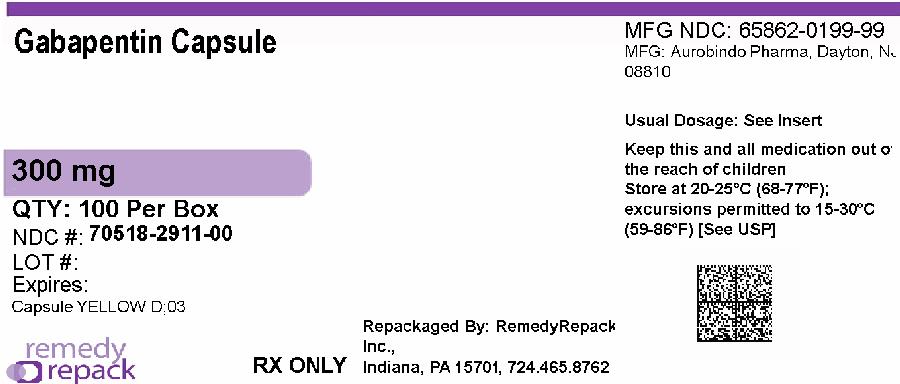
(gabapentin · DailyMed)
MYCOGAB GEL
GABAPENTIN BP LIDOCAINE HYDROCHLORIDE BP
What it does
Gabapentin is a medication mainly used to treat seizures and nerve pain. It belongs to a group of drugs called antiepileptics.
Commonly used for: seizures (epilepsy), nerve pain (neuropathic pain)
Read more in plain English ↓Plain-language summary for general understanding - not medical advice. Always follow your pharmacist/doctor.
Ask about this medicine
Answers come only from this medicine's registration record, BNF monograph and interaction data - not medical advice.
Hard to find? We help patients in Kenya source rare medicines. We don't sell or dispense medicines - licensed pharmacies do.
Source this medicineRegistration & product details
Source: Pharmacy and Poisons Board · fetched 2026-07-26 07:50:13 · updated 2026-09-04 02:05:34
Drug Interactions
69Pharmacodynamic Warnings
Gabapentin appears in TABLE 11: Drugs with CNS depressant effects
Lidocaine appears in TABLE 11: Drugs with CNS depressant effects
Gabapentin appears in TABLE 18: Drugs that cause hyponatraemia
Severe (7)
Antiepileptics - decreases absorption
Iron chelators (dexrazoxane) might decrease the absorption of antiepileptics (fosphenytoin, phenytoin). Avoid.
Antiepileptics - decreases exposure
Lumacaftor is predicted to decrease the exposure to antiepileptics (carbamazepine, fosphenytoin, phenobarbital, phenytoin, primidone). Avoid.
Antiepileptics - decreases concentration
St John’s wort is predicted to decrease the concentration of antiepileptics (fosphenytoin, phenobarbital, phenytoin, primidone). Avoid.
Antiepileptics - increases risk of overheating and dehydration
Hydroxyzine potentially increases the risk of overheating and dehydration when given with antiepileptics (zonisamide). Avoid in children.
Antiepileptics - increases risk of overheating and dehydration
Haloperidol potentially increases the risk of overheating and dehydration when given with antiepileptics (zonisamide). Avoid in children.
Antiepileptics - decreases absorption
Dexrazoxane might decrease the absorption of antiepileptics (fosphenytoin, phenytoin). Avoid.
Antiepileptics - increases risk of overheating and dehydration
Oxybutynin potentially increases the risk of overheating and dehydration when given with antiepileptics (zonisamide). Avoid in children.
Moderate (26)
Antiepileptics - increases concentration
Intravenous chloramphenicol increases the concentration of antiepileptics (fosphenytoin, phenytoin) and antiepileptics (fosphenytoin, phenytoin) affect the concentration of intravenous chloramphenicol
Antiepileptics - decreases concentration
Diazoxide decreases the concentration of antiepileptics (fosphenytoin, phenytoin) and antiepileptics (fosphenytoin, phenytoin) are predicted to decrease the effects of diazoxide. Monitor concentration
Antiepileptics - increases concentration
Disulfiramincreasestheconcentrationofantiepileptics (fosphenytoin,phenytoin).Monitorconcentrationandadjust dose.rStudy →AlsoseeTABLE12p.1520
Antiepileptics - increases concentration
Fluorouracilincreasestheconcentrationofantiepileptics (fosphenytoin,phenytoin).Monitorconcentrationandadjust dose.rAnecdotal 1xidneppA|snoitcaretnI A1 https://www.facebook.c (Books-Courses-Medic
Antiepileptics - decreases concentration
Folates are predicted to decrease the concentration of antiepileptics (fosphenytoin, phenobarbital, phenytoin, primidone). Monitor concentration and adjust dose.
Unknown (36)
Antiepileptics - increases risk of overheating and dehydration
Acetazolamide potentially increases the risk of overheating and dehydration when given with antiepileptics (zonisamide). Avoid in children.
Antiepileptics - increases risk of visual disturbances
Alcohol potentially increases the risk of visual disturbances when given with antiepileptics (retigabine).
Antiepileptics - decreases exposure
Enzalutamide is predicted to slightly decrease the exposure to antiepileptics (brivaracetam).
Antiepileptics - decreases exposure
Apalutamidepotentiallydecreasestheexposureto antiepileptics(valproate).nTheoretical
Antiepileptics - increases concentration
Capecitabine increases the concentration of antiepileptics (fosphenytoin, phenytoin).
Data from BNF 85 (British National Formulary). This is not a substitute for professional medical advice. Matched via: class
About gabapentin
Gabapentin is a medication mainly used to treat seizures and nerve pain. It belongs to a group of drugs called antiepileptics.
What it treats
- seizures (epilepsy)
- nerve pain (neuropathic pain)
How it works
Gabapentin works by affecting the way nerves send messages to your brain, helping to reduce seizures and relieve pain.
Who it's for
Gabapentin is prescribed for individuals with epilepsy and those suffering from nerve pain.
Drug class
Antiepileptics
Cautions
- • Be careful if you are taking other medications that can make you drowsy or dizzy.
- • Use caution if you are taking drugs that can lower sodium levels in the blood.
AI-assisted summary grounded in BNF data - general information only, not medical advice. Always confirm with your pharmacist or doctor.
About lidocaine
Lidocaine is a local anesthetic used to numb specific areas of the body.
What it treats
- local pain relief
- numbing during minor surgical procedures
- treating certain heart rhythm disorders (arrhythmias)
How it works
Lidocaine works by blocking nerve signals in the area where it is applied, which helps reduce pain.
Who it's for
Lidocaine is suitable for adults and children needing pain relief or local anesthesia.
Cautions
- • Use with caution if taking medications that can cause drowsiness or sedation.
AI-assisted summary grounded in BNF data - general information only, not medical advice. Always confirm with your pharmacist or doctor.
Clinical monograph: Lidocainehydrochloride
BNF-referencedLidocaine hydrochloride is a local anesthetic of the amide type, used primarily for its analgesic properties. It is administered through various routes, including intravenous, topical, and local infiltration, to provide temporary pain relief or to manage arrhythmias. Lidocaine works by blocking sodium channels in the neuronal cell membrane, thus inhibiting the propagation of action potentials in nerves, leading to a loss of sensation in the targeted area.
Indications
- Ventricular arrhythmias, especially after myocardial infarction
- Local anesthesia for minor surgical procedures
- Pain relief in conditions such as oral ulceration and inflammation
Dosage
Children: Refer to the BNF for Children
Adults: For ventricular arrhythmias, an initial intravenous bolus of 100 mg is given over a few minutes, followed by a continuous infusion of 4 mg/minute for 30 minutes, then reduced to 2 mg/minute for 2 hours, and finally to 1 mg/minute. The total dose should not exceed 3 mg/kg.
Mechanism of action
Lidocaine hydrochloride exerts its effects by blocking voltage-gated sodium channels in neurons, which inhibits the influx of sodium ions during depolarization. This action prevents the generation and conduction of nerve impulses, resulting in local anesthesia. The drug also stabilizes neuronal membranes and decreases the excitability of both peripheral and central nerves.
Pharmacodynamics
The onset of action for lidocaine is rapid, typically occurring within minutes of administration, with a duration of action that can vary based on the route of administration and the presence of additives such as epinephrine. Lidocaine can be used to manage ventricular arrhythmias by decreasing myocardial excitability and conduction velocity, thus stabilizing the cardiac rhythm.
Pharmacokinetics
Lidocaine is well-absorbed when administered intravenously, with peak plasma concentrations occurring shortly after infusion. It is extensively metabolized in the liver via cytochrome P450 enzymes, primarily CYP1A2 and CYP3A4, producing active metabolites. The elimination half-life of lidocaine ranges from 1.5 to 2 hours, and it is excreted mainly in urine. Caution is advised in cases of hepatic impairment, as the metabolism of lidocaine may be significantly reduced, leading to increased plasma levels.
Contra-indications
- All grades of atrioventricular block
- Severe myocardial depression
- Sino-atrial disorders
Adverse effects
- Anxiety
- Arrhythmias
- Cardiac arrest
- Circulatory collapse
- Confusion
- Dizziness
- Drowsiness
- Euphoric mood
- Headache
- Hypotension (may lead to cardiac arrest)
- Loss of consciousness
- Methaemoglobinaemia
- Muscle twitching
- Nausea
- Neurological disorders
- Tinnitus
- Tremor
- Blurred vision
- Vomiting
Interactions
- Antiarrhythmics
Precautions
- Acute porphyrias (consider infusion of glucose for its anti-porphyrinogenic effects)
- Congestive cardiac failure (consider lower dose)
- Post cardiac surgery (consider lower dose)
- Monitor serum potassium
- Caution in hepatic impairment (risk of increased exposure)
- Caution in renal impairment (possible accumulation of lidocaine and active metabolites)
Pregnancy
Crosses the placenta but not known to be harmful in animal studies-use if benefit outweighs risk.
Breast-feeding
Present in milk but amount too small to be harmful.
Storage
Store in a cool, dry place away from direct sunlight.
Formulations
- Lidocaine hydrochloride 5 mg per 1 ml solution for injection
- Lidocaine hydrochloride 10 mg per 1 ml solution for injection
- Lidocaine hydrochloride 10% solution for oral use
AI-synthesized from BNF references - general information only, not a substitute for professional medical advice or the current BNF. Verify doses with a pharmacist.
Clinical monograph: Gabapentin
BNF-referencedGabapentin is an anticonvulsant medication primarily used to treat epilepsy and neuropathic pain. It is particularly effective as an adjunctive therapy for focal seizures with or without secondary generalization. Gabapentin is also utilized off-label for conditions such as neuropathic pain and spasticity associated with multiple sclerosis. It is administrated orally and is known for its relatively low toxicity, providing a wide therapeutic index.
Indications
- Epilepsy
- Focal seizures with or without secondary generalization
- Neuropathic pain
- Spasticity in multiple sclerosis
- Muscle symptoms in motor neurone disease
Dosage
Adults: Initially 300 mg once daily for 1–2 weeks, then 300 mg twice daily for 1–2 weeks, followed by 300 mg 3 times a day for 1–2 weeks. Adjustments should be made according to response; maximum usual dose is 0.9–3.6 g daily in 3 divided doses (
Mechanism of action
Gabapentin primarily acts on the auxiliary α2δ-1 subunit of voltage-gated calcium channels, inhibiting their action and subsequently reducing the release of excitatory neurotransmitters. This mechanism is thought to contribute to its efficacy in treating neuropathic pain and seizures. Gabapentin may also influence adenosine receptors and voltage-gated potassium channels, although the clinical significance of these effects remains unclear.
Pharmacodynamics
Gabapentin is classified as an anticonvulsant that inhibits the release of excitatory neurotransmitters. Its wide therapeutic index makes it safer in overdoses, with high doses not leading to fatal outcomes in animal studies. While effective in treating neuropathic pain and seizure disorders, it is not effective for absence seizures and should be used cautiously in patients with mixed seizure disorders. Gabapentin has been associated with serious hypersensitivity reactions, including DRESS syndrome.
Pharmacokinetics
Gabapentin is absorbed from the gastrointestinal tract with peak plasma concentrations occurring about 2 to 3 hours post-administration. It does not bind significantly to plasma proteins and is eliminated primarily through renal excretion. The drug's half-life is approximately 5 to 7 hours, necessitating multiple daily doses for therapeutic effect. Dose adjustments may be required in patients with renal impairment.
Adverse effects
- Dizziness
- Somnolence
- Fatigue
- Ataxia
- Nausea
- Vomiting
- Peripheral edema
- Visual disturbances
- Mood changes
- Respiratory depression
Interactions
- Opioids (increased risk of respiratory depression)
- CNS depressants (increased sedation)
- Antacids (may decrease gabapentin absorption if taken concurrently)
Precautions
- Use with caution in patients with compromised respiratory function
- Use with caution in patients with renal impairment
- Monitor for signs of suicidal thoughts or behavior
- Monitor for signs of hypersensitivity reactions (DRESS)
Pregnancy
Gabapentin should only be used during pregnancy if the potential benefit justifies the potential risk to the fetus. Consult a healthcare professional for individual assessment.
Breast-feeding
Gabapentin is excreted in breast milk; caution is advised when administering to breastfeeding mothers.
Storage
Store in a cool, dry place, away from direct sunlight. Keep out of reach of children.
Formulations
- Capsules
- Tablets
- Oral solution
AI-synthesized from BNF references - general information only, not a substitute for professional medical advice or the current BNF. Verify doses with a pharmacist.
Clinical monograph: lidocaine
BNF-referencedLidocaine is a local anesthetic of the amide type, primarily used to provide local anesthesia through nerve blockade at various sites in the body. It works by stabilizing neuronal membranes and inhibiting ionic fluxes necessary for impulse initiation and conduction, effectively preventing pain signal propagation and generation. Lidocaine also has effects on the central nervous system and cardiovascular system, causing alterations in excitability and cardiac function at excessive blood levels.
Indications
- Local anesthesia for surgical and diagnostic procedures
- Management of certain types of arrhythmias
- Topical anesthesia for mucosal surfaces
Dosage
Children: Refer to the BNF for Children for specific pediatric dosing information.
Adults: Refer to the BNF for specific dosing information.
Mechanism of action
Lidocaine acts by diffusing through neural sheaths into the axoplasm, where it is ionized and binds reversibly to sodium ion channels on nerve cell membranes. This binding keeps the channels in an open state, preventing nerve depolarization and thus blocking action potential transmission. This mechanism facilitates its anesthetic effects by aborting pain signal generation and preventing their transmission to the brain.
Pharmacodynamics
Excessive blood levels of lidocaine may lead to changes in cardiac output, total peripheral resistance, and mean arterial pressure. The block of autonomic fibers and the direct depressant effect on the cardiovascular system can cause hypotension when recommended dosages are exceeded. Lidocaine's action on sodium channels affects cardiac myocytes, potentially leading to hypotension, bradycardia, myocardial depression, arrhythmias, or even cardiac arrest.
Pharmacokinetics
Lidocaine is absorbed rapidly and widely distributed throughout the body. It undergoes extensive hepatic metabolism, primarily by cytochrome P450 enzymes, leading to various metabolites. Its elimination half-life is approximately 1.5 to 2 hours, but this can vary based on factors such as hepatic blood flow and enzyme activity.
Contra-indications
- Hypersensitivity to lidocaine or any amide local anesthetics
- Severe degree of heart block
- A history of malignant hyperthermia
Adverse effects
- Hypotension
- Bradycardia
- Myocardial depression
- Cardiac arrhythmias
- CNS stimulation followed by depression
- Dizziness
- Nausea
- Vomiting
- Tinnitus
Interactions
- cimetidine+lidocaine: Moderate (increases exposure)
- cobicistat+lidocaine: Unknown (increases concentration)
- lidocaine+suxamethonium: Unknown (increases effects)
- ciprofloxacin+lidocaine: Unknown (increases exposure)
Precautions
- Use with caution in patients with hepatic impairment
- Use with caution in patients with cardiac conditions
- Monitor for signs of systemic toxicity, especially after high doses or rapid administration
Pregnancy
Lidocaine should be used during pregnancy only if the potential benefit justifies the potential risk to the fetus. It is categorized as FDA pregnancy category B.
Breast-feeding
Lidocaine is excreted in breast milk, but at therapeutic doses, it is not expected to cause adverse effects in nursing infants. Monitor infants for any signs of sedation.
Storage
Store at room temperature, away from moisture and heat. Protect from light. Do not freeze.
Formulations
- Lidocaine injection solution
- Lidocaine cream
- Lidocaine gel
- Lidocaine patch
AI-synthesized from BNF references - general information only, not a substitute for professional medical advice or the current BNF. Verify doses with a pharmacist.
Molecular reference: Gabapentin
PubChem CID 3446Molecular formula: C9H17NO2
Mechanism of action
The precise mechanism through which gabapentin exerts its therapeutic effects is unclear. The primary mode of action appears to be at the auxillary α2δ-1 subunit of voltage-gated calcium channels (though a low affinity for the α2δ-2 subunit has also been reported). The major function of these subunits is to facilitate the movement of pore-forming α1 subunits of calcium channels from the endoplasmic reticulum to the cell membrane of pre-synaptic neurons. There is evidence that chronic pain states can cause an increase in the expression of α2δ subunits and that these changes correlate with hyperalgesia. Gabapentin appears to inhibit the action of α2δ-1 subunits, thus decreasing the density of pre-synaptic voltage-gated calcium channels and subsequent release of excitatory neurotransmitters. It is likely that this inhibition is also responsible for the anti-epileptic action of gabapentin. There is some evidence that gabapentin also acts on adenosine receptors and voltage-gated potassium channels, though the clinical relevance of its action at these sites is unclear. Although the exact mechanism by which gabapentin exerts its analgesic effects is not known, the drug has been shown to prevent allodynia (pain-related behavior in response to normally innocuous stimuli) and hyperalgesia (exaggerated response to painful stimuli) in several models of neuropathic pain. Gabapentin also has been shown to decrease pain-related responses after peripheral inflammation in animals; however, the drug has not altered immediate pain-related behaviors. The clinical relevance of these findings is not known. In vitro studies demonstrate that gabapentin binds to the alpha2delta subunit of voltage-activated calcium channels; however, the clinical importance of this effect is not known. Gabapentin is an anticonvulsant agent structurally related to the inhibitory CNS neurotransmitter gamma-aminobutyric acid (GABA). Gabapentin enacarbil is a prodrug of gabapentin that is rapidly converted to gabapentin following oral administration; the therapeutic effects of gabapentin enacarbil are attributed to gabapentin. Although gabapentin was developed as a structural analog of GABA that would penetrate the blood-brain barrier (unlike GABA) and mimic the action of GABA at inhibitory neuronal synapses, the drug has no direct GABA-mimetic action and its precise mechanism of action has not been elucidated. Results of some studies in animals indicate that gabapentin protects against seizure and/or tonic extensions induced by the GABA antagonists picrotoxin and bicuculline or by GABA synthesis inhibitors (e.g., 3-mercaptopropionic acid, isonicotinic acid, semicarbazide). However, gabapentin does not appear to bind to GABA receptors nor affect GABA reuptake or metabolism and does not act as a precursor of GABA or of other substances active at GABA receptors. Gabapentin also has no affinity for binding sites on common neuroreceptors (e.g., benzodiazepine; glutamate; quisqualate; kainate; strychnine-insensitive or -sensitive glycine; alpha1-, alpha2-, or beta-adrenergic; adenosine A1 or A2; cholinergic [muscarinic or nicotinic]; dopamine D1 or D2; histamine H1; type 1 or 2 serotonergic [5-HT1 or 5-HT2]; opiate mc, delta, or k) or ion channels (e.g., voltage-sensitive calcium channel sites labeled with nitrendipine or diltiazem, voltage-sensitive sodium channel sites labeled with batrachotoxinin A 20alpha-benzoate). Conflicting results have been reported in studies of gabapentin affinity for and activity at N-methyl-d-aspartic acid (NMDA) receptors. Currently, the clinical management of visceral pain remains unsatisfactory for many patients suffering from this disease. While preliminary animal studies have suggested the effectiveness of gabapentin in successfully treating visceral pain, the mechanism underlying its analgesic effect remains unclear. Evidence from other studies has demonstrated the involvement of protein kinase C (PKC) and extracellular signal-regulated kina
Pharmacodynamics
Gabapentin is an anti-convulsant medication that inhibits the release of excitatory neurotransmitters, allowing for its use against pathologic neurotransmission such as that seen in neuropathic pain and seizure disorders. It has a wide therapeutic index, with doses in excess of 8000 mg/kg failing to cause a fatal reaction in rats. Gabapentin is ineffective in absence seizures and should be used in caution in patients with mixed seizure disorders involving absence seizures. Gabapentin has been associated with drug reaction with eosinophilia and systemic symptoms (DRESS), otherwise known as multi-organ hypersensitivity. This reaction can prove fatal and early symptoms such as fever, lymphadenopathy, and rash should be promptly investigated.
Source: PubChem (NCBI) · pathways from PathBank, Reactome, WikiPathways & PharmGKB.
Molecular reference: lidocaine
PubChem CID 3676Molecular formula: C14H22N2O
Mechanism of action
Lidocaine is a local anesthetic of the amide type. It is used to provide local anesthesia by nerve blockade at various sites in the body. It does so by stabilizing the neuronal membrane by inhibiting the ionic fluxes required for the initiation and conduction of impulses, thereby effecting local anesthetic action. In particular, the lidocaine agent acts on sodium ion channels located on the internal surface of nerve cell membranes. At these channels, neutral uncharged lidocaine molecules diffuse through neural sheaths into the axoplasm where they are subsequently ionized by joining with hydrogen ions. The resultant lidocaine cations are then capable of reversibly binding the sodium channels from the inside, keeping them locked in an open state that prevents nerve depolarization. As a result, with sufficient blockage, the membrane of the postsynaptic neuron will ultimately not depolarize and will thus fail to transmit an action potential. This facilitates an anesthetic effect by not merely preventing pain signals from propagating to the brain but by aborting their generation in the first place. In addition to blocking conduction in nerve axons in the peripheral nervous system, lidocaine has important effects on the central nervous system and cardiovascular system. After absorption, lidocaine may cause stimulation of the CNS followed by depression and in the cardiovascular system, it acts primarily on the myocardium where it may produce decreases in electrical excitability, conduction rate, and force of contraction. Abnormal, repetitive impulse firing arising from incomplete inactivation of Na+ channels may be involved in several diseases of muscle and nerve, including familial myotonias and neuropathic pain syndromes. Systemic local anesthetics have been shown to have clinical efficacy against myotonias and some forms of neuropathic pain, so we sought to develop an in vitro model to examine the cellular basis for these drugs' effects. In frog sciatic nerves, studied in vitro by the sucrose-gap method, peptide alpha-toxins from sea anemone (ATXII) or scorpion (LQIIa) venom, which inhibit Na+ channel inactivation, induced repetitively firing compound action potentials (CAPs) superimposed on a plateau depolarization lasting several seconds. The initial spike of the CAP was unaffected, but the plateau and repetitive firing were strongly suppressed by 5-30 uM lidocaine. Lidocaine caused a rapid, concentration-dependent decay of the plateau, quantitatively consistent with blockade of open Na(+) channels. Early and late repetitive firing were equally suppressed by lidocaine with IC50 = 10 uM. After washout of lidocaine and LQIIa, the plateau and repetitive firing remained for > 1 hr, showing that lidocaine had not caused dissociation of channel-bound alpha-toxin. These findings indicate that therapeutic concentrations of lidocaine can reverse the "abnormal" features of action potentials caused by non-inactivating Na+ channels without affecting the normal spike component. Lidocaine controls ventricular arrhythmias by suppressing automaticity in the His-Purkinje system and by suppressing spontaneous depolarization of the ventricles during diastole. These effects occur at lidocaine concentrations that do not suppress automaticity of the sinoatrial (SA) node. At therapeutic plasma concentrations, lidocaine has little effect on atrioventricular (AV) node conduction and His-Purkinje conduction in the normal heart. Specialized conducting tissues of the atria are less sensitive to the effects of lidocaine than are those of ventricular tissues. Lidocaine has a variable effect on the effective refractory period (ERP) of the AV node; the drug shortens the ERP and the action potential duration of the His-Purkinje system. Lidocaine does not appear to affect excitability of normal cardiac tissue. Prilocaine and lidocaine are classified as amide-type local anesthetics for which serious adverse effects include methemoglobinemia. Although the hydroly
Pharmacodynamics
Excessive blood levels of lidocaine can cause changes in cardiac output, total peripheral resistance, and mean arterial pressure. With central neural blockade these changes may be attributable to the block of autonomic fibers, a direct depressant effect of the local anesthetic agent on various components of the cardiovascular system, and/or the beta-adrenergic receptor stimulating action of epinephrine when present. The net effect is normally a modest hypotension when the recommended dosages are not exceeded. In particular, such cardiac effects are likely associated with the principal effect that lidocaine elicits when it binds and blocks sodium channels, inhibiting the ionic fluxes required for the initiation and conduction of electrical action potential impulses necessary to facilitate muscle contraction. Subsequently, in cardiac myocytes, lidocaine can potentially block or otherwise slow the rise of cardiac action potentials and their associated cardiac myocyte contractions, resulting in possible effects like hypotension, bradycardia, myocardial depression, cardiac arrhythmias, and perhaps cardiac arrest or circulatory collapse. Moreover, lidocaine possesses a dissociation constant (pKa) of 7.7 and is considered a weak base. As a result, about 25% of lidocaine molecules will be un-ionized and available at the physiological pH of 7.4 to translocate inside nerve cells, which means lidocaine elicits an onset of action more rapidly than other local anesthetics that have higher pKa values. This rapid onset of action is demonstrated in about one minute following intravenous injection and fifteen minutes following intramuscular injection. The administered lidocaine subsequently spreads rapidly through the surrounding tissues and the anesthetic effect lasts approximately ten to twenty minutes when given intravenously and about sixty to ninety minutes after intramuscular injection. Nevertheless, it appears that the efficacy of lidocaine may be minimized in the presence of inflammation. This effect could be due to acidosis decreasing the amount of un-ionized lidocaine molecules, a more rapid reduction in lidocaine concentration as a result of increased blood flow, or potentially also because of increased production of inflammatory mediators like peroxynitrite that elicit direct actions on sodium channels.
Biological pathways
Source: PubChem (NCBI) · pathways from PathBank, Reactome, WikiPathways & PharmGKB.
This drug in other countries
The same active ingredient registered across other registries we cover - including different brands.
- ABLEPT_300 300MG CAPSULE
- ANASICA 2% INJECTION
- ANASICA 2% INJECTION
- ANOMEX COMBINATION PRODUCT OINTMENT
- ANOMEX COMBINATION PRODUCT SUPPOSITORY
- ANTI-HAEMORRHOIDAL COMBINAION PRODUCT OINTMENT
- ANOMEX OINTMENT (Each gram contains Hydrocortisone Acetate/Lidocaine/Zinc Oxide/Allantoin 0.25%w/w/3%w/w/5%w/w/0.5%w/w) · Kremoint Pharma
- BLUDOCAINE-ADR LIQUID INJECTION (Each ml contains Lidocaine/Adrenaline 20mg/0.01mg) · Pharmax
- CANDIBIOTIC EAR DROPS (Each 5ml contains Beclometasone Dipropionate/ Chloramphenicol/ Clotrimazole/ Lidocaine HCL 0.025%w/v/ 5.0%w/v/ 1.0%w/v/ 1.0%w/v ) · Glenmark Pharmaceuticals
- DOLKAM PLUS INJECTION (Each ml contains Lidocaine / Adrenaline 21.3mg/1:200000) · Kamla Lifesciences
- DRAGON SPRAY · Jewin Pharmaceutical
- DYKLO SPRAY TOPICAL SOLUTION · Kydes Pharmaceuticals
- AXCEL LIGNOCAINE 2% GEL STERILE · Kotra Pharma SDN. BHD
- CANDIBIOTIC · Glenmark Pharmaceuticals Ltd
- CLOTRIMAZOLE, BECLOMETHASONE, CHLORAMPHENICOL & LIGNOCAINE 5%W/V, 0.025%W/V, 1%W/V, 1.73%W/V · Glenmark Pharm Ltd
- GABENIL · Remedica
- GABENIL · Remedica
- LIGNOCAINE-HCL B BRAUN 2 % 20 ML · B Braun Melsungen