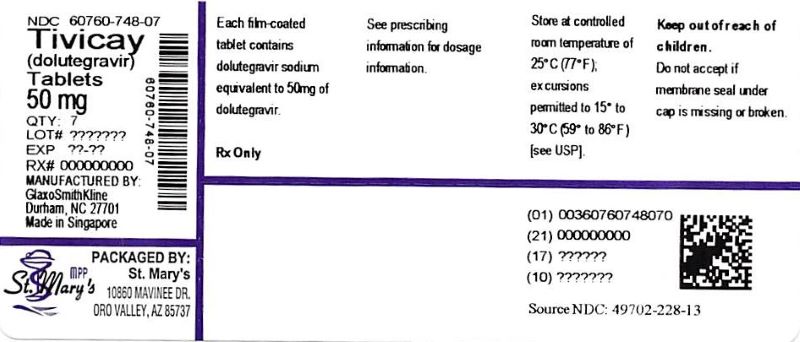
(dolutegravir · DailyMed)
MYLTEGA DT
Calcium Sulfate (Calcium Sulfate Dihydrate) 4 mg/6 mL,Cellulose microcrystalline (Avicel ph 101) 12 mg/6 mL,Crospovidone (Polyplasdone XL-10) 18 mg/6 mL,Dolutegravir Sodium 10 mg/6 mL,Mannitol (pearlitol 25C) 29.080 mg/6 mL,Opadry Pink 03B540247 5.4 mg/6 mL,Povidone (Plasdone K-29/32) 3 mg/6 mL,Purified Water q.s q.s,Salicified Microcrystaline Cellulose (Prosolv SMCC 50) 96.00 mg/6 mL,Sodium Starch Glycolate 3 mg/6 mL,Sodium Steryl Fumarate (PRUV) 2.7 mg/6 mL,Strawberry Cream Flavour Permaseal (PHS 132963) 0.50 mg/6 mL,Sucralose (SUCREX) 1.2 mg/6 mL
What it does
Cellulose is a type of fiber that helps with digestion and promotes bowel health.
Commonly used for: constipation, irregular bowel movements
Read more in plain English ↓Plain-language summary for general understanding - not medical advice. Always follow your pharmacist/doctor.
Ask about this medicine
Answers come only from this medicine's registration record, BNF monograph and interaction data - not medical advice.
Medicine sourcing is available in Kenya only. We don't sell or dispense medicines - licensed pharmacies do.
Sourcing - Kenya onlyRegistration & product details
Source: Tanzania Medicines and Medical Devices Authority · fetched 2026-03-11 23:51:22 · updated 2026-09-17 03:00:44
Drug Interactions
20Moderate (4)
Dolutegravir - increases exposure
Atazanavir (alone or boosted with ritonavir) slightly increases the exposure to dolutegravir. Adjust dose-consult product literature.
Dopamine Receptor Agonists - increases exposure
Dolutegravir is predicted to increase the exposure to dopamine receptor agonists (pramipexole). Adjust dose.
Metformin - increases exposure
Dolutegravir increases the exposure to metformin. Adjust dose.
Pramipexole - increases exposure
Dolutegravir is predicted to increase the exposure to dopamine receptor agonists (pramipexole). Adjust dose.
Unknown (16)
Dolutegravir - decreases exposure
Antiepileptics (fosphenytoin, phenobarbital, phenytoin, primidone) are predicted to decrease the exposure to dolutegravir. Adjust dolutegravir dose, p. 705.
Dolutegravir - decreases exposure
Carbamazepine decreases the exposure to dolutegravir. Adjust dolutegravir dose, p. 705.
Dolutegravir - decreases exposure
Oxcarbazepine is predicted to decrease the exposure to dolutegravir. Adjust dolutegravir dose, p. 705.
Dolutegravir - decreases exposure
Dabrafenib is predicted to decrease the exposure to dolutegravir.
Dolutegravir - increases exposure
Encorafenibispredictedtoincreasetheexposureto dolutegravir.oTheoretical
Data from BNF 85 (British National Formulary). This is not a substitute for professional medical advice. Matched via: exact
About cellulose
Cellulose is a type of fiber that helps with digestion and promotes bowel health.
What it treats
- constipation
- irregular bowel movements
How it works
Cellulose adds bulk to the stool, making it easier to pass through the intestines.
Who it's for
Suitable for people looking to improve their digestive health.
AI-assisted summary grounded in BNF data - general information only, not medical advice. Always confirm with your pharmacist or doctor.
About crospovidone
Crospovidone is a substance used primarily as an excipient in medications, helping to improve their effectiveness.
What it treats
- used in various medications as a binder
- helps in the absorption of active ingredients
How it works
Crospovidone acts by increasing the solubility and stability of drugs, ensuring that they work effectively in the body.
Who it's for
Crospovidone is suitable for people taking medications that require improved absorption and effectiveness.
AI-assisted summary grounded in BNF data - general information only, not medical advice. Always confirm with your pharmacist or doctor.
About dolutegravir
Dolutegravir is an antiviral medication used to treat HIV (human immunodeficiency virus).
What it treats
- HIV infection
- human immunodeficiency virus (HIV)
How it works
It helps to control HIV by preventing the virus from multiplying in the body.
Who it's for
This medication is for adults and children who are infected with HIV.
AI-assisted summary grounded in BNF data - general information only, not medical advice. Always confirm with your pharmacist or doctor.
About flavour
Flavour is used to enhance the taste of products and make them more enjoyable.
What it treats
- improving the taste of foods and drinks
- masking unpleasant tastes in medications
How it works
Flavours work by stimulating our taste buds, making foods and drinks taste better.
Who it's for
Flavour can be used by anyone who wants to improve the taste of their food or beverages.
AI-assisted summary grounded in BNF data - general information only, not medical advice. Always confirm with your pharmacist or doctor.
About glycolate
Glycolate is a compound that may be used in various medical treatments.
How it works
Glycolate works by interacting with certain bodily processes, though specific details are not available.
Who it's for
Glycolate may be suitable for individuals needing treatment related to certain health conditions, but specific indications are not provided.
AI-assisted summary grounded in BNF data - general information only, not medical advice. Always confirm with your pharmacist or doctor.
About mannitol
Mannitol is a type of sugar alcohol used mainly to help reduce swelling and pressure in the body, especially in the eyes and brain.
What it treats
- reducing pressure in the brain (intracranial hypertension)
- treating eye swelling (ocular hypertension)
- promoting urine production in kidney failure
How it works
Mannitol works by drawing water out of tissues and into the bloodstream, helping to decrease swelling and pressure.
Who it's for
Mannitol is typically used for patients with conditions that cause high pressure in the brain or eyes, and those with certain kidney issues.
AI-assisted summary grounded in BNF data - general information only, not medical advice. Always confirm with your pharmacist or doctor.
About microcrystaline
Microcrystalline is a type of medicine often used for various health issues, particularly those affecting the digestive system.
What it treats
- constipation
- irritable bowel syndrome (IBS)
- diarrhea
- gastrointestinal disorders
How it works
Microcrystalline helps to improve digestive function and regulate bowel movements.
Who it's for
This medicine is suitable for adults and children experiencing digestive problems.
AI-assisted summary grounded in BNF data - general information only, not medical advice. Always confirm with your pharmacist or doctor.
About microcrystalline
Microcrystalline is a type of substance often used in medicines to help with various health issues. It is commonly used as a filler or binder in tablets and capsules.
What it treats
- stomach issues
- constipation
- weight management
How it works
It helps to improve the texture of medicines and can assist in the absorption of other ingredients in the body.
Who it's for
Adults and children who need help with specific health conditions, as directed by a healthcare professional.
AI-assisted summary grounded in BNF data - general information only, not medical advice. Always confirm with your pharmacist or doctor.
About opadry
Opadry is a coating agent used in pharmaceutical formulations.
What it treats
- to improve the taste of medicines
- to protect the active ingredients in tablets and capsules
How it works
Opadry forms a protective layer around tablets and capsules, which helps to mask their taste and protect the ingredients from moisture and light.
Who it's for
Opadry is suitable for various patients who are taking medications in tablet or capsule form.
AI-assisted summary grounded in BNF data - general information only, not medical advice. Always confirm with your pharmacist or doctor.
About permaseal
Permaseal is a medication used to help seal or protect tissues in the body.
What it treats
- wound healing
- tissue protection
How it works
Permaseal works by forming a protective barrier that aids in the healing process of tissues.
Who it's for
Permaseal is suitable for individuals needing assistance with wound care and tissue protection.
AI-assisted summary grounded in BNF data - general information only, not medical advice. Always confirm with your pharmacist or doctor.
About pink
Pink is used to treat various conditions but specific information is not provided.
How it works
The specific mechanism of action for Pink is not detailed.
Who it's for
Pink may be prescribed for individuals with specific health needs, but details are not available.
AI-assisted summary grounded in BNF data - general information only, not medical advice. Always confirm with your pharmacist or doctor.
About povidone
Povidone is a synthetic polymer often used as a disinfectant and to help deliver medications in various forms.
What it treats
- skin infections
- wound care
- eye infections (conjunctivitis)
How it works
Povidone works by killing bacteria and other germs, helping to prevent infections.
Who it's for
Povidone is suitable for people needing treatment for skin or eye infections.
AI-assisted summary grounded in BNF data - general information only, not medical advice. Always confirm with your pharmacist or doctor.
About purified
Purified ingredients are often used in various medicines to ensure safety and effectiveness by removing impurities.
What it treats
- various medical conditions
How it works
Purified ingredients help in delivering the intended effects of the medicine without the risk of contaminants.
Who it's for
People who need medications with safe and effective ingredients.
AI-assisted summary grounded in BNF data - general information only, not medical advice. Always confirm with your pharmacist or doctor.
About salicified
Salicified is a medication often used to help with various health conditions.
What it treats
- pain relief
- fever reduction
How it works
It works by blocking certain chemicals in the body that cause pain and inflammation.
Who it's for
This medication is suitable for adults and children who need relief from pain or fever.
AI-assisted summary grounded in BNF data - general information only, not medical advice. Always confirm with your pharmacist or doctor.
About starch
Starch is a carbohydrate that serves as a source of energy and is often used in various food products.
What it treats
- energy source
- dietary supplement
How it works
Starch is broken down by the body into glucose, which provides energy for daily activities.
Who it's for
Starch can be used by anyone needing extra energy in their diet, particularly those with increased energy needs.
AI-assisted summary grounded in BNF data - general information only, not medical advice. Always confirm with your pharmacist or doctor.
About steryl
Steryl is a medication used to help manage certain health conditions.
What it treats
- cholesterol issues
- high cholesterol (hypercholesterolemia)
How it works
Steryl works by helping to lower cholesterol levels in the blood.
Who it's for
Steryl is for adults who need help managing their cholesterol levels.
AI-assisted summary grounded in BNF data - general information only, not medical advice. Always confirm with your pharmacist or doctor.
About strawberry
Strawberries are nutritious fruits that can be enjoyed as part of a healthy diet.
What it treats
- nutritional support
- antioxidant benefits
- boosting immunity
How it works
Strawberries contain vitamins and antioxidants that help support overall health and protect the body from damage.
Who it's for
Anyone looking to improve their diet and health, including children and adults.
AI-assisted summary grounded in BNF data - general information only, not medical advice. Always confirm with your pharmacist or doctor.
About sucralose
Sucralose is a low-calorie artificial sweetener used to provide sweetness without the calories of sugar.
What it treats
- sugar substitute
- weight management
- diabetes management
How it works
Sucralose is made from sugar but is processed in such a way that your body does not absorb it, meaning it adds sweetness without calories.
Who it's for
It is suitable for people looking to reduce sugar intake, including those with diabetes or those trying to lose weight.
AI-assisted summary grounded in BNF data - general information only, not medical advice. Always confirm with your pharmacist or doctor.
Clinical monograph: Dolutegravir
BNF-referencedDolutegravir is an antiretroviral medication classified as an HIV integrase inhibitor. It is primarily used in the management of HIV infection, where it demonstrates potent antiviral activity by inhibiting the HIV integrase enzyme, crucial for viral replication. This drug has shown effectiveness both in treatment-naive patients and those with HIV-1 strains that exhibit resistance to other integrase inhibitors.
Indications
- HIV infection without resistance to other inhibitors of HIV integrase
- HIV infection in patients with resistance to other inhibitors of HIV integrase (specialist use only)
Dosage
Children: Refer to BNF for Children for appropriate dosing.
Adults: 50 mg once daily.
Mechanism of action
Dolutegravir inhibits the HIV integrase enzyme by binding to its active site, blocking the strand transfer step of retroviral DNA integration into the host cell genome. This step is essential for the replication of HIV, and by preventing this integration, dolutegravir effectively inhibits viral activity and replication.
Pharmacodynamics
Clinical trials have demonstrated that dolutegravir leads to a rapid and dose-dependent reduction of HIV-1 RNA in infected subjects. The antiviral response can be sustained for several days following the last dose, indicating its long half-life and strong binding affinity. This characteristic contributes to a high barrier to the development of resistance, making dolutegravir a potent option in combination therapy regimens.
Pharmacokinetics
Dolutegravir exhibits favorable pharmacokinetics, with a mean elimination half-life of approximately 14 hours. It is well absorbed following oral administration, with food enhancing its bioavailability. The drug is metabolized primarily by UGT1A1 and UGT1A9 enzymatic pathways, and it is excreted mainly via feces. Drug interactions may occur, particularly with medications that induce or inhibit UGT enzymes.
Contra-indications
- Hypersensitivity to dolutegravir or any of its excipients
Adverse effects
- Nausea
- Vomiting
- Drowsiness
- Increased weight
- Skin reactions
- Sleep disorders
- Hepatotoxicity
- Pancreatitis
- Osteonecrosis
Interactions
- Moderate increase in exposure with dopaminergic receptor agonists
- Moderate increase in exposure with pramipexole
- Moderate increase in exposure with metformin
- Moderate increase in exposure with atazanavir
- Unknown decrease in exposure with carbamazepine
- Unknown decrease in exposure with oxcarbazepine
- Unknown decrease in exposure with phenytoin
- Unknown decrease in exposure with primidone
- Unknown increase in exposure with encorafenib
- Unknown increase in concentration with fampridine
Precautions
- Use with caution in patients with HIV-1 subtype A6/A1, or BMI of 30 kg/m2 or more
- Caution in severe hepatic impairment
- Patients or carers should be advised on how to recognize signs of hypersensitivity
Pregnancy
Avoid unless potential benefit outweighs risk, no information available.
Breast-feeding
Avoid; may be present in milk for up to 12 months or longer after last prolonged-release injection.
Storage
Store in a cool, dry place, away from direct light.
Formulations
- Tablets: 50 mg and 30 mg
- Powder and solvent for solution for injection
AI-synthesized from BNF references - general information only, not a substitute for professional medical advice or the current BNF. Verify doses with a pharmacist.
Clinical monograph: Mannitol
BNF-referencedMannitol is an osmotic diuretic and a sugar alcohol that is used primarily to reduce elevated intracranial pressure and to promote diuresis in various medical conditions, including cerebral edema and acute kidney injury. It is metabolically inert in humans and is eliminated primarily through the kidneys. Mannitol works by elevating blood plasma osmolality, drawing water out of tissues and into the bloodstream, which helps to reduce fluid volume and pressure in the brain and other compartments.
Indications
- Cerebral edema
- Elevated intracranial pressure
- Acute kidney injury
- Oliguria
- Glaucoma
- Renal function diagnostic aid
Dosage
Adults: For cerebral edema, administer 0
Mechanism of action
Mannitol elevates blood plasma osmolality, resulting in enhanced flow of water from tissues, including the brain and cerebrospinal fluid, into interstitial fluid and plasma. This action reduces cerebral edema and intracranial pressure. As a diuretic, it increases the osmolality of glomerular filtrate, leading to increased urinary excretion of water and preventing sodium and chloride reabsorption in the renal tubules. Mannitol also facilitates the urinary excretion of toxic substances and can help in assessing renal function by measuring glomerular filtration rate (GFR).
Pharmacodynamics
Mannitol is classified as an osmotic diuretic. It is chemically similar to other sugar alcohols but has a unique ability to promote diuresis by remaining unabsorbed in the renal tubules. Its use is indicated for conditions associated with increased body fluids, such as cerebral edema and glaucoma. Mannitol may be combined with other diuretics to enhance diuretic efficacy. Inhaled formulations are used in cystic fibrosis, though they may cause bronchospasm and hemoptysis.
Pharmacokinetics
Mannitol is freely filtered by the glomeruli with less than 10% tubular reabsorption, which allows for its urinary excretion rate to serve as a measurement of GFR. It does not undergo significant metabolism and is eliminated primarily through the kidneys. The onset of action occurs within 30 to 60 minutes after intravenous administration, with effects lasting for several hours. Administration may require monitoring of renal function and fluid balance.
Contra-indications
- Anuria
- Severe dehydration
- Severe renal impairment
- Intracranial bleeding
Adverse effects
- Asthenia
- Gastrointestinal disturbances
- Dry mouth
- Confusion
- Visual impairment
- Hypotension
- Electrolyte imbalances
- Pulmonary edema
- Hemoptysis (with inhalation use)
- Bronchospasm (with inhalation use)
Interactions
- Potassium-sparing diuretics may increase the risk of hyperkalemia
- Other diuretics may have additive effects
- Caution with nephrotoxic agents
Precautions
- Caution in patients with diabetes mellitus
- Caution in the elderly
- Caution in patients with gout
- Caution in patients with hepatic impairment
- Monitor renal function and electrolytes regularly
- May cause blue fluorescence of urine
Pregnancy
Manufacturer advises avoid due to potential toxicity in animal studies.
Breast-feeding
Manufacturer advises avoid due to lack of information available.
Storage
Store in a cool, dry place, away from light. Do not freeze.
Formulations
- Solution for injection
- Inhalation powder
- Oral solution
AI-synthesized from BNF references - general information only, not a substitute for professional medical advice or the current BNF. Verify doses with a pharmacist.
Clinical monograph: cellulose
Cellulose is a complex carbohydrate and a key structural component of the plant cell wall. It is an indigestible polysaccharide made up of linear chains of glucose molecules linked by β-1,4-glycosidic bonds. As a dietary fiber, cellulose contributes to digestive health by promoting bowel regularity and is commonly used as a laxative and bulking agent in various food products and pharmaceuticals.
Indications
- Constipation
- Dietary fiber supplementation
- Irritable bowel syndrome
- Diverticular disease
- Weight management
Dosage
Children: Refer to appropriate guidelines for specific dosage; generally taken with adequate fluid intake.
Adults: Refer to appropriate guidelines for specific dosage; generally taken with adequate fluid intake.
Mechanism of action
Cellulose acts primarily as a bulk-forming laxative. It absorbs water in the intestines, which increases stool bulk and stimulates peristalsis, thus facilitating bowel movements. Additionally, cellulose is not digestible by human enzymes, leading to fermentation by gut bacteria, which may enhance gut health and alter gut microbiota composition.
Pharmacodynamics
Cellulose increases stool weight and frequency of bowel movements. It works by retaining water in the intestines, leading to softer stools and improved passage through the gastrointestinal tract. The bulking effect of cellulose can help alleviate constipation and promote overall digestive health. It may also play a role in cholesterol reduction and glycemic control through its effects on digestion and absorption of nutrients.
Pharmacokinetics
Cellulose is not absorbed into the bloodstream due to its indigestible nature. Instead, it passes through the gastrointestinal tract, where it adds bulk to the stool. Its fermentation by colonic bacteria produces short-chain fatty acids, which may have beneficial effects on colon health. The onset of action for cellulose as a laxative can vary but is generally within 24 to 72 hours after ingestion.
Adverse effects
- Bloating
- Flatulence
- Diarrhea
- Abdominal discomfort
Precautions
- Use with caution in patients with a history of gastrointestinal disorders.
- Monitor for potential allergic reactions in sensitive individuals.
Pregnancy
Cellulose is generally considered safe during pregnancy as it is a non-toxic, indigestible fiber.
Breast-feeding
Cellulose is also considered safe during breastfeeding; it is excreted in breast milk in negligible amounts.
Storage
Store in a cool, dry place away from direct sunlight.
Formulations
- Powder
- Capsules
- Tablets
- Granules
AI-synthesized from BNF references - general information only, not a substitute for professional medical advice or the current BNF. Verify doses with a pharmacist.
Clinical monograph: crospovidone
Crospovidone is a synthetic polymer of N-vinyl-2-pyrrolidone that is primarily used as an excipient in pharmaceutical formulations. It serves as a disintegrant, promoting the breakdown of tablets and capsules in the gastrointestinal tract to enhance the absorption of active pharmaceutical ingredients. Crospovidone is characterized by its ability to hydrate rapidly and swell, facilitating the disintegration process in solid dosage forms.
Indications
- Used as an excipient in solid dosage forms
- Facilitates drug disintegration and dissolution
Dosage
Children: Refer to specific product formulation guidelines as crospovidone is used as an excipient and does not have a direct dosage.
Adults: Refer to specific product formulation guidelines as crospovidone is used as an excipient and does not have a direct dosage.
Mechanism of action
Crospovidone acts by rapidly absorbing water and swelling upon contact with moisture. This action leads to the disintegration of solid dosage forms, thus increasing the surface area of the active ingredients and promoting their dissolution and subsequent absorption in the gastrointestinal tract. It does not affect the pH of the formulation, ensuring that the active ingredients remain stable.
Pharmacodynamics
Crospovidone exhibits properties that enhance the bioavailability of active ingredients in pharmaceutical formulations. Its ability to rapidly disintegrate tablets and capsules leads to quicker release and absorption of the drug into systemic circulation. As a disintegrant, it aids in the effective delivery of drugs that may otherwise be poorly soluble.
Pharmacokinetics
Crospovidone itself is not absorbed systemically when administered orally. It remains in the gastrointestinal tract, where it performs its function as a disintegrant. The pharmacokinetic profile of drugs formulated with crospovidone may be influenced by the enhanced dissolution and absorption rates provided by this excipient.
Pregnancy
Crospovidone is considered to have low toxicity and is generally regarded as safe for use during pregnancy, but specific studies are limited.
Breast-feeding
There is insufficient data on the excretion of crospovidone in human milk, but it is deemed safe for use during breastfeeding.
Storage
Store in a cool, dry place away from light and moisture, in tightly closed containers.
Formulations
- Powder
- Tablets
AI-synthesized from BNF references - general information only, not a substitute for professional medical advice or the current BNF. Verify doses with a pharmacist.
Clinical monograph: flavour
Flavour agents, often referred to as flavorings, are substances added to food and beverages to impart a specific taste or aroma. They can be natural or artificial and are widely used in the food industry to enhance palatability and consumer acceptance of products. Natural flavors are derived from fruits, vegetables, spices, and other plant materials, while artificial flavors are synthesized to mimic natural tastes.
Indications
- Enhancement of taste in food and beverages
- Improvement of palatability in nutritional products
- Masking undesirable flavors in medications
Dosage
Children: There is no specific pediatric dosage for flavor agents as they are used as needed to improve the taste of food and beverages.
Adults: There is no specific dosage for flavor agents as they are used as needed to achieve the desired taste and aroma in food and beverages.
Mechanism of action
Flavor compounds interact with taste receptors on the tongue, stimulating the sensory neurons responsible for taste perception. This interaction influences the overall flavor profile of food and beverages, enhancing the eating experience. Some flavors may also have a psychological effect, stimulating appetite or evoking pleasant memories associated with certain tastes.
Pharmacodynamics
While flavor agents are primarily used for sensory enhancement in food, their pharmacodynamic effects are minimal as they are not designed to elicit a pharmacological response. However, certain flavors may influence digestion and metabolism indirectly by enhancing saliva production or affecting gut motility. The enjoyment of flavored products can also lead to increased food intake and satisfaction.
Pharmacokinetics
Flavour compounds are typically ingested and metabolized by the body. Their absorption rates can vary depending on their chemical structure and formulation. Once ingested, they may be rapidly metabolized in the liver and other tissues, with excretion primarily via urine. The specific pharmacokinetic profiles of flavor agents can vary significantly based on their source and chemical properties.
Pregnancy
Flavours are generally considered safe for use during pregnancy, but specific assessments should be made based on the type of flavouring agent.
Breast-feeding
Most flavouring agents are deemed safe during breastfeeding, although it's advisable to consult healthcare professionals regarding specific ingredients.
Storage
Store in a cool, dry place away from direct sunlight and heat sources. Ensure that the container is tightly sealed to prevent contamination.
AI-synthesized from BNF references - general information only, not a substitute for professional medical advice or the current BNF. Verify doses with a pharmacist.
Clinical monograph: glycolate
BNF-referencedGlycolate is an intermediate in the metabolism of ethylene glycol, a compound that can cause toxicity when ingested. The toxicity arises primarily from its conversion to glycolic acid and other harmful metabolites. Glycolate and its relation to ethylene glycol's elimination kinetics have been studied, revealing important insights into their toxicokinetics in animal models.
Dosage
Children: Refer to specific clinical guidelines for dosing in children, as no standard paediatric dosage is specified in the provided resources.
Adults: Refer to specific clinical guidelines for dosing, as no standard adult dosage is specified in the provided resources.
Mechanism of action
Ethylene glycol toxicity results from its metabolism to glycolic acid and other toxic metabolites. Glycolate accumulates in the body and is eliminated more slowly than ethylene glycol itself. The renal excretion of both compounds plays a crucial role in their elimination, accounting for a significant portion of the administered dose.
Pharmacodynamics
The pharmacodynamics of glycolate are closely tied to its role as a metabolite of ethylene glycol. Its accumulation can lead to metabolic acidosis, although minimal clinical effects have been observed at low doses. The relationship between glycolate and ethylene glycol indicates that glycolate may contribute to the overall toxic effects of ethylene glycol ingestion.
Pharmacokinetics
The pharmacokinetics of glycolate indicate that it reaches peak plasma levels between 4-6 hours after the administration of ethylene glycol. The elimination half-life of ethylene glycol is approximately 1.7 hours in rats and 3.4 hours in dogs. Glycolate is predominantly eliminated through renal excretion, with about 5% of the dose being excreted unchanged.
Pregnancy
There is limited data on the safety of glycolate in pregnancy. Caution is advised.
Breast-feeding
Data on the excretion of glycolate in human milk is not available. Caution is advised.
Storage
Store at room temperature, away from light and moisture.
AI-synthesized from BNF references - general information only, not a substitute for professional medical advice or the current BNF. Verify doses with a pharmacist.
Clinical monograph: microcrystaline
Microcrystalline cellulose is a refined wood pulp used as an excipient in pharmaceuticals and food products. It serves as a bulking agent, filler, and stabilizer in tablet formulations. Due to its inert nature, it is generally regarded as safe for consumption and is used to improve the texture and consistency of various products.
Indications
- Used as an excipient in tablet formulations
- Enhances texture and consistency in food products
- Serves as a bulking agent in dietary supplements
Dosage
Children: Refer to the specific product formulation and guidance for dosage, as microcrystalline cellulose is typically used as an excipient and not administered as a standalone therapeutic agent.
Adults: Refer to the specific product formulation and guidance for dosage, as microcrystalline cellulose is typically used as an excipient and not administered as a standalone therapeutic agent.
Mechanism of action
Microcrystalline cellulose functions primarily as a bulking agent. It does not have a pharmacological effect on the body but instead enhances the physical structure of tablets, ensuring proper disintegration and absorption of the active pharmaceutical ingredients.
Pharmacodynamics
As an inert substance, microcrystalline cellulose does not exhibit pharmacological activity. Its role in drug formulations is to provide mechanical properties that enhance the stability and performance of the final product, without interacting with the active ingredients.
Pharmacokinetics
Microcrystalline cellulose is not absorbed in the gastrointestinal tract and is excreted unchanged. It passes through the digestive system, providing bulk to the stool and is sometimes used as a dietary fiber to aid in digestion.
Pregnancy
Microcrystalline cellulose is generally considered safe for use during pregnancy, as it is not absorbed and is used primarily as a bulking agent in pharmaceutical formulations.
Breast-feeding
Microcrystalline cellulose is also considered safe during breastfeeding, as it is not absorbed and does not affect milk production.
Storage
Store in a cool, dry place away from direct sunlight and moisture.
AI-synthesized from BNF references - general information only, not a substitute for professional medical advice or the current BNF. Verify doses with a pharmacist.
Clinical monograph: microcrystalline
Microcrystalline cellulose is a refined wood pulp, commonly used as an excipient in pharmaceutical formulations. It serves as a bulking agent and stabilizer in tablets and capsules, improving the physical properties of the drug formulation. It is characterized by its ability to absorb moisture and provide a suitable texture for various dosage forms.
Indications
- Used as an excipient in tablet formulations
- Used as a bulking agent in capsule formulations
- Used in food products as a thickener or stabilizer
Dosage
Children: Refer to specific product guidelines as dosage will depend on the formulation and the active ingredients.
Adults: Refer to specific product guidelines as dosage will depend on the formulation and the active ingredients.
Mechanism of action
Microcrystalline cellulose acts as a non-digestible filler that enhances the flow properties of powders during the manufacturing of tablets and capsules. It does not have a direct pharmacological action on the body but ensures that the active ingredients are effectively delivered to the patient.
Pharmacodynamics
As a non-active ingredient, microcrystalline cellulose does not exert pharmacodynamic effects typical of active pharmaceutical ingredients. Its primary role is to provide a stable and consistent matrix for the drug, facilitating the release of the active compound once ingested.
Pharmacokinetics
Microcrystalline cellulose is not absorbed in the gastrointestinal tract; it passes through the digestive system largely unchanged. It adds bulk to the stool, which may aid in promoting regular bowel movements. The substance is excreted in feces, where it contributes to dietary fiber intake.
Pregnancy
Data regarding the use of microcrystalline cellulose during pregnancy is limited. It is advisable to consult with healthcare professionals before use.
Breast-feeding
Microcrystalline cellulose is considered safe during breastfeeding, as it is not absorbed systemically.
Storage
Store in a cool, dry place away from direct sunlight and moisture.
AI-synthesized from BNF references - general information only, not a substitute for professional medical advice or the current BNF. Verify doses with a pharmacist.
Clinical monograph: opadry
Opadry is a film-coating system used in the pharmaceutical industry to coat tablets and granules. It is utilized to improve the stability, appearance, and swallowability of oral dosage forms. Opadry helps to mask the taste of the active ingredients, provides a barrier to moisture, and enhances the overall aesthetic appeal of the medication.
Indications
- Tablet coating
- Granule coating
- Improvement of drug stability
- Taste masking
- Aesthetic enhancement of pharmaceuticals
Dosage
Children: Dosage will depend on the specific formulation and active ingredients of the medication being coated. Refer to the specific product information for guidance.
Adults: Dosage will depend on the specific formulation and active ingredients of the medication being coated. Refer to the specific product information for guidance.
Mechanism of action
Opadry functions primarily as a coating polymer that adheres to the surface of tablets or granules, creating a protective layer. This layer can control the release of the active ingredient and protect it from environmental factors such as moisture and light. The specific composition of Opadry can vary, but it typically includes film-forming agents, plasticizers, and colorants that work together to achieve the desired coating characteristics.
Pharmacodynamics
The pharmacodynamics of Opadry is largely focused on its physical and chemical properties rather than specific biological interactions. The coating alters the dissolution characteristics of the drug, potentially leading to modified release profiles. This can enhance drug bioavailability or control the release rate of the active ingredient, thereby impacting the therapeutic effect.
Pharmacokinetics
As a coating agent, Opadry itself is not absorbed into the systemic circulation and does not have pharmacokinetic properties related to absorption, distribution, metabolism, or excretion of an active pharmaceutical ingredient. Its impact on pharmacokinetics is indirect, as it affects how the active drug is released and absorbed in the gastrointestinal tract.
Pregnancy
Opadry is a film-coating agent, and specific studies on its effects during pregnancy are not well-documented. Generally, it is advisable to use medications cautiously during pregnancy. Consult a healthcare provider for guidance.
Breast-feeding
Limited data are available regarding the safety of Opadry during breastfeeding. It is recommended to consult a healthcare provider before use.
Storage
Store in a cool, dry place away from direct sunlight and moisture. Keep out of reach of children.
Formulations
- Opadry OY - a coating system for oral solid dosage forms
- Opadry II - a polymer-based coating system for tablet and capsule applications
AI-synthesized from BNF references - general information only, not a substitute for professional medical advice or the current BNF. Verify doses with a pharmacist.
Clinical monograph: permaseal
Permaseal is a medical adhesive used primarily in surgical settings to secure wounds and incisions, promoting healing and preventing infection. It is designed to provide a strong bond to tissue, helping to maintain closure and integrity of surgical sites.
Indications
- Surgical wound closure
- Incision sealing
- Prevention of fluid leakage in surgical sites
- Management of superficial lacerations
Dosage
Children: Refer to specific guidelines for application based on the type of procedure and tissue involved.
Adults: Refer to specific guidelines for application based on the type of procedure and tissue involved.
Mechanism of action
Permaseal works by forming a strong adhesive bond to tissue surfaces, enhancing tissue adhesion through a combination of physical and chemical interactions. The adhesive properties allow it to create a seal that protects the underlying tissue from external contaminants and promotes an optimal healing environment.
Pharmacodynamics
The pharmacodynamics of Permaseal involve its ability to adhere to biological tissues and provide a barrier against fluid and microbial invasion. This action reduces the risk of infection and supports the natural healing processes of the body, allowing for better recovery outcomes.
Pharmacokinetics
Permaseal is not absorbed systemically as it acts locally at the site of application. The adhesive remains at the application site and is gradually broken down by biological processes. The exact duration of action can vary based on tissue type and the environment surrounding the adhesive.
Pregnancy
The safety of permaseal during pregnancy has not been established. Use only if the potential benefit justifies the potential risk to the fetus.
Breast-feeding
It is not known if permaseal is excreted in human milk. Caution should be exercised when administering to a nursing mother.
Storage
Store at room temperature, away from light and moisture. Keep out of reach of children.
AI-synthesized from BNF references - general information only, not a substitute for professional medical advice or the current BNF. Verify doses with a pharmacist.
Clinical monograph: pink
BNF-referencedPink is a chemical compound with the molecular formula C16H22Cl2N2O. It is used in various therapeutic applications, although specific indications are not provided in the BNF text. The compound's properties suggest it may have a role in treating conditions related to its pharmacological activity.
Mechanism of action
The exact mechanism of action for Pink is not detailed in the provided information. However, compounds with similar structures often function as antagonists or inhibitors at certain receptors or enzymes, which modulates physiological processes.
Pharmacodynamics
Pharmacodynamics details for Pink are not specified. Typically, the pharmacodynamics of similar compounds involve interactions with neurotransmitter systems, influencing both central and peripheral nervous system functions. This can lead to varying therapeutic effects depending on the target receptors.
Pharmacokinetics
The pharmacokinetics of Pink, including absorption, distribution, metabolism, and excretion, are not explicitly stated. However, compounds of this nature generally exhibit moderate to high oral bioavailability, with metabolism primarily occurring in the liver, followed by renal excretion of metabolites.
AI-synthesized from BNF references - general information only, not a substitute for professional medical advice or the current BNF. Verify doses with a pharmacist.
Clinical monograph: povidone
Povidone, also known as polyvinylpyrrolidone (PVP), is a synthetic polymer that is used as a water-soluble binder, stabilizer, and film-forming agent in various pharmaceutical formulations. It is recognized for its ability to enhance the solubility and bioavailability of drugs, making it valuable in both topical and oral therapies. Povidone has antiseptic properties and is commonly used in wound care, surgical scrubs, and as an excipient in medications.
Indications
- Topical antiseptic for skin disinfection
- Surgical scrubs and hand sanitizers
- Wound care management
- Pharmaceutical excipient in solid and liquid formulations
Dosage
Children: Refer to specific product guidelines for pediatric dosing recommendations, as doses can vary based on formulation and intended use.
Adults: Refer to specific product guidelines for dosing recommendations, as doses can vary based on the formulation and intended use.
Mechanism of action
Povidone acts by forming a complex with iodine when used as an antiseptic, which releases iodine slowly to exert its antimicrobial effect. The iodine disrupts microbial cell walls and interferes with protein synthesis, leading to cell death. Additionally, as a polymer, povidone can enhance drug solubility and stability by forming a hydrophilic matrix.
Pharmacodynamics
Povidone has a broad spectrum of antimicrobial activity against bacteria, viruses, and fungi. Its antiseptic properties are primarily due to the release of iodine, which is effective in reducing microbial load and preventing infection. The polymer's ability to bind to various substances allows it to be utilized in formulations that require improved stability and solubility.
Pharmacokinetics
Povidone is not absorbed systemically when applied topically, as it remains localized at the site of application. Its pharmacokinetics are largely dependent on the formulation and route of administration, with the polymer being metabolized by hydrolysis and excreted in urine as low-molecular-weight compounds. The release and activity of iodine are influenced by the concentration of povidone and the presence of organic matter.
Adverse effects
- Local irritation
- Allergic reactions
- Skin rashes
- Hypersensitivity reactions
Precautions
- Use with caution in patients with known allergies to iodine or povidone-iodine
- Avoid use in deep puncture wounds or serious burns
Pregnancy
Povidone is generally considered safe for use during pregnancy, but it is advisable to consult a healthcare professional before use.
Breast-feeding
Povidone is considered safe during breastfeeding, but it is recommended to consult a healthcare professional.
Storage
Store at room temperature, away from moisture and heat. Keep the container tightly closed.
Formulations
- Topical solution
- Ointment
- Surgical scrub
- Gauze impregnated with povidone-iodine
AI-synthesized from BNF references - general information only, not a substitute for professional medical advice or the current BNF. Verify doses with a pharmacist.
Clinical monograph: purified
Purified refers to a substance that has been processed to remove impurities, contaminants, or unwanted substances, resulting in a more concentrated and effective form of the original compound. In pharmacology, purified compounds are often used to enhance therapeutic efficacy and reduce adverse effects. The purification process can apply to a variety of substances, including drugs, biological products, and chemical compounds.
Dosage
Children: Refer to specific drug formulations and product labels as purified substances can vary widely in their use and dosing.
Adults: Refer to specific drug formulations and product labels as purified substances can vary widely in their use and dosing.
Mechanism of action
The mechanism of action for purified compounds varies widely depending on the specific substance. Generally, purified drugs exert their effects by interacting with specific biological targets, such as receptors, enzymes, or ion channels, leading to a desired therapeutic effect. This interaction can involve binding to receptors to activate or inhibit signaling pathways, modulating enzymatic activity, or altering physiological processes.
Pharmacodynamics
Pharmacodynamics describes the effects of a drug on the body and the relationship between drug concentration and effect. For purified drugs, this can involve dose-response relationships and the time course of their action. The purified form often enhances potency and reduces variability in response among patients, which can lead to more predictable therapeutic outcomes. The overall effect is determined by the drug's affinity for its target, the efficacy of the drug-receptor interaction, and the downstream signaling pathways activated as a result of this interaction.
Pharmacokinetics
Pharmacokinetics involves the absorption, distribution, metabolism, and excretion (ADME) of a drug. For purified substances, absorption can be more efficient due to the absence of impurities that may affect solubility or stability. Distribution may also be enhanced, leading to higher bioavailability. Metabolism can be influenced by the structure of the purified compound, as it may be metabolized more readily by liver enzymes. Excretion typically occurs through the kidneys or liver, depending on the molecular characteristics of the purified drug.
Pregnancy
Consult with a healthcare professional, as the safety of purified forms of medications during pregnancy may vary depending on the specific substance.
Breast-feeding
Consult with a healthcare professional, as the safety of purified forms of medications during breastfeeding may vary depending on the specific substance.
Storage
Store in a cool, dry place, away from light and moisture, and keep out of reach of children.
AI-synthesized from BNF references - general information only, not a substitute for professional medical advice or the current BNF. Verify doses with a pharmacist.
Clinical monograph: salicified
Salicified refers to compounds that have been modified to include salicylate components, commonly associated with the analgesic and anti-inflammatory properties of salicylic acid and its derivatives. Salicylates are widely used for their pain-relieving and anti-inflammatory effects, particularly in conditions such as arthritis, fever, and pain management.
Indications
- Rheumatoid arthritis
- Osteoarthritis
- Mild to moderate pain
- Fever
- Inflammatory conditions
Dosage
Children: Refer to the BNF for Children for appropriate dosing information in paediatric patients.
Adults: Refer to specific guidelines or dosing recommendations based on the clinical scenario, as doses may vary based on formulation and condition being treated.
Mechanism of action
Salicylates primarily exert their effects by inhibiting the enzyme cyclooxygenase (COX), which is involved in the conversion of arachidonic acid to prostaglandins and thromboxanes. By inhibiting COX, salicylates reduce the synthesis of these inflammatory mediators, leading to decreased inflammation, pain, and fever.
Pharmacodynamics
Salicified compounds demonstrate analgesic, anti-inflammatory, and antipyretic properties. The anti-inflammatory effects are utilized in treating conditions like rheumatoid arthritis and osteoarthritis. Analgesic effects help in managing mild to moderate pain, while antipyretic effects are effective in reducing fever.
Pharmacokinetics
Salicylates are well-absorbed from the gastrointestinal tract, with peak plasma concentrations usually occurring within 1 to 2 hours after oral administration. They are extensively metabolized in the liver, primarily through conjugation with glucuronic acid and sulfate. The elimination half-life can vary significantly, depending on the dose and individual metabolism, ranging from 2 to 20 hours. Salicylates are excreted mainly in the urine as metabolites.
Pregnancy
Salicified is not recommended during pregnancy due to potential risks to the fetus.
Breast-feeding
It is advised to exercise caution when using salicified while breastfeeding, as it may pass into breast milk.
Storage
Store in a cool, dry place away from direct sunlight.
AI-synthesized from BNF references - general information only, not a substitute for professional medical advice or the current BNF. Verify doses with a pharmacist.
Clinical monograph: starch
Starch is a polysaccharide carbohydrate consisting of a large number of glucose units joined by glycosidic bonds. It is a major energy source in the human diet and is found in numerous food sources such as grains, legumes, and tubers. In a clinical setting, starch can also be used as an excipient in various pharmaceuticals and is sometimes utilized in enteral nutrition formulations.
Indications
- Nutritional supplementation
- Energy source in enteral nutrition
- Excipient in pharmaceutical formulations
Dosage
Children: Refer to specific guidelines or product inserts for dosing information, as it can vary based on the context of use.
Adults: Refer to specific guidelines or product inserts for dosing information, as it can vary based on the context of use.
Mechanism of action
Starch is broken down into glucose units by enzymes such as amylase during digestion. The glucose is then absorbed in the intestines and utilized for energy production in the body's cells. This pathway involves hydrolysis of the glycosidic bonds, converting starch into simpler sugars.
Pharmacodynamics
Starch primarily serves as an energy source. Its digestion and absorption lead to an increase in blood glucose levels, which provides energy for metabolic processes. In this context, it plays a crucial role in maintaining energy homeostasis in the body.
Pharmacokinetics
Starch is not absorbed in its polymeric form; it must first be enzymatically hydrolyzed into simpler sugars such as maltose and glucose. The digestion and absorption of starch occur predominantly in the small intestine, with glucose being readily absorbed into the bloodstream. The rate of absorption can vary depending on the type of starch and its physical form.
Adverse effects
- Allergic reactions
- Gastrointestinal discomfort
- Diarrhea
- Constipation
Precautions
- Use with caution in individuals with known allergies to starch or starch derivatives
- Monitor for gastrointestinal symptoms in patients with a history of digestive disorders
Pregnancy
Starch is generally considered safe for use during pregnancy. However, it should be consumed in moderation as part of a balanced diet.
Breast-feeding
Starch is deemed safe for nursing mothers when used in moderation as part of a balanced diet.
Storage
Store in a cool, dry place away from moisture and direct sunlight.
Formulations
- Powder
- Granules
- Tablets
- Suspensions
AI-synthesized from BNF references - general information only, not a substitute for professional medical advice or the current BNF. Verify doses with a pharmacist.
Clinical monograph: steryl
Steryl refers to a group of sterols, which are organic compounds with a characteristic molecular structure containing four fused carbon rings. They play essential roles in cell membrane structure and function, acting as precursors to steroid hormones, bile acids, and vitamin D. Sterols are also involved in various biological processes including cell signaling and membrane fluidity.
Indications
- Hyperlipidemia
- Cardiovascular disease prevention
- Nutritional supplementation
- Potential anti-inflammatory conditions
Dosage
Children: For paediatric dosing, consult specialized pediatric guidelines or the BNF for Children, as recommendations may differ based on age and weight.
Adults: For dosing, refer to specific guidelines and clinical judgment, as doses can vary widely based on the condition being treated and the specific steryl compound used.
Mechanism of action
Steryls primarily function by modulating cell membrane properties and influencing the activity of various membrane-bound enzymes and receptors. They can affect the fluidity and permeability of the cell membrane, which in turn can alter signal transduction pathways and cellular responses.
Pharmacodynamics
The pharmacodynamic effects of steryls include their role in cholesterol metabolism and homeostasis, influencing lipid profiles and potentially affecting cardiovascular health. Steryls can also exhibit anti-inflammatory and antioxidant properties, contributing to their overall impact on health.
Pharmacokinetics
Steryls are absorbed primarily in the intestines and are transported via chylomicrons in the lymphatic system. They undergo hepatic metabolism, where they can be converted into various metabolites. The elimination of steryls occurs mainly through the bile and feces. The half-life and clearance can vary depending on dietary intake and individual metabolic factors.
Pregnancy
The safety of Steryl in pregnancy has not been established. Use only if the potential benefit justifies the potential risk to the fetus.
Breast-feeding
Caution is advised when using Steryl during breastfeeding. Consult a healthcare professional before use.
Storage
Store at room temperature, away from moisture and heat. Keep out of reach of children.
AI-synthesized from BNF references - general information only, not a substitute for professional medical advice or the current BNF. Verify doses with a pharmacist.
Clinical monograph: strawberry
Strawberries are a widely consumed fruit known for their vibrant red color, sweetness, and high nutritional value. They belong to the genus Fragaria and are rich in vitamins, particularly vitamin C, dietary fiber, and antioxidants, which contribute to their health benefits. Strawberries are low in calories and have been associated with various health benefits, including improved heart health, reduced inflammation, and enhanced skin health.
Indications
- Nutritional supplementation
- Antioxidant support
- Heart health
- Anti-inflammatory properties
- Skin health
- Digestive health
Dosage
Children: As strawberries are generally safe and nutritious, they can be introduced to children as part of a healthy diet. Portion sizes should be age-appropriate, and whole strawberries should be cut to prevent choking hazards in younger children.
Adults: Strawberries can be consumed as part of a balanced diet. Recommended servings vary, but a common suggestion is about one cup of fresh strawberries daily to obtain health benefits.
Mechanism of action
The health benefits of strawberries can be attributed to their high content of polyphenols, particularly anthocyanins, which have antioxidant properties. These compounds may help reduce oxidative stress and inflammation in the body, potentially lowering the risk of chronic diseases. The vitamins and minerals present in strawberries, such as vitamin C and manganese, also play essential roles in various metabolic processes.
Pharmacodynamics
Strawberries exhibit multiple pharmacodynamic effects. The antioxidants in strawberries help neutralize free radicals, which can prevent cellular damage and reduce the risk of chronic diseases. Additionally, the fiber content aids in digestive health and may help regulate blood sugar levels, while the anti-inflammatory properties can support cardiovascular health and contribute to overall wellness.
Pharmacokinetics
The bioavailability of nutrients from strawberries can vary based on factors like preparation and individual metabolism. Vitamins such as vitamin C are readily absorbed in the gastrointestinal tract. The various phytonutrients, including flavonoids, are metabolized in the liver, where they can exert their beneficial effects on health. The absorption and metabolism of these compounds can be influenced by factors such as the presence of other foods and individual digestive health.
Adverse effects
- Allergic reactions (e.g., skin rash, itching)
- Gastrointestinal upset (e.g., diarrhea, nausea)
Precautions
- Monitor for allergic reactions in individuals with known sensitivities to strawberries
- Use with caution in individuals with oxalate kidney stones due to high oxalate content
Pregnancy
Strawberries are generally considered safe to consume during pregnancy as they provide essential nutrients and hydration.
Breast-feeding
Strawberries can be consumed during breastfeeding. However, monitor for any signs of allergy in the infant, especially if there is a family history of food allergies.
Storage
Store strawberries in a cool, dry place. Refrigeration can help extend freshness, ideally in a breathable container to prevent mold.
Formulations
- Fresh strawberries
- Frozen strawberries
- Strawberry puree
- Strawberry juice
- Strawberry jams and preserves
AI-synthesized from BNF references - general information only, not a substitute for professional medical advice or the current BNF. Verify doses with a pharmacist.
Clinical monograph: sucralose
BNF-referencedSucralose is a non-caloric artificial sweetener derived from sucrose, commonly used as a sugar substitute in various food and beverage products. It is significantly sweeter than sugar, making it a popular choice for individuals seeking to reduce caloric intake without sacrificing sweetness. Sucralose is not metabolized by the body, thus it provides no calories when consumed.
Indications
- Caloric reduction in food and beverages
- Management of diabetes
- Weight management
Dosage
Children: Refer to the BNF for Children for specific guidelines on the use of sucralose in pediatric populations.
Adults: Sucralose is typically used in food and beverage products as a sweetener. There are no specific dosage recommendations for adults, as it is used according to taste preference and product formulation.
Mechanism of action
Sucralose acts as a positive allosteric modulator of the human sweet taste receptor. It interacts with the T1R taste receptor family, particularly enhancing the sweetness perception by binding to the hinge region of the receptor. This interaction induces a conformational change that stabilizes the active state of the receptor, increasing its responsiveness to sweet stimuli. This mechanism allows sucralose to mimic the taste of sugar without the associated caloric intake.
Pharmacodynamics
As a non-nutritive sweetener, sucralose does not undergo metabolic processing in the body, which means it does not contribute to energy intake. It provides intense sweetness at low concentrations, stimulating the sweetness receptors in the taste buds. The pharmacodynamic profile indicates minimal physiological effects beyond taste perception, making it suitable for dietary use without impacting blood glucose levels.
Pharmacokinetics
Sucralose is poorly absorbed in the gastrointestinal tract, with an estimated absorption rate of less than 15%. The majority of ingested sucralose is excreted unchanged in the urine. The elimination half-life is not well defined due to its minimal absorption, but it is generally considered to have a rapid clearance from the body. The pharmacokinetic properties support its use as a safe alternative to sugar for those managing caloric intake.
Pregnancy
Sucralose is generally considered safe during pregnancy, but it is recommended to consult a healthcare provider.
Breast-feeding
Sucralose is also considered safe during breastfeeding, although it is advisable to seek medical advice.
Storage
Store in a cool, dry place away from direct sunlight.
Formulations
- Granulated sucralose
- Liquid sucralose
- Tablets
AI-synthesized from BNF references - general information only, not a substitute for professional medical advice or the current BNF. Verify doses with a pharmacist.
Molecular reference: Dolutegravir
PubChem CID 54726191Molecular formula: C20H19F2N3O5
Mechanism of action
Dolutegravir is an HIV-1 antiviral agent. It inhibits HIV integrase by binding to the active site and blocking the strand transfer step of retroviral DNA integration in the host cell. The strand transfer step is essential in the HIV replication cycle and results in the inhibition of viral activity. Dolutegravir has a mean EC50 value of 0.5 nM (0.21 ng/mL) to 2.1 nM (0.85 ng/mL) in peripheral blood mononuclear cells (PBMCs) and MT-4 cells. Dolutegravir inhibits HIV integrase by binding to the integrase active site and blocking the strand transfer step of retroviral deoxyribonucleic acid (DNA) integration which is essential for the HIV replication cycle. Strand transfer biochemical assays using purified HIV-1 integrase and pre-processed substrate DNA resulted in IC50 values of 2.7 nM and 12.6 nM.
Pharmacodynamics
HIV-1 infected subjects on dolutegravir monotherapy demonstrated rapid and dose-dependent reduction of antiviral activity with declines of HIV-1 RNA copies per ml. The antiviral response was maintained for 3 to 4 days after the last dose. The sustained response obtained in clinical trials indicates that dolutegravir has a tight binding and longer dissociative half-life providing it a high barrier to resistance. The combination therapy (ripivirine and dolutegravir) presented the same viral suppression found in previous three-drug therapies without integrase strand transfer inhibitor mutations or rilpivirine resistance.
Source: PubChem (NCBI) · pathways from PathBank, Reactome, WikiPathways & PharmGKB.
Molecular reference: Mannitol
PubChem CID 6251Molecular formula: C6H14O6
Mechanism of action
Mannitol is an osmotic diuretic that is metabolically inert in humans and occurs naturally, as a sugar or sugar alcohol, in fruits and vegetables. Mannitol elevates blood plasma osmolality, resulting in enhanced flow of water from tissues, including the brain and cerebrospinal fluid, into interstitial fluid and plasma. As a result, cerebral edema, elevated intracranial pressure, and cerebrospinal fluid volume and pressure may be reduced. As a diurectic mannitol induces diuresis because it is not reabsorbed in the renal tubule, thereby increasing the osmolality of the glomerular filtrate, facilitating excretion of water, and inhibiting the renal tubular reabsorption of sodium, chloride, and other solutes. Mannitol promotes the urinary excretion of toxic materials and protects against nephrotoxicity by preventing the concentration of toxic substances in the tubular fluid. As an Antiglaucoma agent mannitol levates blood plasma osmolarity, resulting in enhanced flow of water from the eye into plasma and a consequent reduction in intraocular pressure. As a renal function diagnostic aid mannitol is freely filtered by the glomeruli with less than 10% tubular reabsorption. Therefore, its urinary excretion rate may serve as a measurement of glomerular filtration rate (GFR). The exact mechanism of action of inhaled mannitol in the symptomatic maintenance treatment of cystic fibrosis remains unclear. It is hypothesized that mannitol produces an osmotic gradient across the airway epithelium that draws fluid into the extracellular space and alters the properties of the airway surface mucus layer, allowing easier mucociliary clearance. MANNITOL IS.../USED/ IN PROPHYLAXIS OF ACUTE RENAL FAILURE. IT IS USED FOR THIS PURPOSE IN CONDITIONS AS DIVERSE AS CARDIOVASCULAR OPERATIONS, SEVERE TRAUMATIC INJURY, OPERATIONS IN THE PRESENCE OF SEVERE JAUNDICE, AND MGMNT OF HEMOLYTIC TRANSFUSION REACTIONS. IN EACH OF THESE CONDITIONS, A PRECIPITOUS FALL IN THE FLOW OF URINE MAY BE ANTICIPATED EITHER AS THE RESULT OF AN ACUTELY REDUCED FILTRATION RATE OR FROM ACUTE CHANGES IN TUBULAR PERMEABILITY. THE LATTER MAY BE CONSEQUENCE OF THE PRESENCE OF NOXIOUS AGENT WITHIN THE TUBULAR FLUID IN EXCESSIVELY HIGH CONCN, IN SOME INSTANCES SUFFICIENT TO RESULT IN ACTUAL PRECIPITATION. IN THESE SITUATIONS, MANNITOL EXERTS OSMOTIC EFFECT WITHIN THE TUBULAR FLUID, INHIBITS WATER REABSORPTION, & MAINTAINS THE RATE OF URINE FLOW. ...CONCN OF TOXIC AGENT WITHIN TUBULAR FLUID DOES NOT REACH EXCESSIVELY HIGH LEVELS THAT OTHERWISE WOULD HAVE BEEN ACHIEVED BY MORE COMPLETE REABSORPTION OF WATER. ...EVEN THOUGH /GLOMERULAR/ FILTRATION RATE IS REDUCED, MANNITOL IS STILL FILTERED @ GLOMERULUS. THE TUBULAR IMPERMEABILITY TO MANNITOL IS NOT ALTERED BY ACUTE RENAL ISCHEMIA OF SHORT DURATION. HENCE, THE MANNITOL THAT IS FILTERED IS ALSO EXCRETED IN THE VOIDED URINE. UNREABSORBED SOLUTE LIMITS BACK DIFFUSION OF WATER. ...URINE VOL CAN BE MAINTAINED EVEN IN PRESENCE OF DECR GLOMERULAR FILTRATION.
Pharmacodynamics
Chemically, mannitol is an alcohol and a sugar, or a polyol; it is similar to xylitol or sorbitol. However, mannitol has a tendency to lose a hydrogen ion in aqueous solutions, which causes the solution to become acidic. For this reason, it is not uncommon to add a substance to adjust its pH, such as sodium bicarbonate. Mannitol is commonly used to increase urine production (diuretic). It is also used to treat or prevent medical conditions that are caused by an increase in body fluids/water (e.g., cerebral edema, glaucoma, kidney failure). Mannitol is frequently given along with other diuretics (e.g., furosemide, chlorothiazide) and/or IV fluid replacement. Inhaled mannitol has the possibility to cause bronchospasm and hemoptysis; the occurrence of either should lead to discontinuation of inhaled mannitol.
Biological pathways
Source: PubChem (NCBI) · pathways from PathBank, Reactome, WikiPathways & PharmGKB.
Molecular reference: glycolate
PubChem CID 757Molecular formula: C2H4O3
Mechanism of action
Ethylene glycol toxicity results from its metabolism to glycolic acid and other toxic metabolites. The accumulation of glycolate and the elimination kinetics of ethylene glycol and its metabolites are not well understood, so studies with male Sprague-Dawley rats and mixed breed dogs have been carried out. Ethylene glycol was administered by gavage to rats and dogs which were placed in metabolic cages for urine and blood sample collection at timed intervals. The peak plasma level of ethylene glycol occurred at 2 hr after dosing and that of glycolate between 4-6 hr. The rate of ethylene glycol elimination was somewhat faster in rats with a half-life of 1.7 hr compared to 3.4 hr in dogs. The maximum plasma level of glycolate was greater in rats although the pattern of accumulation was similar to that in dogs. Glycolate disappeared from the plasma at the same time as ethylene glycol, suggesting a slower rate of elimination of the metabolite than that of ethylene glycol. Renal excretion of ethylene glycol was an important route for its elimination accounting for 20-30% of the dose. Renal excretion of glycolate represented about 5% of the dose. Ethylene glycol induced an immediate, but short lived diuresis compared to that in control rats. Minimal clinical effects (mild acidosis with no sedation) were noted at these doses of ethylene glycol (1-2 g/kg) in both rats and dogs. The results indicate that the toxicokinetics of ethylene glycol and glycolate were similar in both species. The effect of 0.35 to 0.8 mmol/kg glycolic acid and 1.0 to 4.4 mmol/kg sodium glycolate on cyclopropane-epinephrine induced cardiac arrhythmias was examined using dogs. Doses of 0.35 to 0.5 mmol/kg glycolic acid increased the duration of arrhythmias in the 13 dogs tested, whereas doses >0.5 mmol/kg decreased or totally eliminated the arrhythmias in each of 11 dogs. Depression was observed for many of the dogs at higher doses. Sodium glycolate was much less effective in decreasing the arrhythmias, with 3 mmol/kg being required and its action being transient.
Biological pathways
Source: PubChem (NCBI) · pathways from PathBank, Reactome, WikiPathways & PharmGKB.
Molecular reference: pink
PubChem CID 13544016Molecular formula: C16H22Cl2N2O
Source: PubChem (NCBI) · pathways from PathBank, Reactome, WikiPathways & PharmGKB.
Molecular reference: sucralose
PubChem CID 71485Molecular formula: C12H19Cl3O8
Mechanism of action
Positive allosteric modulators of the human sweet taste receptor ...developed as a new way of reducing dietary sugar intake .../can be used as/ ...valuable tool molecules to study the general mechanism of positive allosteric modulations of T1R taste receptors. Using chimeric receptors, mutagenesis, and molecular modeling, .../the study/ reveal how ...sweet enhancers follow a similar mechanism as the natural umami taste enhancer molecules. Whereas the sweeteners bind to the hinge region and induce the closure of the Venus flytrap domain of T1R2, the enhancers bind close to the opening and further stabilize the closed and active conformation of the receptor.
Source: PubChem (NCBI) · pathways from PathBank, Reactome, WikiPathways & PharmGKB.
This drug in other countries
The same active ingredient registered across other registries we cover - including different brands.
- ABLADO · Apl Health Care Limited
- ABLADO DT · Apl Health Care Limited
- ACRIPTEGA · Mylan Laboratories
- ACRIPTEGA · Mylan Laboratories Ltd
- ALEVE® · Bayer Bitterfeld GMBH
- BEVAC® · Biological E. Limited
- ABACAVIR/DOLUTEGRAVIR/LAMIVUDINE TABLETS FOR ORAL SUSPENSION (Each tablet contains: Abacavir Sulfate/Dolutegravir Sodium/Lamivudine 60mg/5mg/30mg) · Cipla
- ABACAVIR/DOLUTEGRAVIR/LAMIVUDINE TABLETS · Laurus Labs
- ABACAVIR_DOLUTEGRAVIR_LAMIVUDINE TABLETS · Cipla
- ABLADO DT TABLETS · Apl Healthcare
- ABLADO TABLETS · Apl Healthcare
- ACRIPTEGA TABLETS (Each film-coated tablet contains Dolutegravir/Lamivudine/Tenofovir Disoproxil Fumarate 50mg/300mg/300mg) · Mylan Laboratories