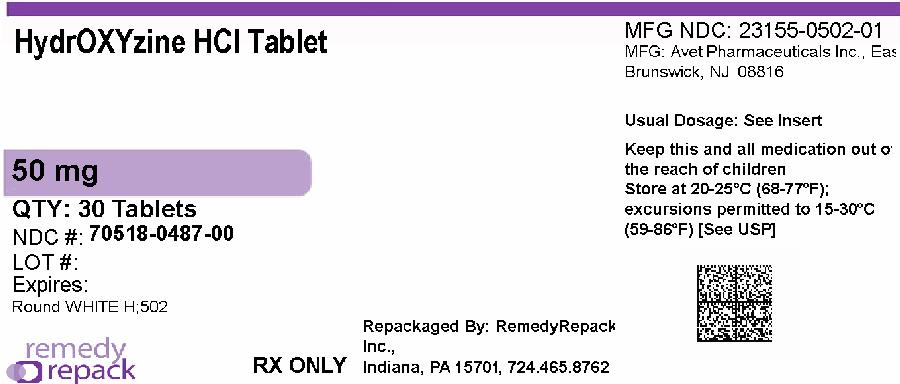
(hydroxy · DailyMed)
NAT D 5000 IU
Butylated Hydroxy Toluene 174.982 mg/6 mL,Gelatin 93.720 mg/6 mL,Glycerine 42.6 mg/6 mL,Purified Water 6.39 mg/6 mL,Soybean oil 0.018 mg/6 mL,Vitamin D3 5000 IU
What it does
Butylated is a chemical used to prevent food and products from spoiling by stopping fats and oils from going bad.
Commonly used for: preservative in food products, stabilizer in cosmetics
Read more in plain English ↓Plain-language summary for general understanding - not medical advice. Always follow your pharmacist/doctor.
Ask about this medicine
Answers come only from this medicine's registration record, BNF monograph and interaction data - not medical advice.
Medicine sourcing is available in Kenya only. We don't sell or dispense medicines - licensed pharmacies do.
Sourcing - Kenya onlyRegistration & product details
Source: Tanzania Medicines and Medical Devices Authority · fetched 2026-03-11 23:45:59 · updated 2026-10-22 03:00:45
About butylated
Butylated is a chemical used to prevent food and products from spoiling by stopping fats and oils from going bad.
What it treats
- preservative in food products
- stabilizer in cosmetics
How it works
It works by slowing down the process of oxidation, which can cause spoilage and rancidity in fats and oils.
Who it's for
It is generally used in food manufacturing and cosmetic industries.
AI-assisted summary grounded in BNF data - general information only, not medical advice. Always confirm with your pharmacist or doctor.
About cholecalciferol
Cholecalciferol is a form of vitamin D that helps maintain healthy bones and teeth.
What it treats
- vitamin D deficiency
- rickets
- osteomalacia
How it works
Cholecalciferol helps your body absorb calcium and phosphorus, which are essential for strong bones.
Who it's for
It is suitable for individuals who need to boost their vitamin D levels, especially those with limited sun exposure.
AI-assisted summary grounded in BNF data - general information only, not medical advice. Always confirm with your pharmacist or doctor.
About gelatin
Gelatin is a substance often used in various food products and supplements. It is derived from animal collagen and is commonly used to help improve joint health and support digestion.
What it treats
- joint pain
- digestive health
- skin elasticity
How it works
Gelatin helps to provide structure to the body, supporting joints, skin, and digestive tract by providing essential proteins.
Who it's for
Gelatin is suitable for people looking to support their joint health, improve skin appearance, or enhance digestion.
AI-assisted summary grounded in BNF data - general information only, not medical advice. Always confirm with your pharmacist or doctor.
About glycerine
Glycerine is a substance that helps to relieve constipation by drawing water into the bowel, making it easier to pass stools.
What it treats
- constipation
- bowel preparation before medical procedures
How it works
Glycerine works by attracting water to the intestines, which softens the stool and stimulates bowel movements.
Who it's for
Glycerine is suitable for adults and children who need help with constipation.
AI-assisted summary grounded in BNF data - general information only, not medical advice. Always confirm with your pharmacist or doctor.
About hydroxy
Hydroxy is a medication used to treat various health conditions. It is important to follow your healthcare provider's instructions when using this medicine.
What it treats
- autoimmune diseases (such as rheumatoid arthritis)
- malaria prevention and treatment
- certain skin conditions (like lupus)
How it works
Hydroxy helps to reduce inflammation and the activity of the immune system.
Who it's for
This medicine is for people with specific autoimmune disorders, those at risk of malaria, or those with certain skin issues.
AI-assisted summary grounded in BNF data - general information only, not medical advice. Always confirm with your pharmacist or doctor.
About purified
Purified ingredients are often used in various medicines to ensure safety and effectiveness by removing impurities.
What it treats
- various medical conditions
How it works
Purified ingredients help in delivering the intended effects of the medicine without the risk of contaminants.
Who it's for
People who need medications with safe and effective ingredients.
AI-assisted summary grounded in BNF data - general information only, not medical advice. Always confirm with your pharmacist or doctor.
About soybean
Soybean is a plant-based ingredient often used for its nutritional benefits.
What it treats
- high cholesterol
- heart disease
- menopausal symptoms
- nutritional supplement
How it works
Soybean contains compounds that may help lower cholesterol levels and provide essential nutrients.
Who it's for
It is suitable for those looking to improve their diet, manage cholesterol levels, or reduce menopausal symptoms.
AI-assisted summary grounded in BNF data - general information only, not medical advice. Always confirm with your pharmacist or doctor.
About toluene
Toluene is a chemical commonly used as a solvent in various industrial applications. It is not typically used as a medication.
How it works
Toluene works by dissolving substances, making it useful in manufacturing and cleaning processes.
Who it's for
Toluene is primarily used by industries; it is not intended for personal use or treatment of medical conditions.
AI-assisted summary grounded in BNF data - general information only, not medical advice. Always confirm with your pharmacist or doctor.
Clinical monograph: Gelatin
BNF-referencedGelatin is a plasma substitute derived from protein obtained from plasma, serum, or normal placentas, with at least 95% of the protein being albumin. It is used to restore blood volume in patients with low blood volume conditions such as hypovolemic shock, burns, and during cardiopulmonary bypass procedures. Gelatin solutions can be isotonic, containing 3.5-5% protein, or concentrated, containing 15-25% protein.
Indications
- Low blood volume
- Hypovolemic shock
- Burns
- Cardiopulmonary bypass
Dosage
Children: Initially 10-20 mL per kilogram. Adjust according to the patient's condition and response, using 3.5-4% solution. Use under specialist supervision to mitigate the risk of fluid overload.
Adults: Dose according to requirements, typically administered intravenously. Consult product literature for specific dosing guidance.
Mechanism of action
Gelatin acts as a plasma expander by increasing the oncotic pressure in the vascular compartment, which helps to retain fluid within the bloodstream and restore circulating blood volume. This mechanism aids in maintaining blood pressure and improving tissue perfusion.
Pharmacodynamics
Gelatin solutions increase blood volume and improve hemodynamic stability in patients experiencing hypovolemic conditions. By drawing water into the vascular space, they help to counteract the effects of low blood volume, such as hypotension and compromised organ perfusion.
Pharmacokinetics
Gelatin is administered intravenously, and its effects can be observed relatively quickly. The half-life and the metabolic clearance depend on the formulation and concentration of the solution. Gelatin is gradually metabolized by macrophages and eliminated by the renal system. Close monitoring of fluid balance is essential, particularly in patients with cardiac or renal impairment.
Contra-indications
- Severe liver disease
- History of circulatory disease
- Severe cardiac disease
Adverse effects
- Fever
- Flushing
- Nausea
- Urticaria
- Rare or very rare shock
Interactions
- Calcium salts
Precautions
- Monitor cardiovascular and respiratory function
- Correct dehydration when administering
- Administer slowly to avoid rapid rise in blood pressure and cardiac failure
- Increased capillary permeability
Pregnancy
Consult product literature for specific guidance regarding use in pregnancy.
Breast-feeding
Consult product literature for specific guidance regarding use in breastfeeding.
Storage
Store at controlled room temperature, protect from light. Refer to product-specific storage instructions.
Formulations
- 5% solution for infusion
- 20% solution for infusion
- Concentrated solution (15-25% protein)
- Isotonic solution (3.5-5% protein)
AI-synthesized from BNF references - general information only, not a substitute for professional medical advice or the current BNF. Verify doses with a pharmacist.
Clinical monograph: butylated
Butylated compounds, particularly butylated hydroxyanisole (BHA) and butylated hydroxytoluene (BHT), are synthetic antioxidants widely used in food preservation and cosmetics. They prevent the oxidative degradation of fats and oils, thereby extending the shelf life of products. While they are generally regarded as safe at low concentrations, concerns have been raised regarding their long-term effects and potential carcinogenicity.
Dosage
Children: Refer to specific formulations and usages, as dosing can vary widely depending on the application and regulatory guidelines.
Adults: Refer to specific formulations and usages, as dosing can vary widely depending on the application and regulatory guidelines.
Mechanism of action
Butylated hydroxyanisole (BHA) and butylated hydroxytoluene (BHT) act as antioxidants by inhibiting the oxidation of lipids. They scavenge free radicals and donate hydrogen atoms to reactive species, thus stabilizing and preventing oxidative damage to cellular components. This action helps to protect the integrity of cell membranes and prevent the formation of harmful peroxides.
Pharmacodynamics
The pharmacodynamic properties of butylated compounds are primarily related to their antioxidant activity. They exhibit a dose-dependent ability to inhibit lipid peroxidation, which is crucial in protecting cells from oxidative stress. Furthermore, they may modulate certain biochemical pathways involved in cell signaling and apoptosis, although these effects are less well-characterized.
Pharmacokinetics
Butylated compounds are absorbed from the gastrointestinal tract following oral ingestion. They undergo metabolic processing primarily in the liver, where they are conjugated and excreted in urine. The half-life of butylated compounds in humans is variable, influenced by factors such as dosage and individual metabolism. Accumulation in tissues is generally low, but prolonged exposure may lead to higher tissue concentrations.
Adverse effects
- Gastrointestinal disturbances
- Allergic reactions
- Potential carcinogenic effects with prolonged exposure
Precautions
- Use with caution in patients with a history of hypersensitivity to butylated compounds
- Avoid prolonged exposure due to potential toxicity
Pregnancy
Limited data available, use only if the benefits outweigh the risks.
Breast-feeding
Unknown, exercise caution and consult a healthcare provider.
Storage
Store in a cool, dry place away from light.
Formulations
- Butylated hydroxytoluene (BHT)
- Butylated hydroxyanisole (BHA)
AI-synthesized from BNF references - general information only, not a substitute for professional medical advice or the current BNF. Verify doses with a pharmacist.
Clinical monograph: cholecalciferol
BNF-referencedCholecalciferol, also known as vitamin D3, is a fat-soluble vitamin essential for maintaining normal serum calcium and phosphorus levels. It is naturally synthesized in the skin upon exposure to sunlight and can also be obtained from certain dietary sources. Cholecalciferol is crucial for bone health, as it aids in the absorption of calcium and phosphorus from the gut and supports bone mineralization. Deficiency in vitamin D can lead to conditions such as rickets in children and osteomalacia in adults, characterized by weakened bones and skeletal deformities.
Indications
- Vitamin D deficiency
- Rickets
- Osteomalacia
- Osteoporosis
- Hypoparathyroidism
Dosage
Adults: The usual adult dose for vitamin D deficiency is 800 to 2000 IU daily, depending on the severity of deficiency and clinical condition. Higher doses may be used under medical supervision.
Mechanism of action
Cholecalciferol is converted to its active forms, 25-hydroxyvitamin D in the liver and 1,25-dihydroxyvitamin D in the kidneys. These metabolites enhance the intestinal absorption of calcium and phosphorus, increase serum calcium levels, and mobilize these minerals from bone. This process is regulated by parathyroid hormone, which influences calcium and phosphate metabolism, particularly in the kidneys.
Pharmacodynamics
The pharmacodynamics of cholecalciferol involve its conversion to active metabolites that play a significant role in calcium and phosphorus homeostasis. The metabolites facilitate intestinal absorption of these minerals, promote bone mineralization, and influence renal reabsorption. The onset of action occurs within 10 to 24 hours following administration, as metabolic activation is required for its biological effects.
Pharmacokinetics
Cholecalciferol is absorbed in the gastrointestinal tract, and its absorption is enhanced by the presence of dietary fats. It is transported in the bloodstream bound to vitamin D-binding protein. Once in the liver, it undergoes hydroxylation to form 25-hydroxyvitamin D, which is further converted in the kidneys to the active form, 1,25-dihydroxyvitamin D. The elimination half-life of cholecalciferol varies, typically spanning several days, and it is primarily excreted in bile and urine.
Adverse effects
- Hypercalcemia
- Hypercalciuria
- Nausea
- Vomiting
- Constipation
- Weakness
- Fatigue
Interactions
- May enhance the effects of thiazide diuretics, leading to increased risk of hypercalcemia
- Anticonvulsants may increase metabolism of vitamin D, leading to reduced effectiveness
- Cholestyramine may reduce absorption of vitamin D
Precautions
- Monitor serum calcium levels in patients with renal impairment
- Caution in patients with a history of hypercalcemia or hyperparathyroidism
- Use with caution in patients taking other medications that affect calcium metabolism
Pregnancy
Cholecalciferol can be used during pregnancy if indicated, as vitamin D is essential for fetal bone development.
Breast-feeding
Cholecalciferol is excreted in breast milk, but is generally considered safe during breastfeeding.
Storage
Store in a cool, dry place, away from light. Keep out of reach of children.
Formulations
- Capsules
- Tablets
- Liquid formulations
AI-synthesized from BNF references - general information only, not a substitute for professional medical advice or the current BNF. Verify doses with a pharmacist.
Clinical monograph: glycerine
BNF-referencedGlycerine, also known as glycerol, is a colorless, odorless, viscous liquid classified primarily as an osmotic laxative. It is used to relieve constipation and to decrease intraocular pressure in certain medical conditions. Glycerine works by drawing water into the intestines or the eye, facilitating evacuation or reducing pressure respectively. It is commonly available in suppository form for rectal administration and is effective within 15 to 30 minutes.
Indications
- Constipation
- Decreased intraocular pressure
Dosage
Children: For children, refer to the BNF for Children for appropriate glycerin dosing guidelines.
Adults: For constipation, glycerin can be administered rectally as a suppository. Follow specific product guidelines for dosage.
Mechanism of action
When administered rectally, glycerine exerts a hygroscopic and/or local irritant action, drawing water from the tissues into the feces and reflexively stimulating evacuation. Additionally, glycerine decreases intraocular pressure by creating an osmotic gradient between the blood and intraocular fluid, leading to fluid movement out of the aqueous and vitreous humors into the bloodstream.
Pharmacodynamics
Glycerine is commonly classified as an osmotic laxative but may also exert local irritant effects, lubricating, and fecal softening actions. Its onset of action typically occurs within 15 to 30 minutes when used as a suppository.
Pharmacokinetics
Glycerine is readily absorbed and metabolized in the body. It undergoes glycerol metabolism pathways, contributing to various biochemical processes including phospholipid biosynthesis. The pharmacokinetic profile of glycerine indicates a rapid onset of action due to its osmotic properties.
Adverse effects
- Abdominal cramps
- Diarrhea
- Nausea
- Vomiting
- Electrolyte imbalance
Precautions
- Use with caution in patients with renal impairment
- May cause dehydration if used excessively
- Monitor for electrolyte disturbances in prolonged use
Pregnancy
Glycerin is generally considered safe to use during pregnancy for indicated conditions. Always consult a healthcare provider before use.
Breast-feeding
Glycerin is unlikely to be harmful in breastfeeding mothers. Consult a healthcare provider for specific guidance.
Storage
Store in a cool, dry place, away from direct sunlight. Keep out of reach of children.
Formulations
- Suppositories
- Oral solution
AI-synthesized from BNF references - general information only, not a substitute for professional medical advice or the current BNF. Verify doses with a pharmacist.
Clinical monograph: hydroxy
BNF-referencedHydroxyzine is an antihistamine of the first generation, primarily used for its sedative and anxiolytic properties. It is effective in treating anxiety, nausea, and allergic conditions. Hydroxyzine also possesses anticholinergic properties, which contribute to its sedative effects. It is commonly used in both adult and pediatric populations for various indications, including preoperative sedation and management of pruritus.
Indications
- Anxiety disorders
- Nausea and vomiting
- Allergic conditions
- Preoperative sedation
- Pruritus
Dosage
Children: Refer to the BNF for Children for appropriate dosing recommendations based on age and weight.
Adults: Refer to the BNF for specific dosing guidelines based on the indication and patient characteristics.
Mechanism of action
Hydroxyzine works by antagonizing the H1 histamine receptors, leading to a reduction in the effects of histamine in the body. This action helps alleviate symptoms of allergic reactions and promotes sedation. Additionally, it may exert effects on serotonin and adrenergic receptors, which could contribute to its anxiolytic properties. Hydroxyzine is also involved in various metabolic pathways, including selenium metabolism and the degradation of reactive oxygen species.
Pharmacodynamics
The pharmacodynamic effects of hydroxyzine include sedation, anxiolysis, and reduction of allergic symptoms. Its sedative effects can make it useful in managing anxiety and inducing sleep, while its antihistaminic properties help to relieve symptoms such as itching and rashes associated with allergic reactions. The onset of action is typically within 15 to 30 minutes when taken orally, with peak effects occurring within 1 to 2 hours.
Pharmacokinetics
Hydroxyzine is well absorbed from the gastrointestinal tract, with peak plasma concentrations occurring approximately 2 hours after oral administration. It is extensively metabolized in the liver, with metabolites, including cetirizine, possessing their own therapeutic effects. Hydroxyzine has a half-life of approximately 20 hours, allowing for once or twice daily dosing. It is primarily excreted in the urine, with less than 1% of the unchanged drug found in urine.
Interactions
- hydroxyzine+antiepileptics: Severe (increases risk of overheating and dehydration)
- hydroxyzine+zonisamide: Severe (increases risk of overheating and dehydration)
- hydroxychloroquine+penicillamine: Severe (increases risk of haematological toxicity)
- hydroxychloroquine+agalsidase alfa: Unknown (decreases effects)
- hydroxychloroquine+agalsidase beta: Unknown (decreases exposure)
- hydroxychloroquine+oral cholera vaccine: Unknown (decreases efficacy)
- live vaccines+hydroxy carbamide: Unknown (increases risk of generalised infection (possibly life-threatening))
- lanthanum+hydroxychloroquine: Unknown (decreases absorption)
- macrolides+hydroxychloroquine: Unknown (increases risk of serious cardiovascular adverse effects)
- hydroxychloroquine+remdesivir: Unknown (decreases effects)
Pregnancy
Safety in pregnancy has not been established. Use only if the potential benefit justifies the potential risk to the fetus.
Breast-feeding
Use with caution. Hydroxychloroquine is excreted in breast milk, and effects on the infant are unknown.
Storage
Store in a cool, dry place, protected from light. Keep out of reach of children.
Formulations
- Tablets
- Oral solution
AI-synthesized from BNF references - general information only, not a substitute for professional medical advice or the current BNF. Verify doses with a pharmacist.
Clinical monograph: purified
Purified refers to a substance that has been processed to remove impurities, contaminants, or unwanted substances, resulting in a more concentrated and effective form of the original compound. In pharmacology, purified compounds are often used to enhance therapeutic efficacy and reduce adverse effects. The purification process can apply to a variety of substances, including drugs, biological products, and chemical compounds.
Dosage
Children: Refer to specific drug formulations and product labels as purified substances can vary widely in their use and dosing.
Adults: Refer to specific drug formulations and product labels as purified substances can vary widely in their use and dosing.
Mechanism of action
The mechanism of action for purified compounds varies widely depending on the specific substance. Generally, purified drugs exert their effects by interacting with specific biological targets, such as receptors, enzymes, or ion channels, leading to a desired therapeutic effect. This interaction can involve binding to receptors to activate or inhibit signaling pathways, modulating enzymatic activity, or altering physiological processes.
Pharmacodynamics
Pharmacodynamics describes the effects of a drug on the body and the relationship between drug concentration and effect. For purified drugs, this can involve dose-response relationships and the time course of their action. The purified form often enhances potency and reduces variability in response among patients, which can lead to more predictable therapeutic outcomes. The overall effect is determined by the drug's affinity for its target, the efficacy of the drug-receptor interaction, and the downstream signaling pathways activated as a result of this interaction.
Pharmacokinetics
Pharmacokinetics involves the absorption, distribution, metabolism, and excretion (ADME) of a drug. For purified substances, absorption can be more efficient due to the absence of impurities that may affect solubility or stability. Distribution may also be enhanced, leading to higher bioavailability. Metabolism can be influenced by the structure of the purified compound, as it may be metabolized more readily by liver enzymes. Excretion typically occurs through the kidneys or liver, depending on the molecular characteristics of the purified drug.
Pregnancy
Consult with a healthcare professional, as the safety of purified forms of medications during pregnancy may vary depending on the specific substance.
Breast-feeding
Consult with a healthcare professional, as the safety of purified forms of medications during breastfeeding may vary depending on the specific substance.
Storage
Store in a cool, dry place, away from light and moisture, and keep out of reach of children.
AI-synthesized from BNF references - general information only, not a substitute for professional medical advice or the current BNF. Verify doses with a pharmacist.
Clinical monograph: soybean
Soybean (Glycine max) is a species of legume native to East Asia, widely cultivated for its edible seeds, which are rich in protein and oil. Soybeans are a major source of dietary protein, particularly in vegetarian and vegan diets, and they contain various bioactive compounds such as isoflavones, saponins, and phytosterols. They are commonly used in various food products, including tofu, soy milk, and soy protein isolates, and have been studied for their potential health benefits, including cardiovascular health and hormone modulation.
Indications
- Cardiovascular health
- Menopausal symptom relief
- Bone health
- Cholesterol management
- Potential cancer risk reduction
Dosage
Children: Refer to specific product guidelines or consult a healthcare professional for appropriate dosage.
Adults: Refer to specific product guidelines or consult a healthcare professional for appropriate dosage.
Mechanism of action
Soybeans contain isoflavones, which are phytoestrogens that can mimic the effects of estrogen in the body. They exert their effects primarily through binding to estrogen receptors and modulating gene expression related to estrogen-responsive pathways. This interaction can influence various physiological processes, including bone density, lipid metabolism, and hormonal balance.
Pharmacodynamics
The pharmacodynamics of soybeans are attributed to their content of isoflavones, notably genistein and daidzein. These compounds may exhibit antioxidant properties, modulate lipid profiles by lowering LDL cholesterol, and influence bone metabolism. Additionally, the anti-inflammatory effects of soy isoflavones may contribute to cardiovascular benefits. The bioactive compounds in soybeans can also have protective effects against certain cancers, particularly hormone-sensitive types, by interfering with cancer cell growth and proliferation.
Pharmacokinetics
Isoflavones are absorbed in the gastrointestinal tract, with peak plasma concentrations typically occurring within 1 to 3 hours after ingestion. The bioavailability of isoflavones can be influenced by factors such as food matrix, gut microbiota, and individual metabolism. Soy isoflavones undergo extensive metabolism in the liver, resulting in various metabolites, some of which may exhibit different biological activities. The elimination half-life of isoflavones can vary widely, depending on individual factors and the form in which soy is consumed.
Adverse effects
- Allergic reactions
- Gastrointestinal disturbances
- Nausea
- Diarrhea
- Flatulence
Precautions
- Use with caution in individuals with a known allergy to soy products.
- Monitor for potential interactions with anticoagulants, as soybean contains vitamin K.
Pregnancy
Soybean is generally considered safe during pregnancy when consumed in food amounts. However, high doses or supplements should be avoided due to potential hormonal effects.
Breast-feeding
Soybean is likely safe in food amounts during breastfeeding, but high doses or supplements should be approached with caution.
Storage
Store in a cool, dry place, away from direct sunlight. Keep tightly closed to avoid moisture.
Formulations
- Whole soybeans
- Soy flour
- Soy protein isolate
- Soy milk
- Soy oil
- Soy lecithin
AI-synthesized from BNF references - general information only, not a substitute for professional medical advice or the current BNF. Verify doses with a pharmacist.
Clinical monograph: toluene
BNF-referencedToluene is an aromatic hydrocarbon commonly used as an industrial solvent and in the production of various chemicals. It is known for its psychoactive properties when inhaled, leading to its misuse as an inhalant. Toluene exposure can result in both reversible and irreversible effects on the central nervous system, particularly affecting dopaminergic pathways. Its molecular formula is C7H8.
Dosage
Children: There are no established therapeutic doses for toluene in pediatric populations due to its potential for abuse and toxicity. Exposure should be avoided.
Adults: There are no established therapeutic doses for toluene due to its potential for abuse and toxicity. Exposure should be minimized as per occupational safety guidelines.
Mechanism of action
Toluene primarily affects the dopaminergic mechanisms of the basal ganglia, leading to alterations in sensory-motor integration. At low concentrations, it reduces dopamine turnover in the anterior nucleus caudate, while at higher concentrations, it increases dopamine turnover in the cholecystokinin-dopamine terminals of the limbic system, contributing to its euphoric effects. Toluene also influences various neurotransmitter systems, including glutamate and GABA, and alters the activities of neurotransmitter synthesizing enzymes, which can indicate permanent loss of neuronal activity.
Pharmacodynamics
Toluene exhibits central nervous system depressant effects, which can lead to symptoms such as euphoria, dizziness, and cognitive impairment. Chronic exposure may result in neurotoxic effects, including potential damage to catecholaminergic neurons and changes in neurotransmitter levels. The drug's psychoactive effects are associated with its ability to modulate dopamine pathways, ultimately affecting mood, perception, and motor coordination.
Pharmacokinetics
Toluene is rapidly absorbed through inhalation and can distribute throughout the body, with a high affinity for fatty tissues. It undergoes metabolic degradation primarily in the liver, where it is converted into various metabolites. The elimination half-life of toluene varies depending on the route of exposure and the concentration, with significant excretion occurring through urine as metabolites, including hippuric acid.
Adverse effects
- CNS depression
- Dizziness
- Headaches
- Nausea
- Vomiting
- Respiratory irritation
- Cognitive impairment
- Potential for addiction and euphoric effects
Precautions
- Use with caution in individuals with pre-existing neurological disorders
- Avoid exposure in pregnant women due to potential risks to fetal development
- Monitor for signs of abuse in individuals with a history of substance misuse
Pregnancy
Toluene exposure during pregnancy may pose risks to fetal development, including potential teratogenic effects. Caution is advised.
Breast-feeding
Due to the potential for adverse effects, breastfeeding is not recommended during exposure to toluene.
Storage
Store in a cool, well-ventilated area away from sources of ignition. Keep container tightly closed.
Formulations
- Inhalation vapors
- Solvent formulations
AI-synthesized from BNF references - general information only, not a substitute for professional medical advice or the current BNF. Verify doses with a pharmacist.
Molecular reference: cholecalciferol
PubChem CID 5280795Molecular formula: C27H44O
Mechanism of action
Most individuals naturally generate adequate amounts of vitamin D through ordinary dietary intake of vitamin D (in some foods like eggs, fish, and cheese) and natural photochemical conversion of the vitamin D3 precursor 7-dehydrocholesterol in the skin via exposure to sunlight. Conversely, vitamin D deficiency can often occur from a combination of insufficient exposure to sunlight, inadequate dietary intake of vitamin D, genetic defects with endogenous vitamin D receptor, or even severe liver or kidney disease. Such deficiency is known for resulting in conditions like rickets or osteomalacia, all of which reflect inadequate mineralization of bone, enhanced compensatory skeletal demineralization, resultant decreased calcium ion blood concentrations, and increases in the production and secretion of parathyroid hormone. Increases in parathyroid hormone stimulate the mobilization of skeletal calcium and the renal excretion of phosphorus. This enhanced mobilization of skeletal calcium leads towards porotic bone conditions. Ordinarily, while vitamin D3 is made naturally via photochemical processes in the skin, both itself and vitamin D2 can be found in various food and pharmaceutical sources as dietary supplements. The principal biological function of vitamin D is the maintenance of normal levels of serum calcium and phosphorus in the bloodstream by enhancing the efficacy of the small intestine to absorb these minerals from the diet. At the liver, vitamin D3 or D2 is hydroxylated to 25-hydroxyvitamin D and then finally to the primary active metabolite 1,25-dihydroxyvitamin D in the kidney via further hydroxylation. This final metabolite binds to endogenous vitamin d receptors, which results in a variety of regulatory roles - including maintaining calcium balance, the regulation of parathyroid hormone, the promotion of the renal reabsorption of calcium, increased intestinal absorption of calcium and phosphorus, and increased calcium and phosphorus mobilization of calcium and phosphorus from bone to plasma to maintain balanced levels of each in bone and the plasma. In particular, calcitriol interacts with vitamin D receptors in the small intestine to enhance the efficiency of intestinal calcium and phosphorous absorption from about 10-15% to 30-40% and 60% increased to 80%, respectively. Furthermore, calcitriol binds with vitamin D receptors in osteoblasts to stimulate a receptor activator of nuclear factor kB ligand (or RANKL) which subsequently interacts with receptor activator of nuclear factor kB (NFkB) on immature preosteoclasts, causing them to become mature bone-resorbing osteoclasts. Such mature osteoclasts ultimately function in removing calcium and phosphorus from bone to maintain blood calcium and phosphorus levels. Moreover, calcitriol also stimulates calcium reabsorption from the glomerular filtrate in the kidneys. Additionally, it is believed that when calcitriol binds with nuclear vitamin D receptors, that this bound complex itself binds to retinoic acid X receptor (RXR) to generate a heterodimeric complex that consequently binds to specific nucleotide sequences in the DNA called vitamin D response elements. When bound, various transcription factors attach to this complex, resulting in either up or down-regulation of the associated gene's activity. It is thought that there may be as much as 200 to 2000 genes that possess vitamin D response elements or that are influenced indirectly to control a multitude of genes across the genome. It is in this way that cholecalciferol is believed to function in regulating gene transcription associated with cancer risk, autoimmune disorders, and cardiovascular disease linked to vitamin D deficiency. In fact, there has been some research to suggest calcitriol may also be able to prevent malignancies by inducing cellular maturation and inducing apoptosis and inhibiting angiogenesis, exhibit anti-inflammatory effects by inhibiting foam cell formation and promoting angiogenesis in en
Pharmacodynamics
The in vivo synthesis of the predominant two biologically active metabolites of vitamin D occurs in two steps. The first hydroxylation of vitamin D3 cholecalciferol (or D2) occurs in the liver to yield 25-hydroxyvitamin D while the second hydroxylation happens in the kidneys to give 1, 25-dihydroxyvitamin D. These vitamin D metabolites subsequently facilitate the active absorption of calcium and phosphorus in the small intestine, serving to increase serum calcium and phosphate levels sufficiently to allow bone mineralization. Conversely, these vitamin D metabolites also assist in mobilizing calcium and phosphate from bone and likely increase the reabsorption of calcium and perhaps also of phosphate via the renal tubules. There exists a period of 10 to 24 hours between the administration of cholecalciferol and the initiation of its action in the body due to the necessity of synthesis of the active vitamin D metabolites in the liver and kidneys. It is parathyroid hormone that is responsible for the regulation of such metabolism at the level of the kidneys.
Biological pathways
Source: PubChem (NCBI) · pathways from PathBank, Reactome, WikiPathways & PharmGKB.
Molecular reference: glycerine
PubChem CID 753Molecular formula: C3H8O3
Mechanism of action
When administered rectally, glycerin exerts a hygroscopic and/or local irritant action, drawing water from the tissues into the feces and reflexively stimulating evacuation. Glycerin decreases intraocular pressure by creating an osmotic gradient between the blood and intraocular fluid, causing fluid to move out of the aqueous and vitreous humors into the bloodstream. Glycerin (glycerol) and sorbitol are hyperosmotic laxatives. When administered rectally, glycerin and sorbitol exert a hygroscopic and/or local irritant action, drawing water from the tissues into the feces and reflexly stimulating evacuation. The extent to which the simple physical distention of the rectum and the hygroscopic and/or local irritant actions are responsible for the laxative effects of some of these drugs is not known. Only extremely high oral doses of sorbitol (25 g daily) or glycerin exert laxative action. /Glycerin/ decreases intraocular pressure by creating an osmotic gradient between the blood and intraocular fluid, causing fluid to move out of the aqueous and vitreous humors into the bloodstream. The physicochemical effects of a series of alkanols, alkanediols and glycerol on erythrocyte shape and hemolysis at 4 and 20 degrees C were examined. We calculated the dielectric constant of the incubation medium, Ds, and the dielectric constant of the erythrocyte membrane Dm in the presence of organic solutes. The ratio Ds/Dm = -38.48 at 20 degrees C defines the normal biconcave shape in a medium without hemolytic agents. A decrease in Ds/Dm favors externalization or internalization with consequent hemolysis. Alkanols and alkanediols convert biconcave erythrocytes into echinocytes, which is accompanied by an increase in the projected surface area. Glycerol converts biconcave erythrocytes into stomatocytes, which was accompanied by a marginal decrease in the projected surface area. Progressive externalization in alkanols and alkanediols or internalization in glycerol resulted in a decrease in the projected surface area and the formation of smooth spheres. The degree of shape change induced was related to the degree of hemolysis and the ratio Ds/Dm. A decrease in temperature reduced both the degree of shape change and hemolysis. .../Thus/ physicochemical toxicity may be a result of a temperature dependent hydrophobic interaction between the organic solutes and the membrane and is best interpreted by the ability of the solutes to change Ds and Dm.
Pharmacodynamics
Glycerin is commonly classified as an osmotic laxative but may act additionally or alternatively through its local irritant effects; it may also have lubricating and fecal softening actions. Glycerin suppositories usually work within 15 to 30 minutes.
Biological pathways
Source: PubChem (NCBI) · pathways from PathBank, Reactome, WikiPathways & PharmGKB.
Molecular reference: hydroxy
PubChem CID 961Molecular formula: HO-
Biological pathways
Source: PubChem (NCBI) · pathways from PathBank, Reactome, WikiPathways & PharmGKB.
Molecular reference: toluene
PubChem CID 1140Molecular formula: C7H8
Mechanism of action
The present study demonstrates reductions of dopamine (DA) turnover in various areas of the anterior nucleus caudate of rat by toluene at concentrations lower than the current OSHA threshold limit value (100 ppm). Thus, toluene at low concentrations may produce disturbances in dopaminergic mechanisms of the basal ganglia probably leading to functional changes in sensory-motor integration. The increases in DA turnover in the cholecystokinin (CCK)-DA terminals of the subcortical limbic system induced by high concentrations of toluene may be part of the neurochemical basis for its abuse as a euphoric agent in man. Exposure to toluene causes both reversible and irreversible changes in the central nervous system. The effects of toluene inhalation on some specific enzymes and glutamate and GABA receptor binding in defined parts of the rat brain were studied following several exposure schemes. The activities of the transmitter synthesizing enzymes glutamic acid decarboxylase (GAD), choline acetyltransferase (ChAT) and aromatic amino-acid decarboxylase (AAD) were used as markers for permanent loss of neuronal activity. Catecholaminergic neurons showed a 50% reduction in the brain stem after 4 weeks exposure to 250 and 1000 ppm toluene. Following 500 ppm of toluene, 16 hr/day for 3 months, a general increase in the activities was seen. This is most probably due to a reduction in total protein content, to which the activities were related. The neurotransmitters glutamate and GABA had their specific receptor binding increased in most of the brain areas studied, but decreased in some areas. The glial enzyme, glutamine synthetase, has its activity increased in the cerebellar hemisphere following 4 weeks exposure to 1000 ppm. This suggests that glial cells in the area may have proliferated, a frequent phenomenon following CNS damage. The effect on energetic metabolism of rat liver mitochondria (RLM) of styrene and other aliphatic benzene derivatives, i.e. toluene, ethylbenzene, alpha-methylstyrene and butylbenzene, is studied. It is shown that these compounds uncouple oxidative phosphorylation and this effect is connected with the stimulation of passive entry of protons into mitochondria. The relationship between hydrophobicity of these compounds and their biological activity and mechanism of uncoupling effect are discussed.
Biological pathways
Source: PubChem (NCBI) · pathways from PathBank, Reactome, WikiPathways & PharmGKB.
This drug in other countries
The same active ingredient registered across other registries we cover - including different brands.
- .FORMULA 1 HEALTHY MEAL SHAKE MIX BANANA CREAM · Fine Foods
- .FORMULA 1 HEALTHY MEAL SHAKE MIX COOKIE CRUNCH · Fine Foods
- ABVITE ADULT MULTIVITAMIN GUMMIES · Abvite
- ABYTONE FORTE CAPSULES (Each hard gelatin capsule contains Cyproheptadine HCL (Anhydrous) BP/Vitamin A (as palmitate) BP/Vitamin D3 BP/Thiamine Hydrochloride BP/Riboflavin BP/Cyanocobalamin BP/Niacinamide BP/Calcium Pantothenate BP/Calcium Lactate BP 4mg/2500IU/200IU/2mg/1mcg/25mg/5mg/100mg/) · Socomed Pharma
- ACTIKID MAGIC BEANS JELLY BEANS · Amapharm
- ACTIV 8 PREG TABLETS · Nutra Healthcare
- BEVAC® · Biological E. Limited
- CARBAMAZEPINE TABLETS 200MG · Medreich Limited
- COTRIMOL 400/80 · Ipca Labotratories Ltd
- CP-GLIMEPIRIDE 2 · Acme Formulation Pvt. Ltd
- EMPIGET TABLET 10MG · Getz Pharma Private Limited
- EMPIGET TABLET 25MG · Getz Pharma Private Limited