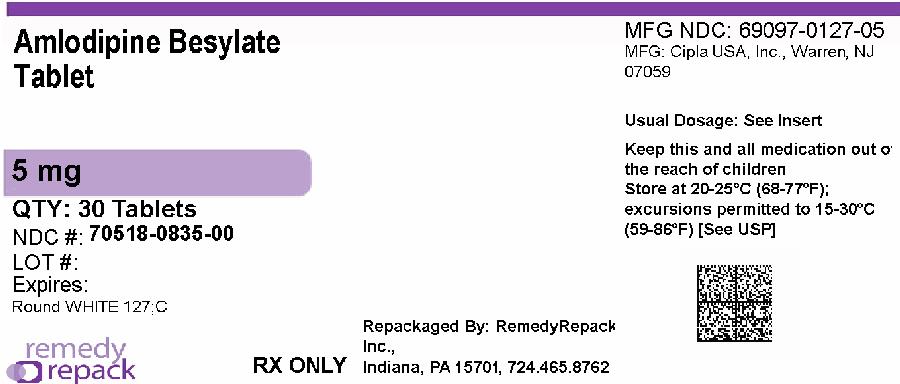
(amlodipine · DailyMed)
NATRIXAM TABLETS 1.5MG/5MG
INDAPAMIDE, AMLODIPINE
What it does
Amlodipine is a medicine that helps lower blood pressure and improve blood flow by relaxing the blood vessels.
Commonly used for: high blood pressure (hypertension), chest pain (angina)
Read more in plain English ↓Plain-language summary for general understanding - not medical advice. Always follow your pharmacist/doctor.
Ask about this medicine
Answers come only from this medicine's registration record, BNF monograph and interaction data - not medical advice.
Hard to find? We help patients in Kenya source rare medicines. We don't sell or dispense medicines - licensed pharmacies do.
Source this medicineRegistration & product details
Source: Pharmacy and Poisons Board · fetched 2026-01-28 20:34:23 · updated 2026-07-26 11:25:06
Drug Interactions
23Pharmacodynamic Warnings
Indapamide appears in TABLE 8: Drugs that cause hypotension
Amlodipine appears in TABLE 8: Drugs that cause hypotension
Indapamide appears in TABLE 17: Drugs that reduce serum potassium
Indapamide appears in TABLE 18: Drugs that cause hyponatraemia
Severe (1)
Amlodipine - increases exposure
Grapefruit juice very slightly increases the exposure to amlodipine. Avoid.
Moderate (18)
Amlodipine - decreases exposure
Enzalutamide is predicted to decrease the exposure to calcium channel blockers (amlodipine, felodipine, lacidipine, lercanidipine, nicardipine, nifedipine, nimodipine). Monitor and adjust dose.
Amlodipine - decreases exposure
Apalutamide is predicted to decrease the exposure to calcium channel blockers (amlodipine, felodipine, lacidipine, lercanidipine, nicardipine, nimodipine). Monitor and adjust dose.
Amlodipine - increases exposure
Dronedarone is predicted to increase the exposure to calcium channel blockers (amlodipine, felodipine, lacidipine, lercanidipine, nicardipine, nifedipine, nimodipine). Monitor and adjust dose.
Amlodipine - increases exposure
Antifungals, azoles (fluconazole, isavuconazole, posaconazole) are predicted to increase the exposure to calcium channel blockers (amlodipine, felodipine, lacidipine, lercanidipine, nicardipine, nifed
Amlodipine - increases exposure
Miconazole is predicted to increase the exposure to calcium channel blockers (amlodipine, felodipine, lacidipine, lercanidipine, nicardipine, nifedipine, nimodipine, verapamil). Use with caution and a
Unknown (4)
Amlodipine - increases risk of hypotension
Intravenous magnesium potentially increases the risk of hypotension when given with calcium channel blockers (amlodipine, felodipine, lacidipine, lercanidipine, nicardipine, nifedipine, nimodipine, ve
Amlodipine - increases risk of angioedema
Temsirolimusispredictedtoincreasetheriskofangioedema whengivenwithcalciumchannelblockers(amlodipine, felodipine,lacidipine,lercanidipine,nicardipine,nifedipine, nimodipine).oTheoretical https://www.fa
Simvastatin - increases exposure
Amlodipine slightly increases the exposure to statins (simvastatin). Adjust simvastatin dose, p. 224.
Statins - increases exposure
Amlodipine slightly increases the exposure to statins (simvastatin). Adjust simvastatin dose, p. 224.
Data from BNF 85 (British National Formulary). This is not a substitute for professional medical advice. Matched via: exact
About amlodipine
Amlodipine is a medicine that helps lower blood pressure and improve blood flow by relaxing the blood vessels.
What it treats
- high blood pressure (hypertension)
- chest pain (angina)
How it works
It works by blocking calcium from entering the cells of the heart and blood vessels, which helps to relax and widen them.
Who it's for
Amlodipine is for adults who need help managing high blood pressure or chest pain.
Drug class
Calcium channel blockers
Cautions
- • Be careful if you are taking other medications that lower blood pressure.
AI-assisted summary grounded in BNF data - general information only, not medical advice. Always confirm with your pharmacist or doctor.
About indapamide
Indapamide is a medication that helps to lower blood pressure and reduce swelling by helping the body get rid of excess fluid.
What it treats
- high blood pressure (hypertension)
- swelling (oedema)
How it works
It works by increasing the amount of urine your body makes, which helps to lower blood pressure and reduce fluid retention.
Who it's for
It is prescribed for adults with high blood pressure or conditions that cause swelling.
Drug class
Thiazide diuretics
Cautions
- • Be careful if you are taking other medications that lower blood pressure.
- • Caution is needed with drugs that can lower potassium levels in the blood.
- • Watch out for medications that can cause low sodium levels.
AI-assisted summary grounded in BNF data - general information only, not medical advice. Always confirm with your pharmacist or doctor.
Clinical monograph: Amlodipine
BNF-referencedAmlodipine is a dihydropyridine calcium channel blocker primarily used for the treatment of hypertension and angina. It works by relaxing blood vessels, which lowers blood pressure and improves blood flow to the heart.
Indications
- Hypertension
- Angina
Dosage
Children: Children 1 month to 11 years: Initially 100–200 micrograms/kg once daily; increased if necessary at intervals of 1–2 weeks up to a maximum of 5 mg once daily.
Adults: Initially, 5 mg once daily, increased if necessary to a maximum of 10 mg once daily.
Mechanism of action
Amlodipine inhibits the influx of calcium ions into vascular smooth muscle and cardiac muscle cells, leading to vasodilation and decreased myocardial oxygen demand.
Pharmacodynamics
Amlodipine causes a reduction in systemic vascular resistance and arterial pressure, resulting in decreased workload on the heart. It has a long duration of action due to its slow onset and prolonged effects.
Pharmacokinetics
Amlodipine is well absorbed orally, with peak plasma concentrations occurring 6-12 hours after administration. It has a half-life of approximately 30-50 hours, allowing for once-daily dosing. It is extensively metabolized in the liver and excreted primarily in the urine.
Contra-indications
- Cardiogenic shock
- Aortic stenosis
Adverse effects
- Asthenia
- Constipation
- Diarrhoea
- Drowsiness
- Dyspnoea
- Gastrointestinal disturbances
Interactions
- Grapefruit juice (severe increase in exposure)
- Enzalutamide (moderate decrease in exposure)
- Apalutamide (moderate decrease in exposure)
- Dronedarone (moderate increase in exposure)
- Antifungals (azoles) (moderate increase in exposure)
- Miconazole (moderate increase in exposure)
- Cobicistat (moderate increase in exposure)
- Crizotinib (moderate increase in exposure)
- Dabrafenib (moderate decrease in exposure)
- Idelalisib (moderate increase in exposure)
Precautions
- Caution in hepatic impairment (risk of increased exposure)
- Monitor for sudden withdrawal effects, which may exacerbate myocardial ischaemia
Pregnancy
Manufacturer advises caution due to limited data on safety.
Breast-feeding
Manufacturer advises to avoid; no information available.
Storage
Store at room temperature, away from moisture and heat.
Formulations
- Amlodipine 5mg/5ml oral solution (sugar-free)
- Amlodipine 10mg/5ml oral solution (sugar-free)
- Amlodipine 5 mg tablets
- Amlodipine 10 mg tablets
AI-synthesized from BNF references - general information only, not a substitute for professional medical advice or the current BNF. Verify doses with a pharmacist.
Clinical monograph: Indapamide
BNF-referencedIndapamide is a thiazide-like diuretic primarily used for the treatment of hypertension. It exerts its antihypertensive effects by inhibiting sodium and chloride reabsorption at the distal convoluted tubule of the nephron. This results in increased urine output and a reduction in blood pressure. Indapamide is also thought to have additional mechanisms that contribute to its blood pressure-lowering effects, beyond its diuretic action.
Indications
- Essential hypertension
- Management of fluid retention
Dosage
Adults: For adult patients, the usual dose is 2.5 mg once daily, which should be taken in the morning. In cases where a modified-release formulation is used, the dose may
Mechanism of action
Indapamide acts on the nephron, specifically at the proximal segment of the distal convoluted tubule where it inhibits the Na+/Cl- cotransporter. This inhibition leads to reduced sodium reabsorption, causing sodium and water to remain in the nephron lumen for urinary excretion. Consequently, this results in decreased plasma volume, venous return, and cardiac output, ultimately lowering blood pressure. Additionally, indapamide may decrease responsiveness to pressor agents and reduce peripheral resistance, although these mechanisms require further investigation.
Pharmacodynamics
Indapamide is classified as a sulfonamide diuretic and is recognized for its efficacy in managing hypertension and preventing target organ damage. It induces water and electrolyte loss, with higher doses correlating with increased diuresis. Indapamide can cause significant electrolyte disturbances, such as hypokalemia, which may lead to QTc prolongation. It also influences plasma levels of renin and aldosterone while decreasing calcium excretion. Importantly, studies indicate that indapamide does not significantly alter glucose tolerance in hypertensive patients, although long-term metabolic effects remain to be fully elucidated.
Pharmacokinetics
Indapamide is absorbed orally and has a bioavailability that can be affected by food. It is extensively metabolized in the liver, with metabolites primarily excreted in urine. The drug has a half-life of approximately 14 to 18 hours, allowing for once-daily dosing. Renal function can influence the pharmacokinetics of indapamide, necessitating caution in patients with renal impairment due to the risk of hyperkalaemia.
Contra-indications
- Hypersensitivity to sulfonamides
- Severe renal impairment
Adverse effects
- Hypokalemia
- Dehydration
- Electrolyte disturbances
- Hypotension
- Dizziness
- Dry mouth
- Fatigue
- Restlessness
- Angina pectoris
- Arrhythmias
- Arthralgia
- Asthenia
- Chest pain
- Confusion
- Severe cutaneous adverse reactions
- Vision disorders
- Rhabdomyolysis
- QT interval prolongation
Interactions
- Potassium-sparing diuretics
- Thiazide diuretics
- Pressor agents
- Other antihypertensives
Precautions
- Caution in diabetes mellitus
- Caution in elderly patients
- Monitor electrolytes regularly
- Caution in patients with a history of acute porphyrias
- Caution in hepatic disorders
Pregnancy
No information available; use with caution and consult healthcare professional.
Breast-feeding
Avoid; no information regarding safety in breast milk.
Storage
Store at room temperature, away from moisture and heat.
Formulations
- 2.5 mg immediate-release tablet
- 1.5 mg modified-release tablet
AI-synthesized from BNF references - general information only, not a substitute for professional medical advice or the current BNF. Verify doses with a pharmacist.
Molecular reference: Amlodipine
PubChem CID 2162Molecular formula: C20H25ClN2O5
Mechanism of action
**Mechanism of action on blood pressure** Amlodipine is considered a peripheral arterial vasodilator that exerts its action directly on vascular smooth muscle to lead to a reduction in peripheral vascular resistance, causing a decrease in blood pressure. Amlodipine is a dihydropyridine calcium antagonist (calcium ion antagonist or slow-channel blocker) that inhibits the influx of calcium ions into both vascular smooth muscle and cardiac muscle. Experimental studies imply that amlodipine binds to both _dihydropyridine_ and _nondihydropyridine_ binding sites, located on cell membranes. The contraction of cardiac muscle and vascular smooth muscle are dependent on the movement of extracellular calcium ions into these cells by specific ion channels. Amlodipine blocks calcium ion influx across cell membranes with selectivity. A stronger effect of amlodipine is exerted on vascular smooth muscle cells than on cardiac muscle cells. Direct actions of amlodipine on vascular smooth muscle result in reduced blood pressure. **Mechanism of action in angina** The exact mechanism by which amlodipine relieves the symptoms of angina have not been fully elucidated to this date, however, the mechanism of action is likely twofold: Amlodipine has a dilating effect on peripheral arterioles, reducing the total peripheral resistance (afterload) against which the cardiac muscle functions. Since the heart rate remains stable during amlodipine administration, the reduced work of the heart reduces both myocardial energy use and oxygen requirements. Dilatation of the main coronary arteries and coronary arterioles, both in healthy and ischemic areas, is another possible mechanism of amlodipine reduction of blood pressure. The dilatation causes an increase in myocardial oxygen delivery in patients experiencing coronary artery spasm (Prinzmetal's or variant angina) and reduces coronary vasoconstriction caused by smoking. Amlodipine is a dihydropyridine calcium antagonist (calcium ion antagonist or slow-channel blocker) that inhibits the transmembrane influx of calcium ions into vascular smooth muscle and cardiac muscle. Experimental data suggest that amlodipine binds to both dihydropyridine and nondihydropyridine binding sites. The contractile processes of cardiac muscle and vascular smooth muscle are dependent upon the movement of extracellular calcium ions into these cells through specific ion channels. Amlodipine inhibits calcium ion influx across cell membranes selectively, with a greater effect on vascular smooth muscle cells than on cardiac muscle cells. Negative inotropic effects can be detected in vitro but such effects have not been seen in intact animals at therapeutic doses. Serum calcium concentration is not affected by amlodipine. Within the physiologic pH range, amlodipine is an ionized compound (pKa=8.6), and its kinetic interaction with the calcium channel receptor is characterized by a gradual rate of association and dissociation with the receptor binding site, resulting in a gradual onset of effect. Recent studies have suggested that cytokines are capable of modifying cardiovascular function and that drugs used in the treatment of heart failure have various modulating properties on the production of cytokines. More recently, we have found that ouabain induces the production of cytokines. This study was performed to examine the effects of calcium channel blockers on the production of cytokines induced by a cardiac glycoside. Human peripheral blood mononuclear cells (PBMC) were obtained from healthy volunteers. PBMC were cultured in 0.1, 1, 10, and 30 umol/L amlodipine, diltiazem, and nifedipine in presence of 1 umol/L ouabain. After 24 hr of incubation, IL-1alpha, IL-1beta, IL-6, and TNF-alpha were measured in the culture supernatants by enzyme-linked immunosorbent assay. Ouabain induced the production of IL-1alpha, IL-1beta and IL-6, but not of TNF-alpha. Induction of IL-1beta was most prominent. The production of IL-1alpha, and IL-6 wa
Pharmacodynamics
**General pharmacodynamic effects** Amlodipine has a strong affinity for cell membranes, modulating calcium influx by inhibiting selected membrane calcium channels. This drug's unique binding properties allow for its long-acting action and less frequent dosing regimen,. **Hemodynamic effects** After the administration of therapeutic doses of amlodipine to patients diagnosed with hypertension, amlodipine causes vasodilation, which results in a reduction of supine and standing blood pressure. During these blood pressure reductions, there are no clinically significant changes in heart rate or plasma catecholamine levels with long-term use. Acute intravenous administration of amlodipine reduces arterial blood pressure and increases heart rate in patients with chronic stable angina, however, chronic oral administration of amlodipine in clinical studies did not cause clinically significant alterations in heart rate or blood pressures in patients diagnosed with angina and normal blood pressure. With long-term, once daily oral administration, antihypertensive effectiveness is maintained for at least 24 hours. **Electrophysiologic effects** Amlodipine does not change sinoatrial (SA) nodal function or atrioventricular (AV) conduction in animals or humans. In patients who were diagnosed with chronic stable angina, the intravenous administration of 10 mg of amlodipine did not cause clinically significant alterations A-H and H-V conduction and sinus node recovery time after cardiac pacing. Patients administered amlodipine with concomitant beta-blockers produced similar results. In clinical trials in which amlodipine was given in combination with beta-blockers to patients diagnosed with hypertension or angina, no adverse effects on electrocardiographic parameters were noted. In clinical studies comprised of angina patients alone, amlodipine did not change electrocardiographic intervals or produce high degrees of AV block. **Effects on angina** Amlodipine relieves the symptoms of chest pain associated with angina. In patients diagnosed with angina, daily administration of a single amlodipine dose increases total exercise time, the time to angina onset, and the time to 1 mm ST-segment depression on ECG studies, decreases anginal attack frequency, and decreases the requirement for nitroglycerin tablets.
Biological pathways
Source: PubChem (NCBI) · pathways from PathBank, Reactome, WikiPathways & PharmGKB.
Molecular reference: Indapamide
PubChem CID 3702Molecular formula: C16H16ClN3O3S
Mechanism of action
Indapamide acts on the nephron, specifically at the proximal segment of the distal convoluted tubule where it inhibits the Na+/Cl- cotransporter, leading to reduced sodium reabsorption. As a result, sodium and water are retained in the lumen of the nephron for urinary excretion. The effects that follow include reduced plasma volume, reduced venous return, lower cardiac output, and ultimately decreased blood pressure. Interestingly, it is likely that thiazide-like diuretics such as indapamide have additional blood pressure lowering mechanisms that are unrelated to diuresis. This is exemplified by the observation that the antihypertensive effects of thiazides are sustained 4-6 weeks after initiation of therapy, despite recovering plasma and extracellular fluid volumes. Some studies have suggested that indapamide may decrease responsiveness to pressor agents while others have suggested it can decrease peripheral resistance. Although it is clear that diuresis contributes to the antihypertensive effects of indapamide, further studies are needed to investigate the medication’s ability to decrease peripheral vascular resistance and relax vascular smooth muscle.
Pharmacodynamics
Classified as a sulfonamide diuretic, indapamide is an effective antihypertensive agent and by extension, has shown efficacy in the prevention of target organ damage. Administration of indapamide produces water and electrolyte loss, with higher doses associated with increased diuresis. Severe and clinically significant electrolyte disturbances may occur with indapamide use - for example, hypokalemia resulting from renal potassium loss may lead to QTc prolongation. Further electrolyte imbalances may occur due to renal excretion of sodium, chloride, and magnesium. Other indapamide induced changes include increases in plasma renin and aldosterone, and reduced calcium excretion in the urine. In many studies investigating the effects of indapamide in both non-diabetic and diabetic hypertensive patients, glucose tolerance was not significantly altered. However, additional studies are necessary to assess the long term metabolic impacts of indapamide, since thiazide related impaired glucose tolerance can take several years to develop in non-diabetic patients.
Biological pathways
Source: PubChem (NCBI) · pathways from PathBank, Reactome, WikiPathways & PharmGKB.
This drug in other countries
The same active ingredient registered across other registries we cover - including different brands.
- ACTAPRESS DUO 40/5 · Inventia Healthcare
- ACTAPRESS DUO 40/10 · Inventia Healthcare
- ACTAPRESS DUO 80/10 · Inventia Healthcare
- ACTAPRESS DUO 80/5 · Inventia Healthcare
- AMCARDIA-10 · Unique Pharmaceutical Laboratories
- AMCARDIA-5 · Unique Pharmaceutical Laboratories
- AMANAT 10MG TABLETS · Oa&j Pharmaceuticals
- AMANAT 5MG TABLETS · Oa&j Pharmaceuticals
- AMLEX 10 TABLETS · Unichem Industries
- AMLEX 5 TABLETS · Unichem Industries
- AMLO-DENK 10 TABLETS (Each tablet contains Amlodipine Mesilate 10mg) · Denk Pharma
- AMLO-DENK 5 TABLETS (Each tablet contains Amlodipine Mesilate 5mg) · Denk Pharma