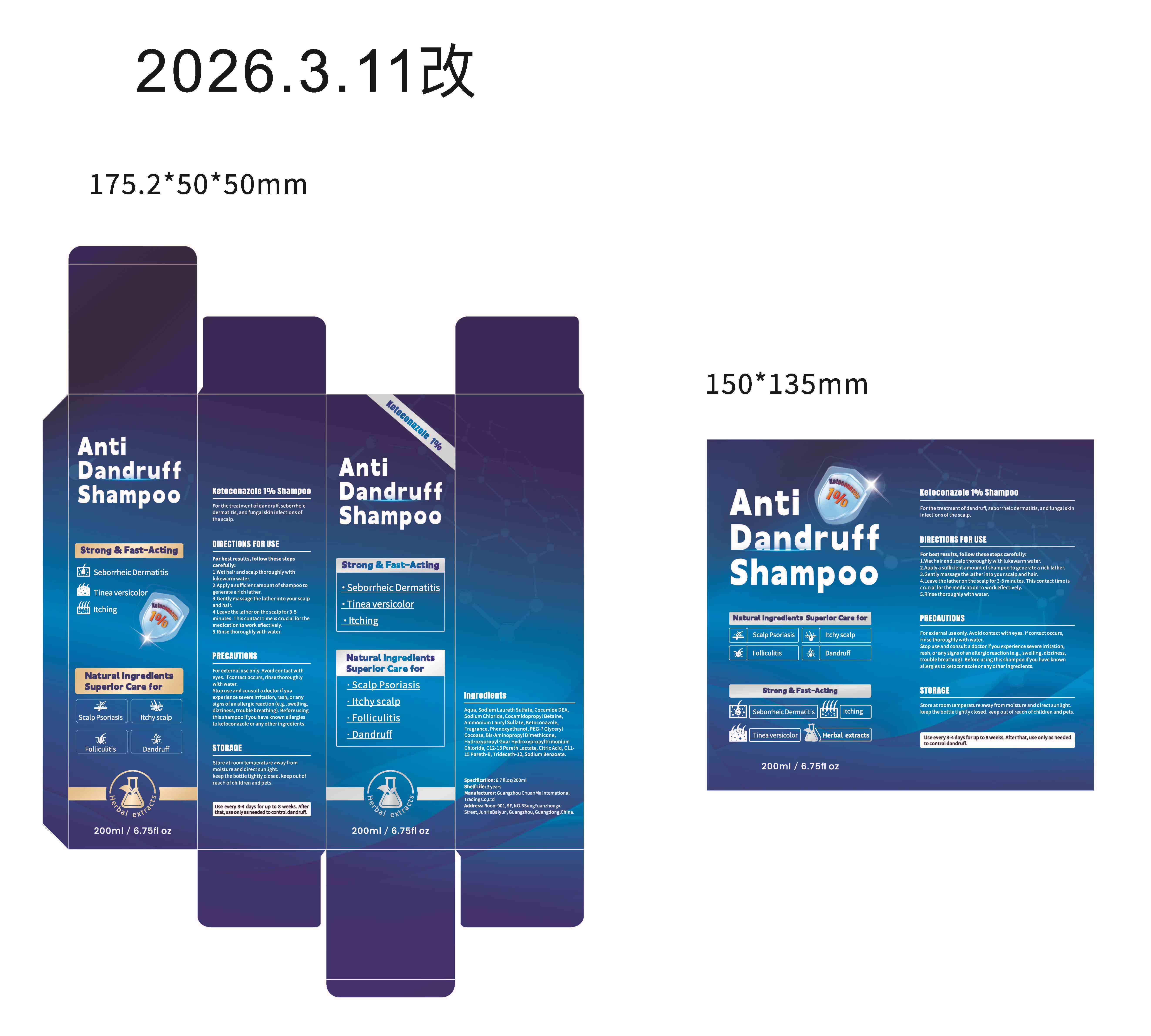
(ketoconazole · DailyMed)
NAZOLE CREAM
KETOCONAZOLE
What it does
Ketoconazole is an antifungal medication used to treat fungal infections.
Commonly used for: fungal infections of the skin, fungal infections of the nails, candidiasis (thrush)
Read more in plain English ↓Plain-language summary for general understanding - not medical advice. Always follow your pharmacist/doctor.
Ask about this medicine
Answers come only from this medicine's registration record, BNF monograph and interaction data - not medical advice.
Hard to find? We help patients in Kenya source rare medicines. We don't sell or dispense medicines - licensed pharmacies do.
Source this medicineRegistration & product details
Source: Pharmacy and Poisons Board · fetched 2026-01-28 20:12:06 · updated 2026-09-18 02:30:22
Drug Interactions
22Severe (6)
Ketoconazole - decreases concentration
Phenobarbital is predicted to decrease the concentration of antifungals, azoles (ketoconazole). Avoid.
Ketoconazole - decreases concentration
Primidone is predicted to decrease the concentration of antifungals, azoles (ketoconazole, posaconazole). Avoid.
Ketoconazole - decreases exposure
Nevirapine moderately decreases the exposure to antifungals, azoles (ketoconazole). Avoid.
Ketoconazole - decreases exposure
Rifampicin markedly decreases the exposure to antifungals, azoles (ketoconazole) and antifungals, azoles (ketoconazole) potentially decreases the exposure to rifampicin. Avoid.
Rifabutin - increases concentration
Ketoconazole is predicted to increase the concentration of rifamycins (rifabutin) and rifamycins (rifabutin) are predicted to decrease the concentration of ketoconazole. Avoid.
Rifamycins - increases concentration
Ketoconazole is predicted to increase the concentration of rifamycins (rifabutin) and rifamycins (rifabutin) are predicted to decrease the concentration of ketoconazole. Avoid.
Moderate (4)
Anti-Androgens - increases exposure
Ketoconazole is predicted to increase the exposure to anti-androgens (darolutamide). Monitor and adjust dose.
Coumarins - increases anticoagulant effect
Ketoconazole potentially increases the anticoagulant effect of coumarins (warfarin). Monitor INR and adjust dose.
Darolutamide - increases exposure
Ketoconazole is predicted to increase the exposure to anti-androgens (darolutamide). Monitor and adjust dose.
Warfarin - increases anticoagulant effect
Ketoconazole potentially increases the anticoagulant effect of coumarins (warfarin). Monitor INR and adjust dose.
Unknown (12)
Aliskiren - increases exposure
Ketoconazole moderately increases the exposure to aliskiren.
Antimalarials - increases exposure
Ketoconazole increases the exposure to antimalarials (mefloquine).
Bosentan - increases exposure
Ketoconazole moderately increases the exposure to endothelin receptor antagonists (bosentan).
Endothelin Receptor Antagonists - increases exposure
Ketoconazole moderately increases the exposure to endothelin receptor antagonists (bosentan).
Ketoconazole - increases exposure
Cobicistat is predicted to increase the exposure to ketoconazole. Adjust ketoconazole dose, p. 759.
Data from BNF 85 (British National Formulary). This is not a substitute for professional medical advice. Matched via: exact
About this medicine
Ketoconazole is an antifungal medication used to treat fungal infections.
What it treats
- fungal infections of the skin
- fungal infections of the nails
- candidiasis (thrush)
How it works
It works by stopping the growth of fungi that cause infections.
Who it's for
Ketoconazole is for adults and children with fungal infections.
AI-assisted summary grounded in BNF data - general information only, not medical advice. Always confirm with your pharmacist or doctor.
Clinical monograph: Ketoconazole
BNF-referencedKetoconazole is an imidazole derivative classified as an antifungal agent. It is primarily used to treat endogenous Cushing's syndrome, a condition characterized by excess cortisol production. Ketoconazole acts by inhibiting the synthesis of cortisol and aldosterone, and it has been repurposed in some cases to manage fungal infections, although oral formulations for fungal infections have been suspended due to safety concerns regarding hepatotoxicity. It interferes with the ergosterol synthesis in fungal cell membranes, leading to increased permeability and impaired cell function.
Indications
- Endogenous Cushing's syndrome
- Cushing's disease
- Topical treatment of fungal infections (limited to specific formulations)
Dosage
Children: For paediatric dosing, refer to the BNF for Children
Adults: For Cushing's syndrome, the maximum dose is 200 mg daily with concurrent use of cobicistat-boosted regimens. The dosing should be adjusted based on patient response and liver enzyme levels.
Mechanism of action
Ketoconazole interacts with 14-alpha-sterol demethylase, a cytochrome P-450 enzyme essential for converting lanosterol to ergosterol. This inhibition results in reduced ergosterol levels in the fungal cell membrane, compromising its integrity and function. The metabolic blockage also leads to the accumulation of toxic sterol precursors, which further disrupt cellular processes. Ketoconazole's fungistatic properties prevent the growth and spread of fungal cells by altering cellular membranes and increasing membrane permeability.
Pharmacodynamics
As a fungistatic agent, ketoconazole halts growth in fungal cells, preventing their proliferation. It primarily targets the ergosterol biosynthesis pathway, which is crucial for maintaining fungal cell membrane integrity. This mechanism leads to increased membrane fluidity, impairing membrane-bound enzyme systems and resulting in growth inhibition of fungal pathogens.
Pharmacokinetics
Ketoconazole is well absorbed when taken orally, but its absorption can be affected by gastric pH. It undergoes extensive hepatic metabolism, primarily via cytochrome P450 enzymes, leading to various metabolites. The drug has a half-life of approximately 2-8 hours, but this can vary based on dose and individual metabolism. Ketoconazole is excreted mainly through the feces, with some renal excretion of unchanged drug.
Contra-indications
- Acquired QTc prolongation
- Acute porphyrias
- Congenital QTc prolongation
- Cushing's syndrome
Adverse effects
- Dizziness
- Flushing
- Hyperglycaemia
- Diarrhoea
- Gastrointestinal discomfort
- Nausea
- Vomiting
- Skin reactions
- Allergic conditions
- Alopecia
- Angioedema
- Asthenia
- Drowsiness
- Headache
- Thrombocytopenia
- Fever
- Hepatic disorders
- Taste alteration
- Appetite abnormality
- Arthralgia
- Dry mouth
- Epistaxis
- Flatulence
- Fontanelle bulging
- Gynaecomastia
- Hot flush
- Insomnia
- Increased intracranial pressure
- Malaise
- Myalgia
- Nervousness
- Papilloedema
- Paraesthesia
- Peripheral oedema
- Photophobia
- Photosensitivity reaction
- Tongue discolouration
Interactions
- Severe: phenobarbital decreases ketoconazole concentration
- Severe: primidone decreases ketoconazole concentration
- Severe: rifamycins increase ketoconazole concentration
- Severe: rifabutin increases ketoconazole concentration
- Severe: nevirapine decreases ketoconazole exposure
- Severe: rifampicin decreases ketoconazole exposure
- Moderate: anti-androgens increase ketoconazole exposure
- Moderate: darolutamide increases ketoconazole exposure
- Moderate: coumarins increase anticoagulant effect
- Moderate: warfarin increases anticoagulant effect
Precautions
- High dosage may cause proximal myopathy
- Avoid in chronic therapy
- Pre-treatment liver enzymes should not exceed 2 times the normal upper limit
- Risk of adrenal insufficiency
Pregnancy
Manufacturer advises avoid-teratogenic in animal
AI-synthesized from BNF references - general information only, not a substitute for professional medical advice or the current BNF. Verify doses with a pharmacist.
Molecular reference: Ketoconazole
PubChem CID 47576Molecular formula: C26H28Cl2N4O4
Mechanism of action
Ketoconazole interacts with 14-α-sterol demethylase, a cytochrome P-450 enzyme necessary for the conversion of lanosterol to ergosterol. This results in inhibition of ergosterol synthesis and increased fungal cellular permeability due to reduced amounts of ergosterol present in the fungal cell membrane. This metabolic inhibition also results in accumulation of 14α-methyl-3,6-diol, a toxic metabolite. The increase in membrane fluidity is also thought to produce impairment of membrane-bound enzyme systems as components become less closely packed. Ketoconazole blocks the synthesis of ergosterol, a key component of the fungal cell membrane, through the inhibition of cytochrome P-450 dependent enzyme lanosterol 14alpha-demethylase responsible for the conversion of lanosterol to ergosterol in the fungal cell membrane. This results in an accumulation of methylated sterol precursors and a depletion of ergosterol within the cell membrane thus weakening the structure and function of the fungal cell membrane. Like other azole antifungal agents, ketoconazole presumably exerts its antifungal activity by altering cellular membranes, resulting in increased membrane permeability, secondary metabolic effects, and growth inhibition. Although the exact mechanism of action of ketoconazole has not been fully determined, it has been suggested that the fungistatic activity of the drug may result from interference with ergosterol synthesis, probably via inhibition of C-14 demethylation of sterol intermediates (e.g., lanosterol). The fungicidal activity of ketoconazole at high concentrations may result from a direct physiochemical effect of the drug on the fungal cell membrane.
Pharmacodynamics
Ketoconazole, similarly to other azole antifungals, is a fungistatic agent which causes growth arrest in fungal cells thereby preventing growth and spread of the fungus throughout the body.
Biological pathways
Source: PubChem (NCBI) · pathways from PathBank, Reactome, WikiPathways & PharmGKB.
This drug in other countries
The same active ingredient registered across other registries we cover - including different brands.
- DEZOR 2%W/V SHAMPOO
- DEZOR 2%W/W CREAM
- FUNGICIDE 200MG TABLET
- FUNGINOC 2%W/W CREAM
- KENAZOLE 2.0%W/W CREAM
- KETARIN 200MG TABLET
- Antanazol · Shin Poong Pharma
- DERMAZOLE · Kusum Healthcare
- Dermazole Cream · Kusum Healthcare
- Dermazole Plus Shampoo · Kusum Healthcare
- Dezor · Hoe Pharmaceuticals
- KETACOR · Coral Laboratories
- DARTKETO CREAM (Ketoconazole 2w/w%) · Addii Biotech
- KETAZEN CREAM · Smayan Healthcare
- KETAZOL CREAM ( Ketoconazole 2.0%w/w) · Gopaldas Visram & Co
- KETAZOL SHAMPOO · Gopaldas Visram & Co
- KETINEAL CREAM (Each tube contains: Ketoconazole/ Clobetasol/ Neomycin sulphate 1% w/w, 0.025% w/w, 5000IU) · Front Pharmaceutical
- KETOCONAZOLE CREAM · Brassica Pharma
- KENAZOLE CREAM · Dawa
- KENIZA
- KETO PLUS SHAMPOO · Glenmark Pharmaceuticals
- KETOZ · S Kant Healthcare
- KONAZOL · Lincoln Pharmaceuticals
- Ketoconazole 2 %w/v · Gracure Pharmaceuticals