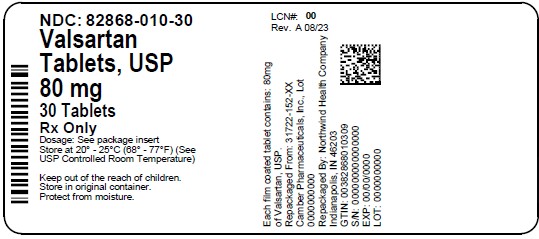
(valsartan · DailyMed)
NEPRIVAS 24/26
Colloidal Silicon Dioxide 1.125 mg/6 mL,Colloidal Silicone Dioxide. 1.125 mg,Croscarmellose sodium (Part-1) 4.00 mg/6 mL,Crospovidone. 3.00 mg/6 mL,Magnesium Stearate.. 2.00 mg/6 mL,Opadry Purple 03F500057 3.000 mg/6 mL,Purified water.. QS litres,Sacubitril 24 mg/6 mL,Talc.. 1.00 mg/6 mL,Valsartan 26 mg/6 mL,crosamellose sodium 1.500 mg/6 mL
What it does
Colloidal solutions are often used in various medical treatments and can help improve the delivery of certain medications.
Commonly used for: supporting hydration, helping with nutrient absorption, improving medication effectiveness
Read more in plain English ↓Plain-language summary for general understanding - not medical advice. Always follow your pharmacist/doctor.
Ask about this medicine
Answers come only from this medicine's registration record, BNF monograph and interaction data - not medical advice.
Medicine sourcing is available in Kenya only. We don't sell or dispense medicines - licensed pharmacies do.
Sourcing - Kenya onlyRegistration & product details
Source: Tanzania Medicines and Medical Devices Authority · fetched 2026-03-11 23:43:56 · updated 2026-09-17 03:00:44
Drug Interactions
1Pharmacodynamic Warnings
Valsartan appears in TABLE 7: Drugs that cause first dose hypotension
Valsartan appears in TABLE 8: Drugs that cause hypotension
Sacubitril appears in TABLE 8: Drugs that cause hypotension
Valsartan appears in TABLE 16: Drugs that increase serum potassium
Unknown (1)
Valsartan - affects exposure
Taxanes (cabazitaxel) are predicted to affect the exposure to valsartan. Manufacturer advises take 12 hours before or 3 hours after cabazitaxel. Antacids SEPARATION OF ADMINISTRATION Aluminium- and ma
Data from BNF 85 (British National Formulary). This is not a substitute for professional medical advice. Matched via: exact
About colloidal
Colloidal solutions are often used in various medical treatments and can help improve the delivery of certain medications.
What it treats
- supporting hydration
- helping with nutrient absorption
- improving medication effectiveness
How it works
Colloidal solutions contain small particles that can help carry and deliver substances in the body more effectively.
Who it's for
Adults and children who need assistance with hydration or nutrient delivery.
AI-assisted summary grounded in BNF data - general information only, not medical advice. Always confirm with your pharmacist or doctor.
About crosamellose
Crosamellose is a substance used in various medical products, primarily as a disintegrant in tablets to help them break down in the body.
What it treats
- tablet disintegration
- improving absorption of medications
How it works
Crosamellose helps tablets dissolve more easily in the stomach, allowing the medicine to be absorbed into the body effectively.
Who it's for
Crosamellose is suitable for anyone taking tablets that require quick disintegration for better effectiveness.
AI-assisted summary grounded in BNF data - general information only, not medical advice. Always confirm with your pharmacist or doctor.
About croscarmellose
Croscarmellose is a substance used in medicines to help them dissolve and be absorbed in the body.
What it treats
- helps improve the effectiveness of oral medications
How it works
It works by breaking down the medicine so that it can be easily absorbed in the stomach and intestines.
Who it's for
It is used in various oral medicines that require better absorption.
AI-assisted summary grounded in BNF data - general information only, not medical advice. Always confirm with your pharmacist or doctor.
About crospovidone
Crospovidone is a substance used primarily as an excipient in medications, helping to improve their effectiveness.
What it treats
- used in various medications as a binder
- helps in the absorption of active ingredients
How it works
Crospovidone acts by increasing the solubility and stability of drugs, ensuring that they work effectively in the body.
Who it's for
Crospovidone is suitable for people taking medications that require improved absorption and effectiveness.
AI-assisted summary grounded in BNF data - general information only, not medical advice. Always confirm with your pharmacist or doctor.
About dioxide
Dioxide is used in various medical applications, but specific details about its class or interactions are not provided.
How it works
The exact mechanism of action for dioxide is not specified, but it generally serves various therapeutic roles in medicine.
Who it's for
Dioxide may be suitable for individuals needing treatment related to its specific applications, but more information is needed to identify specific patient groups.
AI-assisted summary grounded in BNF data - general information only, not medical advice. Always confirm with your pharmacist or doctor.
About litres
Litres is a unit of measurement, not a medication.
AI-assisted summary grounded in BNF data - general information only, not medical advice. Always confirm with your pharmacist or doctor.
About opadry
Opadry is a coating agent used in pharmaceutical formulations.
What it treats
- to improve the taste of medicines
- to protect the active ingredients in tablets and capsules
How it works
Opadry forms a protective layer around tablets and capsules, which helps to mask their taste and protect the ingredients from moisture and light.
Who it's for
Opadry is suitable for various patients who are taking medications in tablet or capsule form.
AI-assisted summary grounded in BNF data - general information only, not medical advice. Always confirm with your pharmacist or doctor.
About purified
Purified ingredients are often used in various medicines to ensure safety and effectiveness by removing impurities.
What it treats
- various medical conditions
How it works
Purified ingredients help in delivering the intended effects of the medicine without the risk of contaminants.
Who it's for
People who need medications with safe and effective ingredients.
AI-assisted summary grounded in BNF data - general information only, not medical advice. Always confirm with your pharmacist or doctor.
About purple
Purple is a medication used to treat various conditions. Please consult with your healthcare provider for specific uses and recommendations.
How it works
The exact way Purple works is not specified, but it is used to address certain health issues.
Who it's for
Purple may be prescribed to individuals based on their specific health conditions.
AI-assisted summary grounded in BNF data - general information only, not medical advice. Always confirm with your pharmacist or doctor.
About sacubitril
Sacubitril is a medication used to help manage heart failure.
What it treats
- heart failure
- chronic heart failure (CHF)
How it works
Sacubitril works by helping the heart pump more effectively and reducing the strain on it.
Who it's for
This medication is for adults with heart failure.
Cautions
- • Be careful if you are taking other medications that can lower blood pressure.
AI-assisted summary grounded in BNF data - general information only, not medical advice. Always confirm with your pharmacist or doctor.
About silicon
Silicon is a mineral that may help support healthy bones and connective tissues.
What it treats
- bone health
- joint health
- skin health
How it works
Silicon helps form collagen, which is important for maintaining the strength and elasticity of bones and tissues.
Who it's for
Silicon is for individuals looking to support their bone and joint health.
AI-assisted summary grounded in BNF data - general information only, not medical advice. Always confirm with your pharmacist or doctor.
About silicone
Silicone is a material often used in medical devices and treatments due to its unique properties.
What it treats
- breast implants
- silicone gel for scars
- joint injections
How it works
Silicone provides a flexible and durable solution that can be used to support or enhance body structures.
Who it's for
People seeking cosmetic enhancements or treatments for scars and joint issues.
AI-assisted summary grounded in BNF data - general information only, not medical advice. Always confirm with your pharmacist or doctor.
About talc
Talc is a mineral used primarily to absorb moisture and reduce friction. It is commonly found in various personal care products.
What it treats
- skin irritation
- diaper rash
- chafing
- sweating
How it works
Talc works by absorbing moisture and providing a smooth surface, which helps to prevent irritation and discomfort on the skin.
Who it's for
Talc is suitable for anyone needing relief from moisture-related skin issues, including babies and adults.
Cautions
- • Avoid using on broken or irritated skin.
- • Keep away from the eyes and mouth.
AI-assisted summary grounded in BNF data - general information only, not medical advice. Always confirm with your pharmacist or doctor.
About valsartan
Valsartan is a medication that helps lower high blood pressure and protect heart function.
What it treats
- high blood pressure (hypertension)
- heart failure
How it works
Valsartan works by blocking a substance in the body that causes blood vessels to tighten, helping them relax and lower blood pressure.
Who it's for
Valsartan is for adults who need help managing high blood pressure or heart failure.
Drug class
Angiotensin-II receptor antagonists
Cautions
- • Be careful if you are taking other medications that can lower blood pressure.
- • Avoid drugs that may cause low blood pressure.
- • Use caution with medications that can raise potassium levels in the blood.
AI-assisted summary grounded in BNF data - general information only, not medical advice. Always confirm with your pharmacist or doctor.
Clinical monograph: Valsartan
BNF-referencedValsartan is an antihypertensive medication belonging to the class of angiotensin II receptor antagonists (ARBs). It is primarily used to manage hypertension and to reduce cardiovascular events in patients with established atherosclerotic cardiovascular disease. By blocking the action of angiotensin II, a potent vasoconstrictor, valsartan helps to lower blood pressure and has protective effects on the heart and kidneys.
Indications
- Hypertension
- Heart failure
- Prevention of cardiovascular events in patients with established atherosclerotic cardiovascular disease
Dosage
Children: For neonates, 250–500 micrograms/kg every 8–12 hours, increased if necessary to 2–3
Adults: Initially 80 mg once daily, increased if necessary up to a maximum of 320 mg daily, based on clinical response.
Mechanism of action
Valsartan selectively binds to angiotensin receptor 1 (AT1), preventing angiotensin II from exerting its hypertensive effects, such as vasoconstriction and aldosterone secretion. This blockade results in reduced blood pressure, lower aldosterone levels, decreased cardiac activity, and increased sodium excretion. Additionally, valsartan modulates the renin-angiotensin-aldosterone system (RAAS), which is critical in cardiovascular and kidney function regulation.
Pharmacodynamics
Valsartan inhibits the hypertensive effects of angiotensin II, with an oral dose of 80 mg achieving approximately 80% inhibition of the pressor effect at peak, and about 30% inhibition persisting for 24 hours. It minimally affects plasma aldosterone levels and does not significantly alter total cholesterol, triglycerides, serum glucose, or uric acid levels. Hypotension is rare, but caution is advised in patients with an activated renin-angiotensin system, such as those on high-dose diuretics or with heart failure.
Pharmacokinetics
Valsartan is well absorbed after oral administration, with peak plasma concentrations occurring within 2 to 4 hours. It has an elimination half-life of approximately 6 hours, with a bioavailability of around 25% due to first-pass metabolism. Valsartan is primarily eliminated via the feces and to a lesser extent through urine, with renal impairment not significantly affecting its pharmacokinetics.
Contra-indications
- Biliary obstructive disorders
- Cholestasis
Adverse effects
- Anaemia
- Arrhythmias
- Chest pain
- Cystitis
- Depression
- Dyspnoea
- Flatulence
- Gastrointestinal disturbances
- Interstitial lung disease
- Liver disorder
- Pain in extremities
- Sepsis
- Taste alteration
- Tendon pain
- Visual impairment
Interactions
- Taxanes (unknown effect on exposure)
Precautions
- Caution in patients with heart failure
- Monitor for symptomatic hypotension in patients with activated renin-angiotensin system
- Adjust dose in hepatic impairment
- Initial lower doses in renal impairment
Pregnancy
Use only if potential benefit justifies potential risk to the fetus. Contraindicated in the second and third trimesters due to potential harm.
Breast-feeding
Not recommended due to potential adverse effects on the infant.
Storage
Store at room temperature, away from moisture and heat.
Formulations
- Valsartan 40 mg capsules
- Valsartan 80 mg capsules
- Oral suspension
AI-synthesized from BNF references - general information only, not a substitute for professional medical advice or the current BNF. Verify doses with a pharmacist.
Clinical monograph: colloidal
Colloidal solutions are mixtures in which small particles are dispersed throughout a continuous medium. They can be used in various medical applications, including as intravenous fluids for volume expansion and as drug delivery systems. Colloidal solutions can improve the solubility and stability of drugs, enhancing their therapeutic effects.
Indications
- Hypovolemic shock
- Severe burns
- Postoperative fluid replacement
- Sepsis
- Trauma management
Dosage
Children: Refer to established guidelines for specific dosing, as it varies based on the type of colloidal solution used and the clinical condition being treated.
Adults: Refer to established guidelines for specific dosing, as it varies based on the type of colloidal solution used and the clinical condition being treated.
Mechanism of action
Colloidal solutions work by maintaining oncotic pressure in the blood, thus helping to retain fluid within the vascular system. This is primarily due to the large molecular weight of the colloidal particles, which cannot easily pass through capillary walls. The presence of colloids in the blood helps to draw water into the circulation, increasing blood volume and improving tissue perfusion.
Pharmacodynamics
The pharmacodynamics of colloidal solutions are centered on their ability to exert osmotic pressure, which helps maintain blood volume and pressure. This effect is particularly important in conditions such as hypovolemia and shock, where fluid replacement is necessary to restore hemodynamic stability. The efficacy of colloidal solutions can vary depending on the type of colloid used, as well as the underlying clinical condition being treated.
Pharmacokinetics
Colloidal solutions are typically administered intravenously and their pharmacokinetics can vary based on the specific formulation. Generally, colloids are distributed throughout the vascular compartment and have a longer duration of action compared to crystalloids, as they remain in circulation longer. The elimination of colloids is primarily through the reticuloendothelial system, where they are metabolized or eliminated by the liver and spleen. Factors such as particle size and composition can influence their distribution and clearance.
Adverse effects
- Allergic reactions
- Injection site reactions
- Nausea
- Vomiting
- Headache
- Fever
Precautions
- Use with caution in patients with known allergies to any component of the formulation
- Monitor for signs of hypersensitivity during administration
- Consider volume overload in patients with cardiac or renal impairment
Pregnancy
The safety of colloidal solutions during pregnancy has not been established. Use only if the potential benefit justifies the potential risk to the fetus.
Breast-feeding
It is not known whether colloidal solutions are excreted in human milk. Caution should be exercised when administering to breastfeeding mothers.
Storage
Store at room temperature, protect from light, and do not freeze. Keep out of reach of children.
Formulations
- Colloidal silver
- Colloidal gold
- Colloidal iron
- Other metal colloids
AI-synthesized from BNF references - general information only, not a substitute for professional medical advice or the current BNF. Verify doses with a pharmacist.
Clinical monograph: crosamellose
Crosamellose, also known as carmellose sodium, is a cellulose derivative used primarily as a disintegrant in pharmaceutical formulations. It is utilized to facilitate the breakdown of tablets and capsules in the gastrointestinal tract, enhancing the bioavailability of the active ingredients. Crosamellose is recognized for its ability to swell in the presence of water, leading to an effective disintegration of solid dosage forms. It is generally regarded as safe and well-tolerated in patients.
Indications
- Tablet disintegration
- Capsule disintegration
- Improvement of bioavailability of active ingredients
Dosage
Children: Refer to specific formulation guidelines for paediatric dosing as it varies based on the formulation and the intended use.
Adults: Refer to specific formulation guidelines for adult dosing as it varies based on the formulation and the intended use.
Mechanism of action
Crosamellose works by absorbing water and swelling to form a gel-like mass, which aids in the disintegration of the tablet or capsule. This process enhances the dissolution of the active pharmaceutical ingredient, thereby improving its absorption and effectiveness in the body.
Pharmacodynamics
The pharmacodynamic properties of crosamellose are primarily related to its role as an excipient rather than an active therapeutic agent. Its swelling and disintegrating properties help to release the active drug from the dosage form, leading to an increase in the rate and extent of drug absorption. The efficiency of crosamellose as a disintegrant can be influenced by factors such as the formulation and the presence of other excipients.
Pharmacokinetics
Crosamellose is not absorbed systemically when administered in its typical pharmaceutical applications. It remains in the gastrointestinal tract, where it performs its disintegrating function. Any degradation products are expected to be excreted without significant metabolic transformation. The rate of disintegration and dissolution may vary depending on the formulation and the presence of other ingredients.
Adverse effects
- Gastrointestinal discomfort
- Nausea
- Vomiting
- Diarrhea
- Allergic reactions
Precautions
- Use with caution in individuals with known allergies to cellulose derivatives.
Pregnancy
Crosamellose is generally regarded as safe for use during pregnancy, but always consult a healthcare provider before use.
Breast-feeding
Crosamellose is considered safe during breastfeeding, but it is advisable to seek medical advice prior to use.
Storage
Store in a cool, dry place away from direct sunlight.
Formulations
- Oral tablets
- Capsules
- Powders
AI-synthesized from BNF references - general information only, not a substitute for professional medical advice or the current BNF. Verify doses with a pharmacist.
Clinical monograph: croscarmellose
Croscarmellose sodium is a pharmaceutical excipient widely used as a disintegrant in oral dosage forms. It enhances the dissolution of active pharmaceutical ingredients by promoting rapid disintegration of tablets and capsules upon contact with moisture. This characteristic makes it essential in improving the bioavailability of various medications.
Indications
- Used as a disintegrant in tablet formulations
- Enhances the bioavailability of active pharmaceutical ingredients
Dosage
Children: Refer to the specific formulation guidelines, as dosage will vary based on the active ingredient and formulation type.
Adults: Refer to the specific formulation guidelines, as dosage will vary based on the active ingredient and formulation type.
Mechanism of action
Croscarmellose sodium works by swelling and absorbing water when it comes into contact with gastrointestinal fluids. This swelling leads to the rapid disintegration of the tablet or capsule matrix, facilitating the release and absorption of the active pharmaceutical ingredients.
Pharmacodynamics
Croscarmellose sodium is classified as a superdisintegrant. Its ability to rapidly disintegrate solid dosage forms can significantly enhance the dissolution rate of the active ingredient, which is crucial for achieving therapeutic effects in a timely manner.
Pharmacokinetics
Croscarmellose sodium is not absorbed in the gastrointestinal tract and does not exert pharmacological effects in the body. It is considered non-toxic and is excreted unchanged. Its main role is as an excipient, influencing the formulation's characteristics rather than the pharmacokinetics of the active ingredients.
Precautions
- Use with caution in patients with known hypersensitivity to croscarmellose or its components.
Pregnancy
Safety in pregnancy has not been established. Use only if clearly needed.
Breast-feeding
Caution is advised when using during breastfeeding, as safety has not been established.
Storage
Store in a cool, dry place, away from moisture and heat.
Formulations
- Powder
- Granules
AI-synthesized from BNF references - general information only, not a substitute for professional medical advice or the current BNF. Verify doses with a pharmacist.
Clinical monograph: crospovidone
Crospovidone is a synthetic polymer of N-vinyl-2-pyrrolidone that is primarily used as an excipient in pharmaceutical formulations. It serves as a disintegrant, promoting the breakdown of tablets and capsules in the gastrointestinal tract to enhance the absorption of active pharmaceutical ingredients. Crospovidone is characterized by its ability to hydrate rapidly and swell, facilitating the disintegration process in solid dosage forms.
Indications
- Used as an excipient in solid dosage forms
- Facilitates drug disintegration and dissolution
Dosage
Children: Refer to specific product formulation guidelines as crospovidone is used as an excipient and does not have a direct dosage.
Adults: Refer to specific product formulation guidelines as crospovidone is used as an excipient and does not have a direct dosage.
Mechanism of action
Crospovidone acts by rapidly absorbing water and swelling upon contact with moisture. This action leads to the disintegration of solid dosage forms, thus increasing the surface area of the active ingredients and promoting their dissolution and subsequent absorption in the gastrointestinal tract. It does not affect the pH of the formulation, ensuring that the active ingredients remain stable.
Pharmacodynamics
Crospovidone exhibits properties that enhance the bioavailability of active ingredients in pharmaceutical formulations. Its ability to rapidly disintegrate tablets and capsules leads to quicker release and absorption of the drug into systemic circulation. As a disintegrant, it aids in the effective delivery of drugs that may otherwise be poorly soluble.
Pharmacokinetics
Crospovidone itself is not absorbed systemically when administered orally. It remains in the gastrointestinal tract, where it performs its function as a disintegrant. The pharmacokinetic profile of drugs formulated with crospovidone may be influenced by the enhanced dissolution and absorption rates provided by this excipient.
Pregnancy
Crospovidone is considered to have low toxicity and is generally regarded as safe for use during pregnancy, but specific studies are limited.
Breast-feeding
There is insufficient data on the excretion of crospovidone in human milk, but it is deemed safe for use during breastfeeding.
Storage
Store in a cool, dry place away from light and moisture, in tightly closed containers.
Formulations
- Powder
- Tablets
AI-synthesized from BNF references - general information only, not a substitute for professional medical advice or the current BNF. Verify doses with a pharmacist.
Clinical monograph: dioxide
Dioxide refers to a class of chemical compounds that contain two oxygen atoms bonded to another element or group. The most commonly referenced dioxide is carbon dioxide (CO2), a colorless, odorless gas produced by respiration in animals and plants and by the combustion of organic matter. In a clinical context, dioxides are often involved in various physiological processes and can play roles in drug mechanisms, particularly with respect to gas exchange and acid-base balance in the body.
Indications
- Monitoring respiratory function
- Assessment of metabolic status
- Management of respiratory acidosis
- Management of respiratory alkalosis
Dosage
Children: Dosing for interventions related to carbon dioxide levels in pediatric patients should be guided by clinical protocols and the BNF for Children.
Adults: Dosing for interventions related to carbon dioxide levels is typically based on clinical assessment and individual patient needs. Refer to clinical guidelines for specific scenarios.
Mechanism of action
Carbon dioxide acts primarily as a signaling molecule in the body, influencing respiratory drive and blood pH. It is produced during cellular respiration and is a critical component of the bicarbonate buffering system, which helps maintain acid-base homeostasis. Elevated levels of CO2 in the blood stimulate ventilation in the lungs, increasing the rate of gas exchange and facilitating the removal of excess CO2.
Pharmacodynamics
The pharmacodynamic effects of dioxides, particularly carbon dioxide, are closely related to its concentration in the blood. As CO2 levels increase, it leads to respiratory acidosis, which can stimulate the respiratory centers in the brain to increase ventilation. Conversely, low levels of CO2 can cause respiratory alkalosis, potentially leading to decreased respiratory drive. CO2 also plays a role in vasodilation and can affect blood flow and pressure through its influence on smooth muscle tone.
Pharmacokinetics
Carbon dioxide is produced endogenously during metabolic processes and is transported in the bloodstream primarily in three forms: dissolved in plasma, as bicarbonate ions (HCO3-), and bound to hemoglobin. The half-life of CO2 in the bloodstream is very short due to its rapid exchange with alveolar gas in the lungs. The elimination of CO2 occurs through exhalation, making it a dynamic component of respiratory physiology.
Pregnancy
Data on the effects of dioxide during pregnancy are limited. Caution is advised due to potential risks associated with exposure.
Breast-feeding
Limited data are available regarding the excretion of dioxide in human milk. Caution is recommended.
Storage
Store in a cool, dry place, away from direct sunlight and moisture.
AI-synthesized from BNF references - general information only, not a substitute for professional medical advice or the current BNF. Verify doses with a pharmacist.
Clinical monograph: litres
Litres (or liters) is a unit of volume commonly used in the metric system to measure liquids. It is defined as one cubic decimeter (dm³) and is equal to 1,000 milliliters (mL). In clinical settings, litres are often used to quantify fluid volumes administered intravenously or in other therapeutic contexts.
Dosage
Children: Paediatric fluid requirements should be calculated based on age, weight, and clinical condition. Refer to the guidelines in the BNF for Children for detailed recommendations.
Adults: Dosage in litres may vary depending on clinical circumstances, such as fluid resuscitation needs, maintenance fluid requirements, or medication delivery. Refer to clinical guidelines for specific scenarios.
Mechanism of action
Litres do not have a pharmacological mechanism of action as they are a unit of measurement rather than a drug. However, the administration of fluids measured in litres can influence various physiological processes, including hydration status, electrolyte balance, and overall fluid homeostasis in the body.
Pharmacodynamics
As a measurement unit, litres do not exhibit pharmacodynamics. However, the volume of fluid administered can impact the pharmacodynamics of medications that are diluted or delivered in fluid form, affecting the rate of absorption, distribution, metabolism, and excretion of drugs.
Pharmacokinetics
Litres as a unit of volume do not possess pharmacokinetic properties. The pharmacokinetics of a drug may be influenced by the volume of fluid in which it is administered, as this can affect the concentration of the drug in the bloodstream and its subsequent pharmacological effects.
AI-synthesized from BNF references - general information only, not a substitute for professional medical advice or the current BNF. Verify doses with a pharmacist.
Clinical monograph: opadry
Opadry is a film-coating system used in the pharmaceutical industry to coat tablets and granules. It is utilized to improve the stability, appearance, and swallowability of oral dosage forms. Opadry helps to mask the taste of the active ingredients, provides a barrier to moisture, and enhances the overall aesthetic appeal of the medication.
Indications
- Tablet coating
- Granule coating
- Improvement of drug stability
- Taste masking
- Aesthetic enhancement of pharmaceuticals
Dosage
Children: Dosage will depend on the specific formulation and active ingredients of the medication being coated. Refer to the specific product information for guidance.
Adults: Dosage will depend on the specific formulation and active ingredients of the medication being coated. Refer to the specific product information for guidance.
Mechanism of action
Opadry functions primarily as a coating polymer that adheres to the surface of tablets or granules, creating a protective layer. This layer can control the release of the active ingredient and protect it from environmental factors such as moisture and light. The specific composition of Opadry can vary, but it typically includes film-forming agents, plasticizers, and colorants that work together to achieve the desired coating characteristics.
Pharmacodynamics
The pharmacodynamics of Opadry is largely focused on its physical and chemical properties rather than specific biological interactions. The coating alters the dissolution characteristics of the drug, potentially leading to modified release profiles. This can enhance drug bioavailability or control the release rate of the active ingredient, thereby impacting the therapeutic effect.
Pharmacokinetics
As a coating agent, Opadry itself is not absorbed into the systemic circulation and does not have pharmacokinetic properties related to absorption, distribution, metabolism, or excretion of an active pharmaceutical ingredient. Its impact on pharmacokinetics is indirect, as it affects how the active drug is released and absorbed in the gastrointestinal tract.
Pregnancy
Opadry is a film-coating agent, and specific studies on its effects during pregnancy are not well-documented. Generally, it is advisable to use medications cautiously during pregnancy. Consult a healthcare provider for guidance.
Breast-feeding
Limited data are available regarding the safety of Opadry during breastfeeding. It is recommended to consult a healthcare provider before use.
Storage
Store in a cool, dry place away from direct sunlight and moisture. Keep out of reach of children.
Formulations
- Opadry OY - a coating system for oral solid dosage forms
- Opadry II - a polymer-based coating system for tablet and capsule applications
AI-synthesized from BNF references - general information only, not a substitute for professional medical advice or the current BNF. Verify doses with a pharmacist.
Clinical monograph: purified
Purified refers to a substance that has been processed to remove impurities, contaminants, or unwanted substances, resulting in a more concentrated and effective form of the original compound. In pharmacology, purified compounds are often used to enhance therapeutic efficacy and reduce adverse effects. The purification process can apply to a variety of substances, including drugs, biological products, and chemical compounds.
Dosage
Children: Refer to specific drug formulations and product labels as purified substances can vary widely in their use and dosing.
Adults: Refer to specific drug formulations and product labels as purified substances can vary widely in their use and dosing.
Mechanism of action
The mechanism of action for purified compounds varies widely depending on the specific substance. Generally, purified drugs exert their effects by interacting with specific biological targets, such as receptors, enzymes, or ion channels, leading to a desired therapeutic effect. This interaction can involve binding to receptors to activate or inhibit signaling pathways, modulating enzymatic activity, or altering physiological processes.
Pharmacodynamics
Pharmacodynamics describes the effects of a drug on the body and the relationship between drug concentration and effect. For purified drugs, this can involve dose-response relationships and the time course of their action. The purified form often enhances potency and reduces variability in response among patients, which can lead to more predictable therapeutic outcomes. The overall effect is determined by the drug's affinity for its target, the efficacy of the drug-receptor interaction, and the downstream signaling pathways activated as a result of this interaction.
Pharmacokinetics
Pharmacokinetics involves the absorption, distribution, metabolism, and excretion (ADME) of a drug. For purified substances, absorption can be more efficient due to the absence of impurities that may affect solubility or stability. Distribution may also be enhanced, leading to higher bioavailability. Metabolism can be influenced by the structure of the purified compound, as it may be metabolized more readily by liver enzymes. Excretion typically occurs through the kidneys or liver, depending on the molecular characteristics of the purified drug.
Pregnancy
Consult with a healthcare professional, as the safety of purified forms of medications during pregnancy may vary depending on the specific substance.
Breast-feeding
Consult with a healthcare professional, as the safety of purified forms of medications during breastfeeding may vary depending on the specific substance.
Storage
Store in a cool, dry place, away from light and moisture, and keep out of reach of children.
AI-synthesized from BNF references - general information only, not a substitute for professional medical advice or the current BNF. Verify doses with a pharmacist.
Clinical monograph: purple
BNF-referencedAllantoin is a naturally occurring compound often used in dermatological preparations for its soothing, moisturizing, and wound healing properties. It is recognized for its ability to promote the healing of skin and mucous membranes, making it a valuable ingredient in various topical formulations. Allantoin aids in the repair of damaged skin and enhances the condition of dry or irritated tissue.
Indications
- Wound healing
- Skin irritation
- Dry skin conditions
- Dermatitis
- Burns
- Surgical scars
Dosage
Children: Refer to specific product guidelines for topical application. Dosage may vary based on the formulation and condition being treated.
Adults: Refer to specific product guidelines for topical application. Typically applied as needed to affected areas.
Mechanism of action
Ongoing studies suggest that allantoin induces a histological wound healing profile that enhances the reestablishment of normal skin. This includes increased vasodilation, presence of inflammatory exudates, elevated numbers of inflammatory cells, angiogenesis, fibroblast proliferation, and increased collagen deposition in wounds treated with topical allantoin compared to untreated wounds.
Pharmacodynamics
Allantoin exhibits moisturizing and keratolytic effects, which contribute to its pharmacodynamic profile. It appears to increase the water content of the extracellular matrix and enhances the desquamation of the upper layers of dead skin cells. These actions promote cell proliferation and facilitate wound healing.
Pharmacokinetics
There is limited controlled data available regarding the pharmacokinetics of allantoin. Its absorption, distribution, metabolism, and excretion properties remain to be fully elucidated, although its topical application suggests minimal systemic absorption.
Pregnancy
There is insufficient data to determine the safety of allantoin during pregnancy. It is advisable to use this medication only if the potential benefits justify the potential risks to the fetus.
Breast-feeding
Limited information is available regarding the excretion of allantoin in human milk. Caution is recommended when using this medication while breastfeeding.
Storage
Store at room temperature, away from light and moisture. Keep out of reach of children.
AI-synthesized from BNF references - general information only, not a substitute for professional medical advice or the current BNF. Verify doses with a pharmacist.
Clinical monograph: sacubitril
BNF-referencedSacubitril is an angiotensin receptor neprilysin inhibitor (ARNI) used primarily in the management of heart failure with reduced ejection fraction (HFrEF). It is administered in combination with valsartan under the trade name Entresto. The drug acts by inhibiting neprilysin, an enzyme responsible for the breakdown of natriuretic peptides, leading to increased levels of these peptides which promote vasodilation, natriuresis, and diuresis. Sacubitril is indicated for reducing the risk of cardiovascular death and hospitalization in patients with chronic heart failure.
Indications
- Heart failure with reduced ejection fraction (HFrEF)
- Reduction of cardiovascular death and hospitalization in chronic heart failure patients
Dosage
Adults: The usual recommended dose of sacubitril/valsartan is 49 mg/51 mg taken twice daily. The dose
Mechanism of action
Sacubitril's active metabolite, LBQ657, inhibits neprilysin, a neutral endopeptidase that cleaves natriuretic peptides such as atrial natriuretic peptide (ANP) and brain natriuretic peptide (BNP). By inhibiting neprilysin, sacubitril increases the concentrations of these peptides, which leads to vasodilation, natriuresis, and diuresis. Furthermore, when combined with valsartan, it also blocks the action of angiotensin II, resulting in decreased vascular resistance and blood pressure.
Pharmacodynamics
Clinical studies have demonstrated that sacubitril, especially in combination with valsartan, leads to significant increases in natriuresis and urine levels of cGMP. It has been shown to decrease plasma levels of NT-proBNP, aldosterone, and endothelin-1, indicating an overall beneficial effect on heart failure parameters. It has no significant effect on the QTc interval.
Pharmacokinetics
Sacubitril is rapidly converted to its active metabolite LBQ657, which is responsible for its therapeutic effects. It has a half-life of approximately 11 hours. The drug is metabolized primarily by hydrolysis and conjugation, and it is excreted mainly in the urine. The pharmacokinetics may be affected by renal function, necessitating dose adjustments in patients with significant renal impairment.
Contra-indications
- Hypersensitivity to sacubitril, valsartan or any of the excipients
- History of angioedema related to previous treatment with an angiotensin-converting enzyme (ACE) inhibitor or angiotensin receptor blocker (ARB)
- Concurrent use of ACE inhibitors
- Severe hepatic impairment
- Pregnancy
Adverse effects
- Hypotension
- Hyperkalemia
- Cough
- Dizziness
- Renal impairment
- Angioedema
- Fatigue
Interactions
- ACE inhibitors
- NSAIDs may reduce the antihypertensive effect
- Potassium-sparing diuretics may increase the risk of hyperkalemia
- Lithium levels may increase
Precautions
- Monitor renal function and potassium levels
- Use with caution in patients with a history of angioedema
- Adjust dose in patients with renal impairment
- Risk of hypotension in volume-depleted patients
Pregnancy
Contraindicated due to potential harm to the fetus.
Breast-feeding
Not recommended, as it is not known if sacubitril is excreted in human milk.
Storage
Store at room temperature, away from moisture and heat.
Formulations
- Tablets: 24 mg/26 mg, 49 mg/51 mg, 97 mg/103 mg (sacubitril/valsartan)
AI-synthesized from BNF references - general information only, not a substitute for professional medical advice or the current BNF. Verify doses with a pharmacist.
Clinical monograph: silicon
BNF-referencedSilicon, represented by the molecular formula Si, is a metalloid that plays a significant role in various biological processes, particularly in the formation of connective tissues and bone. It is thought to contribute to the structural integrity of collagen and other extracellular matrix components. Silicon is not classified as an essential element in the human diet, but it is involved in the metabolism of minerals and may affect bone health and formation.
Indications
- Potential role in bone health
- Support for connective tissue formation
- May aid in mineral metabolism
Dosage
Children: There is no established clinical dosage for silicon in paediatric populations, as it is not classified as an essential nutrient.
Adults: There is no established clinical dosage for silicon in adults, as it is not classified as an essential nutrient.
Mechanism of action
Silicon is believed to enhance the synthesis of glycosaminoglycans and collagen, which are important for the structural integrity of connective tissues. It may also influence the activity of certain enzymes involved in bone mineralization, thus playing a role in maintaining bone density and health.
Pharmacodynamics
The pharmacodynamics of silicon is not fully elucidated; however, it is thought to involve the modulation of bone metabolism and the promotion of connective tissue health. Silicon may have a synergistic effect with other minerals, such as calcium and magnesium, aiding in their utilization and metabolism in the body.
Pharmacokinetics
The pharmacokinetics of silicon is complex, as it is not absorbed through typical gastrointestinal pathways. Instead, silicon is thought to be taken up in the form of silicates and then distributed throughout the body, particularly in connective tissues. The elimination of silicon occurs primarily through renal excretion, with some variations depending on dietary intake and individual metabolism.
Pregnancy
Silicon is generally considered safe during pregnancy, as it is a naturally occurring element in the human body. However, specific recommendations regarding supplementation should be followed based on the advice of a healthcare provider.
Breast-feeding
Silicon is present in breast milk in small amounts. Its safety during breastfeeding is generally regarded as acceptable, although supplementation should be approached with caution and under medical advice.
Storage
Silicon should be stored in a cool, dry place, protected from light and moisture. Follow specific storage recommendations provided by the manufacturer if available.
AI-synthesized from BNF references - general information only, not a substitute for professional medical advice or the current BNF. Verify doses with a pharmacist.
Clinical monograph: silicone
BNF-referencedSilicone refers to a group of synthetic compounds made up of silicon, oxygen, carbon, hydrogen, and other elements. They are versatile materials used in a variety of medical and industrial applications, including implants, wound dressings, and lubricants. Silicones are known for their stability, flexibility, and biocompatibility, making them suitable for use in medical devices and prosthetics.
Indications
- Wound management
- Silicone implants
- Dermal fillers
- Medical lubricants
- Scar treatment
Dosage
Children: Refer to specific product guidelines for paediatric dosages, as silicone applications vary widely.
Adults: Refer to specific product guidelines for adult dosages, as silicone applications vary widely.
Mechanism of action
Silicones exhibit their effects primarily through their physical properties rather than a specific biochemical mechanism. They form a protective barrier that is hydrophobic, preventing moisture and microbial penetration, which aids in wound healing and reduces the risk of infection. Their flexibility and inertness also allow them to integrate well with biological tissues.
Pharmacodynamics
Silicones are generally inert and do not interact significantly with biological systems. They provide mechanical support, lubricate surfaces, and facilitate healing without eliciting a strong immune response. Their low toxicity and biocompatibility contribute to their favorable pharmacodynamic profile in medical applications.
Pharmacokinetics
Silicones are not absorbed by the body when used in medical applications. They remain at the site of application and do not undergo significant metabolism. Their elimination is largely through physical means, including degradation over time or removal during surgical procedures. The pharmacokinetic properties can vary depending on the specific silicone formulation and application.
Pregnancy
Silicone is generally considered safe for use during pregnancy as it is inert and non-toxic. However, specific products should be evaluated for safety.
Breast-feeding
Silicone is also considered safe during breastfeeding as it does not transfer into milk; however, care should be taken with specific formulations.
Storage
Store in a cool, dry place away from direct sunlight.
AI-synthesized from BNF references - general information only, not a substitute for professional medical advice or the current BNF. Verify doses with a pharmacist.
Clinical monograph: talc
BNF-referencedTalc is a mineral composed of magnesium, silicon, and oxygen, commonly used in various pharmaceutical applications due to its excellent absorptive properties. It is often employed as an excipient in drug formulations and as a bulking agent in tablets and powders. Talc is also utilized in some medical procedures, such as pleurodesis, to prevent the recurrence of pleural effusions.
Indications
- Used as an excipient in drug formulations
- Pleurodesis for the management of recurrent pleural effusions
Dosage
Children: Refer to specific guidelines for paediatric use, as dosing may differ based on age and clinical condition.
Adults: Refer to specific guidelines for the appropriate dosage in pleurodesis and other applications, as it may vary based on clinical context.
Mechanism of action
Talc exhibits very good absorptive properties, allowing it to absorb moisture and other substances effectively. This characteristic is particularly useful in pharmaceutical formulations, where it may enhance the stability and texture of the drug product.
Pharmacodynamics
Talc's primary pharmacodynamic effect is its ability to act as an inert filler and bulking agent in pharmaceutical preparations. It does not have any intrinsic pharmacological activity but serves to improve the physical properties of formulations, such as flowability and compressibility.
Pharmacokinetics
Talc is not absorbed systemically when used as an excipient or in medical procedures. Its effects are local, and it remains in the site of application, where it functions primarily as a mechanical agent. The pharmacokinetics of talc in the context of its use in pleurodesis involves its ability to promote adhesion of the pleural surfaces, thereby preventing fluid accumulation.
Pregnancy
Talc is classified as a substance with minimal systemic absorption, but safety during pregnancy has not been well established. Consult relevant guidelines.
Breast-feeding
Talc is not expected to be absorbed in significant amounts; however, caution is advised and consult guidelines.
Storage
Store in a cool, dry place, away from direct sunlight.
AI-synthesized from BNF references - general information only, not a substitute for professional medical advice or the current BNF. Verify doses with a pharmacist.
Molecular reference: Valsartan
PubChem CID 60846Molecular formula: C24H29N5O3
Mechanism of action
Valsartan belongs to the angiotensin II receptor blocker (ARB) family of drugs, which selectively bind to angiotensin receptor 1 (AT1) and prevent angiotensin II from binding and exerting its hypertensive effects. These include vasoconstriction, stimulation and synthesis of aldosterone and ADH, cardiac stimulation, and renal reabsorption of sodium among others. Overall, valsartan's physiologic effects lead to reduced blood pressure, lower aldosterone levels, reduced cardiac activity, and increased excretion of sodium. Valsartan also affects the renin-angiotensin aldosterone system (RAAS), which plays an important role in hemostasis and regulation of kidney, vascular, and cardiac functions. Pharmacological blockade of RAAS via AT1 receptor blockade inhibits negative regulatory feedback within RAAS which is a contributing factor to the pathogenesis and progression of cardiovascular disease, heart failure, and renal disease. In particular, heart failure is associated with chronic activation of RAAS, leading to inappropriate fluid retention, vasoconstriction, and ultimately a further decline in left ventricular function. ARBs have been shown to have a protective effect on the heart by improving cardiac function, reducing afterload, increasing cardiac output and prevent ventricular hypertrophy. The angiotensin-converting enzyme inhibitor (ACEI) class of medications (which includes drugs such as [ramipril], [lisinopril], and [perindopril]) inhibits the conversion of angiotensin I to angiotensin II by inhibiting the ACE enzyme but does not prevent the formation of all angiotensin II. ARB activity is unique in that it blocks all angiotensin II activity, regardless of where or how it was synthesized. Valsartan is commonly used for the management of hypertension, heart failure, and type 2 diabetes-associated nephropathy, particularly in patients who are unable to tolerate ACE inhibitors. ARBs such as valsartan have been shown in a number of large-scale clinical outcomes trials to improve cardiovascular outcomes including reducing risk of myocardial infarction, stroke, the progression of heart failure, and hospitalization. Valsartan also slows the progression of diabetic nephropathy due to its renoprotective effects. Improvements in chronic kidney disease with valsartan include both clinically and statistically significant decreases in urinary albumin and protein excretion in patients diagnosed with type 2 diabetes and in nondiabetic patients diagnosed with chronic kidney disease. Valsartan also binds to the AT2 receptor, however AT2 is not known to be associated with cardiovascular homeostasis like AT1. Valsartan has about 20,000-fold higher affinity for the AT1 receptor than for the AT2 receptor. The increased plasma levels of angiotensin II following AT1 receptor blockade with valsartan may stimulate the unblocked AT2 receptor. Valsartan, a nonpeptide tetrazole derivative, is an angiotensin II type 1 (AT1) receptor antagonist. Valsartan has pharmacologic actions similar to those of losartan; however, unlike losartan, valsartan is not a prodrug and its pharmacologic activity does not depend on hydrolysis in the liver. Valsartan blocks the physiologic actions of angiotensin II, including vasoconstrictor and aldosterone-secreting effects, by selectively inhibiting access of angiotensin II to AT1 receptors within many tissues, including vascular smooth muscle and the adrenal gland. By comparison, angiotensin-converting enzyme (ACE, kininase II) inhibitors block the conversion of angiotensin I to angiotensin II; however, the blockade of angiotensin II production by ACE inhibitors is not complete since the vasopressor hormone can be formed via other enzymes that are not blocked by ACE inhibitors. Because valsartan, unlike ACE inhibitors, does not inhibit ACE, the drug does not interfere with response to bradykinins and substance P; a beneficial consequence is the absence of certain ACE inhibitor-induced adverse effects (e.g., cough),
Pharmacodynamics
Valsartan inhibits the pressor effects of angiotensin II with oral doses of 80 mg inhibiting the pressor effect by about 80% at peak with approximately 30% inhibition persisting for 24 hours. Removal of the negative feedback of angiotensin II causes a 2- to 3-fold rise in plasma renin and consequent rise in angiotensin II plasma concentration in hypertensive patients. Minimal decreases in plasma aldosterone were observed after administration of valsartan. In multiple-dose studies in hypertensive patients, valsartan had no notable effects on total cholesterol, fasting triglycerides, fasting serum glucose, or uric acid. **Hypotension** Excessive hypotension was rarely seen (0.1%) in patients with uncomplicated hypertension treated with valsartan alone. In patients with an activated renin-angiotensin system, such as volume- and/or salt-depleted patients receiving high doses of diuretics, symptomatic hypotension may occur. This condition should be corrected prior to administration of valsartan, or the treatment should start under close medical supervision. Caution should be observed when initiating therapy in patients with heart failure. Patients with heart failure given valsartan commonly have some reduction in blood pressure, but discontinuation of therapy because of continuing symptomatic hypotension usually is not necessary when dosing instructions are followed. In controlled trials in heart failure patients, the incidence of hypotension in valsartan-treated patients was 5.5% compared to 1.8% in placebo-treated patients. If excessive hypotension occurs, the patient should be placed in the supine position and, if necessary, given an intravenous infusion of normal saline. A transient hypotensive response is not a contraindication to further treatment, which usually can be continued without difficulty once the blood pressure has stabilized. **Impaired Renal Function** Changes in renal function including acute renal failure can be caused by drugs that inhibit the renin-angiotensin system and by diuretics. Patients whose renal function may depend in part on the activity of the renin-angiotensin system (e.g., patients with renal artery stenosis, chronic kidney disease, severe congestive heart failure, or volume depletion) may be at particular risk of developing acute renal failure on valsartan. Monitor renal function periodically in these patients. Consider withholding or discontinuing therapy in patients who develop a clinically significant decrease in renal function on valsartan. **Hyperkalemia** Some patients with heart failure have developed increases in potassium. These effects are usually minor and transient, and they are more likely to occur in patients with pre-existing renal impairment. Dosage reduction and/or discontinuation of valsartan may be required.
Biological pathways
Source: PubChem (NCBI) · pathways from PathBank, Reactome, WikiPathways & PharmGKB.
Molecular reference: purple
PubChem CID 204Molecular formula: C4H6N4O3
Mechanism of action
There is no well controlled data that can formally substantiate the method of action. However, ongoing studies suggest that there may exist a histological wound healing profile induced by allantoin in rats that leads to the amelioration and fastening of the reestablishment of normal skin. This facilitation of wound healing is supported by observations that wounds inflicted to rat subjects to which topical allantoin preparations were applied histologically demonstrated increased vasodilation, presence of inflammatory exudates, number of inflammatory cells, angiogenesis, fibroblast proliferation, and increased collagen deposition when compared to rat subjects with wounds that did not receive any allantoin administration.
Pharmacodynamics
There is no well controlled and appropriate data that can formally substantiate the pharmacodynamic properties of allantoin. Nevertheless, ongoing studies suggest that allantoin possesses moisturizing and keratolytic effects, as well as abilities to increase the water content of the extracellular matrix and enhance the desquamation of upper layers of dead skin cells, all of which are activities that can promote cell proliferation and facilitate wound healing.
Biological pathways
Source: PubChem (NCBI) · pathways from PathBank, Reactome, WikiPathways & PharmGKB.
Molecular reference: sacubitril
PubChem CID 9811834Molecular formula: C24H29NO5
Mechanism of action
Sacubitril's active metabolite, LBQ657 inhibits neprilysin, a neutral endopeptidase that would typically cleave natiuretic peptides, which includes: atrial natriuretic peptide (ANP), brain natriuretic peptide (BNP), and c-type natriuretic peptide (CNP). ANP and BNP are released under atrial and ventricle stress, which activate downstream receptors leading to vasodilation, natriuresis and diuresis. Under normal conditions, neprilysin breaks down other vasodilating peptides and also vasoconstrictors such as angiotensin I and II, endothelin-1 and peptide amyloid beta-protein. Therefore, the inhibition of neprilysin leads to reduced breakdown and increased concentration of endogenous natriuretic peptides in addition to increased levels of vasoconstricting hormones such as angiotensin II. (However, when combined with valsartan, would result in blocking of angiotensin II to its receptor, preventing the vasoconstrictive effects and resulting in a decrease in vascular resistance and blood pressure.) Cardiovascular and renal effects of sacubitril is a result of the increased levels of peptides that are normally degraded by neprilysin.
Pharmacodynamics
n a 7-day valsartan-controlled study in patients with reduced ejection fraction (HFrEF), administration of sacubitril + valsartan (Entresto) resulted in a significant non-sustained increase in natriuresis, increased urine cGMP, and decreased plasma MR-proANP and NT-proBNP compared to valsartan. In a 21-day study in HFrEF patients, it significantly increased urine ANP and cGMP and plasma cGMP, and decreased plasma NT-proBNP, aldosterone and endothelin-1. In clinical studies, this combination had no effect on QTc interval.
Source: PubChem (NCBI) · pathways from PathBank, Reactome, WikiPathways & PharmGKB.
Molecular reference: silicon
PubChem CID 5461123Molecular formula: Si
Source: PubChem (NCBI) · pathways from PathBank, Reactome, WikiPathways & PharmGKB.
Molecular reference: silicone
PubChem CID 5461123Molecular formula: Si
Source: PubChem (NCBI) · pathways from PathBank, Reactome, WikiPathways & PharmGKB.
Molecular reference: talc
PubChem CID 165411828Molecular formula: H2Mg3O12Si4
Mechanism of action
It has very good absorptive properties.
Source: PubChem (NCBI) · pathways from PathBank, Reactome, WikiPathways & PharmGKB.
This drug in other countries
The same active ingredient registered across other registries we cover - including different brands.
- AMSTAN TABLETS (Each film coated tablet contains Amlodipine Besylate/Valsartan 5mg/160mg) · Scilife Pharma
- AMSTAN TABLETS (Each tablet contains Amlodipine Besylate/Valsartan 5mg/80mg) · Scilife Pharma
- AMSTAN TABLETS (Each film coated tablet contains Amlodipine besilate/ Valsartan 10/160mg) · Scilife Pharma
- AMVA-DENK 5/160MG · Balkanpharma
- AMVA-DENK 5/160MG · Balkanpharma
- AMVA-DENK 5/80MG · Balkanpharma