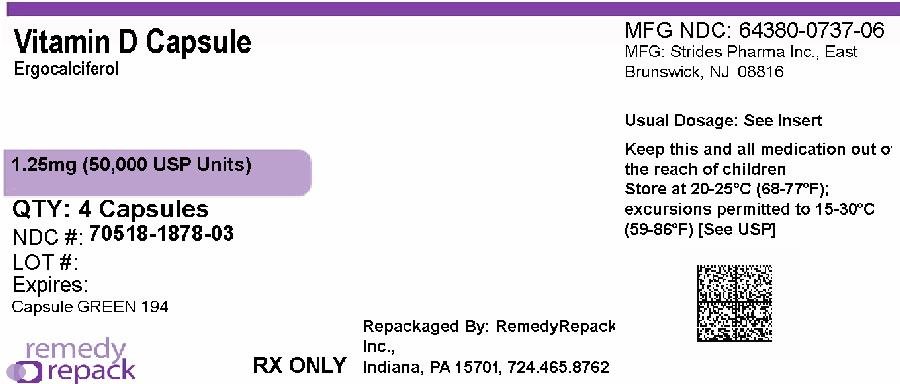
(vitamin · DailyMed)
Nilcox Water soluble powder
Diaveridine 80 mg,Sulphadimidine 800 mg,Vitamin K3 18 mg
What it does
Diaveridine is a medicine that helps treat certain infections.
Commonly used for: infections, bacterial infections
Read more in plain English ↓Plain-language summary for general understanding - not medical advice. Always follow your pharmacist/doctor.
Ask about this medicine
Answers come only from this medicine's registration record, BNF monograph and interaction data - not medical advice.
Medicine sourcing is available in Kenya only. We don't sell or dispense medicines - licensed pharmacies do.
Sourcing - Kenya onlyRegistration & product details
Source: Zambia Medicines Regulatory Authority · fetched 2026-03-12 00:01:17 · updated 2026-09-24 03:32:46
Drug Interactions
7Severe (2)
Vitamin - increases risk of vitamin a toxicity
TretinoinispredictedtoincreasetheriskofvitaminAtoxicity whengivenwithvitaminA.Avoid.rStudy Ribavirin e
Vitamin - increases risk of vitamin a toxicity
Retinoids(tretinoin)arepredictedtoincreasetheriskof vitaminAtoxicitywhengivenwithvitaminA.Avoid.r Study VitaminDsubstances . . . . . alfacalcidol.calcipotri..ol calcitriol colecalciferol ergocalcifero
Moderate (1)
Vitamin - increases risk of toxicity
Retinoids (bexarotene) are predicted to increase the risk of toxicity when given with vitamin A. Adjust dose.
Unknown (4)
Vitamin - decreases effects
Carbamazepine is predicted to decrease the effects of vitamin D substances.
Vitamin - increases exposure
Cobicistat is predicted to increase the exposure to vitamin D substances (paricalcitol).
Vitamin - increases exposure
Idelalisib is predicted to increase the exposure to vitamin D substances (paricalcitol).
Vitamin - increases exposure
Clarithromycin is predicted to increase the exposure to vitamin D substances (paricalcitol).
Data from BNF 85 (British National Formulary). This is not a substitute for professional medical advice. Matched via: exact
About diaveridine
Diaveridine is a medicine that helps treat certain infections.
What it treats
- infections
- bacterial infections
How it works
It works by stopping the growth of bacteria in the body.
Who it's for
This medicine is for people who have specific bacterial infections as determined by a healthcare provider.
AI-assisted summary grounded in BNF data - general information only, not medical advice. Always confirm with your pharmacist or doctor.
About sulphadimidine
Sulphadimidine is an antibiotic used to treat infections caused by bacteria.
What it treats
- bacterial infections
- skin infections
- respiratory tract infections
How it works
It works by stopping the growth of bacteria, helping the body to fight off the infection.
Who it's for
This medication is for people with bacterial infections as diagnosed by a healthcare professional.
AI-assisted summary grounded in BNF data - general information only, not medical advice. Always confirm with your pharmacist or doctor.
About vitamin
Vitamins are essential nutrients that support various bodily functions and overall health.
What it treats
- nutritional deficiency
- general health maintenance
How it works
Vitamins support normal bodily functions, including metabolism, immune function, and cell repair.
Who it's for
Anyone needing to improve their nutrient intake or maintain good health.
AI-assisted summary grounded in BNF data - general information only, not medical advice. Always confirm with your pharmacist or doctor.
Clinical monograph: diaveridine
BNF-referencedDiaveridine is an antibiotic agent belonging to the class of diaminopyrimidines. It is primarily used in the treatment of bacterial infections, particularly those caused by Gram-negative bacteria. Diaveridine acts as a folic acid antagonist, inhibiting bacterial growth and replication. It is important to note that the use of diaveridine may vary based on local resistance patterns and clinical guidelines.
Indications
- Bacterial infections
- Urinary tract infections
- Respiratory tract infections
- Gastrointestinal infections
Dosage
Children: Refer to the BNF for Children for appropriate paediatric dosing.
Adults: Refer to the BNF for specific dosing guidelines.
Mechanism of action
Diaveridine exerts its pharmacological effect by inhibiting the enzyme dihydrofolate reductase, which is crucial for the synthesis of tetrahydrofolate. Tetrahydrofolate is necessary for the production of nucleic acids and amino acids, thereby disrupting bacterial DNA synthesis and cell division.
Pharmacodynamics
The bactericidal activity of diaveridine is primarily due to its ability to impede folate metabolism in susceptible bacteria. This action leads to the inhibition of nucleic acid synthesis, ultimately resulting in bacterial cell death. Diaveridine is effective against a range of Gram-negative pathogens, and its efficacy can be influenced by the bacterial strain's sensitivity to the drug.
Pharmacokinetics
Diaveridine is absorbed well after oral administration, with peak plasma concentrations occurring within a few hours. It is distributed widely throughout the body tissues, including the central nervous system. The drug undergoes hepatic metabolism and is excreted primarily via the kidneys. The half-life of diaveridine allows for once or twice daily dosing in most cases, but renal function may necessitate dose adjustments.
Pregnancy
There is insufficient data on the safety of diaveridine in pregnancy. Caution is advised when prescribing to pregnant women.
Breast-feeding
It is not known whether diaveridine is excreted in human breast milk. Caution should be exercised when administering to nursing mothers.
Storage
Store in a well-closed container, at room temperature, away from light and moisture.
AI-synthesized from BNF references - general information only, not a substitute for professional medical advice or the current BNF. Verify doses with a pharmacist.
Clinical monograph: sulphadimidine
BNF-referencedSulphadimidine is a sulfonamide antibiotic that acts by inhibiting bacterial synthesis of folic acid, which is essential for nucleic acid synthesis and bacterial growth. It is primarily used to treat various bacterial infections, including those of the urinary tract and respiratory system. Due to its mechanism of action, it is classified as a bacteriostatic agent, meaning it inhibits the growth and reproduction of bacteria rather than directly killing them.
Indications
- Bacterial infections of the urinary tract
- Respiratory tract infections
- Certain skin infections
- Other infections caused by susceptible organisms
Dosage
Children: Refer to the BNF for Children for appropriate dosing based on the child's age and weight.
Adults: Refer to the BNF for specific dosing recommendations based on the type and severity of infection.
Mechanism of action
Sulfonamides, including sulphadimidine, inhibit the enzymatic conversion of pteridine and p-aminobenzoic acid (PABA) to dihydropteroic acid by competing with PABA for binding to dihydrofolate synthetase. This inhibition reduces the synthesis of dihydrofolate, which is required for the synthesis of tetrahydrofolic acid (THF). THF is crucial for the synthesis of purines and deoxythymidine monophosphate (dTMP), thereby inhibiting bacterial growth.
Pharmacodynamics
Sulphadimidine is bacteriostatic, meaning it inhibits bacterial growth by preventing the synthesis of dihydrofolic acid. This, in turn, decreases the synthesis of bacterial nucleotides and DNA, effectively limiting the ability of bacteria to reproduce and proliferate within the host.
Pharmacokinetics
Sulphadimidine is well absorbed from the gastrointestinal tract and reaches peak plasma concentrations within a few hours after administration. It is distributed widely throughout body tissues and fluids, including the central nervous system. The drug is metabolized in the liver and excreted primarily via the kidneys in the urine, with a half-life that can vary based on patient factors such as renal function.
Contra-indications
- Hypersensitivity to sulfonamides
- Severe liver or kidney disease
- Porphyria
- Pregnancy at term
Adverse effects
- Rash
- Nausea
- Vomiting
- Diarrhea
- Hematological reactions such as agranulocytosis and aplastic anemia
- Hepatotoxicity
- Renal toxicity
Interactions
- May enhance the anticoagulant effect of warfarin
- May interact with methotrexate, increasing its toxicity
- May decrease the efficacy of oral contraceptives
Precautions
- Use with caution in patients with G6PD deficiency
- Monitor renal function regularly during prolonged therapy
- Use cautiously in patients with asthma or other allergic conditions
Pregnancy
Not recommended in pregnancy, especially during the third trimester due to potential risks to the fetus.
Breast-feeding
Use with caution, as it may pass into breast milk and affect the nursing infant.
Storage
Store in a cool, dry place away from direct light.
Formulations
- Tablets
- Oral suspension
AI-synthesized from BNF references - general information only, not a substitute for professional medical advice or the current BNF. Verify doses with a pharmacist.
Clinical monograph: vitamin
BNF-referencedVitamins are organic compounds that are essential for various metabolic processes in the body. They play crucial roles in maintaining health, supporting the immune system, and promoting growth and development. Different vitamins have specific functions, and they are required in varying amounts depending on age, sex, and physiological conditions.
Indications
- Vitamin deficiency syndromes (e.g., scurvy for vitamin C deficiency, rickets for vitamin D deficiency)
- Support for immune function
- Antioxidant support
- Bone health maintenance
- Vision health
- Energy metabolism support
Dosage
Children: Refer to the BNF for Children for specific vitamin dosing guidelines, which depend on age and nutritional requirements.
Adults: Refer to specific vitamin guidelines as dosage varies significantly depending on the type of vitamin and individual needs.
Mechanism of action
Vitamins function primarily as coenzymes or precursors for coenzymes in enzymatic reactions. For instance, B vitamins are involved in energy metabolism, while vitamins A, C, D, E, and K support various physiological functions including vision, antioxidant activity, calcium regulation, and blood clotting. Each vitamin has a unique mechanism of action based on its structure and role in the body.
Pharmacodynamics
Vitamins exert their effects at the cellular level, influencing metabolic pathways, gene expression, and immune responses. For example, vitamin D regulates calcium and phosphate homeostasis, while vitamin A is crucial for vision and immune function. Deficiencies in vitamins can lead to a range of disorders, highlighting their importance in maintaining health.
Pharmacokinetics
The pharmacokinetics of vitamins vary widely. Fat-soluble vitamins (A, D, E, and K) are stored in liver and adipose tissues and can be released into circulation as needed. Water-soluble vitamins (B-complex and C) are not stored and must be consumed regularly, with excess amounts excreted in urine. Absorption rates, half-lives, and distribution can also differ based on the specific vitamin and individual metabolic factors.
Interactions
- tretinoin+vitamin: Severe (increases risk of vitamin toxicity)
- retinoids+vitamin: Severe (increases risk of vitamin toxicity)
- retinoids+vitamin: Moderate (increases risk of toxicity)
- carbamazepine+vitamin: Unknown (decreases effects)
- cobicistat+vitamin: Unknown (increases exposure)
- vitamin D substances+digoxin: Unknown (increases risk of toxicity)
- idelalisib+vitamin: Unknown (increases exposure)
- clarithromycin+vitamin: Unknown (increases exposure)
Pregnancy
Consult healthcare professional before use. Vitamin supplementation during pregnancy should be carefully managed to avoid hypervitaminosis.
Breast-feeding
Consult healthcare professional before use. Some vitamins can pass into breast milk and may affect the infant.
Storage
Store in a cool, dry place, away from direct sunlight. Ensure it is kept out of reach of children.
Formulations
- {'name': 'Vitamin A', 'form': 'Capsule', 'strength': '10000 IU'}
- {'name': 'Vitamin D', 'form': 'Tablet', 'strength': '1000 IU'}
- {'name': 'Vitamin E', 'form': 'Softgel', 'strength': '400 IU'}
AI-synthesized from BNF references - general information only, not a substitute for professional medical advice or the current BNF. Verify doses with a pharmacist.
Molecular reference: diaveridine
PubChem CID 21453Molecular formula: C13H16N4O2
Source: PubChem (NCBI) · pathways from PathBank, Reactome, WikiPathways & PharmGKB.
Molecular reference: sulphadimidine
PubChem CID 5327Molecular formula: C12H14N4O2S
Mechanism of action
Sulfonamides inhibit the enzymatic conversion of pteridine and p-aminobenzoic acid (PABA) to dihydropteroic acid by competing with PABA for binding to dihydrofolate synthetase, an intermediate of tetrahydrofolic acid (THF) synthesis. THF is required for the synthesis of purines and dTMP and inhibition of its synthesis inhibits bacterial growth. Pyrimethamine and trimethoprim inhibit dihydrofolate reductase, another step in THF synthesis, and therefore act synergistically with the sulfonamides.
Pharmacodynamics
Sulfamethazine is a sulfonamide drug that inhibits bacterial synthesis of dihydrofolic acid by competing with para-aminobenzoic acid (PABA) for binding to dihydropteroate synthetase (dihydrofolate synthetase). Sulfamethazine is bacteriostatic in nature. Inhibition of dihydrofolic acid synthesis decreases the synthesis of bacterial nucleotides and DNA.
Source: PubChem (NCBI) · pathways from PathBank, Reactome, WikiPathways & PharmGKB.
Molecular reference: vitamin
PubChem CID 266052Molecular formula: C14H15NO7
Source: PubChem (NCBI) · pathways from PathBank, Reactome, WikiPathways & PharmGKB.
This drug in other countries
The same active ingredient registered across other registries we cover - including different brands.
- ABIVIT DROPS · Accelius Global
- ACTIKID MAGIC BEANS JELLY BEANS · Amapharm
- ADVANCED EGG FORMULA POWDER · Advanced Agrovets Biotechnologies
- AJ WELLNESS VITALMAN 45+ CAPSULES · Renown Pharmaceuticals
- AJ WELLNESS VITALMAN 65+ CAPSULES · Renown Pharmaceuticals
- AJ WELLNESS VITALWOMAN 65+ CAPSULES · Renown Pharmaceuticals