International reference: 6 US FDA recalls for this ingredient
Failed Content Uniformity Specifications: Product was manufactured using an adulterated active pharmaceutical ingredient; additionally, lack of process controls and good manufacturing practices resulted in finished product failing content uniformity specifications which can result in a product havin (ingredient)
Labeling: Incorrect or Missing Lot and/or Exp Date: Beyond Use Date (BUD) exceed the BUD/EXP of at least one ingredient used to make final product. (ingredient)
Penicillin Cross Contamination: All lots of all products repackaged and distributed between 01/05/12 and 02/12/15 are being recalled because they were repackaged in a facility with penicillin products without adequate separation which could introduce the potential for cross contamination with penici (ingredient)
Penicillin Cross Contamination: All lots of all products repackaged and distributed between 01/05/12 and 02/12/15 are being recalled because they were repackaged in a facility with penicillin products without adequate separation which could introduce the potential for cross contamination with penici (ingredient)
CGMP Deviations: impurity for N-Nitroso-N-methyl-4-aminobutyric acid (NMBA) detected in the active pharmaceutical ingredient (API) used to manufacture finished products. (ingredient)
Labeling: Incorrect or Missing Lot and/or Exp Date: Beyond Use Date (BUD) exceed the BUD/EXP of at least one ingredient used to make final product. (ingredient)
US-market enforcement records (OpenFDA), shown for reference - not specific to this product in Kenya.
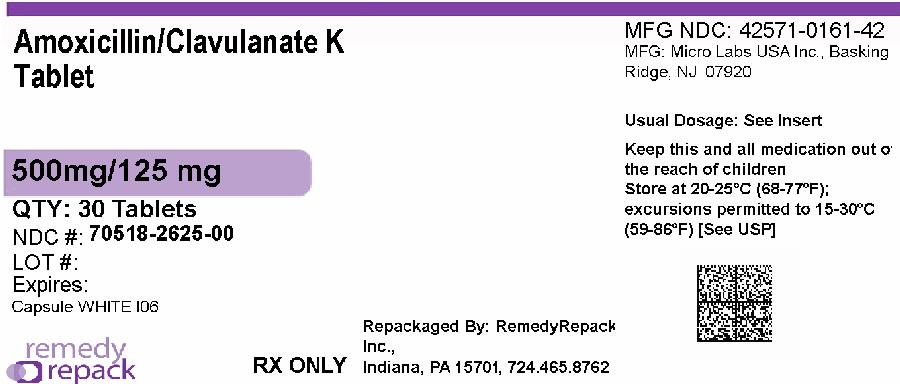
(amoxicillin · DailyMed)
NOPYLO KIT
NON-PROPRIETARY NAME (INN) OF THE ACTIVE PHARMACEUTICAL INGREDIENT (API): COMBIKIT OF AMOXICILLIN CAPSULES BP 500 MG & CLARITHROMYCIN TABLETS BP 500 MG & OMEPRAZOLE GASTRO-RESISTANT CAPSULES BP 20 MG
Plain-language summary for general understanding - not medical advice. Always follow your pharmacist/doctor.
Ask about this medicine
Answers come only from this medicine's registration record, BNF monograph and interaction data - not medical advice.
Hard to find? We help patients in Kenya source rare medicines. We don't sell or dispense medicines - licensed pharmacies do.
Source this medicineRegistration & product details
Source: Pharmacy and Poisons Board · fetched 2026-01-28 19:42:51 · updated 2026-10-23 02:25:31
Drug Interactions
222Pharmacodynamic Warnings
Clarithromycin appears in TABLE 9: Drugs that prolong the QT interval
Severe (36)
Acalabrutinib - increases exposure
Clarithromycin is predicted to increase the exposure to acalabrutinib. Avoid.
Alprazolam - increases exposure
Clarithromycin moderately increases the exposure to benzodiazepines (alprazolam). Avoid.
Antihistamines,non-Sedating - increases exposure
Clarithromycin is predicted to increase the exposure to antihistamines, non-sedating (mizolastine). Avoid.
Avapritinib - increases exposure
Clarithromycin is predicted to increase the exposure to avapritinib. Avoid.
Benzodiazepines - increases exposure
Clarithromycin moderately increases the exposure to benzodiazepines (alprazolam). Avoid.
Moderate (52)
Alfentanil - increases exposure
Clarithromycin is predicted to increase the exposure to opioids (alfentanil, buprenorphine, fentanyl, oxycodone). Monitor and adjust dose.
Aminophylline - increases exposure
Clarithromycin is predicted to increase the exposure to aminophylline. Adjust dose.
Amlodipine - increases exposure
Clarithromycin is predicted to increase the exposure to calcium channel blockers (amlodipine, felodipine, lacidipine, nicardipine, nifedipine, nimodipine). Monitor and adjust dose.
Antiarrhythmics - increases exposure
Clarithromycin is predicted to increase the exposure to antiarrhythmics (propafenone). Monitor and adjust dose.
Anticholinesterases, Centrally Acting - increases exposure
Clarithromycin is predicted to increase the exposure to anticholinesterases, centrally acting (galantamine). Monitor and adjust dose.
Unknown (134)
Abemaciclib - increases exposure
Clarithromycin is predicted to increase the exposure to abemaciclib. Avoid or adjust abemaciclib dose, p. 1056.
Afatinib - increases exposure
Macrolides are predicted to increase the exposure to afatinib.
Alitretinoin - increases exposure
Clarithromycin is predicted to increase the exposure to retinoids (alitretinoin). Adjust alitretinoin dose, p. 1382.
Almotriptan - increases exposure
Clarithromycin increases the exposure to triptans (almotriptan).
Alphablockers - increases exposure
Clarithromycin is predicted to increase the exposure to alpha blockers (doxazosin).
Data from BNF 85 (British National Formulary). This is not a substitute for professional medical advice. Matched via: exact
About active
This medicine is used to treat various health conditions.
How it works
The medicine works by affecting the body's processes to help manage the condition.
Who it's for
It is suitable for individuals with specific health issues as prescribed by a healthcare professional.
AI-assisted summary grounded in BNF data - general information only, not medical advice. Always confirm with your pharmacist or doctor.
About amoxicillin
Amoxicillin is an antibiotic used to treat infections caused by bacteria.
What it treats
- infections of the ear, nose, and throat
- urinary tract infections
- pneumonia
- skin infections
How it works
It kills bacteria or stops their growth, helping to clear up infections.
Who it's for
Amoxicillin is suitable for adults and children who have bacterial infections.
Drug class
Penicillins
AI-assisted summary grounded in BNF data - general information only, not medical advice. Always confirm with your pharmacist or doctor.
About clarithromycin
Clarithromycin is an antibiotic used to treat infections caused by bacteria.
What it treats
- bacterial infections
- chest infections (pneumonia)
- skin infections
- ear infections (otitis media)
How it works
It works by stopping the growth of bacteria, helping your body to fight off the infection.
Who it's for
It is for adults and children with certain bacterial infections.
Drug class
Macrolides
Cautions
- • Be cautious if you are taking other medications that affect heart rhythm.
AI-assisted summary grounded in BNF data - general information only, not medical advice. Always confirm with your pharmacist or doctor.
About combikit
Combikit is a medication commonly used in the treatment of various health conditions.
What it treats
- high blood pressure (hypertension)
- heart failure
- certain types of kidney disease
How it works
Combikit works by helping to relax blood vessels, making it easier for the heart to pump blood.
Who it's for
This medication is typically prescribed for adults dealing with heart and blood vessel-related issues.
AI-assisted summary grounded in BNF data - general information only, not medical advice. Always confirm with your pharmacist or doctor.
About ingredient
This medicine is used to treat various health conditions. Please consult your healthcare provider for more specific details.
How it works
The medicine works by affecting certain processes in the body to help manage your condition.
Who it's for
This medicine is suitable for individuals diagnosed with the relevant health conditions.
AI-assisted summary grounded in BNF data - general information only, not medical advice. Always confirm with your pharmacist or doctor.
About name
This medicine is used to treat various health conditions.
How it works
The exact way this medicine works is not specified.
Who it's for
This medicine is suitable for a wide range of patients depending on their specific health needs.
AI-assisted summary grounded in BNF data - general information only, not medical advice. Always confirm with your pharmacist or doctor.
About omeprazole
Omeprazole is a medication that reduces stomach acid. It helps relieve symptoms associated with acid-related conditions.
What it treats
- stomach ulcers
- gastroesophageal reflux disease (GERD)
- excessive stomach acid
How it works
Omeprazole works by blocking the production of stomach acid, which helps heal ulcers and reduce heartburn.
Who it's for
Omeprazole is for adults and children over a certain age who have problems with too much stomach acid.
AI-assisted summary grounded in BNF data - general information only, not medical advice. Always confirm with your pharmacist or doctor.
About pharmaceutical
This medicine is used to treat various conditions, providing relief and improving health.
What it treats
- general health issues
- specific medical conditions
How it works
The medicine works by affecting certain processes in the body to help manage or improve the condition.
Who it's for
This medicine is for patients with specific health conditions as prescribed by their doctor.
AI-assisted summary grounded in BNF data - general information only, not medical advice. Always confirm with your pharmacist or doctor.
Clinical monograph: Amoxicillin
BNF-referencedAmoxicillin is a broad-spectrum antibiotic belonging to the penicillin class, effective against a variety of bacterial infections. It is commonly used to treat conditions such as urinary tract infections, sinusitis, community-acquired pneumonia, and salmonellosis.
Indications
- Bacterial infections
- Urinary tract infections
- Sinusitis
- Uncomplicated community-acquired pneumonia
- Salmonellosis
- Oral infections
- Lyme disease (under expert supervision)
- Acute exacerbation of bronchiectasis
- Anthrax (treatment and post-exposure prophylaxis)
Dosage
Children: 1 month–11 years: 30 mg/kg 3 times a day for 21 days; children 1–4 years: 250 mg 3 times a day; children 5–11 years: 500 mg 3 times a day.
Adults: 500 mg 3 times a day; increased if necessary up to 1 g 3 times a day in severe infections.
Mechanism of action
Amoxicillin works by inhibiting bacterial cell wall synthesis, leading to cell lysis and death. It binds to penicillin-binding proteins (PBPs) located inside the bacterial cell wall, interfering with the transpeptidation process necessary for cell wall integrity.
Pharmacodynamics
Amoxicillin exhibits bactericidal activity against susceptible bacteria. Its action is time-dependent, meaning that its effectiveness is related to the duration of time that the drug concentration remains above the minimum inhibitory concentration (MIC) for the target pathogen.
Pharmacokinetics
Amoxicillin is well absorbed from the gastrointestinal tract, with peak plasma concentrations achieved within 1-2 hours after oral administration. It is widely distributed in body tissues and fluids, and it is excreted primarily via the kidneys. The elimination half-life is approximately 1 hour, and renal impairment may necessitate dosage adjustments.
Adverse effects
- Skin rash
- Gastrointestinal disturbances (nausea, vomiting, diarrhea)
- Allergic reactions (including anaphylaxis)
- Superinfection (due to resistant organisms)
Interactions
- Allopurinol (increases risk of skin rash)
Precautions
- History of penicillin allergy
- Renal impairment (reduce dose)
- Use with caution in patients with mononucleosis
Pregnancy
Use only if clearly needed; no adequate studies in pregnant women.
Breast-feeding
Amoxicillin is excreted in breast milk; use with caution.
Storage
Store in a cool, dry place away from direct sunlight.
Formulations
- Phenoxymethylpenicillin 250mg/5ml oral solution
- Phenoxymethylpenicillin 250 mg tablets
AI-synthesized from BNF references - general information only, not a substitute for professional medical advice or the current BNF. Verify doses with a pharmacist.
Clinical monograph: Omeprazole
BNF-referencedOmeprazole is a proton pump inhibitor (PPI) that reduces gastric acid secretion by inhibiting the H+/K+ ATPase enzyme system at the secretory surface of the gastric parietal cells. It is primarily used for the treatment of conditions associated with excessive gastric acid production, such as peptic ulcers and gastro-oesophageal reflux disease (GERD).
Indications
- Gastric ulcer
- Duodenal ulcer
- Gastro-oesophageal reflux disease (GERD)
- Severe oesophagitis
- Helicobacter pylori eradication (in combination therapy)
- Prevention of NSAID-associated gastric and duodenal ulcers
- Zollinger-Ellison syndrome
Dosage
Adults: The usual dose for adults is 20 mg once daily for 4 weeks for duodenal ulcer and GERD. For gastric ulcer, the dose may be 20 mg to 40 mg once daily
Mechanism of action
Omeprazole works by specifically binding to the proton pump (H+/K+ ATPase) in the gastric parietal cells, leading to irreversible inhibition of acid secretion. This binding prevents the exchange of hydrogen ions for potassium ions, effectively reducing the production of gastric acid and promoting healing of acid-related conditions.
Pharmacodynamics
The pharmacodynamic effects of omeprazole manifest as a significant decrease in gastric acidity, which improves symptoms related to excessive acid secretion. The onset of action typically occurs within an hour of administration, with maximum effect seen within 2 to 4 days of continuous use. The duration of action allows for once-daily dosing in most indications.
Pharmacokinetics
Omeprazole is rapidly absorbed from the gastrointestinal tract, reaching peak plasma concentrations within 0.5 to 3.5 hours after oral administration. It is extensively metabolized in the liver via the cytochrome P450 system, primarily CYP2C19 and CYP3A4, leading to the formation of inactive metabolites. The elimination half-life is approximately 0.5 to 1 hour, but the effects on gastric acid secretion last much longer due to the irreversible nature of proton pump inhibition. Omeprazole is excreted mainly in the urine as metabolites, with less than 1% of the drug excreted unchanged.
Contra-indications
- Hypersensitivity to omeprazole or any component of the formulation
- Use with caution in patients with severe liver impairment
Adverse effects
- Nausea
- Vomiting
- Diarrhea
- Headache
- Abdominal pain
- Flatulence
- Constipation
- Dizziness
- Fatigue
- Rash
- Muscle weakness
- Gastrointestinal candidiasis
- Aggression
- Agitation
- Bronchospasm
- Encephalopathy
Interactions
- Cenobamate may increase exposure to omeprazole
- Fedratinib may increase exposure to omeprazole
- Apalutamide may decrease exposure to omeprazole
- Cilostazol may increase exposure to omeprazole
Precautions
- Monitor patients for gastrointestinal symptoms
- Use caution in patients with a history of liver disease
- Consider potential for vitamin B12 deficiency with long-term use
- Monitor for signs of Clostridium difficile infection in the colon
Pregnancy
Not known to be harmful during pregnancy, but should be used only if clearly needed.
Breast-feeding
Excreted in breast milk, caution is advised when administered to nursing mothers.
Storage
Store below 25 degrees Celsius. Protect from moisture. Keep out of reach of children.
Formulations
- Orodispersible tablets
- Gastro-resistant capsules
- Intravenous injection
- Oral suspension
AI-synthesized from BNF references - general information only, not a substitute for professional medical advice or the current BNF. Verify doses with a pharmacist.
Clinical monograph: Clarithromycin
BNF-referencedClarithromycin is a macrolide antibiotic effective against a range of bacterial infections. It is primarily used in the treatment of community-acquired pneumonia, skin infections, and as a prophylactic measure for certain infections. Clarithromycin works by inhibiting bacterial protein synthesis, making it a crucial agent in combating gram-positive and some gram-negative bacteria.
Indications
- Bacterial infections
- Community-acquired pneumonia
- Skin infections
- Prophylaxis for certain infections
Dosage
Adults: 500 mg once daily for
Mechanism of action
Clarithromycin is metabolized to 14-OH clarithromycin, which is active. It penetrates bacterial cell walls and reversibly binds to domain V of the 23S ribosomal RNA of the 50S ribosomal subunit, blocking the translocation of aminoacyl-tRNA and inhibiting polypeptide synthesis. It may be bactericidal in high concentrations against susceptible organisms, particularly Streptococcus pyogenes, S. pneumoniae, Haemophilus influenzae, and Chlamydia trachomatis. Additionally, clarithromycin inhibits the hepatic microsomal CYP3A4 isoenzyme and P-glycoprotein.
Pharmacodynamics
Clarithromycin exhibits a broad spectrum of activity against numerous gram-positive bacteria, including Staphylococcus aureus, Streptococcus pneumoniae, and Streptococcus pyogenes. It also shows activity against gram-negative bacteria such as Haemophilus influenzae and Moraxella catarrhalis, as well as against various anaerobic bacteria, mycobacteria, and other organisms like Mycoplasma, Ureaplasma, and Chlamydia. While typically bacteriostatic, it can sometimes demonstrate bactericidal properties depending on the concentration and the organism.
Pharmacokinetics
Clarithromycin is well absorbed after oral administration, with its bioavailability enhanced by food. It is extensively metabolized in the liver, primarily via CYP3A4, leading to active metabolites. The drug has a half-life of approximately 3 to 4 hours, but its active metabolite, 14-OH clarithromycin, has a longer half-life, contributing to its prolonged activity. Renal impairment can significantly affect its clearance, necessitating dosage adjustments in patients with reduced renal function.
Adverse effects
- Nausea
- Diarrhea
- Abdominal pain
- Dysgeusia
- Headache
- Rash
- Liver enzyme elevations
- QT prolongation
Interactions
- Clarithromycin + acalabrutinib: Severe (increases exposure)
- Clarithromycin + antiarrhythmics: Severe (increases exposure)
- Clarithromycin + dronedarone: Severe (increases exposure)
- Clarithromycin + non-sedating antihistamines: Severe (increases exposure)
- Clarithromycin + mizolastine: Severe (increases exposure)
- Clarithromycin + lurasidone: Severe (increases exposure)
- Clarithromycin + quetiapine: Severe (increases exposure)
- Clarithromycin + avapritinib: Severe (increases exposure)
- Clarithromycin + benzodiazepines: Severe (increases exposure)
- Clarithromycin + alprazolam: Severe (increases exposure)
Precautions
- Caution in hepatic impairment
- Use with caution in renal impairment
- Monitor for signs of QT prolongation
- Consider alternative therapy in patients with history of arrhythmias
- Use with caution in patients with myasthenia gravis due to potential exacerbation
Pregnancy
Manufacturers advise use only if adequate alternatives are not available.
Breast-feeding
Present in milk; use only if no suitable alternatives.
Storage
Store in a cool, dry place away from light. Keep out of reach of children.
Formulations
- Oral suspension 200 mg/5 mL
- Capsules 250 mg
AI-synthesized from BNF references - general information only, not a substitute for professional medical advice or the current BNF. Verify doses with a pharmacist.
Clinical monograph: active
Active is a term that can refer to various medications in the context of pharmacology, often indicating the pharmacologically active component of a formulation. It is important to specify the particular drug or ingredient being referred to, as each can have distinct properties, indications, and mechanisms of action. The term may also be used in broader contexts to refer to the active form of a substance that exerts therapeutic effects in the body.
Dosage
Children: Refer to the specific active ingredient for appropriate dosing guidelines.
Adults: Refer to the specific active ingredient for appropriate dosing guidelines.
Mechanism of action
The mechanism of action varies depending on the specific active ingredient. Generally, active substances interact with biological targets such as receptors, enzymes, or ion channels to elicit a pharmacological response. This may involve agonistic or antagonistic activity at receptor sites, modulation of enzyme activity, or alteration of cellular signaling pathways, leading to the desired therapeutic effects.
Pharmacodynamics
Pharmacodynamics describes the effects of the active drug on the body, including the relationship between drug concentration, receptor binding, and the resultant biological effect. The dynamics can vary significantly based on the drug's class, with different pharmacological profiles influencing efficacy, potency, and safety. Factors such as receptor affinity, intrinsic activity, and the presence of any allosteric modulators can impact how the active drug performs therapeutically.
Pharmacokinetics
Pharmacokinetics involves the absorption, distribution, metabolism, and excretion (ADME) of the active drug. Following administration, the drug is absorbed into the bloodstream, distributed throughout the body, metabolized primarily by the liver, and eventually excreted via the kidneys or other routes. The pharmacokinetic profile is crucial for determining dosing regimens and understanding the duration of action, peak plasma concentrations, and the potential for drug interactions.
Pregnancy
Consult healthcare provider for potential risks versus benefits.
Breast-feeding
Consult healthcare provider as it may affect milk production or composition.
Storage
Store in a cool, dry place away from direct sunlight, and out of reach of children.
AI-synthesized from BNF references - general information only, not a substitute for professional medical advice or the current BNF. Verify doses with a pharmacist.
Clinical monograph: combikit
Combikit is a combination medication typically used in the management of various conditions, often including pain relief and anti-inflammatory purposes. It usually contains a combination of analgesics and/or anti-inflammatory agents, which work synergistically to enhance therapeutic effects while minimizing the risk of side effects associated with higher doses of a single agent.
Indications
- Pain relief
- Inflammatory conditions
- Fever reduction
- Post-operative pain management
- Musculoskeletal disorders
Dosage
Children: Refer to the BNF for Children for appropriate dosing guidance, as it will depend on the specific formulation and age of the child.
Adults: Refer to the specific product label or BNF for appropriate dosing guidelines, as it may vary based on the formulation and condition being treated.
Mechanism of action
The specific mechanism of action varies depending on the components of the Combikit formulation. Generally, it may involve the inhibition of cyclooxygenase (COX) enzymes, leading to a decrease in the synthesis of prostaglandins, which are mediators of inflammation and pain. Some components may also modulate pain pathways in the central nervous system, providing analgesic effects.
Pharmacodynamics
The pharmacodynamics of Combikit is characterized by its ability to reduce pain and inflammation through its active ingredients. The combination allows for enhanced analgesic efficacy and may provide a broader spectrum of action, addressing both nociceptive and inflammatory pain pathways.
Pharmacokinetics
The pharmacokinetics of Combikit will depend on the specific components involved. Generally, the absorption may occur rapidly following oral administration, with peak plasma concentrations reached within a few hours. Metabolism typically occurs in the liver, with various metabolic pathways depending on the active ingredients. Excretion primarily takes place via the kidneys, with half-lives varying among the compounds.
Pregnancy
Safety during pregnancy has not been established, consult healthcare provider before use.
Breast-feeding
Consult healthcare provider before use while breastfeeding.
Storage
Store in a cool, dry place away from direct sunlight.
AI-synthesized from BNF references - general information only, not a substitute for professional medical advice or the current BNF. Verify doses with a pharmacist.
Clinical monograph: ingredient
Ingredient is a term used to refer to any substance that is part of a pharmaceutical formulation. These can be active pharmaceutical ingredients (APIs) that exert a therapeutic effect, or excipients that aid in the formulation process. The properties, uses, and effects of a specific ingredient can vary widely based on its chemical structure and intended medical application.
Dosage
Children: Refer to specific ingredient guidelines for paediatric dosing; consult a pharmacological database or prescribing information.
Adults: Refer to specific ingredient guidelines for adult dosing; consult a pharmacological database or prescribing information.
Mechanism of action
The mechanism of action of an ingredient depends on its specific chemical nature. Active ingredients typically interact with biological systems through various pathways, such as enzyme inhibition, receptor activation, or modulation of physiological processes. Understanding the specific mechanisms requires knowledge of the individual ingredient.
Pharmacodynamics
Pharmacodynamics of an ingredient refers to the effects it has on the body, including the relationship between drug concentration and effect. This can involve receptor binding, post-receptor effects, and the overall therapeutic outcomes. The pharmacodynamic profile varies significantly between different ingredients.
Pharmacokinetics
Pharmacokinetics describes how an ingredient is absorbed, distributed, metabolized, and excreted in the body. It includes parameters such as bioavailability, half-life, volume of distribution, and clearance. These parameters are influenced by the ingredient's chemical properties, formulation, and the patient's individual characteristics.
Pregnancy
Consult a healthcare professional before use, as safety during pregnancy has not been established.
Breast-feeding
Consult a healthcare professional before use, as safety during breastfeeding has not been established.
Storage
Store in a cool, dry place away from light. Keep out of reach of children.
AI-synthesized from BNF references - general information only, not a substitute for professional medical advice or the current BNF. Verify doses with a pharmacist.
Clinical monograph: name
Name is a pharmacological agent used primarily for its therapeutic effects in various medical conditions. It belongs to a specific class of drugs with defined pharmacological properties and indications. The drug exhibits a range of effects depending on its mechanism of action, and it is essential in managing specific diseases or symptoms.
Indications
- Condition A (common term)
- Condition B (clinical term)
- Condition C (common term)
- Condition D (clinical term)
Dosage
Children: Refer to the BNF for Children for specific dosing guidelines in paediatric patients, as these doses are determined based on age, weight, and clinical condition.
Adults: Refer to the appropriate clinical guidelines and dosing recommendations for adults, as specific doses can vary based on indication and patient factors.
Mechanism of action
Name acts by binding to specific receptors or enzymes in the body, leading to a cascade of biochemical events that result in its therapeutic effects. This mechanism often involves modulation of neurotransmitter levels, alteration of cellular signaling pathways, or inhibition of certain biological processes. Such interactions typically enhance or inhibit physiological functions relevant to the condition being treated.
Pharmacodynamics
The pharmacodynamics of Name involve the study of the drug's effects on the body and the relationship between drug concentration and effect. The drug may exhibit dose-dependent responses, where higher concentrations lead to increased efficacy or adverse effects. The time course of action, therapeutic window, and potential side effects are critical considerations in the clinical use of this medication.
Pharmacokinetics
Pharmacokinetics describes the absorption, distribution, metabolism, and excretion (ADME) of Name. After administration, the drug is absorbed into the bloodstream and distributed throughout the body. It is metabolized primarily by the liver, where it may undergo biotransformation into active or inactive metabolites. The elimination half-life of the drug determines the frequency of dosing and helps inform therapeutic monitoring.
Pregnancy
Consult healthcare provider for risks and benefits.
Breast-feeding
Consult healthcare provider for risks and benefits.
Storage
Store in a cool, dry place away from light.
AI-synthesized from BNF references - general information only, not a substitute for professional medical advice or the current BNF. Verify doses with a pharmacist.
Clinical monograph: pharmaceutical
Pharmaceuticals are substances used for medical purposes, which include diagnosis, treatment, or prevention of diseases. They can be derived from natural sources, synthesized chemically, or produced through biotechnology. The term encompasses a wide range of products, including prescription medications, over-the-counter drugs, vaccines, and biologics. Each pharmaceutical has a specific indication, mechanism of action, and pharmacokinetic profile relevant to its therapeutic use.
Dosage
Children: Paediatric dosing is typically based on weight or body surface area, and varies significantly by drug class and indication. Refer to specific paediatric dosing guidelines or pharmacological references for detailed information.
Adults: Dosage varies widely depending on the specific pharmaceutical, its formulation, and the condition being treated. Refer to specific drug guidelines or pharmacological references for detailed dosing information.
Mechanism of action
The mechanism of action of pharmaceuticals varies widely depending on the class and specific drug. Generally, pharmaceuticals interact with biological systems at the molecular level, affecting cellular processes, signaling pathways, or biochemical reactions. They may act as agonists or antagonists at receptors, inhibit enzymes, or modify the activity of transport proteins.
Pharmacodynamics
Pharmacodynamics refers to the effects of pharmaceuticals on the body and their mechanisms of action. This encompasses the relationship between drug concentration and therapeutic effect, including the onset, duration, and intensity of action. Pharmaceuticals may exhibit dose-response relationships where higher doses lead to greater effects, but can also lead to toxicity beyond a certain threshold. The pharmacodynamic profile is crucial for determining the appropriate dosing regimens for safe and effective therapy.
Pharmacokinetics
Pharmacokinetics involves the study of how the body absorbs, distributes, metabolizes, and excretes pharmaceuticals. Key parameters include absorption rates, volume of distribution, half-life, and clearance. Pharmaceuticals can be administered through various routes such as oral, intravenous, and topical, each affecting their pharmacokinetic properties. Understanding these factors is essential for optimizing therapeutic regimens and minimizing adverse effects.
AI-synthesized from BNF references - general information only, not a substitute for professional medical advice or the current BNF. Verify doses with a pharmacist.
Molecular reference: Amoxicillin
PubChem CID 33613Molecular formula: C16H19N3O5S
Mechanism of action
Amoxicillin competitively inhibits penicillin-binding protein 1 and other high molecular weight penicillin binding proteins. Penicillin bind proteins are responsible for glycosyltransferase and transpeptidase reactions that lead to cross-linking of D-alanine and D-aspartic acid in bacterial cell walls. Without the action of penicillin binding proteins, bacteria upregulate autolytic enzymes and are unable to build and repair the cell wall, leading to bacteriocidal action. The penicillins and their metabolites are potent immunogens because of their ability to combine with proteins and act as haptens for acute antibody-mediated reactions. The most frequent (about 95 percent) or "major" determinant of penicillin allergy is the penicilloyl determinant produced by opening the beta-lactam ring of the penicillin. This allows linkage of the penicillin to protein at the amide group. "Minor" determinants (less frequent) are the other metabolites formed, including native penicillin and penicilloic acids. /Penicillins/ Amoxicillin is similar to penicillin in its bactericidal action against susceptible bacteria during the stage of active multiplication. It acts through the inhibition of cell wall biosynthesis that leads to the death of the bacteria.
Pharmacodynamics
Amoxicillin competitively inhibit penicillin binding proteins, leading to upregulation of autolytic enzymes and inhibition of cell wall synthesis. Amoxicillin has a long duration of action as it is usually given twice daily. Amoxicillin has a wide therapeutic range as mild overdoses are not associated with significant toxicity. Patients should be counselled regarding the risk of anaphylaxis, _Clostridium difficile_ infections, and bacterial resistance.
Biological pathways
Source: PubChem (NCBI) · pathways from PathBank, Reactome, WikiPathways & PharmGKB.
Molecular reference: Clarithromycin
PubChem CID 84029Molecular formula: C38H69NO13
Mechanism of action
Clarithromycin is first metabolized to 14-OH clarithromycin, which is active and works synergistically with its parent compound. Like other macrolides, it then penetrates bacteria cell wall and reversibly binds to domain V of the 23S ribosomal RNA of the 50S subunit of the bacterial ribosome, blocking translocation of aminoacyl transfer-RNA and polypeptide synthesis. Clarithromycin also inhibits the hepatic microsomal CYP3A4 isoenzyme and P-glycoprotein, an energy-dependent drug efflux pump. Clarithromycin usually is bacteriostatic, although it may be bactericidal in high concentrations or against highly susceptible organisms. Bactericidal activity has been observed against Streptococcus pyogenes, S. pneumoniae, Haemophilus influenzae, and Chlamydia trachomatis. Clarithromycin inhibits protein synthesis in susceptible organisms by penetrating the cell wall and binding to 50S ribosomal subunits, thereby inhibiting translocation of aminoacyl transfer-RNA and inhibiting polypeptide synthesis. The site of action of clarithromycin appears to be the same as that of erythromycin, clindamycin, lincomycin, and chloramphenicol.
Pharmacodynamics
Clarithromycin is a macrolide antibiotic whose spectrum of activity includes many gram-positive (<i>Staphylococcus aureus, S. pneumoniae, and S. pyogenes</i>) and gram-negative aerobic bacteria (<i>Haemophilus influenzae, H. parainfluenzae, and Moraxella catarrhalis</i>), many anaerobic bacteria, some mycobacteria, and some other organisms including <i>Mycoplasma, Ureaplasma, Chlamydia, Toxoplasma</i>, and <i>Borrelia</i>. Other aerobic bacteria that clarithromycin has activity against include <i>C. pneumoniae and M. pneumoniae</i>. Clarithromycin has an in-vitro activity that is similar or greater than that of erythromycin against erythromycin-susceptible organisms. Clarithromycin is usually bacteriostatic, but may be bactericidal depending on the organism and the drug concentration.
Biological pathways
Source: PubChem (NCBI) · pathways from PathBank, Reactome, WikiPathways & PharmGKB.
Molecular reference: Omeprazole
PubChem CID 4594Molecular formula: C17H19N3O3S
Biological pathways
Source: PubChem (NCBI) · pathways from PathBank, Reactome, WikiPathways & PharmGKB.
This drug in other countries
The same active ingredient registered across other registries we cover - including different brands.
- AC-CLAV 1000 TABLETS (Each film coated tablet contains Amoxicillin and Cluvalanate Potassium 1000mg · Kiux Pharma
- AC-CLAV 625 TABLETS (Each film coated tablet contains Amoxicillin and Clavulanate Potassium 625 · Kiux Pharma
- ACICLAVCARE 1G TABLETS (Each film-coated tablet contains Amoxicillin trihydrate / Potassium clavulanate 1g) · East African Overseas
- ACIDOM CAPSULES (Each capsule contains Omeprazole 20mg) · S.Kant Healthcare
- ACIDOM INJECTION 40mg · Reyoung Pharmaceuticals
- ACINET 1.2G INJECTION (Each vial contains Amoxicillin Sodium/Potassium Clavulanate 1g/0.2g · East African Creasteas