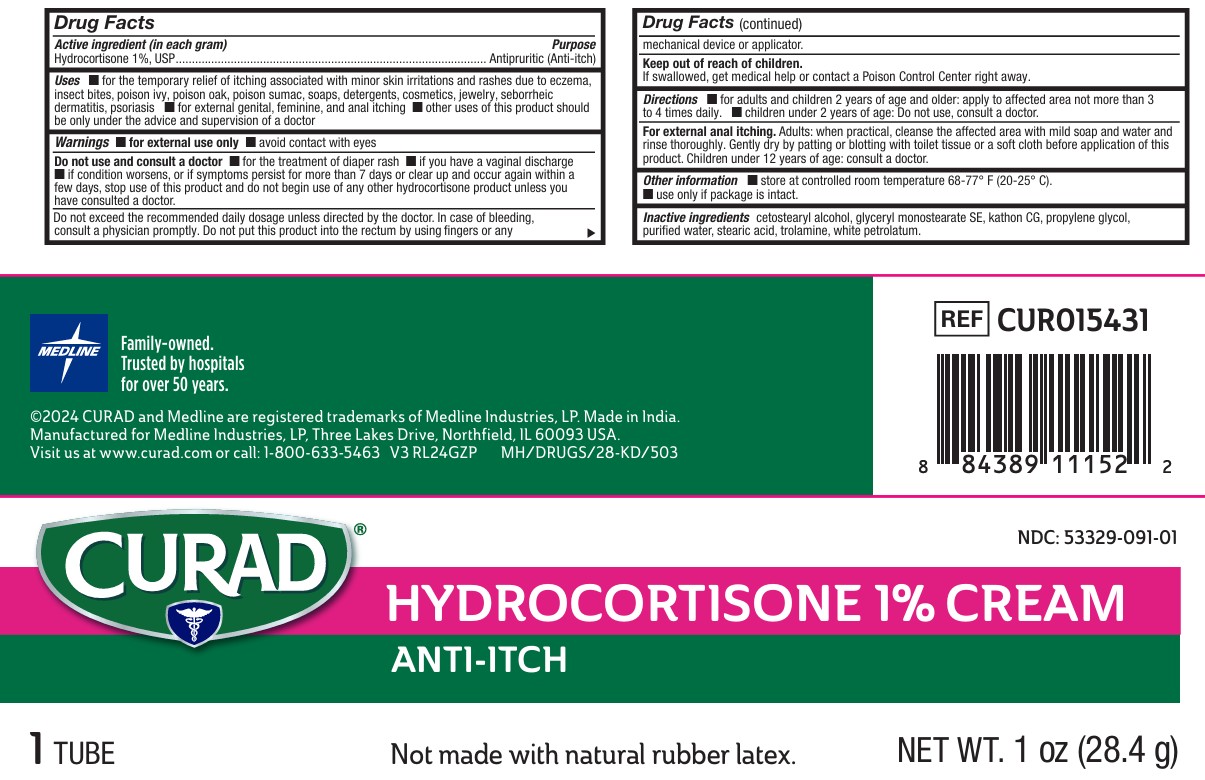
(hydrocortisone · DailyMed)
OCORTIN
Cetomacrogol - 1000 1.80 %w/w,Cetosteryl Alcohol 7.20 %w/w,Chlorocresol BP 0.10 %w/w,Hydrocortisone BP 1.0 %w/w,Light Liquid Paraffin BP 6.00 %w/w,Purified Water BP q.s NA,Sodium Acid Phosphate 0.360 %w/w,White Soft Paraffin 15 %w/w
What it does
Acid is a type of substance used in various medical treatments.
Commonly used for: stomach ulcers, acid reflux (gastroesophageal reflux disease), indigestion
Read more in plain English ↓Plain-language summary for general understanding - not medical advice. Always follow your pharmacist/doctor.
Ask about this medicine
Answers come only from this medicine's registration record, BNF monograph and interaction data - not medical advice.
Medicine sourcing is available in Kenya only. We don't sell or dispense medicines - licensed pharmacies do.
Sourcing - Kenya onlyRegistration & product details
Source: Tanzania Medicines and Medical Devices Authority · fetched 2026-03-11 23:47:51 · updated 2026-09-17 03:00:44
Drug Interactions
49Pharmacodynamic Warnings
Alcohol appears in TABLE 1: Drugs that cause hepatotoxicity
Alcohol appears in TABLE 8: Drugs that cause hypotension
Alcohol appears in TABLE 11: Drugs with CNS depressant effects
Hydrocortisone appears in TABLE 17: Drugs that reduce serum potassium
Severe (1)
Mifamurtide - decreases efficacy
Corticosteroidsarepredictedtodecreasetheefficacyof mifamurtide.Avoid.rTheoretical
Moderate (20)
Corticosteroids - increases exposure
Dronedarone is predicted to increase the exposure to corticosteroids (methylprednisolone). Monitor and adjust dose.
Corticosteroids - increases concentration
Miconazole is predicted to increase the concentration of corticosteroids (methylprednisolone). Monitor and adjust dose.
Corticosteroids - increases exposure
Antifungals, azoles (fluconazole, isavuconazole, posaconazole) are predicted to increase the exposure to corticosteroids (methylprednisolone). Monitor and adjust dose.
Corticosteroids - decreases exposure
Cenobamate is predicted to decrease the exposure to corticosteroids (fluticasone). Adjust dose.
Corticosteroids - decreases efficacy
Mifepristone is predicted to decrease the efficacy of corticosteroids. Use with caution and adjust dose.
Unknown (28)
Acitretin - increases concentration
Alcohol potentially increases the concentration of retinoids (acitretin). Avoid and for 2 months after stopping acitretin.
Antiepileptics - increases risk of visual disturbances
Alcohol potentially increases the risk of visual disturbances when given with antiepileptics (retigabine).
Aspirin - decreases concentration
Corticosteroids are predicted to decrease the concentration of aspirin (high-dose) and aspirin (high-dose) increases the risk of gastrointestinal bleeding when given with corticosteroids.
Choline Salicylate - decreases concentration
Corticosteroids are predicted to decrease the concentration of cholinesalicylate. Ciclesonide → see corticosteroids Ciclosporin → see TABLE 2 p. 1517 (nephrotoxicity), TABLE 16 p. 1521 (increased seru
Corticosteroids - increases exposure
Cobicistat is predicted to increase the exposure to corticosteroids (beclometasone) (risk with beclometasone is likely to be lower than with other corticosteroids).
Data from BNF 85 (British National Formulary). This is not a substitute for professional medical advice. Matched via: class
About acid
Acid is a type of substance used in various medical treatments.
What it treats
- stomach ulcers
- acid reflux (gastroesophageal reflux disease)
- indigestion
How it works
Acid helps to balance the acidity in the stomach, which can aid in digestion and reduce discomfort.
Who it's for
This medication is for individuals experiencing stomach-related issues, such as ulcers and reflux.
AI-assisted summary grounded in BNF data - general information only, not medical advice. Always confirm with your pharmacist or doctor.
About alcohol
Alcohol is a substance that can affect your mood and behavior. It is important to use it carefully, especially if you are taking other medications.
What it treats
- social enjoyment
- anxiety relief
- temporary relaxation
How it works
Alcohol affects the brain and central nervous system, leading to changes in mood and behavior.
Who it's for
Adults who consume alcohol in moderation for social or relaxation purposes.
Cautions
- • Be cautious if taking medications that can harm the liver.
- • Use with care if you have low blood pressure.
- • Avoid combining with medications that can cause drowsiness.
AI-assisted summary grounded in BNF data - general information only, not medical advice. Always confirm with your pharmacist or doctor.
About cetomacrogol
Cetomacrogol is a substance used to help keep the skin moist and protect it from dryness.
What it treats
- dry skin
- eczema
- psoriasis
How it works
Cetomacrogol works by forming a barrier on the skin, which helps to lock in moisture and prevent water loss.
Who it's for
This product is suitable for anyone experiencing dry skin conditions.
AI-assisted summary grounded in BNF data - general information only, not medical advice. Always confirm with your pharmacist or doctor.
About cetosteryl
Cetosteryl is a fatty substance often used in creams and lotions to help keep skin moist and reduce dryness.
What it treats
- dry skin
- eczema
- dermatitis
How it works
It helps to create a barrier on the skin, locking in moisture and preventing water loss.
Who it's for
Cetosteryl is suitable for individuals with dry skin conditions, including children and adults.
AI-assisted summary grounded in BNF data - general information only, not medical advice. Always confirm with your pharmacist or doctor.
About chlorocresol
Chlorocresol is an antiseptic that helps prevent infections by killing germs.
What it treats
- skin infections
- wound care
- preparation of skin before surgery
How it works
Chlorocresol works by destroying harmful bacteria and preventing their growth.
Who it's for
Chlorocresol is suitable for people needing to treat minor skin infections or prepare their skin for medical procedures.
AI-assisted summary grounded in BNF data - general information only, not medical advice. Always confirm with your pharmacist or doctor.
About hydrocortisone
Hydrocortisone is a corticosteroid used to reduce inflammation and treat various conditions.
What it treats
- Inflammation
- Allergic reactions
- Skin conditions
- Adrenal insufficiency (Addison's disease)
How it works
It works by decreasing inflammation and suppressing the immune system.
Who it's for
Hydrocortisone is for people dealing with severe inflammation or conditions related to hormone deficiency.
Drug class
Corticosteroids
Cautions
- • Be cautious if you are taking medications that lower potassium levels in your blood.
AI-assisted summary grounded in BNF data - general information only, not medical advice. Always confirm with your pharmacist or doctor.
About light
Light therapy is used to treat various conditions by exposing the skin to specific wavelengths of light.
What it treats
- seasonal affective disorder (SAD)
- psoriasis
- eczema
- acne
How it works
Light therapy works by using specific types of light to help improve mood or skin conditions.
Who it's for
Light therapy is for people suffering from mood disorders or certain skin conditions.
AI-assisted summary grounded in BNF data - general information only, not medical advice. Always confirm with your pharmacist or doctor.
About liquid
Liquid medications can come in various forms, including solutions, syrups, and suspensions. They are often used for easier swallowing and faster absorption.
What it treats
- nausea and vomiting
- pain relief
- fever reduction
- cough relief
How it works
Liquid medications are absorbed quickly into the body, providing rapid relief for various symptoms.
Who it's for
Liquid medications can be suitable for people of all ages, especially those who have difficulty swallowing tablets or capsules.
AI-assisted summary grounded in BNF data - general information only, not medical advice. Always confirm with your pharmacist or doctor.
About paraffin
Paraffin is a substance used to help relieve constipation by softening stools.
What it treats
- constipation
- hard stools
How it works
Paraffin works by coating the stool and the intestines, making it easier to pass stools.
Who it's for
Paraffin is suitable for people experiencing constipation, particularly in cases where dietary changes are not sufficient.
Cautions
- • Avoid using if you have abdominal pain or intestinal blockage.
- • Consult a healthcare provider if symptoms persist.
AI-assisted summary grounded in BNF data - general information only, not medical advice. Always confirm with your pharmacist or doctor.
About purified
Purified ingredients are often used in various medicines to ensure safety and effectiveness by removing impurities.
What it treats
- various medical conditions
How it works
Purified ingredients help in delivering the intended effects of the medicine without the risk of contaminants.
Who it's for
People who need medications with safe and effective ingredients.
AI-assisted summary grounded in BNF data - general information only, not medical advice. Always confirm with your pharmacist or doctor.
About soft
Soft is a medication that can help with various health issues.
What it treats
- general discomfort
- pain relief
- inflammation
How it works
Soft works by reducing pain and swelling in the body.
Who it's for
It is suitable for adults and children who need relief from discomfort or pain.
Cautions
- • Consult a healthcare provider before use if you have allergies.
- • Use with care if you have liver or kidney problems.
AI-assisted summary grounded in BNF data - general information only, not medical advice. Always confirm with your pharmacist or doctor.
About white
White is a medicinal product used for various health conditions.
How it works
White works by affecting certain processes in the body to help manage health issues.
Who it's for
White is suitable for individuals with specific health conditions as determined by a healthcare provider.
AI-assisted summary grounded in BNF data - general information only, not medical advice. Always confirm with your pharmacist or doctor.
Clinical monograph: Hydrocortisone
BNF-referencedHydrocortisone is a corticosteroid that exhibits both glucocorticoid and mineralocorticoid activities, making it effective in managing various inflammatory and autoimmune conditions. It is commonly used as a replacement therapy in adrenal insufficiency and as an anti-inflammatory agent in a range of disorders.
Indications
- Adrenocortical insufficiency
- Inflammatory bowel disease
- Severe acute asthma
- Acute hypersensitivity reactions
- Congenital adrenal hyperplasia
- Replacement therapy in adrenal insufficiency
Dosage
Children: For children aged 1-5 months: Initially 25 mg 3 times a day, adjusted according to response. For children aged 6 months-5 years: Initially 50 mg 3 times a day, adjusted according to response. For children aged 6-11 years: Initially 100 mg 3 times a day, adjusted
Adults: 100-500 mg 3-4 times a day or when required. For replacement in adrenocortical insufficiency, 20-30 mg once daily, adjusted according to response.
Mechanism of action
Hydrocortisone binds to the glucocorticoid receptor, leading to decreased vasodilation and permeability of capillaries, inhibition of leukocyte migration to inflammation sites, and changes in gene expression that promote anti-inflammatory pathways. It inhibits phospholipase A2, NF-kappa B, and other inflammatory transcription factors, stabilizing leukocyte lysosomal membranes and reducing the release of destructive enzymes. High doses can raise sodium levels and decrease potassium levels through mineralocorticoid receptor activity.
Pharmacodynamics
Hydrocortisone's pharmacodynamic profile includes the inhibition of various inflammatory mediators and the promotion of anti-inflammatory cytokines. Its effects are dose-dependent, with lower doses providing anti-inflammatory benefits, while higher doses exhibit immunosuppressive effects. It has a wide therapeutic index and moderate duration of action.
Pharmacokinetics
Hydrocortisone is metabolized primarily in the liver, with its effects lasting for several hours to days. The onset of action varies with the route of administration, being more rapid when given intravenously. Its half-life is influenced by factors such as dose and administration route, and it is excreted through urine as metabolites.
Contra-indications
- Systemic fungal infections
- Hypersensitivity to hydrocortisone or any excipients
Adverse effects
- Increased risk of infections
- Hyperglycemia
- Hypertension
- Fluid retention and edema
- Gastrointestinal disturbances
- Mood changes
- Osteoporosis
- Peptic ulcer disease
- Cushing's syndrome with long-term use
Interactions
- Mitotane: Moderate decrease in hydrocortisone exposure
- Rifampicin: Moderate decrease in hydrocortisone exposure
- Cobicistat: Unknown effect, potential increase in hydrocortisone exposure
- Idelalisib: Unknown effect, potential increase in hydrocortisone exposure
- Clarithromycin: Unknown effect, potential increase in hydrocortisone exposure
Precautions
- Use with caution in patients with diabetes
- Monitor for signs of infection during therapy
- Consider dose adjustment in patients with hepatic impairment
- Gradual withdrawal is recommended to avoid adrenal insufficiency after prolonged therapy
Pregnancy
Hydrocortisone is categorized as category C. Use only if the potential benefit justifies the potential risk to the fetus.
Breast-feeding
Hydrocortisone is excreted in breast milk. Caution is advised when administering to nursing mothers.
Storage
Store at room temperature, away from moisture and heat. Protect from light.
Formulations
- Injectable form (sodium succinate)
- Modified-release tablets
- Immediate-release tablets
AI-synthesized from BNF references - general information only, not a substitute for professional medical advice or the current BNF. Verify doses with a pharmacist.
Clinical monograph: Alcohol
BNF-referencedAlcohol is a volatile, flammable liquid used primarily as an antiseptic for skin disinfection and preparation before injections. It is commonly employed in medical settings to cleanse the skin and reduce the risk of infection.
Indications
- Skin disinfection
- Preparation of skin before injections
- Cleansing minor wounds
Dosage
Children: Apply to the skin as required; consult product literature for specific guidance.
Adults: Apply to the skin as required for disinfection.
Mechanism of action
Alcohol exerts its antiseptic effect by denaturing proteins, disrupting cell membranes, and dehydrating microbial cells, leading to cell lysis and death.
Pharmacodynamics
Alcohol has broad-spectrum antimicrobial activity, effective against bacteria, fungi, and viruses. Its efficacy is influenced by concentration, with higher concentrations generally being more effective.
Pharmacokinetics
Alcohol is rapidly absorbed through the skin and mucous membranes. It is metabolized primarily in the liver, with a half-life that varies based on the individual's metabolic rate and the amount consumed.
Contra-indications
- Concomitant use with lithium
- Regular use in neonates
- Patients with severe burns when diathermy has been preceded by application of alcoholic skin disinfectants
Adverse effects
- Eye erythema
- Punctate keratitis
- Cytotoxicity
- Eye discolouration
Interactions
- Increases risk of visual disturbances with antiepileptics
- Increases concentration with methylphenidate
- Increases risk of facial flushing and skin irritation with topical pimecrolimus
- Increases concentration with retinoids
- Increases concentration with acitretin
- Increases risk of facial flushing and skin irritation with topical tacrolimus
- Decreases antidiuretic effect with vasopressin
Precautions
- Avoid regular application to inflamed or broken skin or mucosa
- Avoid broken skin
- Flammable
Pregnancy
Sufficient iodine may be absorbed to affect the fetal thyroid in the second and third trimester.
Breast-feeding
Avoid regular or excessive use.
Storage
Store in a cool, dry place away from heat and direct sunlight.
Formulations
- Betadine 2.5% dry powder spray
- Industrial methylated spirit
- Povidone-Iodine 25 mg per 1 gram
AI-synthesized from BNF references - general information only, not a substitute for professional medical advice or the current BNF. Verify doses with a pharmacist.
Clinical monograph: acid
Acid refers to a broad class of compounds characterized by the ability to donate protons (H+) in a chemical reaction. In a pharmacological context, specific acids, such as acetylsalicylic acid (aspirin) or ascorbic acid (vitamin C), play important roles in various therapeutic applications. Acids can influence physiological processes, including metabolism and signaling pathways, depending on their specific properties and mechanisms of action.
Indications
- Pain relief
- Anti-inflammatory treatment
- Antipyretic therapy
- Vitamin supplementation
- Antioxidant therapy
Dosage
Children: Refer to specific acid formulation and context for paediatric dosing. Consult BNF for Children for accurate dosing recommendations.
Adults: Refer to specific acid formulation and context for dosing. Consult relevant guidelines or BNF for precise dosing information.
Mechanism of action
Acids typically exert their effects by participating in biochemical reactions as proton donors. For example, in the case of acetylsalicylic acid, it inhibits the enzyme cyclooxygenase (COX), leading to a decrease in the synthesis of prostaglandins, which are mediators of inflammation and pain. This mechanism reduces inflammation, alleviates pain, and can lower fever. Other acids may act through different pathways, depending on their structure and target sites.
Pharmacodynamics
The pharmacodynamic properties of acids are variable and depend on the specific acid in question. Generally, they can modulate pH levels, influence metabolic pathways, and affect cellular signaling. For instance, ascorbic acid acts as an antioxidant, protecting cells from oxidative stress, and plays a role in collagen synthesis and immune function. The effects of acids can be dose-dependent and influenced by factors such as absorption, distribution, metabolism, and excretion.
Pharmacokinetics
The pharmacokinetics of acids varies widely depending on the specific compound. Generally, they are absorbed through the gastrointestinal tract, with some, like ascorbic acid, being actively transported. Distribution occurs via systemic circulation, with binding to plasma proteins varying among different acids. Metabolism typically involves conjugation and transformation into metabolites, which may retain therapeutic properties or be inactive. Excretion is primarily renal, with many acids being eliminated as free acids or conjugated forms.
Pregnancy
The use of acid-based medications during pregnancy should be approached with caution. Some acids may have teratogenic effects, while others may be safe. Consultation with a healthcare professional is advised.
Breast-feeding
Caution is advised when using acid-based medications during breastfeeding, as some acids may pass into breast milk and affect the infant. Consultation with a healthcare provider is recommended.
Storage
Store at room temperature, away from moisture and light. Specific storage conditions may vary depending on the type of acid.
AI-synthesized from BNF references - general information only, not a substitute for professional medical advice or the current BNF. Verify doses with a pharmacist.
Clinical monograph: cetomacrogol
BNF-referencedCetomacrogol is a non-ionic surfactant and emulsifying agent commonly used in pharmaceutical formulations. It is primarily utilized in topical preparations to enhance the spreadability and absorption of active ingredients. Cetomacrogol is a compound that can also function as a skin conditioning agent, improving moisture retention in the skin, making it beneficial in formulations for dry skin conditions.
Indications
- Dry skin conditions
- Atopic dermatitis
- Psoriasis
- Eczema
- Skin hydration enhancement
Dosage
Children: Refer to the BNF for Children for specific dosing recommendations based on age and condition.
Adults: Refer to the specific product monograph, as dosing may vary based on formulation and condition being treated.
Mechanism of action
Cetomacrogol acts as a surfactant, reducing the surface tension between different substances. This property facilitates the formation of emulsions and enhances the solubility of hydrophobic substances in aqueous solutions. By providing a barrier on the skin, it helps to prevent transepidermal water loss, thereby maintaining skin hydration.
Pharmacodynamics
The pharmacodynamic properties of cetomacrogol are characterized by its ability to improve the consistency and stability of emulsions, allowing for better delivery of topical agents. Its moisturizing effects help to alleviate symptoms associated with dry skin conditions, such as scaling, itching, and cracking.
Pharmacokinetics
Cetomacrogol is not systemically absorbed when applied topically, as it primarily acts at the site of application. Its pharmacokinetic profile is characterized by local action with minimal risk of systemic effects. Due to its emulsifying properties, it enhances the penetration of active ingredients in topical formulations without significant metabolic transformation.
Pregnancy
There are no known adverse effects in pregnancy. However, it is advisable to use only when clearly needed.
Breast-feeding
Cetomacrogol is generally considered safe to use during breastfeeding, but consult a healthcare professional before use.
Storage
Store in a cool, dry place, away from direct light.
Formulations
- Cream
- Ointment
- Emulsion
AI-synthesized from BNF references - general information only, not a substitute for professional medical advice or the current BNF. Verify doses with a pharmacist.
Clinical monograph: cetosteryl
Cetosteryl is a lipid-based compound primarily used as an emulsifier and stabilizer in pharmaceutical formulations. It is a mixture of cetyl and stearyl alcohols, which are long-chain fatty alcohols that can form emulsions, enhance texture, and improve the stability of products. Cetosteryl is commonly found in topical formulations, creams, and ointments, and can also be used in oral supplements as a fat source.
Indications
- Emulsifier in creams and lotions
- Stabilizer in pharmaceutical formulations
- Moisturizer in topical products
- Fat source in oral supplements
Dosage
Children: Dosage for pediatric populations should be determined based on formulation and specific product guidelines, refer to appropriate resources.
Adults: Dosage of cetosteryl varies depending on the formulation and intended use. Refer to specific product guidelines for appropriate dosing.
Mechanism of action
Cetosteryl acts as a surfactant, reducing the surface tension between different phases in emulsion formulations. This action allows for the effective mixing of water and oil components, promoting the stability and uniformity of the product. The fatty alcohols in cetosteryl also contribute to skin barrier repair and moisturization by forming a protective layer on the skin.
Pharmacodynamics
As an emulsifier, cetosteryl facilitates the formation and stabilization of emulsions, allowing for the effective delivery of active ingredients in topical products. It has hydrophilic and lipophilic properties, which help in the dispersion of active molecules and improve the overall texture of formulations. Its moisturizing effect can help to enhance skin hydration and barrier function.
Pharmacokinetics
The pharmacokinetics of cetosteryl, particularly its absorption, distribution, metabolism, and excretion, are not well characterized due to its primary use in topical applications. When used in topical formulations, it acts locally and is not expected to produce systemic effects. Ingestion of cetosteryl may lead to gastrointestinal absorption, but specific pharmacokinetic data are limited.
Contra-indications
- Hypersensitivity to cetosteryl or any of its components
- Severe renal impairment
- Severe liver impairment
Adverse effects
- Gastrointestinal disturbances such as nausea and diarrhea
- Skin reactions including rash and pruritus
- Headache
- Fatigue
- Dizziness
Interactions
- May interact with other lipid-lowering agents, increasing the risk of adverse effects
- Potential interaction with anticoagulants, requiring monitoring
Precautions
- Use with caution in patients with a history of liver disease
- Monitor lipid levels regularly during treatment
- Assess for possible allergies or sensitivities
Pregnancy
Data on the use of cetosteryl during pregnancy is limited. It should be used only if the potential benefit justifies the potential risk to the fetus.
Breast-feeding
Caution is advised when cetosteryl is used during breastfeeding due to lack of sufficient data.
Storage
Store in a cool, dry place away from direct sunlight. Keep out of reach of children.
Formulations
- Cetosteryl alcohol and cetostearyl ether in topical creams and emulsions
- Oral formulations may also exist in various dosages
AI-synthesized from BNF references - general information only, not a substitute for professional medical advice or the current BNF. Verify doses with a pharmacist.
Clinical monograph: chlorocresol
BNF-referencedChlorocresol is an aromatic compound classified as a chlorinated cresol, primarily known for its antiseptic and preservative properties. It is often utilized in pharmaceutical formulations and as a disinfectant in various applications. Chlorocresol exhibits bactericidal action and is commonly used in topical antiseptic preparations.
Indications
- Topical antiseptic
- Preservative in pharmaceuticals
- Disinfectant
Dosage
Children: Refer to the BNF for Children for appropriate dosing recommendations, as pediatric doses can vary based on age, weight, and formulation.
Adults: For topical use, apply as needed to the affected area, ensuring it is clean and dry. Refer to specific product guidelines for concentration and formulation.
Mechanism of action
Chlorocresol acts as a potent activator of calcium (Ca2+) release from the sarcoplasmic reticulum in skeletal muscle, mediated by ryanodine receptors. It has been shown to facilitate Ca2+ release in cerebellar microsomes and in PC12 cells, demonstrating its ability to release Ca2+ from intracellular stores. The structural components of chlorocresol, particularly the chloro and methyl groups, are critical for this activation process, specifically targeting ryanodine receptor types 1 and 2.
Pharmacodynamics
The pharmacodynamics of chlorocresol involve its role as a calcium mobilizer within cells, enhancing intracellular calcium levels which can modulate various physiological processes. Its antiseptic properties are attributed to its ability to disrupt bacterial cell membranes, leading to cell lysis and death. This makes chlorocresol effective in controlling microbial growth in topical applications.
Pharmacokinetics
Chlorocresol is absorbed through the skin upon topical application. The extent of systemic absorption is influenced by formulation and concentration. It is metabolized in the liver, with metabolites excreted primarily through urine. The exact pharmacokinetic parameters, such as half-life and volume of distribution, are not well-documented in the literature.
Pregnancy
There is insufficient data on the safety of chlorocresol during pregnancy. Use cautiously and only if the benefits outweigh the risks.
Breast-feeding
Chlorocresol is excreted in breast milk. Caution is advised when administering to nursing mothers.
Storage
Store in a tightly closed container, at room temperature, away from light and moisture.
Formulations
- Topical solution
- Emulsions
AI-synthesized from BNF references - general information only, not a substitute for professional medical advice or the current BNF. Verify doses with a pharmacist.
Clinical monograph: light
Light is a form of electromagnetic radiation that is visible to the human eye. It plays a critical role in various biological processes, including vision, photosynthesis, and circadian rhythms. Light can be categorized into different wavelengths, with visible light ranging approximately from 400 to 700 nanometers. It influences numerous physiological functions and can have therapeutic applications, such as in phototherapy for skin conditions and mood disorders.
Indications
- Vision correction
- Phototherapy for skin conditions (e.g., psoriasis, eczema)
- Treatment of seasonal affective disorder (SAD)
- Circadian rhythm disorders
- Wound healing
Dosage
Children: Light therapy for paediatric patients should be approached with caution and always under professional guidance. Specific dosages will depend on the individual treatment protocol and condition being addressed.
Adults: Dosage of light therapy varies based on the condition being treated and should be tailored to individual needs, typically ranging from 15 minutes to 2 hours of exposure per day depending on the specific treatment protocol.
Mechanism of action
Light affects biological systems primarily through phototransduction, which involves the conversion of light into electrical signals within photoreceptor cells in the retina. This process initiates a cascade of biochemical reactions that ultimately lead to visual perception. In addition, specific wavelengths of light can interact with various biological molecules, triggering cellular responses such as the production of vitamin D through skin exposure to UVB radiation.
Pharmacodynamics
The pharmacodynamic effects of light are highly dependent on its wavelength and intensity. Short-wavelength blue light (around 480 nm) is known to influence circadian rhythms by affecting melatonin secretion. In therapeutic settings, light can modulate biological responses, such as promoting wound healing, reducing inflammation, and alleviating symptoms of seasonal affective disorder (SAD) through bright light therapy.
Pharmacokinetics
Light does not undergo traditional pharmacokinetic processes such as absorption, distribution, metabolism, or excretion. Instead, its effects are immediate and localized, depending on the intensity and duration of exposure. The penetration depth of light varies with wavelength; for example, UV light can penetrate the skin and affect deeper tissues, while visible light primarily affects the surface layers.
Pregnancy
There is limited data on the effects of light exposure during pregnancy. However, excessive exposure to bright light can be harmful to both the mother and the developing fetus.
Breast-feeding
Light exposure is generally considered safe while breastfeeding, but excessive exposure should be avoided to prevent potential harm to the infant.
Storage
Light should be properly controlled and managed in environments where it is used, ensuring that exposure levels are safe and effective.
AI-synthesized from BNF references - general information only, not a substitute for professional medical advice or the current BNF. Verify doses with a pharmacist.
Clinical monograph: liquid
BNF-referencedMethyl parathion is an organophosphate compound primarily used as an insecticide. It exerts its effects through inhibition of key enzymes involved in neurotransmission, leading to toxic effects associated with acute poisoning. It is important to note that toxic manifestations generally occur only after significant inhibition of plasma cholinesterase levels, specifically when more than 50% inhibition is observed. This compound has been studied for its acute toxicity and enzymatic interactions.
Indications
- Insecticide for agricultural use
- Research tool in toxicology
Dosage
Children: Refer to the BNF for Children for specific dosing and administration guidelines.
Adults: Refer to the BNF for specific dosing and administration guidelines.
Mechanism of action
Methyl parathion acts primarily by inhibiting the enzyme acetylcholinesterase, which is essential for the breakdown of the neurotransmitter acetylcholine. Its active metabolite, methyl paraoxon, is a potent inhibitor of both acetylcholinesterase and butyrylcholinesterase. The inhibition of these enzymes results in the accumulation of acetylcholine at synapses, leading to overstimulation of cholinergic receptors and resultant toxic effects.
Pharmacodynamics
The pharmacodynamics of methyl parathion involve its action as a noncompetitive inhibitor of acetylcholinesterase, causing prolonged effects of acetylcholine due to its inability to be hydrolyzed. The resultant cholinergic toxicity can lead to symptoms such as muscle twitching, respiratory distress, and potentially fatal outcomes if not treated promptly. The extent of inhibition is dose-dependent, with significant toxicity occurring after substantial enzyme inhibition.
Pharmacokinetics
Methyl parathion is absorbed through the gastrointestinal tract and can also be absorbed through the skin and respiratory tract. It is metabolized in the liver to form methyl paraoxon, which is responsible for the majority of its toxic effects. The distribution of methyl parathion in body tissues is influenced by its lipophilicity, and it is primarily excreted as metabolites in the urine. The elimination half-life and specific pharmacokinetic parameters can vary based on individual metabolism and exposure levels.
Pregnancy
There are no adequate and well-controlled studies in pregnant women. Use only if the potential benefit justifies the potential risk to the fetus.
Breast-feeding
It is not known whether this drug is excreted in human milk. Caution is advised when administering to nursing women.
Storage
Store in a cool, dry place away from direct sunlight. Keep out of reach of children.
Formulations
- Liquid formulation
AI-synthesized from BNF references - general information only, not a substitute for professional medical advice or the current BNF. Verify doses with a pharmacist.
Clinical monograph: paraffin
Paraffin, commonly referred to as mineral oil, is a colorless, odorless, and tasteless oil derived from petroleum. It is primarily used as a laxative and emollient. In medicinal formulations, it is often employed to relieve constipation by lubricating the intestinal tract, thus facilitating the passage of stool. Additionally, it can be used in topical applications to soften and moisturize the skin.
Indications
- Constipation
- Dry skin
- Skin irritation
Dosage
Children: Refer to specific guidelines and prescribing information for paediatric dosing.
Adults: Refer to specific guidelines and prescribing information for adult dosing.
Mechanism of action
Paraffin acts as a lubricating agent in the gastrointestinal tract. It coats the stool and the intestinal walls, which helps to ease the passage of feces by reducing friction. This action promotes bowel movements and alleviates constipation. When used topically, it forms a barrier on the skin, which helps to retain moisture and protect against irritants.
Pharmacodynamics
Paraffin has a low viscosity and surface tension, which allows it to spread easily over surfaces. Its lubricating properties facilitate the movement of stool through the intestines, while its emollient properties help in maintaining skin hydration and barrier function. The onset of action for oral administration typically occurs within 6 to 8 hours, making it effective in treating occasional constipation.
Pharmacokinetics
Paraffin is not absorbed systemically when ingested; it remains in the gastrointestinal tract and is excreted unchanged in the feces. After oral administration, it acts locally in the intestines without significant systemic effects. When used topically, it remains on the skin surface and does not penetrate deeply, providing a protective layer without altering systemic pharmacokinetics.
Adverse effects
- Abdominal cramps
- Diarrhea
- Nausea
- Vomiting
- Lipid pneumonia (when aspirated)
- Electrolyte imbalances
Precautions
- Use with caution in patients with gastrointestinal obstruction
- Avoid in patients with a history of aspiration
- Monitor for signs of dehydration with prolonged use
Pregnancy
Use only if clearly needed. Consult a healthcare provider for advice.
Breast-feeding
Paraffin can be excreted in breast milk, use with caution.
Storage
Store at room temperature away from moisture and heat.
Formulations
- Liquid paraffin
- Soft paraffin (for topical use)
AI-synthesized from BNF references - general information only, not a substitute for professional medical advice or the current BNF. Verify doses with a pharmacist.
Clinical monograph: purified
Purified refers to a substance that has been processed to remove impurities, contaminants, or unwanted substances, resulting in a more concentrated and effective form of the original compound. In pharmacology, purified compounds are often used to enhance therapeutic efficacy and reduce adverse effects. The purification process can apply to a variety of substances, including drugs, biological products, and chemical compounds.
Dosage
Children: Refer to specific drug formulations and product labels as purified substances can vary widely in their use and dosing.
Adults: Refer to specific drug formulations and product labels as purified substances can vary widely in their use and dosing.
Mechanism of action
The mechanism of action for purified compounds varies widely depending on the specific substance. Generally, purified drugs exert their effects by interacting with specific biological targets, such as receptors, enzymes, or ion channels, leading to a desired therapeutic effect. This interaction can involve binding to receptors to activate or inhibit signaling pathways, modulating enzymatic activity, or altering physiological processes.
Pharmacodynamics
Pharmacodynamics describes the effects of a drug on the body and the relationship between drug concentration and effect. For purified drugs, this can involve dose-response relationships and the time course of their action. The purified form often enhances potency and reduces variability in response among patients, which can lead to more predictable therapeutic outcomes. The overall effect is determined by the drug's affinity for its target, the efficacy of the drug-receptor interaction, and the downstream signaling pathways activated as a result of this interaction.
Pharmacokinetics
Pharmacokinetics involves the absorption, distribution, metabolism, and excretion (ADME) of a drug. For purified substances, absorption can be more efficient due to the absence of impurities that may affect solubility or stability. Distribution may also be enhanced, leading to higher bioavailability. Metabolism can be influenced by the structure of the purified compound, as it may be metabolized more readily by liver enzymes. Excretion typically occurs through the kidneys or liver, depending on the molecular characteristics of the purified drug.
Pregnancy
Consult with a healthcare professional, as the safety of purified forms of medications during pregnancy may vary depending on the specific substance.
Breast-feeding
Consult with a healthcare professional, as the safety of purified forms of medications during breastfeeding may vary depending on the specific substance.
Storage
Store in a cool, dry place, away from light and moisture, and keep out of reach of children.
AI-synthesized from BNF references - general information only, not a substitute for professional medical advice or the current BNF. Verify doses with a pharmacist.
Clinical monograph: soft
Soft (generic name: soft) is a term often used to describe various formulations such as soft gels or soft tablets which may include different active pharmaceutical ingredients. The pharmacological characteristics, indications, and specific uses depend on the actual active ingredients contained within the formulation. Without a specific drug name or active ingredient, comprehensive details cannot be provided.
Dosage
Children: Refer to specific product information for dosing guidelines.
Adults: Refer to specific product information for dosing guidelines.
Pregnancy
Consult a healthcare professional before use. The effects of Soft during pregnancy are not well-documented.
Breast-feeding
Consult a healthcare professional before use. The safety of Soft during breastfeeding is not well-established.
Storage
Store in a cool, dry place away from direct sunlight.
AI-synthesized from BNF references - general information only, not a substitute for professional medical advice or the current BNF. Verify doses with a pharmacist.
Clinical monograph: white
BNF-referencedWhite is a compound with the molecular formula C15H26O. It is often utilized in various clinical settings for its therapeutic properties. Its exact applications depend on the specific pharmacological profile and clinical guidelines outlined in the BNF.
Dosage
Children: Refer to the BNF for Children for appropriate paediatric dosing information.
Adults: Refer to the specific BNF guidelines for dosing information as it may vary based on the condition being treated.
Mechanism of action
The mechanism of action for White involves its interaction with specific biological pathways, leading to the desired pharmacological effects. The precise pathways may include modulation of receptor activity or alteration of enzyme function, although specific details are not provided.
Pharmacodynamics
Pharmacodynamics of White includes its effects on the body, including therapeutic effects and potential side effects. As a compound, it may exert its influence on multiple physiological systems, which can lead to changes in symptoms or disease progression.
Pharmacokinetics
Pharmacokinetics of White involves its absorption, distribution, metabolism, and excretion. Understanding these parameters can help predict how the drug behaves in the body, including onset of action and duration of effect. Detailed pharmacokinetic data is not specified.
AI-synthesized from BNF references - general information only, not a substitute for professional medical advice or the current BNF. Verify doses with a pharmacist.
Molecular reference: Alcohol
PubChem CID 702Molecular formula: C2H6O
Mechanism of action
Ethanol affects the brain’s neurons in several ways. It alters their membranes as well as their ion channels, enzymes, and receptors. Alcohol also binds directly to the receptors for acetylcholine, serotonin, GABA, and the NMDA receptors for glutamate. The sedative effects of ethanol are mediated through binding to GABA receptors and glycine receptors (alpha 1 and alpha 2 subunits). It also inhibits NMDA receptor functioning. In its role as an anti-infective, ethanol acts as an osmolyte or dehydrating agent that disrupts the osmotic balance across cell membranes. ... Ethanol is known to affect a large number of membrane proteins that participate in signaling pathways such as neurotransmitter receptors, enzymes, and ion channels, and there is extensive evidence that ethanol interacts with a variety of neurotransmitters. The major actions of ethanol involve enhancing the inhibitory effects of gamma-aminobutyric acid (GABA) at GABAa receptors and blockade of the N-methyl-D-aspartate (NMDA) subtype of glutamate, an excitatory amine acid (EAA) receptor. Animal studies indicate that the acute effects of ethanol result from competitive inhibition of glycine binding to NMDA receptor and disruption of glutamatergic neurotransmission by inhibiting the response of the NMDA receptor. Persistent glycine antagonism and attenuation of glutamatergic neurotransmission by chronic ethanol exposure results in tolerance to ethanol by enhancing EAA neurotransmission and NMDA receptor upregulation. The latter appears to involve selective increases in NMDA R2B subunit concentrations and other molecular changes in specific brain loci. The abrupt withdrawal of ethanol thus produces a hyperexcitable state that leads to the ethanol withdrawal syndrome and excitotoxic neuronal death. GABA-mediated inhibition, which normally acts to limit excitation, is eliminated during ethanol withdrawal syndrome and further intensifies this excitation. In addition, NMDA receptors function to inhibit the release of dopamine in the nucleus accumbens and mesolimbic structures, which modulate the reinforcing action of addictive xenobiotics such as ethanol. By inhibiting NMDA receptor activity, ethanol could increase dopamine release from the nucleus accumbens and ventral tegmental area and could thus create dependence. Chronic ethanol administration also results in tolerance, dependence, and an ethanol withdrawal syndrome, mediated, in part, by desensitization and or downregulation of GABAa receptors. The development of alcoholic ketoacidosis (AKA) requires that a combination of physical and physiologic events occur. The normal response to starvation and depletion of hepatic glycogen stores is for amino acids to be converted to pyruvate. Pyruvate can serve as a substrate for gluconeogenesis, be converted to acetyl-CoA, which can enter the Krebs cycle or can be utilized in various biosynthetic pathways (eg, fatty acid, ketone bodies, cholesterol, and acetylcholine) ... Ethanol metabolism generates NADH, resulting in an excess of reducing potential. This high redox state favors the conversion of pyruvate to lactate, diverting pyruvate from being a substrate for gluconeogenesis. To compensate for the lack of normal metabolic substrates, the body mobilizes fat from adipose tissue and increased fatty acid metabolism as an alternative source of energy. This response is mediated by a decrease in insulin and an increased secretion of glucagon, catecholamines, growth hormone, and cortisol. Fatty acid metabolism results in the formation of acetyl-CoA and it combines with the excess acetate that is generated from ethanol metabolism to form acetoacetate. Most of the acetoacetate is reduced to beta-hydroxybutyrate due to the excess reducing potential or high redox state of the cell. Volume depletion interferes with the renal elimination of acetoacetate and beta-hydroxybutyrate, and contributes to the acidosis. An elevated lactate concentration may result from shunting from pyruvate or
Pharmacodynamics
Alcohol produces injury to cells by dehydration and precipitation of the cytoplasm or protoplasm. This accounts for its bacteriocidal and antifungal action. When alcohol is injected in close proximity to nerve tissues, it produces neuritis and nerve degeneration (neurolysis). Ninety to 98% of ethanol that enters the body is completely oxidized. Ethanol is also used as a cosolvent to dissolve many insoluble drugs and to serve as a mild sedative in some medicinal formulations. Ethanol also binds to GABA, glycine, NMDA receptors and modulates their effects. Ethanol is also metabolised by the hepatic enzyme alcohol dehydrogenase.
Biological pathways
Source: PubChem (NCBI) · pathways from PathBank, Reactome, WikiPathways & PharmGKB.
Molecular reference: Hydrocortisone
PubChem CID 5754Molecular formula: C21H30O5
Mechanism of action
The short-term effects of corticosteroids are decreased vasodilation and permeability of capillaries, as well as decreased leukocyte migration to sites of inflammation. Corticosteroids binding to the glucocorticoid receptor mediates changes in gene expression that lead to multiple downstream effects over hours to days. Glucocorticoids inhibit neutrophil apoptosis and demargination; they inhibit phospholipase A2, which decreases the formation of arachidonic acid derivatives; they inhibit NF-Kappa B and other inflammatory transcription factors; they promote anti-inflammatory genes like interleukin-10. Lower doses of corticosteroids provide an anti-inflammatory effect, while higher doses are immunosuppressive. High doses of glucocorticoids for an extended period bind to the mineralocorticoid receptor, raising sodium levels and decreasing potassium levels. Following topical application, corticosteroids produce anti-inflammatory, antipruritic, and vasoconstrictor actions. The activity of the drugs is thought to result at least in part from binding with a steroid receptor. Corticosteroids decrease inflammation by stabilizing leukocyte lysosomal membranes, preventing release of destructive acid hydrolases from leukocytes; inhibiting macrophage accumulation in inflamed areas; reducing leukocyte adhesion to capillary endothelium; reducing capillary wall permeability and edema formation; decreasing complement components; antagonizing histamine activity and release of kinin from substrates; reducing fibroblast proliferation, collagen deposition, and subsequent scar tissue formation; and possibly by other mechanisms as yet unknown. Corticosteroids, especially the fluorinated corticosteroids, have antimitotic activity on cutaneous fibroblasts and the epidermis. /Corticosteroids/ Reactive oxygen species (ROS) generation by polymorphonuclear leukocytes (PMNL) and mononuclear cells (MNC) is inhibited following the intravenous administration of hydrocortisone. This is associated with a parallel decrease in intranuclear NFkappaB, known to modulate inflammatory responses including ROS generation. Plasma levels of interleukin-10 (IL-10), an anti-inflammatory and immunosuppressive cytokine produced by TH2 cells, are also increased after hydrocortisone administration. In this study, we have investigated the effect of hydrocortisone on p47(phox) subunit, a key component of nicotinamide adenine dinucleotide phosphate (NADPH) oxidase, in MNC and the pharmacodynamics of this effect with ROS generation and plasma IL-10 levels /were investigated/. p47(phox) subunit protein levels in MNC showed a progressive decrease after hydrocortisone administration. It reached a nadir at 4 hours and increased thereafter to a baseline level at 24 hours. ROS generation also decreased, reached a nadir between 2 and 4 hours, and returned to a baseline level at 24 hours. IL-10 concentrations increased, peaked at 4 hours, and reverted to the baseline levels at 24 hours. In conclusion, p47(phox) subunit suppression may contribute to the inhibition of ROS generation in MNC after hydrocortisone administration. This suppression occurs in parallel with the suppression of NFkappaB and an increase in IL-10 plasma levels. Therefore, it would appear that the decrease in intranuclear NFkappaB and an increase in IL-10 may cause the inhibitory modulation on p47(phox) subunit and ROS generation by MNC following hydrocortisone and other glucocorticoids.
Pharmacodynamics
Hydrocortisone binds to the glucocorticoid receptor leading to downstream effects such as inhibition of phospholipase A2, NF-kappa B, other inflammatory transcription factors, and the promotion of anti-inflammatory genes. Hydrocortisone has a wide therapeutic index and a moderate duration of action. Patients should stop taking the medication if irritation or sensitization occurs.
Biological pathways
Source: PubChem (NCBI) · pathways from PathBank, Reactome, WikiPathways & PharmGKB.
Molecular reference: cetomacrogol
PubChem CID 2724259Molecular formula: C56H114O21
Source: PubChem (NCBI) · pathways from PathBank, Reactome, WikiPathways & PharmGKB.
Molecular reference: chlorocresol
PubChem CID 1732Molecular formula: C7H7ClO
Mechanism of action
...In skeletal muscle sarcoplasmic reticulum, 4-chloro-m-cresol was found to be a potent activator of Ca2+ release mediated by a ruthenium red/caffeine-sensitive Ca2+ release channel. In cerebellar microsomes, this compound released Ca2+ from an inositol-1,4,5-trisphosphate-insensitive store, suggesting that there too it was acting at the ryanodine receptor level. When tested on PC12 cells, chlorocresol released Ca2+ from a caffeine- and thapsigargin-sensitive intracellular store. In addition, the compound was capable of releasing Ca2+ after pretreatment of PC12 cells with bradykinin, suggesting that it acts on a channel contained within an intracellular Ca2+ store that is distinct from that sensitive to inositol-1,4,5-trisphosphate. Structure-activity relationship analyses suggest that the chloro and methyl groups in chlorocresols are important for the activation of the ryanodine receptor Ca2+ release channel. The ryanodine receptor type 1 (RyR1) and type 2 (RyR2), but not type 3 (RyR3), are efficiently activated by 4-chloro-m-cresol (4-CmC). /It was/ previously /shown/ that a 173-amino acid segment of RyR1 (residues 4007-4180) is required for channel activation by 4-CmC ... present study... used site-directed mutagenesis to identify individual amino acid(s) within this region that mediate 4-CmC activation. In RyR1, substitution of 11 amino acids conserved between RyR1 and RyR2, but divergent in RyR3, with their RyR3 counterparts reduced 4-CmC sensitivity to the same degree as substitution of the entire 173-amino acid segment. Further analysis of various RyR1 mutants containing successively smaller numbers of these mutations identified 2 amino acid residues (Gln(4020) and Lys(4021)) that, when mutated to their RyR3 counterparts (Leu(3873) and Gln(3874)), abolished 4-CmC activation of RyR1. Mutation of either of these residues alone did not abolish 4-CmC sensitivity, although Q4020L partially reduced 4-CmC-induced Ca /ion/ transients. In addition, mutation of the corresponding residues in RyR3 to their RyR1 counterparts (L3873Q/Q3874K) imparted 4-CmC sensitivity to RyR3. Recordings of single RyR1 channels indicated that 4-CmC applied to either the luminal or cytoplasmic side activated the channel with equal potency. Secondary structure modeling in the vicinity of the Gln(4020)-Lys(4021) dipeptide suggests that the region contains a surface-exposed region adjacent to a hydrophobic segment, indicating that both hydrophilic and hydrophobic regions of RyR1 are necessary for 4-CmC binding to the channel and/or to translate allosteric 4-CmC binding into channel activation.
Source: PubChem (NCBI) · pathways from PathBank, Reactome, WikiPathways & PharmGKB.
Molecular reference: liquid
PubChem CID 4130Molecular formula: C8H10NO5PS
Mechanism of action
Acute poisoning ... is related to ... inhibiting action on enzyme acetylcholinesterase. Toxic manifestations generally occur only after more than 50% of plasma cholinesterase is inhibited. ... Methyl parathion ... depend on oxidative activation by replacement of thiono-sulfur with oxygen for ... toxicity. Methyl parathion has only a slight inhibitory action on acetylcholinesterase and butyrylcholinesterase, but its active metabolite, methyl paraoxon, is a potent inhibitor of both these enzymes. A study was conducted examining the inhibition of (Ca2+ and Mg2+)-ATPase by parathion (56382) and methyl parathion. Enzyme activity was assessed spectrophotometrically in pig erythrocyte membranes containing calcium2+ (Ca2+) and magnesium2+ and in solubilized membrane preparations incubated with the test agents. The enzyme response to ATP was biphasic. Equations expressing the kinetics of the substrate curves described two classes of the ATP binding active site, one with high affinity and low maximum rate and one with low affinity and high maximum rate. High affinity active sites were stimulated by low ATP concentrations (20 uM), whereas low affinity active sites were stimulated by high ATP levels (2 mM). Parathion and methylparathion dose dependently inhibited enzyme activity; parathion had a greater inhibitory effect than methylparathion. Lineweaver-Burke and Dixon plots indicated noncompetitive inhibition. Parathion and methylparathion induced enzyme inhibition occurred over a range of free calcium ion concentrations (0.5 to 5 mM); the inhibition was significantly greater at lower Ca2+ concentrations (1 to 100 uM) than at higher concentrations. The authors conclude that parathion and methylparathion inhibit ATPase activity by binding to a site on the enzyme rather than through an interaction with associated lipids. For more Mechanism of Action (Complete) data for METHYL PARATHION (6 total), please visit the HSDB record page.
Biological pathways
Source: PubChem (NCBI) · pathways from PathBank, Reactome, WikiPathways & PharmGKB.
Molecular reference: white
PubChem CID 10955174Molecular formula: C15H26O
Source: PubChem (NCBI) · pathways from PathBank, Reactome, WikiPathways & PharmGKB.
This drug in other countries
The same active ingredient registered across other registries we cover - including different brands.
- AJ WELLNESS VITALWOMAN 45+ CAPSULES · Renown Pharmaceuticals
- ALC GLUCOSAMINE TABLETS · Unicom Chemist
- ANOMEX OINTMENT (Each gram contains Hydrocortisone Acetate/Lidocaine/Zinc Oxide/Allantoin 0.25%w/w/3%w/w/5%w/w/0.5%w/w) · Kremoint Pharma
- BEEHIVE BALSAM SYRUP · Ayrton Saunders
- BELL'S ANTACID MIXTURE ( Magnesium Trisilicate/Light Magnessium Carbonate/Sodium Bicarbonate 2.5%w/v/ 2.5%w/v/ 2.5%w/v 2.5%w/v) · Bells Sons & Company
- BHM MAGNESIUM TRISILICATE MIXTURE SUSPENSION (Each 5ml contains Magnesium Trisilicate/ Light Magnesium Carbonate / Sodium Bicarbonate 250mg/250mg/250mg) · Evangelist Temple Bryant Mission