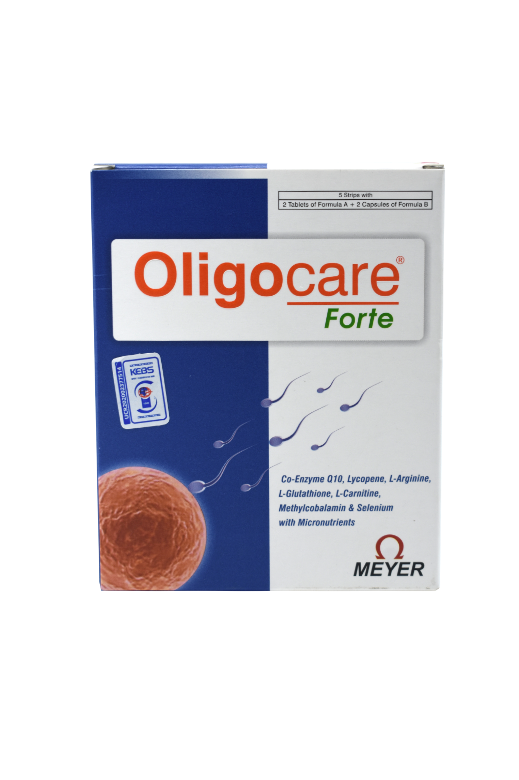
OLIGOCARE
VITAMIN A (AS ACETATE) 1250IU VITAMIN C (AS COATED) 75MG L-CARNITINE TARTRATE 50MG VITAMIN E ACETATE 12.5MG GINSENG EXTRACT 10MG L ��� ARGININE 10MG ZINC SULPHATE MONOHYDRATE 7.5MG THIAMINE MONONITRATE 5MG PYRIDOXINE HYDROCHLORIDE 5MG FERROUS FUM
What it does
Arginine is an amino acid that helps with various bodily functions, including blood flow and immune support.
Commonly used for: heart disease, erectile dysfunction, high blood pressure (hypertension), sickle cell disease
Read more in plain English ↓Plain-language summary for general understanding - not medical advice. Always follow your pharmacist/doctor.
Ask about this medicine
Answers come only from this medicine's registration record, BNF monograph and interaction data - not medical advice.
Hard to find? We help patients in Kenya source rare medicines. We don't sell or dispense medicines - licensed pharmacies do.
Source this medicineRegistration & product details
Source: Pharmacy and Poisons Board · fetched 2026-01-28 21:49:41 · updated 2026-03-23 04:34:46
Drug Interactions
7Severe (2)
Vitamin - increases risk of vitamin a toxicity
TretinoinispredictedtoincreasetheriskofvitaminAtoxicity whengivenwithvitaminA.Avoid.rStudy Ribavirin e
Vitamin - increases risk of vitamin a toxicity
Retinoids(tretinoin)arepredictedtoincreasetheriskof vitaminAtoxicitywhengivenwithvitaminA.Avoid.r Study VitaminDsubstances . . . . . alfacalcidol.calcipotri..ol calcitriol colecalciferol ergocalcifero
Moderate (1)
Vitamin - increases risk of toxicity
Retinoids (bexarotene) are predicted to increase the risk of toxicity when given with vitamin A. Adjust dose.
Unknown (4)
Vitamin - decreases effects
Carbamazepine is predicted to decrease the effects of vitamin D substances.
Vitamin - increases exposure
Cobicistat is predicted to increase the exposure to vitamin D substances (paricalcitol).
Vitamin - increases exposure
Idelalisib is predicted to increase the exposure to vitamin D substances (paricalcitol).
Vitamin - increases exposure
Clarithromycin is predicted to increase the exposure to vitamin D substances (paricalcitol).
Data from BNF 85 (British National Formulary). This is not a substitute for professional medical advice. Matched via: exact
About arginine
Arginine is an amino acid that helps with various bodily functions, including blood flow and immune support.
What it treats
- heart disease
- erectile dysfunction
- high blood pressure (hypertension)
- sickle cell disease
How it works
Arginine helps produce nitric oxide, which widens blood vessels and improves blood flow.
Who it's for
Arginine is for adults who may need support for heart health, blood circulation, or sexual function.
AI-assisted summary grounded in BNF data - general information only, not medical advice. Always confirm with your pharmacist or doctor.
About extract
This medicine is an extract that is used for various health conditions.
What it treats
- general health improvement
- nutritional support
How it works
The extract may provide health benefits by supplying essential nutrients or compounds that support bodily functions.
Who it's for
This medicine is suitable for individuals looking to improve their overall health or address specific nutritional needs.
AI-assisted summary grounded in BNF data - general information only, not medical advice. Always confirm with your pharmacist or doctor.
About ferrous
Ferrous is a type of iron supplement used to treat or prevent low iron levels in the body.
What it treats
- iron deficiency anemia
- low iron levels
How it works
Ferrous provides the body with iron, which is necessary for producing red blood cells and transporting oxygen.
Who it's for
It is suitable for individuals who have low iron levels or are at risk of iron deficiency, such as pregnant women, vegetarians, or those with certain medical conditions.
AI-assisted summary grounded in BNF data - general information only, not medical advice. Always confirm with your pharmacist or doctor.
About fum
Fum is a medication used for various health conditions. It is important to understand how it works and who should use it.
How it works
Fum works by influencing certain processes in the body to help treat specific conditions.
Who it's for
Fum is typically prescribed for individuals with specific health issues as determined by a healthcare provider.
AI-assisted summary grounded in BNF data - general information only, not medical advice. Always confirm with your pharmacist or doctor.
About ginseng
Ginseng is a herbal supplement that is often used to boost energy and improve overall health.
What it treats
- fatigue
- stress relief
- improving mental performance
How it works
Ginseng is believed to enhance physical and mental performance by supporting the body's ability to adapt to stress and improve energy levels.
Who it's for
Ginseng is commonly used by adults looking for natural ways to increase energy and reduce stress.
AI-assisted summary grounded in BNF data - general information only, not medical advice. Always confirm with your pharmacist or doctor.
About mononitrate
Mononitrate is a medicine used to help prevent chest pain (angina) by improving blood flow to the heart.
What it treats
- chest pain (angina)
- heart-related conditions
How it works
It works by relaxing and widening blood vessels, making it easier for the heart to receive blood.
Who it's for
It is for adults with a history of chest pain or other heart issues.
AI-assisted summary grounded in BNF data - general information only, not medical advice. Always confirm with your pharmacist or doctor.
About pyridoxine
Pyridoxine, also known as vitamin B6, is important for many bodily functions including the metabolism of proteins and the creation of neurotransmitters.
What it treats
- pyridoxine deficiency
- nerve pain (neuropathy)
- certain types of anemia
How it works
Pyridoxine helps the body use proteins and carbohydrates effectively and is essential for the production of chemicals that transmit signals in the brain.
Who it's for
Pyridoxine is for individuals who need to increase their vitamin B6 levels due to dietary deficiencies or certain health conditions.
AI-assisted summary grounded in BNF data - general information only, not medical advice. Always confirm with your pharmacist or doctor.
About thiamine
Thiamine, also known as vitamin B1, is a nutrient that helps convert food into energy and supports the nervous system.
What it treats
- thiamine deficiency
- Wernicke-Korsakoff syndrome
- beriberi
How it works
Thiamine helps the body use carbohydrates for energy and is essential for the proper functioning of the nervous system.
Who it's for
Thiamine is for people who have low levels of vitamin B1 or certain conditions that increase the need for it.
AI-assisted summary grounded in BNF data - general information only, not medical advice. Always confirm with your pharmacist or doctor.
About vitamin
Vitamins are essential nutrients that support various bodily functions and overall health.
What it treats
- nutritional deficiency
- general health maintenance
How it works
Vitamins support normal bodily functions, including metabolism, immune function, and cell repair.
Who it's for
Anyone needing to improve their nutrient intake or maintain good health.
AI-assisted summary grounded in BNF data - general information only, not medical advice. Always confirm with your pharmacist or doctor.
Clinical monograph: Ferrousfumarate
BNF-referencedFerrous fumarate is an iron supplement used primarily in the treatment and prevention of iron deficiency anemia. It provides elemental iron, which is essential for the synthesis of hemoglobin and the production of red blood cells. This compound plays a crucial role in increasing the iron stores in the body, which can be depleted in conditions such as chronic blood loss, malnutrition, or increased physiological demands.
Indications
- Iron deficiency anemia
- Prophylaxis of iron deficiency in at-risk populations
- Epithelial tissue changes such as atrophic glossitis and koilonychia
Dosage
Children: For children aged 1 month to 11 years: 0.25 mL per kilogram twice daily, with the total daily dose possibly given in 3 divided doses, not exceeding 20 mL per day. For children aged 12-17 years: 10 mL once daily.
Adults: The dose is calculated according to body weight and the iron deficit, specifying both the iron salt and formulation. For specific dosing, consult product literature.
Mechanism of action
Iron is necessary for the production of hemoglobin. Iron deficiency can lead to decreased production of hemoglobin and a microcytic, hypochromic anemia. Ferrous fumarate releases iron in the gastrointestinal tract, facilitating its absorption and subsequent incorporation into hemoglobin, thus alleviating anemia.
Pharmacodynamics
The major activity of supplemental iron, including ferrous fumarate, is in the prevention and treatment of iron deficiency anemia. Iron also has putative immune-enhancing, anticarcinogenic, and cognition-enhancing activities, supporting overall health and functionality.
Pharmacokinetics
Ferrous fumarate is absorbed in the gastrointestinal tract, with absorption being optimal in an acidic environment. The bioavailability can be influenced by dietary factors, such as the presence of certain foods or medications that may inhibit iron absorption. Once absorbed, iron is transported in the blood bound to transferrin and is stored in tissues as ferritin and hemosiderin. The elimination half-life of iron is variable and depends on the individual's iron status and the amount of iron stored.
Contra-indications
- Iron overload syndromes
- Repeated blood transfusions
- Porphyria cutanea tarda
Adverse effects
- Asthenia
- Drowsiness
- Urine discoloration
- Cold sweat
- Confusion
- Decreased level of consciousness
- Thrombophlebitis
- Headache
- Joint stiffness
- Pain in extremities
- Skin reactions
- Small intestinal bacterial overgrowth
- Thirst
- Nausea
- Constipation
- Diarrhea
- Decreased appetite
Interactions
- Iron absorption may be affected by antacids and certain medications that alter gastric pH.
Precautions
- Monitor iron status to avoid iron overload.
- Caution in patients with intestinal strictures or diverticular disease.
- Care in elderly patients and those on high doses.
Pregnancy
Iron is generally considered safe during pregnancy, but supplementation should be monitored to avoid overload.
Breast-feeding
Iron supplementation may be necessary for exclusively breast-fed infants if maternal iron stores are low.
Storage
Store in a cool, dry place, away from direct sunlight. Keep out of reach of children.
Formulations
- Solution for injection (Iron as Iron sucrose 20 mg per 1 ml)
- Capsules containing iron formulations
AI-synthesized from BNF references - general information only, not a substitute for professional medical advice or the current BNF. Verify doses with a pharmacist.
Clinical monograph: Pyridoxinehydrochloride
BNF-referencedPyridoxine hydrochloride, also known as Vitamin B6, is a water-soluble vitamin that plays a crucial role in various bodily functions, including amino acid metabolism, neurotransmitter synthesis, and the regulation of gene expression. It is essential for the proper function of enzymes involved in the metabolism of proteins, carbohydrates, and fats. Pyridoxine is commonly used to treat and prevent vitamin B6 deficiencies and is also indicated in specific neuropathies, including those induced by isoniazid and penicillamine.
Indications
- Vitamin B6 deficiency
- Isoniazid-induced neuropathy (prophylaxis and treatment)
- Idiopathic sideroblastic anaemia
- Prevention of penicillamine-induced neuropathy in Wilson's disease
- Metabolic diseases such as cystathioninuria and homocystinuria
- Premenstrual syndrome
Mechanism of action
Pyridoxine hydrochloride is converted in the body to pyridoxal phosphate, which is the active form of vitamin B6. It serves as a cofactor for more than 100 enzymatic reactions, particularly those involved in the metabolism of amino acids, the synthesis of neurotransmitters (such as serotonin, dopamine, and gamma-aminobutyric acid), and the production of hemoglobin. Its role in neurotransmitter synthesis makes it crucial for normal brain function and mood regulation.
Pharmacodynamics
Pyridoxine hydrochloride exerts its effects by facilitating the conversion of amino acids into neurotransmitters and is involved in the synthesis of heme. It impacts the metabolism of tryptophan to serotonin and is essential for the production of norepinephrine and gamma-aminobutyric acid, which are vital for proper neurological function. Deficiency of vitamin B6 can lead to neurological symptoms, including peripheral neuropathy and cognitive disturbances.
Pharmacokinetics
Pyridoxine hydrochloride is readily absorbed from the gastrointestinal tract. It is primarily metabolized in the liver, where it is converted to its active form, pyridoxal phosphate. The elimination half-life of pyridoxine is approximately 15-20 days, and it is excreted primarily through the urine. Renal impairment may affect the metabolism and excretion of pyridoxine, necessitating dose adjustments.
Contra-indications
- Hyperkalaemia
- Severe liver damage
Adverse effects
- Peripheral neuritis
- Hepatitis
- Hypoglycaemia
- Urine discolouration
Interactions
- Potassium aminobenzoate
- Isoniazid
Precautions
- Caution in renal impairment (increased risk of hyperkalaemia)
- Interrupt treatment during periods of low food intake (such as fasting, anorexia, and nausea) to reduce risk of hypoglycaemia
- Monitor liver function tests monthly during high-dose therapy
Pregnancy
Manufacturer advises avoiding use in pregnancy due to potential risk of birth defects; however, no adverse effects have been reported at normal dietary levels.
Breast-feeding
Theoretical risk of toxicity in infants if mothers take large doses.
Storage
Store in a cool, dry place away from direct sunlight. Keep out of reach of children.
Formulations
- Pyridoxine hydrochloride 10 mg tablets
- Pyridoxine hydrochloride 20 mg tablets
- Pyridoxine hydrochloride 50 mg tablets
- Pyridoxine hydrochloride oral solution 20 mg per 1 ml
AI-synthesized from BNF references - general information only, not a substitute for professional medical advice or the current BNF. Verify doses with a pharmacist.
Clinical monograph: Ferroussulfate
BNF-referencedFerrous sulfate is an iron supplement used primarily for the treatment and prevention of iron-deficiency anemia. It provides the body with iron, an essential component of hemoglobin in red blood cells, facilitating oxygen transport throughout the body. Iron-deficiency anemia can result from inadequate dietary intake, chronic blood loss, or increased physiological demands such as pregnancy.
Indications
- Iron-deficiency anemia (therapeutic)
- Iron-deficiency anemia (prophylactic)
Dosage
Children: For children aged 1 month to 11 years: 0.25 mL/kilogram twice daily. For children aged 12 to 17 years: 10 mL once daily.
Adults: 280 mg twice daily.
Mechanism of action
Ferrous sulfate acts as a source of iron, which is essential for the synthesis of hemoglobin, the protein in red blood cells that carries oxygen. Iron is absorbed in the intestines, where it is converted into a form that can be incorporated into hemoglobin. The mechanism involves transport proteins that facilitate iron uptake and incorporation into the heme group of hemoglobin.
Pharmacodynamics
The pharmacodynamic effect of ferrous sulfate is the increase in hemoglobin levels and improvement in symptoms of anemia, such as fatigue and weakness. Iron supplementation leads to increased erythropoiesis (red blood cell production) in the bone marrow, effectively correcting the deficit in iron stores and enhancing oxygen-carrying capacity.
Pharmacokinetics
Ferrous sulfate is absorbed in the gastrointestinal tract, particularly in the duodenum and proximal jejunum. The bioavailability of iron from ferrous sulfate can be affected by dietary factors, with enhanced absorption in acidic environments. Peak plasma concentrations typically occur within 2 to 6 hours post-administration. Iron is primarily stored in the liver and bone marrow, and any excess iron is excreted through feces, urine, and sweat.
Contra-indications
- Hypersensitivity to ferrous sulfate or any of its excipients
- Hemochromatosis
- Hemosiderosis
- Thalassemia
- Other anemias not due to iron deficiency
Adverse effects
- Gastrointestinal disturbances (nausea, constipation, diarrhea, abdominal pain)
- Dark stools
- Staining of teeth (with liquid formulations)
- Allergic reactions (rare)
Interactions
- Antacids may reduce the absorption of iron
- Tetracycline antibiotics may interfere with iron absorption
- Ascorbic acid (vitamin C) may enhance iron absorption
- Certain foods and beverages (e.g., tea, coffee, dairy) can decrease iron absorption
Precautions
- Use with caution in patients with peptic ulcer disease
- Monitor for signs of iron overload
- Assess the cause of anemia before initiation of therapy
- Keep out of reach of children to prevent accidental overdose
Pregnancy
Ferrous sulfate is generally considered safe for use during pregnancy to prevent or treat iron-deficiency anemia.
Breast-feeding
Ferrous sulfate is excreted in breast milk in small amounts but is considered safe for breastfeeding mothers.
Storage
Store in a cool, dry place away from direct sunlight. Keep out of reach of children.
Formulations
- Ferrous sulfate 200 mg tablets
- Ferrous sulfate 325 mg modified-release tablets
- Ferrous sulfate oral solution 140 mg/5 mL
- Ferrous sulfate drops
AI-synthesized from BNF references - general information only, not a substitute for professional medical advice or the current BNF. Verify doses with a pharmacist.
Clinical monograph: Arginine
BNF-referencedArginine is an amino acid used primarily as a dietary supplement in the management of urea cycle disorders, particularly in cases of hyperammonaemia due to various enzymatic deficiencies.
Indications
- Urea cycle disorders
- Hyperammonaemia types I and II
- Citrullinaemia
- Arginosuccinic aciduria
- Deficiency of N-acetyl glutamate synthetase
- Acute hyperammonaemia in carbamylphosphate synthetase deficiency
- Acute hyperammonaemia in ornithine transcarbamylase deficiency
Dosage
Children: Neonate: 100–300 mg/kg daily in 3–4 divided doses; Child (body-weight up to 40 kg): 6 mg/kg/hour; Child (body-weight 40 kg and above): 4 mg/kg/hour.
Adults: Refer to BNF for specific dosing based on condition; typically administered as 5–50 mg/kg twice daily, adjusted according to plasma ammonia concentration.
Mechanism of action
Arginine serves as a substrate for the synthesis of nitric oxide (NO), a crucial signaling molecule, and contributes to the urea cycle, facilitating the detoxification of ammonia in the liver.
Pharmacodynamics
As a precursor for nitric oxide, arginine plays a vital role in vasodilation and modulating blood flow. It also aids in protein synthesis and supports metabolic processes in the body.
Pharmacokinetics
Arginine is absorbed from the gastrointestinal tract and is distributed throughout the body. It undergoes hepatic metabolism, primarily via the urea cycle, and its half-life is influenced by renal function.
Pregnancy
Use only if clearly needed; consult specialist.
Breast-feeding
Use with caution; benefits should outweigh risks.
Storage
Store in a cool, dry place away from direct sunlight.
Formulations
- L-Arginine 500 mg tablets
- L-Arginine 1 gram tablets
- L-Arginine powder for solution
- L-Arginine 500 mg capsules
- L-Arginine 21% concentrate for solution for infusion
AI-synthesized from BNF references - general information only, not a substitute for professional medical advice or the current BNF. Verify doses with a pharmacist.
Clinical monograph: Thiamine
BNF-referencedThiamine, also known as vitamin B1, is a water-soluble vitamin that is essential for carbohydrate metabolism and plays a critical role in energy production. It acts as a coenzyme in several biochemical pathways, particularly in the conversion of pyruvate to acetyl-CoA and in the pentose phosphate pathway. Thiamine deficiency can lead to serious health issues, including Wernicke-Korsakoff syndrome, beriberi, and other neurological disorders. Thiamine is found in various foods such as whole grains, legumes, nuts, and meat.
Indications
- Vitamin B1 deficiency
- Wernicke-Korsakoff syndrome
- Beriberi
- Isoniazid-induced neuropathy (prophylaxis and treatment)
- Severe depletion or malabsorption of vitamins B and C
Dosage
Adults: For vitamin deficiency: 25–100 mg daily. For severe deficiency: 200–300 mg daily in divided doses. For
Mechanism of action
Thiamine functions primarily as a precursor for several phosphorylated active forms, which act as coenzymes in metabolic pathways. It reduces intracellular protein glycation by redirecting glycolytic flux and supports the synthesis of nucleic acids necessary for cell survival and proliferation. Additionally, thiamine has been shown to inhibit glucose-induced proliferation of endothelial cells, thus possibly playing a role in the modulation of vascular health.
Pharmacodynamics
Thiamine exhibits antioxidant properties and contributes to erythropoiesis, cognitive function, and mood regulation. It has protective effects against oxidative stress, particularly in neuronal tissues, where deficiency can lead to neuronal death due to increased free radical production. Thiamine also modulates glucose metabolism, influencing smooth muscle cell proliferation and potentially impacting the progression of atherosclerosis.
Pharmacokinetics
Thiamine is rapidly absorbed from the gastrointestinal tract, primarily in the jejunum, and is distributed throughout the body, with higher concentrations found in the liver, heart, and brain. It is excreted in urine, and its half-life is relatively short. The vitamin is converted into active forms within tissues, including thiamine diphosphate (TDP), which is the coenzyme form involved in carbohydrate metabolism. The body does not store significant amounts of thiamine, making regular dietary intake essential.
Adverse effects
- Allergic reactions
- Anaphylaxis (rare)
- Gastrointestinal disturbances
Precautions
- Facilities for treating anaphylaxis should be available when parenteral thiamine is administered
- Use with caution in patients with a history of hypersensitivity to thiamine
Pregnancy
Thiamine crosses the placenta but no adverse effects have been reported. Information regarding high doses is limited.
Breast-feeding
Severely thiamine-deficient mothers should avoid breast-feeding as thiamine is present in breast milk.
Storage
Store in a cool, dry place away from direct sunlight. Keep out of reach of children.
Formulations
- Thiamine hydrochloride 20 mg/ml oral solution
- Thiamine hydrochloride 50 mg tablets
- Thiamine hydrochloride 100 mg modified-release tablets
- Thiamine hydrochloride oral suspension
AI-synthesized from BNF references - general information only, not a substitute for professional medical advice or the current BNF. Verify doses with a pharmacist.
Clinical monograph: extract
Extracts are concentrated preparations obtained from plants, herbs, or other natural sources through various extraction methods such as solvent extraction, steam distillation, or cold pressing. They are used for their therapeutic properties in herbal medicine and can contain a variety of bioactive compounds including alkaloids, flavonoids, terpenes, and essential oils. The specific effects and uses of an extract depend on its source material and the compounds it contains.
Indications
- General wellness support
- Anti-inflammatory effects
- Antioxidant activity
- Digestive aid
- Support for immune function
Dosage
Children: Paediatric dosing should be determined based on the specific extract and its intended use. Consultation with a healthcare provider is recommended for accurate dosing.
Adults: Dosage varies widely depending on the specific extract and formulation. It is essential to follow the manufacturer's instructions or consult a healthcare professional for appropriate dosing.
Mechanism of action
The mechanism of action of herbal extracts can vary significantly based on their constituents. Commonly, they exert their effects through multiple pathways including modulation of neurotransmitter systems, interference with inflammatory processes, or direct antioxidant activity. Some extracts may activate certain receptors or inhibit enzymes related to disease processes.
Pharmacodynamics
The pharmacodynamics of extracts is complex due to the presence of multiple active compounds which can have synergistic or antagonistic effects. These compounds may influence cellular signaling pathways, alter gene expression, or modulate immune response. The overall pharmacological profile is determined by the specific composition of the extract, its concentration, and the biological target it interacts with.
Pharmacokinetics
The pharmacokinetics of extracts involves absorption, distribution, metabolism, and excretion of the active compounds. Generally, herbal extracts are absorbed in the gastrointestinal tract, with bioavailability influenced by factors such as formulation, the presence of food, and individual metabolic differences. Compounds may undergo hepatic metabolism, and elimination can occur through urine or feces, depending on their chemical nature.
Pregnancy
Consult a healthcare professional before use, as the safety of the extract during pregnancy has not been established.
Breast-feeding
Consult a healthcare professional before use, as the safety of the extract during breastfeeding has not been established.
Storage
Store in a cool, dry place away from direct sunlight. Keep out of reach of children.
AI-synthesized from BNF references - general information only, not a substitute for professional medical advice or the current BNF. Verify doses with a pharmacist.
Clinical monograph: ferrous
BNF-referencedFerrous refers to iron in its +2 oxidation state, primarily encountered as ferrous sulfate, which is used as an iron supplement to treat or prevent iron deficiency anemia. Iron is a crucial component of hemoglobin in red blood cells, facilitating oxygen transport throughout the body. Adequate iron levels are essential for various biological functions, including energy metabolism and immune system performance.
Indications
- Iron deficiency anemia
- Iron deficiency due to inadequate dietary intake
- Anemia associated with chronic disease
- Pregnancy-related anemia
Dosage
Children: Refer to the BNF for Children for specific dosing recommendations based on age and weight.
Adults: Refer to the BNF for specific dosing recommendations, generally, adults may require 100-200 mg of elemental iron daily divided into several doses.
Mechanism of action
Ferrous ions (Fe2+) play a vital role in hemoglobin production by participating in the synthesis of heme, the iron-containing compound essential for oxygen transport in the blood. In addition, iron is a cofactor for various enzymes involved in metabolic pathways, including those related to DNA synthesis and energy production.
Pharmacodynamics
The pharmacodynamic effects of ferrous include increased hemoglobin synthesis, improved oxygen transport, and enhanced cellular energy metabolism. Supplementation leads to an increase in serum ferritin levels and replenishment of iron stores in the body, which is particularly beneficial in cases of iron deficiency anemia.
Pharmacokinetics
Ferrous iron is absorbed primarily in the duodenum and upper jejunum of the small intestine. The absorption rate can be influenced by various factors, including the presence of food, the form of iron, and individual patient characteristics. Once absorbed, ferrous is transported in the bloodstream bound to transferrin, and it is stored in the liver, spleen, and bone marrow as ferritin. The elimination half-life of iron is not well-defined as it is not excreted directly but rather recycled in the body.
Pregnancy
Not contraindicated, but iron supplementation should be done under medical supervision.
Breast-feeding
Iron is excreted in breast milk, but supplementation is generally considered safe.
Storage
Store in a cool, dry place away from sunlight. Keep out of reach of children.
AI-synthesized from BNF references - general information only, not a substitute for professional medical advice or the current BNF. Verify doses with a pharmacist.
Clinical monograph: ginseng
Ginseng refers to a group of plants in the genus Panax, known for their potential health benefits. The most commonly used species are Panax ginseng (Asian ginseng) and Panax quinquefolius (American ginseng). Ginseng is often used as an adaptogen, believed to help the body resist stress and improve energy levels. It has also been studied for its effects on cognitive function, immune system support, and overall vitality.
Indications
- Fatigue
- Stress management
- Cognitive enhancement
- Immune support
- General well-being
Dosage
Children: Refer to specific product guidelines, as dosing in children should be determined by a healthcare professional.
Adults: Refer to specific product guidelines, as dosing can vary based on formulation and intended use.
Mechanism of action
Ginseng is thought to exert its effects through several mechanisms, including modulation of the hypothalamic-pituitary-adrenal (HPA) axis, enhancement of antioxidant activity, and regulation of neurotransmitter levels. Ginsenosides, the active compounds in ginseng, may influence cellular signaling pathways, promote neuroprotection, and enhance immune responses.
Pharmacodynamics
The pharmacodynamic effects of ginseng are attributed primarily to its active constituents, ginsenosides, which interact with various receptors and enzymes in the body. These interactions can lead to increased energy metabolism, improved cognitive function, enhanced physical performance, and modulation of the immune system. Ginseng may also exhibit adaptogenic properties, helping the body to maintain homeostasis under stress.
Pharmacokinetics
Ginsenosides undergo extensive metabolism in the body, primarily by the liver. Bioavailability can vary significantly based on the specific ginsenoside and the method of administration. Ginseng is usually administered orally, with effects typically observed within several hours after ingestion. The elimination half-life of ginsenosides can vary based on the specific compound and individual metabolism, with some studies suggesting that effects may persist for several hours to days.
Adverse effects
- Insomnia
- Headache
- Gastrointestinal disturbances
- Nervousness
- Hypertension
- Allergic reactions
Interactions
- May interact with anticoagulants (e.g., warfarin)
- May enhance the effects of caffeine
- May affect insulin levels and blood sugar control
- Potential interaction with immunosuppressants
Precautions
- Use with caution in patients with hypertension
- May cause sleep disturbances; avoid use before bedtime
- Should be used cautiously in patients with diabetes
- Consult a healthcare provider before use in individuals with autoimmune conditions
Pregnancy
Limited data available. Generally not recommended due to potential hormonal effects.
Breast-feeding
Limited data available. Consult a healthcare provider before use.
Storage
Store in a cool, dry place, away from direct sunlight.
Formulations
- Dried root
- Powdered extract
- Capsules
- Tinctures
- Teas
AI-synthesized from BNF references - general information only, not a substitute for professional medical advice or the current BNF. Verify doses with a pharmacist.
Clinical monograph: mono
Monoclonal antibodies are laboratory-engineered molecules designed to target specific antigens in the body. They are derived from immune cells and can mimic the immune system's ability to fight off harmful pathogens such as viruses. These agents are widely used in various therapeutic applications, including oncology, autoimmune diseases, and infectious diseases.
Indications
- Cancer (various types)
- Rheumatoid arthritis
- Multiple sclerosis
- Inflammatory bowel disease
- Psoriasis
- Hypercholesterolemia
- Infectious diseases (e.g., COVID-19)
Dosage
Children: Refer to the BNF for Children for paediatric dosing information, as it varies based on the specific monoclonal antibody and the condition being treated.
Adults: Refer to the specific monoclonal antibody product information for adult dosage, as it varies based on indication and specific agent used.
Mechanism of action
Monoclonal antibodies work by binding to specific proteins on the surface of cells. This binding can block the activity of certain proteins, mark cells for destruction by the immune system, or deliver cytotoxic agents directly to target cells. The mechanism of action varies depending on the specific monoclonal antibody but often involves modulation of immune response, inhibition of cell proliferation, and induction of apoptotic pathways.
Pharmacodynamics
The pharmacodynamics of monoclonal antibodies is primarily characterized by their specificity and affinity for targeted antigens. This leads to a variety of effects, including neutralization of pathogens, blockade of receptor-ligand interactions, and antibody-dependent cellular cytotoxicity. The clinical effects depend on the disease being treated and the specific antibody's action, such as inducing tumor regression in cancer or reducing inflammation in autoimmune diseases.
Pharmacokinetics
Monoclonal antibodies typically have a long half-life, allowing for less frequent dosing. They are generally administered intravenously or subcutaneously, with absorption and distribution influenced by the antibody's size and charge. The elimination occurs primarily through proteolytic degradation and intracellular recycling. Factors such as patient-specific variables, including immunogenicity and the presence of antibodies against the monoclonal antibody, can impact pharmacokinetics.
Interactions
- abatacept+monoclonalantibodies: Severe (increases risk of generalised infection (possibly life-threatening))
- anakinra+monoclonalantibodies: Severe (increases risk of generalised infection (possibly life-threatening))
- anthracyclines+monoclonalantibodies: Severe (increases risk of cardiotoxicity)
- filgotinib+monoclonalantibodies: Severe (increases risk of immunosuppression)
- monoclonalantibodies+fingolimod: Severe (increases risk of generalised infection (possibly life-threatening))
- normal immunoglobulin+monoclonalantibodies: Severe (affects effects)
- monoclonalantibodies+ozanimod: Severe (increases risk of generalised infection (possibly life-threatening))
- monoclonalantibodies+siponimod: Severe (increases risk of generalised infection (possibly life-threatening))
- monoclonalantibodies+vemurafenib: Severe (increases risk of hepatotoxicity)
- monoclonalantibodies+aminophylline: Moderate (decreases exposure)
AI-synthesized from BNF references - general information only, not a substitute for professional medical advice or the current BNF. Verify doses with a pharmacist.
Clinical monograph: mononitrate
Mononitrate, specifically isosorbide mononitrate, is a nitrate vasodilator used primarily in the management of angina pectoris. It works by dilating blood vessels, which reduces the heart's workload and oxygen demand, thereby alleviating chest pain associated with ischemia. Isosorbide mononitrate is a metabolite of isosorbide dinitrate and is often used in chronic angina prophylaxis due to its longer duration of action.
Indications
- Angina pectoris
- Chronic stable angina
- Angina due to coronary artery disease
Dosage
Children: Refer to the appropriate prescribing guidelines and consult clinical references for paediatric dosing recommendations.
Adults: Refer to the appropriate prescribing guidelines and consult clinical references for specific adult dosing recommendations.
Mechanism of action
Isosorbide mononitrate is converted to nitric oxide (NO) in the body, which activates guanylate cyclase. This leads to an increase in cyclic guanosine monophosphate (cGMP) levels in smooth muscle cells, resulting in smooth muscle relaxation and vasodilation. This vasodilatory effect decreases preload and afterload on the heart, reducing myocardial oxygen demand and relieving symptoms of angina.
Pharmacodynamics
Mononitrate demonstrates a dose-dependent reduction in myocardial oxygen consumption by decreasing both venous return (preload) and systemic vascular resistance (afterload). It also facilitates coronary artery dilation, improving blood flow to ischemic myocardial tissue. The onset of action can be within 30 minutes, with peak effects generally occurring 1-2 hours after administration. The effects can last for 6-8 hours, depending on the dosing schedule.
Pharmacokinetics
Isosorbide mononitrate is well absorbed from the gastrointestinal tract, with a bioavailability of approximately 100% due to its oral formulation. It undergoes minimal first-pass metabolism. The peak plasma concentration is reached within 1-2 hours post-ingestion. The drug has a half-life of approximately 5 hours, and it is primarily eliminated via the kidneys as unchanged drug and metabolites. Steady-state concentrations are typically achieved within 24 hours of regular dosing.
Contra-indications
- Hypersensitivity to mononitrate or any of its components
- Severe hypotension
- Cardiogenic shock
- Severe anemia
- Concurrent use with phosphodiesterase inhibitors (e.g. sildenafil) due to risk of severe hypotension
Adverse effects
- Headache
- Dizziness
- Hypotension
- Flushing
- Tachycardia
- Palpitations
- Nausea
- Vomiting
Interactions
- Nitrates may enhance the effects of other antihypertensive agents
- Use with caution with alcohol, as it may exacerbate hypotensive effects
- Interactions may occur with phosphodiesterase type 5 inhibitors (e.g. sildenafil) leading to severe hypotension
Precautions
- Caution in patients with recent myocardial infarction or congestive heart failure
- Use with caution in patients with hepatic or renal impairment
- Monitor blood pressure regularly during treatment
- Consider tolerance development with long-term use
Pregnancy
Limited data available on the use of mononitrate in pregnancy. It should only be used if clearly needed and the benefits outweigh the risks.
Breast-feeding
Limited data available. Consider the benefits of breastfeeding against the need for the medication.
Storage
Store at room temperature, away from moisture and heat. Keep out of reach of children.
Formulations
- Extended-release tablets
- Sustained-release capsules
- Oral tablets
AI-synthesized from BNF references - general information only, not a substitute for professional medical advice or the current BNF. Verify doses with a pharmacist.
Clinical monograph: pyridoxine
BNF-referencedPyridoxine, also known as vitamin B6, is a water-soluble vitamin that is essential for various biochemical processes in the body. It comprises a group of three related compounds, including pyridoxine, pyridoxal, and pyridoxamine, along with their phosphorylated derivatives. Pyridoxine primarily serves as a precursor to pyridoxal 5'-phosphate, the active coenzyme form that plays a vital role in amino acid metabolism, glycogen synthesis, and the production of neurotransmitters such as serotonin and dopamine.
Indications
- Vitamin B6 deficiency
- Peripheral neuropathy associated with isoniazid therapy
- Supplementation in specific dietary deficiencies
Dosage
Children: Refer to the BNF for Children for specific paediatric dosing guidance.
Adults: Refer to the BNF for specific dosing details, typically 10-50 mg daily for deficiency.
Mechanism of action
Pyridoxine, mainly in its active form pyridoxal 5'-phosphate, is involved in numerous biochemical reactions, including amino acid metabolism, glycogen breakdown, nucleic acid synthesis, and the production of key neurotransmitters. It aids in the synthesis of hemoglobin and sphingolipids, and its deficiency can impair several physiological processes, including immune response and vascular health.
Pharmacodynamics
Pyridoxine is utilized for the prevention and treatment of vitamin B6 deficiency, particularly in individuals undergoing treatment with isoniazid, which can deplete vitamin B6 levels. It may also have beneficial effects on blood pressure and lipid profiles, as studies have shown it can lower both systolic and diastolic blood pressure, inhibit platelet aggregation, and improve cholesterol levels. Additionally, it plays a role in enhancing immune function and protecting endothelial cells from injury.
Pharmacokinetics
Pyridoxine is rapidly absorbed from the gastrointestinal tract. It is transported to tissues where it is phosphorylated to its active form, pyridoxal 5'-phosphate. The vitamin is primarily excreted in urine as pyridoxine and its metabolites. Its half-life varies depending on the individual’s nutritional status and other factors. Adequate dietary intake is essential for maintaining optimal levels in the body.
Pregnancy
Pyridoxine is generally considered safe during pregnancy. However, high doses should be avoided unless specifically prescribed.
Breast-feeding
Pyridoxine is excreted in breast milk, but at normal dietary levels it is considered safe for breastfeeding mothers.
Storage
Store in a cool, dry place away from direct sunlight. Keep out of reach of children.
Formulations
- Tablets
- Oral solution
- Injectable form
AI-synthesized from BNF references - general information only, not a substitute for professional medical advice or the current BNF. Verify doses with a pharmacist.
Clinical monograph: thiaminehydrochloride
Thiamine hydrochloride, also known as vitamin B1, is a water-soluble vitamin that plays a critical role in carbohydrate metabolism and is essential for the proper functioning of the nervous system. It is involved in the decarboxylation of alpha-keto acids and the hexose monophosphate shunt, which are vital processes for energy production from carbohydrates.
Indications
- Thiamine deficiency
- Wernicke's encephalopathy
- Beriberi
- Alcoholism-related complications
- Certain metabolic disorders
Dosage
Children: Refer to BNF for Children for appropriate dosing information.
Adults: Refer to established clinical guidelines or BNF for specific dosing recommendations.
Mechanism of action
Thiamine is a coenzyme for several important enzymatic reactions, including the pyruvate dehydrogenase complex and alpha-ketoglutarate dehydrogenase. It is essential for converting carbohydrates into energy, facilitating the metabolism of glucose, and maintaining normal nerve function.
Pharmacodynamics
Thiamine deficiency leads to impaired carbohydrate metabolism, which can result in neurological and cardiovascular dysfunction. Supplementation with thiamine helps restore normal metabolic function and can alleviate symptoms associated with deficiency, such as Wernicke's encephalopathy and Beriberi. It also plays a role in the synthesis of neurotransmitters and in maintaining myelin integrity.
Pharmacokinetics
Thiamine is readily absorbed from the gastrointestinal tract, with peak plasma concentrations occurring within 1-2 hours after oral administration. It is distributed throughout the body, primarily in the liver, kidneys, and heart. Thiamine is metabolized in the liver to its active form, thiamine pyrophosphate. It has a biological half-life of about 9-18 days and is excreted primarily in the urine. Excess thiamine is excreted, making toxicity rare.
Adverse effects
- Allergic reactions
- Hypersensitivity reactions
- Gastrointestinal disturbances
Interactions
- May interact with certain diuretics, leading to altered thiamine levels
Precautions
- Use with caution in patients with renal impairment
- Monitor patients with a history of thiamine deficiency
Pregnancy
Thiamine is considered safe during pregnancy, as it is an essential nutrient.
Breast-feeding
Thiamine is excreted in breast milk, but supplementation is generally considered safe for breastfeeding mothers.
Storage
Store in a cool, dry place away from direct sunlight.
Formulations
- Thiamine hydrochloride injection
- Thiamine hydrochloride oral tablets
- Thiamine hydrochloride oral solution
AI-synthesized from BNF references - general information only, not a substitute for professional medical advice or the current BNF. Verify doses with a pharmacist.
Clinical monograph: vitamin
BNF-referencedVitamins are organic compounds that are essential for various metabolic processes in the body. They play crucial roles in maintaining health, supporting the immune system, and promoting growth and development. Different vitamins have specific functions, and they are required in varying amounts depending on age, sex, and physiological conditions.
Indications
- Vitamin deficiency syndromes (e.g., scurvy for vitamin C deficiency, rickets for vitamin D deficiency)
- Support for immune function
- Antioxidant support
- Bone health maintenance
- Vision health
- Energy metabolism support
Dosage
Children: Refer to the BNF for Children for specific vitamin dosing guidelines, which depend on age and nutritional requirements.
Adults: Refer to specific vitamin guidelines as dosage varies significantly depending on the type of vitamin and individual needs.
Mechanism of action
Vitamins function primarily as coenzymes or precursors for coenzymes in enzymatic reactions. For instance, B vitamins are involved in energy metabolism, while vitamins A, C, D, E, and K support various physiological functions including vision, antioxidant activity, calcium regulation, and blood clotting. Each vitamin has a unique mechanism of action based on its structure and role in the body.
Pharmacodynamics
Vitamins exert their effects at the cellular level, influencing metabolic pathways, gene expression, and immune responses. For example, vitamin D regulates calcium and phosphate homeostasis, while vitamin A is crucial for vision and immune function. Deficiencies in vitamins can lead to a range of disorders, highlighting their importance in maintaining health.
Pharmacokinetics
The pharmacokinetics of vitamins vary widely. Fat-soluble vitamins (A, D, E, and K) are stored in liver and adipose tissues and can be released into circulation as needed. Water-soluble vitamins (B-complex and C) are not stored and must be consumed regularly, with excess amounts excreted in urine. Absorption rates, half-lives, and distribution can also differ based on the specific vitamin and individual metabolic factors.
Interactions
- tretinoin+vitamin: Severe (increases risk of vitamin toxicity)
- retinoids+vitamin: Severe (increases risk of vitamin toxicity)
- retinoids+vitamin: Moderate (increases risk of toxicity)
- carbamazepine+vitamin: Unknown (decreases effects)
- cobicistat+vitamin: Unknown (increases exposure)
- vitamin D substances+digoxin: Unknown (increases risk of toxicity)
- idelalisib+vitamin: Unknown (increases exposure)
- clarithromycin+vitamin: Unknown (increases exposure)
Pregnancy
Consult healthcare professional before use. Vitamin supplementation during pregnancy should be carefully managed to avoid hypervitaminosis.
Breast-feeding
Consult healthcare professional before use. Some vitamins can pass into breast milk and may affect the infant.
Storage
Store in a cool, dry place, away from direct sunlight. Ensure it is kept out of reach of children.
Formulations
- {'name': 'Vitamin A', 'form': 'Capsule', 'strength': '10000 IU'}
- {'name': 'Vitamin D', 'form': 'Tablet', 'strength': '1000 IU'}
- {'name': 'Vitamin E', 'form': 'Softgel', 'strength': '400 IU'}
AI-synthesized from BNF references - general information only, not a substitute for professional medical advice or the current BNF. Verify doses with a pharmacist.
Molecular reference: Arginine
PubChem CID 6322Molecular formula: C6H14N4O2
Mechanism of action
Many of supplemental L-arginine's activities, including its possible anti-atherogenic actions, may be accounted for by its role as the precursor to nitric oxide or NO. NO is produced by all tissues of the body and plays very important roles in the cardiovascular system, immune system and nervous system. NO is formed from L-arginine via the enzyme nitric oxide synthase or synthetase (NOS), and the effects of NO are mainly mediated by 3,'5' -cyclic guanylate or cyclic GMP. NO activates the enzyme guanylate cyclase, which catalyzes the synthesis of cyclic GMP from guanosine triphosphate or GTP. Cyclic GMP is converted to guanylic acid via the enzyme cyclic GMP phosphodiesterase. NOS is a heme-containing enzyme with some sequences similar to cytochrome P-450 reductase. Several isoforms of NOS exist, two of which are constitutive and one of which is inducible by immunological stimuli. The constitutive NOS found in the vascular endothelium is designated eNOS and that present in the brain, spinal cord and peripheral nervous system is designated nNOS. The form of NOS induced by immunological or inflammatory stimuli is known as iNOS. iNOS may be expressed constitutively in select tissues such as lung epithelium. All the nitric oxide synthases use NADPH (reduced nicotinamide adenine dinucleotide phosphate) and oxygen (O2) as cosubstrates, as well as the cofactors FAD (flavin adenine dinucleotide), FMN (flavin mononucleotide), tetrahydrobiopterin and heme. Interestingly, ascorbic acid appears to enhance NOS activity by increasing intracellular tetrahydrobiopterin. eNOS and nNOS synthesize NO in response to an increased concentration of calcium ions or in some cases in response to calcium-independent stimuli, such as shear stress. In vitro studies of NOS indicate that the Km of the enzyme for L-arginine is in the micromolar range. The concentration of L-arginine in endothelial cells, as well as in other cells, and in plasma is in the millimolar range. What this means is that, under physiological conditions, NOS is saturated with its L-arginine substrate. In other words, L-arginine would not be expected to be rate-limiting for the enzyme, and it would not appear that supraphysiological levels of L-arginine which could occur with oral supplementation of the amino acid^would make any difference with regard to NO production. The reaction would appear to have reached its maximum level. However, in vivo studies have demonstrated that, under certain conditions, e.g. hypercholesterolemia, supplemental L-arginine could enhance endothelial-dependent vasodilation and NO production.
Pharmacodynamics
Studies have shown that is has improved immune responses to bacteria, viruses and tumor cells; promotes wound healing and regeneration of the liver; causes the release of growth hormones; considered crucial for optimal muscle growth and tissue repair.
Biological pathways
Source: PubChem (NCBI) · pathways from PathBank, Reactome, WikiPathways & PharmGKB.
Molecular reference: Ferrousfumarate
PubChem CID 6433164Molecular formula: C4H2FeO4
Mechanism of action
Iron is necessary for the production of hemoglobin. Iron-deficiency can lead to decreased production of hemoglobin and a microcytic, hypochromic anemia.
Pharmacodynamics
The major activity of supplemental iron is in the prevention and treatment of iron deficiency anemia. Iron has putative immune-enhancing, anticarcinogenic and cognition-enhancing activities.
Source: PubChem (NCBI) · pathways from PathBank, Reactome, WikiPathways & PharmGKB.
Molecular reference: Ferrousgluconate
PubChem CID 23616740Molecular formula: C12H22FeO14
Mechanism of action
Iron is necessary for the production of hemoglobin. Iron-deficiency can lead to decreased production of hemoglobin and a microcytic, hypochromic anemia.
Pharmacodynamics
The major activity of supplemental iron is in the prevention and treatment of iron deficiency anemia. Iron has putative immune-enhancing, anticarcinogenic and cognition-enhancing activities.
Source: PubChem (NCBI) · pathways from PathBank, Reactome, WikiPathways & PharmGKB.
Molecular reference: Thiamine
PubChem CID 1130Molecular formula: C12H17N4OS+
Mechanism of action
It is thought that the mechanism of action of thiamine on endothelial cells is related to a reduction in intracellular protein glycation by redirecting the glycolytic flux. Thiamine is mainly the transport form of the vitamin, while the active forms are phosphorylated thiamine derivatives. Natural derivatives of thiamine phosphate, such as thiamine monophosphate (ThMP), thiamine diphosphate (ThDP), also sometimes called thiamine pyrophosphate (TPP), thiamine triphosphate (ThTP), and thiamine triphosphate (AThTP), that act as coenzymes in addition to their each unique biological functions. Metabolic control analysis predicts that stimulators of transketolase enzyme synthesis such as thiamin (vitamin B-1) support a high rate of nucleic acid ribose synthesis necessary for tumor cell survival, chemotherapy resistance, and proliferation. Metabolic control analysis also predicts that transketolase inhibitor drugs will have the opposite effect on tumor cells. This may have important implications in the nutrition and future treatment of patients with cancer.
Pharmacodynamics
Thiamine is a vitamin with antioxidant, erythropoietic, cognition-and mood-modulatory, antiatherosclerotic, putative ergogenic, and detoxification activities. Thiamine has been found to protect against lead-induced lipid peroxidation in rat liver and kidney. Thiamine deficiency results in selective neuronal death in animal models. The neuronal death is associated with increased free radical production, suggesting that oxidative stress may play an important early role in brain damage associated with thiamine deficiency. Thiamine plays a key role in intracellular glucose metabolism and it is thought that thiamine inhibits the effect of glucose and insulin on arterial smooth muscle cell proliferation. Inhibition of endothelial cell proliferation may also promote atherosclerosis. Endothelial cells in culture have been found to have a decreased proliferative rate and delayed migration in response to hyperglycemic conditions. Thiamine has been shown to inhibit this effect of glucose on endothelial cells.
Biological pathways
Source: PubChem (NCBI) · pathways from PathBank, Reactome, WikiPathways & PharmGKB.
Molecular reference: ferrous
PubChem CID 27284Molecular formula: Fe+2
Biological pathways
Source: PubChem (NCBI) · pathways from PathBank, Reactome, WikiPathways & PharmGKB.
Molecular reference: pyridoxine
PubChem CID 1054Molecular formula: C8H11NO3
Mechanism of action
Vitamin B6 is the collective term for a group of three related compounds, pyridoxine (PN), pyridoxal (PL) and pyridoxamine (PM), and their phosphorylated derivatives, pyridoxine 5'-phosphate (PNP), pyridoxal 5'-phosphate (PLP) and pyridoxamine 5'-phosphate (PMP). Although all six of these compounds should technically be referred to as vitamin B6, the term vitamin B6 is commonly used interchangeably with just one of them, pyridoxine. Vitamin B6, principally in its biologically active coenzyme form pyridoxal 5'-phosphate, is involved in a wide range of biochemical reactions, including the metabolism of amino acids and glycogen, the synthesis of nucleic acids, hemogloblin, sphingomyelin and other sphingolipids, and the synthesis of the neurotransmitters serotonin, dopamine, norepinephrine and gamma-aminobutyric acid (GABA).
Pharmacodynamics
Vitamin B6 (pyridoxine) is a water-soluble vitamin used in the prophylaxis and treatment of vitamin B6 deficiency and peripheral neuropathy in those receiving isoniazid (isonicotinic acid hydrazide, INH). Vitamin B6 has been found to lower systolic and diastolic blood pressure in a small group of subjects with essential hypertension. Hypertension is another risk factor for atherosclerosis and coronary heart disease. Another study showed pyridoxine hydrochloride to inhibit ADP- or epinephrine-induced platelet aggregation and to lower total cholesterol levels and increase HDL-cholesterol levels, again in a small group of subjects. Vitamin B6, in the form of pyridoxal 5'-phosphate, was found to protect vascular endothelial cells in culture from injury by activated platelets. Endothelial injury and dysfunction are critical initiating events in the pathogenesis of atherosclerosis. Human studies have demonstrated that vitamin B6 deficiency affects cellular and humoral responses of the immune system. Vitamin B6 deficiency results in altered lymphocyte differentiation and maturation, reduced delayed-type hypersensitivity (DTH) responses, impaired antibody production, decreased lymphocyte proliferation and decreased interleukin (IL)-2 production, among other immunologic activities.
Biological pathways
Source: PubChem (NCBI) · pathways from PathBank, Reactome, WikiPathways & PharmGKB.
Molecular reference: vitamin
PubChem CID 266052Molecular formula: C14H15NO7
Source: PubChem (NCBI) · pathways from PathBank, Reactome, WikiPathways & PharmGKB.
This drug in other countries
The same active ingredient registered across other registries we cover - including different brands.
- .FORMULA 1 HEALTHY MEAL SHAKE MIX BANANA CREAM · Fine Foods
- .FORMULA 1 HEALTHY MEAL SHAKE MIX COOKIE CRUNCH · Fine Foods
- ABIVIT DROPS · Accelius Global
- ABVITE ADULT MULTIVITAMIN GUMMIES · Abvite
- ABYCO SYRUP (Clear syrupy liquid contains Cyproheptadine HCL BP/Thiamine HCL (Vitamin B1) BP/Riboflavin (Vitamin B2) (as a Riboflavin 5 phosphate sodium)/Pyridoxine HCL (Vitamin B6) BP/Cyanocobalamin (Vitamin B12) BP/D-Panthenol (Dexpanthenol) USP 2mg/5mg/2.2mg/5mg/5mg/25mg) · Socomed Pharma
- ABYCO CAPSULES ORAL (Each film-coated tablet contains Cyproheptadine Hydrochloride Eq/Cyproheptadine HCl Anhydrous/Thiamine Hydrochloride (Vitamin B1)/Riboflavin (Vitamin B2)/Pyridoxine Hydrochloride (Vitamin B6)/Cyanocobalamin (Vitamin B12) /Calcium Pantothenate 4mg/2mg/2.2mg/1.5mg/1mcg/5mg) · Socomed Pharma