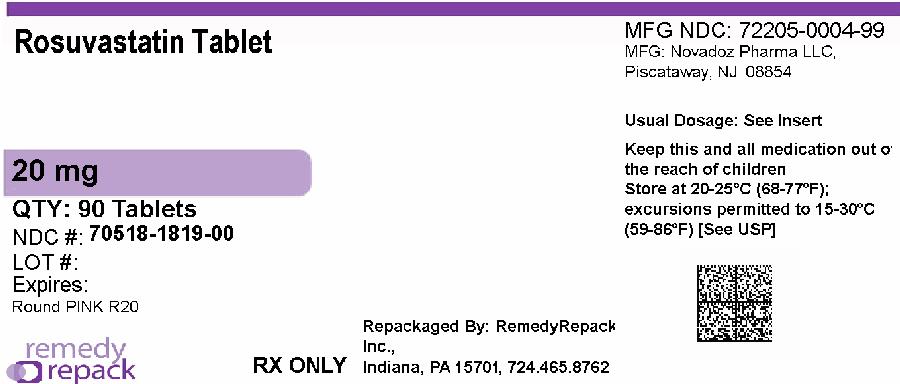
(rosuvastatin · DailyMed)
OMCAROS 20
Calcium Phosphate 32.50 mg/6 mL,Crospovidone 10 mg,Instacoat Universal White (IC-U 1308) 5.86 mg,Lactose Monohydrate 100 mg,Magnesium Stearate 4.96 mg,Microcrystalline cellulose 74.32 mg,Opadry OY-B-37203 (Tan) 1.67 mg/6 mL,Purified Water. 40 mg,Rosuvastatin Calcium 20 mg,Sodium Starch Glycolate. 6.26 mg
What it does
Cellulose is a type of fiber that helps with digestion and promotes bowel health.
Commonly used for: constipation, irregular bowel movements
Read more in plain English ↓Plain-language summary for general understanding - not medical advice. Always follow your pharmacist/doctor.
Ask about this medicine
Answers come only from this medicine's registration record, BNF monograph and interaction data - not medical advice.
Medicine sourcing is available in Kenya only. We don't sell or dispense medicines - licensed pharmacies do.
Sourcing - Kenya onlyRegistration & product details
Source: Tanzania Medicines and Medical Devices Authority · fetched 2026-08-06 03:00:38 · updated 2026-09-24 03:00:47
Drug Interactions
102Pharmacodynamic Warnings
Rosuvastatin appears in TABLE 1: Drugs that cause hepatotoxicity
Severe (9)
Rosuvastatin - increases exposure
Darolutamide is predicted to increase the exposure to statins (atorvastatin, fluvastatin, rosuvastatin). Avoid.
Rosuvastatin - increases exposure
Ciclosporin markedly increases the exposure to statins (rosuvastatin). Avoid.
Rosuvastatin - increases exposure
Letermovir is predicted to increase the exposure to statins (rosuvastatin, simvastatin). Avoid.
Rosuvastatin - increases exposure
Tedizolid is predicted to increase the exposure to statins (atorvastatin, fluvastatin, rosuvastatin). Avoid.
Rosuvastatin - increases exposure
Voxilaprevir with sofosbuvir and velpatasvir markedly increases the exposure to rosuvastatin. Avoid.
Statins - increases exposure
Darolutamide is predicted to increase the exposure to statins (atorvastatin, fluvastatin, rosuvastatin). Avoid.
Statins - increases exposure
Posaconazole is predicted to increase the exposure to statins (atorvastatin). Avoid.
Statins - increases exposure
Tedizolid is predicted to increase the exposure to statins (atorvastatin, fluvastatin, rosuvastatin). Avoid.
Statins - increases exposure
Voxilaprevir with sofosbuvir and velpatasvir markedly increases the exposure to statins (rosuvastatin). Avoid.
Moderate (26)
Rosuvastatin - increases exposure
Dronedarone slightly increases the exposure to statins (rosuvastatin). Adjust dose.
Rosuvastatin - increases exposure
Leflunomide is predicted to increase the exposure to statins (rosuvastatin). Adjust dose. Also see TABLE 1 p. 1517
Rosuvastatin - increases exposure
Roxadustat is predicted to increase the exposure to statins (atorvastatin, pravastatin, rosuvastatin, simvastatin). Monitor adverse effects and adjust dose.
Statins - increases exposure
Amiodarone is predicted to increase the exposure to statins (atorvastatin). Monitor and adjust dose.
Statins - increases exposure
Dronedarone slightly increases the exposure to statins (atorvastatin). Monitor and adjust dose.
Unknown (67)
Daptomycin - increases risk of rhabdomyolysis
Statins are predicted to increase the risk of rhabdomyolysis when given with daptomycin. Daratumumab → see monoclonal antibodies Darbepoetin alfa → see TABLE 5 p. 1518 (thromboembolism), TABLE 16 p. 1
Daptomycin - increases risk of rhabdomyolysis e
Statins are predicted to increase the risk of rhabdomyolysis when given with daptomycin.
Rosuvastatin - decreases exposure
Apalutamide slightly decreases the exposure to statins (rosuvastatin).
Rosuvastatin - decreases exposure
Eslicarbazepine decreases the exposure to statins (rosuvastatin).
Rosuvastatin - increases exposure
Isavuconazole is predicted to increase the exposure to statins (fluvastatin, rosuvastatin).
Data from BNF 85 (British National Formulary). This is not a substitute for professional medical advice. Matched via: exact
About cellulose
Cellulose is a type of fiber that helps with digestion and promotes bowel health.
What it treats
- constipation
- irregular bowel movements
How it works
Cellulose adds bulk to the stool, making it easier to pass through the intestines.
Who it's for
Suitable for people looking to improve their digestive health.
AI-assisted summary grounded in BNF data - general information only, not medical advice. Always confirm with your pharmacist or doctor.
About crospovidone
Crospovidone is a substance used primarily as an excipient in medications, helping to improve their effectiveness.
What it treats
- used in various medications as a binder
- helps in the absorption of active ingredients
How it works
Crospovidone acts by increasing the solubility and stability of drugs, ensuring that they work effectively in the body.
Who it's for
Crospovidone is suitable for people taking medications that require improved absorption and effectiveness.
AI-assisted summary grounded in BNF data - general information only, not medical advice. Always confirm with your pharmacist or doctor.
About glycolate
Glycolate is a compound that may be used in various medical treatments.
How it works
Glycolate works by interacting with certain bodily processes, though specific details are not available.
Who it's for
Glycolate may be suitable for individuals needing treatment related to certain health conditions, but specific indications are not provided.
AI-assisted summary grounded in BNF data - general information only, not medical advice. Always confirm with your pharmacist or doctor.
About instacoat
Instacoat is a medication used for a variety of health conditions, often related to skin and tissue treatments.
What it treats
- skin conditions
- wound healing
- tissue protection
How it works
Instacoat forms a protective layer over the skin or tissue, helping to promote healing and protect against further damage.
Who it's for
This medication is suitable for individuals needing treatment for skin or tissue-related issues.
AI-assisted summary grounded in BNF data - general information only, not medical advice. Always confirm with your pharmacist or doctor.
About lactose
Lactose is a sugar found in milk and dairy products. It is often used as an excipient in medications.
What it treats
- lactose intolerance
- as a filler in tablets and capsules
How it works
Lactose helps improve the texture and stability of medications and is sometimes used as a sweetener.
Who it's for
Individuals who require lactose as part of their medication or those who consume dairy products.
Cautions
- • May cause digestive issues in people with lactose intolerance.
AI-assisted summary grounded in BNF data - general information only, not medical advice. Always confirm with your pharmacist or doctor.
About microcrystalline
Microcrystalline is a type of substance often used in medicines to help with various health issues. It is commonly used as a filler or binder in tablets and capsules.
What it treats
- stomach issues
- constipation
- weight management
How it works
It helps to improve the texture of medicines and can assist in the absorption of other ingredients in the body.
Who it's for
Adults and children who need help with specific health conditions, as directed by a healthcare professional.
AI-assisted summary grounded in BNF data - general information only, not medical advice. Always confirm with your pharmacist or doctor.
About opadry
Opadry is a coating agent used in pharmaceutical formulations.
What it treats
- to improve the taste of medicines
- to protect the active ingredients in tablets and capsules
How it works
Opadry forms a protective layer around tablets and capsules, which helps to mask their taste and protect the ingredients from moisture and light.
Who it's for
Opadry is suitable for various patients who are taking medications in tablet or capsule form.
AI-assisted summary grounded in BNF data - general information only, not medical advice. Always confirm with your pharmacist or doctor.
About purified
Purified ingredients are often used in various medicines to ensure safety and effectiveness by removing impurities.
What it treats
- various medical conditions
How it works
Purified ingredients help in delivering the intended effects of the medicine without the risk of contaminants.
Who it's for
People who need medications with safe and effective ingredients.
AI-assisted summary grounded in BNF data - general information only, not medical advice. Always confirm with your pharmacist or doctor.
About rosuvastatin
Rosuvastatin is a medication that helps lower cholesterol levels in the blood.
What it treats
- high cholesterol (hyperlipidemia)
- prevention of heart disease
How it works
It works by blocking a substance your body needs to make cholesterol, thus reducing the amount of cholesterol in the blood.
Who it's for
This medication is for adults who need help managing their cholesterol levels.
Drug class
Statins
Cautions
- • Avoid using if you are taking medications that can harm the liver.
AI-assisted summary grounded in BNF data - general information only, not medical advice. Always confirm with your pharmacist or doctor.
About starch
Starch is a carbohydrate that serves as a source of energy and is often used in various food products.
What it treats
- energy source
- dietary supplement
How it works
Starch is broken down by the body into glucose, which provides energy for daily activities.
Who it's for
Starch can be used by anyone needing extra energy in their diet, particularly those with increased energy needs.
AI-assisted summary grounded in BNF data - general information only, not medical advice. Always confirm with your pharmacist or doctor.
About universal
Universal is a medication used to treat various conditions. It is important to use it as directed by a healthcare provider.
How it works
Universal works by targeting specific pathways in the body to help manage symptoms or treat conditions.
Who it's for
Universal can be prescribed for adults and children depending on the specific condition being treated.
AI-assisted summary grounded in BNF data - general information only, not medical advice. Always confirm with your pharmacist or doctor.
About white
White is a medicinal product used for various health conditions.
How it works
White works by affecting certain processes in the body to help manage health issues.
Who it's for
White is suitable for individuals with specific health conditions as determined by a healthcare provider.
AI-assisted summary grounded in BNF data - general information only, not medical advice. Always confirm with your pharmacist or doctor.
Clinical monograph: Rosuvastatin
BNF-referencedRosuvastatin is a synthetic statin medication used primarily as an antilipemic agent to lower cholesterol levels in the blood. It is particularly effective in reducing low-density lipoprotein cholesterol (LDL-C) and triglycerides while increasing high-density lipoprotein cholesterol (HDL-C). Rosuvastatin works by inhibiting the enzyme HMG-CoA reductase, leading to decreased hepatic cholesterol synthesis and increased clearance of LDL from the bloodstream. This mechanism contributes to its role in managing hyperlipidaemia and reducing cardiovascular risk.
Mechanism of action
Rosuvastatin acts as a competitive inhibitor of HMG-CoA reductase, the enzyme responsible for converting HMG-CoA to mevalonate, a crucial step in cholesterol biosynthesis. By inhibiting this enzyme, rosuvastatin decreases hepatic cholesterol levels, which in turn upregulates the expression of hepatic LDL receptors, enhancing the uptake of LDL cholesterol from the circulation. Additionally, it reduces the hepatic synthesis of very low-density lipoprotein (VLDL). Beyond its lipid-lowering effects, rosuvastatin exhibits pleiotropic effects, improving endothelial function, stabilizing atherosclerotic plaques, reducing oxidative stress and inflammation, and inhibiting thrombogenic responses.
Pharmacodynamics
Rosuvastatin effectively lowers total cholesterol, LDL-C, apolipoprotein B (apoB), and triglycerides while raising HDL-C levels. High levels of LDL-C and triglycerides, along with low HDL-C, are associated with an increased risk of atherosclerosis and cardiovascular disease (CVD). By improving the total cholesterol to HDL-C ratio, rosuvastatin reduces the risk of cardiovascular morbidity and mortality. Statins, including rosuvastatin, are considered cost-effective in managing CVD due to their significant impact on reducing LDL levels and overall cardiovascular risk.
Pharmacokinetics
Rosuvastatin is rapidly absorbed after oral administration, with peak plasma concentrations typically occurring within 3 to 5 hours. It has a bioavailability of approximately 20%, and its absorption is not significantly affected by food. The drug is primarily metabolized in the liver, and about 90% of the administered dose is excreted in the faeces, with the remainder eliminated via urine. The half-life of rosuvastatin is approximately 19 hours, allowing for once-daily dosing. Renal impairment may
Contra-indications
- Active liver disease
- Pregnancy
- Known hypersensitivity to rosuvastatin or any excipients
Adverse effects
- Muscle weakness
- Myopathy
- Rhabdomyolysis
- Abnormal liver function tests
- Gastrointestinal disturbances
- Headache
- Dizziness
- Allergic reactions including angioedema
Interactions
- Ciclosporin increases exposure
- Darolutamide increases exposure
- Letermovir increases exposure
- Tedizolid increases exposure
- Voxilaprevir with sofosbuvir and velpatasvir markedly increases exposure
- Dronedarone moderately increases exposure
- Leflunomide moderately increases exposure
- Roxadustat moderately increases exposure
- Apalutamide decreases exposure
- Eslicarbazepine decreases exposure
Precautions
- Monitor liver function tests prior to and during treatment
- Use with caution in patients with a history of muscle disorders
- Caution in patients with renal impairment
- Consider alternative therapy for patients with a history of statin intolerance
Pregnancy
Manufacturer advises against use during pregnancy due to potential harm to the fetus.
Breast-feeding
Manufacturer advises avoiding use during breastfeeding, as small amounts may be present in breast milk.
Storage
Store in a cool, dry place below 30°C. Protect from light.
Formulations
- Tablets: 5 mg, 10 mg, 20 mg, 40 mg
- Oral suspension
- Oral solution
AI-synthesized from BNF references - general information only, not a substitute for professional medical advice or the current BNF. Verify doses with a pharmacist.
Clinical monograph: cellulose
Cellulose is a complex carbohydrate and a key structural component of the plant cell wall. It is an indigestible polysaccharide made up of linear chains of glucose molecules linked by β-1,4-glycosidic bonds. As a dietary fiber, cellulose contributes to digestive health by promoting bowel regularity and is commonly used as a laxative and bulking agent in various food products and pharmaceuticals.
Indications
- Constipation
- Dietary fiber supplementation
- Irritable bowel syndrome
- Diverticular disease
- Weight management
Dosage
Children: Refer to appropriate guidelines for specific dosage; generally taken with adequate fluid intake.
Adults: Refer to appropriate guidelines for specific dosage; generally taken with adequate fluid intake.
Mechanism of action
Cellulose acts primarily as a bulk-forming laxative. It absorbs water in the intestines, which increases stool bulk and stimulates peristalsis, thus facilitating bowel movements. Additionally, cellulose is not digestible by human enzymes, leading to fermentation by gut bacteria, which may enhance gut health and alter gut microbiota composition.
Pharmacodynamics
Cellulose increases stool weight and frequency of bowel movements. It works by retaining water in the intestines, leading to softer stools and improved passage through the gastrointestinal tract. The bulking effect of cellulose can help alleviate constipation and promote overall digestive health. It may also play a role in cholesterol reduction and glycemic control through its effects on digestion and absorption of nutrients.
Pharmacokinetics
Cellulose is not absorbed into the bloodstream due to its indigestible nature. Instead, it passes through the gastrointestinal tract, where it adds bulk to the stool. Its fermentation by colonic bacteria produces short-chain fatty acids, which may have beneficial effects on colon health. The onset of action for cellulose as a laxative can vary but is generally within 24 to 72 hours after ingestion.
Adverse effects
- Bloating
- Flatulence
- Diarrhea
- Abdominal discomfort
Precautions
- Use with caution in patients with a history of gastrointestinal disorders.
- Monitor for potential allergic reactions in sensitive individuals.
Pregnancy
Cellulose is generally considered safe during pregnancy as it is a non-toxic, indigestible fiber.
Breast-feeding
Cellulose is also considered safe during breastfeeding; it is excreted in breast milk in negligible amounts.
Storage
Store in a cool, dry place away from direct sunlight.
Formulations
- Powder
- Capsules
- Tablets
- Granules
AI-synthesized from BNF references - general information only, not a substitute for professional medical advice or the current BNF. Verify doses with a pharmacist.
Clinical monograph: crospovidone
Crospovidone is a synthetic polymer of N-vinyl-2-pyrrolidone that is primarily used as an excipient in pharmaceutical formulations. It serves as a disintegrant, promoting the breakdown of tablets and capsules in the gastrointestinal tract to enhance the absorption of active pharmaceutical ingredients. Crospovidone is characterized by its ability to hydrate rapidly and swell, facilitating the disintegration process in solid dosage forms.
Indications
- Used as an excipient in solid dosage forms
- Facilitates drug disintegration and dissolution
Dosage
Children: Refer to specific product formulation guidelines as crospovidone is used as an excipient and does not have a direct dosage.
Adults: Refer to specific product formulation guidelines as crospovidone is used as an excipient and does not have a direct dosage.
Mechanism of action
Crospovidone acts by rapidly absorbing water and swelling upon contact with moisture. This action leads to the disintegration of solid dosage forms, thus increasing the surface area of the active ingredients and promoting their dissolution and subsequent absorption in the gastrointestinal tract. It does not affect the pH of the formulation, ensuring that the active ingredients remain stable.
Pharmacodynamics
Crospovidone exhibits properties that enhance the bioavailability of active ingredients in pharmaceutical formulations. Its ability to rapidly disintegrate tablets and capsules leads to quicker release and absorption of the drug into systemic circulation. As a disintegrant, it aids in the effective delivery of drugs that may otherwise be poorly soluble.
Pharmacokinetics
Crospovidone itself is not absorbed systemically when administered orally. It remains in the gastrointestinal tract, where it performs its function as a disintegrant. The pharmacokinetic profile of drugs formulated with crospovidone may be influenced by the enhanced dissolution and absorption rates provided by this excipient.
Pregnancy
Crospovidone is considered to have low toxicity and is generally regarded as safe for use during pregnancy, but specific studies are limited.
Breast-feeding
There is insufficient data on the excretion of crospovidone in human milk, but it is deemed safe for use during breastfeeding.
Storage
Store in a cool, dry place away from light and moisture, in tightly closed containers.
Formulations
- Powder
- Tablets
AI-synthesized from BNF references - general information only, not a substitute for professional medical advice or the current BNF. Verify doses with a pharmacist.
Clinical monograph: glycolate
BNF-referencedGlycolate is an intermediate in the metabolism of ethylene glycol, a compound that can cause toxicity when ingested. The toxicity arises primarily from its conversion to glycolic acid and other harmful metabolites. Glycolate and its relation to ethylene glycol's elimination kinetics have been studied, revealing important insights into their toxicokinetics in animal models.
Dosage
Children: Refer to specific clinical guidelines for dosing in children, as no standard paediatric dosage is specified in the provided resources.
Adults: Refer to specific clinical guidelines for dosing, as no standard adult dosage is specified in the provided resources.
Mechanism of action
Ethylene glycol toxicity results from its metabolism to glycolic acid and other toxic metabolites. Glycolate accumulates in the body and is eliminated more slowly than ethylene glycol itself. The renal excretion of both compounds plays a crucial role in their elimination, accounting for a significant portion of the administered dose.
Pharmacodynamics
The pharmacodynamics of glycolate are closely tied to its role as a metabolite of ethylene glycol. Its accumulation can lead to metabolic acidosis, although minimal clinical effects have been observed at low doses. The relationship between glycolate and ethylene glycol indicates that glycolate may contribute to the overall toxic effects of ethylene glycol ingestion.
Pharmacokinetics
The pharmacokinetics of glycolate indicate that it reaches peak plasma levels between 4-6 hours after the administration of ethylene glycol. The elimination half-life of ethylene glycol is approximately 1.7 hours in rats and 3.4 hours in dogs. Glycolate is predominantly eliminated through renal excretion, with about 5% of the dose being excreted unchanged.
Pregnancy
There is limited data on the safety of glycolate in pregnancy. Caution is advised.
Breast-feeding
Data on the excretion of glycolate in human milk is not available. Caution is advised.
Storage
Store at room temperature, away from light and moisture.
AI-synthesized from BNF references - general information only, not a substitute for professional medical advice or the current BNF. Verify doses with a pharmacist.
Clinical monograph: instacoat
Instacoat is a topical medical product primarily used for the treatment of various dermatological conditions. It is designed to provide a protective barrier and enhance the healing process of the skin. The formulation may contain a blend of active ingredients that work synergistically to promote skin repair and reduce inflammation. Instacoat is typically indicated for use in cases of skin irritation, minor cuts, abrasions, and other superficial skin lesions.
Indications
- Skin irritation
- Minor cuts
- Abrasions
- Superficial skin lesions
Dosage
Children: Apply a thin layer to the affected area as needed, following the manufacturer's instructions.
Adults: Apply a thin layer to the affected area as needed, following the manufacturer's instructions.
Mechanism of action
The specific mechanism of action of Instacoat can vary depending on its active ingredients. Generally, topical formulations exhibit local effects by forming a protective layer over the skin, which can help in preventing infection and facilitating the natural healing process. Some ingredients may have anti-inflammatory properties that reduce redness and swelling, while others may promote cellular regeneration and wound healing.
Pharmacodynamics
Instacoat acts locally at the site of application, with minimal systemic absorption. The pharmacodynamic effects are mainly related to the ingredients used in the formulation. These effects can include enhancement of skin hydration, reduction of inflammation, and promotion of tissue regeneration. The overall outcome is improved skin integrity and faster healing of affected areas.
Pharmacokinetics
As a topical agent, Instacoat is primarily applied to the skin, resulting in localized effects. The pharmacokinetics would largely depend on the specific formulation and its active components. Typically, topical medications show limited systemic absorption, ensuring that the primary effects are exerted locally. The onset of action may occur within a few hours following application, with the duration of effect varying based on the formulation and skin characteristics.
Pregnancy
Data on the use of Instacoat during pregnancy is limited. Its use should be considered only if the potential benefit justifies the potential risk to the fetus.
Breast-feeding
It is not known whether Instacoat is excreted in human milk. Caution should be exercised when administering to nursing mothers.
Storage
Store in a cool, dry place away from direct sunlight. Keep out of reach of children.
AI-synthesized from BNF references - general information only, not a substitute for professional medical advice or the current BNF. Verify doses with a pharmacist.
Clinical monograph: lactose
BNF-referencedLactose is a disaccharide sugar composed of galactose and glucose, primarily found in milk and dairy products. It serves as a source of energy and is metabolized by the enzyme lactase. In individuals with lactase deficiency, lactose can lead to gastrointestinal symptoms such as bloating, diarrhea, and abdominal pain.
Indications
- Lactose intolerance
- As a filler or excipient in pharmaceutical formulations
Dosage
Children: Refer to the BNF for Children for specific dosing information based on age and clinical context.
Adults: Refer to the BNF for specific dosing information based on clinical context.
Mechanism of action
Lactose is metabolized in the intestine by the enzyme lactase into its constituent monosaccharides, glucose and galactose. In individuals with lactase deficiency, unabsorbed lactose passes into the colon, where it is fermented by bacteria, leading to gas production and osmotic effects that contribute to diarrhea.
Pharmacodynamics
The pharmacodynamics of lactose are primarily related to its effects on gastrointestinal function. In healthy individuals, lactose is effectively broken down into glucose and galactose, which are absorbed and utilized for energy. In individuals with lactose intolerance, the unabsorbed lactose can cause osmotic diarrhea and colonic fermentation, leading to discomfort and symptoms associated with lactose intolerance.
Pharmacokinetics
Lactose is not absorbed in the gastrointestinal tract until it is hydrolyzed into glucose and galactose by lactase. The absorption of glucose and galactose occurs in the small intestine. The half-life is not applicable as lactose is not typically administered as a medication but is rather ingested as a natural component of food. Its metabolism primarily occurs in the intestine.
Adverse effects
- Bloating
- Diarrhea
- Abdominal pain
- Flatulence
Precautions
- Use with caution in patients with lactose intolerance.
- Consider potential for gastrointestinal upset in sensitive individuals.
Pregnancy
Lactose is generally considered safe for use during pregnancy. However, consult a healthcare professional for individual advice.
Breast-feeding
Lactose is safe to use while breastfeeding, as it is a natural sugar present in breast milk.
Storage
Store in a cool, dry place, away from direct sunlight.
Formulations
- Powder
- Granules
- Tablets
- Syrup
AI-synthesized from BNF references - general information only, not a substitute for professional medical advice or the current BNF. Verify doses with a pharmacist.
Clinical monograph: microcrystalline
Microcrystalline cellulose is a refined wood pulp, commonly used as an excipient in pharmaceutical formulations. It serves as a bulking agent and stabilizer in tablets and capsules, improving the physical properties of the drug formulation. It is characterized by its ability to absorb moisture and provide a suitable texture for various dosage forms.
Indications
- Used as an excipient in tablet formulations
- Used as a bulking agent in capsule formulations
- Used in food products as a thickener or stabilizer
Dosage
Children: Refer to specific product guidelines as dosage will depend on the formulation and the active ingredients.
Adults: Refer to specific product guidelines as dosage will depend on the formulation and the active ingredients.
Mechanism of action
Microcrystalline cellulose acts as a non-digestible filler that enhances the flow properties of powders during the manufacturing of tablets and capsules. It does not have a direct pharmacological action on the body but ensures that the active ingredients are effectively delivered to the patient.
Pharmacodynamics
As a non-active ingredient, microcrystalline cellulose does not exert pharmacodynamic effects typical of active pharmaceutical ingredients. Its primary role is to provide a stable and consistent matrix for the drug, facilitating the release of the active compound once ingested.
Pharmacokinetics
Microcrystalline cellulose is not absorbed in the gastrointestinal tract; it passes through the digestive system largely unchanged. It adds bulk to the stool, which may aid in promoting regular bowel movements. The substance is excreted in feces, where it contributes to dietary fiber intake.
Pregnancy
Data regarding the use of microcrystalline cellulose during pregnancy is limited. It is advisable to consult with healthcare professionals before use.
Breast-feeding
Microcrystalline cellulose is considered safe during breastfeeding, as it is not absorbed systemically.
Storage
Store in a cool, dry place away from direct sunlight and moisture.
AI-synthesized from BNF references - general information only, not a substitute for professional medical advice or the current BNF. Verify doses with a pharmacist.
Clinical monograph: opadry
Opadry is a film-coating system used in the pharmaceutical industry to coat tablets and granules. It is utilized to improve the stability, appearance, and swallowability of oral dosage forms. Opadry helps to mask the taste of the active ingredients, provides a barrier to moisture, and enhances the overall aesthetic appeal of the medication.
Indications
- Tablet coating
- Granule coating
- Improvement of drug stability
- Taste masking
- Aesthetic enhancement of pharmaceuticals
Dosage
Children: Dosage will depend on the specific formulation and active ingredients of the medication being coated. Refer to the specific product information for guidance.
Adults: Dosage will depend on the specific formulation and active ingredients of the medication being coated. Refer to the specific product information for guidance.
Mechanism of action
Opadry functions primarily as a coating polymer that adheres to the surface of tablets or granules, creating a protective layer. This layer can control the release of the active ingredient and protect it from environmental factors such as moisture and light. The specific composition of Opadry can vary, but it typically includes film-forming agents, plasticizers, and colorants that work together to achieve the desired coating characteristics.
Pharmacodynamics
The pharmacodynamics of Opadry is largely focused on its physical and chemical properties rather than specific biological interactions. The coating alters the dissolution characteristics of the drug, potentially leading to modified release profiles. This can enhance drug bioavailability or control the release rate of the active ingredient, thereby impacting the therapeutic effect.
Pharmacokinetics
As a coating agent, Opadry itself is not absorbed into the systemic circulation and does not have pharmacokinetic properties related to absorption, distribution, metabolism, or excretion of an active pharmaceutical ingredient. Its impact on pharmacokinetics is indirect, as it affects how the active drug is released and absorbed in the gastrointestinal tract.
Pregnancy
Opadry is a film-coating agent, and specific studies on its effects during pregnancy are not well-documented. Generally, it is advisable to use medications cautiously during pregnancy. Consult a healthcare provider for guidance.
Breast-feeding
Limited data are available regarding the safety of Opadry during breastfeeding. It is recommended to consult a healthcare provider before use.
Storage
Store in a cool, dry place away from direct sunlight and moisture. Keep out of reach of children.
Formulations
- Opadry OY - a coating system for oral solid dosage forms
- Opadry II - a polymer-based coating system for tablet and capsule applications
AI-synthesized from BNF references - general information only, not a substitute for professional medical advice or the current BNF. Verify doses with a pharmacist.
Clinical monograph: purified
Purified refers to a substance that has been processed to remove impurities, contaminants, or unwanted substances, resulting in a more concentrated and effective form of the original compound. In pharmacology, purified compounds are often used to enhance therapeutic efficacy and reduce adverse effects. The purification process can apply to a variety of substances, including drugs, biological products, and chemical compounds.
Dosage
Children: Refer to specific drug formulations and product labels as purified substances can vary widely in their use and dosing.
Adults: Refer to specific drug formulations and product labels as purified substances can vary widely in their use and dosing.
Mechanism of action
The mechanism of action for purified compounds varies widely depending on the specific substance. Generally, purified drugs exert their effects by interacting with specific biological targets, such as receptors, enzymes, or ion channels, leading to a desired therapeutic effect. This interaction can involve binding to receptors to activate or inhibit signaling pathways, modulating enzymatic activity, or altering physiological processes.
Pharmacodynamics
Pharmacodynamics describes the effects of a drug on the body and the relationship between drug concentration and effect. For purified drugs, this can involve dose-response relationships and the time course of their action. The purified form often enhances potency and reduces variability in response among patients, which can lead to more predictable therapeutic outcomes. The overall effect is determined by the drug's affinity for its target, the efficacy of the drug-receptor interaction, and the downstream signaling pathways activated as a result of this interaction.
Pharmacokinetics
Pharmacokinetics involves the absorption, distribution, metabolism, and excretion (ADME) of a drug. For purified substances, absorption can be more efficient due to the absence of impurities that may affect solubility or stability. Distribution may also be enhanced, leading to higher bioavailability. Metabolism can be influenced by the structure of the purified compound, as it may be metabolized more readily by liver enzymes. Excretion typically occurs through the kidneys or liver, depending on the molecular characteristics of the purified drug.
Pregnancy
Consult with a healthcare professional, as the safety of purified forms of medications during pregnancy may vary depending on the specific substance.
Breast-feeding
Consult with a healthcare professional, as the safety of purified forms of medications during breastfeeding may vary depending on the specific substance.
Storage
Store in a cool, dry place, away from light and moisture, and keep out of reach of children.
AI-synthesized from BNF references - general information only, not a substitute for professional medical advice or the current BNF. Verify doses with a pharmacist.
Clinical monograph: starch
Starch is a polysaccharide carbohydrate consisting of a large number of glucose units joined by glycosidic bonds. It is a major energy source in the human diet and is found in numerous food sources such as grains, legumes, and tubers. In a clinical setting, starch can also be used as an excipient in various pharmaceuticals and is sometimes utilized in enteral nutrition formulations.
Indications
- Nutritional supplementation
- Energy source in enteral nutrition
- Excipient in pharmaceutical formulations
Dosage
Children: Refer to specific guidelines or product inserts for dosing information, as it can vary based on the context of use.
Adults: Refer to specific guidelines or product inserts for dosing information, as it can vary based on the context of use.
Mechanism of action
Starch is broken down into glucose units by enzymes such as amylase during digestion. The glucose is then absorbed in the intestines and utilized for energy production in the body's cells. This pathway involves hydrolysis of the glycosidic bonds, converting starch into simpler sugars.
Pharmacodynamics
Starch primarily serves as an energy source. Its digestion and absorption lead to an increase in blood glucose levels, which provides energy for metabolic processes. In this context, it plays a crucial role in maintaining energy homeostasis in the body.
Pharmacokinetics
Starch is not absorbed in its polymeric form; it must first be enzymatically hydrolyzed into simpler sugars such as maltose and glucose. The digestion and absorption of starch occur predominantly in the small intestine, with glucose being readily absorbed into the bloodstream. The rate of absorption can vary depending on the type of starch and its physical form.
Adverse effects
- Allergic reactions
- Gastrointestinal discomfort
- Diarrhea
- Constipation
Precautions
- Use with caution in individuals with known allergies to starch or starch derivatives
- Monitor for gastrointestinal symptoms in patients with a history of digestive disorders
Pregnancy
Starch is generally considered safe for use during pregnancy. However, it should be consumed in moderation as part of a balanced diet.
Breast-feeding
Starch is deemed safe for nursing mothers when used in moderation as part of a balanced diet.
Storage
Store in a cool, dry place away from moisture and direct sunlight.
Formulations
- Powder
- Granules
- Tablets
- Suspensions
AI-synthesized from BNF references - general information only, not a substitute for professional medical advice or the current BNF. Verify doses with a pharmacist.
Clinical monograph: universal
Universal refers to a hypothetical or broad-spectrum drug that is theorized to be effective against a wide variety of conditions. In pharmacology, such drugs are often designed to target multiple pathways or mechanisms of action, potentially offering therapeutic benefits across various diseases and disorders. However, there is no specific drug named 'universal' with established clinical use or dosing guidelines.
Dosage
Children: Refer to specific product information for paediatric dosing, as it will depend on the formulation and indication.
Adults: Refer to specific product information for dosing guidance, as it will vary based on formulation and clinical use.
Mechanism of action
The mechanism of action for a universal drug would depend on its specific formulation and intended targets. Generally, such drugs might act on multiple receptors or pathways, potentially modulating immune responses, inflammatory processes, or neurotransmitter systems. The aim would be to exert a beneficial effect across different physiological systems.
Pharmacodynamics
Pharmacodynamics of a universal drug would involve its effects on the body, including the relationship between drug concentration and therapeutic effect. A universal drug may exhibit dose-dependent responses, with efficacy influenced by receptor affinity, intrinsic activity, and the presence of other competing endogenous substances. Side effects may also vary based on the specific biological pathways affected.
Pharmacokinetics
Pharmacokinetics refers to how a drug is absorbed, distributed, metabolized, and excreted in the body. For a universal drug, this could involve varied absorption rates depending on the route of administration, extensive distribution to various tissues, metabolism by liver enzymes, and renal or biliary excretion. Factors such as age, sex, genetic polymorphisms, and comorbid conditions could influence its pharmacokinetic profile.
Pregnancy
Consult with a healthcare provider to evaluate risks versus benefits.
Breast-feeding
Consult with a healthcare provider to evaluate risks versus benefits.
Storage
Store at room temperature, away from moisture and heat.
AI-synthesized from BNF references - general information only, not a substitute for professional medical advice or the current BNF. Verify doses with a pharmacist.
Clinical monograph: white
BNF-referencedWhite is a compound with the molecular formula C15H26O. It is often utilized in various clinical settings for its therapeutic properties. Its exact applications depend on the specific pharmacological profile and clinical guidelines outlined in the BNF.
Dosage
Children: Refer to the BNF for Children for appropriate paediatric dosing information.
Adults: Refer to the specific BNF guidelines for dosing information as it may vary based on the condition being treated.
Mechanism of action
The mechanism of action for White involves its interaction with specific biological pathways, leading to the desired pharmacological effects. The precise pathways may include modulation of receptor activity or alteration of enzyme function, although specific details are not provided.
Pharmacodynamics
Pharmacodynamics of White includes its effects on the body, including therapeutic effects and potential side effects. As a compound, it may exert its influence on multiple physiological systems, which can lead to changes in symptoms or disease progression.
Pharmacokinetics
Pharmacokinetics of White involves its absorption, distribution, metabolism, and excretion. Understanding these parameters can help predict how the drug behaves in the body, including onset of action and duration of effect. Detailed pharmacokinetic data is not specified.
AI-synthesized from BNF references - general information only, not a substitute for professional medical advice or the current BNF. Verify doses with a pharmacist.
Molecular reference: Rosuvastatin
PubChem CID 446157Molecular formula: C22H28FN3O6S
Mechanism of action
Rosuvastatin is a statin medication and a competitive inhibitor of the enzyme HMG-CoA (3-hydroxy-3-methylglutaryl coenzyme A) reductase, which catalyzes the conversion of HMG-CoA to mevalonate, an early rate-limiting step in cholesterol biosynthesis. Rosuvastatin acts primarily in the liver, where decreased hepatic cholesterol concentrations stimulate the upregulation of hepatic low density lipoprotein (LDL) receptors which increases hepatic uptake of LDL. Rosuvastatin also inhibits hepatic synthesis of very low density lipoprotein (VLDL). The overall effect is a decrease in plasma LDL and VLDL. In vitro and in vivo animal studies also demonstrate that rosuvastatin exerts vasculoprotective effects independent of its lipid-lowering properties, also known as the pleiotropic effects of statins. This includes improvement in endothelial function, enhanced stability of atherosclerotic plaques, reduced oxidative stress and inflammation, and inhibition of the thrombogenic response. Statins have also been found to bind allosterically to β2 integrin function-associated antigen-1 (LFA-1), which plays an important role in leukocyte trafficking and in T cell activation. Rosuvastatin exerts an anti-inflammatory effect on rat mesenteric microvascular endothelium by attenuating leukocyte rolling, adherence and transmigration. The drug also modulates nitric oxide synthase (NOS) expression and reduces ischemic-reperfusion injuries in rat hearts. Rosuvastatin increases the bioavailability of nitric oxide by upregulating NOS and by increasing the stability of NOS through post-transcriptional polyadenylation. It is unclear as to how rosuvastatin brings about these effects though they may be due to decreased concentrations of mevalonic acid. Crestor is a selective and competitive inhibitor of HMG-CoA reductase, the rate-limiting enzyme that converts 3-hydroxy-3-methylglutaryl coenzyme A to mevalonate, a precursor of cholesterol. In vivo studies in animals, and in vitro studies in cultured animal and human cells have shown rosuvastatin to have a high uptake into, and selectivity for, action in the liver, the target organ for cholesterol lowering. In in vivo and in vitro studies, rosuvastatin produces its lipid-modifying effects in two ways. First, it increases the number of hepatic LDL receptors on the cell-surface to enhance uptake and catabolism of LDL. Second, rosuvastatin inhibits hepatic synthesis of VLDL, which reduces the total number of VLDL and LDL particles.
Pharmacodynamics
Rosuvastatin is a synthetic, enantiomerically pure antilipemic agent. It is used to lower total cholesterol, low density lipoprotein-cholesterol (LDL-C), apolipoprotein B (apoB), non-high density lipoprotein-cholesterol (non-HDL-C), and trigleride (TG) plasma concentrations while increasing HDL-C concentrations. High LDL-C, low HDL-C and high TG concentrations in the plasma are associated with increased risk of atherosclerosis and cardiovascular disease. The total cholesterol to HDL-C ratio is a strong predictor of coronary artery disease and high ratios are associated with higher risk of disease. Increased levels of HDL-C are associated with lower cardiovascular risk. By decreasing LDL-C and TG and increasing HDL-C, rosuvastatin reduces the risk of cardiovascular morbidity and mortality. Elevated cholesterol levels, and in particular, elevated low-density lipoprotein (LDL) levels, are an important risk factor for the development of CVD. Use of statins to target and reduce LDL levels has been shown in a number of landmark studies to significantly reduce the risk of development of CVD and all-cause mortality. Statins are considered a cost-effective treatment option for CVD due to their evidence of reducing all-cause mortality including fatal and non-fatal CVD as well as the need for surgical revascularization or angioplasty following a heart attack. Evidence has shown that even for low-risk individuals (with <10% risk of a major vascular event occurring within 5 years) statins cause a 20%-22% relative reduction in major cardiovascular events (heart attack, stroke, coronary revascularization, and coronary death) for every 1 mmol/L reduction in LDL without any significant side effects or risks. **Skeletal Muscle Effects** Cases of myopathy and rhabdomyolysis with acute renal failure secondary to myoglobinuria have been reported with HMG-CoA reductase inhibitors, including rosuvastatin. These risks can occur at any dose level, but are increased at the highest dose (40 mg). Rosuvastatin should be prescribed with caution in patients with predisposing factors for myopathy (e.g., age ≥ 65 years, inadequately treated hypothyroidism, renal impairment). The risk of myopathy during treatment with rosuvastatin may be increased with concurrent administration of some other lipid-lowering therapies (such as [fenofibrate] or [niacin]), [gemfibrozil], [cyclosporine], [atazanavir]/[ritonavir], [lopinavir]/ritonavir, or [simeprevir]. Cases of myopathy, including rhabdomyolysis, have been reported with HMG-CoA reductase inhibitors, including rosuvastatin, coadministered with [colchicine], and caution should therefore be exercised when prescribing these two medications together. Real-world data from observational studies has suggested that 10-15% of people taking statins may experience muscle aches at some point during treatment. **Liver Enzyme Abnormalities** Increases in serum transaminases have been reported with HMG-CoA reductase inhibitors, including rosuvastatin. In most cases, the elevations were transient and resolved or improved on continued therapy or after a brief interruption in therapy. There were two cases of jaundice, for which a relationship to rosuvastatin therapy could not be determined, which resolved after discontinuation of therapy. There were no cases of liver failure or irreversible liver disease in these trials. **Endocrine Effects** Increases in HbA1c and fasting serum glucose levels have been reported with HMG-CoA reductase inhibitors, including rosuvastatin calcium tablets. Based on clinical trial data with rosuvastatin, in some instances these increases may exceed the threshold for the diagnosis of diabetes mellitus. An in vitro study found that [atorvastatin], [pravastatin], [rosuvastatin], and [pitavastatin] exhibited a dose-dependent cytotoxic effect on human pancreas islet β cells, with reductions in cell viability of 32, 41, 34 and 29%, respectively, versus control]. Moreover, insulin secretion rates wer
Biological pathways
Source: PubChem (NCBI) · pathways from PathBank, Reactome, WikiPathways & PharmGKB.
Molecular reference: glycolate
PubChem CID 757Molecular formula: C2H4O3
Mechanism of action
Ethylene glycol toxicity results from its metabolism to glycolic acid and other toxic metabolites. The accumulation of glycolate and the elimination kinetics of ethylene glycol and its metabolites are not well understood, so studies with male Sprague-Dawley rats and mixed breed dogs have been carried out. Ethylene glycol was administered by gavage to rats and dogs which were placed in metabolic cages for urine and blood sample collection at timed intervals. The peak plasma level of ethylene glycol occurred at 2 hr after dosing and that of glycolate between 4-6 hr. The rate of ethylene glycol elimination was somewhat faster in rats with a half-life of 1.7 hr compared to 3.4 hr in dogs. The maximum plasma level of glycolate was greater in rats although the pattern of accumulation was similar to that in dogs. Glycolate disappeared from the plasma at the same time as ethylene glycol, suggesting a slower rate of elimination of the metabolite than that of ethylene glycol. Renal excretion of ethylene glycol was an important route for its elimination accounting for 20-30% of the dose. Renal excretion of glycolate represented about 5% of the dose. Ethylene glycol induced an immediate, but short lived diuresis compared to that in control rats. Minimal clinical effects (mild acidosis with no sedation) were noted at these doses of ethylene glycol (1-2 g/kg) in both rats and dogs. The results indicate that the toxicokinetics of ethylene glycol and glycolate were similar in both species. The effect of 0.35 to 0.8 mmol/kg glycolic acid and 1.0 to 4.4 mmol/kg sodium glycolate on cyclopropane-epinephrine induced cardiac arrhythmias was examined using dogs. Doses of 0.35 to 0.5 mmol/kg glycolic acid increased the duration of arrhythmias in the 13 dogs tested, whereas doses >0.5 mmol/kg decreased or totally eliminated the arrhythmias in each of 11 dogs. Depression was observed for many of the dogs at higher doses. Sodium glycolate was much less effective in decreasing the arrhythmias, with 3 mmol/kg being required and its action being transient.
Biological pathways
Source: PubChem (NCBI) · pathways from PathBank, Reactome, WikiPathways & PharmGKB.
Molecular reference: lactose
PubChem CID 6134Molecular formula: C12H22O11
Source: PubChem (NCBI) · pathways from PathBank, Reactome, WikiPathways & PharmGKB.
Molecular reference: white
PubChem CID 10955174Molecular formula: C15H26O
Source: PubChem (NCBI) · pathways from PathBank, Reactome, WikiPathways & PharmGKB.
This drug in other countries
The same active ingredient registered across other registries we cover - including different brands.