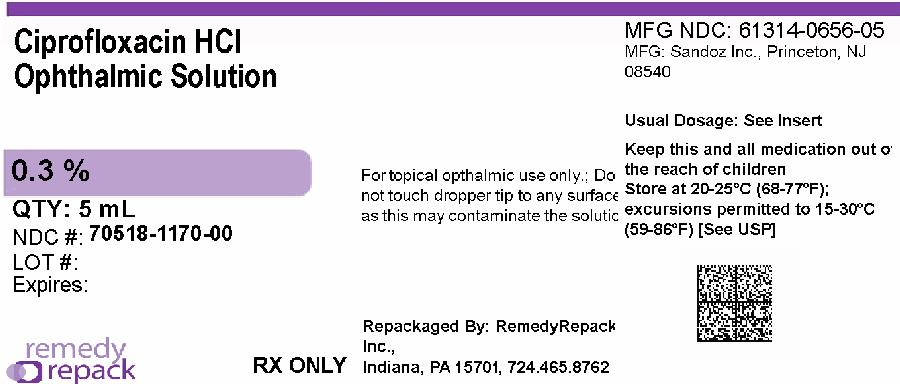
(ciprofloxacin · DailyMed)
OTOBIOTIC EAR DROPS
CIPROFLOXACIN HCL, BECLOMETHASONE DIPROPIONATE , CLOTRIMAZOLE B.P , LIGNOCAINE HYDROCHLORIDE B.P
What it does
Beclomethasone is a medication used to help reduce inflammation in the body.
Commonly used for: asthma, chronic obstructive pulmonary disease (COPD), allergic rhinitis (hay fever)
Read more in plain English ↓Plain-language summary for general understanding - not medical advice. Always follow your pharmacist/doctor.
Ask about this medicine
Answers come only from this medicine's registration record, BNF monograph and interaction data - not medical advice.
Hard to find? We help patients in Kenya source rare medicines. We don't sell or dispense medicines - licensed pharmacies do.
Source this medicineRegistration & product details
Source: Pharmacy and Poisons Board · fetched 2026-01-28 19:27:13 · updated 2026-08-03 02:13:41
Drug Interactions
46Pharmacodynamic Warnings
Lidocaine appears in TABLE 11: Drugs with CNS depressant effects
Severe (2)
Quinolones - decreases absorption
Strontiumispredictedtodecreasetheabsorptionof quinolones.Avoid.oTheoretical
Tizanidine - increases exposure
Ciprofloxacin increases the exposure to tizanidine. Avoid.
Moderate (17)
Aminophylline - increases exposure
Ciprofloxacin is predicted to increase the exposure to aminophylline. Adjust dose.
Antiepileptics - affects concentration
Ciprofloxacin affects the concentration of antiepileptics (fosphenytoin, phenytoin). Monitor concentration and adjust dose.
Antipsychotics, Second Generation - increases concentration
Ciprofloxacin increases the concentration of antipsychotics, second generation (clozapine). Monitor adverse effects and adjust dose.
Antipsychotics, Second Generation - increases exposure
Ciprofloxacin is predicted to increase the exposure to antipsychotics, second generation (olanzapine). Adjust dose.
Clozapine - increases concentration
Ciprofloxacin increases the concentration of antipsychotics, second generation (clozapine). Monitor adverse effects and adjust dose.
Unknown (27)
Agomelatine - increases exposure
Ciprofloxacin is predicted to increase the exposure to agomelatine.
Anaesthetics,local - increases exposure
Ciprofloxacin is predicted to increase the exposure to anaesthetics, local (ropivacaine).
Anagrelide - increases exposure
Ciprofloxacinispredictedtoincreasetheexposureto anagrelide.oTheoretical
Antiarrhythmics - increases exposure
Ciprofloxacin slightly increases the exposure to antiarrhythmics (lidocaine).
Chlorpromazine - increases exposure
Ciprofloxacin is predicted to increase the exposure to phenothiazines (chlorpromazine).
Data from BNF 85 (British National Formulary). This is not a substitute for professional medical advice. Matched via: class
About beclomethasone
Beclomethasone is a medication used to help reduce inflammation in the body.
What it treats
- asthma
- chronic obstructive pulmonary disease (COPD)
- allergic rhinitis (hay fever)
How it works
It works by decreasing swelling and irritation in the airways, making it easier to breathe.
Who it's for
This medication is typically for people with asthma or other breathing problems.
AI-assisted summary grounded in BNF data - general information only, not medical advice. Always confirm with your pharmacist or doctor.
About ciprofloxacin
Ciprofloxacin is an antibiotic used to treat various bacterial infections.
What it treats
- bacterial infections of the lungs (pneumonia)
- urinary tract infections (UTIs)
- skin infections
- gastrointestinal infections
How it works
It works by stopping the growth of bacteria in the body.
Who it's for
Ciprofloxacin is for adults and children who need treatment for bacterial infections.
Drug class
Quinolones
AI-assisted summary grounded in BNF data - general information only, not medical advice. Always confirm with your pharmacist or doctor.
About clotrimazole
Clotrimazole is an antifungal medication used to treat fungal infections.
What it treats
- fungal skin infections
- athlete's foot
- thrush (oral candidiasis)
- vaginal yeast infections
How it works
Clotrimazole works by stopping the growth of fungi that cause infections.
Who it's for
It is suitable for adults and children with fungal infections.
AI-assisted summary grounded in BNF data - general information only, not medical advice. Always confirm with your pharmacist or doctor.
About lidocaine
Lidocaine is a local anesthetic used to numb specific areas of the body.
What it treats
- local pain relief
- numbing during minor surgical procedures
- treating certain heart rhythm disorders (arrhythmias)
How it works
Lidocaine works by blocking nerve signals in the area where it is applied, which helps reduce pain.
Who it's for
Lidocaine is suitable for adults and children needing pain relief or local anesthesia.
Cautions
- • Use with caution if taking medications that can cause drowsiness or sedation.
AI-assisted summary grounded in BNF data - general information only, not medical advice. Always confirm with your pharmacist or doctor.
Clinical monograph: Ciprofloxacin
BNF-referencedCiprofloxacin is a broad-spectrum antibiotic belonging to the fluoroquinolone class, effective against a wide range of both Gram-negative and Gram-positive bacteria. It works primarily by inhibiting bacterial DNA gyrase and topoisomerase IV, enzymes crucial for DNA replication and transcription. This inhibition leads to the death of susceptible bacteria, making ciprofloxacin a valuable option in treating various bacterial infections, including urinary tract infections, respiratory infections, and skin infections.
Indications
- Bacterial infections
- Urinary tract infections
- Respiratory tract infections
- Skin and soft tissue infections
- Acute pyelonephritis
- Severe diabetic foot infections
- Anthrax (treatment and post-exposure prophylaxis)
- Disseminated gonococcal infection (unlicensed)
Mechanism of action
Ciprofloxacin acts on bacterial topoisomerase II (DNA gyrase) and topoisomerase IV. It binds to the alpha subunits of DNA gyrase, preventing the supercoiling of bacterial DNA, which is essential for DNA replication. This inhibition leads to bacterial cell death. Ciprofloxacin exhibits bactericidal activity during both logarithmic and stationary growth phases, particularly against organisms like Escherichia coli and Pseudomonas aeruginosa.
Pharmacodynamics
Ciprofloxacin is characterized by its potent activity against many Gram-negative and some Gram-positive bacteria, achieved through its mechanism of action on DNA gyrase and topoisomerase IV. It binds with significantly higher affinity to bacterial DNA gyrase compared to mammalian enzymes, thus minimizing potential side effects. There is no cross-resistance between ciprofloxacin and other antibiotic classes, which enhances its use in cases of antibiotic resistance. Additionally, ciprofloxacin is under investigation for potential effects against malaria, cancers, and AIDS.
Pharmacokinetics
Ciprofloxacin is rapidly absorbed after oral administration, with bioavailability around 70-80%. It is widely distributed in body tissues and fluids, including the lungs, liver, kidneys, and prostate. The drug undergoes hepatic metabolism and is primarily excreted via the kidneys, with a half-life of about 4 hours. Dosing adjustments may be necessary in renal impairment. Ciprofloxacin's pharmacokinetic profile supports its efficacy in treating systemic infections.
Contra-indications
- Hypersensitivity to ciprofloxacin or other quinolones
- Concurrent use with tizanidine
Adverse effects
- Nausea
- Diarrhea
- Headache
- Dizziness
- Tendon rupture
- QT interval prolongation
- Photosensitivity
- Rash
- Superinfection
Interactions
- Severe: ciprofloxacin + tizanidine (increases exposure)
- Moderate: ciprofloxacin + aminophylline (increases exposure)
- Moderate: ciprofloxacin + antiepileptics (affects concentration)
- Moderate: ciprofloxacin + fosphenytoin (affects concentration)
- Moderate: ciprofloxacin + phenytoin (affects concentration)
- Moderate: ciprofloxacin + antipsychotics (increases concentration)
- Moderate: ciprofloxacin + clozapine (increases concentration)
- Moderate: ciprofloxacin + olanzapine (increases exposure)
- Moderate: ciprofloxacin + dopaminereceptor agonists (increases exposure)
Precautions
- Risk of arthropathy in children
- History of tendon disorders
- Concurrent use of drugs that prolong the QT interval
- Ensure adequate hydration to prevent crystalluria
- Monitor for signs of superinfection
Pregnancy
Avoid in pregnancy due to potential risk of arthropathy in animal studies; safer alternatives should be considered.
Breast-feeding
Ciprofloxacin is excreted in breast milk; caution is advised when administered to nursing mothers.
Storage
Store at room temperature, away from moisture and heat. Protect from light.
Formulations
- Oral tablet: 250 mg, 500 mg, 750 mg
- Intravenous infusion: 400 mg/200 mL
- Eye drops: concentration may vary
AI-synthesized from BNF references - general information only, not a substitute for professional medical advice or the current BNF. Verify doses with a pharmacist.
Clinical monograph: Lidocainehydrochloride
BNF-referencedLidocaine hydrochloride is a local anesthetic of the amide type, used primarily for its analgesic properties. It is administered through various routes, including intravenous, topical, and local infiltration, to provide temporary pain relief or to manage arrhythmias. Lidocaine works by blocking sodium channels in the neuronal cell membrane, thus inhibiting the propagation of action potentials in nerves, leading to a loss of sensation in the targeted area.
Indications
- Ventricular arrhythmias, especially after myocardial infarction
- Local anesthesia for minor surgical procedures
- Pain relief in conditions such as oral ulceration and inflammation
Dosage
Children: Refer to the BNF for Children
Adults: For ventricular arrhythmias, an initial intravenous bolus of 100 mg is given over a few minutes, followed by a continuous infusion of 4 mg/minute for 30 minutes, then reduced to 2 mg/minute for 2 hours, and finally to 1 mg/minute. The total dose should not exceed 3 mg/kg.
Mechanism of action
Lidocaine hydrochloride exerts its effects by blocking voltage-gated sodium channels in neurons, which inhibits the influx of sodium ions during depolarization. This action prevents the generation and conduction of nerve impulses, resulting in local anesthesia. The drug also stabilizes neuronal membranes and decreases the excitability of both peripheral and central nerves.
Pharmacodynamics
The onset of action for lidocaine is rapid, typically occurring within minutes of administration, with a duration of action that can vary based on the route of administration and the presence of additives such as epinephrine. Lidocaine can be used to manage ventricular arrhythmias by decreasing myocardial excitability and conduction velocity, thus stabilizing the cardiac rhythm.
Pharmacokinetics
Lidocaine is well-absorbed when administered intravenously, with peak plasma concentrations occurring shortly after infusion. It is extensively metabolized in the liver via cytochrome P450 enzymes, primarily CYP1A2 and CYP3A4, producing active metabolites. The elimination half-life of lidocaine ranges from 1.5 to 2 hours, and it is excreted mainly in urine. Caution is advised in cases of hepatic impairment, as the metabolism of lidocaine may be significantly reduced, leading to increased plasma levels.
Contra-indications
- All grades of atrioventricular block
- Severe myocardial depression
- Sino-atrial disorders
Adverse effects
- Anxiety
- Arrhythmias
- Cardiac arrest
- Circulatory collapse
- Confusion
- Dizziness
- Drowsiness
- Euphoric mood
- Headache
- Hypotension (may lead to cardiac arrest)
- Loss of consciousness
- Methaemoglobinaemia
- Muscle twitching
- Nausea
- Neurological disorders
- Tinnitus
- Tremor
- Blurred vision
- Vomiting
Interactions
- Antiarrhythmics
Precautions
- Acute porphyrias (consider infusion of glucose for its anti-porphyrinogenic effects)
- Congestive cardiac failure (consider lower dose)
- Post cardiac surgery (consider lower dose)
- Monitor serum potassium
- Caution in hepatic impairment (risk of increased exposure)
- Caution in renal impairment (possible accumulation of lidocaine and active metabolites)
Pregnancy
Crosses the placenta but not known to be harmful in animal studies-use if benefit outweighs risk.
Breast-feeding
Present in milk but amount too small to be harmful.
Storage
Store in a cool, dry place away from direct sunlight.
Formulations
- Lidocaine hydrochloride 5 mg per 1 ml solution for injection
- Lidocaine hydrochloride 10 mg per 1 ml solution for injection
- Lidocaine hydrochloride 10% solution for oral use
AI-synthesized from BNF references - general information only, not a substitute for professional medical advice or the current BNF. Verify doses with a pharmacist.
Clinical monograph: Clotrimazole
BNF-referencedClotrimazole is a broad-spectrum antifungal agent belonging to the imidazole class, commonly used for the treatment of various fungal infections, particularly those caused by Candida species. It is available in multiple forms including creams, pessaries, and solutions, making it suitable for topical application in areas affected by fungal infections such as the vagina and skin. Clotrimazole is effective against vaginal candidiasis and other superficial fungal infections.
Indications
- Vaginal candidiasis
- Vulval candidiasis
- Superficial fungal infections
- Otitis externa (as part of combination therapy)
Dosage
Adults: For vaginal candidiasis, 1 pessary of 500 mg can be inserted at night. Alternatively, for treatment with 1% cream, apply 2–3 times a day to the affected area for at least 14 days. For recurrent vulvovaginal candidiasis
Mechanism of action
Clotrimazole acts primarily by damaging the permeability barrier in the cell membrane of fungi. It inhibits ergosterol biosynthesis, which is essential for maintaining the integrity of fungal cell membranes. The inhibition of lanosterol 14-demethylase (CYP51) is a key mechanism behind its antifungal properties, leading to decreased ergosterol synthesis and resulting in cell membrane dysfunction. Clotrimazole also affects calcium homeostasis by inhibiting sarcoplasmic reticulum Ca2+-ATPase and blocking calcium-dependent potassium channels, contributing to its overall pharmacological effects.
Pharmacodynamics
Clotrimazole is considered a broad-spectrum antifungal that alters the permeability of fungal cell membranes, leading to inhibition of growth in pathogenic yeasts. At lower concentrations, it exhibits fungistatic properties, while at higher concentrations, it may be fungicidal against certain strains like Candida albicans. However, resistance to clotrimazole has become more common in recent years, limiting its efficacy in some populations.
Pharmacokinetics
Clotrimazole is primarily applied topically, and its absorption varies depending on the formulation and site of application. Following topical administration, systemic absorption is minimal, thereby reducing the risk of systemic side effects. The drug is metabolized in the liver and excreted via urine and feces. The pharmacokinetics may differ based on the dosing regimen and specific formulation used.
Contra-indications
- Hypersensitivity to clotrimazole or any excipients in the formulation
- Not recommended if trying to conceive due to potential damage to latex condoms and diaphragms
Adverse effects
- Skin reactions
- Vaginal burning
- Angioedema
Interactions
- Clotrimazole may increase the exposure of lomitapide, though the specific nature of this interaction is unknown
Precautions
- Avoid use in pregnancy without medical advice
- Use caution in patients with a history of hypersensitivity reactions
Pregnancy
Clotrimazole should be used during pregnancy only if clearly needed. Oral antifungal treatments should be avoided.
Breast-feeding
Clotrimazole is excreted in breast milk; caution is advised when used in breastfeeding mothers.
Storage
Store in a cool, dry place, away from direct sunlight. Keep out of reach of children.
Formulations
- Clotrimazole 1% cream
- Clotrimazole 2% cream
- Clotrimazole 500 mg vaginal pessaries
- Clotrimazole 10% vaginal cream
- Clotrimazole 1% solution (ear drops)
AI-synthesized from BNF references - general information only, not a substitute for professional medical advice or the current BNF. Verify doses with a pharmacist.
Clinical monograph: beclomethasone
BNF-referencedBeclomethasone is a synthetic corticosteroid used primarily for its anti-inflammatory and immunosuppressive properties. It is commonly administered via inhalation, intranasal spray, or topical formulations. Inhaled beclomethasone is effective in managing chronic respiratory conditions such as asthma and chronic obstructive pulmonary disease (COPD), while intranasal preparations are used for allergic rhinitis.
Indications
- Asthma
- Chronic obstructive pulmonary disease (COPD)
- Allergic rhinitis
- Nasal polyps
Dosage
Children: For children aged 5 to 12 years with asthma, the usual inhaled dose is 50 to 200 micrograms twice daily. For allergic rhinitis, refer to the BNF for Children
Adults: For asthma, the usual dose of inhaled beclomethasone is 100 to 400 micrograms twice daily, adjusted based on clinical response. For allergic rhinitis, 200 to 400 micrograms as a nasal spray may be administered once daily.
Mechanism of action
Beclomethasone acts by binding to glucocorticoid receptors in the cytoplasm of target cells. This complex translocates to the nucleus, where it influences gene transcription, leading to the downregulation of pro-inflammatory cytokines and the upregulation of anti-inflammatory proteins. This mechanism results in decreased inflammation, mucus production, and airway hyper-responsiveness.
Pharmacodynamics
The anti-inflammatory effects of beclomethasone are attributed to its ability to inhibit the release of inflammatory mediators, including leukotrienes and prostaglandins. It also reduces the recruitment of inflammatory cells to the site of inflammation. The onset of action for inhaled beclomethasone may take several hours to days, with maximum benefits typically observed after continuous use.
Pharmacokinetics
Beclomethasone is well-absorbed following inhalation, with a significant portion undergoing first-pass metabolism in the liver, thereby reducing systemic exposure. Its half-life is approximately 2.5 hours, but the duration of action may extend due to the drug's accumulation in lung tissue. The elimination of beclomethasone is primarily hepatic, with metabolites excreted in urine and feces.
Contra-indications
- Hypersensitivity to beclomethasone or any of its components
- Untreated systemic fungal infections
Adverse effects
- Cushing's syndrome
- Adrenal suppression
- Osteoporosis
- Growth retardation in children
- Skin thinning
- Increased risk of infections
- Oral candidiasis
Interactions
- CYP3A4 inhibitors may increase systemic exposure to beclomethasone
- Vaccines (live) may have reduced efficacy
Precautions
- Use with caution in patients with active or quiescent tuberculosis
- Monitor for signs of adrenal insufficiency
- Consider risks in patients with diabetes mellitus
- Use with caution in patients with hypertension
Pregnancy
Beclomethasone is classified as category C. It should only be used if the potential benefit justifies the potential risk to the fetus.
Breast-feeding
Beclomethasone is excreted in breast milk, caution should be exercised when administering to nursing women.
Storage
Store at room temperature, away from moisture and heat. Keep out of reach of children.
Formulations
- Inhalation aerosol
- Nasal spray
- Topical cream
- Topical lotion
AI-synthesized from BNF references - general information only, not a substitute for professional medical advice or the current BNF. Verify doses with a pharmacist.
Clinical monograph: lidocaine
BNF-referencedLidocaine is a local anesthetic of the amide type, primarily used to provide local anesthesia through nerve blockade at various sites in the body. It works by stabilizing neuronal membranes and inhibiting ionic fluxes necessary for impulse initiation and conduction, effectively preventing pain signal propagation and generation. Lidocaine also has effects on the central nervous system and cardiovascular system, causing alterations in excitability and cardiac function at excessive blood levels.
Indications
- Local anesthesia for surgical and diagnostic procedures
- Management of certain types of arrhythmias
- Topical anesthesia for mucosal surfaces
Dosage
Children: Refer to the BNF for Children for specific pediatric dosing information.
Adults: Refer to the BNF for specific dosing information.
Mechanism of action
Lidocaine acts by diffusing through neural sheaths into the axoplasm, where it is ionized and binds reversibly to sodium ion channels on nerve cell membranes. This binding keeps the channels in an open state, preventing nerve depolarization and thus blocking action potential transmission. This mechanism facilitates its anesthetic effects by aborting pain signal generation and preventing their transmission to the brain.
Pharmacodynamics
Excessive blood levels of lidocaine may lead to changes in cardiac output, total peripheral resistance, and mean arterial pressure. The block of autonomic fibers and the direct depressant effect on the cardiovascular system can cause hypotension when recommended dosages are exceeded. Lidocaine's action on sodium channels affects cardiac myocytes, potentially leading to hypotension, bradycardia, myocardial depression, arrhythmias, or even cardiac arrest.
Pharmacokinetics
Lidocaine is absorbed rapidly and widely distributed throughout the body. It undergoes extensive hepatic metabolism, primarily by cytochrome P450 enzymes, leading to various metabolites. Its elimination half-life is approximately 1.5 to 2 hours, but this can vary based on factors such as hepatic blood flow and enzyme activity.
Contra-indications
- Hypersensitivity to lidocaine or any amide local anesthetics
- Severe degree of heart block
- A history of malignant hyperthermia
Adverse effects
- Hypotension
- Bradycardia
- Myocardial depression
- Cardiac arrhythmias
- CNS stimulation followed by depression
- Dizziness
- Nausea
- Vomiting
- Tinnitus
Interactions
- cimetidine+lidocaine: Moderate (increases exposure)
- cobicistat+lidocaine: Unknown (increases concentration)
- lidocaine+suxamethonium: Unknown (increases effects)
- ciprofloxacin+lidocaine: Unknown (increases exposure)
Precautions
- Use with caution in patients with hepatic impairment
- Use with caution in patients with cardiac conditions
- Monitor for signs of systemic toxicity, especially after high doses or rapid administration
Pregnancy
Lidocaine should be used during pregnancy only if the potential benefit justifies the potential risk to the fetus. It is categorized as FDA pregnancy category B.
Breast-feeding
Lidocaine is excreted in breast milk, but at therapeutic doses, it is not expected to cause adverse effects in nursing infants. Monitor infants for any signs of sedation.
Storage
Store at room temperature, away from moisture and heat. Protect from light. Do not freeze.
Formulations
- Lidocaine injection solution
- Lidocaine cream
- Lidocaine gel
- Lidocaine patch
AI-synthesized from BNF references - general information only, not a substitute for professional medical advice or the current BNF. Verify doses with a pharmacist.
Molecular reference: Ciprofloxacin
PubChem CID 2764Molecular formula: C17H18FN3O3
Mechanism of action
Ciprofloxacin acts on bacterial topoisomerase II (DNA gyrase) and topoisomerase IV. Ciprofloxacin's targeting of the alpha subunits of DNA gyrase prevents it from supercoiling the bacterial DNA which prevents DNA replication. The mechanism by which ciprofloxacin's inhibition of DNA gyrase or topoisomerase IV results in death in susceptible organisms has not been fully determined. Unlike beta-lactam anti-infectives, which are most active against susceptible bacteria when they are in the logarithmic phase of growth, studies using Escherichia coli and Pseudomonas aeruginosa indicate that ciprofloxacin can be bactericidal during both logarithmic and stationary phases of growth; this effect does not appear to occur with gram-positive bacteria (e.g., Staphylococcus aureus). In vitro studies indicate that ciprofloxacin concentrations that approximate the minimum inhibitory concentration (MIC) of the drug induce filamentation in susceptible organisms; high concentrations of the drug result in enlarged or elongated cells that may not be extensively filamented. Although the bactericidal effect of some fluoroquinolones (e.g., norfloxacin) evidently requires competent RNA and protein synthesis in the bacterial cell, and concurrent use of anti-infectives that affect protein synthesis (e.g., chloramphenicol, tetracyclines) or RNA synthesis (e.g., rifampin) inhibit the in vitro bactericidal activity of these drugs, the bactericidal effect of ciprofloxacin is only partially reduced in the presence of these anti-infectives. This suggests that ciprofloxacin has an additional mechanism of action that is independent of RNA and protein synthesis. Ciprofloxacin usually is bactericidal in action. Like other fluoroquinolone anti-infectives, ciprofloxacin inhibits DNA synthesis in susceptible organisms via inhibition of the enzymatic activities of 2 members of the DNA topoisomerase class of enzymes, DNA gyrase and topoisomerase IV. DNA gyrase and topoisomerase IV have distinct essential roles in bacterial DNA replication. DNA gyrase, a type II DNA topoisomerase, was the first identified quinolone target; DNA gyrase is a tetramer composed of 2 GyrA and 2 GyrB subunits. DNA gyrase introduces negative superhelical twists in DNA, an activity important for initiation of DNA replication. DNA gyrase also facilitates DNA replication by removing positive super helical twists. Topoisomerase IV, another type II DNA topoisomerase, is composed of 2 ParC and 2 ParE subunits. DNA gyrase and topoisomerase IV are structurally related; ParC is homologous to GyrA and ParE is homologous to GyrB. Topoisomerase IV acts at the terminal states of DNA replication by allowing for separation of interlinked daughter chromosomes so that segregation into daughter cells can occur. Fluoroquinolones inhibit these topoisomerase enzymes by stabilizing either the DNA-DNA gyrase complex or the DNA-topoismerase IV complex; these stabilized complexes block movement of the DNA replication fork and thereby inhibit DNA replication resulting in cell death. ... Ciprofloxacin is cytotoxic to a variety of cultured mammalian cell lines at concn that deplete cells of mtDNA. The IC50 values for ciprofloxacin varied from 40-80 ug/ml depending on the cell line tested. Cytotoxicity required continuous exposure of cells to drug for 2-4 days, which corresponded to approx three or four cell doublings. Shorter times of drug exposure did not cause significant cytotoxicity. In addition, cells became drug resistant when they were grown under conditions that bypassed the need for mitochondrial respiration. Resistance was not due to a decr in cellular drug accumulation, ... /indicating/ that ciprofloxacin cytotoxicity is caused by the loss of mtDNA encoded functions. Analysis of mtDNA from ciprofloxacin treated cells revealed the presence of site specific, double stranded DNA breaks. ... Exonuclease protection studies indicated that the 5'-, but not the 3', ends of the drug induced DNA breaks were tightly assoc
Pharmacodynamics
Ciprofloxacin is a second generation fluoroquinolone that is active against many Gram negative and Gram positive bacteria. It produces its action through inhibition of bacterial DNA gyrase and topoisomerase IV. Ciprofloxacin binds to bacterial DNA gyrase with 100 times the affinity of mammalian DNA gyrase. There is no cross resistance between fluoroquinolones and other classes of antibiotics, so it may be of clinical value when other antibiotics are no longer effective. Ciprofloxain and its derivatives are also being investigated for its action against malaria, cancers, and AIDS.
Biological pathways
Source: PubChem (NCBI) · pathways from PathBank, Reactome, WikiPathways & PharmGKB.
Molecular reference: Clotrimazole
PubChem CID 2812Molecular formula: C22H17ClN2
Mechanism of action
Clotrimazole acts primarily by damaging the permeability barrier in the cell membrane of fungi. Clotrimazole causes inhibition of ergosterol biosynthesis, an essential constituent of fungal cell membranes. If ergosterol synthesis is either completely or partially inhibited, the cell is no longer able to construct an intact and functional cell membrane,. Because ergosterol directly promotes the growth of fungal cells in a hormone‐like fashion, rapid onset of the above events leads to dose-dependent inhibition of fungal growth. Though decreased ergosterol, due to the inhibition of lanosterol 14-demethylase (also known as _CYP51_) is accepted to be primarily responsible for the antimycotic properties of clotrimazole, this drug also shows other pharmacological effects. These include the inhibition of sarcoplasmic reticulum Ca2+‐ATPase, depletion of intracellular calcium, and blocking of calcium‐dependent potassium channels and voltage‐dependent calcium channels. The action of clotrimazole on these targets accounts for other effects of this drug that are separate from its antimycotic activities. Clotrimazole exerts its antifungal activity by altering cell membrane permeability, apparently by binding with phospholipids in the fungal cell membrane. In contrast to polyene antibiotics (eg, amphotericin B), the action of clotrimazole is less dependent on the sterol content of the cell membrane. As a result of alteration of permeability, the cell membrane is unable to function as a selective barrier, and potassium and other cellular constituents are lost.
Pharmacodynamics
Clotrimazole is a broad-spectrum antifungal agent that inhibits the growth of pathogenic yeasts by changing the permeability of cell membranes. The action of clotrimazole is fungistatic at concentrations of drug up to 20 mcg/mL and may be fungicidal _in vitro_ against Candida albicans and other species of the genus Candida at higher concentrations. Unfortunately, resistance to clotrimazole, which was rare in the past, is now common in various patient populations. Clotrimazole is generally considered to be a fungistatic, and not a fungicidal drug, although this contrast is not absolute, as clotrimazole shows fungicidal properties at higher concentrations.
Biological pathways
Source: PubChem (NCBI) · pathways from PathBank, Reactome, WikiPathways & PharmGKB.
Molecular reference: beclomethasone
PubChem CID 20469Molecular formula: C22H29ClO5
Source: PubChem (NCBI) · pathways from PathBank, Reactome, WikiPathways & PharmGKB.
Molecular reference: lidocaine
PubChem CID 3676Molecular formula: C14H22N2O
Mechanism of action
Lidocaine is a local anesthetic of the amide type. It is used to provide local anesthesia by nerve blockade at various sites in the body. It does so by stabilizing the neuronal membrane by inhibiting the ionic fluxes required for the initiation and conduction of impulses, thereby effecting local anesthetic action. In particular, the lidocaine agent acts on sodium ion channels located on the internal surface of nerve cell membranes. At these channels, neutral uncharged lidocaine molecules diffuse through neural sheaths into the axoplasm where they are subsequently ionized by joining with hydrogen ions. The resultant lidocaine cations are then capable of reversibly binding the sodium channels from the inside, keeping them locked in an open state that prevents nerve depolarization. As a result, with sufficient blockage, the membrane of the postsynaptic neuron will ultimately not depolarize and will thus fail to transmit an action potential. This facilitates an anesthetic effect by not merely preventing pain signals from propagating to the brain but by aborting their generation in the first place. In addition to blocking conduction in nerve axons in the peripheral nervous system, lidocaine has important effects on the central nervous system and cardiovascular system. After absorption, lidocaine may cause stimulation of the CNS followed by depression and in the cardiovascular system, it acts primarily on the myocardium where it may produce decreases in electrical excitability, conduction rate, and force of contraction. Abnormal, repetitive impulse firing arising from incomplete inactivation of Na+ channels may be involved in several diseases of muscle and nerve, including familial myotonias and neuropathic pain syndromes. Systemic local anesthetics have been shown to have clinical efficacy against myotonias and some forms of neuropathic pain, so we sought to develop an in vitro model to examine the cellular basis for these drugs' effects. In frog sciatic nerves, studied in vitro by the sucrose-gap method, peptide alpha-toxins from sea anemone (ATXII) or scorpion (LQIIa) venom, which inhibit Na+ channel inactivation, induced repetitively firing compound action potentials (CAPs) superimposed on a plateau depolarization lasting several seconds. The initial spike of the CAP was unaffected, but the plateau and repetitive firing were strongly suppressed by 5-30 uM lidocaine. Lidocaine caused a rapid, concentration-dependent decay of the plateau, quantitatively consistent with blockade of open Na(+) channels. Early and late repetitive firing were equally suppressed by lidocaine with IC50 = 10 uM. After washout of lidocaine and LQIIa, the plateau and repetitive firing remained for > 1 hr, showing that lidocaine had not caused dissociation of channel-bound alpha-toxin. These findings indicate that therapeutic concentrations of lidocaine can reverse the "abnormal" features of action potentials caused by non-inactivating Na+ channels without affecting the normal spike component. Lidocaine controls ventricular arrhythmias by suppressing automaticity in the His-Purkinje system and by suppressing spontaneous depolarization of the ventricles during diastole. These effects occur at lidocaine concentrations that do not suppress automaticity of the sinoatrial (SA) node. At therapeutic plasma concentrations, lidocaine has little effect on atrioventricular (AV) node conduction and His-Purkinje conduction in the normal heart. Specialized conducting tissues of the atria are less sensitive to the effects of lidocaine than are those of ventricular tissues. Lidocaine has a variable effect on the effective refractory period (ERP) of the AV node; the drug shortens the ERP and the action potential duration of the His-Purkinje system. Lidocaine does not appear to affect excitability of normal cardiac tissue. Prilocaine and lidocaine are classified as amide-type local anesthetics for which serious adverse effects include methemoglobinemia. Although the hydroly
Pharmacodynamics
Excessive blood levels of lidocaine can cause changes in cardiac output, total peripheral resistance, and mean arterial pressure. With central neural blockade these changes may be attributable to the block of autonomic fibers, a direct depressant effect of the local anesthetic agent on various components of the cardiovascular system, and/or the beta-adrenergic receptor stimulating action of epinephrine when present. The net effect is normally a modest hypotension when the recommended dosages are not exceeded. In particular, such cardiac effects are likely associated with the principal effect that lidocaine elicits when it binds and blocks sodium channels, inhibiting the ionic fluxes required for the initiation and conduction of electrical action potential impulses necessary to facilitate muscle contraction. Subsequently, in cardiac myocytes, lidocaine can potentially block or otherwise slow the rise of cardiac action potentials and their associated cardiac myocyte contractions, resulting in possible effects like hypotension, bradycardia, myocardial depression, cardiac arrhythmias, and perhaps cardiac arrest or circulatory collapse. Moreover, lidocaine possesses a dissociation constant (pKa) of 7.7 and is considered a weak base. As a result, about 25% of lidocaine molecules will be un-ionized and available at the physiological pH of 7.4 to translocate inside nerve cells, which means lidocaine elicits an onset of action more rapidly than other local anesthetics that have higher pKa values. This rapid onset of action is demonstrated in about one minute following intravenous injection and fifteen minutes following intramuscular injection. The administered lidocaine subsequently spreads rapidly through the surrounding tissues and the anesthetic effect lasts approximately ten to twenty minutes when given intravenously and about sixty to ninety minutes after intramuscular injection. Nevertheless, it appears that the efficacy of lidocaine may be minimized in the presence of inflammation. This effect could be due to acidosis decreasing the amount of un-ionized lidocaine molecules, a more rapid reduction in lidocaine concentration as a result of increased blood flow, or potentially also because of increased production of inflammatory mediators like peroxynitrite that elicit direct actions on sodium channels.
Biological pathways
Source: PubChem (NCBI) · pathways from PathBank, Reactome, WikiPathways & PharmGKB.
This drug in other countries
The same active ingredient registered across other registries we cover - including different brands.
- ABYMED-500 TABLETS (Each tablet contains Ciprofloxacin 500mg) · Socomed Pharmaceuticals
- ADACT CREAM (Each gram contains Clotrimazole / Betamethasone Dipropionate / Neomycin Sulphate 1%w/w/0.025%w/w/0.5%w/w) · Rednex Phramaceuticals Pvt. Ltd
- AFRICIP SOLUTION FOR INFUSION · Aishwarya Lifesciences
- ALCIPRO INFUSION · Atlantic Life Science
- AMIDERM PLUS TRIPLE ACTION CREAM · Kremoint Pharma
- ANOMEX OINTMENT (Each gram contains Hydrocortisone Acetate/Lidocaine/Zinc Oxide/Allantoin 0.25%w/w/3%w/w/5%w/w/0.5%w/w) · Kremoint Pharma