International reference: 6 US FDA recalls for this ingredient
CGMP deviations (packaged)
CGMP Deviations: Repackaging firm recalling due to potential product cross contamination concerns at the manufacturer. (packaged)
Defective container: products are packaged in pouches which may not have been fully sealed (packaged)
Penicillin Cross Contamination: All lots of all products repackaged and distributed between 01/05/12 and 02/12/15 are being recalled because they were repackaged in a facility with penicillin products without adequate separation which could introduce the potential for cross contamination with penici (packaged)
CGMP DEVIATIONS (packaged)
Discoloration: discolored tablets (shades of blue) mixed in with the white inert remainder tablets. (packaged)
US-market enforcement records (OpenFDA), shown for reference - not specific to this product in Kenya.
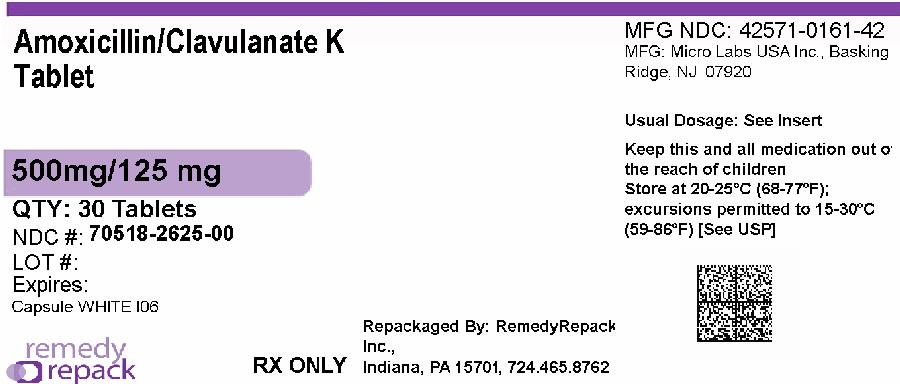
(amoxicillin · DailyMed)
OXYNIC 600
EACH VIAL CONTAINS: AMOXICILLIN SODIUM BP EQ. TO AMOXICILLIN 500 MG, POTASSIUM CLAVULANATE BP EQ. TO CLAVULANIC ACID 100 MG. CO PACKAGED WITH STERILIZED WATER FOR INJECTION BP 10 ML
What it does
Amoxicillin is an antibiotic used to treat infections caused by bacteria.
Commonly used for: infections of the ear, nose, and throat, urinary tract infections, pneumonia, skin infections
Read more in plain English ↓Plain-language summary for general understanding - not medical advice. Always follow your pharmacist/doctor.
Ask about this medicine
Answers come only from this medicine's registration record, BNF monograph and interaction data - not medical advice.
Hard to find? We help patients in Kenya source rare medicines. We don't sell or dispense medicines - licensed pharmacies do.
Source this medicineRegistration & product details
Source: Pharmacy and Poisons Board · fetched 2026-01-28 19:34:31 · updated 2026-08-03 02:21:16
Drug Interactions
7Pharmacodynamic Warnings
Clavulanate appears in TABLE 1: Drugs that cause hepatotoxicity
Severe (1)
Penicillins - increases risk of adverse effects
Valproate increases the risk of adverse effects when given with penicillins (pivmecillinam). Avoid.
Unknown (6)
Amoxicillin - increases risk of skin rash
Allopurinol increases the risk of skin rash when given with penicillins (amoxicillin, ampicillin).
Penicillins - increases risk of skin rash
Allopurinol increases the risk of skin rash when given with penicillins (amoxicillin, ampicillin).
Penicillins - increases exposure
Leflunomide is predicted to increase the exposure to penicillins (benzylpenicillin).
Penicillins - increases exposure
Nitisinone is predicted to increase the exposure to penicillins (benzylpenicillin).
Penicillins - increases exposure
Teriflunomide is predicted to increase the exposure to penicillins (benzylpenicillin).
Phenindione - increases risk of bleeding events
Penicillins are predicted to increase the risk of bleeding events when given with phenindione.
Data from BNF 85 (British National Formulary). This is not a substitute for professional medical advice. Matched via: class
About amoxicillin
Amoxicillin is an antibiotic used to treat infections caused by bacteria.
What it treats
- infections of the ear, nose, and throat
- urinary tract infections
- pneumonia
- skin infections
How it works
It kills bacteria or stops their growth, helping to clear up infections.
Who it's for
Amoxicillin is suitable for adults and children who have bacterial infections.
Drug class
Penicillins
AI-assisted summary grounded in BNF data - general information only, not medical advice. Always confirm with your pharmacist or doctor.
About clavulanate
Clavulanate is a medication that helps fight bacterial infections, often used alongside other antibiotics.
What it treats
- bacterial infections
- infections caused by certain bacteria
How it works
Clavulanate works by inhibiting the enzymes that bacteria use to resist antibiotics, making the antibiotics more effective.
Who it's for
It is for patients who have bacterial infections that require treatment, especially when other antibiotics may not work.
Cautions
- • Avoid using with other drugs that can harm the liver.
AI-assisted summary grounded in BNF data - general information only, not medical advice. Always confirm with your pharmacist or doctor.
About clavulanic
Clavulanic acid is a substance that helps antibiotics work better by preventing certain bacteria from becoming resistant to treatment.
What it treats
- infections caused by bacteria
- bacterial infections (e.g., pneumonia, bronchitis)
How it works
It works by blocking enzymes that bacteria produce to resist antibiotics, making the antibiotics more effective.
Who it's for
It is used for adults and children who have bacterial infections that need antibiotic treatment.
AI-assisted summary grounded in BNF data - general information only, not medical advice. Always confirm with your pharmacist or doctor.
About packaged
Packaged refers to medications that come in containers or wrappers, ensuring they are protected and easy to use.
How it works
Packaged medications are designed to provide the right dosage and protect the medicine from damage or contamination.
Who it's for
Everyone who needs medication in a safe and convenient form.
AI-assisted summary grounded in BNF data - general information only, not medical advice. Always confirm with your pharmacist or doctor.
About sterilized
Sterilized is used to ensure that medical instruments and environments are free from germs and contaminants.
What it treats
- sterilization of surgical instruments
- preparation of sterile environments
How it works
Sterilized products kill or remove all forms of microbial life, including bacteria, viruses, and fungi.
Who it's for
Healthcare professionals and facilities that require a sterile environment for medical procedures.
AI-assisted summary grounded in BNF data - general information only, not medical advice. Always confirm with your pharmacist or doctor.
Clinical monograph: Amoxicillin
BNF-referencedAmoxicillin is a broad-spectrum antibiotic belonging to the penicillin class, effective against a variety of bacterial infections. It is commonly used to treat conditions such as urinary tract infections, sinusitis, community-acquired pneumonia, and salmonellosis.
Indications
- Bacterial infections
- Urinary tract infections
- Sinusitis
- Uncomplicated community-acquired pneumonia
- Salmonellosis
- Oral infections
- Lyme disease (under expert supervision)
- Acute exacerbation of bronchiectasis
- Anthrax (treatment and post-exposure prophylaxis)
Dosage
Children: 1 month–11 years: 30 mg/kg 3 times a day for 21 days; children 1–4 years: 250 mg 3 times a day; children 5–11 years: 500 mg 3 times a day.
Adults: 500 mg 3 times a day; increased if necessary up to 1 g 3 times a day in severe infections.
Mechanism of action
Amoxicillin works by inhibiting bacterial cell wall synthesis, leading to cell lysis and death. It binds to penicillin-binding proteins (PBPs) located inside the bacterial cell wall, interfering with the transpeptidation process necessary for cell wall integrity.
Pharmacodynamics
Amoxicillin exhibits bactericidal activity against susceptible bacteria. Its action is time-dependent, meaning that its effectiveness is related to the duration of time that the drug concentration remains above the minimum inhibitory concentration (MIC) for the target pathogen.
Pharmacokinetics
Amoxicillin is well absorbed from the gastrointestinal tract, with peak plasma concentrations achieved within 1-2 hours after oral administration. It is widely distributed in body tissues and fluids, and it is excreted primarily via the kidneys. The elimination half-life is approximately 1 hour, and renal impairment may necessitate dosage adjustments.
Adverse effects
- Skin rash
- Gastrointestinal disturbances (nausea, vomiting, diarrhea)
- Allergic reactions (including anaphylaxis)
- Superinfection (due to resistant organisms)
Interactions
- Allopurinol (increases risk of skin rash)
Precautions
- History of penicillin allergy
- Renal impairment (reduce dose)
- Use with caution in patients with mononucleosis
Pregnancy
Use only if clearly needed; no adequate studies in pregnant women.
Breast-feeding
Amoxicillin is excreted in breast milk; use with caution.
Storage
Store in a cool, dry place away from direct sunlight.
Formulations
- Phenoxymethylpenicillin 250mg/5ml oral solution
- Phenoxymethylpenicillin 250 mg tablets
AI-synthesized from BNF references - general information only, not a substitute for professional medical advice or the current BNF. Verify doses with a pharmacist.
Clinical monograph: clavulanate
BNF-referencedClavulanate is a beta-lactam compound that is primarily used as a beta-lactamase inhibitor. It is often combined with penicillin antibiotics, such as amoxicillin, to enhance their effectiveness against bacteria that produce beta-lactamase enzymes, which can render these antibiotics ineffective. Clavulanate itself has limited antibacterial activity but plays a crucial role in overcoming bacterial resistance mechanisms.
Indications
- Bacterial infections caused by beta-lactamase producing organisms
- Community-acquired pneumonia
- Respiratory tract infections
- Urinary tract infections
- Skin and soft tissue infections
Dosage
Children: Paediatric dosing of clavulanate should be determined based on the specific indication and the formulation used. Refer to the BNF for
Adults: The usual adult dose of clavulanate varies depending on the specific antibiotic it is combined with, generally ranging from 125 mg to 250 mg, taken every 8 hours when combined with amoxicillin.
Mechanism of action
Clavulanate works by irreversibly binding to the active site of beta-lactamase enzymes. By inhibiting these enzymes, clavulanate protects beta-lactam antibiotics from degradation, allowing them to exert their antibacterial effects effectively. This mechanism enhances the spectrum of activity of the co-administered antibiotic, thereby improving clinical outcomes in infections caused by beta-lactamase producing organisms.
Pharmacodynamics
Clavulanate exhibits a time-dependent antibacterial effect, characterized by its ability to maintain effective concentrations against beta-lactamase producing bacteria. Its pharmacodynamic properties are mainly influenced by its interaction with beta-lactam antibiotics, enhancing their efficacy in treating infections. The overall effect is a synergistic relationship that increases the potency of the antibiotic treatment.
Pharmacokinetics
Clavulanate is usually administered orally or parenterally, and it is rapidly absorbed from the gastrointestinal tract. It reaches peak plasma concentrations within 1 to 2 hours after administration. The drug is widely distributed in body tissues, with a volume of distribution indicative of good tissue penetration. Clavulanate undergoes hepatic metabolism, primarily by conjugation, and is excreted largely in the urine as metabolites. The elimination half-life is approximately 1 hour, necessitating frequent dosing for optimal therapeutic effect.
Contra-indications
- Hypersensitivity to clavulanate or any component of the formulation
- History of jaundice or hepatic impairment related to previous use of beta-lactam antibiotics
Adverse effects
- Diarrhea
- Nausea
- Vomiting
- Rash
- Hepatic dysfunction
- Allergic reactions
Interactions
- Probenecid may increase concentrations of clavulanate
- Anticoagulants may have altered effects due to changes in gut flora
Precautions
- Monitor liver function during prolonged therapy
- Use cautiously in patients with renal impairment
- Assess for history of allergy to penicillins or cephalosporins
Pregnancy
Clavulanate is classified as category B. Animal studies have not shown teratogenic effects, but adequate and well-controlled studies in pregnant women are lacking.
Breast-feeding
Clavulanate is excreted in breast milk. Caution is advised when administering to nursing mothers.
Storage
Store in a cool, dry place away from direct light. Keep out of reach of children.
Formulations
- Clavulanate potassium 125 mg/5 mL
- Clavulanate potassium 250 mg/5 mL
AI-synthesized from BNF references - general information only, not a substitute for professional medical advice or the current BNF. Verify doses with a pharmacist.
Clinical monograph: clavulanic
Clavulanic acid is a beta-lactamase inhibitor that is often combined with penicillin antibiotics to enhance their efficacy against beta-lactamase-producing bacteria. It is structurally related to penicillins and prevents the hydrolysis of beta-lactam antibiotics, thereby extending their spectrum of activity. Clavulanic acid itself has minimal antibacterial activity but is crucial in overcoming antibiotic resistance.
Indications
- Infections caused by beta-lactamase-producing bacteria
- Acute bacterial sinusitis
- Acute otitis media
- Lower respiratory tract infections
- Urinary tract infections
Dosage
Children: Refer to the BNF for Children for specific dosing according to age and weight; adjustments may be necessary based on the clinical scenario.
Adults: Refer to specific product guidelines for dosing; typical regimens depend on the combination antibiotic used and the severity of the infection.
Mechanism of action
Clavulanic acid works by irreversibly binding to the active site of beta-lactamase enzymes that are produced by certain bacteria to inactivate beta-lactam antibiotics. By inhibiting these enzymes, clavulanic acid protects the penicillin antibiotic from degradation, allowing it to exert its antibacterial effects.
Pharmacodynamics
Clavulanic acid has a synergistic effect when combined with other antibiotics, particularly amoxicillin. The presence of clavulanic acid allows for the effective treatment of infections caused by bacteria that would otherwise be resistant to penicillins. Its antibacterial activity is generally weak on its own but significantly enhances the efficacy of other beta-lactam antibiotics.
Pharmacokinetics
Clavulanic acid is rapidly absorbed after oral administration, with peak plasma concentrations occurring within 1 hour. It is widely distributed throughout the body and has a half-life of approximately 1 hour. The drug is primarily excreted unchanged in the urine. In the presence of renal impairment, dosage adjustment may be necessary, as the elimination of clavulanic acid can be affected.
Contra-indications
- Hypersensitivity to clavulanic acid or any of the excipients
- History of jaundice or hepatic impairment associated with previous use of penicillins or beta-lactam antibiotics
Adverse effects
- Nausea
- Diarrhea
- Rash
- Elevated liver enzymes
- Allergic reactions including anaphylaxis
- Superinfection
Interactions
- May enhance the effects of anticoagulants such as warfarin
- Probenecid may increase plasma concentrations of clavulanic acid
- May reduce the efficacy of oral contraceptives
Precautions
- Caution in patients with renal impairment
- Monitor liver function in patients receiving prolonged therapy
- Use with caution in patients with a history of allergic reactions to beta-lactams
Pregnancy
Clavulanic acid is categorized as pregnancy category B. Animal studies have not shown any harm to the fetus, but there are no adequate and well-controlled studies in pregnant women.
Breast-feeding
Clavulanic acid is excreted in breast milk, but it is generally considered safe for use during breastfeeding. Monitor for potential effects in the infant.
Storage
Store at room temperature, away from moisture and heat. Protect from light. Keep out of reach of children.
Formulations
- Oral tablets
- Oral suspension
- Injectable forms
AI-synthesized from BNF references - general information only, not a substitute for professional medical advice or the current BNF. Verify doses with a pharmacist.
Clinical monograph: packaged
Packaged refers to a form of medication that is pre-prepared and sealed within specific containers for ease of use and distribution. This can include tablets, capsules, liquid formulations, and other dosage forms. The packaging serves not only to protect the drug from environmental factors but also to provide essential information regarding usage, storage, and safety.
Dosage
Children: Refer to specific medication packaging for appropriate dosing instructions.
Adults: Refer to specific medication packaging for appropriate dosing instructions.
Pregnancy
The safety of this drug in pregnancy has not been established. It should be used only if the potential benefit justifies the potential risk to the fetus.
Breast-feeding
Caution is advised when administering this drug during breastfeeding. It is advisable to consult a healthcare professional.
Storage
Store in a cool, dry place away from direct sunlight. Keep out of reach of children.
AI-synthesized from BNF references - general information only, not a substitute for professional medical advice or the current BNF. Verify doses with a pharmacist.
Clinical monograph: sterilized
Sterilized refers to the process of rendering an object or substance free from all living microorganisms, including bacteria, viruses, fungi, and spores. This process is crucial in healthcare settings, particularly in surgical procedures, to prevent infections. Sterilization can be achieved through various methods such as steam under pressure (autoclaving), dry heat, chemical sterilants, radiation, or filtration. The selection of a sterilization method depends on the material being sterilized and the specific requirements of the procedure.
Indications
- Surgical instrument sterilization
- Preparation of sterile pharmaceuticals
- Sterilization of medical devices
- Laboratory equipment sterilization
- Maintenance of aseptic conditions in operating rooms
Dosage
Children: Not applicable, as sterilization does not involve drug dosing.
Adults: Not applicable, as sterilization does not involve drug dosing.
Mechanism of action
The mechanism of action for sterilization techniques varies by method. For instance, autoclaving uses steam to denature proteins and disrupt cellular structures, effectively killing microorganisms. Chemical sterilants may act by damaging cellular membranes or interfering with metabolic processes. Radiation methods, such as gamma rays, cause DNA damage in microorganisms, preventing replication.
Pharmacodynamics
Pharmacodynamics in the context of sterilization is not applicable as it primarily pertains to drug action. However, understanding the effectiveness of sterilization methods can be related to the concentration of the agent used, exposure time, and the nature of the microorganisms targeted. The aim is to achieve a sterility assurance level (SAL) that ensures a significant reduction in microbial load.
Pharmacokinetics
Pharmacokinetics is not applicable in the traditional sense for sterilization processes, as they do not involve drug absorption, distribution, metabolism, or excretion. Instead, the effectiveness of a sterilization method is evaluated based on the parameters of the sterilization process itself, including temperature, pressure, time, and the nature of the sterilant used.
Pregnancy
Sterilized products are generally considered safe during pregnancy, but specific formulations should be evaluated for individual safety.
Breast-feeding
Sterilized products are usually safe during breastfeeding; however, it is advisable to consult healthcare professionals regarding specific products.
Storage
Store in a cool, dry place, away from direct sunlight and moisture. Follow specific storage instructions provided by the manufacturer.
AI-synthesized from BNF references - general information only, not a substitute for professional medical advice or the current BNF. Verify doses with a pharmacist.
Molecular reference: Amoxicillin
PubChem CID 33613Molecular formula: C16H19N3O5S
Mechanism of action
Amoxicillin competitively inhibits penicillin-binding protein 1 and other high molecular weight penicillin binding proteins. Penicillin bind proteins are responsible for glycosyltransferase and transpeptidase reactions that lead to cross-linking of D-alanine and D-aspartic acid in bacterial cell walls. Without the action of penicillin binding proteins, bacteria upregulate autolytic enzymes and are unable to build and repair the cell wall, leading to bacteriocidal action. The penicillins and their metabolites are potent immunogens because of their ability to combine with proteins and act as haptens for acute antibody-mediated reactions. The most frequent (about 95 percent) or "major" determinant of penicillin allergy is the penicilloyl determinant produced by opening the beta-lactam ring of the penicillin. This allows linkage of the penicillin to protein at the amide group. "Minor" determinants (less frequent) are the other metabolites formed, including native penicillin and penicilloic acids. /Penicillins/ Amoxicillin is similar to penicillin in its bactericidal action against susceptible bacteria during the stage of active multiplication. It acts through the inhibition of cell wall biosynthesis that leads to the death of the bacteria.
Pharmacodynamics
Amoxicillin competitively inhibit penicillin binding proteins, leading to upregulation of autolytic enzymes and inhibition of cell wall synthesis. Amoxicillin has a long duration of action as it is usually given twice daily. Amoxicillin has a wide therapeutic range as mild overdoses are not associated with significant toxicity. Patients should be counselled regarding the risk of anaphylaxis, _Clostridium difficile_ infections, and bacterial resistance.
Biological pathways
Source: PubChem (NCBI) · pathways from PathBank, Reactome, WikiPathways & PharmGKB.
Molecular reference: clavulanate
PubChem CID 16204478Molecular formula: C8H8NO5-
Biological pathways
Source: PubChem (NCBI) · pathways from PathBank, Reactome, WikiPathways & PharmGKB.
This drug in other countries
The same active ingredient registered across other registries we cover - including different brands.
- AC-CLAV 1000 TABLETS (Each film coated tablet contains Amoxicillin and Cluvalanate Potassium 1000mg · Kiux Pharma
- AC-CLAV 625 TABLETS (Each film coated tablet contains Amoxicillin and Clavulanate Potassium 625 · Kiux Pharma
- ACICLAVCARE 1G TABLETS (Each film-coated tablet contains Amoxicillin trihydrate / Potassium clavulanate 1g) · East African Overseas
- ACINET 1.2G INJECTION (Each vial contains Amoxicillin Sodium/Potassium Clavulanate 1g/0.2g · East African Creasteas
- ACINET 228.5MG/5ML DRY SUSPENSION (Each 5ml of reconstituted suspension contains Amoxicillin Trihydrate/Potassium Clavulanate 200mg/28.5mg) · Indchemie Health Specialities
- ACINET 457MG/5ML DRY SUSPENSION (Each 5ml of reconstituted suspension contains Amoxicillin Trihydrate/Potassium Clavulanate 400mg/57mg) · Indchemie Health Specialities