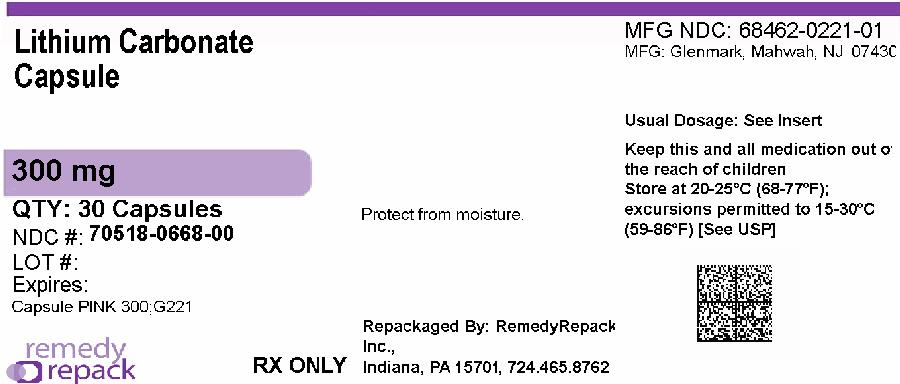
(carbonate · DailyMed)
Pantocid 40
Calcium stearate 3.2 mg/6 mL,Crospovidone 20 mg/6 mL,Crospovidone 30 mg/6 mL,Ferric Oxide Yellow 0.035 mg/6 mL,Hydroxypropyl cellulose 8.5 mg/6 mL,Mannitol 14.187 mg/6 mL,Mannitol(Pearlitol) 22 mg/6 mL,Methacrylic Acid Ethyl Acrylate Copolymer (1:1) dispersion 16.638 mg/6 mL,Microcrystalline Cellulose (PH 112) 4 mg/6 mL,Opadry 02H52369 Yellow 22 mg/6 mL,Pantoprazole Sodium Sesquihydrate 40 mg/6 mL,Purified Water B.P. q.s mg/6 mL,Purified Water q.s mg/6 mL,Purified Water q.s. mg/6 mL,Purified talc 2.569 mg/6 mL,Sodium Carbonate anhydrous 10 mg/6 mL,Sodium Lauryl Sulfate 0.274 mg/6 mL,Titanium dioxide 0.815 mg/6 mL,Triethyl citrate 1.669 mg/6 mL
What it does
Acrylate is a substance used in various medical products. It is important to be aware of how it affects different conditions and to use it carefully.
Commonly used for: skin conditions, wound healing, medical adhesives
Read more in plain English ↓Plain-language summary for general understanding - not medical advice. Always follow your pharmacist/doctor.
Ask about this medicine
Answers come only from this medicine's registration record, BNF monograph and interaction data - not medical advice.
Medicine sourcing is available in Kenya only. We don't sell or dispense medicines - licensed pharmacies do.
Sourcing - Kenya onlyRegistration & product details
Source: Tanzania Medicines and Medical Devices Authority · fetched 2026-03-11 23:39:13 · updated 2026-10-19 03:00:44
Drug Interactions
1Unknown (1)
Alpelisib - increases exposure
Pantoprazoleispredictedtoincreasetheexposuretoalpelisib. oTheoretical
Data from BNF 85 (British National Formulary). This is not a substitute for professional medical advice. Matched via: exact
About acrylate
Acrylate is a substance used in various medical products. It is important to be aware of how it affects different conditions and to use it carefully.
What it treats
- skin conditions
- wound healing
- medical adhesives
How it works
Acrylate works by forming a protective layer that helps in healing and protecting the skin.
Who it's for
Acrylate is suitable for individuals needing treatment for skin issues or requiring medical adhesives.
AI-assisted summary grounded in BNF data - general information only, not medical advice. Always confirm with your pharmacist or doctor.
About carbonate
Carbonate is used to help manage acidity in the stomach and can be found in various over-the-counter products.
What it treats
- stomach acidity
- indigestion
- heartburn
How it works
Carbonate helps neutralize stomach acid, providing relief from discomfort caused by excess acidity.
Who it's for
Adults and children experiencing symptoms of stomach acidity or indigestion.
AI-assisted summary grounded in BNF data - general information only, not medical advice. Always confirm with your pharmacist or doctor.
About cellulose
Cellulose is a type of fiber that helps with digestion and promotes bowel health.
What it treats
- constipation
- irregular bowel movements
How it works
Cellulose adds bulk to the stool, making it easier to pass through the intestines.
Who it's for
Suitable for people looking to improve their digestive health.
AI-assisted summary grounded in BNF data - general information only, not medical advice. Always confirm with your pharmacist or doctor.
About copolymer
Copolymer is a medication used in various treatments, though specific uses are not detailed here.
How it works
Copolymer works by forming a protective layer or modifying the properties of certain substances in the body.
Who it's for
Copolymer is typically for patients needing specific treatments that involve its unique properties.
AI-assisted summary grounded in BNF data - general information only, not medical advice. Always confirm with your pharmacist or doctor.
About crospovidone
Crospovidone is a substance used primarily as an excipient in medications, helping to improve their effectiveness.
What it treats
- used in various medications as a binder
- helps in the absorption of active ingredients
How it works
Crospovidone acts by increasing the solubility and stability of drugs, ensuring that they work effectively in the body.
Who it's for
Crospovidone is suitable for people taking medications that require improved absorption and effectiveness.
AI-assisted summary grounded in BNF data - general information only, not medical advice. Always confirm with your pharmacist or doctor.
About dioxide
Dioxide is used in various medical applications, but specific details about its class or interactions are not provided.
How it works
The exact mechanism of action for dioxide is not specified, but it generally serves various therapeutic roles in medicine.
Who it's for
Dioxide may be suitable for individuals needing treatment related to its specific applications, but more information is needed to identify specific patient groups.
AI-assisted summary grounded in BNF data - general information only, not medical advice. Always confirm with your pharmacist or doctor.
About dispersion
Dispersion is a type of medication used to help deliver active ingredients in a liquid form, making it easier to take.
What it treats
- various conditions requiring medication delivery
- treatment of symptoms where liquid form is beneficial
How it works
Dispersion helps to evenly distribute medication in a liquid, ensuring proper dosing and effectiveness.
Who it's for
Dispersion can be used by anyone who needs medication in a liquid form, particularly children or those who have difficulty swallowing pills.
AI-assisted summary grounded in BNF data - general information only, not medical advice. Always confirm with your pharmacist or doctor.
About ethyl
Ethyl is a chemical compound used in various applications, including as a solvent and in the production of other chemicals.
How it works
Ethyl typically acts as a solvent that helps dissolve other substances, making it useful in various industrial and laboratory settings.
Who it's for
Ethyl is generally used in industrial and laboratory settings, not for direct medical treatment.
AI-assisted summary grounded in BNF data - general information only, not medical advice. Always confirm with your pharmacist or doctor.
About ferric
Ferric is a form of iron used to treat iron deficiency and related conditions.
What it treats
- iron deficiency
- iron deficiency anemia
How it works
Ferric works by providing your body with the iron it needs to make red blood cells, which carry oxygen.
Who it's for
Ferric is for people who have low iron levels or anemia caused by insufficient iron.
AI-assisted summary grounded in BNF data - general information only, not medical advice. Always confirm with your pharmacist or doctor.
About hydroxypropyl
Hydroxypropyl is a compound often used in various formulations for its properties, though specific details about its uses are not provided.
How it works
Hydroxypropyl serves as an ingredient that can help improve the consistency and stability of products, but its specific mechanism is not detailed.
Who it's for
Hydroxypropyl may be included in products for various populations, depending on its application in formulations.
AI-assisted summary grounded in BNF data - general information only, not medical advice. Always confirm with your pharmacist or doctor.
About lauryl
Lauryl is a compound used in various products, known for its cleansing properties.
What it treats
- skin cleansing
- oral hygiene
How it works
Lauryl works by helping to remove dirt and oils from the skin and mouth.
Who it's for
Lauryl is suitable for people looking for effective cleansing products for their skin or oral health.
AI-assisted summary grounded in BNF data - general information only, not medical advice. Always confirm with your pharmacist or doctor.
About mannitol
Mannitol is a type of sugar alcohol used mainly to help reduce swelling and pressure in the body, especially in the eyes and brain.
What it treats
- reducing pressure in the brain (intracranial hypertension)
- treating eye swelling (ocular hypertension)
- promoting urine production in kidney failure
How it works
Mannitol works by drawing water out of tissues and into the bloodstream, helping to decrease swelling and pressure.
Who it's for
Mannitol is typically used for patients with conditions that cause high pressure in the brain or eyes, and those with certain kidney issues.
AI-assisted summary grounded in BNF data - general information only, not medical advice. Always confirm with your pharmacist or doctor.
About methacrylic
Methacrylic is a substance used in various medical and dental applications, particularly in making certain types of dental materials.
What it treats
- dental fillings
- dental cements
- orthodontic appliances
How it works
Methacrylic works by forming a strong and durable bond when it hardens, making it suitable for use in dental treatments.
Who it's for
It is used by individuals requiring dental work, including fillings and orthodontic treatments.
AI-assisted summary grounded in BNF data - general information only, not medical advice. Always confirm with your pharmacist or doctor.
About microcrystalline
Microcrystalline is a type of substance often used in medicines to help with various health issues. It is commonly used as a filler or binder in tablets and capsules.
What it treats
- stomach issues
- constipation
- weight management
How it works
It helps to improve the texture of medicines and can assist in the absorption of other ingredients in the body.
Who it's for
Adults and children who need help with specific health conditions, as directed by a healthcare professional.
AI-assisted summary grounded in BNF data - general information only, not medical advice. Always confirm with your pharmacist or doctor.
About opadry
Opadry is a coating agent used in pharmaceutical formulations.
What it treats
- to improve the taste of medicines
- to protect the active ingredients in tablets and capsules
How it works
Opadry forms a protective layer around tablets and capsules, which helps to mask their taste and protect the ingredients from moisture and light.
Who it's for
Opadry is suitable for various patients who are taking medications in tablet or capsule form.
AI-assisted summary grounded in BNF data - general information only, not medical advice. Always confirm with your pharmacist or doctor.
About oxide
Oxide is a type of compound often used in various treatments. It is important to understand its uses and any precautions necessary when taking it.
What it treats
- treatment of certain skin conditions
- used in some respiratory therapies
How it works
Oxide works by interacting with the body in a way that helps improve certain health conditions.
Who it's for
Oxide may be suitable for individuals suffering from specific health issues as determined by their healthcare provider.
Cautions
- • Always follow the healthcare provider's instructions when using this compound.
- • Inform your doctor about any other medications you are taking.
AI-assisted summary grounded in BNF data - general information only, not medical advice. Always confirm with your pharmacist or doctor.
About pantoprazole
Pantoprazole is a medication that reduces the amount of acid your stomach produces.
What it treats
- stomach ulcers
- gastroesophageal reflux disease (GERD)
- excess stomach acid disorders
How it works
It works by blocking a specific pump in the stomach lining that produces acid, helping to heal and prevent damage caused by excess acid.
Who it's for
This medicine is for adults and children over 12 years old who have conditions related to high stomach acid.
AI-assisted summary grounded in BNF data - general information only, not medical advice. Always confirm with your pharmacist or doctor.
About purified
Purified ingredients are often used in various medicines to ensure safety and effectiveness by removing impurities.
What it treats
- various medical conditions
How it works
Purified ingredients help in delivering the intended effects of the medicine without the risk of contaminants.
Who it's for
People who need medications with safe and effective ingredients.
AI-assisted summary grounded in BNF data - general information only, not medical advice. Always confirm with your pharmacist or doctor.
About sesquihydrate
Sesquihydrate is a compound often used in various formulations, but specific information about its uses and interactions is limited.
How it works
The exact mechanism of how sesquihydrate works is not well-defined, but it is often included in formulations to improve texture or stability.
Who it's for
Sesquihydrate is generally used in products for individuals needing certain formulations, but specific patient groups are not identified.
AI-assisted summary grounded in BNF data - general information only, not medical advice. Always confirm with your pharmacist or doctor.
About talc
Talc is a mineral used primarily to absorb moisture and reduce friction. It is commonly found in various personal care products.
What it treats
- skin irritation
- diaper rash
- chafing
- sweating
How it works
Talc works by absorbing moisture and providing a smooth surface, which helps to prevent irritation and discomfort on the skin.
Who it's for
Talc is suitable for anyone needing relief from moisture-related skin issues, including babies and adults.
Cautions
- • Avoid using on broken or irritated skin.
- • Keep away from the eyes and mouth.
AI-assisted summary grounded in BNF data - general information only, not medical advice. Always confirm with your pharmacist or doctor.
About titanium
Titanium is a material often used in medical implants and devices due to its strength and compatibility with the body.
What it treats
- surgical implants
- dental implants
- orthopedic devices
How it works
Titanium is used in medical devices because it is strong, lightweight, and does not react negatively with body tissues.
Who it's for
People who need implants or devices for medical conditions, such as joint replacements or dental issues.
AI-assisted summary grounded in BNF data - general information only, not medical advice. Always confirm with your pharmacist or doctor.
About triethyl
Triethyl is a chemical compound used in various applications, but specific medical uses are not well-defined.
How it works
The exact way triethyl works in the body is not well understood.
Who it's for
Triethyl may be used in specific industrial and laboratory settings, but not for general medical conditions.
AI-assisted summary grounded in BNF data - general information only, not medical advice. Always confirm with your pharmacist or doctor.
About yellow
Yellow is a medicinal product used to treat various conditions.
What it treats
- general health support
How it works
The exact way Yellow works is not specified, but it is designed to support overall well-being.
Who it's for
Yellow is suitable for individuals looking to improve their general health.
AI-assisted summary grounded in BNF data - general information only, not medical advice. Always confirm with your pharmacist or doctor.
Clinical monograph: Mannitol
BNF-referencedMannitol is an osmotic diuretic and a sugar alcohol that is used primarily to reduce elevated intracranial pressure and to promote diuresis in various medical conditions, including cerebral edema and acute kidney injury. It is metabolically inert in humans and is eliminated primarily through the kidneys. Mannitol works by elevating blood plasma osmolality, drawing water out of tissues and into the bloodstream, which helps to reduce fluid volume and pressure in the brain and other compartments.
Indications
- Cerebral edema
- Elevated intracranial pressure
- Acute kidney injury
- Oliguria
- Glaucoma
- Renal function diagnostic aid
Dosage
Adults: For cerebral edema, administer 0
Mechanism of action
Mannitol elevates blood plasma osmolality, resulting in enhanced flow of water from tissues, including the brain and cerebrospinal fluid, into interstitial fluid and plasma. This action reduces cerebral edema and intracranial pressure. As a diuretic, it increases the osmolality of glomerular filtrate, leading to increased urinary excretion of water and preventing sodium and chloride reabsorption in the renal tubules. Mannitol also facilitates the urinary excretion of toxic substances and can help in assessing renal function by measuring glomerular filtration rate (GFR).
Pharmacodynamics
Mannitol is classified as an osmotic diuretic. It is chemically similar to other sugar alcohols but has a unique ability to promote diuresis by remaining unabsorbed in the renal tubules. Its use is indicated for conditions associated with increased body fluids, such as cerebral edema and glaucoma. Mannitol may be combined with other diuretics to enhance diuretic efficacy. Inhaled formulations are used in cystic fibrosis, though they may cause bronchospasm and hemoptysis.
Pharmacokinetics
Mannitol is freely filtered by the glomeruli with less than 10% tubular reabsorption, which allows for its urinary excretion rate to serve as a measurement of GFR. It does not undergo significant metabolism and is eliminated primarily through the kidneys. The onset of action occurs within 30 to 60 minutes after intravenous administration, with effects lasting for several hours. Administration may require monitoring of renal function and fluid balance.
Contra-indications
- Anuria
- Severe dehydration
- Severe renal impairment
- Intracranial bleeding
Adverse effects
- Asthenia
- Gastrointestinal disturbances
- Dry mouth
- Confusion
- Visual impairment
- Hypotension
- Electrolyte imbalances
- Pulmonary edema
- Hemoptysis (with inhalation use)
- Bronchospasm (with inhalation use)
Interactions
- Potassium-sparing diuretics may increase the risk of hyperkalemia
- Other diuretics may have additive effects
- Caution with nephrotoxic agents
Precautions
- Caution in patients with diabetes mellitus
- Caution in the elderly
- Caution in patients with gout
- Caution in patients with hepatic impairment
- Monitor renal function and electrolytes regularly
- May cause blue fluorescence of urine
Pregnancy
Manufacturer advises avoid due to potential toxicity in animal studies.
Breast-feeding
Manufacturer advises avoid due to lack of information available.
Storage
Store in a cool, dry place, away from light. Do not freeze.
Formulations
- Solution for injection
- Inhalation powder
- Oral solution
AI-synthesized from BNF references - general information only, not a substitute for professional medical advice or the current BNF. Verify doses with a pharmacist.
Clinical monograph: Pantoprazole
BNF-referencedPantoprazole is a proton pump inhibitor (PPI) that decreases gastric acid secretion by irreversibly inhibiting the hydrogen-potassium ATPase enzyme (proton pump) in the gastric parietal cells. It is used primarily to treat conditions associated with excessive gastric acid production, including gastroesophageal reflux disease (GERD), gastric ulcers, and duodenal ulcers. Pantoprazole is well-tolerated and has a favorable safety profile, making it suitable for various patient populations.
Indications
- Gastroesophageal reflux disease (GERD)
- Benign gastric ulcers
- Duodenal ulcers
- NSAID-associated peptic ulcer disease
- Prophylaxis of NSAID-associated gastric ulcers
Mechanism of action
Pantoprazole, as a substituted benzimidazole derivative, accumulates in the acidic compartment of the parietal cells of the stomach. In this acidic environment, it is converted to its active form, a sulfenamide, which binds covalently to cysteine residues on the hydrogen-potassium ATPase (proton pump) enzyme. This binding inactivates the enzyme, thereby inhibiting the final step of gastric acid secretion. The inhibition is potent and lasts longer than that of H2 receptor antagonists, leading to a significant reduction in gastric acidity.
Pharmacodynamics
Pantoprazole effectively decreases gastric acid secretion, which alleviates symptoms associated with acid reflux, promotes healing of esophageal inflammation, and enhances patient quality of life. It has shown superiority in symptom relief and healing compared to H2 receptor antagonists. The drug has an excellent safety profile, with a low incidence of drug interactions, making it suitable for use in high-risk populations, including the elderly and those with renal or moderate hepatic impairment.
Pharmacokinetics
Pantoprazole is rapidly absorbed after oral administration, with peak plasma concentrations occurring within 1 to 2 hours. It is extensively metabolized in the liver via the cytochrome P450 system, particularly CYP2C19 and CYP3A4, resulting in various metabolites. The drug has a half-life of approximately 1 hour, but its effects last significantly longer due to its irreversible binding to the proton pump. Excretion occurs mainly via the urine, with a minor portion eliminated in feces.
Adverse effects
- Headache
- Diarrhea
- Nausea
- Vomiting
- Abdominal pain
- Constipation
- Flatulence
- Dizziness
- Rash
- Fatigue
- Hypomagnesemia
Interactions
- Increased exposure with alpelisib
- May affect the absorption of drugs requiring an acidic environment
Precautions
- Monitor for gastrointestinal infections
- Use with caution in patients with liver impairment
- Long-term use may lead to vitamin B12 deficiency
- Consider risk of bone fractures with prolonged PPI therapy
Pregnancy
Pantoprazole should be used during pregnancy only if the potential benefit justifies the potential risk to the fetus. Limited data on its safety in pregnancy are available.
Breast-feeding
Pantoprazole is excreted in breast milk. A decision should be made whether to discontinue breastfeeding or to discontinue the drug, taking into account the importance of the drug to the mother.
Storage
Store at room temperature, away from moisture and heat. Protect from light.
Formulations
- 40 mg enteric-coated tablet
- 40 mg oral suspension
- 40 mg powder for solution for infusion
AI-synthesized from BNF references - general information only, not a substitute for professional medical advice or the current BNF. Verify doses with a pharmacist.
Clinical monograph: acrylate
BNF-referencedAcrylate is a carboxylic acid derivative with the molecular formula C3H3O2-. It is primarily known for its role in the production of various polymers and as a chemical intermediate. In the biological context, acrylate is involved in several metabolic pathways, including the degradation of acrylonitrile and its utilization in seleno-compound metabolism. Due to its reactivity and potential toxicity, acrylate is handled with caution in industrial and laboratory settings.
Dosage
Children: Refer to specific guidelines or consult the BNF for appropriate dosage.
Adults: Refer to specific guidelines or consult the BNF for appropriate dosage.
Mechanism of action
Acrylate acts as a reactive compound that can participate in various biochemical reactions. It may undergo conjugation with glutathione and other biomolecules, leading to detoxification or metabolic transformation. The involvement of acrylate in the metabolism of seleno-compounds suggests a role in the detoxification pathways, where it may facilitate the elimination of harmful substances from the body.
Pharmacodynamics
Acrylate does not have established pharmacodynamic effects as a therapeutic agent, as it is primarily recognized for its industrial applications. However, its interactions with biological macromolecules can lead to cytotoxic effects, especially at high concentrations. It is known to be a skin and respiratory irritant, and prolonged exposure may result in a range of toxicological effects.
Pharmacokinetics
The pharmacokinetics of acrylate in humans have not been extensively studied, but it is known to be rapidly absorbed through the skin and respiratory tract. Once in the body, acrylate can undergo biotransformation primarily through conjugation with glutathione, leading to more water-soluble metabolites that can be excreted via urine. The compound's half-life and distribution in human tissues are not well-characterized.
Pregnancy
The safety of acrylate during pregnancy has not been fully established. It is advisable to avoid use unless deemed absolutely necessary by a healthcare professional.
Breast-feeding
Limited data exist on the use of acrylate during breastfeeding. Caution is advised, and it should only be used if the benefits outweigh potential risks.
Storage
Store in a cool, dry place away from direct light and moisture. Keep out of reach of children.
AI-synthesized from BNF references - general information only, not a substitute for professional medical advice or the current BNF. Verify doses with a pharmacist.
Clinical monograph: carbonate
BNF-referencedCarbonate is a polyatomic ion with the molecular formula CO3^2-. It plays a critical role in various biological processes, including the regulation of pH in biological systems and the formation of bicarbonate, which is essential for maintaining acid-base balance. Carbonates are commonly found in nature and are involved in buffering systems in blood and other bodily fluids.
Mechanism of action
Carbonate ions participate in buffering reactions that help maintain pH homeostasis in biological systems. They can react with acids to form bicarbonate and carbon dioxide, thus neutralizing excess acidity in the body. This mechanism is crucial in processes such as respiration and metabolism.
Pharmacodynamics
As a buffer, carbonate helps to stabilize pH levels in different biological environments, preventing excessive acidity or alkalinity that could impair cellular functions. It is involved in the transport of carbon dioxide in the blood and plays a role in maintaining the acid-base equilibrium necessary for physiological processes.
Pharmacokinetics
Carbonate ions are readily absorbed in the gastrointestinal tract when ingested and can be found in various body fluids. They are involved in the bicarbonate buffering system, where they are converted to bicarbonate (HCO3-) and carbon dioxide (CO2) through reactions with acids. The kidneys regulate the levels of bicarbonate and carbonate in the body, excreting or reabsorbing them as needed to maintain homeostasis.
Pregnancy
There is no specific information available regarding the use of carbonate compounds during pregnancy. Consult a healthcare provider for advice.
Breast-feeding
There is no specific information available regarding the use of carbonate compounds while breastfeeding. Consult a healthcare provider for advice.
Storage
Store in a cool, dry place away from direct sunlight. Keep out of reach of children.
AI-synthesized from BNF references - general information only, not a substitute for professional medical advice or the current BNF. Verify doses with a pharmacist.
Clinical monograph: cellulose
Cellulose is a complex carbohydrate and a key structural component of the plant cell wall. It is an indigestible polysaccharide made up of linear chains of glucose molecules linked by β-1,4-glycosidic bonds. As a dietary fiber, cellulose contributes to digestive health by promoting bowel regularity and is commonly used as a laxative and bulking agent in various food products and pharmaceuticals.
Indications
- Constipation
- Dietary fiber supplementation
- Irritable bowel syndrome
- Diverticular disease
- Weight management
Dosage
Children: Refer to appropriate guidelines for specific dosage; generally taken with adequate fluid intake.
Adults: Refer to appropriate guidelines for specific dosage; generally taken with adequate fluid intake.
Mechanism of action
Cellulose acts primarily as a bulk-forming laxative. It absorbs water in the intestines, which increases stool bulk and stimulates peristalsis, thus facilitating bowel movements. Additionally, cellulose is not digestible by human enzymes, leading to fermentation by gut bacteria, which may enhance gut health and alter gut microbiota composition.
Pharmacodynamics
Cellulose increases stool weight and frequency of bowel movements. It works by retaining water in the intestines, leading to softer stools and improved passage through the gastrointestinal tract. The bulking effect of cellulose can help alleviate constipation and promote overall digestive health. It may also play a role in cholesterol reduction and glycemic control through its effects on digestion and absorption of nutrients.
Pharmacokinetics
Cellulose is not absorbed into the bloodstream due to its indigestible nature. Instead, it passes through the gastrointestinal tract, where it adds bulk to the stool. Its fermentation by colonic bacteria produces short-chain fatty acids, which may have beneficial effects on colon health. The onset of action for cellulose as a laxative can vary but is generally within 24 to 72 hours after ingestion.
Adverse effects
- Bloating
- Flatulence
- Diarrhea
- Abdominal discomfort
Precautions
- Use with caution in patients with a history of gastrointestinal disorders.
- Monitor for potential allergic reactions in sensitive individuals.
Pregnancy
Cellulose is generally considered safe during pregnancy as it is a non-toxic, indigestible fiber.
Breast-feeding
Cellulose is also considered safe during breastfeeding; it is excreted in breast milk in negligible amounts.
Storage
Store in a cool, dry place away from direct sunlight.
Formulations
- Powder
- Capsules
- Tablets
- Granules
AI-synthesized from BNF references - general information only, not a substitute for professional medical advice or the current BNF. Verify doses with a pharmacist.
Clinical monograph: copolymer
Copolymers are synthetic or natural polymers made from two or more different monomer species. Their physical and chemical properties can be tailored for various applications, including drug delivery systems, biodegradable materials, and medical devices. In the context of pharmaceuticals, copolymers can enhance the solubility, stability, and bioavailability of drugs, making them valuable in formulating medications.
Indications
- Drug delivery systems
- Biodegradable implants
- Controlled release formulations
- Tissue engineering
- Medical device coatings
Dosage
Children: As with adult dosing, paediatric dosing of copolymers is specific to the formulation and application. Consult relevant pediatric pharmacology resources for detailed dosing recommendations.
Adults: Dosing of copolymers is highly variable and dependent on the specific drug formulation and intended use. For precise dosing information, refer to established pharmacological guidelines or product-specific resources.
Mechanism of action
Copolymers can function as drug delivery vehicles, allowing for controlled release of therapeutic agents. They can encapsulate drugs and release them in a sustained manner, depending on environmental triggers such as pH or temperature. This mechanism enhances the efficacy of drugs while minimizing side effects.
Pharmacodynamics
The pharmacodynamic properties of copolymers depend on their composition and structure, influencing their interaction with biological systems. They can modify drug release profiles and enhance the therapeutic effects of co-administered agents, facilitating targeted delivery to specific tissues or cells.
Pharmacokinetics
The pharmacokinetics of copolymers vary based on their molecular weight, structure, and the drugs they carry. Factors such as absorption, distribution, metabolism, and excretion will depend on the formulation and the specific application. Generally, copolymers can improve drug stability and prolong circulation time in the body.
Pregnancy
The safety of copolymer use during pregnancy has not been established. Non-essential use should be avoided.
Breast-feeding
The excretion of copolymers in human milk is unknown. Caution is advised when administering to nursing mothers.
Storage
Store in a cool, dry place away from direct light. Check specific product storage requirements as they may vary.
AI-synthesized from BNF references - general information only, not a substitute for professional medical advice or the current BNF. Verify doses with a pharmacist.
Clinical monograph: crospovidone
Crospovidone is a synthetic polymer of N-vinyl-2-pyrrolidone that is primarily used as an excipient in pharmaceutical formulations. It serves as a disintegrant, promoting the breakdown of tablets and capsules in the gastrointestinal tract to enhance the absorption of active pharmaceutical ingredients. Crospovidone is characterized by its ability to hydrate rapidly and swell, facilitating the disintegration process in solid dosage forms.
Indications
- Used as an excipient in solid dosage forms
- Facilitates drug disintegration and dissolution
Dosage
Children: Refer to specific product formulation guidelines as crospovidone is used as an excipient and does not have a direct dosage.
Adults: Refer to specific product formulation guidelines as crospovidone is used as an excipient and does not have a direct dosage.
Mechanism of action
Crospovidone acts by rapidly absorbing water and swelling upon contact with moisture. This action leads to the disintegration of solid dosage forms, thus increasing the surface area of the active ingredients and promoting their dissolution and subsequent absorption in the gastrointestinal tract. It does not affect the pH of the formulation, ensuring that the active ingredients remain stable.
Pharmacodynamics
Crospovidone exhibits properties that enhance the bioavailability of active ingredients in pharmaceutical formulations. Its ability to rapidly disintegrate tablets and capsules leads to quicker release and absorption of the drug into systemic circulation. As a disintegrant, it aids in the effective delivery of drugs that may otherwise be poorly soluble.
Pharmacokinetics
Crospovidone itself is not absorbed systemically when administered orally. It remains in the gastrointestinal tract, where it performs its function as a disintegrant. The pharmacokinetic profile of drugs formulated with crospovidone may be influenced by the enhanced dissolution and absorption rates provided by this excipient.
Pregnancy
Crospovidone is considered to have low toxicity and is generally regarded as safe for use during pregnancy, but specific studies are limited.
Breast-feeding
There is insufficient data on the excretion of crospovidone in human milk, but it is deemed safe for use during breastfeeding.
Storage
Store in a cool, dry place away from light and moisture, in tightly closed containers.
Formulations
- Powder
- Tablets
AI-synthesized from BNF references - general information only, not a substitute for professional medical advice or the current BNF. Verify doses with a pharmacist.
Clinical monograph: dioxide
Dioxide refers to a class of chemical compounds that contain two oxygen atoms bonded to another element or group. The most commonly referenced dioxide is carbon dioxide (CO2), a colorless, odorless gas produced by respiration in animals and plants and by the combustion of organic matter. In a clinical context, dioxides are often involved in various physiological processes and can play roles in drug mechanisms, particularly with respect to gas exchange and acid-base balance in the body.
Indications
- Monitoring respiratory function
- Assessment of metabolic status
- Management of respiratory acidosis
- Management of respiratory alkalosis
Dosage
Children: Dosing for interventions related to carbon dioxide levels in pediatric patients should be guided by clinical protocols and the BNF for Children.
Adults: Dosing for interventions related to carbon dioxide levels is typically based on clinical assessment and individual patient needs. Refer to clinical guidelines for specific scenarios.
Mechanism of action
Carbon dioxide acts primarily as a signaling molecule in the body, influencing respiratory drive and blood pH. It is produced during cellular respiration and is a critical component of the bicarbonate buffering system, which helps maintain acid-base homeostasis. Elevated levels of CO2 in the blood stimulate ventilation in the lungs, increasing the rate of gas exchange and facilitating the removal of excess CO2.
Pharmacodynamics
The pharmacodynamic effects of dioxides, particularly carbon dioxide, are closely related to its concentration in the blood. As CO2 levels increase, it leads to respiratory acidosis, which can stimulate the respiratory centers in the brain to increase ventilation. Conversely, low levels of CO2 can cause respiratory alkalosis, potentially leading to decreased respiratory drive. CO2 also plays a role in vasodilation and can affect blood flow and pressure through its influence on smooth muscle tone.
Pharmacokinetics
Carbon dioxide is produced endogenously during metabolic processes and is transported in the bloodstream primarily in three forms: dissolved in plasma, as bicarbonate ions (HCO3-), and bound to hemoglobin. The half-life of CO2 in the bloodstream is very short due to its rapid exchange with alveolar gas in the lungs. The elimination of CO2 occurs through exhalation, making it a dynamic component of respiratory physiology.
Pregnancy
Data on the effects of dioxide during pregnancy are limited. Caution is advised due to potential risks associated with exposure.
Breast-feeding
Limited data are available regarding the excretion of dioxide in human milk. Caution is recommended.
Storage
Store in a cool, dry place, away from direct sunlight and moisture.
AI-synthesized from BNF references - general information only, not a substitute for professional medical advice or the current BNF. Verify doses with a pharmacist.
Clinical monograph: dispersion
Dispersion refers to a system in which one substance is distributed evenly throughout another substance. In pharmacology, dispersions can be used to enhance the solubility and bioavailability of poorly soluble drugs, allowing for more effective delivery and absorption in the body. Dispersions can include emulsions, suspensions, and colloids, each having distinct characteristics and applications in medicine.
Indications
- Oral medications for improved solubility
- Topical applications for enhanced delivery of active ingredients
- Parenteral formulations for intravenous administration
- Vaccines delivered as emulsions for enhanced immune response
Dosage
Children: Refer to specific product information for dosage guidelines, as this varies by formulation and intended use.
Adults: Refer to specific product information for dosage guidelines, as this varies by formulation and intended use.
Mechanism of action
The mechanism of action of a dispersion often involves the physical distribution of active pharmaceutical ingredients in a medium, which can lead to increased surface area and improved interaction with biological membranes. For example, in emulsions, the dispersion of oil in water can enhance the absorption of lipid-soluble drugs.
Pharmacodynamics
Pharmacodynamics of dispersions relates to how the dispersed formulation affects the body. The presence of surfactants or emulsifying agents can modify drug release rates, enhance absorption, and improve therapeutic effects. The effectiveness of a dispersion is influenced by particle size, viscosity, and the nature of the dispersing medium.
Pharmacokinetics
The pharmacokinetics of dispersions depend on the formulation type and the route of administration. Key factors include the rate of dispersion breakdown, absorption through biological membranes, distribution within the body, metabolism, and excretion of the active ingredients. Dispersions can alter the onset of action and duration of effect based on their formulation characteristics.
Pregnancy
Consult with a healthcare provider before use. Safety in pregnancy is not established for all formulations.
Breast-feeding
Consult with a healthcare provider before use. Safety during breastfeeding may vary depending on the formulation.
Storage
Store in a cool, dry place away from direct sunlight. Follow specific storage instructions provided by the manufacturer.
AI-synthesized from BNF references - general information only, not a substitute for professional medical advice or the current BNF. Verify doses with a pharmacist.
Clinical monograph: ethyl
BNF-referencedEthyl, represented by the molecular formula C2H5, is a functional group derived from ethane. It is commonly found in various organic compounds and is often associated with the ethyl alcohol (ethanol) in pharmacology. Ethyl groups are integral in a wide array of chemical reactions and are fundamental in the synthesis of numerous medications and substances in both industrial and clinical settings.
Indications
- Alcohol use disorder
- Anxiety disorders
- Sedation
- Muscle relaxation
Dosage
Children: Refer to the BNF for Children for specific dosing guidelines in paediatric populations.
Adults: Refer to the specific BNF guidelines for dosing related to alcohol use disorder and other indications.
Mechanism of action
Ethyl groups serve primarily as substituents in organic chemistry, influencing the properties and reactivity of the parent molecules. In the context of ethanol, which contains an ethyl group, its mechanism of action involves the enhancement of gamma-aminobutyric acid (GABA) receptor activity, leading to increased inhibitory neurotransmission. This results in its sedative, anxiolytic, and muscle relaxant effects.
Pharmacodynamics
The pharmacodynamics of compounds containing the ethyl group, particularly ethanol, include its effects on the central nervous system, where it acts as a depressant. Ethanol enhances the effects of GABA, resulting in sedation, impaired motor function, and decreased anxiety. It can also affect the dopaminergic pathways, leading to the release of dopamine, which contributes to its reinforcing properties.
Pharmacokinetics
Ethanol is rapidly absorbed from the gastrointestinal tract, with peak blood concentrations typically reached within 30 to 90 minutes after consumption. It is metabolized primarily in the liver by alcohol dehydrogenase and aldehyde dehydrogenase, with a first-order elimination kinetics, typically at a rate of 10 to 15 mL of pure alcohol per hour. Ethanol is also known to exhibit a volume of distribution of approximately 0.5 to 0.7 L/kg in adults.
AI-synthesized from BNF references - general information only, not a substitute for professional medical advice or the current BNF. Verify doses with a pharmacist.
Clinical monograph: ferric
BNF-referencedFerric, often referring to ferric iron or its salts, is an essential mineral primarily involved in oxygen transport and storage in the body. It plays a crucial role in erythropoiesis and is a key component of hemoglobin. Ferric compounds are commonly used in the treatment of iron deficiency anemia, a condition where the body lacks sufficient iron to produce adequate hemoglobin. The ferric ion is the oxidized form of iron, which is more stable in biological systems compared to ferrous iron.
Indications
- Iron deficiency anemia
- Chronic blood loss
- Nutritional iron deficiency
- Pregnancy-related anemia
Dosage
Children: Refer to the BNF for Children for specific dosing information as it may vary based on the formulation and clinical context.
Adults: Refer to the BNF for specific dosing information as it may vary based on the formulation and clinical context.
Mechanism of action
Ferric ions participate in various biological processes, including oxygen transport and electron transfer. They facilitate the formation of hemoglobin in red blood cells, allowing for efficient oxygen delivery throughout the body. Ferric compounds can also promote the absorption of iron from the gastrointestinal tract by providing a more bioavailable form of iron.
Pharmacodynamics
Ferric compounds exhibit their effects primarily through the restoration of iron levels in the body. This leads to improved synthesis of hemoglobin and overall enhancement of oxygen-carrying capacity. The pharmacological action is dose-dependent, with higher doses leading to more pronounced effects on hemoglobin levels and erythropoiesis. Additionally, ferric ions can influence various metabolic pathways involved in cellular respiration and energy production.
Pharmacokinetics
Ferric is absorbed in the gastrointestinal tract, with absorption rates influenced by dietary factors and the presence of other substances in the gut. Once absorbed, ferric ions are transported in the bloodstream bound to transferrin, a transport protein. The body regulates iron levels primarily through absorption rather than excretion, and excess iron can be stored in the liver, spleen, and bone marrow. The elimination of ferric compounds is generally slow, as they are incorporated into various biological systems or stored for future use.
Contra-indications
- Hypersensitivity to ferric compounds
- Iron overload conditions such as haemochromatosis or haemosiderosis
- Chronic liver disease
- Active peptic ulcer disease
Adverse effects
- Gastrointestinal disturbances including nausea, vomiting, and constipation
- Diarrhea
- Abdominal pain
- Black stools
- Allergic reactions including rashes and anaphylaxis
- Staining of teeth (with oral formulations)
Interactions
- Antacids may reduce the absorption of oral ferric preparations
- Tetracyclines and quinolone antibiotics may have reduced absorption when taken with iron
- Ascorbic acid may enhance the absorption of iron
Precautions
- Caution in patients with a history of gastrointestinal disease
- Monitor for signs of iron overload in patients receiving repeated doses
- Use with caution in patients with renal impairment
Pregnancy
Ferric compounds are generally considered safe in pregnancy when used as directed to treat iron deficiency, but should be used under medical supervision.
Breast-feeding
Ferric compounds are excreted in breast milk in small amounts, usually considered safe but should be used under medical supervision.
Storage
Store in a cool, dry place away from direct sunlight. Keep out of reach of children.
Formulations
- Oral tablets
- Oral solution
- Intravenous injection
AI-synthesized from BNF references - general information only, not a substitute for professional medical advice or the current BNF. Verify doses with a pharmacist.
Clinical monograph: hydroxypropyl
BNF-referencedHydroxypropyl is a chemical compound derived from propylene glycol, commonly used as an excipient in pharmaceuticals and cosmetics. It serves various roles, including acting as a solvent, stabilizer, and humectant. Hydroxypropyl is notable for its ability to enhance the solubility and stability of active pharmaceutical ingredients, making it a valuable component in formulation science.
Indications
- Used as an excipient in pharmaceutical formulations
- Improves solubility and stability of active ingredients
- Facilitates drug absorption
Dosage
Children: Refer to specific product guidelines as hydroxypropyl is typically used as an excipient and not dosed independently.
Adults: Refer to specific product guidelines as hydroxypropyl is typically used as an excipient and not dosed independently.
Mechanism of action
Hydroxypropyl functions primarily as a solubilizing agent, which aids in the dissolution of poorly soluble drugs. It interacts with water and other solvents to improve the dispersion of pharmaceutical compounds, thereby enhancing their bioavailability. Hydroxypropyl may also facilitate the permeability of drug molecules through biological membranes, contributing to their overall efficacy.
Pharmacodynamics
The pharmacodynamics of hydroxypropyl relate to its role in improving the physicochemical properties of drug formulations. By increasing solubility and stability, hydroxypropyl can enhance the absorption of drugs administered via various routes, including oral and topical. Its non-toxic nature allows for safe incorporation into formulations, making it suitable for a wide range of applications.
Pharmacokinetics
The pharmacokinetics of hydroxypropyl have not been extensively studied as it primarily acts as an excipient rather than an active pharmaceutical ingredient. When used in formulations, it is typically not absorbed into systemic circulation in significant amounts, thereby minimizing potential systemic effects. Hydroxypropyl is generally regarded as safe when used in appropriate amounts in drug formulations.
Pregnancy
Hydroxypropyl is not classified for use during pregnancy, and its safety has not been established. Caution is advised.
Breast-feeding
There is limited information on the excretion of hydroxypropyl in human milk. Caution is advised when administering to breastfeeding women.
Storage
Store in a cool, dry place, away from light. Keep out of reach of children.
AI-synthesized from BNF references - general information only, not a substitute for professional medical advice or the current BNF. Verify doses with a pharmacist.
Clinical monograph: lauryl
Lauryl, also known as lauryl sulfate, is a surfactant and cleansing agent commonly used in various pharmaceutical and cosmetic formulations. It is derived from lauric acid, a medium-chain fatty acid found in coconut oil and palm kernel oil. Lauryl sulfate is primarily utilized for its ability to create lather and enhance the solubility of active ingredients in topical applications. Its use is widespread in shampoos, body washes, and other personal care products.
Indications
- Cleansing agent in topical formulations
- Emulsifying agent in cosmetic products
- Foaming agent in shampoos and body washes
Dosage
Children: Refer to specific product formulations for appropriate concentrations and application methods.
Adults: Refer to specific product formulations for appropriate concentrations and application methods.
Mechanism of action
Lauryl sulfate functions as an anionic surfactant. It reduces the surface tension between different substances, allowing for better spreading and wetting. In the context of cleansing, it facilitates the removal of dirt and oils from the skin and hair by emulsifying these substances, thus making them easier to rinse away with water.
Pharmacodynamics
As a surfactant, lauryl sulfate displays properties that can disrupt cellular membranes and alter permeability. This mechanism is beneficial in enhancing the penetration of other therapeutic agents in topical formulations. However, its irritant potential on skin and mucous membranes should be noted, as it can lead to dryness and irritation with prolonged exposure.
Pharmacokinetics
Lauryl sulfate is primarily applied topically and is not intended for systemic absorption. When used in formulations, it acts locally at the site of application. Its absorption through the skin is minimal, and any systemic exposure is limited. Metabolism and excretion pathways are not well-defined for topical applications, as it is largely washed away after use.
Pregnancy
Safety during pregnancy has not been established. Use only if the potential benefit justifies the potential risk to the fetus.
Breast-feeding
Unknown whether lauryl is excreted in human milk. Caution should be exercised when administering to nursing mothers.
Storage
Store in a cool, dry place away from direct sunlight. Keep out of reach of children.
AI-synthesized from BNF references - general information only, not a substitute for professional medical advice or the current BNF. Verify doses with a pharmacist.
Clinical monograph: methacrylic
Methacrylic acid is an organic compound with the formula C4H6O2. It is a colorless liquid with a characteristic acrid odor. Methacrylic acid is primarily used as a monomer in the production of methacrylate polymers, which are utilized in various applications, including dental materials, coatings, adhesives, and plastics. Its derivatives, such as polymethyl methacrylate (PMMA), are widely used in medical devices and cosmetic applications.
Dosage
Children: Refer to product-specific guidelines or literature for dosing information, as methacrylic acid is primarily used in industrial and medical applications rather than as a direct therapeutic agent.
Adults: Refer to product-specific guidelines or literature for dosing information, as methacrylic acid is primarily used in industrial and medical applications rather than as a direct therapeutic agent.
Mechanism of action
Methacrylic acid functions primarily as a monomer that undergoes polymerization to form methacrylate-based polymers. The polymerization process can be initiated by thermal, chemical, or photoinitiated methods, resulting in the formation of cross-linked networks that provide structural integrity and durability to the final product. It interacts with radical initiators to form reactive free radicals that propagate the polymer chain growth.
Pharmacodynamics
Methacrylic acid and its derivatives exhibit good mechanical properties and biocompatibility, making them suitable for use in medical and dental applications. The polymers formed from methacrylic acid demonstrate resistance to wear, chemical degradation, and UV light, which enhances their stability and longevity in various environments. The biocompatibility of methacrylate polymers is essential for their application in medical devices, ensuring minimal adverse reactions upon implantation.
Pharmacokinetics
The pharmacokinetics of methacrylic acid is not extensively characterized due to its primary use as a polymer precursor rather than a therapeutic agent. However, when released in vivo, it is assumed to undergo rapid metabolism. The compound is likely to be absorbed through various routes, but specific absorption, distribution, metabolism, and excretion (ADME) data are limited. As a low molecular weight organic acid, it may be subject to conjugation and subsequent elimination through renal pathways.
Pregnancy
Methacrylic acid and its derivatives should be used with caution during pregnancy, as there is limited data on their safety. It is advisable to avoid use unless the potential benefits outweigh the risks.
Breast-feeding
There is insufficient information regarding the excretion of methacrylic acid into human milk. Caution is advised when administered to breastfeeding women.
Storage
Store in a cool, dry place away from direct sunlight. Keep containers tightly closed when not in use.
AI-synthesized from BNF references - general information only, not a substitute for professional medical advice or the current BNF. Verify doses with a pharmacist.
Clinical monograph: microcrystalline
Microcrystalline cellulose is a refined wood pulp, commonly used as an excipient in pharmaceutical formulations. It serves as a bulking agent and stabilizer in tablets and capsules, improving the physical properties of the drug formulation. It is characterized by its ability to absorb moisture and provide a suitable texture for various dosage forms.
Indications
- Used as an excipient in tablet formulations
- Used as a bulking agent in capsule formulations
- Used in food products as a thickener or stabilizer
Dosage
Children: Refer to specific product guidelines as dosage will depend on the formulation and the active ingredients.
Adults: Refer to specific product guidelines as dosage will depend on the formulation and the active ingredients.
Mechanism of action
Microcrystalline cellulose acts as a non-digestible filler that enhances the flow properties of powders during the manufacturing of tablets and capsules. It does not have a direct pharmacological action on the body but ensures that the active ingredients are effectively delivered to the patient.
Pharmacodynamics
As a non-active ingredient, microcrystalline cellulose does not exert pharmacodynamic effects typical of active pharmaceutical ingredients. Its primary role is to provide a stable and consistent matrix for the drug, facilitating the release of the active compound once ingested.
Pharmacokinetics
Microcrystalline cellulose is not absorbed in the gastrointestinal tract; it passes through the digestive system largely unchanged. It adds bulk to the stool, which may aid in promoting regular bowel movements. The substance is excreted in feces, where it contributes to dietary fiber intake.
Pregnancy
Data regarding the use of microcrystalline cellulose during pregnancy is limited. It is advisable to consult with healthcare professionals before use.
Breast-feeding
Microcrystalline cellulose is considered safe during breastfeeding, as it is not absorbed systemically.
Storage
Store in a cool, dry place away from direct sunlight and moisture.
AI-synthesized from BNF references - general information only, not a substitute for professional medical advice or the current BNF. Verify doses with a pharmacist.
Clinical monograph: opadry
Opadry is a film-coating system used in the pharmaceutical industry to coat tablets and granules. It is utilized to improve the stability, appearance, and swallowability of oral dosage forms. Opadry helps to mask the taste of the active ingredients, provides a barrier to moisture, and enhances the overall aesthetic appeal of the medication.
Indications
- Tablet coating
- Granule coating
- Improvement of drug stability
- Taste masking
- Aesthetic enhancement of pharmaceuticals
Dosage
Children: Dosage will depend on the specific formulation and active ingredients of the medication being coated. Refer to the specific product information for guidance.
Adults: Dosage will depend on the specific formulation and active ingredients of the medication being coated. Refer to the specific product information for guidance.
Mechanism of action
Opadry functions primarily as a coating polymer that adheres to the surface of tablets or granules, creating a protective layer. This layer can control the release of the active ingredient and protect it from environmental factors such as moisture and light. The specific composition of Opadry can vary, but it typically includes film-forming agents, plasticizers, and colorants that work together to achieve the desired coating characteristics.
Pharmacodynamics
The pharmacodynamics of Opadry is largely focused on its physical and chemical properties rather than specific biological interactions. The coating alters the dissolution characteristics of the drug, potentially leading to modified release profiles. This can enhance drug bioavailability or control the release rate of the active ingredient, thereby impacting the therapeutic effect.
Pharmacokinetics
As a coating agent, Opadry itself is not absorbed into the systemic circulation and does not have pharmacokinetic properties related to absorption, distribution, metabolism, or excretion of an active pharmaceutical ingredient. Its impact on pharmacokinetics is indirect, as it affects how the active drug is released and absorbed in the gastrointestinal tract.
Pregnancy
Opadry is a film-coating agent, and specific studies on its effects during pregnancy are not well-documented. Generally, it is advisable to use medications cautiously during pregnancy. Consult a healthcare provider for guidance.
Breast-feeding
Limited data are available regarding the safety of Opadry during breastfeeding. It is recommended to consult a healthcare provider before use.
Storage
Store in a cool, dry place away from direct sunlight and moisture. Keep out of reach of children.
Formulations
- Opadry OY - a coating system for oral solid dosage forms
- Opadry II - a polymer-based coating system for tablet and capsule applications
AI-synthesized from BNF references - general information only, not a substitute for professional medical advice or the current BNF. Verify doses with a pharmacist.
Clinical monograph: oxide
BNF-referencedOxide refers to a chemical compound that contains at least one oxygen atom and one other element. Oxides can be formed from a variety of elements, and their properties can vary significantly depending on the specific elements involved. Common oxides include metal oxides, such as iron oxide (rust), and non-metal oxides, such as carbon dioxide. In a pharmaceutical context, oxides may play roles as inactive ingredients or act as preservatives or stabilizers in drug formulations.
Mechanism of action
Oxides do not have a single mechanism of action as they are a broad category of compounds. However, in general, metal oxides can exhibit catalytic properties, while non-metal oxides may participate in biochemical reactions by forming acids or bases upon dissolution in water.
Pharmacodynamics
The pharmacodynamics of oxides depend on the specific type of oxide and its interaction with biological systems. For instance, metal oxides may have antimicrobial properties, while certain non-metal oxides can influence metabolic pathways through their acid-base chemistry. The effects vary widely, necessitating specific studies for each oxide's role in therapeutic contexts.
Pharmacokinetics
The pharmacokinetics of oxides are also variable. Many metal oxides are poorly soluble and thus have limited absorption when ingested. Non-metal oxides, such as carbon dioxide, can be readily absorbed and utilized in metabolic processes. The distribution, metabolism, and excretion of oxides depend on their chemical form and the biological system in which they are involved.
Pregnancy
Not applicable as oxide is not a drug but a class of chemical compounds.
Breast-feeding
Not applicable as oxide is not a drug but a class of chemical compounds.
Storage
Store in a cool, dry place away from direct sunlight.
AI-synthesized from BNF references - general information only, not a substitute for professional medical advice or the current BNF. Verify doses with a pharmacist.
Clinical monograph: purified
Purified refers to a substance that has been processed to remove impurities, contaminants, or unwanted substances, resulting in a more concentrated and effective form of the original compound. In pharmacology, purified compounds are often used to enhance therapeutic efficacy and reduce adverse effects. The purification process can apply to a variety of substances, including drugs, biological products, and chemical compounds.
Dosage
Children: Refer to specific drug formulations and product labels as purified substances can vary widely in their use and dosing.
Adults: Refer to specific drug formulations and product labels as purified substances can vary widely in their use and dosing.
Mechanism of action
The mechanism of action for purified compounds varies widely depending on the specific substance. Generally, purified drugs exert their effects by interacting with specific biological targets, such as receptors, enzymes, or ion channels, leading to a desired therapeutic effect. This interaction can involve binding to receptors to activate or inhibit signaling pathways, modulating enzymatic activity, or altering physiological processes.
Pharmacodynamics
Pharmacodynamics describes the effects of a drug on the body and the relationship between drug concentration and effect. For purified drugs, this can involve dose-response relationships and the time course of their action. The purified form often enhances potency and reduces variability in response among patients, which can lead to more predictable therapeutic outcomes. The overall effect is determined by the drug's affinity for its target, the efficacy of the drug-receptor interaction, and the downstream signaling pathways activated as a result of this interaction.
Pharmacokinetics
Pharmacokinetics involves the absorption, distribution, metabolism, and excretion (ADME) of a drug. For purified substances, absorption can be more efficient due to the absence of impurities that may affect solubility or stability. Distribution may also be enhanced, leading to higher bioavailability. Metabolism can be influenced by the structure of the purified compound, as it may be metabolized more readily by liver enzymes. Excretion typically occurs through the kidneys or liver, depending on the molecular characteristics of the purified drug.
Pregnancy
Consult with a healthcare professional, as the safety of purified forms of medications during pregnancy may vary depending on the specific substance.
Breast-feeding
Consult with a healthcare professional, as the safety of purified forms of medications during breastfeeding may vary depending on the specific substance.
Storage
Store in a cool, dry place, away from light and moisture, and keep out of reach of children.
AI-synthesized from BNF references - general information only, not a substitute for professional medical advice or the current BNF. Verify doses with a pharmacist.
Clinical monograph: sesquihydrate
Sesquihydrate refers to a hydrate form of a compound that contains one and a half molecules of water for every molecule of the compound. It is commonly associated with various medications that may appear in this hydrated form. The specific pharmacological properties and clinical applications depend on the base compound of the sesquihydrate form, which can vary widely.
Dosage
Children: For paediatric dosing information, refer to the specific drug associated with the sesquihydrate form, as dosages will vary based on the active ingredient.
Adults: For dosing information, refer to the specific drug associated with the sesquihydrate form, as dosages will vary based on the active ingredient.
Mechanism of action
The mechanism of action of a sesquihydrate compound is dependent on the active ingredient it is associated with. Generally, hydrated forms of drugs may influence solubility and bioavailability, affecting how the drug interacts with biological systems.
Pharmacodynamics
Pharmacodynamics will vary significantly according to the specific sesquihydrate compound. Typically, the pharmacodynamic profile would include the drug's effects on the body, the relationship between drug concentration and effect, and the duration of action, which are influenced by its chemical structure and interactions with target receptors or enzymes.
Pharmacokinetics
Pharmacokinetics of a sesquihydrate compound is influenced by its solubility, absorption, distribution, metabolism, and excretion (ADME). The presence of water molecules in the sesquihydrate form can enhance solubility, potentially improving absorption. The specific pharmacokinetic parameters would need to be referenced from studies of the particular drug associated with the hydrated form.
Pregnancy
Consult a healthcare provider before use.
Breast-feeding
Consult a healthcare provider before use.
Storage
Store in a cool, dry place away from direct sunlight.
AI-synthesized from BNF references - general information only, not a substitute for professional medical advice or the current BNF. Verify doses with a pharmacist.
Clinical monograph: talc
BNF-referencedTalc is a mineral composed of magnesium, silicon, and oxygen, commonly used in various pharmaceutical applications due to its excellent absorptive properties. It is often employed as an excipient in drug formulations and as a bulking agent in tablets and powders. Talc is also utilized in some medical procedures, such as pleurodesis, to prevent the recurrence of pleural effusions.
Indications
- Used as an excipient in drug formulations
- Pleurodesis for the management of recurrent pleural effusions
Dosage
Children: Refer to specific guidelines for paediatric use, as dosing may differ based on age and clinical condition.
Adults: Refer to specific guidelines for the appropriate dosage in pleurodesis and other applications, as it may vary based on clinical context.
Mechanism of action
Talc exhibits very good absorptive properties, allowing it to absorb moisture and other substances effectively. This characteristic is particularly useful in pharmaceutical formulations, where it may enhance the stability and texture of the drug product.
Pharmacodynamics
Talc's primary pharmacodynamic effect is its ability to act as an inert filler and bulking agent in pharmaceutical preparations. It does not have any intrinsic pharmacological activity but serves to improve the physical properties of formulations, such as flowability and compressibility.
Pharmacokinetics
Talc is not absorbed systemically when used as an excipient or in medical procedures. Its effects are local, and it remains in the site of application, where it functions primarily as a mechanical agent. The pharmacokinetics of talc in the context of its use in pleurodesis involves its ability to promote adhesion of the pleural surfaces, thereby preventing fluid accumulation.
Pregnancy
Talc is classified as a substance with minimal systemic absorption, but safety during pregnancy has not been well established. Consult relevant guidelines.
Breast-feeding
Talc is not expected to be absorbed in significant amounts; however, caution is advised and consult guidelines.
Storage
Store in a cool, dry place, away from direct sunlight.
AI-synthesized from BNF references - general information only, not a substitute for professional medical advice or the current BNF. Verify doses with a pharmacist.
Clinical monograph: titanium
BNF-referencedTitanium is a transition metal with the atomic number 22 and molecular formula Ti. It is known for its high strength-to-weight ratio, corrosion resistance, and biocompatibility, making it a valuable material in various medical and industrial applications, including implants and prosthetics. Its use in medicine primarily revolves around its incorporation into devices and materials rather than as a pharmacological agent.
Indications
- Orthopedic implants
- Dental implants
- Prosthetic devices
- Surgical instruments
Mechanism of action
Titanium does not have a specific mechanism of action as it is not a drug in the traditional sense. Instead, its biocompatibility allows it to integrate with biological tissues without eliciting significant immune responses, making it suitable for use in implants and prosthetic devices. The presence of titanium ions can influence biological processes, including cell proliferation and differentiation.
Pharmacodynamics
Titanium itself does not exhibit pharmacodynamics as it is not administered as a drug. Its interactions within biological systems are primarily mechanical and structural, providing support and stability in orthopedic and dental applications. The biocompatibility of titanium allows for favorable tissue integration and reduced rejection rates compared to other materials.
Pharmacokinetics
As titanium is not a pharmacological agent, traditional pharmacokinetic parameters such as absorption, distribution, metabolism, and excretion do not apply. Titanium is typically utilized in solid forms, such as implants, where it remains localized and does not undergo metabolism or systemic circulation.
Pregnancy
There is limited data on the use of titanium during pregnancy. Consult a healthcare professional before use.
Breast-feeding
There is limited data on the excretion of titanium in breast milk. Consult a healthcare professional before use.
Storage
Store in a cool, dry place away from direct sunlight.
AI-synthesized from BNF references - general information only, not a substitute for professional medical advice or the current BNF. Verify doses with a pharmacist.
Clinical monograph: triethyl
Triethyl is an organic compound classified as an alkylating agent, commonly used in various chemical syntheses and industrial applications. It is noted for its role in the production of other chemicals and materials, though it is not primarily recognized as a therapeutic agent in clinical medicine. Due to its potential toxicity and reactivity, it requires careful handling and monitoring in laboratory and industrial settings.
Dosage
Children: Refer to specific guidelines or pharmacological texts, as no established clinical dosing is available.
Adults: Refer to specific guidelines or pharmacological texts, as no established clinical dosing is available.
Mechanism of action
Triethyl functions as an alkylating agent, introducing alkyl groups into various substrates, which can lead to the modification of nucleic acids and proteins. This mechanism can result in the disruption of normal cellular processes, including inhibition of DNA replication and transcription, ultimately leading to cell death in susceptible cells. Its reactivity is primarily due to the presence of multiple ethyl groups, which can interact with nucleophilic sites in biological molecules.
Pharmacodynamics
The pharmacodynamics of triethyl are characterized by its ability to form covalent bonds with nucleophilic sites in biomolecules, influencing cellular functions and integrity. The modulation of DNA and protein function can lead to cytotoxic effects, particularly in rapidly dividing cells. Its effects may be dose-dependent, with higher concentrations resulting in increased toxicity and potential side effects.
Pharmacokinetics
Triethyl's pharmacokinetics are not well-studied in a clinical context, as it is primarily utilized in chemical processing rather than therapeutic applications. However, when considering alkylating agents in general, they may exhibit variable absorption, distribution, metabolism, and excretion depending on their chemical structure and the route of exposure. Following administration, such compounds can accumulate in tissues, particularly in the liver and kidneys, and may undergo metabolic transformation before excretion. Due to its reactive nature, triethyl can also pose risks of toxicity and adverse effects.
Adverse effects
- Nausea
- Vomiting
- Dizziness
- Headache
- Respiratory depression
Precautions
- Use with caution in patients with a history of respiratory issues
- Monitor liver function tests due to potential hepatotoxicity
Pregnancy
Triethyl is not recommended during pregnancy due to potential risks to the fetus.
Breast-feeding
Caution is advised as it is not known if triethyl is excreted in breast milk.
Storage
Store in a cool, dry place away from light and moisture.
AI-synthesized from BNF references - general information only, not a substitute for professional medical advice or the current BNF. Verify doses with a pharmacist.
Clinical monograph: yellow
BNF-referencedYellow is a compound with the molecular formula C24H12O2. It is not a specific drug but may refer to a class of compounds or a colorant used in various applications. Detailed pharmacological data and clinical applications are not provided in the standard references.
Pregnancy
No specific data available, consult a healthcare professional.
Breast-feeding
No specific data available, consult a healthcare professional.
Storage
Store in a cool, dry place away from light.
AI-synthesized from BNF references - general information only, not a substitute for professional medical advice or the current BNF. Verify doses with a pharmacist.
Molecular reference: Mannitol
PubChem CID 6251Molecular formula: C6H14O6
Mechanism of action
Mannitol is an osmotic diuretic that is metabolically inert in humans and occurs naturally, as a sugar or sugar alcohol, in fruits and vegetables. Mannitol elevates blood plasma osmolality, resulting in enhanced flow of water from tissues, including the brain and cerebrospinal fluid, into interstitial fluid and plasma. As a result, cerebral edema, elevated intracranial pressure, and cerebrospinal fluid volume and pressure may be reduced. As a diurectic mannitol induces diuresis because it is not reabsorbed in the renal tubule, thereby increasing the osmolality of the glomerular filtrate, facilitating excretion of water, and inhibiting the renal tubular reabsorption of sodium, chloride, and other solutes. Mannitol promotes the urinary excretion of toxic materials and protects against nephrotoxicity by preventing the concentration of toxic substances in the tubular fluid. As an Antiglaucoma agent mannitol levates blood plasma osmolarity, resulting in enhanced flow of water from the eye into plasma and a consequent reduction in intraocular pressure. As a renal function diagnostic aid mannitol is freely filtered by the glomeruli with less than 10% tubular reabsorption. Therefore, its urinary excretion rate may serve as a measurement of glomerular filtration rate (GFR). The exact mechanism of action of inhaled mannitol in the symptomatic maintenance treatment of cystic fibrosis remains unclear. It is hypothesized that mannitol produces an osmotic gradient across the airway epithelium that draws fluid into the extracellular space and alters the properties of the airway surface mucus layer, allowing easier mucociliary clearance. MANNITOL IS.../USED/ IN PROPHYLAXIS OF ACUTE RENAL FAILURE. IT IS USED FOR THIS PURPOSE IN CONDITIONS AS DIVERSE AS CARDIOVASCULAR OPERATIONS, SEVERE TRAUMATIC INJURY, OPERATIONS IN THE PRESENCE OF SEVERE JAUNDICE, AND MGMNT OF HEMOLYTIC TRANSFUSION REACTIONS. IN EACH OF THESE CONDITIONS, A PRECIPITOUS FALL IN THE FLOW OF URINE MAY BE ANTICIPATED EITHER AS THE RESULT OF AN ACUTELY REDUCED FILTRATION RATE OR FROM ACUTE CHANGES IN TUBULAR PERMEABILITY. THE LATTER MAY BE CONSEQUENCE OF THE PRESENCE OF NOXIOUS AGENT WITHIN THE TUBULAR FLUID IN EXCESSIVELY HIGH CONCN, IN SOME INSTANCES SUFFICIENT TO RESULT IN ACTUAL PRECIPITATION. IN THESE SITUATIONS, MANNITOL EXERTS OSMOTIC EFFECT WITHIN THE TUBULAR FLUID, INHIBITS WATER REABSORPTION, & MAINTAINS THE RATE OF URINE FLOW. ...CONCN OF TOXIC AGENT WITHIN TUBULAR FLUID DOES NOT REACH EXCESSIVELY HIGH LEVELS THAT OTHERWISE WOULD HAVE BEEN ACHIEVED BY MORE COMPLETE REABSORPTION OF WATER. ...EVEN THOUGH /GLOMERULAR/ FILTRATION RATE IS REDUCED, MANNITOL IS STILL FILTERED @ GLOMERULUS. THE TUBULAR IMPERMEABILITY TO MANNITOL IS NOT ALTERED BY ACUTE RENAL ISCHEMIA OF SHORT DURATION. HENCE, THE MANNITOL THAT IS FILTERED IS ALSO EXCRETED IN THE VOIDED URINE. UNREABSORBED SOLUTE LIMITS BACK DIFFUSION OF WATER. ...URINE VOL CAN BE MAINTAINED EVEN IN PRESENCE OF DECR GLOMERULAR FILTRATION.
Pharmacodynamics
Chemically, mannitol is an alcohol and a sugar, or a polyol; it is similar to xylitol or sorbitol. However, mannitol has a tendency to lose a hydrogen ion in aqueous solutions, which causes the solution to become acidic. For this reason, it is not uncommon to add a substance to adjust its pH, such as sodium bicarbonate. Mannitol is commonly used to increase urine production (diuretic). It is also used to treat or prevent medical conditions that are caused by an increase in body fluids/water (e.g., cerebral edema, glaucoma, kidney failure). Mannitol is frequently given along with other diuretics (e.g., furosemide, chlorothiazide) and/or IV fluid replacement. Inhaled mannitol has the possibility to cause bronchospasm and hemoptysis; the occurrence of either should lead to discontinuation of inhaled mannitol.
Biological pathways
Source: PubChem (NCBI) · pathways from PathBank, Reactome, WikiPathways & PharmGKB.
Molecular reference: Pantoprazole
PubChem CID 4679Molecular formula: C16H15F2N3O4S
Mechanism of action
Hydrochloric acid (HCl) secretion into the gastric lumen is a process regulated mainly by the H(+)/K(+)-ATPase of the proton pump, expressed in high quantities by the parietal cells of the stomach. ATPase is an enzyme on the parietal cell membrane that facilitates hydrogen and potassium exchange through the cell, which normally results in the extrusion of potassium and formation of HCl (gastric acid). Proton pump inhibitors such as pantoprazole are substituted _benzimidazole_ derivatives, weak bases, which accumulate in the acidic space of the parietal cell before being converted in the _canaliculi_ (small canal) of the gastric parietal cell, an acidic environment, to active _sulfenamide_ derivatives. This active form then makes disulfide bonds with important cysteines on the gastric acid pump, inhibiting its function. Specifically, pantoprazole binds to the _sulfhydryl group_ of H+, K+-ATPase, which is an enzyme implicated in accelerating the final step in the acid secretion pathway. The enzyme is inactivated, inhibiting gastric acid secretion. The inhibition of gastric acid secretion is stronger with proton pump inhibitors such as pantoprazole and lasts longer than with the H(2) antagonists. Pantoprazole is a proton pump inhibitor. It accumulates in the acidic compartment of parietal cells and is converted to the active form, a sulfanilamide, which binds to hydrogen-potassium-ATP-ase at the secretory surface of gastric parietal cells. Inhibition of hydrogen-potassium-ATPase blocks the final step of gastric acid production, leading to inhibition of both basal and stimulated acid secretion. The duration of inhibition of acid secretion does not correlate with the much shorter elimination half-life of pantoprazole. /Pantoprazole sodium/
Pharmacodynamics
This drug acts to decrease gastric acid secretion, which reduces stomach acidity. Pantoprazole administration leads to long-lasting inhibition of gastric acid secretion. **General Effects** Pantoprazole has been shown to reduce acid reflux-related symptoms, heal inflammation of the esophagus, and improve patient quality of life more effectively than histamine-2 receptor antagonists (H2 blockers). This drug has an excellent safety profile and a low incidence of drug interactions. It can be used safely in various high-risk patient populations, including the elderly and those with renal failure or moderate hepatic dysfunction. Due to their good safety profile and as several PPIs are available over the counter without a prescription, their current use in North America is widespread. Long term use of PPIs such as pantoprazole have been associated with possible adverse effects, however, including increased susceptibility to bacterial infections (including gastrointestinal _C. difficile_), reduced absorption of micronutrients including iron and B12, and an increased risk of developing hypomagnesemia and hypocalcemia which may contribute to osteoporosis and bone fractures later in life. PPIs such as pantoprazole have also been shown to inhibit the activity of dimethylarginine dimethylaminohydrolase (DDAH), an enzyme necessary for cardiovascular health. DDAH inhibition causes a consequent accumulation of the nitric oxide synthase inhibitor asymmetric dimethylarginie (ADMA), which is thought to cause the association of PPIs with increased risk of cardiovascular events in patients with unstable coronary syndromes. **A note on laboratory testing abnormalities** During treatment with antisecretory medicinal products such as pantoprazole, serum gastrin (a peptide hormone that stimulates secretion of gastric acid) increases in response to the decreased acid secretion caused by proton pump inhibition. The increased gastrin level may interfere with investigations for neuroendocrine tumors. Published evidence suggests that proton pump inhibitors should be stopped 14 days before chromogranin A (CgA) measurements. This permits chromogranin A levels, that might be falsely elevated after proton pump inhibitor treatment, to return to the normal reference range. Reports have been made of false-positive results in urine screening tests for tetrahydrocannabinol (THC) in patients receiving the majority of proton pump inhibitors, including pantoprazole. A confirmatory method should be used.
Biological pathways
Source: PubChem (NCBI) · pathways from PathBank, Reactome, WikiPathways & PharmGKB.
Molecular reference: acrylate
PubChem CID 25188Molecular formula: C3H3O2-
Biological pathways
Source: PubChem (NCBI) · pathways from PathBank, Reactome, WikiPathways & PharmGKB.
Molecular reference: carbonate
PubChem CID 19660Molecular formula: CO3-2
Biological pathways
Source: PubChem (NCBI) · pathways from PathBank, Reactome, WikiPathways & PharmGKB.
Molecular reference: ethyl
PubChem CID 123138Molecular formula: C2H5
Source: PubChem (NCBI) · pathways from PathBank, Reactome, WikiPathways & PharmGKB.
Molecular reference: ethylsuccinate
PubChem CID 22057009Molecular formula: C6H8O4-2
Source: PubChem (NCBI) · pathways from PathBank, Reactome, WikiPathways & PharmGKB.
Molecular reference: ferric
PubChem CID 16048613Molecular formula: C30H21FeN3O15-3
Source: PubChem (NCBI) · pathways from PathBank, Reactome, WikiPathways & PharmGKB.
Molecular reference: hydroxypropyl
PubChem CID 53627505Molecular formula: C3H5O
Source: PubChem (NCBI) · pathways from PathBank, Reactome, WikiPathways & PharmGKB.
Molecular reference: oxide
PubChem CID 190217Molecular formula: O-2
Source: PubChem (NCBI) · pathways from PathBank, Reactome, WikiPathways & PharmGKB.
Molecular reference: talc
PubChem CID 165411828Molecular formula: H2Mg3O12Si4
Mechanism of action
It has very good absorptive properties.
Source: PubChem (NCBI) · pathways from PathBank, Reactome, WikiPathways & PharmGKB.
Molecular reference: titanium
PubChem CID 23963Molecular formula: Ti
Source: PubChem (NCBI) · pathways from PathBank, Reactome, WikiPathways & PharmGKB.
Molecular reference: yellow
PubChem CID 31412Molecular formula: C24H12O2
Source: PubChem (NCBI) · pathways from PathBank, Reactome, WikiPathways & PharmGKB.
Molecular reference: laurylsulfate
PubChem CID 8778Molecular formula: C12H26O4S
Source: PubChem (NCBI) · pathways from PathBank, Reactome, WikiPathways & PharmGKB.
This drug in other countries
The same active ingredient registered across other registries we cover - including different brands.
- AJ WELLNESS VITALMAN 45+ CAPSULES · Renown Pharmaceuticals
- AJ WELLNESS VITALMAN 65+ CAPSULES · Renown Pharmaceuticals
- ANOMEX OINTMENT (Each gram contains Hydrocortisone Acetate/Lidocaine/Zinc Oxide/Allantoin 0.25%w/w/3%w/w/5%w/w/0.5%w/w) · Kremoint Pharma
- Antopraz 40 Injection (Each vial contains Pantoprazole Sodium USP- 40mg) · Indasi Lifescience
- BABY BOY GIRL DIAPER RASH CREAM · Ghandour Cosmetics
- BABY NAPPY RASH RELIEF CREAM (Each gram contains Zinc oxide/Castor oil 7.5%w/w/4.5%w/w) · Bells Sons & Company