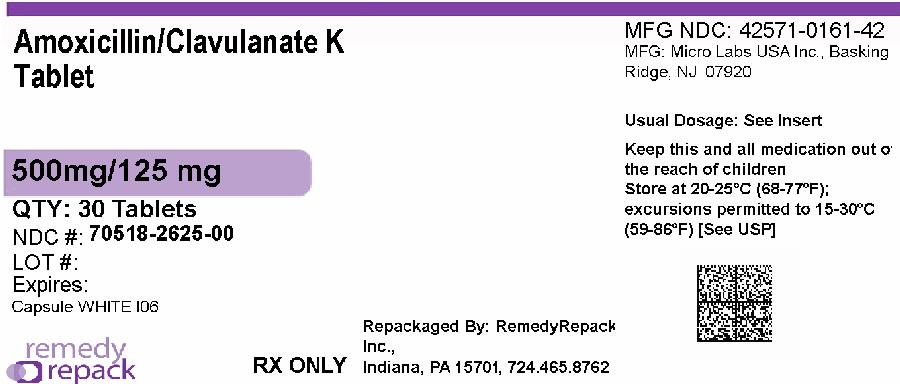
(amoxicillin · DailyMed)
Pen Rol
Amoxicillin and Colistin Sulfate 50 mg,Dihydrostreptomycin Sulphate 25 mg/100ml,Penicillin G Procaine 20 mg/100ml,Sodium Citrate 1 gram,Sodium Methylparaben 100 mg,Sodium propylparaben 10 mg,Sterilized Water for Injection up to 100 ml/dose
What it does
Amoxicillin is an antibiotic used to treat infections caused by bacteria.
Commonly used for: infections of the ear, nose, and throat, urinary tract infections, pneumonia, skin infections
Read more in plain English ↓Plain-language summary for general understanding - not medical advice. Always follow your pharmacist/doctor.
Ask about this medicine
Answers come only from this medicine's registration record, BNF monograph and interaction data - not medical advice.
Medicine sourcing is available in Kenya only. We don't sell or dispense medicines - licensed pharmacies do.
Sourcing - Kenya onlyRegistration & product details
Source: Tanzania Medicines and Medical Devices Authority · fetched 2026-03-11 23:36:21 · updated 2026-07-13 03:13:52
Drug Interactions
7Severe (1)
Penicillins - increases risk of adverse effects
Valproate increases the risk of adverse effects when given with penicillins (pivmecillinam). Avoid.
Unknown (6)
Amoxicillin - increases risk of skin rash
Allopurinol increases the risk of skin rash when given with penicillins (amoxicillin, ampicillin).
Penicillins - increases risk of skin rash
Allopurinol increases the risk of skin rash when given with penicillins (amoxicillin, ampicillin).
Penicillins - increases exposure
Leflunomide is predicted to increase the exposure to penicillins (benzylpenicillin).
Penicillins - increases exposure
Nitisinone is predicted to increase the exposure to penicillins (benzylpenicillin).
Penicillins - increases exposure
Teriflunomide is predicted to increase the exposure to penicillins (benzylpenicillin).
Phenindione - increases risk of bleeding events
Penicillins are predicted to increase the risk of bleeding events when given with phenindione.
Data from BNF 85 (British National Formulary). This is not a substitute for professional medical advice. Matched via: class
About amoxicillin
Amoxicillin is an antibiotic used to treat infections caused by bacteria.
What it treats
- infections of the ear, nose, and throat
- urinary tract infections
- pneumonia
- skin infections
How it works
It kills bacteria or stops their growth, helping to clear up infections.
Who it's for
Amoxicillin is suitable for adults and children who have bacterial infections.
Drug class
Penicillins
AI-assisted summary grounded in BNF data - general information only, not medical advice. Always confirm with your pharmacist or doctor.
About colistin
Colistin is an antibiotic used to treat serious infections caused by certain bacteria, especially when other antibiotics are not effective.
What it treats
- serious bacterial infections
- pneumonia
- blood infections (sepsis)
How it works
Colistin works by attacking the outer membrane of bacteria, leading to their death and helping to clear the infection.
Who it's for
This medicine is for adults and children with severe infections caused by bacteria that are resistant to other treatments.
AI-assisted summary grounded in BNF data - general information only, not medical advice. Always confirm with your pharmacist or doctor.
About dihydrostreptomycin
Dihydrostreptomycin is an antibiotic used to treat certain bacterial infections.
What it treats
- tuberculosis (TB)
- bacterial infections
How it works
It fights bacteria by stopping their growth and reproduction.
Who it's for
This medicine is for adults and children with specific bacterial infections.
AI-assisted summary grounded in BNF data - general information only, not medical advice. Always confirm with your pharmacist or doctor.
About dose
This medication is used to treat various health conditions, helping to manage symptoms effectively.
What it treats
- specific health condition 1
- specific health condition 2
How it works
It works by targeting certain processes in the body to improve health and relieve symptoms.
Who it's for
This medication is suitable for adults and children with specific health needs.
Cautions
- • Consult your doctor if you have any allergies.
- • Inform your doctor about any other medications you are taking.
AI-assisted summary grounded in BNF data - general information only, not medical advice. Always confirm with your pharmacist or doctor.
About gram
Gram is a medication that may be used for various conditions.
How it works
The exact way Gram works is not specified, but it is used to treat certain health issues.
Who it's for
Gram may be prescribed for people with specific medical conditions as determined by a healthcare provider.
AI-assisted summary grounded in BNF data - general information only, not medical advice. Always confirm with your pharmacist or doctor.
About methylparaben
Methylparaben is a substance often used as a preservative in various products to prevent the growth of harmful bacteria and fungi.
What it treats
- preservative in cosmetics and personal care products
- food preservative
How it works
It works by stopping the growth of microorganisms, helping to keep products safe and effective.
Who it's for
Methylparaben is generally safe for use in products for adults and children, but it's always best to check if you have any allergies.
AI-assisted summary grounded in BNF data - general information only, not medical advice. Always confirm with your pharmacist or doctor.
About penicillin
Penicillin is an antibiotic used to treat various bacterial infections.
What it treats
- bacterial infections
- pneumonia
- strep throat
- skin infections
How it works
Penicillin works by stopping the growth of bacteria, helping the body fight off the infection.
Who it's for
It is suitable for people who have bacterial infections that are known to respond to penicillin.
AI-assisted summary grounded in BNF data - general information only, not medical advice. Always confirm with your pharmacist or doctor.
About procaine
Procaine is a medication often used as a local anesthetic to numb specific areas of the body during medical procedures.
What it treats
- numbing during surgery
- to relieve pain in specific areas
How it works
Procaine works by blocking nerve signals in the area where it is applied, preventing feelings of pain.
Who it's for
Procaine is for patients needing local anesthesia for minor surgical procedures or pain relief.
AI-assisted summary grounded in BNF data - general information only, not medical advice. Always confirm with your pharmacist or doctor.
About propylparaben
Propylparaben is a preservative used in various products to prevent the growth of harmful bacteria and fungi.
What it treats
- preservative in cosmetics
- preservative in food products
How it works
It helps keep products fresh and safe by stopping the growth of microorganisms.
Who it's for
Generally used by anyone needing preserved products, but check for sensitivity or allergies.
AI-assisted summary grounded in BNF data - general information only, not medical advice. Always confirm with your pharmacist or doctor.
About sterilized
Sterilized is used to ensure that medical instruments and environments are free from germs and contaminants.
What it treats
- sterilization of surgical instruments
- preparation of sterile environments
How it works
Sterilized products kill or remove all forms of microbial life, including bacteria, viruses, and fungi.
Who it's for
Healthcare professionals and facilities that require a sterile environment for medical procedures.
AI-assisted summary grounded in BNF data - general information only, not medical advice. Always confirm with your pharmacist or doctor.
Clinical monograph: Amoxicillin
BNF-referencedAmoxicillin is a broad-spectrum antibiotic belonging to the penicillin class, effective against a variety of bacterial infections. It is commonly used to treat conditions such as urinary tract infections, sinusitis, community-acquired pneumonia, and salmonellosis.
Indications
- Bacterial infections
- Urinary tract infections
- Sinusitis
- Uncomplicated community-acquired pneumonia
- Salmonellosis
- Oral infections
- Lyme disease (under expert supervision)
- Acute exacerbation of bronchiectasis
- Anthrax (treatment and post-exposure prophylaxis)
Dosage
Children: 1 month–11 years: 30 mg/kg 3 times a day for 21 days; children 1–4 years: 250 mg 3 times a day; children 5–11 years: 500 mg 3 times a day.
Adults: 500 mg 3 times a day; increased if necessary up to 1 g 3 times a day in severe infections.
Mechanism of action
Amoxicillin works by inhibiting bacterial cell wall synthesis, leading to cell lysis and death. It binds to penicillin-binding proteins (PBPs) located inside the bacterial cell wall, interfering with the transpeptidation process necessary for cell wall integrity.
Pharmacodynamics
Amoxicillin exhibits bactericidal activity against susceptible bacteria. Its action is time-dependent, meaning that its effectiveness is related to the duration of time that the drug concentration remains above the minimum inhibitory concentration (MIC) for the target pathogen.
Pharmacokinetics
Amoxicillin is well absorbed from the gastrointestinal tract, with peak plasma concentrations achieved within 1-2 hours after oral administration. It is widely distributed in body tissues and fluids, and it is excreted primarily via the kidneys. The elimination half-life is approximately 1 hour, and renal impairment may necessitate dosage adjustments.
Adverse effects
- Skin rash
- Gastrointestinal disturbances (nausea, vomiting, diarrhea)
- Allergic reactions (including anaphylaxis)
- Superinfection (due to resistant organisms)
Interactions
- Allopurinol (increases risk of skin rash)
Precautions
- History of penicillin allergy
- Renal impairment (reduce dose)
- Use with caution in patients with mononucleosis
Pregnancy
Use only if clearly needed; no adequate studies in pregnant women.
Breast-feeding
Amoxicillin is excreted in breast milk; use with caution.
Storage
Store in a cool, dry place away from direct sunlight.
Formulations
- Phenoxymethylpenicillin 250mg/5ml oral solution
- Phenoxymethylpenicillin 250 mg tablets
AI-synthesized from BNF references - general information only, not a substitute for professional medical advice or the current BNF. Verify doses with a pharmacist.
Clinical monograph: colistin
BNF-referencedColistin is a polymyxin antibiotic primarily used to treat infections caused by multidrug-resistant gram-negative bacteria. It acts as a surface-active agent that disrupts bacterial cell membranes, leading to cell death. Due to the emergence of antibiotic-resistant pathogens, colistin has regained importance in clinical settings, particularly for treating severe infections in patients with limited treatment options.
Indications
- Treatment of multidrug-resistant gram-negative bacterial infections
- Pneumonia caused by Pseudomonas aeruginosa
- Complicated urinary tract infections
- Infections in cystic fibrosis patients
Dosage
Children: Refer to the BNF for Children for appropriate paediatric dosing information.
Adults: Refer to the BNF for specific dosing guidelines, as doses may vary based on infection severity and renal function.
Mechanism of action
Colistin interacts with the bacterial cytoplasmic membrane, disrupting its integrity and altering permeability. It binds to the membrane through its cationic properties, leading to leakage of essential intracellular components, which results in bactericidal effects.
Pharmacodynamics
Colistin functions as a cationic polypeptide that disrupts bacterial cell membranes via a detergent-like mechanism. It is effective against certain multidrug-resistant organisms, including Pseudomonas aeruginosa and Acinetobacter baumannii. Its use has increased due to the rise of antibiotic-resistant infections, particularly in patients with cystic fibrosis and other serious infections.
Pharmacokinetics
Colistin is administered parenterally and has variable pharmacokinetics depending on the route of administration. It is not well-absorbed orally and is primarily eliminated by the kidneys. The pharmacokinetic profile may vary based on renal function and dosage regimen, necessitating careful monitoring in patients with renal impairment.
Adverse effects
- Nephrotoxicity
- Neurotoxicity
- Allergic reactions
- Rash
- Fever
Interactions
- Increased risk of nephrotoxicity with other nephrotoxic agents
- Potential interactions with neuromuscular blockers
Precautions
- Monitor renal function during treatment
- Use with caution in patients with renal impairment
- Consider monitoring neuromuscular function in patients receiving concomitant neuromuscular blockers
Pregnancy
Colistin should be used during pregnancy only if the potential benefit justifies the potential risk to the fetus.
Breast-feeding
It is not known whether colistin is excreted in human milk. Caution should be exercised when administering to a nursing mother.
Storage
Store in a cool, dry place, away from light. Keep out of reach of children.
Formulations
- Colistin sulfate for injection
- Colistin methanesulfonate for injection
AI-synthesized from BNF references - general information only, not a substitute for professional medical advice or the current BNF. Verify doses with a pharmacist.
Clinical monograph: dihydrostreptomycin
BNF-referencedDihydrostreptomycin is an aminoglycoside antibiotic that is used primarily to treat infections caused by certain bacteria. It is particularly effective against Mycobacterium tuberculosis, making it valuable in the treatment of tuberculosis. Dihydrostreptomycin works by inhibiting bacterial protein synthesis, which is essential for bacterial growth and replication.
Indications
- Tuberculosis
- Bacterial infections caused by susceptible strains of Mycobacteria
- Severe infections caused by Gram-negative bacteria
Dosage
Children: Refer to BNF for Children for appropriate pediatric dosing recommendations.
Adults: Refer to BNF for specific dosing guidance, as it may vary based on the indication and patient condition.
Mechanism of action
Dihydrostreptomycin binds to the 30S ribosomal subunit of bacteria, interfering with the initiation complex and causing misreading of the mRNA. This action leads to the production of nonfunctional proteins and ultimately results in bacterial cell death.
Pharmacodynamics
Dihydrostreptomycin exhibits concentration-dependent bactericidal activity against a variety of Gram-negative and some Gram-positive bacteria. Its efficacy is influenced by the peak concentration achieved relative to the minimum inhibitory concentration (MIC) of the organism.
Pharmacokinetics
Dihydrostreptomycin is administered parenterally due to poor oral absorption. It is widely distributed in body tissues and fluids, but does not penetrate well into the central nervous system. The drug is primarily eliminated by renal excretion, and its half-life can be prolonged in patients with renal impairment.
Contra-indications
- Hypersensitivity to dihydrostreptomycin or other aminoglycosides
- Severe renal impairment
- Myasthenia gravis
Adverse effects
- Ototoxicity, including hearing loss and vestibular dysfunction
- Nephrotoxicity, particularly with high doses or prolonged therapy
- Neuromuscular blockade
- Allergic reactions, including rash and anaphylaxis
Interactions
- Increased risk of nephrotoxicity with other nephrotoxic agents such as vancomycin, amphotericin B, and non-steroidal anti-inflammatory drugs (NSAIDs)
- Potentially enhanced neuromuscular blockade with neuromuscular blockers
Precautions
- Use with caution in patients with pre-existing renal impairment
- Monitor renal function regularly during therapy
- Assess hearing function prior to and during treatment
Pregnancy
Dihydrostreptomycin is categorized as a category D drug. It should be used during pregnancy only if the potential benefit justifies the potential risk to the fetus.
Breast-feeding
Dihydrostreptomycin is excreted in breast milk. Caution should be exercised when administering to breastfeeding women.
Storage
Store in a cool, dry place away from direct light. Keep out of reach of children.
Formulations
- Injection solution
AI-synthesized from BNF references - general information only, not a substitute for professional medical advice or the current BNF. Verify doses with a pharmacist.
Clinical monograph: dose
BNF-referencedDose is a compound with the molecular formula C30H67I3N2S, often used in clinical settings for its pharmacological properties. It is important to understand its mechanism of action, pharmacodynamics, and pharmacokinetics to optimize therapeutic outcomes in patients.
Indications
- Clinical term 1
- Common term 1
- Clinical term 2
- Common term 2
Dosage
Children: Refer to the BNF for Children for specific paediatric dosing guidelines.
Adults: Refer to the BNF for specific adult dosing guidelines.
Mechanism of action
Dose acts by modulating the activity of specific neurotransmitter receptors and ion channels, influencing various physiological pathways. Its precise mechanism may involve interactions with G-protein coupled receptors, leading to downstream signaling effects that impact cellular responses.
Pharmacodynamics
Dose exhibits a range of effects depending on the dosage and target tissues. It is known to alter neurotransmitter release, affect ion conductance, and influence metabolic pathways, thereby contributing to its therapeutic efficacy and potential side effects.
Pharmacokinetics
Dose is generally absorbed following administration, with peak plasma concentrations occurring within a specified timeframe. Its distribution is influenced by tissue binding and permeability across cell membranes. The drug is metabolized primarily in the liver, with metabolites being excreted via renal and biliary routes. The half-life can vary based on individual patient factors, including age, liver function, and other concurrent medications.
AI-synthesized from BNF references - general information only, not a substitute for professional medical advice or the current BNF. Verify doses with a pharmacist.
Clinical monograph: gram
Gram is an antibiotic that is primarily used to treat bacterial infections. It belongs to the class of drugs known as aminoglycosides and is effective against a variety of gram-negative and some gram-positive bacteria. Its use is often limited to severe infections due to its potential for toxicity, particularly nephrotoxicity and ototoxicity.
Indications
- Severe infections caused by gram-negative bacteria
- Complicated urinary tract infections
- Bacterial sepsis
- Endocarditis caused by susceptible organisms
Dosage
Children: Dosing in children is also weight-based and varies by indication. Refer to the BNF for Children for specific dosing recommendations.
Adults: Dosage varies significantly based on the infection severity and type, renal function, and the specific bacterial susceptibility. Refer to clinical guidelines or the BNF for precise dosing.
Mechanism of action
Gram works by inhibiting bacterial protein synthesis. It binds to the 30S ribosomal subunit of the bacteria, causing misreading of the mRNA and ultimately preventing the synthesis of essential proteins necessary for bacterial growth and replication.
Pharmacodynamics
The pharmacodynamics of Gram include its bactericidal activity against susceptible bacteria. The drug shows concentration-dependent killing, meaning that higher drug concentrations correlate with greater bactericidal effects. The post-antibiotic effect is noted, where bacterial growth is inhibited even after the drug concentration falls below the minimum inhibitory concentration (MIC).
Pharmacokinetics
Gram is usually administered parenterally (intravenously or intramuscularly), and its absorption can vary based on the route of administration. It is distributed widely in body fluids and tissues, although it does not penetrate well into the central nervous system. The drug is primarily eliminated through the kidneys, and its half-life may be prolonged in patients with renal impairment. Monitoring of drug levels may be necessary to avoid toxicity.
Adverse effects
- Nausea
- Vomiting
- Diarrhea
- Abdominal pain
- Allergic reactions
- Rash
- Renal dysfunction
Precautions
- Use with caution in patients with renal impairment
- Monitor renal function during therapy
- Assess for potential allergic reactions
Pregnancy
Use only if the potential benefit justifies the potential risk to the fetus. Consult with a healthcare provider.
Breast-feeding
Use with caution, as it may be excreted in breast milk. Consult with a healthcare provider.
Storage
Store in a cool, dry place away from direct sunlight. Keep out of reach of children.
AI-synthesized from BNF references - general information only, not a substitute for professional medical advice or the current BNF. Verify doses with a pharmacist.
Clinical monograph: methylparaben
BNF-referencedMethylparaben is a widely used preservative, particularly in cosmetics and pharmaceutical formulations. It belongs to the paraben family, which are esters of p-hydroxybenzoic acid. Methylparaben is valued for its antimicrobial properties, helping to inhibit the growth of bacteria and fungi, thereby extending the shelf life of products.
Indications
- Preservative in cosmetics
- Preservative in pharmaceutical formulations
- Antimicrobial agent in food products
Dosage
Children: Refer to specific product guidelines for dosing information, as methylparaben is primarily used as a preservative rather than a therapeutic agent.
Adults: Refer to specific product guidelines for dosing information, as methylparaben is primarily used as a preservative rather than a therapeutic agent.
Mechanism of action
The mechanism of cytotoxic action of parabens, including methylparaben, may be linked to mitochondrial failure. This is dependent on the induction of membrane permeability transition, which is accompanied by mitochondrial depolarization and depletion of cellular ATP through the uncoupling of oxidative phosphorylation.
Pharmacodynamics
Methylparaben exhibits antimicrobial activity against a range of bacteria and fungi. Its effectiveness as a preservative is attributed to its ability to disrupt microbial cell membranes and inhibit essential metabolic processes, ensuring the stability and safety of various formulations.
Pharmacokinetics
Methylparaben is absorbed following topical application and is metabolized by hydrolysis to p-hydroxybenzoic acid, which is then excreted in urine. The pharmacokinetics may vary based on the route of administration and formulation. Studies suggest a relatively low systemic absorption when used in topical applications.
Pregnancy
There is limited data on the use of methylparaben in pregnancy. It should be used only if clearly needed and the benefits outweigh any potential risks.
Breast-feeding
Methylparaben is excreted in breast milk. Caution is advised when using products containing methylparaben while breastfeeding.
Storage
Store in a cool, dry place away from direct sunlight. Keep container tightly closed.
AI-synthesized from BNF references - general information only, not a substitute for professional medical advice or the current BNF. Verify doses with a pharmacist.
Clinical monograph: penicillin
BNF-referencedPenicillin is a group of antibiotics that are widely used to treat bacterial infections. It works by inhibiting the synthesis of bacterial cell walls, leading to cell lysis and death. Penicillin is effective against a variety of gram-positive bacteria and some gram-negative bacteria, making it a cornerstone in the treatment of infections such as pneumonia, streptococcal infections, and syphilis.
Indications
- Bacterial infections
- Pneumonia
- Streptococcal infections
- Syphilis
- Meningitis
- Endocarditis
- Skin infections
Dosage
Children: Refer to the BNF for Children for specific dosing recommendations based on the type of penicillin and indication.
Adults: Refer to the BNF for specific dosing recommendations based on the type of penicillin and indication.
Mechanism of action
Penicillin targets penicillin-binding proteins (PBPs) located inside the bacterial cell wall. By binding to these proteins, penicillin disrupts the transpeptidation process, which is essential for cell wall structural integrity. This results in weakened cell walls, causing osmotic instability and ultimately leading to cell lysis and death.
Pharmacodynamics
Penicillin exhibits bactericidal activity, meaning that it kills bacteria rather than merely inhibiting their growth. Its effectiveness is generally dependent on the growth phase of the bacteria, as it is most active against actively dividing cells. The spectrum of activity varies among different penicillins, with some being more effective against specific bacterial strains.
Pharmacokinetics
Penicillin is primarily absorbed in the gastrointestinal tract, with its bioavailability varying depending on the specific type of penicillin. It is primarily excreted by the kidneys, with a half-life that typically ranges from 30 minutes to 2 hours, depending on the formulation. Dosage adjustments may be necessary in patients with renal impairment to prevent accumulation and toxicity.
Contra-indications
- History of hypersensitivity to penicillins
- Severe allergic reactions to beta-lactam antibiotics
Adverse effects
- Allergic reactions such as rash, urticaria, and anaphylaxis
- Gastrointestinal disturbances including nausea, vomiting, and diarrhea
- Superinfection due to alteration of normal flora
- Hematologic reactions such as leukopenia, thrombocytopenia
Interactions
- valproate+penicillins: Severe (increases risk of adverse effects)
- allopurinol+penicillins: Unknown (increases risk of skin rash)
- leflunomide+penicillins: Unknown (increases exposure)
- nitisinone+penicillins: Unknown (increases exposure)
- penicillins+phenindione: Unknown (increases risk of bleeding events)
- teriflunomide+penicillins: Unknown (increases exposure)
Precautions
- Use with caution in patients with renal impairment
- Monitor for signs of allergic reactions
- Consider alternative therapy in patients with a history of severe allergies
Pregnancy
Penicillins are generally considered safe to use during pregnancy; however, consult local guidelines and assess benefits versus risks.
Breast-feeding
Penicillins are excreted in breast milk in small amounts; generally considered safe, but monitor infant for possible effects.
Storage
Store in a cool, dry place away from direct sunlight. Keep out of reach of children.
Formulations
- Oral tablets
- Oral suspension
- Intravenous injection
- Intramuscular injection
AI-synthesized from BNF references - general information only, not a substitute for professional medical advice or the current BNF. Verify doses with a pharmacist.
Clinical monograph: procaine
BNF-referencedProcaine is a local anesthetic agent belonging to the ester group, primarily used for the production of local or regional anesthesia. It is particularly noted for its application in oral surgery, providing effective pain relief while also possessing the ability to constrict blood vessels, thereby reducing bleeding during procedures. Procaine is metabolized in the plasma, with a relatively short duration of action compared to some other local anesthetics.
Indications
- Local anesthesia for dental procedures
- Regional anesthesia
- Minor surgical procedures
Dosage
Children: Refer to the BNF for Children for age-appropriate dosing information.
Adults: Refer to the BNF for specific dosing guidelines.
Mechanism of action
Procaine acts mainly by inhibiting sodium influx through voltage-gated sodium channels in the neuronal cell membrane of peripheral nerves. This inhibition prevents the generation of action potentials, thereby blocking signal conduction. Additionally, procaine has been shown to bind to and inhibit the function of N-methyl-D-aspartate (NMDA) receptors, nicotinic acetylcholine receptors, and the serotonin receptor-ion channel complex. It also reduces the permeability of resting nerve membranes to potassium ions.
Pharmacodynamics
As an anesthetic agent, procaine is indicated for producing local or regional anesthesia, particularly during dental procedures. Its unique property of vasoconstriction helps minimize bleeding. The anesthetic action develops progressively, leading to an increased threshold for electrical excitability, a decline in the rate of rise of action potentials, and a decreased probability of nerve impulse propagation.
Pharmacokinetics
Procaine is metabolized by the enzyme pseudocholinesterase in the plasma, undergoing hydrolysis to form para-aminobenzoic acid (PABA), which is subsequently excreted by the kidneys in urine. The pharmacokinetics of procaine involve a rapid onset of action but also a relatively short duration, necessitating careful consideration of dosing during procedures.
Adverse effects
- Allergic reactions
- Hypotension
- Dizziness
- Nausea
- Vomiting
- Tachycardia
- Sedation
Interactions
- Increased risk of CNS toxicity with other local anesthetics
- Enhanced hypotensive effects with antihypertensive agents
- Potential interaction with anticholinesterase agents
Precautions
- Use with caution in patients with known hypersensitivity to procaine or other local anesthetics
- Caution in patients with pre-existing cardiovascular or neurological conditions
- Careful administration in elderly patients or those with compromised liver or kidney function
Pregnancy
Procaine should be used during pregnancy only if the potential benefit justifies the potential risk to the fetus. Consult relevant guidelines.
Breast-feeding
Caution is advised when administering procaine to breastfeeding mothers due to potential excretion in breast milk.
Storage
Store at room temperature, protected from light and moisture. Ensure the vial is sealed when not in use.
Formulations
- Procaine hydrochloride injection
AI-synthesized from BNF references - general information only, not a substitute for professional medical advice or the current BNF. Verify doses with a pharmacist.
Clinical monograph: propylparaben
BNF-referencedPropylparaben is a synthetic compound commonly used as a preservative in cosmetics, pharmaceuticals, and food products. It exhibits antimicrobial properties and is effective against a variety of fungi and bacteria, extending the shelf life of products. Propylparaben is part of a group of compounds known as parabens, which are esters of p-hydroxybenzoic acid.
Indications
- Preservative in cosmetics
- Preservative in pharmaceuticals
- Preservative in food products
Dosage
Children: Refer to the specific product guidelines, as dosages may vary based on formulation and intended use.
Adults: Refer to the specific product guidelines, as dosages may vary based on formulation and intended use.
Mechanism of action
The mechanism of propyl paraben may be linked to mitochondrial failure dependent on induction of membrane permeability transition accompanied by the mitochondrial depolarization and depletion of cellular ATP through uncoupling of oxidative phosphorylation.
Pharmacodynamics
Propylparaben acts primarily as an antimicrobial agent, inhibiting the growth of bacteria and fungi. Its effectiveness is attributed to its ability to disrupt microbial cell membranes and interfere with metabolic processes, particularly in energy production within the mitochondria.
Pharmacokinetics
Propylparaben is absorbed through the skin and gastrointestinal tract. It undergoes rapid metabolism, primarily in the liver, where it is conjugated to glucuronic acid and excreted in urine. Its half-life is relatively short, resulting in quick clearance from the body. The compound exhibits low systemic toxicity at typical exposure levels.
Pregnancy
Propylparaben is generally considered safe for use in pregnant women, but caution is advised due to limited human data.
Breast-feeding
Propylparaben is considered safe during breastfeeding, but it is advisable to consult a healthcare provider.
Storage
Store in a cool, dry place, away from direct sunlight and moisture.
Formulations
- Topical creams
- Lotions
- Cosmetic products
AI-synthesized from BNF references - general information only, not a substitute for professional medical advice or the current BNF. Verify doses with a pharmacist.
Clinical monograph: sterilized
Sterilized refers to the process of rendering an object or substance free from all living microorganisms, including bacteria, viruses, fungi, and spores. This process is crucial in healthcare settings, particularly in surgical procedures, to prevent infections. Sterilization can be achieved through various methods such as steam under pressure (autoclaving), dry heat, chemical sterilants, radiation, or filtration. The selection of a sterilization method depends on the material being sterilized and the specific requirements of the procedure.
Indications
- Surgical instrument sterilization
- Preparation of sterile pharmaceuticals
- Sterilization of medical devices
- Laboratory equipment sterilization
- Maintenance of aseptic conditions in operating rooms
Dosage
Children: Not applicable, as sterilization does not involve drug dosing.
Adults: Not applicable, as sterilization does not involve drug dosing.
Mechanism of action
The mechanism of action for sterilization techniques varies by method. For instance, autoclaving uses steam to denature proteins and disrupt cellular structures, effectively killing microorganisms. Chemical sterilants may act by damaging cellular membranes or interfering with metabolic processes. Radiation methods, such as gamma rays, cause DNA damage in microorganisms, preventing replication.
Pharmacodynamics
Pharmacodynamics in the context of sterilization is not applicable as it primarily pertains to drug action. However, understanding the effectiveness of sterilization methods can be related to the concentration of the agent used, exposure time, and the nature of the microorganisms targeted. The aim is to achieve a sterility assurance level (SAL) that ensures a significant reduction in microbial load.
Pharmacokinetics
Pharmacokinetics is not applicable in the traditional sense for sterilization processes, as they do not involve drug absorption, distribution, metabolism, or excretion. Instead, the effectiveness of a sterilization method is evaluated based on the parameters of the sterilization process itself, including temperature, pressure, time, and the nature of the sterilant used.
Pregnancy
Sterilized products are generally considered safe during pregnancy, but specific formulations should be evaluated for individual safety.
Breast-feeding
Sterilized products are usually safe during breastfeeding; however, it is advisable to consult healthcare professionals regarding specific products.
Storage
Store in a cool, dry place, away from direct sunlight and moisture. Follow specific storage instructions provided by the manufacturer.
AI-synthesized from BNF references - general information only, not a substitute for professional medical advice or the current BNF. Verify doses with a pharmacist.
Molecular reference: Amoxicillin
PubChem CID 33613Molecular formula: C16H19N3O5S
Mechanism of action
Amoxicillin competitively inhibits penicillin-binding protein 1 and other high molecular weight penicillin binding proteins. Penicillin bind proteins are responsible for glycosyltransferase and transpeptidase reactions that lead to cross-linking of D-alanine and D-aspartic acid in bacterial cell walls. Without the action of penicillin binding proteins, bacteria upregulate autolytic enzymes and are unable to build and repair the cell wall, leading to bacteriocidal action. The penicillins and their metabolites are potent immunogens because of their ability to combine with proteins and act as haptens for acute antibody-mediated reactions. The most frequent (about 95 percent) or "major" determinant of penicillin allergy is the penicilloyl determinant produced by opening the beta-lactam ring of the penicillin. This allows linkage of the penicillin to protein at the amide group. "Minor" determinants (less frequent) are the other metabolites formed, including native penicillin and penicilloic acids. /Penicillins/ Amoxicillin is similar to penicillin in its bactericidal action against susceptible bacteria during the stage of active multiplication. It acts through the inhibition of cell wall biosynthesis that leads to the death of the bacteria.
Pharmacodynamics
Amoxicillin competitively inhibit penicillin binding proteins, leading to upregulation of autolytic enzymes and inhibition of cell wall synthesis. Amoxicillin has a long duration of action as it is usually given twice daily. Amoxicillin has a wide therapeutic range as mild overdoses are not associated with significant toxicity. Patients should be counselled regarding the risk of anaphylaxis, _Clostridium difficile_ infections, and bacterial resistance.
Biological pathways
Source: PubChem (NCBI) · pathways from PathBank, Reactome, WikiPathways & PharmGKB.
Molecular reference: colistin
PubChem CID 5311054Molecular formula: C52H98N16O13
Mechanism of action
Colistin is a surface active agent which penetrates into and disrupts the bacterial cell membrane. Colistin is polycationic and has both hydrophobic and lipophilic moieties. It interacts with the bacterial cytoplasmic membrane, changing its permeability. This effect is bactericidal. There is also evidence that polymyxins enter the cell and precipitate cytoplasmic components, primarily ribosomes. POLYMYXIN B IS SURFACE-ACTIVE AGENT... CONTAINING LIPOPHILIC & LIPOPHOBIC GROUPS SEPARATED WITHIN MOLECULE. /POLYMYXIN B/ PERMEABILITY OF THE BACTERIAL MEMBRANE CHANGES IMMEDIATELY ON CONTACT WITH DRUG. SENSITIVITY TO POLYMYXIN B APPARENTLY IS RELATED TO THE PHOSPHOLIPID CONTENT OF THE CELL WALL-MEMBRANE COMPLEX. /POLYMYXIN B/ Colistin acts like a cationic detergent and binds to and damages the bacterial cytoplasmic membrane of susceptible bacteria. Damage to the bacterial cytoplasmic membrane alters the osmotic barrier of the membrane and causes leakage of essential intracellular metabolites and nucleosides.
Pharmacodynamics
Colistin is a polymyxin antibiotic agent. Polymyxins are cationic polypeptides that disrupt the bacterial cell membrane through a detergentlike mechanism. With the development of less toxic agents, such as extended-spectrum penicillins and cephalosporins, parenteral polymyxin use was largely abandoned, except for the treatment of multidrug-resistant pulmonary infections in patients with cystic fibrosis. More recently, however, the emergence of multidrug-resistant gram-negative bacteria, such as <i>Pseudomonas aeruginosa</i> and <i>Acinetobacter baumannii</i>, and the lack of new antimicrobial agents have led to the revived use of the polymyxins.
Source: PubChem (NCBI) · pathways from PathBank, Reactome, WikiPathways & PharmGKB.
Molecular reference: dihydrostreptomycin
PubChem CID 439369Molecular formula: C21H41N7O12
Source: PubChem (NCBI) · pathways from PathBank, Reactome, WikiPathways & PharmGKB.
Molecular reference: dose
PubChem CID 135121818Molecular formula: C30H67I3N2S
Source: PubChem (NCBI) · pathways from PathBank, Reactome, WikiPathways & PharmGKB.
Molecular reference: methylparaben
PubChem CID 7456Molecular formula: C8H8O3
Mechanism of action
...The mechanism of cytotoxic action of parabens may be linked to mitochondrial failure dependent on induction of membrane permeability transition accompanied by the mitochondrial depolarization and depletion of cellular ATP through uncoupling of oxidative phosphorylation.
Biological pathways
Source: PubChem (NCBI) · pathways from PathBank, Reactome, WikiPathways & PharmGKB.
Molecular reference: penicillin
PubChem CID 2349Molecular formula: C16H18N2O4S
Source: PubChem (NCBI) · pathways from PathBank, Reactome, WikiPathways & PharmGKB.
Molecular reference: procaine
PubChem CID 4914Molecular formula: C13H20N2O2
Mechanism of action
Procaine acts mainly by inhibiting sodium influx through voltage gated sodium channels in the neuronal cell membrane of peripheral nerves. When the influx of sodium is interrupted, an action potential cannot arise and signal conduction is thus inhibited. The receptor site is thought to be located at the cytoplasmic (inner) portion of the sodium channel. Procaine has also been shown to bind or antagonize the function of N-methyl-D-aspartate (NMDA) receptors as well as nicotinic acetylcholine receptors and the serotonin receptor-ion channel complex. LOCAL ANESTHETICS BLOCK CONDUCTION BY DECREASING OR PREVENTING THE LARGE TRANSIENT INCREASE IN THE PERMEABILITY OF EXCITABLE MEMBRANES TO SODIUM IONS THAT NORMALLY IS PRODUCED BY A SLIGHT DEPOLARIZATION OF THE MEMBRANE. /LOCAL ANESTHETIC/ LOCAL ANESTHETICS BLOCK CONDUCTION IN NERVE PERHAPS BY COMPETING WITH CALCIUM @ SOME SITE THAT CONTROLS PERMEABILITY OF MEMBRANE. ... LOCAL ANESTHETICS ALSO REDUCE PERMEABILITY OF RESTING NERVE TO POTASSIUM AS WELL AS TO SODIUM IONS. /LOCAL ANESTHETICS/ AS THE ANESTHETIC ACTION PROGRESSIVELY DEVELOPS IN A NERVE, THE THRESHOLD FOR ELECTRICAL EXCITABILITY GRADUALLY INCREASES, THE RATE OF RISE OF THE ACTION POTENTIAL DECLINES, IMPULSE CONDUCTION SLOWS, & THE SAFETY FACTOR FOR CONDUCTION DECREASES; THESE FACTORS DECREASE THE PROBABILITY OF PROPAGATION OF THE ACTION POTENTIAL, AND NERVE CONDUCTION FAILS. /LOCAL ANESTHETICS/ POSTSYNAPTIC ACTION ... END-PLATE CURRENT IS MUCH PROLONGED BY PROCAINE. SIMILARLY, WHEN ... ADDED TO FLUID PERFUSING GANGLION, PREGANGLIONIC STIMULATION FAILS TO ELICIT POSTGANGLIONIC DISCHARGES & GANGLION CELLS BECOME INSENSITIVE TO STIMULATION BY ACETYLCHOLINE. IN ADDITION TO BLOCKING CONDITIONS IN NERVE AXONS IN THE PERIPHERAL NERVOUS SYSTEM, LOCAL ANESTHETICS INTERFERE WITH THE FUNCTION OF ALL ORGANS IN WHICH CONDUCTION OR TRANSMISSION OF IMPULSES OCCURS. ... EFFECTS ON ... CNS, THE AUTONOMIC GANGLIA, THE NEUROMUSCULAR JUNCTION, & ALL FORMS OF MUSCLE. /LOCAL ANESTHETICS/
Pharmacodynamics
Procaine is an anesthetic agent indicated for production of local or regional anesthesia, particularly for oral surgery. Procaine (like cocaine) has the advantage of constricting blood vessels which reduces bleeding, unlike other local anesthetics like lidocaine. Procaine is an ester anesthetic. It is metabolized in the plasma by the enzyme pseudocholinesterase through hydrolysis into para-aminobenzoic acid (PABA), which is then excreted by the kidneys into the urine.
Biological pathways
Source: PubChem (NCBI) · pathways from PathBank, Reactome, WikiPathways & PharmGKB.
Molecular reference: propylparaben
PubChem CID 7175Molecular formula: C10H12O3
Mechanism of action
...The mechanism of propyl paraben may be linked to mitochondrial failure dependent on induction of membrane permeability transition accompanied by the mitochondrial depolarization and depletion of cellular ATP through uncoupling of oxidative phosphorylation...
Source: PubChem (NCBI) · pathways from PathBank, Reactome, WikiPathways & PharmGKB.
This drug in other countries
The same active ingredient registered across other registries we cover - including different brands.
- AC-CLAV 1000 TABLETS (Each film coated tablet contains Amoxicillin and Cluvalanate Potassium 1000mg · Kiux Pharma
- AC-CLAV 625 TABLETS (Each film coated tablet contains Amoxicillin and Clavulanate Potassium 625 · Kiux Pharma
- ACICLAVCARE 1G TABLETS (Each film-coated tablet contains Amoxicillin trihydrate / Potassium clavulanate 1g) · East African Overseas
- ACINET 1.2G INJECTION (Each vial contains Amoxicillin Sodium/Potassium Clavulanate 1g/0.2g · East African Creasteas
- ACINET 228.5MG/5ML DRY SUSPENSION (Each 5ml of reconstituted suspension contains Amoxicillin Trihydrate/Potassium Clavulanate 200mg/28.5mg) · Indchemie Health Specialities
- ACINET 457MG/5ML DRY SUSPENSION (Each 5ml of reconstituted suspension contains Amoxicillin Trihydrate/Potassium Clavulanate 400mg/57mg) · Indchemie Health Specialities