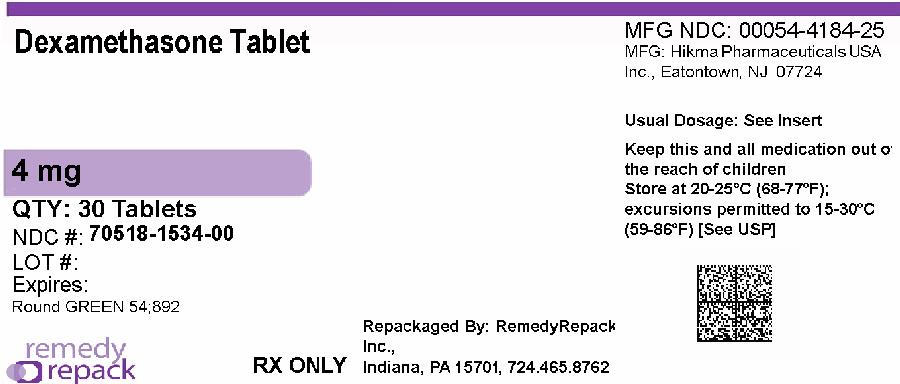
(dexamethasone · DailyMed)
PENI PLUS INJECTION
Benzathine Benzylpenicillin 150,000 IU IU,Dexamethasone Sodium Phosphate USP 2 mg mg,Procaine Penicillin G 150,000 IU IU
What it does
Benzathine is an antibiotic used to treat various bacterial infections.
Commonly used for: rheumatic fever, syphilis, certain skin infections
Read more in plain English ↓Plain-language summary for general understanding - not medical advice. Always follow your pharmacist/doctor.
Ask about this medicine
Answers come only from this medicine's registration record, BNF monograph and interaction data - not medical advice.
Medicine sourcing is available in Kenya only. We don't sell or dispense medicines - licensed pharmacies do.
Sourcing - Kenya onlyRegistration & product details
Source: Zambia Medicines Regulatory Authority · fetched 2026-03-12 00:04:57 · updated 2026-10-19 03:37:04
Drug Interactions
57Pharmacodynamic Warnings
Dexamethasone appears in TABLE 17: Drugs that reduce serum potassium
Severe (3)
Avapritinib - decreases exposure
Dexamethasoneispredictedtodecreasetheexposureto avapritinib.Avoid.rTheoretical
Mifamurtide - decreases efficacy
Corticosteroidsarepredictedtodecreasetheefficacyof mifamurtide.Avoid.rTheoretical
Penicillins - increases risk of adverse effects
Valproate increases the risk of adverse effects when given with penicillins (pivmecillinam). Avoid.
Moderate (24)
Corticosteroids - increases exposure
Dronedarone is predicted to increase the exposure to corticosteroids (methylprednisolone). Monitor and adjust dose.
Corticosteroids - increases concentration
Miconazole is predicted to increase the concentration of corticosteroids (methylprednisolone). Monitor and adjust dose.
Corticosteroids - increases exposure
Antifungals, azoles (fluconazole, isavuconazole, posaconazole) are predicted to increase the exposure to corticosteroids (methylprednisolone). Monitor and adjust dose.
Corticosteroids - decreases exposure
Cenobamate is predicted to decrease the exposure to corticosteroids (fluticasone). Adjust dose.
Corticosteroids - decreases efficacy
Mifepristone is predicted to decrease the efficacy of corticosteroids. Use with caution and adjust dose.
Unknown (30)
Aspirin - decreases concentration
Corticosteroids are predicted to decrease the concentration of aspirin (high-dose) and aspirin (high-dose) increases the risk of gastrointestinal bleeding when given with corticosteroids.
Benzyl Penicillin - increases exposure
Leflunomide is predicted to increase the exposure to penicillins (benzylpenicillin).
Benzyl Penicillin - increases exposure
Nitisinone is predicted to increase the exposure to penicillins (benzylpenicillin).
Benzyl Penicillin - increases exposure
Teriflunomide is predicted to increase the exposure to benzyl penicillin. Pentamidine → see TABLE 2 p. 1517 (nephrotoxicity), TABLE 9 p. 1519 (QT-interval prolongation)
Caspofungin - decreases concentration
Dexamethasone is predicted to decrease the concentration of caspofungin. Adjust caspofungin dose, p. 654.
Data from BNF 85 (British National Formulary). This is not a substitute for professional medical advice. Matched via: exact
About benzathine
Benzathine is an antibiotic used to treat various bacterial infections.
What it treats
- rheumatic fever
- syphilis
- certain skin infections
How it works
Benzathine works by stopping the growth of bacteria in the body.
Who it's for
It is for people who have bacterial infections that require treatment with antibiotics.
AI-assisted summary grounded in BNF data - general information only, not medical advice. Always confirm with your pharmacist or doctor.
About benzylpenicillin
Benzylpenicillin is an antibiotic used to treat various bacterial infections.
What it treats
- bacterial infections
- pneumonia
- meningitis
- skin infections
- throat infections
How it works
It works by killing bacteria or stopping their growth.
Who it's for
It is for people with infections caused by bacteria that are sensitive to this antibiotic.
Drug class
Penicillins
AI-assisted summary grounded in BNF data - general information only, not medical advice. Always confirm with your pharmacist or doctor.
About dexamethasone
Dexamethasone is a corticosteroid used to treat various conditions by reducing inflammation and suppressing the immune system.
What it treats
- inflammation
- allergic reactions
- certain cancers
- autoimmune diseases (e.g., lupus)
- skin conditions (e.g., eczema)
How it works
It works by mimicking the effects of hormones produced by the adrenal glands, helping to decrease inflammation and control the immune response.
Who it's for
It is prescribed for adults and children with specific health issues that require inflammation control or immune suppression.
Drug class
Corticosteroids
Cautions
- • Be cautious if taking medications that lower potassium levels.
AI-assisted summary grounded in BNF data - general information only, not medical advice. Always confirm with your pharmacist or doctor.
About penicillin
Penicillin is an antibiotic used to treat various bacterial infections.
What it treats
- bacterial infections
- pneumonia
- strep throat
- skin infections
How it works
Penicillin works by stopping the growth of bacteria, helping the body fight off the infection.
Who it's for
It is suitable for people who have bacterial infections that are known to respond to penicillin.
AI-assisted summary grounded in BNF data - general information only, not medical advice. Always confirm with your pharmacist or doctor.
About procaine
Procaine is a medication often used as a local anesthetic to numb specific areas of the body during medical procedures.
What it treats
- numbing during surgery
- to relieve pain in specific areas
How it works
Procaine works by blocking nerve signals in the area where it is applied, preventing feelings of pain.
Who it's for
Procaine is for patients needing local anesthesia for minor surgical procedures or pain relief.
AI-assisted summary grounded in BNF data - general information only, not medical advice. Always confirm with your pharmacist or doctor.
Clinical monograph: Benzylpenicillinsodium
BNF-referencedBenzylpenicillin sodium is a beta-lactam antibiotic effective against a range of bacterial infections. It is particularly useful for treating mild to moderate infections caused by penicillin-sensitive organisms.
Indications
- Mild to moderate susceptible infections
- Throat infections
- Otitis media
- Cellulitis
- Pneumonia
- Meningitis
- Meningococcal disease
- Endocarditis (in combination with other antibacterials)
Dosage
Children: For children weighing up to 40 kg: 80 mg/kg every 8 hours, increased if necessary to 80 mg/kg every 6 hours for more severe infections. For children weighing 40 kg and above: 3.2 g every 6-8 hours, increased if necessary. Neonates (up to 7 days): 25 mg/kg every 12 hours, increased if necessary to 25 mg/kg every 8 hours. Neonates (7 to 28 days): 25 mg/kg every 8 hours, increased if necessary to 50 mg/kg every 8 hours for severe infections.
Adults: For adults, the usual dose is 3.2 g every 6 hours for severe infections; for less severe infections, 1.2 g every 6 hours may be sufficient. Dosing frequency can be adjusted based on the severity of the infection.
Mechanism of action
Benzylpenicillin sodium inhibits bacterial cell wall synthesis by binding to penicillin-binding proteins, leading to cell lysis and death in susceptible bacteria.
Pharmacodynamics
Benzylpenicillin sodium demonstrates bactericidal activity against Gram-positive bacteria and some Gram-negative bacteria. Its efficacy is influenced by the bacterial growth phase, with maximum activity observed during active cell division.
Pharmacokinetics
Benzylpenicillin sodium is administered via intramuscular or intravenous routes. It has a short half-life, requiring frequent dosing. The drug is primarily eliminated by renal excretion, necessitating dose adjustments in patients with renal impairment.
Adverse effects
- Eosinophilia
- Hypokalaemia
- Thrombophlebitis
- Cholestatic jaundice
Precautions
- High doses may lead to hypernatraemia due to sodium content.
- Caution in hepatic impairment.
- Caution in renal impairment; adjustment needed based on estimated glomerular filtration rate.
Pregnancy
Not known to be harmful.
Breast-feeding
Trace amounts in milk, but appropriate to use.
Storage
Store in a cool, dry place away from direct sunlight.
Formulations
- Intramuscular injection
- Slow intravenous injection
- Intravenous infusion
AI-synthesized from BNF references - general information only, not a substitute for professional medical advice or the current BNF. Verify doses with a pharmacist.
Clinical monograph: Dexamethasone
BNF-referencedDexamethasone is a synthetic corticosteroid with potent anti-inflammatory and immunosuppressive properties. It has predominantly glucocorticoid activity and is used to treat various inflammatory and allergic conditions. Its mechanisms include decreasing vasodilation and permeability of capillaries, inhibiting leukocyte migration, and altering gene expression related to inflammation. Dexamethasone is administered orally or via injection, and it is important to manage dosing carefully to avoid potential side effects.
Indications
- Suppression of inflammatory and allergic disorders
- Adjunctive treatment of suspected bacterial meningitis
- Reduction of peri- and neonatal morbidity and mortality in preterm birth
- Management of severe croup
- Congenital adrenal hyperplasia
- COVID-19 requiring supplemental oxygen
Dosage
Adults: For adults, the typical dosing varies by condition
Mechanism of action
Dexamethasone binds to the glucocorticoid receptor, leading to changes in gene expression that result in decreased inflammatory and immune responses. It inhibits phospholipase A2, reducing the formation of pro-inflammatory mediators, and promotes anti-inflammatory genes like interleukin-10. The drug also inhibits neutrophil apoptosis and demargination, contributing to its anti-inflammatory effects. Its glucocorticoid activity results in significant immunosuppression at higher doses.
Pharmacodynamics
Dexamethasone's pharmacodynamics involve the modulation of inflammatory responses through glucocorticoid receptor binding. It inhibits pro-inflammatory signals while promoting anti-inflammatory signals. The duration of action varies based on the administration route, and careful dosing is required to avoid suppression of the hypothalamic-pituitary-adrenal axis and increased infection risk. The drug has a wide therapeutic window, allowing for higher doses than the body's natural production.
Pharmacokinetics
Dexamethasone is well-absorbed after oral administration, with peak plasma concentrations typically occurring within 1-2 hours. It is extensively metabolized in the liver, primarily through hepatic cytochrome P450 enzymes. The elimination half-life ranges from 3 to 4 hours, although it may be longer in certain populations. The drug is excreted mainly in urine as metabolites. The pharmacokinetics can be affected by factors such as liver function and co-administered medications.
Contra-indications
- Systemic fungal infections
- Hypersensitivity to dexamethasone or any component of the formulation
- Active tuberculosis
- Cautious use in patients with peptic ulcer disease
Adverse effects
- Oedema
- Hypotension
- Increased susceptibility to infections
- Mood changes
- Cushing's syndrome
- Hyperglycemia
- Gastrointestinal perforation
- Osteoporosis
- Adrenal suppression
Interactions
- Severe interaction with avapritinib (decreases exposure)
- Moderate interaction with mitotane (decreases exposure)
- Moderate interaction with monoclonal antibodies (decreases exposure)
- Moderate interaction with tocilizumab (decreases exposure)
- Moderate interaction with aprepitant (increases exposure)
- Moderate interaction with netupitant (increases exposure)
- Moderate interaction with rifampicin (decreases exposure)
- Unknown interaction with cobicistat (increases exposure)
- Unknown interaction with caspofungin (decreases concentration)
- Unknown interaction with idelalisib (increases exposure)
Precautions
- Use with caution in patients with a history of tuberculosis
- Monitor for signs of infection due to immunosuppressive effects
- Consider dose adjustments in hepatic impairment
- Taper dosage to avoid withdrawal symptoms after prolonged use
- Monitor blood glucose levels in diabetic patients
Pregnancy
Dexamethasone is classified as a pregnancy category C drug. It should only be used if the potential benefit justifies the potential risk to the fetus.
Breast-feeding
Dexamethasone is excreted in breast milk. Caution is advised when administering to breastfeeding women, and the risks versus benefits should be considered.
Storage
Store at room temperature (15-30 degrees Celsius), protect from light, and keep out of reach of children.
Formulations
- Tablet (6 mg)
- Solution for injection (3.3 mg/1 ml)
- Dexamethasone sodium phosphate solution for injection (6.6 mg/2 ml)
AI-synthesized from BNF references - general information only, not a substitute for professional medical advice or the current BNF. Verify doses with a pharmacist.
Clinical monograph: benzathine
BNF-referencedBenzathine is a long-acting form of penicillin, primarily used as an antibiotic for the treatment and prevention of various bacterial infections. It is administered via intramuscular injection and is known for its extended duration of action, making it suitable for conditions requiring prolonged antibacterial activity. Its molecular formula is C16H20N2, indicating its structure and composition.
Indications
- Rheumatic fever prevention
- Syphilis treatment
- Streptococcal infections
- Bacterial endocarditis prophylaxis
Dosage
Children: For children, the recommended dose for rheumatic fever prophylaxis is 600,000 units for those weighing less than 27 kg, and 1.2 million units for those weighing 27 kg or more, administered every 3 to 4 weeks.
Adults: The usual adult dose for the treatment of syphilis is a single intramuscular injection of 2.4 million units. For rheumatic fever prophylaxis, the recommended dose is 1.2 million units every 3 to 4 weeks.
Mechanism of action
Benzathine exerts its antibacterial effect by inhibiting bacterial cell wall synthesis. It binds to penicillin-binding proteins (PBPs) within the bacterial cell wall, leading to cell lysis and death. This mechanism is effective against a wide range of gram-positive bacteria, particularly Streptococcus species.
Pharmacodynamics
The pharmacodynamics of benzathine penicillin involves the drug's ability to maintain therapeutic concentrations in the body for an extended period. The prolonged release from the injection site allows for sustained antibacterial activity, making it effective in treating infections such as rheumatic fever and syphilis. The drug is particularly effective against organisms that are sensitive to penicillin.
Pharmacokinetics
Benzathine is administered intramuscularly, where it is slowly absorbed into the bloodstream. The peak plasma concentrations occur within 12 to 24 hours after administration, with a half-life that can extend up to several days, depending on the dosage and individual patient factors. It is primarily excreted by the kidneys. Due to its long-acting nature, benzathine is suitable for single-dose treatment regimens in certain infections.
Contra-indications
- Hypersensitivity to benzathine or any component of the formulation
- Severe allergies to other penicillins or beta-lactam antibiotics
Adverse effects
- Allergic reactions, including anaphylaxis
- Rash
- Fever
- Angioedema
- Nausea
- Vomiting
- Diarrhea
- Superinfection with prolonged use
Interactions
- May have reduced efficacy when administered concurrently with bacteriostatic antibiotics such as tetracyclines
- Probenecid may increase the serum concentrations of benzathine
Precautions
- Use with caution in patients with a history of allergies or asthma
- Monitor for signs of anaphylaxis during and after administration
- Evaluate renal function in patients receiving high doses or prolonged therapy
Pregnancy
Benzathine is classified as category B. Animal studies have shown no harm; however, adequate and well-controlled studies in pregnant women are lacking.
Breast-feeding
Benzathine is excreted in breast milk. Caution is recommended when administering to breastfeeding mothers.
Storage
Store in a cool, dry place, away from light. Do not freeze.
Formulations
- Benzathine benzylpenicillin injection
- Benzathine penicillin G suspension
AI-synthesized from BNF references - general information only, not a substitute for professional medical advice or the current BNF. Verify doses with a pharmacist.
Clinical monograph: benzylpenicillin
BNF-referencedBenzylpenicillin, also known as penicillin G, is a beta-lactam antibiotic belonging to the penicillin class. It is primarily used to treat a variety of bacterial infections caused by susceptible organisms, particularly gram-positive bacteria. Benzylpenicillin works by inhibiting bacterial cell wall synthesis, leading to cell lysis and death. It is effective against both aerobic and anaerobic bacteria, making it a versatile choice in clinical settings.
Indications
- Bacterial infections caused by susceptible organisms
- Pneumonia
- Meningitis
- Endocarditis
- Sepsis
- Skin and soft tissue infections
- Bone and joint infections
Dosage
Children: Refer to the BNF
Adults: Refer to the BNF for specific dosing guidelines based on the type and severity of infection.
Mechanism of action
Benzylpenicillin exerts its bactericidal effect by binding to specific penicillin-binding proteins (PBPs) located inside the bacterial cell wall. This binding inhibits the third and final stage of bacterial cell wall synthesis. The weakened cell wall ultimately leads to cell lysis, which is mediated by bacterial autolytic enzymes. The action of benzylpenicillin is dependent on its ability to reach and bind to these PBPs, which include transpeptidases, carboxypeptidases, and endopeptidases.
Pharmacodynamics
Benzylpenicillin is particularly effective against gram-positive bacteria and has activity against some gram-negative organisms as well. Its bactericidal nature is attributed to the inhibition of cell wall synthesis, which disrupts the structural integrity of the bacterial cell. Benzylpenicillin remains stable against hydrolysis by various beta-lactamases, including penicillinases and extended-spectrum beta-lactamases, enhancing its efficacy in treating infections caused by resistant strains.
Pharmacokinetics
Benzylpenicillin is administered via parenteral routes due to its poor oral bioavailability. It is widely distributed throughout the body, including the central nervous system, especially in the presence of inflammation. The drug is primarily eliminated by the kidneys through glomerular filtration and tubular secretion, with a half-life of approximately 30 minutes to 1 hour in healthy adults. Dosing may need adjustment in patients with renal impairment.
Contra-indications
- Hypersensitivity to benzylpenicillin or any other penicillins
- History of severe allergic reactions to beta-lactam antibiotics
Adverse effects
- Allergic reactions including rash, pruritus, and anaphylaxis
- Gastrointestinal disturbances such as nausea, vomiting, and diarrhea
- Hematologic effects including leukopenia, thrombocytopenia, and hemolytic anemia
- Renal toxicity in cases of high doses or prolonged use
Interactions
- leflunomide+benzylpenicillin: Unknown (increases exposure)
- nitisinone+benzylpenicillin: Unknown (increases exposure)
- teriflunomide+benzylpenicillin: Unknown (increases exposure)
Precautions
- Use with caution in patients with renal impairment
- Monitor for signs of anaphylaxis during initial doses
- Consider alternative therapy in patients with a history of severe penicillin allergy
Pregnancy
Benzylpenicillin is generally considered safe to use during pregnancy, but it should be used only if clearly needed.
Breast-feeding
Benzylpenicillin is excreted in breast milk in small amounts and is considered safe for use during breastfeeding.
Storage
Store in a cool, dry place away from direct sunlight. Reconstituted solutions should be used promptly or stored in a refrigerator and used within 24 hours.
Formulations
- Benzylpenicillin sodium
- Benzylpenicillin potassium
AI-synthesized from BNF references - general information only, not a substitute for professional medical advice or the current BNF. Verify doses with a pharmacist.
Clinical monograph: penicillin
BNF-referencedPenicillin is a group of antibiotics that are widely used to treat bacterial infections. It works by inhibiting the synthesis of bacterial cell walls, leading to cell lysis and death. Penicillin is effective against a variety of gram-positive bacteria and some gram-negative bacteria, making it a cornerstone in the treatment of infections such as pneumonia, streptococcal infections, and syphilis.
Indications
- Bacterial infections
- Pneumonia
- Streptococcal infections
- Syphilis
- Meningitis
- Endocarditis
- Skin infections
Dosage
Children: Refer to the BNF for Children for specific dosing recommendations based on the type of penicillin and indication.
Adults: Refer to the BNF for specific dosing recommendations based on the type of penicillin and indication.
Mechanism of action
Penicillin targets penicillin-binding proteins (PBPs) located inside the bacterial cell wall. By binding to these proteins, penicillin disrupts the transpeptidation process, which is essential for cell wall structural integrity. This results in weakened cell walls, causing osmotic instability and ultimately leading to cell lysis and death.
Pharmacodynamics
Penicillin exhibits bactericidal activity, meaning that it kills bacteria rather than merely inhibiting their growth. Its effectiveness is generally dependent on the growth phase of the bacteria, as it is most active against actively dividing cells. The spectrum of activity varies among different penicillins, with some being more effective against specific bacterial strains.
Pharmacokinetics
Penicillin is primarily absorbed in the gastrointestinal tract, with its bioavailability varying depending on the specific type of penicillin. It is primarily excreted by the kidneys, with a half-life that typically ranges from 30 minutes to 2 hours, depending on the formulation. Dosage adjustments may be necessary in patients with renal impairment to prevent accumulation and toxicity.
Contra-indications
- History of hypersensitivity to penicillins
- Severe allergic reactions to beta-lactam antibiotics
Adverse effects
- Allergic reactions such as rash, urticaria, and anaphylaxis
- Gastrointestinal disturbances including nausea, vomiting, and diarrhea
- Superinfection due to alteration of normal flora
- Hematologic reactions such as leukopenia, thrombocytopenia
Interactions
- valproate+penicillins: Severe (increases risk of adverse effects)
- allopurinol+penicillins: Unknown (increases risk of skin rash)
- leflunomide+penicillins: Unknown (increases exposure)
- nitisinone+penicillins: Unknown (increases exposure)
- penicillins+phenindione: Unknown (increases risk of bleeding events)
- teriflunomide+penicillins: Unknown (increases exposure)
Precautions
- Use with caution in patients with renal impairment
- Monitor for signs of allergic reactions
- Consider alternative therapy in patients with a history of severe allergies
Pregnancy
Penicillins are generally considered safe to use during pregnancy; however, consult local guidelines and assess benefits versus risks.
Breast-feeding
Penicillins are excreted in breast milk in small amounts; generally considered safe, but monitor infant for possible effects.
Storage
Store in a cool, dry place away from direct sunlight. Keep out of reach of children.
Formulations
- Oral tablets
- Oral suspension
- Intravenous injection
- Intramuscular injection
AI-synthesized from BNF references - general information only, not a substitute for professional medical advice or the current BNF. Verify doses with a pharmacist.
Clinical monograph: procaine
BNF-referencedProcaine is a local anesthetic agent belonging to the ester group, primarily used for the production of local or regional anesthesia. It is particularly noted for its application in oral surgery, providing effective pain relief while also possessing the ability to constrict blood vessels, thereby reducing bleeding during procedures. Procaine is metabolized in the plasma, with a relatively short duration of action compared to some other local anesthetics.
Indications
- Local anesthesia for dental procedures
- Regional anesthesia
- Minor surgical procedures
Dosage
Children: Refer to the BNF for Children for age-appropriate dosing information.
Adults: Refer to the BNF for specific dosing guidelines.
Mechanism of action
Procaine acts mainly by inhibiting sodium influx through voltage-gated sodium channels in the neuronal cell membrane of peripheral nerves. This inhibition prevents the generation of action potentials, thereby blocking signal conduction. Additionally, procaine has been shown to bind to and inhibit the function of N-methyl-D-aspartate (NMDA) receptors, nicotinic acetylcholine receptors, and the serotonin receptor-ion channel complex. It also reduces the permeability of resting nerve membranes to potassium ions.
Pharmacodynamics
As an anesthetic agent, procaine is indicated for producing local or regional anesthesia, particularly during dental procedures. Its unique property of vasoconstriction helps minimize bleeding. The anesthetic action develops progressively, leading to an increased threshold for electrical excitability, a decline in the rate of rise of action potentials, and a decreased probability of nerve impulse propagation.
Pharmacokinetics
Procaine is metabolized by the enzyme pseudocholinesterase in the plasma, undergoing hydrolysis to form para-aminobenzoic acid (PABA), which is subsequently excreted by the kidneys in urine. The pharmacokinetics of procaine involve a rapid onset of action but also a relatively short duration, necessitating careful consideration of dosing during procedures.
Adverse effects
- Allergic reactions
- Hypotension
- Dizziness
- Nausea
- Vomiting
- Tachycardia
- Sedation
Interactions
- Increased risk of CNS toxicity with other local anesthetics
- Enhanced hypotensive effects with antihypertensive agents
- Potential interaction with anticholinesterase agents
Precautions
- Use with caution in patients with known hypersensitivity to procaine or other local anesthetics
- Caution in patients with pre-existing cardiovascular or neurological conditions
- Careful administration in elderly patients or those with compromised liver or kidney function
Pregnancy
Procaine should be used during pregnancy only if the potential benefit justifies the potential risk to the fetus. Consult relevant guidelines.
Breast-feeding
Caution is advised when administering procaine to breastfeeding mothers due to potential excretion in breast milk.
Storage
Store at room temperature, protected from light and moisture. Ensure the vial is sealed when not in use.
Formulations
- Procaine hydrochloride injection
AI-synthesized from BNF references - general information only, not a substitute for professional medical advice or the current BNF. Verify doses with a pharmacist.
Molecular reference: Dexamethasone
PubChem CID 5743Molecular formula: C22H29FO5
Mechanism of action
The short term effects of corticosteroids are decreased vasodilation and permeability of capillaries, as well as decreased leukocyte migration to sites of inflammation. Corticosteroids binding to the glucocorticoid receptor mediates changes in gene expression that lead to multiple downstream effects over hours to days. Glucocorticoids inhibit neutrophil apoptosis and demargination; they inhibit phospholipase A2, which decreases the formation of arachidonic acid derivatives; they inhibit NF-Kappa B and other inflammatory transcription factors; they promote anti-inflammatory genes like interleukin-10. Lower doses of corticosteroids provide an anti-inflammatory effect, while higher doses are immunosuppressive. High doses of glucocorticoids for an extended period bind to the mineralocorticoid receptor, raising sodium levels and decreasing potassium levels. Corticosteroids diffuse across cell membranes and complex with specific cytoplasmic receptors. These complexes then enter the cell nucleus, bind to DNA, and stimulate transcription of mRNA and subsequent protein synthesis of enzymes ultimately responsible for anti-inflammatory effects of topical application of corticosteroids to the eye. In high concentrations which may be achieved after topical application, corticosteroids may exert direct membrane effects. Corticosteroids decrease cellular and fibrinous exudation and tissue infiltration, inhibit fibroblastic and collagen-forming activity, retard epithelial regeneration, diminish postinflammatory neovascularization and reduce toward normal levels the excessive permeability of inflamed capillaries. /Corticosteroids (Otic)/ Glucocorticoids are capable of suppressing the inflammatory process through numerous pathways. They interact with specific intracellular receptor proteins in target tissues to alter the expression of corticosteroid-responsive genes. Glucocorticoid-specific receptors in the cell cytoplasm bind with steroid ligands to form hormone-receptor complexes that eventually translocate to the cell nucleus. There these complexes bind to specific DNA sequences and alter their expression. The complexes may induce the transcription of mRNA leading to synthesis of new proteins. Such proteins include lipocortin, a protein known to inhibit PLA2a and thereby block the synthesis of prostaglandins, leukotrienes, and PAF. Glucocorticoids also inhibit the production of other mediators including AA metabolites such as COX, cytokines, the interleukins, adhesion molecules, and enzymes such as collagenase. /Glucocorticoids/ Corticosteroids diffuse across cell membranes and complex with specific cytoplasmic receptors. These complexes then enter the cell nucleus, bind to DNA (chromatin), and stimulate transcription of messenger RNA (mRNA) and subsequent protein synthesis of various inhibitory enzymes responsible for the anti-inflammatory effects of topical corticosteroids. These anti-inflammatory effects include inhibition of early processes such as edema, fibrin deposition, capillary dilatation, movement of phagocttes into the area, and phagocytic activities. Later processes, such as capillary production, collagen deposition, and keloid formation also are inhibited by corticosteroids. The overall actions of topical corticosteroids are catabolic. /Corticosteroids (topical)/
Pharmacodynamics
Corticosteroids bind to the glucocorticoid receptor, inhibiting pro-inflammatory signals, and promoting anti-inflammatory signals. Dexamethasone's duration of action varies depending on the route. Corticosteroids have a wide therapeutic window as patients may require doses that are multiples of what the body naturally produces. Patients taking corticosteroids should be counselled regarding the risk of hypothalamic-pituitary-adrenal axis suppression and increased susceptibility to infections.
Biological pathways
Source: PubChem (NCBI) · pathways from PathBank, Reactome, WikiPathways & PharmGKB.
Molecular reference: benzathine
PubChem CID 8793Molecular formula: C16H20N2
Source: PubChem (NCBI) · pathways from PathBank, Reactome, WikiPathways & PharmGKB.
Molecular reference: benzylpenicillin
PubChem CID 5904Molecular formula: C16H18N2O4S
Mechanism of action
By binding to specific penicillin-binding proteins (PBPs) located inside the bacterial cell wall, penicillin G inhibits the third and last stage of bacterial cell wall synthesis. Cell lysis is then mediated by bacterial cell wall autolytic enzymes such as autolysins; it is possible that penicillin G interferes with an autolysin inhibitor. The penicillins and their metabolites are potent immunogens because of their ability to combine with proteins and act as haptens for acute antibody-mediated reactions. The most frequent (about 95 percent) or "major" determinant of penicillin allergy is the penicilloyl determinant produced by opening the beta-lactam ring of the penicillin. This allows linkage of the penicillin to protein at the amide group. "Minor" determinants (less frequent) are the other metabolites formed, including native penicillin and penicilloic acids. /Penicillins/ Bactericidal; inhibit bacterial cell wall synthesis. Action is dependent on the ability of penicillins to reach and bind penicillin-binding proteins (PBPs) located on the inner membrane of the bacterial cell wall. Penicillin-binding proteins (which include transpeptidases, carboxypeptidases, and endopeptidases) are enzymes that are involved in the terminal stages of assembling the bacterial cell wall and in reshaping the cell wall during growth and division. Penicillins bind to, and inactivate, penicillin-binding proteins, resulting in the weakening of the bacterial cell wall and lysis. /Penicillins/
Pharmacodynamics
Penicillin G is a penicillin beta-lactam antibiotic used in the treatment of bacterial infections caused by susceptible, usually gram-positive, organisms. The name "penicillin" can either refer to several variants of penicillin available, or to the group of antibiotics derived from the penicillins. Penicillin G has <i>in vitro</i> activity against gram-positive and gram-negative aerobic and anaerobic bacteria. The bactericidal activity of penicillin G results from the inhibition of cell wall synthesis and is mediated through penicillin G binding to penicillin binding proteins (PBPs). Penicillin G is stable against hydrolysis by a variety of beta-lactamases, including penicillinases, and cephalosporinases and extended spectrum beta-lactamases.
Source: PubChem (NCBI) · pathways from PathBank, Reactome, WikiPathways & PharmGKB.
Molecular reference: penicillin
PubChem CID 2349Molecular formula: C16H18N2O4S
Source: PubChem (NCBI) · pathways from PathBank, Reactome, WikiPathways & PharmGKB.
Molecular reference: procaine
PubChem CID 4914Molecular formula: C13H20N2O2
Mechanism of action
Procaine acts mainly by inhibiting sodium influx through voltage gated sodium channels in the neuronal cell membrane of peripheral nerves. When the influx of sodium is interrupted, an action potential cannot arise and signal conduction is thus inhibited. The receptor site is thought to be located at the cytoplasmic (inner) portion of the sodium channel. Procaine has also been shown to bind or antagonize the function of N-methyl-D-aspartate (NMDA) receptors as well as nicotinic acetylcholine receptors and the serotonin receptor-ion channel complex. LOCAL ANESTHETICS BLOCK CONDUCTION BY DECREASING OR PREVENTING THE LARGE TRANSIENT INCREASE IN THE PERMEABILITY OF EXCITABLE MEMBRANES TO SODIUM IONS THAT NORMALLY IS PRODUCED BY A SLIGHT DEPOLARIZATION OF THE MEMBRANE. /LOCAL ANESTHETIC/ LOCAL ANESTHETICS BLOCK CONDUCTION IN NERVE PERHAPS BY COMPETING WITH CALCIUM @ SOME SITE THAT CONTROLS PERMEABILITY OF MEMBRANE. ... LOCAL ANESTHETICS ALSO REDUCE PERMEABILITY OF RESTING NERVE TO POTASSIUM AS WELL AS TO SODIUM IONS. /LOCAL ANESTHETICS/ AS THE ANESTHETIC ACTION PROGRESSIVELY DEVELOPS IN A NERVE, THE THRESHOLD FOR ELECTRICAL EXCITABILITY GRADUALLY INCREASES, THE RATE OF RISE OF THE ACTION POTENTIAL DECLINES, IMPULSE CONDUCTION SLOWS, & THE SAFETY FACTOR FOR CONDUCTION DECREASES; THESE FACTORS DECREASE THE PROBABILITY OF PROPAGATION OF THE ACTION POTENTIAL, AND NERVE CONDUCTION FAILS. /LOCAL ANESTHETICS/ POSTSYNAPTIC ACTION ... END-PLATE CURRENT IS MUCH PROLONGED BY PROCAINE. SIMILARLY, WHEN ... ADDED TO FLUID PERFUSING GANGLION, PREGANGLIONIC STIMULATION FAILS TO ELICIT POSTGANGLIONIC DISCHARGES & GANGLION CELLS BECOME INSENSITIVE TO STIMULATION BY ACETYLCHOLINE. IN ADDITION TO BLOCKING CONDITIONS IN NERVE AXONS IN THE PERIPHERAL NERVOUS SYSTEM, LOCAL ANESTHETICS INTERFERE WITH THE FUNCTION OF ALL ORGANS IN WHICH CONDUCTION OR TRANSMISSION OF IMPULSES OCCURS. ... EFFECTS ON ... CNS, THE AUTONOMIC GANGLIA, THE NEUROMUSCULAR JUNCTION, & ALL FORMS OF MUSCLE. /LOCAL ANESTHETICS/
Pharmacodynamics
Procaine is an anesthetic agent indicated for production of local or regional anesthesia, particularly for oral surgery. Procaine (like cocaine) has the advantage of constricting blood vessels which reduces bleeding, unlike other local anesthetics like lidocaine. Procaine is an ester anesthetic. It is metabolized in the plasma by the enzyme pseudocholinesterase through hydrolysis into para-aminobenzoic acid (PABA), which is then excreted by the kidneys into the urine.
Biological pathways
Source: PubChem (NCBI) · pathways from PathBank, Reactome, WikiPathways & PharmGKB.
This drug in other countries
The same active ingredient registered across other registries we cover - including different brands.
- AS-BENZA INJECTION · Reyoung Pharmaceuticals
- BENTARIX-1.2 INJECTION (Each vial contains Benzathine Benzylpenicillin 1.2G) · Inject Care Parenterals
- BENZATHINE BENZYLPENICILLIN TETRAHYDRATE 1.2MEGA FOR INJECTION (Each vial contains Benzathine Benzylpenicillin tetrahydrate 1.2mega) · Reyoung Pharmaceuticals
- BENZATHINE BENZYLPENICILLIN TETRAHYDRATE 2.4MEGA FOR INJECTION (Each vial contains Benzathine Benzylpenicillin tetrahydrate 2.4mega) · Reyoung Pharmaceuticals
- BLUXATROL EYE DROPS · Pharmax India
- Benzayl Penicillin Sodium Mega (Each vial contains Benzayl Penicillin 600mg) · Renie Chemist