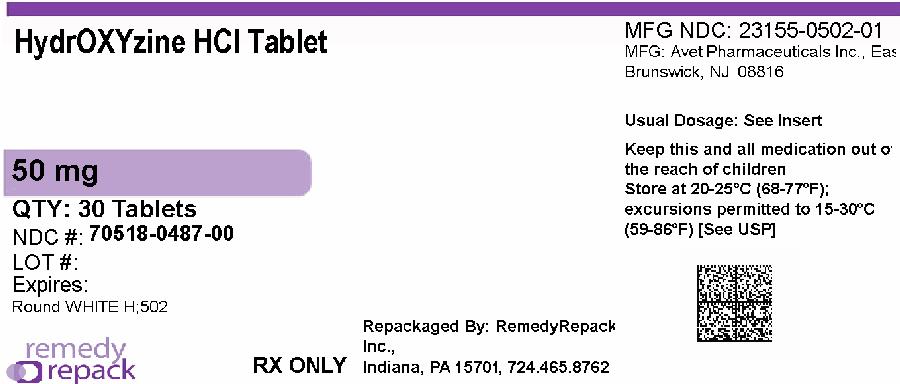
(hydroxy · DailyMed)
Prasusafe 5
Croscarmellose Sodium(AC-DI-SOL) mg,Hydroxy Propyl Cellulose mg,Insta Glow-IG-001 mg,Magnesium Stearate mg,Mannitol D.C Grade mg,Microcrystalline Cellulose (Avicel pH 102) mg,Opadry white OY 58900 mg,Prasugrel hydrochloride 5 mg,Purified Water mg
What it does
Cellulose is a type of fiber that helps with digestion and promotes bowel health.
Commonly used for: constipation, irregular bowel movements
Read more in plain English ↓Plain-language summary for general understanding - not medical advice. Always follow your pharmacist/doctor.
Ask about this medicine
Answers come only from this medicine's registration record, BNF monograph and interaction data - not medical advice.
Medicine sourcing is available in Kenya only. We don't sell or dispense medicines - licensed pharmacies do.
Sourcing - Kenya onlyRegistration & product details
Source: Tanzania Medicines and Medical Devices Authority · fetched 2026-03-11 23:45:15 · updated 2026-09-24 03:00:47
About cellulose
Cellulose is a type of fiber that helps with digestion and promotes bowel health.
What it treats
- constipation
- irregular bowel movements
How it works
Cellulose adds bulk to the stool, making it easier to pass through the intestines.
Who it's for
Suitable for people looking to improve their digestive health.
AI-assisted summary grounded in BNF data - general information only, not medical advice. Always confirm with your pharmacist or doctor.
About croscarmellose
Croscarmellose is a substance used in medicines to help them dissolve and be absorbed in the body.
What it treats
- helps improve the effectiveness of oral medications
How it works
It works by breaking down the medicine so that it can be easily absorbed in the stomach and intestines.
Who it's for
It is used in various oral medicines that require better absorption.
AI-assisted summary grounded in BNF data - general information only, not medical advice. Always confirm with your pharmacist or doctor.
About grade
Grade is a medication used for various conditions, but specific details about its uses and interactions are not provided.
How it works
The mechanism of action for Grade is not specified.
Who it's for
Grade may be prescribed for individuals with specific health conditions, but details are not available.
AI-assisted summary grounded in BNF data - general information only, not medical advice. Always confirm with your pharmacist or doctor.
About hydroxy
Hydroxy is a medication used to treat various health conditions. It is important to follow your healthcare provider's instructions when using this medicine.
What it treats
- autoimmune diseases (such as rheumatoid arthritis)
- malaria prevention and treatment
- certain skin conditions (like lupus)
How it works
Hydroxy helps to reduce inflammation and the activity of the immune system.
Who it's for
This medicine is for people with specific autoimmune disorders, those at risk of malaria, or those with certain skin issues.
AI-assisted summary grounded in BNF data - general information only, not medical advice. Always confirm with your pharmacist or doctor.
About insta
Insta is a medication that may be used to treat certain health conditions.
How it works
The exact way Insta works is not specified, but it is designed to help manage health issues.
Who it's for
Insta may be prescribed for individuals experiencing specific health problems as determined by a healthcare professional.
AI-assisted summary grounded in BNF data - general information only, not medical advice. Always confirm with your pharmacist or doctor.
About mannitol
Mannitol is a type of sugar alcohol used mainly to help reduce swelling and pressure in the body, especially in the eyes and brain.
What it treats
- reducing pressure in the brain (intracranial hypertension)
- treating eye swelling (ocular hypertension)
- promoting urine production in kidney failure
How it works
Mannitol works by drawing water out of tissues and into the bloodstream, helping to decrease swelling and pressure.
Who it's for
Mannitol is typically used for patients with conditions that cause high pressure in the brain or eyes, and those with certain kidney issues.
AI-assisted summary grounded in BNF data - general information only, not medical advice. Always confirm with your pharmacist or doctor.
About microcrystalline
Microcrystalline is a type of substance often used in medicines to help with various health issues. It is commonly used as a filler or binder in tablets and capsules.
What it treats
- stomach issues
- constipation
- weight management
How it works
It helps to improve the texture of medicines and can assist in the absorption of other ingredients in the body.
Who it's for
Adults and children who need help with specific health conditions, as directed by a healthcare professional.
AI-assisted summary grounded in BNF data - general information only, not medical advice. Always confirm with your pharmacist or doctor.
About opadry
Opadry is a coating agent used in pharmaceutical formulations.
What it treats
- to improve the taste of medicines
- to protect the active ingredients in tablets and capsules
How it works
Opadry forms a protective layer around tablets and capsules, which helps to mask their taste and protect the ingredients from moisture and light.
Who it's for
Opadry is suitable for various patients who are taking medications in tablet or capsule form.
AI-assisted summary grounded in BNF data - general information only, not medical advice. Always confirm with your pharmacist or doctor.
About prasugrel
Prasugrel is a medication that helps prevent blood clots by making platelets in the blood less sticky.
What it treats
- prevention of blood clots (thrombosis)
- heart attack (myocardial infarction)
- stroke
How it works
It works by blocking certain signals that make blood cells called platelets stick together, which helps to keep blood flowing smoothly.
Who it's for
It is usually prescribed for people who have had a heart attack or certain types of heart surgery.
Cautions
- • Use with caution in patients taking other medications that also prevent blood clots.
AI-assisted summary grounded in BNF data - general information only, not medical advice. Always confirm with your pharmacist or doctor.
About propyl
Propyl is a chemical compound often used in various medicines. It helps in treating certain health conditions, but specific information on its uses and interactions is not provided.
How it works
Propyl works by influencing biological processes in the body, but the exact mechanism is not detailed.
Who it's for
Propyl may be suitable for individuals needing treatment for specific health issues, though details are not provided.
AI-assisted summary grounded in BNF data - general information only, not medical advice. Always confirm with your pharmacist or doctor.
About purified
Purified ingredients are often used in various medicines to ensure safety and effectiveness by removing impurities.
What it treats
- various medical conditions
How it works
Purified ingredients help in delivering the intended effects of the medicine without the risk of contaminants.
Who it's for
People who need medications with safe and effective ingredients.
AI-assisted summary grounded in BNF data - general information only, not medical advice. Always confirm with your pharmacist or doctor.
About white
White is a medicinal product used for various health conditions.
How it works
White works by affecting certain processes in the body to help manage health issues.
Who it's for
White is suitable for individuals with specific health conditions as determined by a healthcare provider.
AI-assisted summary grounded in BNF data - general information only, not medical advice. Always confirm with your pharmacist or doctor.
Clinical monograph: Mannitol
BNF-referencedMannitol is an osmotic diuretic and a sugar alcohol that is used primarily to reduce elevated intracranial pressure and to promote diuresis in various medical conditions, including cerebral edema and acute kidney injury. It is metabolically inert in humans and is eliminated primarily through the kidneys. Mannitol works by elevating blood plasma osmolality, drawing water out of tissues and into the bloodstream, which helps to reduce fluid volume and pressure in the brain and other compartments.
Indications
- Cerebral edema
- Elevated intracranial pressure
- Acute kidney injury
- Oliguria
- Glaucoma
- Renal function diagnostic aid
Dosage
Adults: For cerebral edema, administer 0
Mechanism of action
Mannitol elevates blood plasma osmolality, resulting in enhanced flow of water from tissues, including the brain and cerebrospinal fluid, into interstitial fluid and plasma. This action reduces cerebral edema and intracranial pressure. As a diuretic, it increases the osmolality of glomerular filtrate, leading to increased urinary excretion of water and preventing sodium and chloride reabsorption in the renal tubules. Mannitol also facilitates the urinary excretion of toxic substances and can help in assessing renal function by measuring glomerular filtration rate (GFR).
Pharmacodynamics
Mannitol is classified as an osmotic diuretic. It is chemically similar to other sugar alcohols but has a unique ability to promote diuresis by remaining unabsorbed in the renal tubules. Its use is indicated for conditions associated with increased body fluids, such as cerebral edema and glaucoma. Mannitol may be combined with other diuretics to enhance diuretic efficacy. Inhaled formulations are used in cystic fibrosis, though they may cause bronchospasm and hemoptysis.
Pharmacokinetics
Mannitol is freely filtered by the glomeruli with less than 10% tubular reabsorption, which allows for its urinary excretion rate to serve as a measurement of GFR. It does not undergo significant metabolism and is eliminated primarily through the kidneys. The onset of action occurs within 30 to 60 minutes after intravenous administration, with effects lasting for several hours. Administration may require monitoring of renal function and fluid balance.
Contra-indications
- Anuria
- Severe dehydration
- Severe renal impairment
- Intracranial bleeding
Adverse effects
- Asthenia
- Gastrointestinal disturbances
- Dry mouth
- Confusion
- Visual impairment
- Hypotension
- Electrolyte imbalances
- Pulmonary edema
- Hemoptysis (with inhalation use)
- Bronchospasm (with inhalation use)
Interactions
- Potassium-sparing diuretics may increase the risk of hyperkalemia
- Other diuretics may have additive effects
- Caution with nephrotoxic agents
Precautions
- Caution in patients with diabetes mellitus
- Caution in the elderly
- Caution in patients with gout
- Caution in patients with hepatic impairment
- Monitor renal function and electrolytes regularly
- May cause blue fluorescence of urine
Pregnancy
Manufacturer advises avoid due to potential toxicity in animal studies.
Breast-feeding
Manufacturer advises avoid due to lack of information available.
Storage
Store in a cool, dry place, away from light. Do not freeze.
Formulations
- Solution for injection
- Inhalation powder
- Oral solution
AI-synthesized from BNF references - general information only, not a substitute for professional medical advice or the current BNF. Verify doses with a pharmacist.
Clinical monograph: Prasugrel
BNF-referencedPrasugrel is an oral antiplatelet agent belonging to the thienopyridine class. It is primarily used in conjunction with aspirin for the prevention of atherothrombotic events in patients with acute coronary syndromes undergoing percutaneous coronary intervention. As a prodrug, prasugrel is metabolized to its active form which irreversibly inhibits the P2Y12 receptor on platelets, thereby reducing platelet activation and aggregation.
Indications
- Prevention of atherothrombotic events in patients with acute coronary syndrome undergoing percutaneous coronary intervention
Dosage
Adults: Adults aged 18 to 74 years with a body weight of less than 60 kg should receive an initial dose of 60 mg, followed by 5 mg once daily usually for up to 12 months. For those weighing 60 kg and above, the same initial dose applies, with the continued daily dose also being 5 mg.
Mechanism of action
Prasugrel is a prodrug that inhibits ADP receptors by irreversibly binding to the P2Y12 receptor on platelets. This prevents the binding of adenosine diphosphate (ADP) to its receptor, impairing the ADP-mediated activation of the glycoprotein GPIIb/IIIa complex, which is crucial for platelet aggregation.
Pharmacodynamics
As a thienopyridine ADP receptor inhibitor, prasugrel effectively inhibits platelet aggregation by irreversibly binding to the P2Y12 receptors. This irreversible binding leads to a significant reduction in platelet activation, which is essential for preventing thrombus formation in acute coronary syndromes.
Pharmacokinetics
Prasugrel is rapidly absorbed following oral administration, with peak plasma concentrations occurring within 30 to 60 minutes. The drug undergoes bioactivation in the liver to its active metabolite, which has a longer duration of action. The elimination half-life of prasugrel is approximately 7 hours, and it is primarily excreted via urine and feces. Factors such as liver and renal impairment may affect its pharmacokinetics, necessitating caution in these populations.
Contra-indications
- Active bleeding
- History of hypersensitivity to prasugrel or other thienopyridines
- Severe hepatic impairment
Adverse effects
- Anaemia
- Haemorrhage
- Angioedema
- Thrombocytopenia
- Skin rash
Interactions
- Aspirin (increased risk of bleeding)
- Other antiplatelet agents (increased risk of bleeding)
- Non-steroidal anti-inflammatory drugs (NSAIDs) (increased risk of gastrointestinal bleeding)
Precautions
- Caution in patients with body weight less than 60 kg
- Increased risk of bleeding in elderly patients or those with recent trauma, surgery, gastrointestinal bleeding, or active peptic ulcer disease
- Caution in patients with moderate renal or hepatic impairment
Pregnancy
Manufacturer advises use only if potential benefit outweighs risk.
Breast-feeding
Manufacturer advises to avoid due to lack of information on excretion in breast milk.
Storage
Store at room temperature, away from moisture and heat.
Formulations
- Prasugrel 5 mg tablets
- Prasugrel 10 mg tablets
AI-synthesized from BNF references - general information only, not a substitute for professional medical advice or the current BNF. Verify doses with a pharmacist.
Clinical monograph: cellulose
Cellulose is a complex carbohydrate and a key structural component of the plant cell wall. It is an indigestible polysaccharide made up of linear chains of glucose molecules linked by β-1,4-glycosidic bonds. As a dietary fiber, cellulose contributes to digestive health by promoting bowel regularity and is commonly used as a laxative and bulking agent in various food products and pharmaceuticals.
Indications
- Constipation
- Dietary fiber supplementation
- Irritable bowel syndrome
- Diverticular disease
- Weight management
Dosage
Children: Refer to appropriate guidelines for specific dosage; generally taken with adequate fluid intake.
Adults: Refer to appropriate guidelines for specific dosage; generally taken with adequate fluid intake.
Mechanism of action
Cellulose acts primarily as a bulk-forming laxative. It absorbs water in the intestines, which increases stool bulk and stimulates peristalsis, thus facilitating bowel movements. Additionally, cellulose is not digestible by human enzymes, leading to fermentation by gut bacteria, which may enhance gut health and alter gut microbiota composition.
Pharmacodynamics
Cellulose increases stool weight and frequency of bowel movements. It works by retaining water in the intestines, leading to softer stools and improved passage through the gastrointestinal tract. The bulking effect of cellulose can help alleviate constipation and promote overall digestive health. It may also play a role in cholesterol reduction and glycemic control through its effects on digestion and absorption of nutrients.
Pharmacokinetics
Cellulose is not absorbed into the bloodstream due to its indigestible nature. Instead, it passes through the gastrointestinal tract, where it adds bulk to the stool. Its fermentation by colonic bacteria produces short-chain fatty acids, which may have beneficial effects on colon health. The onset of action for cellulose as a laxative can vary but is generally within 24 to 72 hours after ingestion.
Adverse effects
- Bloating
- Flatulence
- Diarrhea
- Abdominal discomfort
Precautions
- Use with caution in patients with a history of gastrointestinal disorders.
- Monitor for potential allergic reactions in sensitive individuals.
Pregnancy
Cellulose is generally considered safe during pregnancy as it is a non-toxic, indigestible fiber.
Breast-feeding
Cellulose is also considered safe during breastfeeding; it is excreted in breast milk in negligible amounts.
Storage
Store in a cool, dry place away from direct sunlight.
Formulations
- Powder
- Capsules
- Tablets
- Granules
AI-synthesized from BNF references - general information only, not a substitute for professional medical advice or the current BNF. Verify doses with a pharmacist.
Clinical monograph: croscarmellose
Croscarmellose sodium is a pharmaceutical excipient widely used as a disintegrant in oral dosage forms. It enhances the dissolution of active pharmaceutical ingredients by promoting rapid disintegration of tablets and capsules upon contact with moisture. This characteristic makes it essential in improving the bioavailability of various medications.
Indications
- Used as a disintegrant in tablet formulations
- Enhances the bioavailability of active pharmaceutical ingredients
Dosage
Children: Refer to the specific formulation guidelines, as dosage will vary based on the active ingredient and formulation type.
Adults: Refer to the specific formulation guidelines, as dosage will vary based on the active ingredient and formulation type.
Mechanism of action
Croscarmellose sodium works by swelling and absorbing water when it comes into contact with gastrointestinal fluids. This swelling leads to the rapid disintegration of the tablet or capsule matrix, facilitating the release and absorption of the active pharmaceutical ingredients.
Pharmacodynamics
Croscarmellose sodium is classified as a superdisintegrant. Its ability to rapidly disintegrate solid dosage forms can significantly enhance the dissolution rate of the active ingredient, which is crucial for achieving therapeutic effects in a timely manner.
Pharmacokinetics
Croscarmellose sodium is not absorbed in the gastrointestinal tract and does not exert pharmacological effects in the body. It is considered non-toxic and is excreted unchanged. Its main role is as an excipient, influencing the formulation's characteristics rather than the pharmacokinetics of the active ingredients.
Precautions
- Use with caution in patients with known hypersensitivity to croscarmellose or its components.
Pregnancy
Safety in pregnancy has not been established. Use only if clearly needed.
Breast-feeding
Caution is advised when using during breastfeeding, as safety has not been established.
Storage
Store in a cool, dry place, away from moisture and heat.
Formulations
- Powder
- Granules
AI-synthesized from BNF references - general information only, not a substitute for professional medical advice or the current BNF. Verify doses with a pharmacist.
Clinical monograph: grade
Grade is a term that generally refers to a classification or quality level of a substance rather than a specific drug. As such, it does not have a distinct pharmacological profile or clinical application. In pharmacology, the term could potentially relate to the quality of pharmaceuticals, which are often graded for purity, efficacy, or safety. However, without a specific agent or context, further details cannot be provided.
Dosage
Children: Specific dosing information is not applicable without a defined drug.
Adults: Specific dosing information is not applicable without a defined drug.
AI-synthesized from BNF references - general information only, not a substitute for professional medical advice or the current BNF. Verify doses with a pharmacist.
Clinical monograph: hydroxy
BNF-referencedHydroxyzine is an antihistamine of the first generation, primarily used for its sedative and anxiolytic properties. It is effective in treating anxiety, nausea, and allergic conditions. Hydroxyzine also possesses anticholinergic properties, which contribute to its sedative effects. It is commonly used in both adult and pediatric populations for various indications, including preoperative sedation and management of pruritus.
Indications
- Anxiety disorders
- Nausea and vomiting
- Allergic conditions
- Preoperative sedation
- Pruritus
Dosage
Children: Refer to the BNF for Children for appropriate dosing recommendations based on age and weight.
Adults: Refer to the BNF for specific dosing guidelines based on the indication and patient characteristics.
Mechanism of action
Hydroxyzine works by antagonizing the H1 histamine receptors, leading to a reduction in the effects of histamine in the body. This action helps alleviate symptoms of allergic reactions and promotes sedation. Additionally, it may exert effects on serotonin and adrenergic receptors, which could contribute to its anxiolytic properties. Hydroxyzine is also involved in various metabolic pathways, including selenium metabolism and the degradation of reactive oxygen species.
Pharmacodynamics
The pharmacodynamic effects of hydroxyzine include sedation, anxiolysis, and reduction of allergic symptoms. Its sedative effects can make it useful in managing anxiety and inducing sleep, while its antihistaminic properties help to relieve symptoms such as itching and rashes associated with allergic reactions. The onset of action is typically within 15 to 30 minutes when taken orally, with peak effects occurring within 1 to 2 hours.
Pharmacokinetics
Hydroxyzine is well absorbed from the gastrointestinal tract, with peak plasma concentrations occurring approximately 2 hours after oral administration. It is extensively metabolized in the liver, with metabolites, including cetirizine, possessing their own therapeutic effects. Hydroxyzine has a half-life of approximately 20 hours, allowing for once or twice daily dosing. It is primarily excreted in the urine, with less than 1% of the unchanged drug found in urine.
Interactions
- hydroxyzine+antiepileptics: Severe (increases risk of overheating and dehydration)
- hydroxyzine+zonisamide: Severe (increases risk of overheating and dehydration)
- hydroxychloroquine+penicillamine: Severe (increases risk of haematological toxicity)
- hydroxychloroquine+agalsidase alfa: Unknown (decreases effects)
- hydroxychloroquine+agalsidase beta: Unknown (decreases exposure)
- hydroxychloroquine+oral cholera vaccine: Unknown (decreases efficacy)
- live vaccines+hydroxy carbamide: Unknown (increases risk of generalised infection (possibly life-threatening))
- lanthanum+hydroxychloroquine: Unknown (decreases absorption)
- macrolides+hydroxychloroquine: Unknown (increases risk of serious cardiovascular adverse effects)
- hydroxychloroquine+remdesivir: Unknown (decreases effects)
Pregnancy
Safety in pregnancy has not been established. Use only if the potential benefit justifies the potential risk to the fetus.
Breast-feeding
Use with caution. Hydroxychloroquine is excreted in breast milk, and effects on the infant are unknown.
Storage
Store in a cool, dry place, protected from light. Keep out of reach of children.
Formulations
- Tablets
- Oral solution
AI-synthesized from BNF references - general information only, not a substitute for professional medical advice or the current BNF. Verify doses with a pharmacist.
Clinical monograph: insta
Insta is a medication commonly used in the management of various conditions, particularly related to eye health. It often functions as a topical agent to relieve symptoms associated with dry eye syndrome and other ocular conditions. The formulation may contain active ingredients that provide symptomatic relief and improve tear film stability.
Indications
- Dry eye syndrome
- Ocular surface disorders
- Eye irritation
- Contact lens discomfort
Dosage
Children: Refer to specific product instructions for paediatric dosage, as recommendations can vary widely based on age and clinical condition.
Adults: Refer to specific product instructions for adult dosage, which may vary based on formulation and severity of symptoms.
Mechanism of action
Insta works primarily by lubricating the ocular surface, which helps to alleviate dryness and discomfort. The active ingredients often mimic natural tears, providing moisture and aiding in the maintenance of the tear film, thereby improving eye comfort and visual clarity.
Pharmacodynamics
The pharmacodynamics of Insta involve the interaction of its components with the ocular surface, enhancing tear film stability and reducing the symptoms of dryness. The formulation may also reduce inflammation and irritation by providing a protective barrier over the eye.
Pharmacokinetics
The pharmacokinetics of Insta can vary depending on its specific formulation. Generally, the components are designed for local action, with minimal systemic absorption. The onset of action is typically rapid, with effects lasting for a variable duration depending on the specific formulation and the severity of symptoms.
Pregnancy
Consult a healthcare provider before use, as safety in pregnancy has not been established.
Breast-feeding
Consult a healthcare provider before use, as it is unknown if it is excreted in human milk.
Storage
Store in a cool, dry place away from direct sunlight.
AI-synthesized from BNF references - general information only, not a substitute for professional medical advice or the current BNF. Verify doses with a pharmacist.
Clinical monograph: microcrystalline
Microcrystalline cellulose is a refined wood pulp, commonly used as an excipient in pharmaceutical formulations. It serves as a bulking agent and stabilizer in tablets and capsules, improving the physical properties of the drug formulation. It is characterized by its ability to absorb moisture and provide a suitable texture for various dosage forms.
Indications
- Used as an excipient in tablet formulations
- Used as a bulking agent in capsule formulations
- Used in food products as a thickener or stabilizer
Dosage
Children: Refer to specific product guidelines as dosage will depend on the formulation and the active ingredients.
Adults: Refer to specific product guidelines as dosage will depend on the formulation and the active ingredients.
Mechanism of action
Microcrystalline cellulose acts as a non-digestible filler that enhances the flow properties of powders during the manufacturing of tablets and capsules. It does not have a direct pharmacological action on the body but ensures that the active ingredients are effectively delivered to the patient.
Pharmacodynamics
As a non-active ingredient, microcrystalline cellulose does not exert pharmacodynamic effects typical of active pharmaceutical ingredients. Its primary role is to provide a stable and consistent matrix for the drug, facilitating the release of the active compound once ingested.
Pharmacokinetics
Microcrystalline cellulose is not absorbed in the gastrointestinal tract; it passes through the digestive system largely unchanged. It adds bulk to the stool, which may aid in promoting regular bowel movements. The substance is excreted in feces, where it contributes to dietary fiber intake.
Pregnancy
Data regarding the use of microcrystalline cellulose during pregnancy is limited. It is advisable to consult with healthcare professionals before use.
Breast-feeding
Microcrystalline cellulose is considered safe during breastfeeding, as it is not absorbed systemically.
Storage
Store in a cool, dry place away from direct sunlight and moisture.
AI-synthesized from BNF references - general information only, not a substitute for professional medical advice or the current BNF. Verify doses with a pharmacist.
Clinical monograph: opadry
Opadry is a film-coating system used in the pharmaceutical industry to coat tablets and granules. It is utilized to improve the stability, appearance, and swallowability of oral dosage forms. Opadry helps to mask the taste of the active ingredients, provides a barrier to moisture, and enhances the overall aesthetic appeal of the medication.
Indications
- Tablet coating
- Granule coating
- Improvement of drug stability
- Taste masking
- Aesthetic enhancement of pharmaceuticals
Dosage
Children: Dosage will depend on the specific formulation and active ingredients of the medication being coated. Refer to the specific product information for guidance.
Adults: Dosage will depend on the specific formulation and active ingredients of the medication being coated. Refer to the specific product information for guidance.
Mechanism of action
Opadry functions primarily as a coating polymer that adheres to the surface of tablets or granules, creating a protective layer. This layer can control the release of the active ingredient and protect it from environmental factors such as moisture and light. The specific composition of Opadry can vary, but it typically includes film-forming agents, plasticizers, and colorants that work together to achieve the desired coating characteristics.
Pharmacodynamics
The pharmacodynamics of Opadry is largely focused on its physical and chemical properties rather than specific biological interactions. The coating alters the dissolution characteristics of the drug, potentially leading to modified release profiles. This can enhance drug bioavailability or control the release rate of the active ingredient, thereby impacting the therapeutic effect.
Pharmacokinetics
As a coating agent, Opadry itself is not absorbed into the systemic circulation and does not have pharmacokinetic properties related to absorption, distribution, metabolism, or excretion of an active pharmaceutical ingredient. Its impact on pharmacokinetics is indirect, as it affects how the active drug is released and absorbed in the gastrointestinal tract.
Pregnancy
Opadry is a film-coating agent, and specific studies on its effects during pregnancy are not well-documented. Generally, it is advisable to use medications cautiously during pregnancy. Consult a healthcare provider for guidance.
Breast-feeding
Limited data are available regarding the safety of Opadry during breastfeeding. It is recommended to consult a healthcare provider before use.
Storage
Store in a cool, dry place away from direct sunlight and moisture. Keep out of reach of children.
Formulations
- Opadry OY - a coating system for oral solid dosage forms
- Opadry II - a polymer-based coating system for tablet and capsule applications
AI-synthesized from BNF references - general information only, not a substitute for professional medical advice or the current BNF. Verify doses with a pharmacist.
Clinical monograph: propyl
BNF-referencedPropyl, or propyl group, refers to a branched alkyl group derived from propane and is often used in organic chemistry as a substituent on various compounds. In pharmacology, propyl derivatives have been associated with various therapeutic agents, including antithyroid medications. Propylthiouracil (PTU) is a notable drug that contains a propyl group and is used primarily in the management of hyperthyroidism. It inhibits the synthesis of thyroid hormones, thereby decreasing their levels in the body.
Indications
- Hyperthyroidism
- Graves' disease
- Thyroid storm
Dosage
Children: Refer to the BNF
Adults: The usual initial dose of propylthiouracil in adults is 300 mg per day, divided into 3 doses. The maintenance dose is typically 100-150 mg per day, adjusted based on thyroid function tests.
Mechanism of action
Propylthiouracil acts by inhibiting the enzyme thyroid peroxidase, which is involved in the iodination of tyrosine residues in thyroglobulin, a precursor of thyroid hormones. By blocking this enzyme, PTU reduces the production of thyroxine (T4) and triiodothyronine (T3), leading to decreased thyroid hormone levels in circulation. Additionally, PTU inhibits the conversion of T4 to T3 in peripheral tissues, further contributing to its antithyroid effects.
Pharmacodynamics
The pharmacodynamic effects of propylthiouracil are primarily centered around its ability to lower thyroid hormone levels, which helps alleviate symptoms of hyperthyroidism such as increased heart rate, weight loss, and anxiety. The onset of action can vary, but therapeutic effects may be observed within several weeks of initiation. Monitoring thyroid function tests is essential to assess the efficacy and adjust dosing as needed.
Pharmacokinetics
Propylthiouracil is well absorbed from the gastrointestinal tract, though its bioavailability can be affected by factors such as food intake. The drug is extensively metabolized in the liver, and its elimination half-life averages around 1-2 hours. Most of the drug is excreted in urine as metabolites. It is important to note that due to its rapid metabolism, multiple daily doses may be required to maintain therapeutic levels.
Interactions
- propylthiouracil+metyrapone: Severe (decreases effects)
AI-synthesized from BNF references - general information only, not a substitute for professional medical advice or the current BNF. Verify doses with a pharmacist.
Clinical monograph: purified
Purified refers to a substance that has been processed to remove impurities, contaminants, or unwanted substances, resulting in a more concentrated and effective form of the original compound. In pharmacology, purified compounds are often used to enhance therapeutic efficacy and reduce adverse effects. The purification process can apply to a variety of substances, including drugs, biological products, and chemical compounds.
Dosage
Children: Refer to specific drug formulations and product labels as purified substances can vary widely in their use and dosing.
Adults: Refer to specific drug formulations and product labels as purified substances can vary widely in their use and dosing.
Mechanism of action
The mechanism of action for purified compounds varies widely depending on the specific substance. Generally, purified drugs exert their effects by interacting with specific biological targets, such as receptors, enzymes, or ion channels, leading to a desired therapeutic effect. This interaction can involve binding to receptors to activate or inhibit signaling pathways, modulating enzymatic activity, or altering physiological processes.
Pharmacodynamics
Pharmacodynamics describes the effects of a drug on the body and the relationship between drug concentration and effect. For purified drugs, this can involve dose-response relationships and the time course of their action. The purified form often enhances potency and reduces variability in response among patients, which can lead to more predictable therapeutic outcomes. The overall effect is determined by the drug's affinity for its target, the efficacy of the drug-receptor interaction, and the downstream signaling pathways activated as a result of this interaction.
Pharmacokinetics
Pharmacokinetics involves the absorption, distribution, metabolism, and excretion (ADME) of a drug. For purified substances, absorption can be more efficient due to the absence of impurities that may affect solubility or stability. Distribution may also be enhanced, leading to higher bioavailability. Metabolism can be influenced by the structure of the purified compound, as it may be metabolized more readily by liver enzymes. Excretion typically occurs through the kidneys or liver, depending on the molecular characteristics of the purified drug.
Pregnancy
Consult with a healthcare professional, as the safety of purified forms of medications during pregnancy may vary depending on the specific substance.
Breast-feeding
Consult with a healthcare professional, as the safety of purified forms of medications during breastfeeding may vary depending on the specific substance.
Storage
Store in a cool, dry place, away from light and moisture, and keep out of reach of children.
AI-synthesized from BNF references - general information only, not a substitute for professional medical advice or the current BNF. Verify doses with a pharmacist.
Clinical monograph: white
BNF-referencedWhite is a compound with the molecular formula C15H26O. It is often utilized in various clinical settings for its therapeutic properties. Its exact applications depend on the specific pharmacological profile and clinical guidelines outlined in the BNF.
Dosage
Children: Refer to the BNF for Children for appropriate paediatric dosing information.
Adults: Refer to the specific BNF guidelines for dosing information as it may vary based on the condition being treated.
Mechanism of action
The mechanism of action for White involves its interaction with specific biological pathways, leading to the desired pharmacological effects. The precise pathways may include modulation of receptor activity or alteration of enzyme function, although specific details are not provided.
Pharmacodynamics
Pharmacodynamics of White includes its effects on the body, including therapeutic effects and potential side effects. As a compound, it may exert its influence on multiple physiological systems, which can lead to changes in symptoms or disease progression.
Pharmacokinetics
Pharmacokinetics of White involves its absorption, distribution, metabolism, and excretion. Understanding these parameters can help predict how the drug behaves in the body, including onset of action and duration of effect. Detailed pharmacokinetic data is not specified.
AI-synthesized from BNF references - general information only, not a substitute for professional medical advice or the current BNF. Verify doses with a pharmacist.
Molecular reference: Mannitol
PubChem CID 6251Molecular formula: C6H14O6
Mechanism of action
Mannitol is an osmotic diuretic that is metabolically inert in humans and occurs naturally, as a sugar or sugar alcohol, in fruits and vegetables. Mannitol elevates blood plasma osmolality, resulting in enhanced flow of water from tissues, including the brain and cerebrospinal fluid, into interstitial fluid and plasma. As a result, cerebral edema, elevated intracranial pressure, and cerebrospinal fluid volume and pressure may be reduced. As a diurectic mannitol induces diuresis because it is not reabsorbed in the renal tubule, thereby increasing the osmolality of the glomerular filtrate, facilitating excretion of water, and inhibiting the renal tubular reabsorption of sodium, chloride, and other solutes. Mannitol promotes the urinary excretion of toxic materials and protects against nephrotoxicity by preventing the concentration of toxic substances in the tubular fluid. As an Antiglaucoma agent mannitol levates blood plasma osmolarity, resulting in enhanced flow of water from the eye into plasma and a consequent reduction in intraocular pressure. As a renal function diagnostic aid mannitol is freely filtered by the glomeruli with less than 10% tubular reabsorption. Therefore, its urinary excretion rate may serve as a measurement of glomerular filtration rate (GFR). The exact mechanism of action of inhaled mannitol in the symptomatic maintenance treatment of cystic fibrosis remains unclear. It is hypothesized that mannitol produces an osmotic gradient across the airway epithelium that draws fluid into the extracellular space and alters the properties of the airway surface mucus layer, allowing easier mucociliary clearance. MANNITOL IS.../USED/ IN PROPHYLAXIS OF ACUTE RENAL FAILURE. IT IS USED FOR THIS PURPOSE IN CONDITIONS AS DIVERSE AS CARDIOVASCULAR OPERATIONS, SEVERE TRAUMATIC INJURY, OPERATIONS IN THE PRESENCE OF SEVERE JAUNDICE, AND MGMNT OF HEMOLYTIC TRANSFUSION REACTIONS. IN EACH OF THESE CONDITIONS, A PRECIPITOUS FALL IN THE FLOW OF URINE MAY BE ANTICIPATED EITHER AS THE RESULT OF AN ACUTELY REDUCED FILTRATION RATE OR FROM ACUTE CHANGES IN TUBULAR PERMEABILITY. THE LATTER MAY BE CONSEQUENCE OF THE PRESENCE OF NOXIOUS AGENT WITHIN THE TUBULAR FLUID IN EXCESSIVELY HIGH CONCN, IN SOME INSTANCES SUFFICIENT TO RESULT IN ACTUAL PRECIPITATION. IN THESE SITUATIONS, MANNITOL EXERTS OSMOTIC EFFECT WITHIN THE TUBULAR FLUID, INHIBITS WATER REABSORPTION, & MAINTAINS THE RATE OF URINE FLOW. ...CONCN OF TOXIC AGENT WITHIN TUBULAR FLUID DOES NOT REACH EXCESSIVELY HIGH LEVELS THAT OTHERWISE WOULD HAVE BEEN ACHIEVED BY MORE COMPLETE REABSORPTION OF WATER. ...EVEN THOUGH /GLOMERULAR/ FILTRATION RATE IS REDUCED, MANNITOL IS STILL FILTERED @ GLOMERULUS. THE TUBULAR IMPERMEABILITY TO MANNITOL IS NOT ALTERED BY ACUTE RENAL ISCHEMIA OF SHORT DURATION. HENCE, THE MANNITOL THAT IS FILTERED IS ALSO EXCRETED IN THE VOIDED URINE. UNREABSORBED SOLUTE LIMITS BACK DIFFUSION OF WATER. ...URINE VOL CAN BE MAINTAINED EVEN IN PRESENCE OF DECR GLOMERULAR FILTRATION.
Pharmacodynamics
Chemically, mannitol is an alcohol and a sugar, or a polyol; it is similar to xylitol or sorbitol. However, mannitol has a tendency to lose a hydrogen ion in aqueous solutions, which causes the solution to become acidic. For this reason, it is not uncommon to add a substance to adjust its pH, such as sodium bicarbonate. Mannitol is commonly used to increase urine production (diuretic). It is also used to treat or prevent medical conditions that are caused by an increase in body fluids/water (e.g., cerebral edema, glaucoma, kidney failure). Mannitol is frequently given along with other diuretics (e.g., furosemide, chlorothiazide) and/or IV fluid replacement. Inhaled mannitol has the possibility to cause bronchospasm and hemoptysis; the occurrence of either should lead to discontinuation of inhaled mannitol.
Biological pathways
Source: PubChem (NCBI) · pathways from PathBank, Reactome, WikiPathways & PharmGKB.
Molecular reference: Prasugrel
PubChem CID 6918456Molecular formula: C20H20FNO3S
Mechanism of action
Prasugrel is an thienopyridine and a prodrug which inhibits ADP receptors by irreversibly acting on the P2Y12 receptor on platelets. The active metabolite of prasugrel prevents binding of adenosine diphosphate (ADP) to its platelet receptor, impairing the ADP-mediated activation of the glycoprotein GPIIb/IIIa complex. Prasugrel is proposed to have a similar mechanism of action to clopidogrel. The P2Y(12) receptor plays a crucial role in platelet aggregation and is the target of platelet aggregation inhibitors, including the thienopyridine compound prasugrel. The present study analyzed the effects of R-138727 (2-[1-[2-cyclopropyl-1-(2-fluorophenyl)-2-oxoethyl]-4-mercapto-3-piperidinylidene]acetic acid), the active metabolite of prasugrel, on recombinant wild-type and mutant human P2Y(12) receptors in order to identify the molecular site of action of R-138727. The function of wild-type and mutant P2Y(12) receptors stably expressed in Chinese hamster ovary cells was assessed by measuring the 2-methylthio-ADP-mediated inhibition of forskolin-stimulated cellular cAMP production. RESULTS: In cells expressing wild-type receptors, R-138727 potently inhibited receptor function with a half-maximal concentration below 1 uM. The mode of action was irreversible. The same effect of R-138727 was observed in cells expressing Cys17Ala/Cys270Ala constructs. In contrast, in cells expressing either a Cys97Ala construct or a Cys175Ala construct, R-138727 failed to inhibit the response to the agonist. When cells expressing wild-type receptors were pretreated with the P2 receptor antagonists ATP or suramin, no effect of R-138727 was observed. Similar experiments with N-acetylcysteine 10 uM showed no interference of N-acetylcysteine with R-138727. The experiments demonstrate a potent and irreversible action of R-138727 at the recombinant human P2Y(12) receptor. The data suggest that R-138727 interacts with cysteine 97 (upper portion of the predicted third transmembrane region) and cysteine 175 (second extracellular loop) of the receptor, which are likely to form a disulfide bridge in native receptors. Moreover, the data also suggest that this site of action of R-138727 is close to the ligand-binding site of the receptor. /R-138727/ Prasugrel is an inhibitor of platelet activation and aggregation through the irreversible binding of its active metabolite to the P2Y12 class of ADP receptors on platelets.
Pharmacodynamics
Prasugrel is a thienopyridine ADP receptor inhibitors which inhibits platelet aggregation by irreversibly binding to P2Y12 receptors.
Biological pathways
Source: PubChem (NCBI) · pathways from PathBank, Reactome, WikiPathways & PharmGKB.
Molecular reference: hydroxy
PubChem CID 961Molecular formula: HO-
Biological pathways
Source: PubChem (NCBI) · pathways from PathBank, Reactome, WikiPathways & PharmGKB.
Molecular reference: propyl
PubChem CID 123145Molecular formula: C3H7
Source: PubChem (NCBI) · pathways from PathBank, Reactome, WikiPathways & PharmGKB.
Molecular reference: white
PubChem CID 10955174Molecular formula: C15H26O
Source: PubChem (NCBI) · pathways from PathBank, Reactome, WikiPathways & PharmGKB.
This drug in other countries
The same active ingredient registered across other registries we cover - including different brands.
- ABHAYRAB · Surgipharm
- ARTHRELLA OINTMENT · Surgilinks
- ARTHRELLA TABLET · Surgilinks
- AXATOL-20 · Evka Consultz
- AXATOL-20 · Danvantri Enterprises
- BEVAC · Galaxy Pharmaceutical