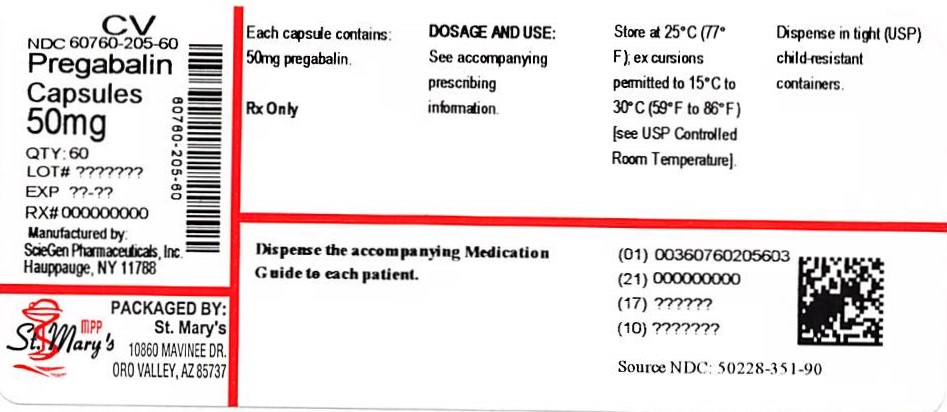
(pregabalin · DailyMed)
PREGASAFE ER 165
Carbomer Homopolymer (Type A) 50 mg/6 mL,Croscarmellose Sodium 175 mg/6 mL,Hypromellose 100000SR 260 mg/6 mL,Microcrystalline cellulose 293 mg/6 mL,Opadry II Pink 85F540289 30 mg/6 mL,Pregabalin 165 mg/6 mL,Purified Water Q.S mg/6 mL,Silicon Dioxide 5.000 mg/6 mL,Sodium Laury Sulphate 7.00 mg/6 mL,magnessium stearate 5.00 mg/6 mL
What it does
Carbomer is a thickening agent commonly used in various topical formulations.
Commonly used for: dry skin, eye dryness (dry eye syndrome), skin irritation
Read more in plain English ↓Plain-language summary for general understanding - not medical advice. Always follow your pharmacist/doctor.
Ask about this medicine
Answers come only from this medicine's registration record, BNF monograph and interaction data - not medical advice.
Medicine sourcing is available in Kenya only. We don't sell or dispense medicines - licensed pharmacies do.
Sourcing - Kenya onlyRegistration & product details
Source: Tanzania Medicines and Medical Devices Authority · fetched 2026-05-18 02:04:12 · updated 2026-09-17 03:00:43
Drug Interactions
65Pharmacodynamic Warnings
Pregabalin appears in TABLE 11: Drugs with CNS depressant effects
Severe (7)
Antiepileptics - decreases absorption
Iron chelators (dexrazoxane) might decrease the absorption of antiepileptics (fosphenytoin, phenytoin). Avoid.
Antiepileptics - decreases exposure
Lumacaftor is predicted to decrease the exposure to antiepileptics (carbamazepine, fosphenytoin, phenobarbital, phenytoin, primidone). Avoid.
Antiepileptics - decreases concentration
St John’s wort is predicted to decrease the concentration of antiepileptics (fosphenytoin, phenobarbital, phenytoin, primidone). Avoid.
Antiepileptics - increases risk of overheating and dehydration
Hydroxyzine potentially increases the risk of overheating and dehydration when given with antiepileptics (zonisamide). Avoid in children.
Antiepileptics - increases risk of overheating and dehydration
Haloperidol potentially increases the risk of overheating and dehydration when given with antiepileptics (zonisamide). Avoid in children.
Antiepileptics - decreases absorption
Dexrazoxane might decrease the absorption of antiepileptics (fosphenytoin, phenytoin). Avoid.
Antiepileptics - increases risk of overheating and dehydration
Oxybutynin potentially increases the risk of overheating and dehydration when given with antiepileptics (zonisamide). Avoid in children.
Moderate (25)
Antiepileptics - increases concentration
Intravenous chloramphenicol increases the concentration of antiepileptics (fosphenytoin, phenytoin) and antiepileptics (fosphenytoin, phenytoin) affect the concentration of intravenous chloramphenicol
Antiepileptics - decreases concentration
Diazoxide decreases the concentration of antiepileptics (fosphenytoin, phenytoin) and antiepileptics (fosphenytoin, phenytoin) are predicted to decrease the effects of diazoxide. Monitor concentration
Antiepileptics - increases concentration
Disulfiramincreasestheconcentrationofantiepileptics (fosphenytoin,phenytoin).Monitorconcentrationandadjust dose.rStudy →AlsoseeTABLE12p.1520
Antiepileptics - increases concentration
Fluorouracilincreasestheconcentrationofantiepileptics (fosphenytoin,phenytoin).Monitorconcentrationandadjust dose.rAnecdotal 1xidneppA|snoitcaretnI A1 https://www.facebook.c (Books-Courses-Medic
Antiepileptics - decreases concentration
Folates are predicted to decrease the concentration of antiepileptics (fosphenytoin, phenobarbital, phenytoin, primidone). Monitor concentration and adjust dose.
Unknown (33)
Antiepileptics - increases risk of overheating and dehydration
Acetazolamide potentially increases the risk of overheating and dehydration when given with antiepileptics (zonisamide). Avoid in children.
Antiepileptics - increases risk of visual disturbances
Alcohol potentially increases the risk of visual disturbances when given with antiepileptics (retigabine).
Antiepileptics - decreases exposure
Enzalutamide is predicted to slightly decrease the exposure to antiepileptics (brivaracetam).
Antiepileptics - decreases exposure
Apalutamidepotentiallydecreasestheexposureto antiepileptics(valproate).nTheoretical
Antiepileptics - increases concentration
Capecitabine increases the concentration of antiepileptics (fosphenytoin, phenytoin).
Data from BNF 85 (British National Formulary). This is not a substitute for professional medical advice. Matched via: class
About carbomer
Carbomer is a thickening agent commonly used in various topical formulations.
What it treats
- dry skin
- eye dryness (dry eye syndrome)
- skin irritation
How it works
Carbomer helps to increase the viscosity (thickness) of a product, which can help keep moisture in and protect the skin.
Who it's for
Carbomer is suitable for people needing relief from dryness or irritation on the skin or eyes.
AI-assisted summary grounded in BNF data - general information only, not medical advice. Always confirm with your pharmacist or doctor.
About cellulose
Cellulose is a type of fiber that helps with digestion and promotes bowel health.
What it treats
- constipation
- irregular bowel movements
How it works
Cellulose adds bulk to the stool, making it easier to pass through the intestines.
Who it's for
Suitable for people looking to improve their digestive health.
AI-assisted summary grounded in BNF data - general information only, not medical advice. Always confirm with your pharmacist or doctor.
About croscarmellose
Croscarmellose is a substance used in medicines to help them dissolve and be absorbed in the body.
What it treats
- helps improve the effectiveness of oral medications
How it works
It works by breaking down the medicine so that it can be easily absorbed in the stomach and intestines.
Who it's for
It is used in various oral medicines that require better absorption.
AI-assisted summary grounded in BNF data - general information only, not medical advice. Always confirm with your pharmacist or doctor.
About dioxide
Dioxide is used in various medical applications, but specific details about its class or interactions are not provided.
How it works
The exact mechanism of action for dioxide is not specified, but it generally serves various therapeutic roles in medicine.
Who it's for
Dioxide may be suitable for individuals needing treatment related to its specific applications, but more information is needed to identify specific patient groups.
AI-assisted summary grounded in BNF data - general information only, not medical advice. Always confirm with your pharmacist or doctor.
About homopolymer
Homopolymer is a type of substance used in various medical applications.
What it treats
- wound healing
- drug delivery systems
How it works
Homopolymer helps by forming a gel-like substance that can hold and release medications or assist in healing wounds.
Who it's for
This substance is suitable for patients needing support in healing or medication delivery.
AI-assisted summary grounded in BNF data - general information only, not medical advice. Always confirm with your pharmacist or doctor.
About hypromellose
Hypromellose is a substance that helps to keep the eyes moist and can be used to soothe irritation.
What it treats
- dry eyes (keratoconjunctivitis sicca)
- eye irritation
How it works
It forms a protective layer over the eye, which helps to retain moisture and relieve discomfort.
Who it's for
This medication is suitable for anyone experiencing dry or irritated eyes.
AI-assisted summary grounded in BNF data - general information only, not medical advice. Always confirm with your pharmacist or doctor.
About laury
Laury is a medication used to treat various health conditions.
How it works
The exact way Laury works is not specified, but it is used to help manage certain health issues.
Who it's for
Laury may be prescribed for people with specific health needs or conditions.
AI-assisted summary grounded in BNF data - general information only, not medical advice. Always confirm with your pharmacist or doctor.
About magnessium
Magnesium is an essential mineral that supports various bodily functions, including muscle and nerve function, blood sugar control, and blood pressure regulation.
What it treats
- muscle cramps
- migraine prevention
- constipation
- heart health
How it works
Magnesium helps maintain normal muscle and nerve function, supports a healthy immune system, and helps regulate blood pressure.
Who it's for
Magnesium is for individuals who may have low magnesium levels or need extra support for muscle and nerve health.
AI-assisted summary grounded in BNF data - general information only, not medical advice. Always confirm with your pharmacist or doctor.
About microcrystalline
Microcrystalline is a type of substance often used in medicines to help with various health issues. It is commonly used as a filler or binder in tablets and capsules.
What it treats
- stomach issues
- constipation
- weight management
How it works
It helps to improve the texture of medicines and can assist in the absorption of other ingredients in the body.
Who it's for
Adults and children who need help with specific health conditions, as directed by a healthcare professional.
AI-assisted summary grounded in BNF data - general information only, not medical advice. Always confirm with your pharmacist or doctor.
About opadry
Opadry is a coating agent used in pharmaceutical formulations.
What it treats
- to improve the taste of medicines
- to protect the active ingredients in tablets and capsules
How it works
Opadry forms a protective layer around tablets and capsules, which helps to mask their taste and protect the ingredients from moisture and light.
Who it's for
Opadry is suitable for various patients who are taking medications in tablet or capsule form.
AI-assisted summary grounded in BNF data - general information only, not medical advice. Always confirm with your pharmacist or doctor.
About pink
Pink is used to treat various conditions but specific information is not provided.
How it works
The specific mechanism of action for Pink is not detailed.
Who it's for
Pink may be prescribed for individuals with specific health needs, but details are not available.
AI-assisted summary grounded in BNF data - general information only, not medical advice. Always confirm with your pharmacist or doctor.
About pregabalin
Pregabalin is a medication used to treat nerve pain and certain types of seizures. It helps calm overactive nerves in the brain.
What it treats
- nerve pain (neuropathic pain)
- seizures (epilepsy)
- anxiety disorders
How it works
Pregabalin works by reducing the number of signals sent by nerves to the brain, which helps decrease pain and seizure activity.
Who it's for
Pregabalin is suitable for adults and some children who have nerve pain or epilepsy.
Drug class
Antiepileptics
Cautions
- • Be careful if you are taking other medications that can cause drowsiness or slow down brain activity.
AI-assisted summary grounded in BNF data - general information only, not medical advice. Always confirm with your pharmacist or doctor.
About purified
Purified ingredients are often used in various medicines to ensure safety and effectiveness by removing impurities.
What it treats
- various medical conditions
How it works
Purified ingredients help in delivering the intended effects of the medicine without the risk of contaminants.
Who it's for
People who need medications with safe and effective ingredients.
AI-assisted summary grounded in BNF data - general information only, not medical advice. Always confirm with your pharmacist or doctor.
About silicon
Silicon is a mineral that may help support healthy bones and connective tissues.
What it treats
- bone health
- joint health
- skin health
How it works
Silicon helps form collagen, which is important for maintaining the strength and elasticity of bones and tissues.
Who it's for
Silicon is for individuals looking to support their bone and joint health.
AI-assisted summary grounded in BNF data - general information only, not medical advice. Always confirm with your pharmacist or doctor.
Clinical monograph: Hypromellose
BNF-referencedHypromellose is a semisynthetic polymer derived from cellulose, primarily used as an ocular lubricant in the management of dry eye conditions. It acts by forming a protective layer over the eye surface, providing moisture and relief from irritation, thereby improving comfort and protecting the corneal epithelium.
Indications
- Dry eye conditions
- Tear deficiency
- Keratoconjunctivitis sicca
Dosage
Children: Apply as required, typically in the form of eye drops.
Adults: Apply as required, typically in the form of eye drops.
Mechanism of action
Hypromellose acts by forming a viscous gel upon contact with the ocular surface, which helps to retain moisture and protect against irritants. This gel-like property enhances the stability of the tear film and reduces evaporation, thereby alleviating symptoms associated with dry eye conditions.
Pharmacodynamics
The pharmacodynamic effects of hypromellose are primarily related to its ability to mimic natural tears, providing lubrication to the ocular surface. This lubrication reduces friction during blinking and maintains corneal hydration, which is critical for ocular comfort and health. Its high viscosity also contributes to prolonged retention time on the eye surface.
Pharmacokinetics
Hypromellose is administered topically as eye drops and is not significantly absorbed systemically. The retention time of hypromellose on the ocular surface is enhanced due to its viscosity, allowing for extended relief of dry eye symptoms. The elimination of hypromellose occurs primarily through drainage from the eye and dilution by the natural tear fluid.
Adverse effects
- Temporary visual disturbance
- Eye irritation
Precautions
- Should not be used during contact lens wear
- Use with caution in patients with known hypersensitivity to any component of the formulation
Pregnancy
Hypromellose is generally considered safe for use during pregnancy. However, it should be used only if clearly needed and after consulting a healthcare provider.
Breast-feeding
Hypromellose is unlikely to affect breastfed infants when used as directed, but consultation with a healthcare provider is advisable.
Storage
Store in a cool, dry place away from direct sunlight. Once opened, use within a specified period as indicated on the packaging.
Formulations
- {'name': 'Teardew', 'concentration': '0.3%', 'form': 'eye drops', 'volume': '10 ml'}
- {'name': 'Xailin Hydrate', 'concentration': '0.3%', 'form': 'eye drops', 'volume': '10 ml'}
- {'name': 'AacuLose', 'concentration': '0.3%', 'form': 'eye drops', 'volume': '10 ml'}
- {'name': 'Artelac', 'concentration': '0.32%', 'form': 'eye drops', 'volume': '10 ml'}
- {'name': 'Lacrilube', 'concentration': '2 mg/g', 'form': 'eye ointment', 'volume': '3.5 g'}
- {'name': 'Celluvisc', 'concentration': '1%', 'form': 'eye drops', 'volume': '0.4 ml unit dose'}
AI-synthesized from BNF references - general information only, not a substitute for professional medical advice or the current BNF. Verify doses with a pharmacist.
Clinical monograph: Pregabalin
BNF-referencedPregabalin is an anticonvulsant medication that is structurally related to gamma-aminobutyric acid (GABA). It is primarily used for the management of epilepsy, neuropathic pain, and generalized anxiety disorder. Pregabalin modulates the release of excitatory neurotransmitters by binding to the alpha2-delta subunit of voltage-gated calcium channels in the central nervous system, which contributes to its antiseizure and analgesic effects. It does not interact directly with GABA receptors but may enhance GABAergic activity indirectly.
Indications
- Epilepsy
- Neuropathic pain
- Generalized anxiety disorder
Dosage
Adults: The usual starting dose is 150 mg daily, divided into two or three doses. The dose may be increased to a maximum of 600 mg daily based on clinical response and tolerability. Refer to the BNF for specific dosing adjustments in
Mechanism of action
Pregabalin binds presynaptically to the alpha2-delta subunit of voltage-gated calcium channels in the central nervous system. This binding modulates the release of several excitatory neurotransmitters, including glutamate, substance P, norepinephrine, and calcitonin gene-related peptide. By preventing the trafficking of the alpha2-delta subunit from the dorsal root ganglia to the spinal dorsal horn, pregabalin contributes to its anticonvulsant and analgesic effects.
Pharmacodynamics
Pregabalin increases the density of GABA transporters in cultured neurons but does not bind directly to GABA-A, GABA-B, or benzodiazepine receptors. It does not affect dopamine, serotonin, or opiate receptors, nor does it modulate sodium channels or cyclooxygenase activity. Its primary action is through the inhibition of excitatory neurotransmitter release, which helps in controlling seizures and alleviating neuropathic pain.
Pharmacokinetics
Pregabalin is rapidly absorbed after oral administration, with peak plasma concentrations usually reached within 1 hour. It has a bioavailability of approximately 90%, and its plasma concentration does not significantly change with increasing doses. Pregabalin is not extensively metabolized; it is primarily excreted unchanged in the urine. The elimination half-life is about 6 hours, and dose adjustments may be necessary in patients with renal impairment.
Adverse effects
- Dizziness
- Somnolence
- Dry mouth
- Edema
- Weight gain
- Blurred vision
- Difficulty concentrating
- Euphoria
- Depression
- Angioedema
Interactions
- CNS depressants may enhance the sedative effects of pregabalin
- Concurrent use with opioids may increase the risk of respiratory depression
- Antiepileptic drugs may have additive effects
Precautions
- Use with caution in patients with a history of substance abuse
- Monitor for signs of angioedema, especially in patients with a history of angioedema
- Caution in patients with renal impairment, as dosage adjustments may be necessary
Pregnancy
Pregabalin is classified as category C. Animal studies have shown adverse effects, and there are no well-controlled studies in pregnant women. Use only if the potential benefit justifies the potential risk to the fetus.
Breast-feeding
Pregabalin is excreted in breast milk. The effects on a nursing infant are unknown, and caution is advised when administering to nursing mothers.
Storage
Store at room temperature, away from moisture and heat. Keep out of reach of children.
Formulations
- Capsules: 25 mg, 50 mg, 75 mg, 100 mg, 150 mg, 200 mg, 225 mg, 300 mg
- Oral solution: 20 mg/mL
- Chewable tablets: 50 mg
AI-synthesized from BNF references - general information only, not a substitute for professional medical advice or the current BNF. Verify doses with a pharmacist.
Clinical monograph: carbomer
Carbomer is a high molecular weight polymer of acrylic acid, used primarily as a thickening agent, emulsifier, and stabilizer in various pharmaceutical and cosmetic formulations. It is known for its ability to form a gel-like consistency when mixed with water, which enhances the viscosity of solutions and provides a smooth texture.
Indications
- Topical drug formulations
- Ophthalmic solutions
- Cosmetic products
- Transdermal drug delivery systems
Dosage
Children: Refer to specific product guidelines as carbomer is used as a formulation agent and does not have standard dosing.
Adults: Refer to specific product guidelines as carbomer is used as a formulation agent and does not have standard dosing.
Mechanism of action
Carbomer works by absorbing water and swelling to form a gel, which increases the viscosity of the formulation. This property is utilized in topical preparations to improve the delivery and stability of active ingredients, allowing for a more controlled release of the drug.
Pharmacodynamics
The pharmacodynamics of carbomer are primarily related to its physical properties as a gelling agent. It enhances the stability and viscosity of formulations, which can improve the bioavailability of drugs when used in topical applications. Carbomer itself has no systemic pharmacological effects since it is not absorbed into the bloodstream when applied topically.
Pharmacokinetics
Carbomer is not significantly absorbed through the skin or gastrointestinal tract, which means it does not have a traditional pharmacokinetic profile characterized by absorption, distribution, metabolism, and excretion. It primarily acts locally at the site of application.
Adverse effects
- Local irritation
- Allergic reactions
- Redness
- Swelling
Precautions
- Avoid contact with eyes
- Use caution in individuals with known allergies to carbomers
- If irritation occurs, discontinue use
Pregnancy
Carbomer is generally considered safe for use during pregnancy, but it is always advisable to consult a healthcare provider before use.
Breast-feeding
Carbomer is not known to be absorbed systemically, making it likely safe for use while breastfeeding, but consulting a healthcare provider is recommended.
Storage
Store in a cool, dry place, away from direct sunlight. Keep out of reach of children.
Formulations
- Gel
- Cream
- Ointment
- Powder
AI-synthesized from BNF references - general information only, not a substitute for professional medical advice or the current BNF. Verify doses with a pharmacist.
Clinical monograph: cellulose
Cellulose is a complex carbohydrate and a key structural component of the plant cell wall. It is an indigestible polysaccharide made up of linear chains of glucose molecules linked by β-1,4-glycosidic bonds. As a dietary fiber, cellulose contributes to digestive health by promoting bowel regularity and is commonly used as a laxative and bulking agent in various food products and pharmaceuticals.
Indications
- Constipation
- Dietary fiber supplementation
- Irritable bowel syndrome
- Diverticular disease
- Weight management
Dosage
Children: Refer to appropriate guidelines for specific dosage; generally taken with adequate fluid intake.
Adults: Refer to appropriate guidelines for specific dosage; generally taken with adequate fluid intake.
Mechanism of action
Cellulose acts primarily as a bulk-forming laxative. It absorbs water in the intestines, which increases stool bulk and stimulates peristalsis, thus facilitating bowel movements. Additionally, cellulose is not digestible by human enzymes, leading to fermentation by gut bacteria, which may enhance gut health and alter gut microbiota composition.
Pharmacodynamics
Cellulose increases stool weight and frequency of bowel movements. It works by retaining water in the intestines, leading to softer stools and improved passage through the gastrointestinal tract. The bulking effect of cellulose can help alleviate constipation and promote overall digestive health. It may also play a role in cholesterol reduction and glycemic control through its effects on digestion and absorption of nutrients.
Pharmacokinetics
Cellulose is not absorbed into the bloodstream due to its indigestible nature. Instead, it passes through the gastrointestinal tract, where it adds bulk to the stool. Its fermentation by colonic bacteria produces short-chain fatty acids, which may have beneficial effects on colon health. The onset of action for cellulose as a laxative can vary but is generally within 24 to 72 hours after ingestion.
Adverse effects
- Bloating
- Flatulence
- Diarrhea
- Abdominal discomfort
Precautions
- Use with caution in patients with a history of gastrointestinal disorders.
- Monitor for potential allergic reactions in sensitive individuals.
Pregnancy
Cellulose is generally considered safe during pregnancy as it is a non-toxic, indigestible fiber.
Breast-feeding
Cellulose is also considered safe during breastfeeding; it is excreted in breast milk in negligible amounts.
Storage
Store in a cool, dry place away from direct sunlight.
Formulations
- Powder
- Capsules
- Tablets
- Granules
AI-synthesized from BNF references - general information only, not a substitute for professional medical advice or the current BNF. Verify doses with a pharmacist.
Clinical monograph: croscarmellose
Croscarmellose sodium is a pharmaceutical excipient widely used as a disintegrant in oral dosage forms. It enhances the dissolution of active pharmaceutical ingredients by promoting rapid disintegration of tablets and capsules upon contact with moisture. This characteristic makes it essential in improving the bioavailability of various medications.
Indications
- Used as a disintegrant in tablet formulations
- Enhances the bioavailability of active pharmaceutical ingredients
Dosage
Children: Refer to the specific formulation guidelines, as dosage will vary based on the active ingredient and formulation type.
Adults: Refer to the specific formulation guidelines, as dosage will vary based on the active ingredient and formulation type.
Mechanism of action
Croscarmellose sodium works by swelling and absorbing water when it comes into contact with gastrointestinal fluids. This swelling leads to the rapid disintegration of the tablet or capsule matrix, facilitating the release and absorption of the active pharmaceutical ingredients.
Pharmacodynamics
Croscarmellose sodium is classified as a superdisintegrant. Its ability to rapidly disintegrate solid dosage forms can significantly enhance the dissolution rate of the active ingredient, which is crucial for achieving therapeutic effects in a timely manner.
Pharmacokinetics
Croscarmellose sodium is not absorbed in the gastrointestinal tract and does not exert pharmacological effects in the body. It is considered non-toxic and is excreted unchanged. Its main role is as an excipient, influencing the formulation's characteristics rather than the pharmacokinetics of the active ingredients.
Precautions
- Use with caution in patients with known hypersensitivity to croscarmellose or its components.
Pregnancy
Safety in pregnancy has not been established. Use only if clearly needed.
Breast-feeding
Caution is advised when using during breastfeeding, as safety has not been established.
Storage
Store in a cool, dry place, away from moisture and heat.
Formulations
- Powder
- Granules
AI-synthesized from BNF references - general information only, not a substitute for professional medical advice or the current BNF. Verify doses with a pharmacist.
Clinical monograph: dioxide
Dioxide refers to a class of chemical compounds that contain two oxygen atoms bonded to another element or group. The most commonly referenced dioxide is carbon dioxide (CO2), a colorless, odorless gas produced by respiration in animals and plants and by the combustion of organic matter. In a clinical context, dioxides are often involved in various physiological processes and can play roles in drug mechanisms, particularly with respect to gas exchange and acid-base balance in the body.
Indications
- Monitoring respiratory function
- Assessment of metabolic status
- Management of respiratory acidosis
- Management of respiratory alkalosis
Dosage
Children: Dosing for interventions related to carbon dioxide levels in pediatric patients should be guided by clinical protocols and the BNF for Children.
Adults: Dosing for interventions related to carbon dioxide levels is typically based on clinical assessment and individual patient needs. Refer to clinical guidelines for specific scenarios.
Mechanism of action
Carbon dioxide acts primarily as a signaling molecule in the body, influencing respiratory drive and blood pH. It is produced during cellular respiration and is a critical component of the bicarbonate buffering system, which helps maintain acid-base homeostasis. Elevated levels of CO2 in the blood stimulate ventilation in the lungs, increasing the rate of gas exchange and facilitating the removal of excess CO2.
Pharmacodynamics
The pharmacodynamic effects of dioxides, particularly carbon dioxide, are closely related to its concentration in the blood. As CO2 levels increase, it leads to respiratory acidosis, which can stimulate the respiratory centers in the brain to increase ventilation. Conversely, low levels of CO2 can cause respiratory alkalosis, potentially leading to decreased respiratory drive. CO2 also plays a role in vasodilation and can affect blood flow and pressure through its influence on smooth muscle tone.
Pharmacokinetics
Carbon dioxide is produced endogenously during metabolic processes and is transported in the bloodstream primarily in three forms: dissolved in plasma, as bicarbonate ions (HCO3-), and bound to hemoglobin. The half-life of CO2 in the bloodstream is very short due to its rapid exchange with alveolar gas in the lungs. The elimination of CO2 occurs through exhalation, making it a dynamic component of respiratory physiology.
Pregnancy
Data on the effects of dioxide during pregnancy are limited. Caution is advised due to potential risks associated with exposure.
Breast-feeding
Limited data are available regarding the excretion of dioxide in human milk. Caution is recommended.
Storage
Store in a cool, dry place, away from direct sunlight and moisture.
AI-synthesized from BNF references - general information only, not a substitute for professional medical advice or the current BNF. Verify doses with a pharmacist.
Clinical monograph: homopolymer
Homopolymers are polymers consisting of repeating units of the same monomer. They are widely used in various applications, including drug delivery systems, medical devices, and tissue engineering. Their properties can vary significantly depending on the specific monomer used and the polymerization process employed, which affects their physical and chemical characteristics.
Dosage
Children: Dosing for pediatric patients should be determined based on specific clinical guidelines and the formulation used, as general dosing information for homopolymers is not established.
Adults: Dosage is dependent on the specific application and formulation of the homopolymer. Refer to specific product guidelines for dosing recommendations.
Mechanism of action
The mechanism of action of homopolymers varies depending on their chemical composition and structure. Generally, they can interact with biological systems through various pathways, including adhesion to cell surfaces, encapsulation of drugs, and modification of drug release profiles. Their inert nature and ability to form hydrogels can aid in controlled drug delivery.
Pharmacodynamics
Homopolymers exhibit pharmacodynamic properties that are influenced by their molecular weight, degree of crystallinity, and functional groups. These properties can impact drug solubility, release rates, and bioavailability. The interactions with biological tissues are primarily physical rather than chemical, affecting factors such as drug absorption and distribution.
Pharmacokinetics
The pharmacokinetics of homopolymers are not defined in the traditional sense as they do not typically undergo metabolism like small molecule drugs. Instead, their behavior in the body is determined by their degradation rate, which can depend on factors such as the polymer's structure and the presence of enzymes. Excretion usually occurs through the kidneys or via biodegradation into smaller, non-toxic components.
Pregnancy
The safety of homopolymers during pregnancy has not been established. Consultation with a healthcare provider is recommended before use.
Breast-feeding
Data on the excretion of homopolymers in human milk are not available. Caution is advised when administering to nursing mothers.
Storage
Store in a cool, dry place away from direct sunlight. Keep out of reach of children.
AI-synthesized from BNF references - general information only, not a substitute for professional medical advice or the current BNF. Verify doses with a pharmacist.
Clinical monograph: laury
Laury, commonly known as lauryl alcohol or dodecanol, is a fatty alcohol with a straight-chain structure consisting of twelve carbon atoms. It is often used in the cosmetic and pharmaceutical industries due to its emollient properties, making it effective in skin care formulations. Lauryl alcohol can also have applications in various industrial processes.
Indications
- Skin moisturization
- Cosmetic formulations
- Topical drug delivery systems
Dosage
Children: Paediatric dosing information must be based on specific product guidelines and formulations. Consult relevant resources for accurate dosing.
Adults: Dosage for adults varies based on formulation and intended use. Refer to specific product guidelines for dosing information.
Mechanism of action
Laury acts primarily as an emollient and surfactant. It helps to soften and smooth the skin by forming a barrier on the skin's surface, which helps to prevent moisture loss. Additionally, lauryl alcohol can enhance the penetration of other ingredients through the skin, thus improving the efficacy of topical formulations.
Pharmacodynamics
Laury exhibits hydrophobic properties due to its long hydrocarbon chain. As a fatty alcohol, it can interact with lipids in the skin, leading to improved hydration and skin barrier function. Its surfactant properties may also contribute to its ability to cleanse and solubilize other substances in formulations.
Pharmacokinetics
The pharmacokinetics of lauryl alcohol are not extensively studied. However, it is generally considered to have low systemic absorption when applied topically. It is primarily metabolized in the liver and excreted through urine, with minimal accumulation in body tissues.
AI-synthesized from BNF references - general information only, not a substitute for professional medical advice or the current BNF. Verify doses with a pharmacist.
Clinical monograph: magnessium
Magnesium is a vital mineral involved in numerous biochemical reactions in the body. It plays a crucial role in muscle function, nerve transmission, energy production, and the synthesis of proteins and nucleic acids. Magnesium is also important for maintaining normal heart rhythm, blood pressure regulation, and bone health. Deficiency can lead to various health issues, including muscle cramps, fatigue, and cardiovascular problems.
Indications
- Hypomagnesemia
- Magnesium deficiency
- Cardiac arrhythmias
- Eclampsia
- Asthma exacerbations
- Migraine prophylaxis
Dosage
Children: Refer to the BNF for Children for pediatric dosing recommendations.
Adults: Refer to clinical guidelines or specific product information for adult dosing.
Mechanism of action
Magnesium acts as a cofactor for over 300 enzymatic reactions in the body. It is essential for ATP production, the synthesis of nucleic acids, and the regulation of calcium homeostasis. By modulating calcium channels and neurotransmitter release, magnesium influences neuromuscular transmission and muscle contraction. It also plays a role in stabilizing cellular membranes and protecting against oxidative stress.
Pharmacodynamics
Magnesium's pharmacodynamics involve its effects on various physiological processes, particularly in the cardiovascular and neuromuscular systems. It helps to maintain normal muscle and nerve function and influences cardiac rhythm. Magnesium is known to inhibit excessive calcium influx into cells, thus contributing to vasodilation and lowering blood pressure. It also has a calming effect on the nervous system, which can help alleviate anxiety and promote relaxation.
Pharmacokinetics
Magnesium is absorbed primarily in the small intestine, with the efficiency of absorption being influenced by dietary factors and the presence of other minerals. The body regulates magnesium levels through renal excretion and intestinal absorption. The half-life of magnesium varies depending on the route of administration, with intravenous administration leading to quicker distribution and elimination. The majority of magnesium is stored in the bones, muscles, and soft tissues, with only a small fraction present in the extracellular fluid.
Contra-indications
- Severe renal impairment
- Myasthenia gravis
- Hypocalcemia
- Hypophosphatemia
Adverse effects
- Diarrhea
- Nausea
- Vomiting
- Abdominal cramping
- Hypotension
- Bradypnea
- Muscle weakness
Interactions
- Antibiotics (e.g., tetracyclines, fluoroquinolones) - may bind and reduce their absorption
- Calcium supplements - may compete for absorption
- Diuretics (especially loop diuretics) - can increase the risk of magnesium deficiency
- ACE inhibitors - may enhance the hypotensive effect
- Neuromuscular blocking agents - may potentiate their effects
Precautions
- Use with caution in patients with renal impairment
- Monitor electrolytes in patients with gastrointestinal losses
- Avoid in patients with heart block
- Caution in elderly patients due to potential for electrolyte imbalance
Pregnancy
Magnesium is generally considered safe during pregnancy and is often recommended for certain conditions, such as preeclampsia.
Breast-feeding
Magnesium is excreted in breast milk but is generally considered safe for use during breastfeeding.
Storage
Store in a cool, dry place away from direct sunlight. Keep out of reach of children.
Formulations
- Oral tablets
- Oral solution
- Intravenous injection
- Intramuscular injection
AI-synthesized from BNF references - general information only, not a substitute for professional medical advice or the current BNF. Verify doses with a pharmacist.
Clinical monograph: microcrystalline
Microcrystalline cellulose is a refined wood pulp, commonly used as an excipient in pharmaceutical formulations. It serves as a bulking agent and stabilizer in tablets and capsules, improving the physical properties of the drug formulation. It is characterized by its ability to absorb moisture and provide a suitable texture for various dosage forms.
Indications
- Used as an excipient in tablet formulations
- Used as a bulking agent in capsule formulations
- Used in food products as a thickener or stabilizer
Dosage
Children: Refer to specific product guidelines as dosage will depend on the formulation and the active ingredients.
Adults: Refer to specific product guidelines as dosage will depend on the formulation and the active ingredients.
Mechanism of action
Microcrystalline cellulose acts as a non-digestible filler that enhances the flow properties of powders during the manufacturing of tablets and capsules. It does not have a direct pharmacological action on the body but ensures that the active ingredients are effectively delivered to the patient.
Pharmacodynamics
As a non-active ingredient, microcrystalline cellulose does not exert pharmacodynamic effects typical of active pharmaceutical ingredients. Its primary role is to provide a stable and consistent matrix for the drug, facilitating the release of the active compound once ingested.
Pharmacokinetics
Microcrystalline cellulose is not absorbed in the gastrointestinal tract; it passes through the digestive system largely unchanged. It adds bulk to the stool, which may aid in promoting regular bowel movements. The substance is excreted in feces, where it contributes to dietary fiber intake.
Pregnancy
Data regarding the use of microcrystalline cellulose during pregnancy is limited. It is advisable to consult with healthcare professionals before use.
Breast-feeding
Microcrystalline cellulose is considered safe during breastfeeding, as it is not absorbed systemically.
Storage
Store in a cool, dry place away from direct sunlight and moisture.
AI-synthesized from BNF references - general information only, not a substitute for professional medical advice or the current BNF. Verify doses with a pharmacist.
Clinical monograph: opadry
Opadry is a film-coating system used in the pharmaceutical industry to coat tablets and granules. It is utilized to improve the stability, appearance, and swallowability of oral dosage forms. Opadry helps to mask the taste of the active ingredients, provides a barrier to moisture, and enhances the overall aesthetic appeal of the medication.
Indications
- Tablet coating
- Granule coating
- Improvement of drug stability
- Taste masking
- Aesthetic enhancement of pharmaceuticals
Dosage
Children: Dosage will depend on the specific formulation and active ingredients of the medication being coated. Refer to the specific product information for guidance.
Adults: Dosage will depend on the specific formulation and active ingredients of the medication being coated. Refer to the specific product information for guidance.
Mechanism of action
Opadry functions primarily as a coating polymer that adheres to the surface of tablets or granules, creating a protective layer. This layer can control the release of the active ingredient and protect it from environmental factors such as moisture and light. The specific composition of Opadry can vary, but it typically includes film-forming agents, plasticizers, and colorants that work together to achieve the desired coating characteristics.
Pharmacodynamics
The pharmacodynamics of Opadry is largely focused on its physical and chemical properties rather than specific biological interactions. The coating alters the dissolution characteristics of the drug, potentially leading to modified release profiles. This can enhance drug bioavailability or control the release rate of the active ingredient, thereby impacting the therapeutic effect.
Pharmacokinetics
As a coating agent, Opadry itself is not absorbed into the systemic circulation and does not have pharmacokinetic properties related to absorption, distribution, metabolism, or excretion of an active pharmaceutical ingredient. Its impact on pharmacokinetics is indirect, as it affects how the active drug is released and absorbed in the gastrointestinal tract.
Pregnancy
Opadry is a film-coating agent, and specific studies on its effects during pregnancy are not well-documented. Generally, it is advisable to use medications cautiously during pregnancy. Consult a healthcare provider for guidance.
Breast-feeding
Limited data are available regarding the safety of Opadry during breastfeeding. It is recommended to consult a healthcare provider before use.
Storage
Store in a cool, dry place away from direct sunlight and moisture. Keep out of reach of children.
Formulations
- Opadry OY - a coating system for oral solid dosage forms
- Opadry II - a polymer-based coating system for tablet and capsule applications
AI-synthesized from BNF references - general information only, not a substitute for professional medical advice or the current BNF. Verify doses with a pharmacist.
Clinical monograph: pink
BNF-referencedPink is a chemical compound with the molecular formula C16H22Cl2N2O. It is used in various therapeutic applications, although specific indications are not provided in the BNF text. The compound's properties suggest it may have a role in treating conditions related to its pharmacological activity.
Mechanism of action
The exact mechanism of action for Pink is not detailed in the provided information. However, compounds with similar structures often function as antagonists or inhibitors at certain receptors or enzymes, which modulates physiological processes.
Pharmacodynamics
Pharmacodynamics details for Pink are not specified. Typically, the pharmacodynamics of similar compounds involve interactions with neurotransmitter systems, influencing both central and peripheral nervous system functions. This can lead to varying therapeutic effects depending on the target receptors.
Pharmacokinetics
The pharmacokinetics of Pink, including absorption, distribution, metabolism, and excretion, are not explicitly stated. However, compounds of this nature generally exhibit moderate to high oral bioavailability, with metabolism primarily occurring in the liver, followed by renal excretion of metabolites.
AI-synthesized from BNF references - general information only, not a substitute for professional medical advice or the current BNF. Verify doses with a pharmacist.
Clinical monograph: purified
Purified refers to a substance that has been processed to remove impurities, contaminants, or unwanted substances, resulting in a more concentrated and effective form of the original compound. In pharmacology, purified compounds are often used to enhance therapeutic efficacy and reduce adverse effects. The purification process can apply to a variety of substances, including drugs, biological products, and chemical compounds.
Dosage
Children: Refer to specific drug formulations and product labels as purified substances can vary widely in their use and dosing.
Adults: Refer to specific drug formulations and product labels as purified substances can vary widely in their use and dosing.
Mechanism of action
The mechanism of action for purified compounds varies widely depending on the specific substance. Generally, purified drugs exert their effects by interacting with specific biological targets, such as receptors, enzymes, or ion channels, leading to a desired therapeutic effect. This interaction can involve binding to receptors to activate or inhibit signaling pathways, modulating enzymatic activity, or altering physiological processes.
Pharmacodynamics
Pharmacodynamics describes the effects of a drug on the body and the relationship between drug concentration and effect. For purified drugs, this can involve dose-response relationships and the time course of their action. The purified form often enhances potency and reduces variability in response among patients, which can lead to more predictable therapeutic outcomes. The overall effect is determined by the drug's affinity for its target, the efficacy of the drug-receptor interaction, and the downstream signaling pathways activated as a result of this interaction.
Pharmacokinetics
Pharmacokinetics involves the absorption, distribution, metabolism, and excretion (ADME) of a drug. For purified substances, absorption can be more efficient due to the absence of impurities that may affect solubility or stability. Distribution may also be enhanced, leading to higher bioavailability. Metabolism can be influenced by the structure of the purified compound, as it may be metabolized more readily by liver enzymes. Excretion typically occurs through the kidneys or liver, depending on the molecular characteristics of the purified drug.
Pregnancy
Consult with a healthcare professional, as the safety of purified forms of medications during pregnancy may vary depending on the specific substance.
Breast-feeding
Consult with a healthcare professional, as the safety of purified forms of medications during breastfeeding may vary depending on the specific substance.
Storage
Store in a cool, dry place, away from light and moisture, and keep out of reach of children.
AI-synthesized from BNF references - general information only, not a substitute for professional medical advice or the current BNF. Verify doses with a pharmacist.
Clinical monograph: silicon
BNF-referencedSilicon, represented by the molecular formula Si, is a metalloid that plays a significant role in various biological processes, particularly in the formation of connective tissues and bone. It is thought to contribute to the structural integrity of collagen and other extracellular matrix components. Silicon is not classified as an essential element in the human diet, but it is involved in the metabolism of minerals and may affect bone health and formation.
Indications
- Potential role in bone health
- Support for connective tissue formation
- May aid in mineral metabolism
Dosage
Children: There is no established clinical dosage for silicon in paediatric populations, as it is not classified as an essential nutrient.
Adults: There is no established clinical dosage for silicon in adults, as it is not classified as an essential nutrient.
Mechanism of action
Silicon is believed to enhance the synthesis of glycosaminoglycans and collagen, which are important for the structural integrity of connective tissues. It may also influence the activity of certain enzymes involved in bone mineralization, thus playing a role in maintaining bone density and health.
Pharmacodynamics
The pharmacodynamics of silicon is not fully elucidated; however, it is thought to involve the modulation of bone metabolism and the promotion of connective tissue health. Silicon may have a synergistic effect with other minerals, such as calcium and magnesium, aiding in their utilization and metabolism in the body.
Pharmacokinetics
The pharmacokinetics of silicon is complex, as it is not absorbed through typical gastrointestinal pathways. Instead, silicon is thought to be taken up in the form of silicates and then distributed throughout the body, particularly in connective tissues. The elimination of silicon occurs primarily through renal excretion, with some variations depending on dietary intake and individual metabolism.
Pregnancy
Silicon is generally considered safe during pregnancy, as it is a naturally occurring element in the human body. However, specific recommendations regarding supplementation should be followed based on the advice of a healthcare provider.
Breast-feeding
Silicon is present in breast milk in small amounts. Its safety during breastfeeding is generally regarded as acceptable, although supplementation should be approached with caution and under medical advice.
Storage
Silicon should be stored in a cool, dry place, protected from light and moisture. Follow specific storage recommendations provided by the manufacturer if available.
AI-synthesized from BNF references - general information only, not a substitute for professional medical advice or the current BNF. Verify doses with a pharmacist.
Molecular reference: Pregabalin
PubChem CID 5486971Molecular formula: C8H17NO2
Mechanism of action
Although the mechanism of action has not been fully elucidated, studies involving structurally related drugs suggest that presynaptic binding of pregabalin to voltage-gated calcium channels is key to the antiseizure and antinociceptive effects observed in animal models. By binding presynaptically to the alpha2-delta subunit of voltage-gated calcium channels in the central nervous system, pregabalin modulates the release of several excitatory neurotransmitters including glutamate, substance-P, norepinephrine, and calcitonin gene related peptide. In addition, pregabalin prevents the alpha2-delta subunit from being trafficked from the dorsal root ganglia to the spinal dorsal horn, which may also contribute to the mechanism of action. Although pregabalin is a structural derivative of the inhibitory neurotransmitter gamma-aminobutyric acid (GABA), it does not bind directly to GABA or benzodiazepine receptors. Pregabalin is an anticonvulsant that is structurally related to the inhibitory CNS neurotransmitter gamma-aminobutyric acid (GABA). Pregabalin also has demonstrated analgesic activity. Although pregabalin was developed as a structural analog of GABA, the drug does not bind directly to GABA-A, GABA-B, or benzodiazepine receptors; does not augment GABA-A responses in cultured neurons; and does not alter brain concentrations of GABA in rats or affect GABA uptake or degradation. However, in cultured neurons, prolonged application of pregabalin increases the density of GABA transporter protein and increases the rate of functional GABA transport. Pregabalin binds with high affinity to the alpha2-delta site (an auxiliary subunit of voltage-gated calcium channels) in CNS tissues. ... In vitro, pregabalin reduces the calcium-dependent release of several neurotransmitters, including glutamate, norepinephrine, and substance P, possibly by modulation of calcium channel function. Pregabalin does not block sodium channels, is not active at opiate receptors, and does not alter cyclooxygenase enzyme activity. It is inactive at serotonin and dopamine receptors and does not inhibit dopamine, serotonin, or noradrenaline reuptake. Pregabalin is a potent ligand for the alpha-2-delta subunit of voltage-gated calcium channels in the central nervous system that exhibits potent anticonvulsant, analgesic, and anxiolytic activity in a range of animal models. ... Potent binding to the alpha-2-delta site reduces depolarization-induced calcium influx with a consequential modulation in excitatory neurotransmitter release. Pregabalin has no demonstrated effects on GABAergic mechanisms. ... For more Mechanism of Action (Complete) data for PREGABALIN (6 total), please visit the HSDB record page.
Pharmacodynamics
Although the structure of pregabalin is similar to gamma-aminobutyric acid (GABA), it does not bind to GABA receptors. Instead, it binds the alpha2-delta subunit of presynaptic voltage-gated calcium channels in the central nervous system. Pregabalin does not modulate dopamine receptors, serotonin receptors, opiate receptors, sodium channels or cyclooxygenase activity.
Source: PubChem (NCBI) · pathways from PathBank, Reactome, WikiPathways & PharmGKB.
Molecular reference: pink
PubChem CID 13544016Molecular formula: C16H22Cl2N2O
Source: PubChem (NCBI) · pathways from PathBank, Reactome, WikiPathways & PharmGKB.
Molecular reference: silicon
PubChem CID 5461123Molecular formula: Si
Source: PubChem (NCBI) · pathways from PathBank, Reactome, WikiPathways & PharmGKB.
This drug in other countries
The same active ingredient registered across other registries we cover - including different brands.
- ANCIGEL O · Entrance Pharmaceuticals
- ANTASIL TABLETS · Kinapharma
- BEEHIVE BALSAM SYRUP · Ayrton Saunders
- BELL'S ANTACID MIXTURE ( Magnesium Trisilicate/Light Magnessium Carbonate/Sodium Bicarbonate 2.5%w/v/ 2.5%w/v/ 2.5%w/v 2.5%w/v) · Bells Sons & Company
- CIROTAMIN CAPLETS · Ciron Drugs & Pharmaceuticals
- CLAVUAID 1000 TABLETS · Reyoung Pharmaceuticals