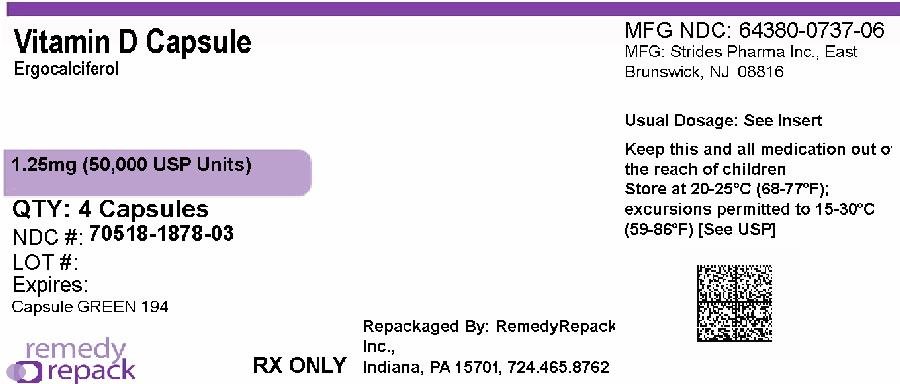
(vitamin · DailyMed)
PRO VITALITY +
OMEGA SALMON OIL PLUS CAROTENOID COMPLEX TRE-EN-EN ESSENTIAL VITAMIN & MINERAL COMPLEX
What it does
Carotenoids are natural pigments found in plants that are important for health, especially for maintaining good vision and supporting the immune system.
Commonly used for: supporting eye health (vision), boosting the immune system, acting as antioxidants
Read more in plain English ↓Plain-language summary for general understanding - not medical advice. Always follow your pharmacist/doctor.
Ask about this medicine
Answers come only from this medicine's registration record, BNF monograph and interaction data - not medical advice.
Hard to find? We help patients in Kenya source rare medicines. We don't sell or dispense medicines - licensed pharmacies do.
Source this medicineRegistration & product details
Source: Pharmacy and Poisons Board · fetched 2026-01-28 21:03:25 · updated 2026-07-26 13:45:46
Drug Interactions
7Severe (2)
Vitamin - increases risk of vitamin a toxicity
TretinoinispredictedtoincreasetheriskofvitaminAtoxicity whengivenwithvitaminA.Avoid.rStudy Ribavirin e
Vitamin - increases risk of vitamin a toxicity
Retinoids(tretinoin)arepredictedtoincreasetheriskof vitaminAtoxicitywhengivenwithvitaminA.Avoid.r Study VitaminDsubstances . . . . . alfacalcidol.calcipotri..ol calcitriol colecalciferol ergocalcifero
Moderate (1)
Vitamin - increases risk of toxicity
Retinoids (bexarotene) are predicted to increase the risk of toxicity when given with vitamin A. Adjust dose.
Unknown (4)
Vitamin - decreases effects
Carbamazepine is predicted to decrease the effects of vitamin D substances.
Vitamin - increases exposure
Cobicistat is predicted to increase the exposure to vitamin D substances (paricalcitol).
Vitamin - increases exposure
Idelalisib is predicted to increase the exposure to vitamin D substances (paricalcitol).
Vitamin - increases exposure
Clarithromycin is predicted to increase the exposure to vitamin D substances (paricalcitol).
Data from BNF 85 (British National Formulary). This is not a substitute for professional medical advice. Matched via: exact
About carotenoid
Carotenoids are natural pigments found in plants that are important for health, especially for maintaining good vision and supporting the immune system.
What it treats
- supporting eye health (vision)
- boosting the immune system
- acting as antioxidants
How it works
Carotenoids help protect cells from damage by neutralizing harmful free radicals and supporting overall health.
Who it's for
Carotenoids are suitable for anyone looking to improve their diet and support their overall health, particularly those concerned about their vision or immune function.
AI-assisted summary grounded in BNF data - general information only, not medical advice. Always confirm with your pharmacist or doctor.
About complex
Complex is a medication used to treat various health conditions. It works in the body to help improve symptoms.
How it works
Complex helps the body by influencing certain processes to improve health.
Who it's for
This medication is for individuals with specific health conditions as determined by a healthcare provider.
AI-assisted summary grounded in BNF data - general information only, not medical advice. Always confirm with your pharmacist or doctor.
About essential
Essential is a medication often used to support overall health and wellness.
What it treats
- general health support
- nutritional supplementation
How it works
Essential provides necessary nutrients that the body needs to function properly.
Who it's for
This medication is for anyone looking to improve their health and nutritional intake.
AI-assisted summary grounded in BNF data - general information only, not medical advice. Always confirm with your pharmacist or doctor.
About mineral
Mineral supplements provide essential nutrients that help maintain overall health and support various bodily functions.
What it treats
- nutritional deficiencies
- bone health (osteoporosis prevention)
- immune system support
How it works
Minerals are natural substances that your body needs to function properly. They help with processes like building strong bones and teeth, making hormones, and maintaining heart health.
Who it's for
Mineral supplements are suitable for individuals who may not get enough minerals from their diet, such as the elderly, pregnant women, or people with certain health conditions.
AI-assisted summary grounded in BNF data - general information only, not medical advice. Always confirm with your pharmacist or doctor.
About omega
Omega is a supplement that supports overall health, particularly for heart and brain function.
What it treats
- heart health
- brain health
- joint health
How it works
Omega works by providing essential fatty acids that the body needs for various functions, including reducing inflammation and supporting cell health.
Who it's for
Omega is suitable for adults looking to improve their heart and brain health or manage joint discomfort.
AI-assisted summary grounded in BNF data - general information only, not medical advice. Always confirm with your pharmacist or doctor.
About plus
Plus is a medication used to treat various conditions, but specific details about its effects must be provided by a healthcare professional.
How it works
The exact mechanism of how Plus works is not specified, but it is designed to address certain medical conditions.
Who it's for
Plus may be prescribed for individuals with specific health issues, determined by a healthcare provider.
AI-assisted summary grounded in BNF data - general information only, not medical advice. Always confirm with your pharmacist or doctor.
About salmon
Salmon is a nutritious fish that is rich in omega-3 fatty acids, which are beneficial for heart health and overall wellness.
What it treats
- heart health
- joint health
- skin health
How it works
Salmon contains omega-3 fatty acids that help reduce inflammation in the body and support heart function.
Who it's for
Salmon can be enjoyed by most people as part of a balanced diet, particularly those looking to improve their heart and joint health.
AI-assisted summary grounded in BNF data - general information only, not medical advice. Always confirm with your pharmacist or doctor.
About vitamin
Vitamins are essential nutrients that support various bodily functions and overall health.
What it treats
- nutritional deficiency
- general health maintenance
How it works
Vitamins support normal bodily functions, including metabolism, immune function, and cell repair.
Who it's for
Anyone needing to improve their nutrient intake or maintain good health.
AI-assisted summary grounded in BNF data - general information only, not medical advice. Always confirm with your pharmacist or doctor.
Clinical monograph: carotenoid
BNF-referencedCarotenoids are a class of pigments found naturally in many plants, contributing to the red, orange, and yellow colors of fruits and vegetables. They are also antioxidants, playing a role in protecting cells from damage caused by free radicals. Carotenoids are precursors to vitamin A, which is essential for various bodily functions, including vision, immune function, and skin health.
Indications
- Antioxidant supplementation
- Prevention of vitamin A deficiency
- Support for eye health
- Potential reduction of chronic disease risk
Dosage
Children: Refer to the BNF for Children for appropriate dosing information for pediatric patients.
Adults: Refer to the specific product guidelines for dosing information, as it can vary based on the form and concentration of carotenoids.
Mechanism of action
Carotenoids exert their effects primarily through their antioxidant properties, scavenging free radicals and reducing oxidative stress. They also modulate cell signaling pathways and gene expression related to cell growth and differentiation. Specific carotenoids, such as beta-carotene, can be converted into retinol (vitamin A) in the body, influencing vision and immune responses.
Pharmacodynamics
Carotenoids have been shown to influence various biological processes, such as reducing inflammation and modulating immune responses. Their antioxidant activity helps protect against cellular damage and may contribute to a lower risk of chronic diseases, including certain cancers and cardiovascular diseases. The bioavailability and effectiveness of carotenoids can vary based on dietary sources and individual metabolism.
Pharmacokinetics
Carotenoids are absorbed primarily in the intestine, with their bioavailability influenced by dietary fat intake. After absorption, they are transported in the blood by lipoproteins, with a significant portion stored in the liver and adipose tissue. The elimination half-life varies depending on the specific carotenoid and individual factors, but they are generally excreted in bile and urine.
Adverse effects
- Carotenemia (yellowing of the skin)
- Nausea
- Diarrhea
- Skin rash
Precautions
- Use with caution in patients with a history of hypersensitivity to carotenoids.
- Monitor patients with diabetes as high doses may affect glycemic control.
Pregnancy
Carotenoids are generally considered safe during pregnancy, but high doses should be avoided.
Breast-feeding
Carotenoids are excreted in breast milk in small amounts, but are considered safe during breastfeeding.
Storage
Store in a cool, dry place away from light.
Formulations
- Capsules
- Tablets
- Liquid formulations
AI-synthesized from BNF references - general information only, not a substitute for professional medical advice or the current BNF. Verify doses with a pharmacist.
Clinical monograph: complex
Complex refers to a category of pharmacological agents that interact with various biological systems to produce therapeutic effects. These compounds often consist of multiple components, which may enhance efficacy or reduce side effects. Their exact classification and specific therapeutic uses depend on the individual agent.
Dosage
Children: Refer to specific drug guidelines or BNF for Children for accurate dosing information.
Adults: Refer to specific drug guidelines or BNF for accurate dosing information.
Mechanism of action
The mechanism of action of complex drugs can vary widely depending on their composition. Generally, these agents may act by modulating receptor activity, inhibiting enzyme pathways, or altering cellular signaling pathways. For instance, they may function as agonists or antagonists at specific receptors, influencing physiological responses such as neurotransmission or inflammation.
Pharmacodynamics
The pharmacodynamics of complex drugs involves understanding how they affect the body over time, including their potency, efficacy, and duration of action. These drugs may exhibit dose-dependent effects, where higher doses lead to increased therapeutic actions or side effects. Additionally, the interactions between the components of a complex formulation can result in synergistic or antagonistic effects, impacting the overall therapeutic outcome.
Pharmacokinetics
Pharmacokinetics of complex drugs encompasses the absorption, distribution, metabolism, and excretion (ADME) of the drug components. Absorption can be influenced by the formulation, while distribution may vary based on the lipophilicity and protein binding of each component. Metabolism often occurs in the liver, with various enzymes involved, and excretion typically takes place via renal or biliary pathways. The half-life of complex drugs can vary significantly based on their individual components.
Pregnancy
Consult healthcare provider. Risk-benefit assessment is essential before use.
Breast-feeding
Consult healthcare provider. Monitor for potential effects on the infant.
Storage
Store in a cool, dry place away from direct sunlight. Keep out of reach of children.
AI-synthesized from BNF references - general information only, not a substitute for professional medical advice or the current BNF. Verify doses with a pharmacist.
Clinical monograph: essential
Essential is a term often used to refer to essential medicines, which are those that satisfy the priority health care needs of the population. They are selected based on their efficacy, safety, and cost-effectiveness. Essential medicines are critical for the treatment of common diseases and conditions, and they form the basis of a health system's ability to provide necessary pharmacological treatments.
Indications
- Infectious diseases
- Pain management
- Chronic diseases management
- Acute conditions
- Preventive care
Dosage
Children: Refer to specific guidelines for individual essential medicines as dosing varies widely.
Adults: Refer to specific guidelines for individual essential medicines as dosing varies widely.
Mechanism of action
The mechanisms of action for essential medicines vary widely depending on the specific drug. Generally, they can include a variety of pathways, such as inhibition of bacterial cell wall synthesis, modulation of neurotransmitter systems, or alteration of metabolic pathways. This diversity allows them to address a wide range of conditions effectively.
Pharmacodynamics
Pharmacodynamics of essential medicines involve their effects on the body and the mechanisms through which they exert therapeutic effects. This can include interactions with specific receptors, enzymes, or other molecular targets that result in a physiological response. For example, antibiotics can inhibit bacterial growth, while analgesics may modulate pain pathways in the central nervous system.
Pharmacokinetics
Pharmacokinetics of essential medicines vary significantly based on the specific drug and can include absorption, distribution, metabolism, and excretion (ADME). Generally, pharmacokinetic parameters such as bioavailability, volume of distribution, half-life, and clearance are critical in determining the dosing regimens and effectiveness of these medicines.
Pregnancy
Consult a healthcare provider before use. Safety during pregnancy has not been well established.
Breast-feeding
Consult a healthcare provider before use. Safety during breastfeeding has not been well established.
Storage
Store in a cool, dry place, away from direct sunlight. Keep out of reach of children.
AI-synthesized from BNF references - general information only, not a substitute for professional medical advice or the current BNF. Verify doses with a pharmacist.
Clinical monograph: mineral
Mineralocorticoids are a class of steroid hormones that regulate sodium and potassium balance in the body, primarily through their action on the kidneys. They promote sodium retention, potassium excretion, and water retention, thus influencing blood pressure and fluid balance. Commonly used mineralocorticoids include aldosterone and synthetic analogs.
Indications
- Primary adrenal insufficiency (Addison's disease)
- Congenital adrenal hyperplasia
- Orthostatic hypotension
- Heart failure
- Hypertension associated with hyperaldosteronism
Dosage
Children: Refer to the BNF for Children for appropriate dosing recommendations based on age and weight.
Adults: Refer to specific guidelines in the BNF for adequate dosing. Dosing should be individualized based on the condition being treated and patient response.
Mechanism of action
Mineralocorticoids exert their effects by binding to mineralocorticoid receptors (MR) in target tissues such as the kidneys, colon, and heart. This binding leads to the activation of genes responsible for sodium reabsorption, potassium secretion, and water retention, ultimately resulting in increased blood volume and blood pressure.
Pharmacodynamics
The pharmacodynamic effects of mineralocorticoids include increased renal tubular reabsorption of sodium and increased urinary excretion of potassium. These actions lead to fluid retention and increased blood pressure. Additionally, they have roles in electrolyte balance and the regulation of cardiovascular function.
Pharmacokinetics
Mineralocorticoids are typically administered orally or intravenously and are well absorbed from the gastrointestinal tract. They have variable half-lives depending on the specific compound used. The metabolism occurs primarily in the liver, and elimination is predominantly via renal excretion. The pharmacokinetics can be affected by various drug interactions, as seen with certain medications that alter their metabolism or clearance.
Interactions
- cobicistat+mineralocorticoidreceptorantagonists: Severe (increases exposure)
- dabrafenib+mineralocorticoidreceptorantagonists: Severe (decreases exposure)
- bosentan+mineralocorticoidreceptorantagonists: Severe (decreases exposure)
- idelalisib+mineralocorticoidreceptorantagonists: Severe (increases exposure)
- clarithromycin+mineralocorticoidreceptorantagonists: Severe (increases exposure)
- mitotane+mineralocorticoidreceptorantagonists: Severe (decreases exposure)
- rifampicin+mineralocorticoidreceptorantagonists: Severe (decreases exposure)
- stjohn’swort+mineralocorticoidreceptorantagonists: Severe (decreases exposure)
- cenobamate+mineralocorticoidreceptorantagonists: Moderate (decreases exposure)
- amiodarone+mineralocorticoidreceptorantagonists: Unknown (increases exposure)
Pregnancy
null
Breast-feeding
null
Storage
null
AI-synthesized from BNF references - general information only, not a substitute for professional medical advice or the current BNF. Verify doses with a pharmacist.
Clinical monograph: omega
Omega, commonly referred to in the context of omega-3 and omega-6 fatty acids, is a group of polyunsaturated fatty acids (PUFAs) essential for human health. They are not synthesized by the body and must be obtained through diet or supplements. Omega-3 fatty acids include eicosapentaenoic acid (EPA) and docosahexaenoic acid (DHA), while omega-6 fatty acids include linoleic acid. These fatty acids play critical roles in various physiological processes, including inflammation, cardiovascular health, and brain function.
Indications
- Cardiovascular disease prevention
- Hypertriglyceridemia
- Rheumatoid arthritis
- Inflammatory bowel disease
- Cognitive decline and dementia
- Mood disorders
Dosage
Adults: Dosage varies based on the condition being treated. For general health, a common recommendation is 250-500 mg of combined EPA and DHA
Mechanism of action
Omega fatty acids exert their effects through various mechanisms, including the modulation of inflammatory pathways and the synthesis of specialized pro-resolving mediators. They are incorporated into cell membranes, affecting membrane fluidity and receptor function. Omega-3 fatty acids can also decrease the production of pro-inflammatory eicosanoids and increase anti-inflammatory mediators, promoting a balanced inflammatory response.
Pharmacodynamics
The pharmacodynamics of omega fatty acids involve their role in cellular signaling, gene expression, and lipid metabolism. Omega-3 fatty acids, particularly EPA and DHA, have been shown to influence the resolution of inflammation and enhance endothelial function. They also play a role in neuroprotection and cognitive function, with evidence suggesting that adequate omega-3 intake is associated with reduced risk of neurodegenerative diseases.
Pharmacokinetics
Omega fatty acids are absorbed in the intestine through the action of bile salts and pancreatic enzymes. Once absorbed, they are transported via chylomicrons into the lymphatic system and then into the bloodstream. They are distributed throughout the body, particularly in the brain and heart. The half-life of omega fatty acids can vary, with some studies suggesting an elimination half-life of several days to weeks, depending on the specific fatty acid and individual metabolism. They undergo beta-oxidation for energy production and can be converted into eicosanoids, which mediate various physiological functions.
Adverse effects
- Nausea
- Diarrhea
- Fishy aftertaste
- Allergic reactions
- Increased bleeding risk
Interactions
- Anticoagulants may increase the risk of bleeding when combined with omega-3 fatty acids
- Antihypertensive medications may have additive effects on blood pressure
Precautions
- Use cautiously in patients with bleeding disorders
- Monitor patients on anticoagulants for signs of increased bleeding
- Consider the source of omega-3 fatty acids, as some may contain contaminants
Pregnancy
Generally considered safe when used in recommended amounts, but high doses should be avoided due to potential bleeding risk.
Breast-feeding
Considered safe; omega-3 fatty acids can be beneficial for both mother and infant.
Storage
Store in a cool, dry place, away from light. Refrigeration may be required for some formulations to maintain stability.
Formulations
- Capsules
- Softgels
- Liquid oil
- Fortified foods
AI-synthesized from BNF references - general information only, not a substitute for professional medical advice or the current BNF. Verify doses with a pharmacist.
Clinical monograph: plus
Plus is a combination medication that is commonly used to manage symptoms of respiratory conditions, particularly in individuals suffering from cough, congestion, and other related ailments. It typically contains a mixture of active ingredients such as antihistamines, decongestants, and sometimes analgesics or antipyretics, depending on the formulation. The combination aims to alleviate symptoms associated with colds, allergies, and sinusitis.
Indications
- Allergic rhinitis
- Common cold
- Sinusitis
- Nasal congestion
- Cough associated with colds or allergies
Dosage
Children: Refer to B
Adults: Refer to specific product guidelines for dosing; generally taken every 4 to 6 hours as needed, not exceeding the maximum daily limit.
Mechanism of action
The active components in Plus work synergistically to relieve symptoms. Antihistamines block the action of histamine at H1 receptors, reducing allergy symptoms such as sneezing and runny nose. Decongestants act on alpha-adrenergic receptors in the nasal mucosa, leading to vasoconstriction and reduced edema, thereby relieving nasal congestion. If an analgesic or antipyretic is included, it typically works by inhibiting cyclooxygenase enzymes, leading to decreased production of prostaglandins, which are mediators of pain and fever.
Pharmacodynamics
The pharmacodynamic effects of Plus vary based on its specific formulation. Antihistamines provide symptomatic relief from allergic reactions, while decongestants improve airflow through the nasal passages. The analgesic component, if present, helps in reducing pain and fever, enhancing overall comfort during illness. The onset of action varies with the route of administration, generally occurring within 30 minutes to an hour after oral intake.
Pharmacokinetics
The pharmacokinetics of Plus depend on its individual components. Generally, antihistamines are well absorbed from the gastrointestinal tract, with peak plasma concentrations occurring within 1 to 3 hours. They undergo hepatic metabolism and are eliminated primarily through the urine. Decongestants also have good oral bioavailability, with a similar onset of action. Their elimination half-lives vary, ranging from 2 to 12 hours. If analgesic components are present, they may have longer half-lives and specific metabolic pathways.
AI-synthesized from BNF references - general information only, not a substitute for professional medical advice or the current BNF. Verify doses with a pharmacist.
Clinical monograph: salmon
Salmon is a type of fish that is widely consumed for its nutritional benefits, particularly its high content of omega-3 fatty acids, protein, vitamins, and minerals. It is known for its health benefits, including cardiovascular support and anti-inflammatory properties. Salmon is commonly found in both wild and farmed varieties, with differing nutritional profiles.
Indications
- Cardiovascular disease prevention
- Management of hypertriglyceridemia
- Support for cognitive health
- Reduction of inflammation
- Improvement of joint health in conditions such as rheumatoid arthritis
Dosage
Children: Refer to dietary guidelines for children regarding fish consumption. Generally, it is advised to introduce fish into a child's diet as part of a balanced diet.
Adults: Refer to established dietary guidelines for omega-3 fatty acids. Typical recommendations suggest 1-2 servings of fatty fish per week.
Mechanism of action
The primary active components in salmon, particularly the omega-3 fatty acids (EPA and DHA), exert their effects by integrating into cell membranes and influencing cell signaling pathways. They modulate inflammatory responses and promote anti-inflammatory mediators. Omega-3 fatty acids also impact lipid metabolism and improve endothelial function, contributing to cardiovascular health.
Pharmacodynamics
The consumption of omega-3 fatty acids from salmon leads to a reduction in triglyceride levels, decreased platelet aggregation, and improved endothelial function. This results in a lower risk of atherosclerosis and other cardiovascular diseases. The anti-inflammatory properties of omega-3s are mediated through the production of resolvins and protectins, which help resolve inflammation.
Pharmacokinetics
After ingestion, the omega-3 fatty acids are absorbed in the intestines and transported via chylomicrons into the bloodstream. They are distributed throughout the body, with a high affinity for phospholipid membranes of cells. The half-life of omega-3 fatty acids can vary; however, they may accumulate in tissues over time, providing prolonged effects. Metabolism occurs primarily in the liver, where they are converted into various bioactive metabolites.
Adverse effects
- Allergic reactions
- Gastrointestinal disturbances
- Nausea
- Diarrhea
- Headache
Precautions
- Monitor for allergic reactions
- Use caution in patients with fish allergies
Pregnancy
Generally considered safe, but consult a healthcare provider for individual assessment.
Breast-feeding
Considered safe, although consult a healthcare provider for individual assessment.
Storage
Store in a cool, dry place, away from direct sunlight. Refrigerate if necessary.
Formulations
- Fresh
- Canned
- Smoked
- Dried
AI-synthesized from BNF references - general information only, not a substitute for professional medical advice or the current BNF. Verify doses with a pharmacist.
Clinical monograph: vitamin
BNF-referencedVitamins are organic compounds that are essential for various metabolic processes in the body. They play crucial roles in maintaining health, supporting the immune system, and promoting growth and development. Different vitamins have specific functions, and they are required in varying amounts depending on age, sex, and physiological conditions.
Indications
- Vitamin deficiency syndromes (e.g., scurvy for vitamin C deficiency, rickets for vitamin D deficiency)
- Support for immune function
- Antioxidant support
- Bone health maintenance
- Vision health
- Energy metabolism support
Dosage
Children: Refer to the BNF for Children for specific vitamin dosing guidelines, which depend on age and nutritional requirements.
Adults: Refer to specific vitamin guidelines as dosage varies significantly depending on the type of vitamin and individual needs.
Mechanism of action
Vitamins function primarily as coenzymes or precursors for coenzymes in enzymatic reactions. For instance, B vitamins are involved in energy metabolism, while vitamins A, C, D, E, and K support various physiological functions including vision, antioxidant activity, calcium regulation, and blood clotting. Each vitamin has a unique mechanism of action based on its structure and role in the body.
Pharmacodynamics
Vitamins exert their effects at the cellular level, influencing metabolic pathways, gene expression, and immune responses. For example, vitamin D regulates calcium and phosphate homeostasis, while vitamin A is crucial for vision and immune function. Deficiencies in vitamins can lead to a range of disorders, highlighting their importance in maintaining health.
Pharmacokinetics
The pharmacokinetics of vitamins vary widely. Fat-soluble vitamins (A, D, E, and K) are stored in liver and adipose tissues and can be released into circulation as needed. Water-soluble vitamins (B-complex and C) are not stored and must be consumed regularly, with excess amounts excreted in urine. Absorption rates, half-lives, and distribution can also differ based on the specific vitamin and individual metabolic factors.
Interactions
- tretinoin+vitamin: Severe (increases risk of vitamin toxicity)
- retinoids+vitamin: Severe (increases risk of vitamin toxicity)
- retinoids+vitamin: Moderate (increases risk of toxicity)
- carbamazepine+vitamin: Unknown (decreases effects)
- cobicistat+vitamin: Unknown (increases exposure)
- vitamin D substances+digoxin: Unknown (increases risk of toxicity)
- idelalisib+vitamin: Unknown (increases exposure)
- clarithromycin+vitamin: Unknown (increases exposure)
Pregnancy
Consult healthcare professional before use. Vitamin supplementation during pregnancy should be carefully managed to avoid hypervitaminosis.
Breast-feeding
Consult healthcare professional before use. Some vitamins can pass into breast milk and may affect the infant.
Storage
Store in a cool, dry place, away from direct sunlight. Ensure it is kept out of reach of children.
Formulations
- {'name': 'Vitamin A', 'form': 'Capsule', 'strength': '10000 IU'}
- {'name': 'Vitamin D', 'form': 'Tablet', 'strength': '1000 IU'}
- {'name': 'Vitamin E', 'form': 'Softgel', 'strength': '400 IU'}
AI-synthesized from BNF references - general information only, not a substitute for professional medical advice or the current BNF. Verify doses with a pharmacist.
Molecular reference: carotenoid
PubChem CID 11227325Molecular formula: C40H54O5
Source: PubChem (NCBI) · pathways from PathBank, Reactome, WikiPathways & PharmGKB.
Molecular reference: vitamin
PubChem CID 266052Molecular formula: C14H15NO7
Source: PubChem (NCBI) · pathways from PathBank, Reactome, WikiPathways & PharmGKB.
This drug in other countries
The same active ingredient registered across other registries we cover - including different brands.
- ABIVIT DROPS · Accelius Global
- ACTIKID MAGIC BEANS JELLY BEANS · Amapharm
- ADVACARE PRENATAL CARE TABLET · Yew Supplements
- ADVANCED EGG FORMULA POWDER · Advanced Agrovets Biotechnologies
- AJ WELLNESS HEPAVITAL SOFTGEL CAPSULES · Renown Pharmaceuticals
- AJ WELLNESS VITAL B PLUS SOFTGEL CAPSULES · Renown Pharmaceuticals