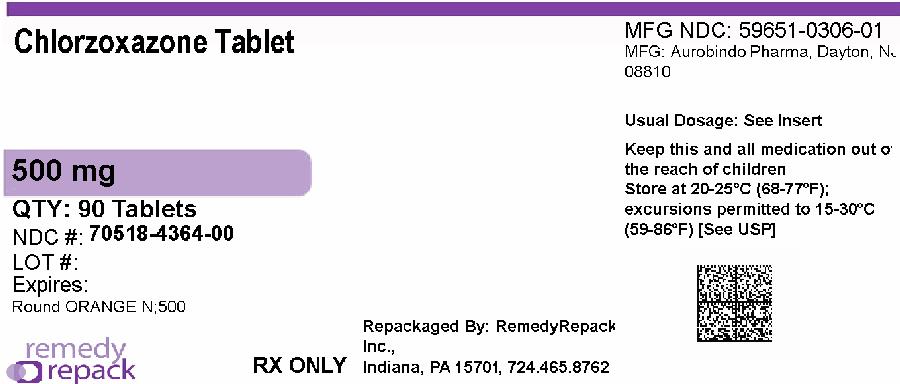
(chlorzoxazone · DailyMed)
PROFENAZONE CAPS
IBUPROFEN+CHLORZOXAZONE
What it does
Chlorzoxazone is a muscle relaxant used to relieve muscle pain and discomfort.
Commonly used for: muscle pain, muscle spasms
Read more in plain English ↓Plain-language summary for general understanding - not medical advice. Always follow your pharmacist/doctor.
Ask about this medicine
Answers come only from this medicine's registration record, BNF monograph and interaction data - not medical advice.
Hard to find? We help patients in Kenya source rare medicines. We don't sell or dispense medicines - licensed pharmacies do.
Source this medicineRegistration & product details
Source: Pharmacy and Poisons Board · fetched 2026-01-28 20:42:56 · updated 2026-07-26 11:33:21
Drug Interactions
14Pharmacodynamic Warnings
Ibuprofen appears in TABLE 2: Drugs that cause nephrotoxicity
Ibuprofen appears in TABLE 4: Drugs with antiplatelet effects
Ibuprofen appears in TABLE 16: Drugs that increase serum potassium
Ibuprofen appears in TABLE 18: Drugs that cause hyponatraemia
Severe (1)
Mifamurtide - decreases efficacy
NSAIDs(high-dose)arepredictedtodecreasetheefficacyof mifamurtide.Avoid.rTheoretical
Moderate (5)
Antiarrhythmics - increases exposure
NSAIDs (celecoxib) are predicted to increase the exposure to antiarrhythmics (flecainide, propafenone). Monitor and adjust dose.
Cladribine - increases exposure
NSAIDs(sulindac)mightincreasetheexposuretocladribine. Avoidoradjustdose.oTheoretical
Flecainide - increases exposure
NSAIDs (celecoxib) are predicted to increase the exposure to antiarrhythmics (flecainide, propafenone). Monitor and adjust dose.
Pemetrexed - increases exposure
NSAIDs are predicted to increase the exposure to pemetrexed. Use with caution or avoid. Also see TABLE 2 p. 1517
Propafenone - increases exposure
NSAIDs (celecoxib) are predicted to increase the exposure to antiarrhythmics (flecainide, propafenone). Monitor and adjust dose.
Unknown (8)
Alendronate - increases risk of gastrointestinal irritation
NSAIDs are predicted to increase the risk of gastrointestinal irritation when given with bisphosphonates (alendronate, ibandronate).
Bisphosphonates - increases risk of gastrointestinal irritation
NSAIDs are predicted to increase the risk of gastrointestinal irritation when given with bisphosphonates (alendronate, ibandronate).
Bisphosphonates - increases risk of renal impairment
NSAIDs are predicted to increase the risk of renal impairment when given with bisphosphonates (clodronate).
Clodronate - increases risk of renal impairment
NSAIDs are predicted to increase the risk of renal impairment when given with clodronate.
Deferasirox - increases risk of gastrointestinal bleeding
NSAIDs are predicted to increase the risk of gastrointestinal bleeding when given with deferasirox.
Deferiprone - increases exposure
NSAIDs(diclofenac)arepredictedtoincreasetheexposureto deferiprone.oTheoretical
Ibandronate - increases risk of gastrointestinal irritation
NSAIDs are predicted to increase the risk of gastrointestinal irritation when given with bisphosphonates (alendronate, ibandronate).
Ironchelators - increases risk of gastrointestinal bleeding
NSAIDs are predicted to increase the risk of gastrointestinal bleeding when given with iron chelators (deferasirox).
Data from BNF 85 (British National Formulary). This is not a substitute for professional medical advice. Matched via: class
About chlorzoxazone
Chlorzoxazone is a muscle relaxant used to relieve muscle pain and discomfort.
What it treats
- muscle pain
- muscle spasms
How it works
It helps to relax the muscles, making it easier to move and reducing pain.
Who it's for
It is for adults experiencing muscle pain or spasms.
AI-assisted summary grounded in BNF data - general information only, not medical advice. Always confirm with your pharmacist or doctor.
About ibuprofen
Ibuprofen is a non-steroidal anti-inflammatory drug (NSAID) that helps reduce pain, inflammation, and fever.
What it treats
- mild to moderate pain (like headaches or toothaches)
- inflammation (like arthritis)
- fever (high temperature)
How it works
Ibuprofen works by blocking substances in the body that cause pain and inflammation.
Who it's for
Ibuprofen is suitable for adults and children over certain ages, but always check with a healthcare provider for specific use.
Drug class
NSAIDs
Cautions
- • Be careful if you are taking medications that can harm your kidneys.
- • Avoid using with medications that prevent blood clots.
- • Caution if you take drugs that can raise potassium levels in the blood.
- • Be aware if you are taking medications that cause low sodium levels.
AI-assisted summary grounded in BNF data - general information only, not medical advice. Always confirm with your pharmacist or doctor.
Clinical monograph: chlorzoxazone
BNF-referencedChlorzoxazone is a centrally-acting muscle relaxant used primarily to relieve muscle spasms associated with painful musculoskeletal conditions. It is effective in reducing discomfort and increasing mobility in patients experiencing muscle tension or spasms due to various etiologies.
Indications
- Muscle spasms from musculoskeletal conditions
- Pain associated with muscle tension
- Skeletal muscle spasm relief
Dosage
Children: Refer to the BNF for Children for specific dosing guidance.
Adults: Refer to the BNF for specific dosing guidance.
Mechanism of action
Chlorzoxazone inhibits degranulation of mast cells, preventing the release of histamine and slow-reacting substance of anaphylaxis (SRS-A), which are mediators of type I allergic reactions. It may also reduce the release of inflammatory leukotrienes. The drug acts by inhibiting calcium and potassium influx, leading to neuronal inhibition and muscle relaxation. Primarily, it exerts its effects at the spinal cord and subcortical areas of the brain, inhibiting multisynaptic reflex arcs responsible for muscle spasms.
Pharmacodynamics
Chlorzoxazone is effective as a centrally-acting agent for managing painful musculoskeletal conditions. It works by inhibiting the reflex pathways in the central nervous system that contribute to muscle spasms, resulting in reduced spasticity, relief of pain, and improved mobility of the affected muscles.
Pharmacokinetics
Chlorzoxazone is absorbed from the gastrointestinal tract and is metabolized in the liver, primarily via cytochrome P450 enzymes. It has a relatively short half-life, which may necessitate multiple dosing throughout the day for sustained effect. The metabolites are primarily excreted in the urine.
Adverse effects
- Drowsiness
- Dizziness
- Nausea
- Vomiting
- Rash
- Hepatotoxicity
Interactions
- Alcohol may enhance the sedative effects of chlorzoxazone.
- Caution is advised when used with other CNS depressants.
Precautions
- Use with caution in patients with liver disease.
- Monitor for signs of hepatotoxicity during treatment.
- Caution in patients with a history of allergy to chlorzoxazone or similar agents.
Pregnancy
Chlorzoxazone should only be used during pregnancy if the potential benefit justifies the potential risk to the fetus, as safety data is limited.
Breast-feeding
Chlorzoxazone is excreted in breast milk; caution is advised when administering to nursing mothers.
Storage
Store at room temperature, away from excess heat and moisture. Keep out of reach of children.
Formulations
- Tablets
- Capsules
AI-synthesized from BNF references - general information only, not a substitute for professional medical advice or the current BNF. Verify doses with a pharmacist.
Clinical monograph: Ibuprofen
BNF-referencedIbuprofen is a non-steroidal anti-inflammatory drug (NSAID) used to relieve pain, reduce inflammation, and lower fevers. It is commonly used for conditions such as musculoskeletal disorders, dysmenorrhea, postoperative pain, and dental pain. Ibuprofen works by inhibiting enzymes involved in the synthesis of prostaglandins, which are responsible for pain and inflammation.
Indications
- Pain and inflammation in musculoskeletal disorders
- Mild to moderate pain including dysmenorrhea
- Postoperative analgesia
- Dental pain
- Migraine
- Fever
Dosage
Adults: Initially 300–400 mg 3–4 times a day; increase if necessary up to 600 mg 4 times a day; maintenance 200–400 mg 3 times a day, may be adequate.
Mechanism of action
The exact mechanism of action of ibuprofen is unknown. However, it is considered a non-selective inhibitor of cyclooxygenase (COX), which is involved in the synthesis of prostaglandins and thromboxane. By inhibiting COX-1 and COX-2, ibuprofen decreases the production of prostaglandins that mediate inflammation, pain, and fever, while COX-1 inhibition may lead to gastrointestinal side effects.
Pharmacodynamics
Ibuprofen exerts its analgesic effects through multiple pathways involved in both acute and chronic inflammation. It reduces pain and inflammation by inhibiting the synthesis of prostanoids via COX-1 and COX-2. The pain relief is believed to be mediated through both peripheral effects at the site of injury and central effects within the nervous system, particularly affecting pain transmission pathways. Additionally, ibuprofen has antipyretic effects linked to its action on prostanoid synthesis in the hypothalamus.
Pharmacokinetics
Ibuprofen is rapidly absorbed from the gastrointestinal tract, with peak plasma concentrations typically occurring within 1 to 2 hours after oral administration. It is extensively metabolized in the liver, primarily by oxidation, and has an elimination half-life of approximately 2 to 4 hours. The drug is excreted mainly in the urine, with a small proportion eliminated unchanged. Renal impairment may affect ibuprofen clearance, necessitating caution in patients with compromised kidney function.
Contra-indications
- History of hypersensitivity to aspirin or any other NSAID
- Severe renal impairment
- Severe hepatic impairment
- Active peptic ulcer disease
- Caution in patients with asthma, angioedema, urticaria, or rhinitis precipitated by NSAIDs
Adverse effects
- Gastrointestinal ulceration
- Nausea
- Vomiting
- Diarrhea
- Dizziness
- Rash
- Headache
- Tinnitus
- Visual impairment
- Fluid retention
- Increased blood pressure
Interactions
- Increased risk of gastrointestinal bleeding with other NSAIDs or anticoagulants
- May reduce the antihypertensive effect of ACE inhibitors
- May increase serum levels of lithium
- May enhance the effects of other anticoagulants
- Caution with corticosteroids due to increased risk of gastrointestinal side effects
Precautions
- Use with caution in patients with mild to moderate hepatic impairment
- Use with caution in patients with mild to moderate renal impairment
- Monitor for signs of gastrointestinal bleeding
- Avoid use during the third trimester of pregnancy
Pregnancy
Avoid unless the potential benefit outweighs the risk. Avoid during the third trimester due to the risk of closure of the fetal ductus arteriosus and possibly persistent pulmonary hypertension of the newborn.
Breast-feeding
Small amounts are present in milk. Manufacturer advises to avoid unless necessary.
Storage
Store in a cool, dry place away from direct sunlight. Keep out of reach of children.
Formulations
- Tablets (200 mg, 400 mg)
- Oral suspension (100 mg/5 mL)
- Gel (5%) for topical application
- Suppositories (various strengths)
AI-synthesized from BNF references - general information only, not a substitute for professional medical advice or the current BNF. Verify doses with a pharmacist.
Molecular reference: chlorzoxazone
PubChem CID 2733Molecular formula: C7H4ClNO2
Mechanism of action
Chlorzoxazone inhibits degranulation of mast cells, subsequently preventing the release of histamine and slow-reacting substance of anaphylaxis (SRS-A), mediators of type I allergic reactions. Chlorzoxazone also may reduce the release of inflammatory leukotrienes. Chlorzoxazone may act by inhibiting calcium and potassium influx which would lead to neuronal inhibition and muscle relaxation. Data available from animal experiments as well as human study indicate that chlorzoxazone acts primarily at the level of the spinal cord and subcortical areas of the brain where it inhibits multisynaptic reflex arcs involved in producing and maintaining skeletal muscle spasm
Pharmacodynamics
Chlorzoxazone is a centrally-acting agent for painful musculoskeletal conditions. Data available from animal experiments as well as human study indicate that chlorzoxazone acts primarily at the level of the spinal cord and subcortical areas of the brain where it inhibits multisynaptic reflex a.c. involved in producing and maintaining skeletal muscle spasm of varied etiology. The clinical result is a reduction of the skeletal muscle spasm with relief of pain and increased mobility of the involved muscles.
Biological pathways
Source: PubChem (NCBI) · pathways from PathBank, Reactome, WikiPathways & PharmGKB.
Molecular reference: Ibuprofen
PubChem CID 3672Molecular formula: C13H18O2
Mechanism of action
The exact mechanism of action of ibuprofen is unknown. However, ibuprofen is considered an NSAID and thus it is a non-selective inhibitor of cyclooxygenase, which is an enzyme involved in prostaglandin (mediators of pain and fever) and thromboxane (stimulators of blood clotting) synthesis via the arachidonic acid pathway. Ibuprofen is a non-selective COX inhibitor and hence, it inhibits the activity of both COX-1 and COX-2. The inhibition of COX-2 activity decreases the synthesis of prostaglandins involved in mediating inflammation, pain, fever, and swelling while the inhibition of COX-1 is thought to cause some of the side effects of ibuprofen including GI ulceration. IBUPROFEN AT 25 MG/KG IV INCREASED THE PRIMARY AND TOTAL HEMOSTATIC PLUG FORMATION TIME IN RABBIT EAR CHAMBERS WITH LASER-INDUCED INJURY. THE SAME DOSE INCREASED THE NUMBER OF CUMULATIVE EMBOLI OVER A 10 MINUTE PERIOD AFTER A LASER INJURY TO ARTERIOLES. IN DOGS, DOSES OF 10, 25, AND 50 MG/KG DID NOT ENHANCE THE RELEASE OF (125)I-LABELED FIBRIN DEGRADATION PRODUCTS FROM THE THROMBI AFTER INCUBATION IN PLASMIN, BUT THE LARGEST DOSE SIGNIFICANTLY DECREASED THE THROMBUS WEIGHT 90 AND 180 MINUTES AFTER DRUG ADMINISTRATION. THUS, IBUPROFEN HAD AN INHIBITORY EFFECT ON PLATELET FUNCTION IN VIVO AND IN LARGE DOSES DIMINISHED THE THROMBUS WEIGHT. L-Arginine (L-arg) exhibits multiple biological properties and plays an important role in the regulation of different functions in pathological conditions. Many of these effects could be achieved on this amino acid serving as a substrate for the enzyme nitric oxide synthase (NOS). At the gastrointestinal level, recent reports revealed its protective activities involving a hyperemic response increasing the gastric blood flow. The aim of this study was to characterize the relationship between NOS activity/expression and prostaglandin changes (PGs) in rats gastric mucosa, with L-arg associated resistance to the nonsteroidal anti-inflammatory drug (NSAID) ibuprofen (IBP). The protective effect of oral L-arg (100 mg/kg body wt), administerred together with IBP (100 mg/kg body wt, per os), was evident enough 90 min after drug administration, although a significant protection persisted for more than 6 hr. Pretreatment with N(G)-nitro-L-arginine (L-NNA) (40 mg/kg body wt, intraperitoneally), a competitive inhibitor of constitutive NOS, partly altered the protection afforded by the amino acid. In contrast, no changes could be observed after inducible NOS inhibition [aminoguanidine (AG) 50 mg/Kg body wt, intraperitoneally). L-arg, plus IBP, produced a significant increase of the cyclic GMP (cGMP) response in tissue samples from rat stomach, 90 min and 6 h after drug administration. iNOS activity and mRNA expression were higher in IBP-treated rats, and no differences were observed in inducible responses in the L-arg plus IBP group. No variations in the cNOS activity and expression were found among the different groups of animals assayed. The measurement of mucosal PGE2 content confirmed that biosynthesis of the eicosanoid is maintained by L-arg for over 90 min after IBP, while a total inhibition was observed 6 hr later. The mechanisms of the L-arg protective effect on the damaged induced by IBP could be explained by the different period after drug administration. The early phase is mediated by cyclooxygenase/prostaglandins pathway (COX/PGs) although NO liberated by cNOS and the guanylate cyclase/cGMP pathway could be also relevant. The later phase implicates inhibition of the iNOS/NO response. We previously showed the non-steroidal anti-inflammatory drug (NSAID) ibuprofen suppresses inflammation and amyloid in the APPsw (Tg2576) Tg2576 transgenic mouse. The mechanism for these effects and the impact on behavior are unknown. We now show ibuprofen's effects were not mediated by alterations in amyloid precursor protein (APP) expression or oxidative damage (carbonyls). Six months ibuprofen treatment in Tg+ females caused a decrease in open fie
Pharmacodynamics
Ibuprofen has multiple actions in different inflammatory pathways involved in acute and chronic inflammation. The main effects reported in ibuprofen are related to the control of pain, fever and acute inflammation by the inhibition of the synthesis of prostanoids by COX-1 and COX-2. Pain relief is attributed to peripheral affected regions and central nervous system effects in the pain transmission mediated by the dorsal horn and higher spinothalamic tract. Some reports have tried to link the pain regulation with a possible enhancement on the synthesis of endogenous cannabinoids and action on the NMDA receptors. The effect on pain has been shown to be related to the cortically evoked potentials. The antipyretic effect is reported to be linked to the effect on the prostanoid synthesis due to the fact that the prostanoids are the main signaling mediator of pyresis in the hypothalamic-preoptic region. The use of ibuprofen in dental procedures is attributed to the local inhibition of prostanoid production as well as to anti-oedemic activity and an increase of plasma beta-endorphins. Some reports have suggested a rapid local reduction of the expression of COX-2 in dental pulp derived by the administration of ibuprofen. The administration of ibuprofen in patients with rheumatic diseases has shown to control joint symptoms. Ibuprofen is largely used in OTC products such as an agent for the management of dysmenorrhea which has been proven to reduce the amount of menstrual prostanoids and to produce a reduction in the uterine hypercontractility. As well, it has been reported to reduce significantly the fever and the pain caused by migraines. This effect is thought to be related to the effect on platelet activation and thromboxane A2 production which produces local vascular effects in the affected regions. This effect is viable as ibuprofen can enter in the central nervous system. In the investigational uses of ibuprofen, it has been reported to reduce neurodegeneration when given in low doses over a long time. On the other hand, its use in Parkinson disease is related to the importance of inflammation and oxidative stress in the pathology of this condition. The use of ibuprofen for breast cancer is related to a study that shows a decrease of 50% in the rate of breast cancer.
Biological pathways
Source: PubChem (NCBI) · pathways from PathBank, Reactome, WikiPathways & PharmGKB.
This drug in other countries
The same active ingredient registered across other registries we cover - including different brands.
- BAVUI SYRUP (Each 5ml contains Ibuprofen 100mg) · Ha Noi CPC1 Pharmaceutical
- BENYLIN DAYTIME FLU TABLETS (Each tablet contains Ibuprofen/Pseudoephedrine 200mg/30mg) · Johnson & Johnson
- BETAFEN SYRUP · Beta Healthcare
- BLOWEN SYRUP (Each 5ml contains Ibuprofen 100mg) · Ha Noi CPC1 Pharmaceutical
- BRUFEN SYRUP · Abbvie
- BUBU PR TABLET (Each Tablet Contains Ibuprofen/Paracetamol/Caffeine 200mg/325/30mg) · Nimesh Pharma