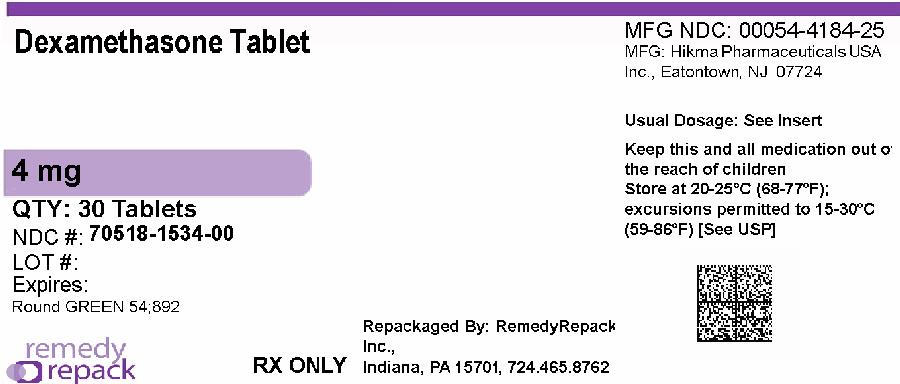
(dexamethasone · DailyMed)
Pyricort Ear/Eye Drops
Benzalkonium chloride IU/ml,Dexamethasone Sodium Phosphate equivalent to Dexamethasone Phosphate 0.1 % w/v,Disodium Edetate IU/ml,Disodium phosphate dodecahydrate IU/ml,Gentamycin Sulphate equivalent to Gemtamicin 0.3 % w/v,Sodium Dihydrogen Phosphate Dihydrate IU/ml
What it does
Benzalkonium is a disinfectant and antiseptic used to kill germs and prevent infections.
Commonly used for: skin infections, wound cleaning, eye infections, nasal congestion relief
Read more in plain English ↓Plain-language summary for general understanding - not medical advice. Always follow your pharmacist/doctor.
Ask about this medicine
Answers come only from this medicine's registration record, BNF monograph and interaction data - not medical advice.
Medicine sourcing is available in Kenya only. We don't sell or dispense medicines - licensed pharmacies do.
Sourcing - Kenya onlyRegistration & product details
Source: Tanzania Medicines and Medical Devices Authority · fetched 2026-03-11 23:45:02 · updated 2026-10-26 03:00:44
Drug Interactions
48Pharmacodynamic Warnings
Dexamethasone appears in TABLE 17: Drugs that reduce serum potassium
Severe (2)
Avapritinib - decreases exposure
Dexamethasoneispredictedtodecreasetheexposureto avapritinib.Avoid.rTheoretical
Mifamurtide - decreases efficacy
Corticosteroidsarepredictedtodecreasetheefficacyof mifamurtide.Avoid.rTheoretical
Moderate (24)
Corticosteroids - increases exposure
Dronedarone is predicted to increase the exposure to corticosteroids (methylprednisolone). Monitor and adjust dose.
Corticosteroids - increases concentration
Miconazole is predicted to increase the concentration of corticosteroids (methylprednisolone). Monitor and adjust dose.
Corticosteroids - increases exposure
Antifungals, azoles (fluconazole, isavuconazole, posaconazole) are predicted to increase the exposure to corticosteroids (methylprednisolone). Monitor and adjust dose.
Corticosteroids - decreases exposure
Cenobamate is predicted to decrease the exposure to corticosteroids (fluticasone). Adjust dose.
Corticosteroids - decreases efficacy
Mifepristone is predicted to decrease the efficacy of corticosteroids. Use with caution and adjust dose.
Unknown (22)
Aspirin - decreases concentration
Corticosteroids are predicted to decrease the concentration of aspirin (high-dose) and aspirin (high-dose) increases the risk of gastrointestinal bleeding when given with corticosteroids.
Caspofungin - decreases concentration
Dexamethasone is predicted to decrease the concentration of caspofungin. Adjust caspofungin dose, p. 654.
Choline Salicylate - decreases concentration
Corticosteroids are predicted to decrease the concentration of cholinesalicylate. Ciclesonide → see corticosteroids Ciclosporin → see TABLE 2 p. 1517 (nephrotoxicity), TABLE 16 p. 1521 (increased seru
Corticosteroids - increases exposure
Cobicistat is predicted to increase the exposure to corticosteroids (beclometasone) (risk with beclometasone is likely to be lower than with other corticosteroids).
Corticosteroids - increases risk of gastrointestinal perforation
Erlotinib is predicted to increase the risk of gastrointestinal perforation when given with corticosteroids.
Data from BNF 85 (British National Formulary). This is not a substitute for professional medical advice. Matched via: exact
About benzalkonium
Benzalkonium is a disinfectant and antiseptic used to kill germs and prevent infections.
What it treats
- skin infections
- wound cleaning
- eye infections
- nasal congestion relief
How it works
Benzalkonium works by disrupting the cell membranes of bacteria and viruses, effectively killing them.
Who it's for
It is suitable for adults and children needing antiseptic treatment or disinfection.
Cautions
- • Avoid contact with eyes and sensitive skin.
- • Do not use on deep wounds or serious burns.
AI-assisted summary grounded in BNF data - general information only, not medical advice. Always confirm with your pharmacist or doctor.
About dexamethasone
Dexamethasone is a corticosteroid used to treat various conditions by reducing inflammation and suppressing the immune system.
What it treats
- inflammation
- allergic reactions
- certain cancers
- autoimmune diseases (e.g., lupus)
- skin conditions (e.g., eczema)
How it works
It works by mimicking the effects of hormones produced by the adrenal glands, helping to decrease inflammation and control the immune response.
Who it's for
It is prescribed for adults and children with specific health issues that require inflammation control or immune suppression.
Drug class
Corticosteroids
Cautions
- • Be cautious if taking medications that lower potassium levels.
AI-assisted summary grounded in BNF data - general information only, not medical advice. Always confirm with your pharmacist or doctor.
About dihydrogen
Dihydrogen is a simple chemical compound that is commonly found in nature. It is essential for many biological processes.
What it treats
- water (a vital component for life)
- involved in chemical reactions
How it works
Dihydrogen plays a key role in chemical reactions, especially in forming water and other compounds.
Who it's for
Everyone, as it is a fundamental part of water and essential for life.
AI-assisted summary grounded in BNF data - general information only, not medical advice. Always confirm with your pharmacist or doctor.
About disodium
Disodium is a compound that may be used in various medical applications, particularly in maintaining electrolyte balance.
What it treats
- maintaining salt and water balance in the body
- supporting kidney function
How it works
Disodium helps to regulate the levels of sodium in the body, which is important for many bodily functions, including nerve and muscle activity.
Who it's for
It is usually prescribed for individuals who need help with electrolyte balance, such as those with certain kidney conditions or those undergoing specific treatments.
AI-assisted summary grounded in BNF data - general information only, not medical advice. Always confirm with your pharmacist or doctor.
About dodecahydrate
Dodecahydrate is a compound that may be used in various formulations but lacks specific indications in this context.
How it works
The exact mechanism of how dodecahydrate works is not specified.
Who it's for
Dodecahydrate may be used for specific conditions as determined by a healthcare professional.
AI-assisted summary grounded in BNF data - general information only, not medical advice. Always confirm with your pharmacist or doctor.
About edetate
Edetate is used to treat conditions caused by metal poisoning, such as lead or mercury poisoning.
What it treats
- metal poisoning
- lead poisoning
- mercury poisoning
How it works
Edetate works by binding to heavy metals in the body, helping to remove them through urine.
Who it's for
It is for individuals who have been exposed to harmful levels of certain metals.
AI-assisted summary grounded in BNF data - general information only, not medical advice. Always confirm with your pharmacist or doctor.
About gemtamicin
Gemtamicin is an antibiotic used to treat infections caused by certain bacteria.
What it treats
- bacterial infections
- severe infections (e.g., sepsis)
- infections of the skin and soft tissues
- respiratory tract infections
How it works
Gemtamicin works by killing bacteria or stopping their growth, helping to clear infections from the body.
Who it's for
Gemtamicin is for people with serious bacterial infections, especially when other treatments may not work.
AI-assisted summary grounded in BNF data - general information only, not medical advice. Always confirm with your pharmacist or doctor.
About gentamycin
Gentamycin is an antibiotic used to treat serious infections caused by bacteria.
What it treats
- bacterial infections
- severe infections
- infections in the lungs (pneumonia)
- infections in the bloodstream (sepsis)
How it works
Gentamycin works by stopping the growth of bacteria, helping your body to fight off the infection.
Who it's for
It is prescribed for adults and children with severe bacterial infections.
AI-assisted summary grounded in BNF data - general information only, not medical advice. Always confirm with your pharmacist or doctor.
Clinical monograph: Benzalkoniumchloride
BNF-referencedBenzalkonium chloride is a quaternary ammonium compound used primarily as an antiseptic and disinfectant. It is effective against a broad spectrum of microorganisms, including bacteria, viruses, and fungi, making it suitable for various topical applications.
Indications
- Seborrhoeic dermatitis
- Dandruff
- Scalp psoriasis
- Bacterial infections affecting the scalp
Dosage
Children: For children, apply 3 times a week for 1 week, then apply twice weekly as needed. Refer to BNF for Children for further details.
Adults: Apply to the affected area as directed, typically 1-3 times weekly depending on the condition being treated. Refer to specific product guidelines for detailed dosing.
Mechanism of action
Benzalkonium chloride exerts its antimicrobial effect by disrupting the cell membrane of microorganisms, leading to leakage of cellular contents and ultimately cell death. This is facilitated by its cationic nature, which allows it to bind to negatively charged bacterial surfaces.
Pharmacodynamics
Benzalkonium chloride demonstrates rapid bactericidal activity, with effectiveness observed against gram-positive and gram-negative bacteria, fungi, and some viruses. Its antiseptic properties may be enhanced in the presence of moisture and are typically influenced by the concentration of the solution used.
Pharmacokinetics
Benzalkonium chloride is poorly absorbed through the skin. After topical application, it remains primarily at the site of application, where it exerts localized effects. Systemic absorption is minimal, and it is primarily eliminated through the skin and urine. However, specific pharmacokinetic data may vary based on formulation and application site.
Pregnancy
Benzalkonium chloride should be used with caution during pregnancy. Refer to specific guidelines or consult a healthcare professional.
Breast-feeding
Benzalkonium chloride should be used with caution while breastfeeding. Refer to specific guidelines or consult a healthcare professional.
Storage
Store in a cool, dry place away from direct sunlight. Keep out of reach of children.
Formulations
- Shampoo
- Soap or detergent
- Topical solution
AI-synthesized from BNF references - general information only, not a substitute for professional medical advice or the current BNF. Verify doses with a pharmacist.
Clinical monograph: Dexamethasone
BNF-referencedDexamethasone is a synthetic corticosteroid with potent anti-inflammatory and immunosuppressive properties. It has predominantly glucocorticoid activity and is used to treat various inflammatory and allergic conditions. Its mechanisms include decreasing vasodilation and permeability of capillaries, inhibiting leukocyte migration, and altering gene expression related to inflammation. Dexamethasone is administered orally or via injection, and it is important to manage dosing carefully to avoid potential side effects.
Indications
- Suppression of inflammatory and allergic disorders
- Adjunctive treatment of suspected bacterial meningitis
- Reduction of peri- and neonatal morbidity and mortality in preterm birth
- Management of severe croup
- Congenital adrenal hyperplasia
- COVID-19 requiring supplemental oxygen
Dosage
Adults: For adults, the typical dosing varies by condition
Mechanism of action
Dexamethasone binds to the glucocorticoid receptor, leading to changes in gene expression that result in decreased inflammatory and immune responses. It inhibits phospholipase A2, reducing the formation of pro-inflammatory mediators, and promotes anti-inflammatory genes like interleukin-10. The drug also inhibits neutrophil apoptosis and demargination, contributing to its anti-inflammatory effects. Its glucocorticoid activity results in significant immunosuppression at higher doses.
Pharmacodynamics
Dexamethasone's pharmacodynamics involve the modulation of inflammatory responses through glucocorticoid receptor binding. It inhibits pro-inflammatory signals while promoting anti-inflammatory signals. The duration of action varies based on the administration route, and careful dosing is required to avoid suppression of the hypothalamic-pituitary-adrenal axis and increased infection risk. The drug has a wide therapeutic window, allowing for higher doses than the body's natural production.
Pharmacokinetics
Dexamethasone is well-absorbed after oral administration, with peak plasma concentrations typically occurring within 1-2 hours. It is extensively metabolized in the liver, primarily through hepatic cytochrome P450 enzymes. The elimination half-life ranges from 3 to 4 hours, although it may be longer in certain populations. The drug is excreted mainly in urine as metabolites. The pharmacokinetics can be affected by factors such as liver function and co-administered medications.
Contra-indications
- Systemic fungal infections
- Hypersensitivity to dexamethasone or any component of the formulation
- Active tuberculosis
- Cautious use in patients with peptic ulcer disease
Adverse effects
- Oedema
- Hypotension
- Increased susceptibility to infections
- Mood changes
- Cushing's syndrome
- Hyperglycemia
- Gastrointestinal perforation
- Osteoporosis
- Adrenal suppression
Interactions
- Severe interaction with avapritinib (decreases exposure)
- Moderate interaction with mitotane (decreases exposure)
- Moderate interaction with monoclonal antibodies (decreases exposure)
- Moderate interaction with tocilizumab (decreases exposure)
- Moderate interaction with aprepitant (increases exposure)
- Moderate interaction with netupitant (increases exposure)
- Moderate interaction with rifampicin (decreases exposure)
- Unknown interaction with cobicistat (increases exposure)
- Unknown interaction with caspofungin (decreases concentration)
- Unknown interaction with idelalisib (increases exposure)
Precautions
- Use with caution in patients with a history of tuberculosis
- Monitor for signs of infection due to immunosuppressive effects
- Consider dose adjustments in hepatic impairment
- Taper dosage to avoid withdrawal symptoms after prolonged use
- Monitor blood glucose levels in diabetic patients
Pregnancy
Dexamethasone is classified as a pregnancy category C drug. It should only be used if the potential benefit justifies the potential risk to the fetus.
Breast-feeding
Dexamethasone is excreted in breast milk. Caution is advised when administering to breastfeeding women, and the risks versus benefits should be considered.
Storage
Store at room temperature (15-30 degrees Celsius), protect from light, and keep out of reach of children.
Formulations
- Tablet (6 mg)
- Solution for injection (3.3 mg/1 ml)
- Dexamethasone sodium phosphate solution for injection (6.6 mg/2 ml)
AI-synthesized from BNF references - general information only, not a substitute for professional medical advice or the current BNF. Verify doses with a pharmacist.
Clinical monograph: benzalkonium
BNF-referencedBenzalkonium chloride is a cationic surfactant and biocidal agent used for its antimicrobial properties. It is commonly utilized as a disinfectant, antiseptic, and preservative in various pharmaceutical and healthcare applications. Its bactericidal action is primarily attributed to its ability to disrupt cellular membranes of microorganisms, leading to loss of cellular integrity and function.
Indications
- Disinfection of surfaces
- Antiseptic for skin
- Preservative in pharmaceuticals
- Treatment of minor cuts and abrasions
Dosage
Children: Refer to the BNF for Children for specific dosing recommendations in pediatric populations.
Adults: Refer to the BNF for specific formulations and concentrations as doses may vary based on the application and preparation.
Mechanism of action
The bactericidal action of benzalkonium chloride is believed to result from the disruption of intermolecular interactions, which leads to the dissociation of cellular membrane lipid bilayers in bacteria. This disruption compromises cellular permeability, causing leakage of vital cellular contents. Moreover, the agent can deactivate important molecular complexes such as enzymes that regulate various respiratory and metabolic activities within the cells. Cationic surfactants like benzalkonium chloride can thus effectively disrupt critical intermolecular interactions and tertiary structures in biochemical systems, impairing bacterial function.
Pharmacodynamics
Benzalkonium chloride is classified as a biocidal agent with a relatively long duration of action. It exhibits a spectrum of activity against various microorganisms, including bacteria, certain viruses, fungi, and protozoa; however, it is ineffective against bacterial spores. The agent tends to demonstrate greater efficacy against gram-positive bacteria compared to gram-negative ones. The mode of action can be bacteriostatic (preventing growth) or bactericidal (killing bacteria), depending on its concentration. The activity of benzalkonium chloride is generally stable across different pH levels but is enhanced at elevated temperatures and with extended exposure.
Pharmacokinetics
The pharmacokinetic properties of benzalkonium chloride, including absorption, distribution, metabolism, and excretion, are not fully characterized. Its topical application limits systemic exposure, and it primarily exerts localized effects at the site of application. The duration of action and efficacy may be influenced by the formulation and concentration used.
Pregnancy
Benzalkonium chloride is generally considered safe for use during pregnancy when applied topically, but systemic absorption should be minimized. Always consult a healthcare provider for use during pregnancy.
Breast-feeding
Benzalkonium chloride is considered safe for topical application during breastfeeding, but care should be taken to avoid exposure to the infant. Consultation with a healthcare provider is recommended.
Storage
Store at room temperature, away from moisture and heat. Keep in a tightly closed container, protected from light.
Formulations
- Topical solution
- Disinfectant wipes
- Liquid antiseptics
AI-synthesized from BNF references - general information only, not a substitute for professional medical advice or the current BNF. Verify doses with a pharmacist.
Clinical monograph: dihydrogen
BNF-referencedDihydrogen, commonly known as molecular hydrogen (H2), is a colorless, odorless gas that has garnered attention for its potential therapeutic properties. Its primary benefits are attributed to its antioxidant and anti-inflammatory effects, which may contribute to vascular health and longevity. Research indicates that hydrogen-rich water may serve as an effective anti-aging drink due to its ability to modulate cellular responses and protect against oxidative stress.
Indications
- Vascular health
- Oxidative stress-related conditions
- Anti-aging applications
- Inflammatory disorders
Dosage
Children: Refer to the BNF for Children for pediatric dosing information regarding hydrogen-rich water.
Adults: Refer to the BNF for specific dosages and administration guidelines for hydrogen-rich water.
Mechanism of action
Molecular hydrogen exerts its effects primarily through its antioxidant properties, which involve the activation of the Nrf2 pathway. This pathway regulates the expression of various antioxidant enzymes, thereby reducing oxidative stress and inflammation. In endothelial cells, H2 has been shown to prevent TCDD-induced senescence and promote cellular longevity by maintaining cellular homeostasis and modulating redox status.
Pharmacodynamics
The pharmacodynamics of dihydrogen are characterized by its ability to scavenge free radicals and reduce oxidative stress. It also influences cellular signaling pathways related to inflammation and aging. Specifically, H2 aids in maintaining the balance of NAD+/NADH, which is crucial for cellular metabolism and energy production. The modulation of the Nrf2 pathway leads to enhanced production of endogenous antioxidants, contributing to its protective effects on vascular endothelial cells.
Pharmacokinetics
Dihydrogen is rapidly absorbed and distributed in the body. When administered as hydrogen-rich water, it is absorbed through the gastrointestinal tract. Its concentration decreases over time, becoming nearly undetectable after 12 hours in aqueous solutions. The pharmacokinetic profile indicates that the effects of hydrogen may persist even after the gas has been eliminated, likely due to the activation of protective cellular mechanisms.
Pregnancy
There is insufficient data on the use of dihydrogen during pregnancy. Consult a healthcare provider for guidance.
Breast-feeding
Limited information is available regarding the safety of dihydrogen during breastfeeding. Consult a healthcare provider before use.
Storage
Store in a cool, dry place away from direct sunlight. Keep container tightly closed.
Formulations
- Hydrogen-rich water
AI-synthesized from BNF references - general information only, not a substitute for professional medical advice or the current BNF. Verify doses with a pharmacist.
Clinical monograph: disodium
BNF-referencedDisodium is a chemical compound composed of two sodium ions. It is not commonly referenced as a standalone drug but is often found in various formulations and compounds, particularly in the context of sodium salts. Disodium salts can have various applications in medicine, including as electrolytes in intravenous solutions and in the formulation of certain medications.
Indications
- Electrolyte replacement
- Volume expansion in hypovolemic patients
- Management of hyponatremia
- Support in intravenous fluid therapy
Dosage
Children: Refer to the BNF for Children for appropriate dosing in paediatric patients, as dosages may vary based on the formulation and clinical condition.
Adults: Refer to specific product information or clinical guidelines for dosage recommendations, as disodium is often part of combination products.
Mechanism of action
Disodium compounds often function by providing sodium ions that are essential for various physiological processes. Sodium ions play a critical role in maintaining osmotic balance, nerve impulse transmission, and muscle contraction. In the context of intravenous solutions, disodium helps to restore electrolyte balance in patients.
Pharmacodynamics
The pharmacodynamics of disodium is primarily related to its role in electrolyte balance and fluid homeostasis. Sodium ions are vital for the function of excitable tissues, including neurons and muscle cells. Changes in sodium levels can affect blood pressure, hydration status, and overall cellular function.
Pharmacokinetics
The pharmacokinetics of disodium compounds depend on their specific formulation and route of administration. When administered intravenously, disodium is rapidly distributed in the extracellular fluid, where it helps to maintain osmotic pressure. Sodium is primarily excreted by the kidneys, and its levels can be influenced by fluid intake, dietary sodium, and renal function.
Pregnancy
Use with caution. Consult a healthcare provider for specific guidance.
Breast-feeding
Use with caution. Consult a healthcare provider for specific guidance.
Storage
Store at room temperature, away from moisture and direct sunlight.
AI-synthesized from BNF references - general information only, not a substitute for professional medical advice or the current BNF. Verify doses with a pharmacist.
Clinical monograph: dodecahydrate
Dodecahydrate refers to a hydrate form of a compound containing twelve molecules of water. The specific properties and uses of dodecahydrate depend on the context in which it is used, as many compounds can exist in this hydrated form. In pharmaceutical contexts, dodecahydrate may refer to specific salts or complexes of drugs that enhance solubility or stability.
Dosage
Children: Refer to specific product information for pediatric dosing as it varies based on the active ingredient.
Adults: Refer to specific product information for dosing as it varies based on the active ingredient.
Mechanism of action
The mechanism of action for a dodecahydrate form of a drug would depend on the parent compound. Generally, hydration can influence the solubility and bioavailability of the drug, which in turn affects its therapeutic effects. The presence of water molecules can stabilize the drug, affecting how it interacts with biological targets.
Pharmacodynamics
Pharmacodynamics of dodecahydrate drugs would vary based on the specific active pharmaceutical ingredient. Generally, hydrated forms can lead to altered absorption rates, onset of action, and overall efficacy. The hydration state may enhance the drug's solubility in physiological fluids, potentially leading to improved therapeutic outcomes.
Pharmacokinetics
The pharmacokinetics of dodecahydrate compounds typically involve absorption, distribution, metabolism, and excretion influenced by the hydration state. The presence of water molecules can enhance solubility, leading to increased absorption in the gastrointestinal tract. Distribution may be affected by the molecular weight and solubility of the hydrated form. Metabolism and excretion pathways would depend on the specific drug, but hydration may influence the rate at which the drug is metabolized or eliminated from the body.
Pregnancy
The safety of dodecahydrate during pregnancy has not been established. Consult relevant guidelines before prescribing.
Breast-feeding
The excretion of dodecahydrate in breast milk is not well studied. Caution is advised when administering to nursing mothers.
Storage
Store in a cool, dry place, away from direct sunlight and moisture.
AI-synthesized from BNF references - general information only, not a substitute for professional medical advice or the current BNF. Verify doses with a pharmacist.
Clinical monograph: edetate
BNF-referencedEdetate, also known as edetic acid or disodium edetate, is a chelating agent used primarily to treat heavy metal poisoning, particularly lead and mercury. It works by binding to metal ions in the bloodstream, facilitating their excretion from the body. Edetate is also utilized in certain diagnostic procedures and as part of treatment regimens for conditions associated with calcium overload.
Indications
- Lead poisoning
- Mercury poisoning
- Calcium overload
- Certain diagnostic procedures involving heavy metals
Dosage
Children: Refer to the BNF for Children for appropriate dosing information tailored for paediatric patients.
Adults: Refer to the BNF for specific dosing guidelines based on the condition being treated, considering factors such as the severity of metal poisoning and renal function.
Mechanism of action
Edetate functions by forming stable complexes with divalent and trivalent metal ions, including lead and calcium, through its multiple carboxylate and amine groups. This chelation renders the metals more soluble and promotes their renal excretion, thereby reducing their toxic effects in the body.
Pharmacodynamics
The chelation of metals by edetate decreases the free metal concentration in the bloodstream, which mitigates the toxic effects associated with heavy metal accumulation. The efficacy of edetate in removing metals such as lead has been well documented, and its ability to bind calcium can influence calcium homeostasis in certain clinical scenarios.
Pharmacokinetics
Edetate is administered intravenously, with rapid distribution throughout the extracellular fluid. It is primarily excreted unchanged by the kidneys. The onset of action occurs quickly after administration, and the duration depends on the dose and the patient's renal function. The elimination half-life is approximately 1 hour but may vary based on renal clearance.
Contra-indications
- Hypersensitivity to edetate or any component of the formulation
- Severe renal impairment
- Active bleeding disorders
Adverse effects
- Hypocalcemia
- Nausea
- Vomiting
- Diarrhea
- Abdominal pain
- Headache
- Rash
- Fever
Interactions
- May enhance the effects of anticoagulants
- Concurrent use with calcium supplements may reduce effectiveness
- May interfere with the absorption of certain medications due to changes in gastrointestinal motility
Precautions
- Use with caution in patients with renal impairment
- Monitor electrolyte levels, particularly calcium, during treatment
- Assess the patient's hydration status before administration
Pregnancy
Limited data on the use of edetate in pregnancy. Use only if the potential benefit justifies the potential risk to the fetus.
Breast-feeding
Caution is advised as it is not known whether edetate is excreted in human milk. Weigh the risks and benefits before use.
Storage
Store in a cool, dry place, protected from light. Do not freeze.
Formulations
- Edetate disodium injection
- Edetate calcium disodium injection
AI-synthesized from BNF references - general information only, not a substitute for professional medical advice or the current BNF. Verify doses with a pharmacist.
Clinical monograph: gemtamicin
Gentamicin is an aminoglycoside antibiotic that is primarily used to treat infections caused by certain types of bacteria. It is effective against aerobic gram-negative bacteria and is often used for serious infections such as sepsis, pneumonia, and urinary tract infections. Gentamicin is typically administered parenterally, intramuscularly, or intravenously due to poor absorption from the gastrointestinal tract.
Indications
- Bacterial infections
- Sepsis
- Pneumonia
- Urinary tract infections
- Intra-abdominal infections
- Bone and joint infections
- Skin and soft tissue infections
Dosage
Children: Refer to the BNF for Children for age-appropriate dosing based on the type of infection and child's weight.
Adults: Refer to specific guidelines or the BNF for appropriate dosing based on the infection type and renal function.
Mechanism of action
Gentamicin exerts its bactericidal effect by binding to the 30S ribosomal subunit of susceptible bacteria, leading to the inhibition of protein synthesis. This action results in the misreading of mRNA and the production of nonfunctional or toxic proteins, ultimately causing cell death. Additionally, gentamicin may disrupt the integrity of the bacterial cell membrane.
Pharmacodynamics
Gentamicin demonstrates concentration-dependent killing, meaning that the effectiveness of the drug increases with higher drug concentrations. The post-antibiotic effect (PAE) can also occur, which refers to the continued suppression of bacterial growth even after drug concentrations fall below the minimum inhibitory concentration (MIC). Resistance to gentamicin can occur through various mechanisms, including enzymatic modification of the drug, decreased permeability, or the alteration of target sites.
Pharmacokinetics
Gentamicin is poorly absorbed from the gastrointestinal tract, necessitating parenteral administration for therapeutic effect. It is widely distributed throughout body tissues, especially in the kidneys and inner ear, which are important for its toxic effects. Gentamicin is eliminated predominantly via renal excretion, with a half-life of approximately 2 to 3 hours in patients with normal renal function. Dosage adjustments may be required in cases of renal impairment to avoid toxicity.
Contra-indications
- Hypersensitivity to gentamicin or any component of the formulation
- Severe renal impairment
- Myasthenia gravis
Adverse effects
- Nephrotoxicity
- Ototoxicity
- Neuromuscular blockade
- Rash
- Fever
- Nausea
- Vomiting
- Diarrhea
Interactions
- Concurrent use with other nephrotoxic drugs (e.g. nonsteroidal anti-inflammatory drugs, diuretics)
- Synergistic effect with beta-lactam antibiotics
- Increased risk of ototoxicity with loop diuretics
Precautions
- Monitor renal function before and during therapy
- Assess hearing function prior to and during treatment
- Caution in patients with pre-existing hearing loss
- Use with caution in the elderly, due to the risk of impaired renal function
Pregnancy
Gemtamicin is categorized as pregnancy category D. It should only be used if the potential benefit justifies the potential risk to the fetus.
Breast-feeding
Gemtamicin is excreted in breast milk, caution should be exercised when administering to nursing mothers.
Storage
Store at 2-8°C. Protect from light. Do not freeze.
Formulations
- Injection solution
- Intravenous infusion
AI-synthesized from BNF references - general information only, not a substitute for professional medical advice or the current BNF. Verify doses with a pharmacist.
Clinical monograph: gentamycin
BNF-referencedGentamicin is an aminoglycoside antibiotic used primarily to treat serious infections caused by Gram-negative bacteria. It is effective against a wide range of bacterial infections, particularly those caused by Pseudomonas aeruginosa and Enterobacteriaceae. Gentamicin is generally administered parenterally due to poor oral absorption, and it is known for its potential nephrotoxicity and ototoxicity, requiring careful monitoring during treatment.
Indications
- Severe infections caused by Gram-negative bacteria
- Urinary tract infections
- Bacteremia
- Sepsis
- Pneumonia
- Intra-abdominal infections
- Skin and soft tissue infections
Dosage
Adults: The usual dosage for adults is 3 to 5 mg/kg/day divided into 3 doses, given intravenously or intramuscularly. Adjustments should be made based on renal function and severity of infection.
Mechanism of action
Gentamicin acts by binding to the bacterial 30S ribosomal subunit, leading to misreading of mRNA and subsequent production of nonfunctional or toxic peptides. This disrupts protein synthesis and leads to bacterial cell death. The drug enters bacterial cells in a three-phase process: first, ionic binding occurs with the cell membrane, increasing permeability. Second, energy-dependent transport allows the drug to access its intracellular target. Third, concentration-dependent killing is observed as gentamicin accumulates within the cell, amplifying its effects on protein synthesis and membrane integrity.
Pharmacodynamics
Gentamicin exhibits concentration-dependent bactericidal activity, meaning that its efficacy increases with higher concentrations. The pharmacodynamic properties highlight the rapid and delayed bactericidal effects, with membrane disruption occurring immediately followed by impaired protein synthesis. The drug's action is particularly effective against aerobic Gram-negative bacteria, while its effectiveness is significantly reduced in anaerobic conditions.
Pharmacokinetics
Gentamicin is poorly absorbed from the gastrointestinal tract; thus, it is typically administered intravenously or intramuscularly. It has a volume of distribution that reflects extensive tissue penetration, particularly in renal and gastrointestinal tissues. The elimination half-life ranges from 2 to 3 hours in healthy individuals, but it can be prolonged in patients with renal impairment. The drug is primarily eliminated by renal excretion, with dosage adjustments required in cases of renal dysfunction.
Contra-indications
- Hypersensitivity to gentamicin or other aminoglycosides
- Severe renal impairment
- Myasthenia gravis
Adverse effects
- Nephrotoxicity
- Ototoxicity (hearing loss, balance disorders)
- Neuromuscular blockade
- Allergic reactions (rash, pruritus)
- Peripheral neuropathy
Interactions
- Increased risk of nephrotoxicity with other nephrotoxic agents (e.g., cisplatin, vancomycin)
- Increased risk of ototoxicity with loop diuretics (e.g., furosemide)
- Synergistic effects with beta-lactam antibiotics
Precautions
- Monitor renal function during treatment
- Use caution in patients with pre-existing hearing loss
- Adjust dosage in patients with renal impairment
- Consider potential drug interactions
Pregnancy
Gentamicin should be used during pregnancy only if clearly needed, due to potential risk of fetal harm.
Breast-feeding
Gentamicin is excreted in breast milk, but is generally considered safe. Monitor for possible effects on the infant.
Storage
Store in a cool, dry place, away from light. Do not refrigerate or freeze.
Formulations
- Injection (solution for injection)
- Topical ointment
- Eye drops
AI-synthesized from BNF references - general information only, not a substitute for professional medical advice or the current BNF. Verify doses with a pharmacist.
Molecular reference: Dexamethasone
PubChem CID 5743Molecular formula: C22H29FO5
Mechanism of action
The short term effects of corticosteroids are decreased vasodilation and permeability of capillaries, as well as decreased leukocyte migration to sites of inflammation. Corticosteroids binding to the glucocorticoid receptor mediates changes in gene expression that lead to multiple downstream effects over hours to days. Glucocorticoids inhibit neutrophil apoptosis and demargination; they inhibit phospholipase A2, which decreases the formation of arachidonic acid derivatives; they inhibit NF-Kappa B and other inflammatory transcription factors; they promote anti-inflammatory genes like interleukin-10. Lower doses of corticosteroids provide an anti-inflammatory effect, while higher doses are immunosuppressive. High doses of glucocorticoids for an extended period bind to the mineralocorticoid receptor, raising sodium levels and decreasing potassium levels. Corticosteroids diffuse across cell membranes and complex with specific cytoplasmic receptors. These complexes then enter the cell nucleus, bind to DNA, and stimulate transcription of mRNA and subsequent protein synthesis of enzymes ultimately responsible for anti-inflammatory effects of topical application of corticosteroids to the eye. In high concentrations which may be achieved after topical application, corticosteroids may exert direct membrane effects. Corticosteroids decrease cellular and fibrinous exudation and tissue infiltration, inhibit fibroblastic and collagen-forming activity, retard epithelial regeneration, diminish postinflammatory neovascularization and reduce toward normal levels the excessive permeability of inflamed capillaries. /Corticosteroids (Otic)/ Glucocorticoids are capable of suppressing the inflammatory process through numerous pathways. They interact with specific intracellular receptor proteins in target tissues to alter the expression of corticosteroid-responsive genes. Glucocorticoid-specific receptors in the cell cytoplasm bind with steroid ligands to form hormone-receptor complexes that eventually translocate to the cell nucleus. There these complexes bind to specific DNA sequences and alter their expression. The complexes may induce the transcription of mRNA leading to synthesis of new proteins. Such proteins include lipocortin, a protein known to inhibit PLA2a and thereby block the synthesis of prostaglandins, leukotrienes, and PAF. Glucocorticoids also inhibit the production of other mediators including AA metabolites such as COX, cytokines, the interleukins, adhesion molecules, and enzymes such as collagenase. /Glucocorticoids/ Corticosteroids diffuse across cell membranes and complex with specific cytoplasmic receptors. These complexes then enter the cell nucleus, bind to DNA (chromatin), and stimulate transcription of messenger RNA (mRNA) and subsequent protein synthesis of various inhibitory enzymes responsible for the anti-inflammatory effects of topical corticosteroids. These anti-inflammatory effects include inhibition of early processes such as edema, fibrin deposition, capillary dilatation, movement of phagocttes into the area, and phagocytic activities. Later processes, such as capillary production, collagen deposition, and keloid formation also are inhibited by corticosteroids. The overall actions of topical corticosteroids are catabolic. /Corticosteroids (topical)/
Pharmacodynamics
Corticosteroids bind to the glucocorticoid receptor, inhibiting pro-inflammatory signals, and promoting anti-inflammatory signals. Dexamethasone's duration of action varies depending on the route. Corticosteroids have a wide therapeutic window as patients may require doses that are multiples of what the body naturally produces. Patients taking corticosteroids should be counselled regarding the risk of hypothalamic-pituitary-adrenal axis suppression and increased susceptibility to infections.
Biological pathways
Source: PubChem (NCBI) · pathways from PathBank, Reactome, WikiPathways & PharmGKB.
Molecular reference: benzalkonium
PubChem CID 2330Molecular formula: C22H40N+
Mechanism of action
Although not entirely elucidated, the bactericidal action of benzalkonium chloride is believed to be due to the disruption of intermolecular interactions. Such disruption can cause the dissociation of cellular membrane lipid bilayers of bacteria, resulting in compromised cellular permeability control and the leakage of important cellular contents. Additionally, other important molecular complexes like enzymes which control the maintenance of a great range of respiratory and metabolic cellular activities, are also susceptible to such deactivation. Consequently, a variety of critical intermolecular interactions and tertiary structures in very highly specific biochemical systems that allow bacterial agents to function normally can be readily disrupted or deactivated by cationic surfactants like benzalkonium chloride..
Pharmacodynamics
Benzalkonium chloride solutions are generally categorized as biocidal agents with relative long durations of action. Their spectrum of activity has been demonstrated against bacteria, to some viruses, fungi, and protozoa, although bacterial spores are treated as being resistant to the agent. Additionally, the agent generally shows more activity against gram-positive than gram-negative bacteria. Finally, solutions of benzalkonium chloride are bacteriostatic or bactericidal based on their concentration. Bacteriostatic agents act to prevent further growth of bacterial organisms that are present while bactericidal agents function to kill bacteria that are present. In general, the activity of the agent is not largely affected by pH, but such activity does increase substantially at higher temperatures and prolonged exposure times.
Source: PubChem (NCBI) · pathways from PathBank, Reactome, WikiPathways & PharmGKB.
Molecular reference: dihydrogen
PubChem CID 783Molecular formula: H2
Mechanism of action
Substantial evidence indicates that molecular hydrogen (H2) has beneficial vascular effects because of its antioxidant and/or anti-inflammatory effects. Thus, hydrogen-rich water may prove to be an effective anti-aging drink. This study examined the effects of H2 on endothelial senescence and clarified the mechanisms involved. Hydrogen-rich medium was produced by a high-purity hydrogen gas generator. Human umbilical vein endothelial cells (HUVECs) were incubated with 2,3,7,8-tetrachlorodibenzo-p-dioxin (TCDD) for various time periods in normal or hydrogen-rich medium. The baseline H2concentration in hydrogen-rich medium was 0.55 +/- 0.07 mmol/L. This concentration gradually decreased, and H2 was almost undetectable in medium after 12 hr. At 24 hr after TCDD exposure, HUVECs treated with TCDD exhibited increased 8OHdG and acetyl-p53 expression, decreased nicotinamide adenine dinucleotide (NAD(+))/NADH ratio, impaired Sirt1 activity, and enhanced senescence-associated beta-galactosidase. However, HUVECs incubated in hydrogen-rich medium did not exhibit these TCDD-induced changes accompanying Nrf2 activation, which was observed even after H2 was undetectable in the medium. Chrysin, an inhibitor of Nrf2, abolished the protective effects of H2 on HUVECs. H2 has long-lasting antioxidant and anti-aging effects on vascular endothelial cells through the Nrf2 pathway, even after transient exposure to H2. Hydrogen-rich water may thus be a functional drink that increases longevity. /Hydrogen-rich water/ Amyloid beta (Abeta) peptides are identified /as a/ cause of neurodegenerative diseases such as Alzheimer's disease (AD). Previous evidence suggests Abeta-induced neurotoxicity is linked to the stimulation of reactive oxygen species (ROS) production. The accumulation of Abeta-induced ROS leads to increased mitochondrial dysfunction and triggers apoptotic cell death. This suggests antioxidant therapies may be beneficial for preventing ROS-related diseases such as AD. Recently, hydrogen-rich water (HRW) has been proven effective in treating oxidative stress-induced disorders because of its ROS-scavenging abilities. However, the precise molecular mechanisms whereby HRW prevents neuronal death are still unclear. In the present study, we evaluated the putative pathways by which HRW protects against Abeta-induced cytotoxicity /in SK-N-MC cells/. Our results indicated that HRW directly counteracts oxidative damage by neutralizing excessive ROS, leading to the alleviation of Abeta-induced cell death. In addition, HRW also stimulated AMP-activated protein kinase (AMPK) in a sirtuin 1 (Sirt1)-dependent pathway, which upregulates forkhead box protein O3a (FoxO3a) downstream antioxidant response and diminishes Abeta-induced mitochondrial potential loss and oxidative stress. Taken together, our findings suggest that HRW may have potential therapeutic value to inhibit Abeta-induced neurotoxicity. /Hydrogen-rich water/ The NLRP3 inflammasome, an intracellular multi-protein complex controlling the maturation of cytokine interleukin-1beta, plays an important role in lipopolysaccharide (LPS)-induced inflammatory cascades. Recently, the production of mitochondrial reactive oxygen species (mtROS) in macrophages stimulated with LPS has been suggested to act as a trigger during the process of NLRP3 inflammasome activation that can be blocked by some mitochondria-targeted antioxidants. Known as a ROS scavenger, molecular hydrogen (H2) has been shown to possess therapeutic benefit on LPS-induced inflammatory damage in many animal experiments. Due to the unique molecular structure, H2 can easily target the mitochondria, suggesting that H2 is a potential antagonist of mtROS-dependent NLRP3 inflammasome activation. Here we have showed that, in mouse macrophages, H2 exhibited substantial inhibitory activity against LPS-initiated NLRP3 inflammasome activation by scavenging mtROS. Moreover, the elimination of mtROS by H2 resultantly inhibited mtROS-mediated NLRP3 deubi
Biological pathways
Source: PubChem (NCBI) · pathways from PathBank, Reactome, WikiPathways & PharmGKB.
Molecular reference: disodium
PubChem CID 141233Molecular formula: Na2
Source: PubChem (NCBI) · pathways from PathBank, Reactome, WikiPathways & PharmGKB.
Molecular reference: edetate
PubChem CID 6144Molecular formula: C10H12N2O8Na4
Source: PubChem (NCBI) · pathways from PathBank, Reactome, WikiPathways & PharmGKB.
Molecular reference: gentamycin
PubChem CID 3467Molecular formula: C21H43N5O7
Mechanism of action
There are 3 key phases of aminoglycoside entry into cells. The first “ionic binding phase” occurs when polycationic aminoglycosides bind electrostatically to negatively charged components of bacterial cell membranes including with lipopolysaccharides and phospholipids within the outer membrane of Gram-negative bacteria and to teichoic acids and phospholipids within the cell membrane of Gram-positive bacteria. This binding results in displacement of divalent cations and increased membrane permeability, allowing for aminoglycoside entry. The second “energy-dependent phase I” of aminoglycoside entry into the cytoplasm relies on the proton-motive force and allows a limited amount of aminoglycoside access to its primary intracellular target - the bacterial 30S ribosome. This ultimately results in the mistranslation of proteins and disruption of the cytoplasmic membrane. Finally, in the “energy-dependent phase II” stage, concentration-dependent bacterial killing is observed. Aminoglycoside rapidly accumulates in the cell due to the damaged cytoplasmic membrane, and protein mistranslation and synthesis inhibition is amplified. The necessity of oxygen-dependent active transport explains why aminoglycosides are ineffective against anaerobic bacteria. Hence, aminoglycosides have both immediate bactericidal effects through membrane disruption and delayed bactericidal effects through impaired protein synthesis; observed experimental data and mathematical modeling support this two-mechanism model. Inhibition of protein synthesis is a key component of aminoglycoside efficacy. Structural and cell biological studies suggest that aminoglycosides bind to the 16S rRNA in helix 44 (h44), near the A site of the 30S ribosomal subunit, altering interactions between h44 and h45. This binding also displaces two important residues, A1492 and A1493, from h44, mimicking normal conformational changes that occur with successful codon-anticodon pairing in the A site. Overall, aminoglycoside binding has several negative effects including inhibition of translation, initiation, elongation, and ribosome recycling. Recent evidence suggests that the latter effect is due to a cryptic second binding site situated in h69 of the 23S rRNA of the 50S ribosomal subunit. Also, by stabilizing a conformation that mimics correct codon-anticodon pairing, aminoglycosides promote error-prone translation. Mistranslated proteins can incorporate into the cell membrane, inducing the damage discussed above. Aminoglycosides are usually bactericidal in action. Although the exact mechanism of action has not been fully elucidated, the drugs appear to inhibit protein synthesis in susceptible bacteria by irreversibly binding to 30S ribosomal subunits. /Aminoglycosides/ ... Aminoglycosides are aminocyclitols that kill bacteria by inhibiting protein synthesis as they bind to the 16S rRNA and by disrupting the integrity of bacterial cell membrane. Aminoglycoside resistance mechanisms include: (a) the deactivation of aminoglycosides by N-acetylation, adenylylation or O-phosphorylation, (b) the reduction of the intracellular concentration of aminoglycosides by changes in outer membrane permeability, decreased inner membrane transport, active efflux, and drug trapping, (c) the alteration of the 30S ribosomal subunit target by mutation, and (d) methylation of the aminoglycoside binding site. ... /Aminoglycosides/
Biological pathways
Source: PubChem (NCBI) · pathways from PathBank, Reactome, WikiPathways & PharmGKB.
This drug in other countries
The same active ingredient registered across other registries we cover - including different brands.
- BECLOGEN TOPICAL CREAM C · M&g Pharmaceuticals
- BENZAL 5 LIQUID · Hebei Pangovet
- BLUXATROL EYE DROPS · Pharmax India
- CIPCORT-D EAR/EYE DROPS · Adore Pharmaceuticals
- CIPROLEX-D EAR/ EYE DROP · Adore Pharmaceutical
- CROIRE-DX EYE/EAR DROPS (Each ml contains Neomycin Sulfate/ Dexamethasone Sodium Phosphate 0.35%w/v/0.1%w/v) · Suyaash Pharmaceuticals