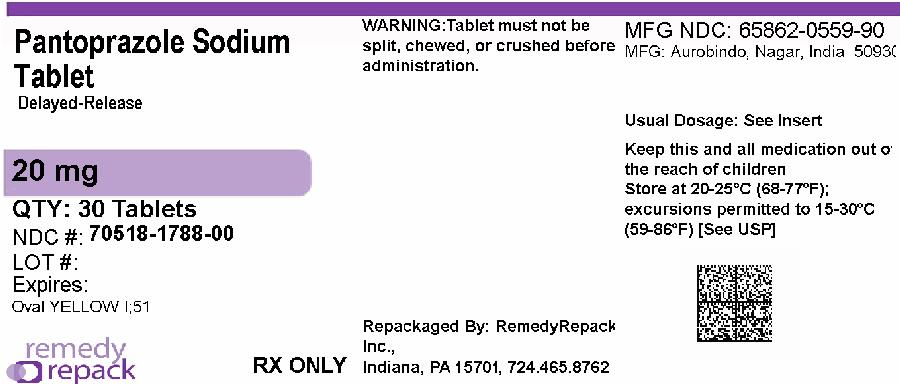
(pantoprazole · DailyMed)
PZOLENOV-40
Pantoprazole Sodium 40 mg/6 mL,Sodium Chloride 0.9 w/v,Water for injections Q.S w/v
What it does
Injections are a method of delivering medication directly into the body using a syringe and needle.
Commonly used for: administering vaccines, treating infections, managing pain, delivering hormones …
Read more in plain English ↓Plain-language summary for general understanding - not medical advice. Always follow your pharmacist/doctor.
Ask about this medicine
Answers come only from this medicine's registration record, BNF monograph and interaction data - not medical advice.
Medicine sourcing is available in Kenya only. We don't sell or dispense medicines - licensed pharmacies do.
Sourcing - Kenya onlyRegistration & product details
Source: Tanzania Medicines and Medical Devices Authority · fetched 2026-03-11 23:47:28 · updated 2026-09-17 03:00:44
Drug Interactions
1Unknown (1)
Alpelisib - increases exposure
Pantoprazoleispredictedtoincreasetheexposuretoalpelisib. oTheoretical
Data from BNF 85 (British National Formulary). This is not a substitute for professional medical advice. Matched via: exact
About injections
Injections are a method of delivering medication directly into the body using a syringe and needle.
What it treats
- administering vaccines
- treating infections
- managing pain
- delivering hormones
- providing nutrients
How it works
Injections allow medicines to enter the bloodstream quickly, helping them work faster than oral medications.
Who it's for
Injections may be used for anyone who needs medication that cannot be taken by mouth or needs rapid effect.
Cautions
- • May cause discomfort or pain at the injection site.
- • Risk of infection if not administered properly.
- • Some people may have allergic reactions to injected medications.
AI-assisted summary grounded in BNF data - general information only, not medical advice. Always confirm with your pharmacist or doctor.
About pantoprazole
Pantoprazole is a medication that reduces the amount of acid your stomach produces.
What it treats
- stomach ulcers
- gastroesophageal reflux disease (GERD)
- excess stomach acid disorders
How it works
It works by blocking a specific pump in the stomach lining that produces acid, helping to heal and prevent damage caused by excess acid.
Who it's for
This medicine is for adults and children over 12 years old who have conditions related to high stomach acid.
AI-assisted summary grounded in BNF data - general information only, not medical advice. Always confirm with your pharmacist or doctor.
Clinical monograph: injections
Injections refer to the administration of a substance directly into the body through a syringe and needle. This method is commonly used for delivering medications, vaccines, or biological therapies. Injections can be administered intravenously, intramuscularly, subcutaneously, or intradermally, depending on the drug's properties and the desired effect. This route ensures rapid onset of action, making it ideal for emergencies or when immediate therapeutic effects are required.
Indications
- Pain management
- Vaccination
- Antibiotic therapy
- Hormonal therapies
- Anesthesia
- Nutritional support
- Chemotherapy
Dosage
Children: Refer to specific drug guidelines for paediatric dosing, as it requires careful consideration of weight and age.
Adults: Refer to specific drug guidelines for adult dosing, as it varies widely depending on the medication and clinical condition.
Mechanism of action
The mechanism of action of injected drugs varies widely based on the specific medication being administered. Generally, injected drugs enter the bloodstream directly, allowing them to circulate rapidly throughout the body. For instance, antibiotics may work by inhibiting bacterial cell wall synthesis, while analgesics may modulate pain pathways in the central nervous system. Each drug has unique pathways through which it achieves its therapeutic effects.
Pharmacodynamics
Pharmacodynamics refers to the effects of drugs on the body and their mechanisms of action. For injectable medications, effects can be immediate or delayed, depending on the drug's formulation and route of administration. Factors influencing pharmacodynamics include receptor affinity, drug concentration, and the presence of other substances that may enhance or inhibit the drug's effects. For example, some injectable drugs may require specific receptors to exert their effects, while others may have a broader range of action.
Pharmacokinetics
Pharmacokinetics involves the absorption, distribution, metabolism, and excretion (ADME) of injected drugs. After administration, drugs are rapidly absorbed into the bloodstream, leading to quick therapeutic effects. The distribution depends on factors such as blood flow, tissue permeability, and protein binding. Drugs are metabolized primarily in the liver and excreted through the kidneys or bile. The pharmacokinetic profile can vary widely based on the drug's chemical nature, dosage, and individual patient factors.
Pregnancy
Safety during pregnancy depends on the specific injection and its active ingredients. It is essential to consult a healthcare professional for guidance.
Breast-feeding
The safety of injections during breastfeeding varies by the specific medication. It is recommended to seek advice from a healthcare provider.
Storage
Store injections as per manufacturer's guidelines, usually in a cool, dry place away from direct sunlight. Some may require refrigeration.
AI-synthesized from BNF references - general information only, not a substitute for professional medical advice or the current BNF. Verify doses with a pharmacist.
Clinical monograph: Pantoprazole
BNF-referencedPantoprazole is a proton pump inhibitor (PPI) that decreases gastric acid secretion by irreversibly inhibiting the hydrogen-potassium ATPase enzyme (proton pump) in the gastric parietal cells. It is used primarily to treat conditions associated with excessive gastric acid production, including gastroesophageal reflux disease (GERD), gastric ulcers, and duodenal ulcers. Pantoprazole is well-tolerated and has a favorable safety profile, making it suitable for various patient populations.
Indications
- Gastroesophageal reflux disease (GERD)
- Benign gastric ulcers
- Duodenal ulcers
- NSAID-associated peptic ulcer disease
- Prophylaxis of NSAID-associated gastric ulcers
Mechanism of action
Pantoprazole, as a substituted benzimidazole derivative, accumulates in the acidic compartment of the parietal cells of the stomach. In this acidic environment, it is converted to its active form, a sulfenamide, which binds covalently to cysteine residues on the hydrogen-potassium ATPase (proton pump) enzyme. This binding inactivates the enzyme, thereby inhibiting the final step of gastric acid secretion. The inhibition is potent and lasts longer than that of H2 receptor antagonists, leading to a significant reduction in gastric acidity.
Pharmacodynamics
Pantoprazole effectively decreases gastric acid secretion, which alleviates symptoms associated with acid reflux, promotes healing of esophageal inflammation, and enhances patient quality of life. It has shown superiority in symptom relief and healing compared to H2 receptor antagonists. The drug has an excellent safety profile, with a low incidence of drug interactions, making it suitable for use in high-risk populations, including the elderly and those with renal or moderate hepatic impairment.
Pharmacokinetics
Pantoprazole is rapidly absorbed after oral administration, with peak plasma concentrations occurring within 1 to 2 hours. It is extensively metabolized in the liver via the cytochrome P450 system, particularly CYP2C19 and CYP3A4, resulting in various metabolites. The drug has a half-life of approximately 1 hour, but its effects last significantly longer due to its irreversible binding to the proton pump. Excretion occurs mainly via the urine, with a minor portion eliminated in feces.
Adverse effects
- Headache
- Diarrhea
- Nausea
- Vomiting
- Abdominal pain
- Constipation
- Flatulence
- Dizziness
- Rash
- Fatigue
- Hypomagnesemia
Interactions
- Increased exposure with alpelisib
- May affect the absorption of drugs requiring an acidic environment
Precautions
- Monitor for gastrointestinal infections
- Use with caution in patients with liver impairment
- Long-term use may lead to vitamin B12 deficiency
- Consider risk of bone fractures with prolonged PPI therapy
Pregnancy
Pantoprazole should be used during pregnancy only if the potential benefit justifies the potential risk to the fetus. Limited data on its safety in pregnancy are available.
Breast-feeding
Pantoprazole is excreted in breast milk. A decision should be made whether to discontinue breastfeeding or to discontinue the drug, taking into account the importance of the drug to the mother.
Storage
Store at room temperature, away from moisture and heat. Protect from light.
Formulations
- 40 mg enteric-coated tablet
- 40 mg oral suspension
- 40 mg powder for solution for infusion
AI-synthesized from BNF references - general information only, not a substitute for professional medical advice or the current BNF. Verify doses with a pharmacist.
Molecular reference: Pantoprazole
PubChem CID 4679Molecular formula: C16H15F2N3O4S
Mechanism of action
Hydrochloric acid (HCl) secretion into the gastric lumen is a process regulated mainly by the H(+)/K(+)-ATPase of the proton pump, expressed in high quantities by the parietal cells of the stomach. ATPase is an enzyme on the parietal cell membrane that facilitates hydrogen and potassium exchange through the cell, which normally results in the extrusion of potassium and formation of HCl (gastric acid). Proton pump inhibitors such as pantoprazole are substituted _benzimidazole_ derivatives, weak bases, which accumulate in the acidic space of the parietal cell before being converted in the _canaliculi_ (small canal) of the gastric parietal cell, an acidic environment, to active _sulfenamide_ derivatives. This active form then makes disulfide bonds with important cysteines on the gastric acid pump, inhibiting its function. Specifically, pantoprazole binds to the _sulfhydryl group_ of H+, K+-ATPase, which is an enzyme implicated in accelerating the final step in the acid secretion pathway. The enzyme is inactivated, inhibiting gastric acid secretion. The inhibition of gastric acid secretion is stronger with proton pump inhibitors such as pantoprazole and lasts longer than with the H(2) antagonists. Pantoprazole is a proton pump inhibitor. It accumulates in the acidic compartment of parietal cells and is converted to the active form, a sulfanilamide, which binds to hydrogen-potassium-ATP-ase at the secretory surface of gastric parietal cells. Inhibition of hydrogen-potassium-ATPase blocks the final step of gastric acid production, leading to inhibition of both basal and stimulated acid secretion. The duration of inhibition of acid secretion does not correlate with the much shorter elimination half-life of pantoprazole. /Pantoprazole sodium/
Pharmacodynamics
This drug acts to decrease gastric acid secretion, which reduces stomach acidity. Pantoprazole administration leads to long-lasting inhibition of gastric acid secretion. **General Effects** Pantoprazole has been shown to reduce acid reflux-related symptoms, heal inflammation of the esophagus, and improve patient quality of life more effectively than histamine-2 receptor antagonists (H2 blockers). This drug has an excellent safety profile and a low incidence of drug interactions. It can be used safely in various high-risk patient populations, including the elderly and those with renal failure or moderate hepatic dysfunction. Due to their good safety profile and as several PPIs are available over the counter without a prescription, their current use in North America is widespread. Long term use of PPIs such as pantoprazole have been associated with possible adverse effects, however, including increased susceptibility to bacterial infections (including gastrointestinal _C. difficile_), reduced absorption of micronutrients including iron and B12, and an increased risk of developing hypomagnesemia and hypocalcemia which may contribute to osteoporosis and bone fractures later in life. PPIs such as pantoprazole have also been shown to inhibit the activity of dimethylarginine dimethylaminohydrolase (DDAH), an enzyme necessary for cardiovascular health. DDAH inhibition causes a consequent accumulation of the nitric oxide synthase inhibitor asymmetric dimethylarginie (ADMA), which is thought to cause the association of PPIs with increased risk of cardiovascular events in patients with unstable coronary syndromes. **A note on laboratory testing abnormalities** During treatment with antisecretory medicinal products such as pantoprazole, serum gastrin (a peptide hormone that stimulates secretion of gastric acid) increases in response to the decreased acid secretion caused by proton pump inhibition. The increased gastrin level may interfere with investigations for neuroendocrine tumors. Published evidence suggests that proton pump inhibitors should be stopped 14 days before chromogranin A (CgA) measurements. This permits chromogranin A levels, that might be falsely elevated after proton pump inhibitor treatment, to return to the normal reference range. Reports have been made of false-positive results in urine screening tests for tetrahydrocannabinol (THC) in patients receiving the majority of proton pump inhibitors, including pantoprazole. A confirmatory method should be used.
Biological pathways
Source: PubChem (NCBI) · pathways from PathBank, Reactome, WikiPathways & PharmGKB.
This drug in other countries
The same active ingredient registered across other registries we cover - including different brands.
- ANGILOCK PLUS 50/12.5 TABLET · Ace Pharmaceuticals
- ANTOPRAZ · Theralife Pharma
- CARDAL CAPSULES · Lifon Pharma
- DEMOPAN · Tata Africa Holdings
- DOMIPAN · Simba Pharmaceuticals
- DOMPAN OD TABLETS · Zawadi Healthcare
- CP-HYOSCINE · Swiss Parenterals Ltd
- LENACAPAVIR GILEAD SOLUTION FOR INJECTION · Hikma Farmaceutica
- PANTOLOC IV · Nycomed
- PANTONEX DR · Ipca Laboratories
- SODIUM BICARBONATE 4 % INJECTION FRESENIUS · Fresenius Kabi Manufacturing SA Limited
- SODIUM BICARBONATE 8,5 % INJECTION FRESENIUS · Fresenius Kabi Manufacturing SA Limited
- Antopraz 40 Injection (Each vial contains Pantoprazole Sodium USP- 40mg) · Indasi Lifescience
- PANCID-D CAPSULES (Each capsule contains Pantoprazole Sodium 40mg/Domperidone 30mg · Atoz Pharmaceuticals Pvt. Ltd. No. 12 Balaji Nagar, Ambattur,Chennai – 600 053. India
- PANTIN 40 DELAYED RELEASE TABLETS · Hetero Labs
- PANTO-DENK 20 TABLETS · Allphamed Pharbil
- PRAZOLIN POWDER FOR SOLUTION FOR INJECTION ( Pantoprazole sodium 40mg) · Lek Pharmaceuticals