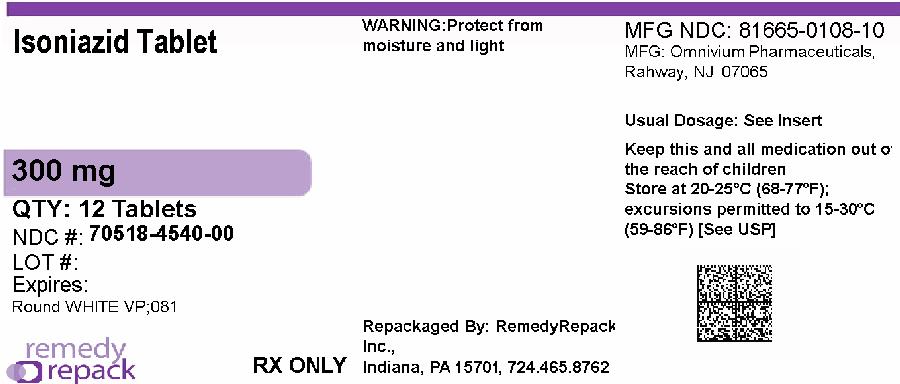
(isoniazid · DailyMed)
Q-TIB
Isoniazid, Pyridoxine Hydrochloride Sulfamethoxazole And Trimethoprim
What it does
Isoniazid is a medication used to treat tuberculosis, a serious infection that mainly affects the lungs.
Commonly used for: tuberculosis (TB), pulmonary tuberculosis
Read more in plain English ↓Plain-language summary for general understanding - not medical advice. Always follow your pharmacist/doctor.
Ask about this medicine
Answers come only from this medicine's registration record, BNF monograph and interaction data - not medical advice.
Medicine sourcing is available in Kenya only. We don't sell or dispense medicines - licensed pharmacies do.
Sourcing - Kenya onlyRegistration & product details
Source: Rwanda Food and Drugs Authority · fetched 2026-03-11 22:07:38 · updated 2026-09-17 02:30:44
Drug Interactions
24Pharmacodynamic Warnings
Isoniazid appears in TABLE 1: Drugs that cause hepatotoxicity
Trimethoprim appears in TABLE 2: Drugs that cause nephrotoxicity
Isoniazid appears in TABLE 12: Drugs that cause peripheral neuropathy
Trimethoprim appears in TABLE 16: Drugs that increase serum potassium
Trimethoprim appears in TABLE 18: Drugs that cause hyponatraemia
Moderate (6)
Carbamazepine - increases concentration
Isoniazid markedly increases the concentration of antiepileptics (carbamazepine) and antiepileptics (carbamazepine) increase the risk of hepatotoxicity when given with isoniazid. Monitor concentration
Carbamazepine And Carbamazepine Increases The Risk Of Hepatotoxicity When Given With Isoniazid - increases concentration
Isoniazid markedly increases the concentration of carbamazepine and carbamazepine increases the risk of hepatotoxicity when given with isoniazid. Monitor concentration and adjust dose. Also see TABLE
Dopamine Receptor Agonists - increases exposure
Trimethoprim is predicted to increase the exposure to dopamine receptor agonists (pramipexole). Adjust dose.
Isoniazid - increases risk of cnstoxicity
Cycloserine increases the risk of CNS toxicity when given with isoniazid. Monitor and adjust dose. Cyproheptadine → see antihistamines, sedating Cyproterone → see anti-androgens Cytarabine → see TABLE
Pramipexole - increases exposure
Trimethoprim is predicted to increase the exposure to pramipexole. Adjust dose.
Treprostinil - increases exposure
Trimethoprim is predicted to increase the exposure to treprostinil. Adjust dose. Theoretical Tretinoin → see retinoids Triamcinolone → see corticosteroids Triamterene → see potassium-sparing diuretics
Unknown (18)
Antiepileptics - increases concentration
Isoniazid increases the concentration of antiepileptics (fosphenytoin, phenytoin). Also see TABLE 12 p. 1520
Antiepileptics - increases concentration
Trimethoprim increases the concentration of antiepileptics (fosphenytoin, phenytoin).
Antiepilepticse - increases concentration
Isoniazid increases the concentration of antiepileptics (fosphenytoin, phenytoin). Also see TABLE 12 p. 1520
Azathioprine In Renal Transplant Patients - increases risk of haematological toxicity
Trimethoprim might increase the risk of haematological toxicity when given with azathioprine in renal transplant patients. r Anecdotal Azelastine → see antihistamines, non-sedating Azilsartan → see an
Coumarins - increases anticoagulant effect
Sulfamethoxazole increases the anticoagulant effect of coumarins.
Data from BNF 85 (British National Formulary). This is not a substitute for professional medical advice. Matched via: exact
About isoniazid
Isoniazid is a medication used to treat tuberculosis, a serious infection that mainly affects the lungs.
What it treats
- tuberculosis (TB)
- pulmonary tuberculosis
How it works
Isoniazid works by stopping the growth of bacteria that cause tuberculosis.
Who it's for
This medicine is for individuals diagnosed with tuberculosis.
Cautions
- • Be cautious if you are taking other medications that can harm the liver.
- • Be careful if you are using drugs that can cause nerve damage.
AI-assisted summary grounded in BNF data - general information only, not medical advice. Always confirm with your pharmacist or doctor.
About pyridoxine
Pyridoxine, also known as vitamin B6, is important for many bodily functions including the metabolism of proteins and the creation of neurotransmitters.
What it treats
- pyridoxine deficiency
- nerve pain (neuropathy)
- certain types of anemia
How it works
Pyridoxine helps the body use proteins and carbohydrates effectively and is essential for the production of chemicals that transmit signals in the brain.
Who it's for
Pyridoxine is for individuals who need to increase their vitamin B6 levels due to dietary deficiencies or certain health conditions.
AI-assisted summary grounded in BNF data - general information only, not medical advice. Always confirm with your pharmacist or doctor.
About sulfamethoxazole
Sulfamethoxazole is an antibiotic used to treat bacterial infections.
What it treats
- bacterial infections
- urinary tract infections
- respiratory tract infections
How it works
It works by stopping the growth of bacteria.
Who it's for
This medication is for adults and children with certain bacterial infections.
AI-assisted summary grounded in BNF data - general information only, not medical advice. Always confirm with your pharmacist or doctor.
About trimethoprim
Trimethoprim is an antibiotic used to treat infections, primarily those of the urinary tract.
What it treats
- urinary tract infections
- bladder infections
- kidney infections
How it works
It works by stopping the growth of bacteria that cause infections.
Who it's for
It is for people suffering from bacterial infections, especially in the urinary system.
Cautions
- • Be cautious if you are taking medications that can harm the kidneys.
- • Avoid if you are on drugs that raise potassium levels in the blood.
- • Use with care if you are taking medications that can lower sodium levels.
AI-assisted summary grounded in BNF data - general information only, not medical advice. Always confirm with your pharmacist or doctor.
Clinical monograph: Pyridoxinehydrochloride
BNF-referencedPyridoxine hydrochloride, also known as Vitamin B6, is a water-soluble vitamin that plays a crucial role in various bodily functions, including amino acid metabolism, neurotransmitter synthesis, and the regulation of gene expression. It is essential for the proper function of enzymes involved in the metabolism of proteins, carbohydrates, and fats. Pyridoxine is commonly used to treat and prevent vitamin B6 deficiencies and is also indicated in specific neuropathies, including those induced by isoniazid and penicillamine.
Indications
- Vitamin B6 deficiency
- Isoniazid-induced neuropathy (prophylaxis and treatment)
- Idiopathic sideroblastic anaemia
- Prevention of penicillamine-induced neuropathy in Wilson's disease
- Metabolic diseases such as cystathioninuria and homocystinuria
- Premenstrual syndrome
Mechanism of action
Pyridoxine hydrochloride is converted in the body to pyridoxal phosphate, which is the active form of vitamin B6. It serves as a cofactor for more than 100 enzymatic reactions, particularly those involved in the metabolism of amino acids, the synthesis of neurotransmitters (such as serotonin, dopamine, and gamma-aminobutyric acid), and the production of hemoglobin. Its role in neurotransmitter synthesis makes it crucial for normal brain function and mood regulation.
Pharmacodynamics
Pyridoxine hydrochloride exerts its effects by facilitating the conversion of amino acids into neurotransmitters and is involved in the synthesis of heme. It impacts the metabolism of tryptophan to serotonin and is essential for the production of norepinephrine and gamma-aminobutyric acid, which are vital for proper neurological function. Deficiency of vitamin B6 can lead to neurological symptoms, including peripheral neuropathy and cognitive disturbances.
Pharmacokinetics
Pyridoxine hydrochloride is readily absorbed from the gastrointestinal tract. It is primarily metabolized in the liver, where it is converted to its active form, pyridoxal phosphate. The elimination half-life of pyridoxine is approximately 15-20 days, and it is excreted primarily through the urine. Renal impairment may affect the metabolism and excretion of pyridoxine, necessitating dose adjustments.
Contra-indications
- Hyperkalaemia
- Severe liver damage
Adverse effects
- Peripheral neuritis
- Hepatitis
- Hypoglycaemia
- Urine discolouration
Interactions
- Potassium aminobenzoate
- Isoniazid
Precautions
- Caution in renal impairment (increased risk of hyperkalaemia)
- Interrupt treatment during periods of low food intake (such as fasting, anorexia, and nausea) to reduce risk of hypoglycaemia
- Monitor liver function tests monthly during high-dose therapy
Pregnancy
Manufacturer advises avoiding use in pregnancy due to potential risk of birth defects; however, no adverse effects have been reported at normal dietary levels.
Breast-feeding
Theoretical risk of toxicity in infants if mothers take large doses.
Storage
Store in a cool, dry place away from direct sunlight. Keep out of reach of children.
Formulations
- Pyridoxine hydrochloride 10 mg tablets
- Pyridoxine hydrochloride 20 mg tablets
- Pyridoxine hydrochloride 50 mg tablets
- Pyridoxine hydrochloride oral solution 20 mg per 1 ml
AI-synthesized from BNF references - general information only, not a substitute for professional medical advice or the current BNF. Verify doses with a pharmacist.
Clinical monograph: Isoniazid
BNF-referencedIsoniazid is an antimycobacterial agent used primarily in the treatment and prevention of tuberculosis (TB). It functions as a prodrug that requires activation by bacterial catalase, leading to inhibition of mycolic acid synthesis, an essential component of the mycobacterial cell wall. Isoniazid is effective against actively dividing Mycobacterium tuberculosis and is known for its specificity towards mycobacterial infections.
Indications
- Treatment of active tuberculosis
- Prevention of tuberculosis in susceptible individuals, especially close contacts of infected persons
Dosage
Adults: 10 mg/kg daily (maximum per dose 300 mg) for 3 months, to be taken by mouth or via intramuscular or intravenous
Mechanism of action
Isoniazid is activated by the bacterial catalase-peroxidase KatG, which reduces the ferric form of the enzyme and enables it to react with oxygen to form an oxyferrous enzyme complex. The active form of isoniazid then inhibits the synthesis of mycolic acids by forming a covalent adduct with NAD, inhibiting the enoyl reductase InhA. This inhibition is crucial for the integrity of the mycobacterial cell wall, leading to the bactericidal activity of isoniazid against actively growing Mycobacterium tuberculosis.
Pharmacodynamics
Isoniazid is a bactericidal agent particularly effective against the Mycobacterium genus, including M. tuberculosis, M. bovis, and M. kansasii. It exhibits bactericidal properties during periods of rapid mycobacterial growth and becomes bacteriostatic when the bacteria are in a dormant state. Given its mechanism of action, isoniazid is highly selective, targeting mycobacteria without significant effects on other types of bacteria.
Pharmacokinetics
Isoniazid is well-absorbed following oral administration, with peak plasma concentrations occurring within 1 to 2 hours. It is widely distributed in body tissues and crosses the blood-brain barrier. The drug is metabolized in the liver primarily through acetylation, with variable metabolism rates observed in different populations due to genetic polymorphisms in acetylation. The elimination half-life ranges from 1 to 4 hours, and the drug is excreted in the urine, predominantly as metabolites.
Contra-indications
- History of hypersensitivity to isoniazid
- Acute liver disease
- Severe hepatic impairment
- Previous history of isoniazid-induced liver injury
Adverse effects
- Hepatitis
- Peripheral neuropathy
- Optic neuritis
- Gastrointestinal disturbances
- Rash
- Fever
- Agranulocytosis
- Hematological disorders
- Lupus-like syndrome
Interactions
- Carbamazepine: Increased risk of hepatotoxicity
- Cycloserine: Increased risk of CNS toxicity
- Phenytoin: Increased concentration of phenytoin
- Levodopa: Decreased effects of levodopa
- Lomitapide: Increased exposure
- Antiepileptics: Unknown interactions leading to increased concentrations
Precautions
- Monitor liver function during treatment
- Use with caution in patients with renal impairment
- Patients with diabetes or a history of peripheral neuropathy should be monitored closely
- Ocular monitoring for young children on treatment
Pregnancy
Not known to be harmful; however, prophylactic pyridoxine is recommended.
Breast-feeding
Amount too small to be harmful; monitor infant for possible toxicity.
Storage
Store in a cool, dry place away from direct sunlight. Keep out of reach of children.
Formulations
- Oral tablets
- Oral suspension
- Intramuscular injection
- Intravenous injection
AI-synthesized from BNF references - general information only, not a substitute for professional medical advice or the current BNF. Verify doses with a pharmacist.
Clinical monograph: Trimethoprim
BNF-referencedTrimethoprim is an antimicrobial agent primarily used in the treatment of bacterial infections. It functions as a bacteriostatic agent by inhibiting the enzyme dihydrofolate reductase, which is crucial for the synthesis of tetrahydrofolic acid, an essential component for bacterial nucleic acid and protein production. It is often prescribed in combination with sulfamethoxazole to enhance its bactericidal effects.
Indications
- Bacterial infections
- Urinary tract infections
- Respiratory tract infections
- Prophylaxis of recurrent urinary tract infections
Dosage
Children: For children aged 6 weeks to 5 months: 4 mg/kg twice daily (max. 200 mg). For children 6 months to 5 years: 4 mg/kg twice daily (max. 200 mg). For children 6–11 years: 4 mg/kg twice daily (max. 200 mg). For children
Adults: 200 mg twice daily.
Mechanism of action
Trimethoprim is a reversible inhibitor of dihydrofolate reductase, an enzyme that catalyzes the formation of tetrahydrofolic acid from dihydrofolic acid. By inhibiting this enzyme, trimethoprim disrupts the biosynthesis of nucleic acids and proteins in bacteria, leading to their growth inhibition. The drug has a significantly higher affinity for bacterial dihydrofolate reductase compared to the mammalian enzyme, ensuring selective antibacterial activity.
Pharmacodynamics
Trimethoprim exerts its antimicrobial effects by disrupting bacterial nucleic acid synthesis. It is effective against various gram-negative bacteria and some coagulase-negative Staphylococcus species. Resistance can develop through mechanisms such as alterations to the bacterial cell wall or overproduction of the target enzyme. Monitoring for potential blood disorders is important during therapy, as rare adverse effects can occur.
Pharmacokinetics
Trimethoprim is well absorbed from the gastrointestinal tract and reaches peak plasma concentrations within 1-4 hours post-administration. It has a volume of distribution that suggests extensive tissue penetration, including into the lungs and kidneys, and is primarily excreted unchanged in the urine. The elimination half-life is approximately 8-10 hours, and dosing adjustments may be necessary in cases of renal impairment.
Contra-indications
- Severe renal impairment
- Known hypersensitivity to trimethoprim or any component of the formulation
Adverse effects
- Diarrhoea
- Nausea
- Headache
- Dizziness
- Fatigue
- Skin reactions
- Vomiting
- Anxiety
- Agranulocytosis
- Eosinophilia
- Photosensitivity reactions
- Thrombocytopenia
- Leukopenia
- Pseudomembranous colitis
Interactions
- Increases exposure to pramipexole
- Increases exposure to treprostinil
- Increases exposure to dopaminergic receptor agonists
- Increases concentration of antiepileptics
- Increases concentration of fosphenytoin
- Increases concentration of phenytoin
- Increases risk of haematological toxicity with azathioprine in renal transplant patients
- Increases concentration of digoxin
- Increases exposure to repaglinide
Precautions
- Caution in patients with renal impairment
- Caution in elderly patients (75 years and over)
- Monitor for signs of blood disorders such as sore throat, fever, and pallor
- Consider local antimicrobial susceptibility patterns before use
Pregnancy
Manufacturer advises avoidance due to potential fetal developmental toxicity observed in animal studies.
Breast-feeding
Manufacturer advises avoidance as trimethoprim is present in milk in animal studies.
Storage
Store in a cool, dry place, away from direct sunlight. Keep out of reach of children.
Formulations
- Tablets
- Oral suspension
- Injection solution
AI-synthesized from BNF references - general information only, not a substitute for professional medical advice or the current BNF. Verify doses with a pharmacist.
Clinical monograph: pyridoxine
BNF-referencedPyridoxine, also known as vitamin B6, is a water-soluble vitamin that is essential for various biochemical processes in the body. It comprises a group of three related compounds, including pyridoxine, pyridoxal, and pyridoxamine, along with their phosphorylated derivatives. Pyridoxine primarily serves as a precursor to pyridoxal 5'-phosphate, the active coenzyme form that plays a vital role in amino acid metabolism, glycogen synthesis, and the production of neurotransmitters such as serotonin and dopamine.
Indications
- Vitamin B6 deficiency
- Peripheral neuropathy associated with isoniazid therapy
- Supplementation in specific dietary deficiencies
Dosage
Children: Refer to the BNF for Children for specific paediatric dosing guidance.
Adults: Refer to the BNF for specific dosing details, typically 10-50 mg daily for deficiency.
Mechanism of action
Pyridoxine, mainly in its active form pyridoxal 5'-phosphate, is involved in numerous biochemical reactions, including amino acid metabolism, glycogen breakdown, nucleic acid synthesis, and the production of key neurotransmitters. It aids in the synthesis of hemoglobin and sphingolipids, and its deficiency can impair several physiological processes, including immune response and vascular health.
Pharmacodynamics
Pyridoxine is utilized for the prevention and treatment of vitamin B6 deficiency, particularly in individuals undergoing treatment with isoniazid, which can deplete vitamin B6 levels. It may also have beneficial effects on blood pressure and lipid profiles, as studies have shown it can lower both systolic and diastolic blood pressure, inhibit platelet aggregation, and improve cholesterol levels. Additionally, it plays a role in enhancing immune function and protecting endothelial cells from injury.
Pharmacokinetics
Pyridoxine is rapidly absorbed from the gastrointestinal tract. It is transported to tissues where it is phosphorylated to its active form, pyridoxal 5'-phosphate. The vitamin is primarily excreted in urine as pyridoxine and its metabolites. Its half-life varies depending on the individual’s nutritional status and other factors. Adequate dietary intake is essential for maintaining optimal levels in the body.
Pregnancy
Pyridoxine is generally considered safe during pregnancy. However, high doses should be avoided unless specifically prescribed.
Breast-feeding
Pyridoxine is excreted in breast milk, but at normal dietary levels it is considered safe for breastfeeding mothers.
Storage
Store in a cool, dry place away from direct sunlight. Keep out of reach of children.
Formulations
- Tablets
- Oral solution
- Injectable form
AI-synthesized from BNF references - general information only, not a substitute for professional medical advice or the current BNF. Verify doses with a pharmacist.
Clinical monograph: sulfamethoxazole
BNF-referencedSulfamethoxazole is a bacteriostatic sulfonamide antibiotic primarily used to treat bacterial infections by inhibiting folate synthesis in susceptible bacteria. It is often administered in combination with trimethoprim to enhance its efficacy and reduce the likelihood of bacterial resistance.
Indications
- Urinary tract infections
- Respiratory tract infections
- Gastrointestinal infections
- Pneumocystis pneumonia
- Toxoplasmosis
Dosage
Children: Refer to the BNF for Children for specific dosing information appropriate for paediatric patients, as doses are typically weight-based and vary by age and condition.
Adults: Refer to the BNF for specific dosing information based on the clinical condition being treated, as dosing may vary depending on the severity of the infection and patient characteristics.
Mechanism of action
Sulfamethoxazole inhibits bacterial dihydrofolic acid synthesis due to its structural similarity to para-aminobenzoic acid (PABA). It competitively inhibits dihydropteroate synthase, the enzyme responsible for converting PABA to dihydrofolic acid. This action prevents the synthesis of tetrahydrofolate, leading to the inhibition of bacterial purine and DNA synthesis, resulting in a bacteriostatic effect.
Pharmacodynamics
Sulfamethoxazole is generally bacteriostatic, inhibiting a crucial step in bacterial folate synthesis. It is typically used in combination with trimethoprim, which inhibits the reduction of dihydrofolic acid to tetrahydrofolate. This combination allows for a synergistic effect, reducing the rate of bacterial resistance development compared to using either drug alone. Care should be taken as sulfamethoxazole can cause hypersensitivity reactions, and it may contribute to folate deficiency, particularly in at-risk populations.
Pharmacokinetics
Sulfamethoxazole is well absorbed following oral administration and is widely distributed in body tissues. It has a moderate half-life, necessitating multiple daily doses for sustained therapeutic effect. The drug is metabolized in the liver and excreted primarily via the kidneys, with some metabolites being active. Its excretion can be influenced by renal function, necessitating dose adjustments in patients with compromised kidney function.
Contra-indications
- Hypersensitivity to sulfamethoxazole or other sulfonamides
- Severe liver impairment
- Severe renal impairment
- History of severe adverse reactions to sulfonamides (e.g., Stevens-Johnson syndrome)
Adverse effects
- Rash
- Nausea
- Vomiting
- Diarrhea
- Hematological reactions (e.g., leukopenia, thrombocytopenia)
- Liver toxicity
- Renal toxicity
- Hemolytic anemia in patients with G6PD deficiency
- Stevens-Johnson syndrome
- Toxic epidermal necrolysis
Interactions
- Sulfamethoxazole may increase the anticoagulant effect of coumarins
- Concurrent use with other folate antagonists may enhance toxicity
- May interact with methotrexate, increasing the risk of toxicity
Precautions
- Use with caution in patients with a history of hypersensitivity reactions
- Monitor for signs of folate deficiency
- Assess renal and liver function prior to and during treatment
- Discontinue immediately at the first sign of rash or skin reaction
Pregnancy
Sulfamethoxazole is generally not recommended during pregnancy, especially in the first trimester and near term, due to potential risks of teratogenic effects and kernicterus in the newborn.
Breast-feeding
Sulfamethoxazole is excreted in breast milk; caution is advised when administering to nursing mothers due to potential effects on the nursing infant.
Storage
Store at room temperature, away from moisture and heat. Protect from light.
Formulations
- Oral tablets
- Oral suspension
- Injection
AI-synthesized from BNF references - general information only, not a substitute for professional medical advice or the current BNF. Verify doses with a pharmacist.
Molecular reference: Isoniazid
PubChem CID 3767Molecular formula: C6H7N3O
Mechanism of action
Isoniazid is a prodrug and must be activated by bacterial catalase. Specficially, activation is associated with reduction of the mycobacterial ferric KatG catalase-peroxidase by hydrazine and reaction with oxygen to form an oxyferrous enzyme complex. Once activated, isoniazid inhibits the synthesis of mycoloic acids, an essential component of the bacterial cell wall. At therapeutic levels isoniazid is bacteriocidal against actively growing intracellular and extracellular <i>Mycobacterium tuberculosis</i> organisms. Specifically isoniazid inhibits InhA, the enoyl reductase from <i>Mycobacterium tuberculosis</i>, by forming a covalent adduct with the NAD cofactor. It is the INH-NAD adduct that acts as a slow, tight-binding competitive inhibitor of InhA. Although the mechanism of action of isoniazid is unknown, several hypotheses have been proposed. These include effects on lipids, nucleic acid biosynthesis, and glycolysis. ... /It has been suggested that/ a primary action of isoniazid /is/ to inhibit the biosynthesis of mycolic acids, important constituents of the mycobacterial cell wall. Because mycolic acids are unique to mycobacteria, this action would explain the high degree of selectivity of the antimicrobial activity of isoniazid. Exposure to isoniazid leads to a loss of acid fastness and a decrease in the quantity of methanol-extractable lipid of the microorganisms. Isoniazid is bacteriostatic for "resting" bacilli but is bactericidal for rapidly dividing microorganisms. The minimal tuberculostatic concentration is 0.025 to 0.05 ug/ml.
Pharmacodynamics
Isoniazid is a bactericidal agent active against organisms of the genus Mycobacterium, specifically <i>M. tuberculosis</i>, <i>M. bovis</i> and <i>M. kansasii</i>. It is a highly specific agent, ineffective against other microorganisms. Isoniazid is bactericidal when mycobacteria grow rapidly and bacteriostatic when they grow slowly.
Biological pathways
Source: PubChem (NCBI) · pathways from PathBank, Reactome, WikiPathways & PharmGKB.
Molecular reference: Trimethoprim
PubChem CID 5578Molecular formula: C14H18N4O3
Mechanism of action
Trimethoprim is a reversible inhibitor of dihydrofolate reductase, one of the principal enzymes catalyzing the formation of tetrahydrofolic acid (THF) from dihydrofolic acid (DHF). Tetrahydrofolic acid is necessary for the biosynthesis of bacterial nucleic acids and proteins and ultimately for continued bacterial survival - inhibiting its synthesis, then, results in bactericidal activity. Trimethoprim binds with a much stronger affinity to bacterial dihydrofolate reductase as compared to its mammalian counterpart, allowing trimethoprim to selectively interfere with bacterial biosynthetic processes. Trimethoprim is often given in combination with sulfamethoxazole, which inhibits the preceding step in bacterial protein synthesis - given together, sulfamethoxazole and trimethoprim inhibit two consecutive steps in the biosynthesis of bacterial nucleic acids and proteins. As a monotherapy trimethoprim is considered bacteriostatic, but in combination with sulfamethoxazole is thought to exert bactericidal activity. Trimethoprim is a bacteriostatic lipophilic weak base structurally related to pyrimethamine. It binds to and reversibly inhibits the bacterial enzyme dihydrofolate reductase, selectively blocking conversion of dihydrofolic acid to its functional form, tetrahydrofolic acid. This depletes folate, an essential cofactor in the biosynthesis of nucleic acids, resulting in interference with bacterial nucleic acid and protein production. Bacterial dihydrofolate reductase is approximately 50,000 to 60,000 times more tightly bound by trimethoprim than is the corresponding mammalian enzyme. To determine the incidence & severity of hyperkalemia during trimethoprim therapy, 30 consecutive patients with acquired immunodeficiency syndrome receiving high-dose (20 mg/kg/day) trimethoprim were studied; in addition, the mechanism of trimethoprim-induced hyperkalemia was investigated in rats. Trimethoprim increased serum potassium concn by 0.6 mmol/l despite normal adrenocortical function & glomerular filtration rate. Serum potassium levels >5 mmol/l were observed during trimethoprim treatment in 15 of 30 patients. In rats, iv trimethoprim inhibited renal potassium excretion by 40% & increased sodium excretion by 46%. It was concluded that trimethoprim blocks apical membrane sodium channels in the mammalian distal nephron. As a consequence, the transepithelial voltage is reduced & potassium secretion is inhibited. Decreased renal potassium excretion secondary to these direct effects on kidney tubules leads to hyperkalemia in a substantial number of patients being treated with trimethoprim-containing drugs.
Pharmacodynamics
Trimethoprim exerts its antimicrobial effects by inhibiting an essential step in the synthesis of bacterial nucleic acids and proteins. It has shown activity against several species of gram-negative bacteria, as well as coagulase-negative _Staphylococcus_ species. Resistance to trimethoprim may arise via a variety of mechanisms, including alterations to the bacterial cell wall, overproduction of dihydrofolate reductase, or production of resistant dihydrofolate reductase. Rarely, trimethoprim can precipitate the development of blood disorders (e.g. thrombocytopenia, leukopenia, etc.) which may be preceded by symptoms such as sore throat, fever, pallor, and or purpura - patients should be monitored closely for the development of these symptoms throught the course of therapy. As antimicrobial susceptibility patterns are geographically distinct, local antibiograms should be consulted to ensure adequate coverage of relevant pathogens prior to use.
Biological pathways
Source: PubChem (NCBI) · pathways from PathBank, Reactome, WikiPathways & PharmGKB.
Molecular reference: pyridoxine
PubChem CID 1054Molecular formula: C8H11NO3
Mechanism of action
Vitamin B6 is the collective term for a group of three related compounds, pyridoxine (PN), pyridoxal (PL) and pyridoxamine (PM), and their phosphorylated derivatives, pyridoxine 5'-phosphate (PNP), pyridoxal 5'-phosphate (PLP) and pyridoxamine 5'-phosphate (PMP). Although all six of these compounds should technically be referred to as vitamin B6, the term vitamin B6 is commonly used interchangeably with just one of them, pyridoxine. Vitamin B6, principally in its biologically active coenzyme form pyridoxal 5'-phosphate, is involved in a wide range of biochemical reactions, including the metabolism of amino acids and glycogen, the synthesis of nucleic acids, hemogloblin, sphingomyelin and other sphingolipids, and the synthesis of the neurotransmitters serotonin, dopamine, norepinephrine and gamma-aminobutyric acid (GABA).
Pharmacodynamics
Vitamin B6 (pyridoxine) is a water-soluble vitamin used in the prophylaxis and treatment of vitamin B6 deficiency and peripheral neuropathy in those receiving isoniazid (isonicotinic acid hydrazide, INH). Vitamin B6 has been found to lower systolic and diastolic blood pressure in a small group of subjects with essential hypertension. Hypertension is another risk factor for atherosclerosis and coronary heart disease. Another study showed pyridoxine hydrochloride to inhibit ADP- or epinephrine-induced platelet aggregation and to lower total cholesterol levels and increase HDL-cholesterol levels, again in a small group of subjects. Vitamin B6, in the form of pyridoxal 5'-phosphate, was found to protect vascular endothelial cells in culture from injury by activated platelets. Endothelial injury and dysfunction are critical initiating events in the pathogenesis of atherosclerosis. Human studies have demonstrated that vitamin B6 deficiency affects cellular and humoral responses of the immune system. Vitamin B6 deficiency results in altered lymphocyte differentiation and maturation, reduced delayed-type hypersensitivity (DTH) responses, impaired antibody production, decreased lymphocyte proliferation and decreased interleukin (IL)-2 production, among other immunologic activities.
Biological pathways
Source: PubChem (NCBI) · pathways from PathBank, Reactome, WikiPathways & PharmGKB.
Molecular reference: sulfamethoxazole
PubChem CID 5329Molecular formula: C10H11N3O3S
Mechanism of action
Sulfamethoxazole is a sulfonamide that inhibits bacterial dihydrofolic acid synthesis due to its structural similarity to an endogenous substrate, para-aminobenzoic acid (PABA). Most bacteria meet their need for folic acid by synthesizing it from PABA, as opposed to Animalia that require exogenous folic acid sources. Sulfamethoxazole competitively inhibits dihydropteroate synthase, the enzyme responsible for bacterial conversion of PABA to dihydrofolic acid. Inhibition of this pathway prevents the synthesis of tetrahydrofolate and, ultimately, the synthesis of bacterial purines and DNA, resulting in a bacteriostatic effect. Sulfonamides are usually bacteriostatic in action. Sulfonamides interfere with the utilization of p-aminobenzoic acid (PABA) in the biosynthesis of tetrahydrofolic acid (the reduced form of folic acid) cofactors in susceptible bacteria. Sulfonamides are structural analogs of PABA and appear to interfere with PABA utilization by competitively inhibiting the enzyme dihydropteroate synthase, which catalyzes the formation of dihydropteroic acid (a precursor of tetrahydrofolic acid) from PABA and pteridine; however, other mechanism(s) affecting the biosynthetic pathway also may be involved. Compounds such as pyrimethamine and trimethoprim, which block later stages in the synthesis of folic acid, act synergistically with sulfonamides. Only microorganisms that synthesize their own folic acid are inhibited by sulfonamides; animal cells and bacteria which are capable of utilizing folic acid precursors or preformed folic acid are not affected by these drugs. The antibacterial activity of the sulfonamides is reportedly decreased in the presence of blood or purulent body exudates. /Sulfonamides/ /Sulfonamides inhibit bacterial growth by preventing para-aminobenzoic acid (PABA) from being incorporated/ into dihydropteroic acid, the immediate precursor of folic acid. Sensitive microorganisms are those that must synthesize their own folic acid; bacteria that can utilize preformed folate are not affected. Bacteriostasis induced by sulfonamides is counteracted by PABA competitively. Sulfonamides do not affect mammalian cells by this mechanism, since they require preformed folic acid and cannot synthesize it. /Sulfonamides/ Sulfonamides are broad-spectrum, bacteriostatic anti-infectives. They are structural analogs of para-aminobenzoic acid and competively inhibit a bacterial enzyme, dihydropteroate synthetase, that is responsible for incorporation of para-aminobenzoic acid into dihydrofolic acid. This blocks the synthesis of dihydrofolic acid and decreases the amount of metabolically active tetrahydrofolic acid, a cofactor for the synthesis of purines, thymidine, and DNA. /Sulfonamides/ The hydroxylamine and nitroso metabolites formed by N4-oxidation of sulfonamides are thought to be involved in the pathogenesis of idiosyncratic reactions to this class of drugs. Idiosyncratic reactions to sulfonamides are characterized by multisystemic toxicity, including hepatitis, nephritis, dermatitis, and blood dyscrasias (aplastic anemia, agranulocytosis). Previously it has been shown that cytochrome p-450 in the liver metabolizes sulfamethoxazole to its hydroxylamine metabolite. In this paper the N4-oxidation of sulfamethoxazole by activated monocytes and neutrophils (human and canine) to form sulfamethoxazole hydroxylamine and nitrosulfamethoxazole is reported. The presumed nitroso intermediate was not detected. Purified myeloperoxidase and prostaglandin H synthase were also capable of mediating the oxidation of sulfamethoxazole. The present studies suggest that myeloperoxidase is responsible for the observed oxidation by phagocytic cells. Oxidation by neutrophils may play a role in agranulocytosis, and oxidation by monocytes may facilitate antigen presentation. Extrahepatic bioactivation of sulfonamides by peroxidases in phagocytic cells and other tissues may be important in determining the range of adverse reactions to sulfonamides
Pharmacodynamics
Sulfamethoxazole is a bacteriostatic sulfonamide antibiotic that inhibits a critical step in bacterial folate synthesis. It is generally given in combination with [trimethoprim], a dihydrofolate reductase inhibitor, which inhibits the reduction of dihydrofolic acid to tetrahydrofolic acid. Studies have shown that bacterial resistance develops more slowly with the combination of the two drugs than with either trimethoprim or sulfamethoxazole alone, as together they inhibit sequential steps in the bacterial folate synthesis pathway. Sulfonamides, including sulfamethoxazole, have been implicated in hypersensitivity reactions - these agents should be discontinued at the first sign of a developing rash, as this may signal the start of a more severe reaction such as Stevens-Johnson syndrome or toxic epidermal necrolysis. Sulfamethoxazole treatment may contribute to folate deficiency and should therefore be used with caution in patients at a higher risk of developing a deficiency. Hemolysis has been observed in patients with glucose-6-phosphate dehydrogenase deficiency who are using sulfamethoxazole/trimethoprim.
Source: PubChem (NCBI) · pathways from PathBank, Reactome, WikiPathways & PharmGKB.
This drug in other countries
The same active ingredient registered across other registries we cover - including different brands.
- .FORMULA 1 HEALTHY MEAL SHAKE MIX BANANA CREAM · Fine Foods
- ABIVIT DROPS · Accelius Global
- ABVITE ADULT MULTIVITAMIN GUMMIES · Abvite
- ABYCO SYRUP (Clear syrupy liquid contains Cyproheptadine HCL BP/Thiamine HCL (Vitamin B1) BP/Riboflavin (Vitamin B2) (as a Riboflavin 5 phosphate sodium)/Pyridoxine HCL (Vitamin B6) BP/Cyanocobalamin (Vitamin B12) BP/D-Panthenol (Dexpanthenol) USP 2mg/5mg/2.2mg/5mg/5mg/25mg) · Socomed Pharma
- ABYCO CAPSULES ORAL (Each film-coated tablet contains Cyproheptadine Hydrochloride Eq/Cyproheptadine HCl Anhydrous/Thiamine Hydrochloride (Vitamin B1)/Riboflavin (Vitamin B2)/Pyridoxine Hydrochloride (Vitamin B6)/Cyanocobalamin (Vitamin B12) /Calcium Pantothenate 4mg/2mg/2.2mg/1.5mg/1mcg/5mg) · Socomed Pharma
- ABYTONE SYRUP (Each 5ml contains Cyproheptadine HCL (Anhydrous) / Vitamin B1 / Vitamin B2 / Vitamin B6 / D-panthenol / Vitamin B3 – 2.0mg / 2.0mg / 2.0mg / 0.75mg / 2.5mg / 22.5 mg Cyproheptadine HCL (Anhydrous) / Vitamin B1 / Vitamin B2 / Vitamin B6 / D-panthenol / Vitamin B3 2.0mg / 2.0mg / 2.0mg / 0.75mg / 2.5mg / 22.5 mg) · Socomed Pharmaceuticals