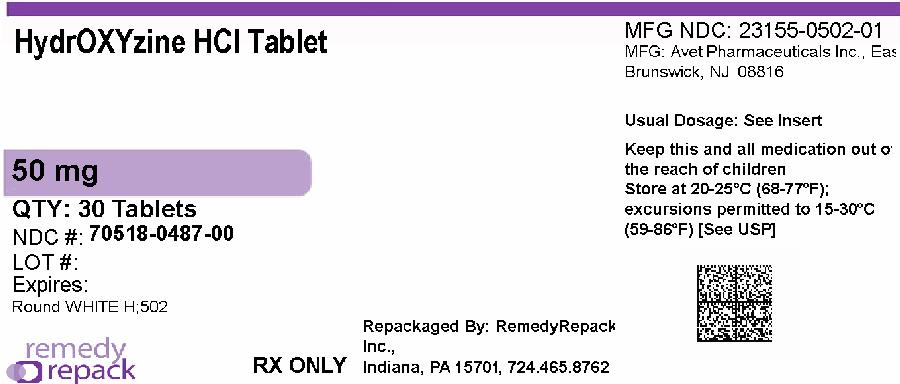
(hydroxy · DailyMed)
Rabemac 20
Diethyl Pthalate blister of 12,Ethyl cellulose blister of 12,Heavy Magnesium Oxide blister of 12,Hydroxy Propyl Cellulose blister of 12,Hypromellose 15cps blister of 12,Isopropyl Alcohol blister of 12,Magnesium Stearate blister of 12,Mannitol blister of 12,Methacrylicacid Ethylacrylate copolymer blister of 12,Purified talc blister of 12,Rabeprazole Sodium 20 mg,Titanium dioxide blister of 12,iron oxide red blister of 12
What it does
Alcohol is a substance that can affect your mood and behavior. It is important to use it carefully, especially if you are taking other medications.
Commonly used for: social enjoyment, anxiety relief, temporary relaxation
Read more in plain English ↓Plain-language summary for general understanding - not medical advice. Always follow your pharmacist/doctor.
Ask about this medicine
Answers come only from this medicine's registration record, BNF monograph and interaction data - not medical advice.
Medicine sourcing is available in Kenya only. We don't sell or dispense medicines - licensed pharmacies do.
Sourcing - Kenya onlyRegistration & product details
Source: Tanzania Medicines and Medical Devices Authority · fetched 2026-03-11 23:48:44 · updated 2026-10-19 03:00:45
Drug Interactions
9Pharmacodynamic Warnings
Alcohol appears in TABLE 1: Drugs that cause hepatotoxicity
Alcohol appears in TABLE 8: Drugs that cause hypotension
Alcohol appears in TABLE 11: Drugs with CNS depressant effects
Unknown (9)
Acitretin - increases concentration
Alcohol potentially increases the concentration of retinoids (acitretin). Avoid and for 2 months after stopping acitretin.
Antiepileptics - increases risk of visual disturbances
Alcohol potentially increases the risk of visual disturbances when given with antiepileptics (retigabine).
Methylphenidate - increases concentration
Alcoholmightincreasetheconcentrationofmethylphenidate. Avoid.oStudy
Rabeprazole - decreases exposure
Apalutamide is predicted to decrease the exposure to proton pump inhibitors (lansoprazole, rabeprazole). Avoid or monitor.
Retigabine - increases risk of visual disturbances
Alcohol potentially increases the risk of visual disturbances when given with antiepileptics (retigabine).
Retinoids - increases concentration
Alcohol potentially increases the concentration of retinoids (acitretin). Avoid and for 2 months after stopping acitretin.
Topical Pimecrolimus - increases risk of facial flushing and skin irritation
Alcohol increases the risk of facial flushing and skin irritation when given with topical pimecrolimus.
Topical Tacrolimus - increases risk of facial flushing and skin irritation
Alcohol increases the risk of facial flushing and skin irritation when given with topical tacrolimus.
Vasopressin - decreases antidiuretic effect
Alcoholmightdecreasetheantidiureticeffectofvasopressin. oTheoretical Aldesleukin →seeTABLE15p.1520(myelosuppression) Alectinib →seeTABLE6p.1518(bradycardia),TABLE1p.1517 (hepatotoxicity) com/codemedic
Data from BNF 85 (British National Formulary). This is not a substitute for professional medical advice. Matched via: exact
About alcohol
Alcohol is a substance that can affect your mood and behavior. It is important to use it carefully, especially if you are taking other medications.
What it treats
- social enjoyment
- anxiety relief
- temporary relaxation
How it works
Alcohol affects the brain and central nervous system, leading to changes in mood and behavior.
Who it's for
Adults who consume alcohol in moderation for social or relaxation purposes.
Cautions
- • Be cautious if taking medications that can harm the liver.
- • Use with care if you have low blood pressure.
- • Avoid combining with medications that can cause drowsiness.
AI-assisted summary grounded in BNF data - general information only, not medical advice. Always confirm with your pharmacist or doctor.
About cellulose
Cellulose is a type of fiber that helps with digestion and promotes bowel health.
What it treats
- constipation
- irregular bowel movements
How it works
Cellulose adds bulk to the stool, making it easier to pass through the intestines.
Who it's for
Suitable for people looking to improve their digestive health.
AI-assisted summary grounded in BNF data - general information only, not medical advice. Always confirm with your pharmacist or doctor.
About copolymer
Copolymer is a medication used in various treatments, though specific uses are not detailed here.
How it works
Copolymer works by forming a protective layer or modifying the properties of certain substances in the body.
Who it's for
Copolymer is typically for patients needing specific treatments that involve its unique properties.
AI-assisted summary grounded in BNF data - general information only, not medical advice. Always confirm with your pharmacist or doctor.
About diethyl
Diethyl is a medication used for various conditions, but specific information about its class and interactions is not provided.
How it works
The specific way diethyl works is not detailed.
Who it's for
Diethyl may be prescribed for certain medical conditions as determined by a healthcare provider.
AI-assisted summary grounded in BNF data - general information only, not medical advice. Always confirm with your pharmacist or doctor.
About dioxide
Dioxide is used in various medical applications, but specific details about its class or interactions are not provided.
How it works
The exact mechanism of action for dioxide is not specified, but it generally serves various therapeutic roles in medicine.
Who it's for
Dioxide may be suitable for individuals needing treatment related to its specific applications, but more information is needed to identify specific patient groups.
AI-assisted summary grounded in BNF data - general information only, not medical advice. Always confirm with your pharmacist or doctor.
About ethyl
Ethyl is a chemical compound used in various applications, including as a solvent and in the production of other chemicals.
How it works
Ethyl typically acts as a solvent that helps dissolve other substances, making it useful in various industrial and laboratory settings.
Who it's for
Ethyl is generally used in industrial and laboratory settings, not for direct medical treatment.
AI-assisted summary grounded in BNF data - general information only, not medical advice. Always confirm with your pharmacist or doctor.
About ethylacrylate
Ethylacrylate is a chemical compound used in various products, including adhesives and coatings. It is not typically used as a medication.
How it works
Ethylacrylate works by forming a strong bond when it dries, which is why it's often used in products that require adhesion.
Who it's for
Ethylacrylate is not intended for medical use and is mainly used in industrial applications.
AI-assisted summary grounded in BNF data - general information only, not medical advice. Always confirm with your pharmacist or doctor.
About heavy
Heavy is a substance that may be used for various purposes, but specific information on its class, interactions, and cautions is not provided.
How it works
Information on how Heavy works is not available.
Who it's for
Specific groups or conditions that Heavy is suitable for are not identified.
AI-assisted summary grounded in BNF data - general information only, not medical advice. Always confirm with your pharmacist or doctor.
About hydroxy
Hydroxy is a medication used to treat various health conditions. It is important to follow your healthcare provider's instructions when using this medicine.
What it treats
- autoimmune diseases (such as rheumatoid arthritis)
- malaria prevention and treatment
- certain skin conditions (like lupus)
How it works
Hydroxy helps to reduce inflammation and the activity of the immune system.
Who it's for
This medicine is for people with specific autoimmune disorders, those at risk of malaria, or those with certain skin issues.
AI-assisted summary grounded in BNF data - general information only, not medical advice. Always confirm with your pharmacist or doctor.
About hypromellose
Hypromellose is a substance that helps to keep the eyes moist and can be used to soothe irritation.
What it treats
- dry eyes (keratoconjunctivitis sicca)
- eye irritation
How it works
It forms a protective layer over the eye, which helps to retain moisture and relieve discomfort.
Who it's for
This medication is suitable for anyone experiencing dry or irritated eyes.
AI-assisted summary grounded in BNF data - general information only, not medical advice. Always confirm with your pharmacist or doctor.
About isopropyl
Isopropyl is commonly used in various topical applications for its antiseptic properties.
What it treats
- skin disinfectant
- cleaning agent
- antiseptic for minor cuts and scrapes
How it works
Isopropyl works by killing bacteria and preventing infection when applied to the skin.
Who it's for
It is suitable for anyone needing a disinfectant for minor skin issues.
AI-assisted summary grounded in BNF data - general information only, not medical advice. Always confirm with your pharmacist or doctor.
About mannitol
Mannitol is a type of sugar alcohol used mainly to help reduce swelling and pressure in the body, especially in the eyes and brain.
What it treats
- reducing pressure in the brain (intracranial hypertension)
- treating eye swelling (ocular hypertension)
- promoting urine production in kidney failure
How it works
Mannitol works by drawing water out of tissues and into the bloodstream, helping to decrease swelling and pressure.
Who it's for
Mannitol is typically used for patients with conditions that cause high pressure in the brain or eyes, and those with certain kidney issues.
AI-assisted summary grounded in BNF data - general information only, not medical advice. Always confirm with your pharmacist or doctor.
About methacrylicacid
Methacrylic acid is a chemical used in various medical and dental applications, particularly in making certain types of dental materials.
What it treats
- dental procedures
- making dental fillings
- creating dental crowns
How it works
Methacrylic acid helps in forming strong, durable materials that can be used in dental treatments.
Who it's for
This substance is used by dental professionals during treatments for patients needing dental restorations.
AI-assisted summary grounded in BNF data - general information only, not medical advice. Always confirm with your pharmacist or doctor.
About oxide
Oxide is a type of compound often used in various treatments. It is important to understand its uses and any precautions necessary when taking it.
What it treats
- treatment of certain skin conditions
- used in some respiratory therapies
How it works
Oxide works by interacting with the body in a way that helps improve certain health conditions.
Who it's for
Oxide may be suitable for individuals suffering from specific health issues as determined by their healthcare provider.
Cautions
- • Always follow the healthcare provider's instructions when using this compound.
- • Inform your doctor about any other medications you are taking.
AI-assisted summary grounded in BNF data - general information only, not medical advice. Always confirm with your pharmacist or doctor.
About propyl
Propyl is a chemical compound often used in various medicines. It helps in treating certain health conditions, but specific information on its uses and interactions is not provided.
How it works
Propyl works by influencing biological processes in the body, but the exact mechanism is not detailed.
Who it's for
Propyl may be suitable for individuals needing treatment for specific health issues, though details are not provided.
AI-assisted summary grounded in BNF data - general information only, not medical advice. Always confirm with your pharmacist or doctor.
About pthalate
Pthalate is not commonly used as a medicine and does not have specific information regarding its uses, interactions, or cautions.
How it works
Pthalate does not have a defined mechanism of action in a medical context.
Who it's for
Pthalate does not have specific patient groups for medicinal use.
AI-assisted summary grounded in BNF data - general information only, not medical advice. Always confirm with your pharmacist or doctor.
About purified
Purified ingredients are often used in various medicines to ensure safety and effectiveness by removing impurities.
What it treats
- various medical conditions
How it works
Purified ingredients help in delivering the intended effects of the medicine without the risk of contaminants.
Who it's for
People who need medications with safe and effective ingredients.
AI-assisted summary grounded in BNF data - general information only, not medical advice. Always confirm with your pharmacist or doctor.
About rabeprazole
Rabeprazole is a medication used to reduce stomach acid and help heal ulcers.
What it treats
- stomach ulcers
- gastroesophageal reflux disease (GERD)
- excess stomach acid
How it works
It works by blocking the production of stomach acid, which helps to relieve symptoms and promote healing.
Who it's for
This medication is for adults and children over the age of 12 who need help with stomach acid-related conditions.
AI-assisted summary grounded in BNF data - general information only, not medical advice. Always confirm with your pharmacist or doctor.
About red
Red is an active ingredient used in various treatments. It is important to understand its uses and any precautions before using it.
How it works
Red works by affecting certain processes in the body to help manage specific health conditions.
Who it's for
Red may be suitable for individuals with specific health conditions, but it's essential to consult a healthcare professional.
AI-assisted summary grounded in BNF data - general information only, not medical advice. Always confirm with your pharmacist or doctor.
About talc
Talc is a mineral used primarily to absorb moisture and reduce friction. It is commonly found in various personal care products.
What it treats
- skin irritation
- diaper rash
- chafing
- sweating
How it works
Talc works by absorbing moisture and providing a smooth surface, which helps to prevent irritation and discomfort on the skin.
Who it's for
Talc is suitable for anyone needing relief from moisture-related skin issues, including babies and adults.
Cautions
- • Avoid using on broken or irritated skin.
- • Keep away from the eyes and mouth.
AI-assisted summary grounded in BNF data - general information only, not medical advice. Always confirm with your pharmacist or doctor.
About titanium
Titanium is a material often used in medical implants and devices due to its strength and compatibility with the body.
What it treats
- surgical implants
- dental implants
- orthopedic devices
How it works
Titanium is used in medical devices because it is strong, lightweight, and does not react negatively with body tissues.
Who it's for
People who need implants or devices for medical conditions, such as joint replacements or dental issues.
AI-assisted summary grounded in BNF data - general information only, not medical advice. Always confirm with your pharmacist or doctor.
Clinical monograph: Hypromellose
BNF-referencedHypromellose is a semisynthetic polymer derived from cellulose, primarily used as an ocular lubricant in the management of dry eye conditions. It acts by forming a protective layer over the eye surface, providing moisture and relief from irritation, thereby improving comfort and protecting the corneal epithelium.
Indications
- Dry eye conditions
- Tear deficiency
- Keratoconjunctivitis sicca
Dosage
Children: Apply as required, typically in the form of eye drops.
Adults: Apply as required, typically in the form of eye drops.
Mechanism of action
Hypromellose acts by forming a viscous gel upon contact with the ocular surface, which helps to retain moisture and protect against irritants. This gel-like property enhances the stability of the tear film and reduces evaporation, thereby alleviating symptoms associated with dry eye conditions.
Pharmacodynamics
The pharmacodynamic effects of hypromellose are primarily related to its ability to mimic natural tears, providing lubrication to the ocular surface. This lubrication reduces friction during blinking and maintains corneal hydration, which is critical for ocular comfort and health. Its high viscosity also contributes to prolonged retention time on the eye surface.
Pharmacokinetics
Hypromellose is administered topically as eye drops and is not significantly absorbed systemically. The retention time of hypromellose on the ocular surface is enhanced due to its viscosity, allowing for extended relief of dry eye symptoms. The elimination of hypromellose occurs primarily through drainage from the eye and dilution by the natural tear fluid.
Adverse effects
- Temporary visual disturbance
- Eye irritation
Precautions
- Should not be used during contact lens wear
- Use with caution in patients with known hypersensitivity to any component of the formulation
Pregnancy
Hypromellose is generally considered safe for use during pregnancy. However, it should be used only if clearly needed and after consulting a healthcare provider.
Breast-feeding
Hypromellose is unlikely to affect breastfed infants when used as directed, but consultation with a healthcare provider is advisable.
Storage
Store in a cool, dry place away from direct sunlight. Once opened, use within a specified period as indicated on the packaging.
Formulations
- {'name': 'Teardew', 'concentration': '0.3%', 'form': 'eye drops', 'volume': '10 ml'}
- {'name': 'Xailin Hydrate', 'concentration': '0.3%', 'form': 'eye drops', 'volume': '10 ml'}
- {'name': 'AacuLose', 'concentration': '0.3%', 'form': 'eye drops', 'volume': '10 ml'}
- {'name': 'Artelac', 'concentration': '0.32%', 'form': 'eye drops', 'volume': '10 ml'}
- {'name': 'Lacrilube', 'concentration': '2 mg/g', 'form': 'eye ointment', 'volume': '3.5 g'}
- {'name': 'Celluvisc', 'concentration': '1%', 'form': 'eye drops', 'volume': '0.4 ml unit dose'}
AI-synthesized from BNF references - general information only, not a substitute for professional medical advice or the current BNF. Verify doses with a pharmacist.
Clinical monograph: Alcohol
BNF-referencedAlcohol is a volatile, flammable liquid used primarily as an antiseptic for skin disinfection and preparation before injections. It is commonly employed in medical settings to cleanse the skin and reduce the risk of infection.
Indications
- Skin disinfection
- Preparation of skin before injections
- Cleansing minor wounds
Dosage
Children: Apply to the skin as required; consult product literature for specific guidance.
Adults: Apply to the skin as required for disinfection.
Mechanism of action
Alcohol exerts its antiseptic effect by denaturing proteins, disrupting cell membranes, and dehydrating microbial cells, leading to cell lysis and death.
Pharmacodynamics
Alcohol has broad-spectrum antimicrobial activity, effective against bacteria, fungi, and viruses. Its efficacy is influenced by concentration, with higher concentrations generally being more effective.
Pharmacokinetics
Alcohol is rapidly absorbed through the skin and mucous membranes. It is metabolized primarily in the liver, with a half-life that varies based on the individual's metabolic rate and the amount consumed.
Contra-indications
- Concomitant use with lithium
- Regular use in neonates
- Patients with severe burns when diathermy has been preceded by application of alcoholic skin disinfectants
Adverse effects
- Eye erythema
- Punctate keratitis
- Cytotoxicity
- Eye discolouration
Interactions
- Increases risk of visual disturbances with antiepileptics
- Increases concentration with methylphenidate
- Increases risk of facial flushing and skin irritation with topical pimecrolimus
- Increases concentration with retinoids
- Increases concentration with acitretin
- Increases risk of facial flushing and skin irritation with topical tacrolimus
- Decreases antidiuretic effect with vasopressin
Precautions
- Avoid regular application to inflamed or broken skin or mucosa
- Avoid broken skin
- Flammable
Pregnancy
Sufficient iodine may be absorbed to affect the fetal thyroid in the second and third trimester.
Breast-feeding
Avoid regular or excessive use.
Storage
Store in a cool, dry place away from heat and direct sunlight.
Formulations
- Betadine 2.5% dry powder spray
- Industrial methylated spirit
- Povidone-Iodine 25 mg per 1 gram
AI-synthesized from BNF references - general information only, not a substitute for professional medical advice or the current BNF. Verify doses with a pharmacist.
Clinical monograph: Mannitol
BNF-referencedMannitol is an osmotic diuretic and a sugar alcohol that is used primarily to reduce elevated intracranial pressure and to promote diuresis in various medical conditions, including cerebral edema and acute kidney injury. It is metabolically inert in humans and is eliminated primarily through the kidneys. Mannitol works by elevating blood plasma osmolality, drawing water out of tissues and into the bloodstream, which helps to reduce fluid volume and pressure in the brain and other compartments.
Indications
- Cerebral edema
- Elevated intracranial pressure
- Acute kidney injury
- Oliguria
- Glaucoma
- Renal function diagnostic aid
Dosage
Adults: For cerebral edema, administer 0
Mechanism of action
Mannitol elevates blood plasma osmolality, resulting in enhanced flow of water from tissues, including the brain and cerebrospinal fluid, into interstitial fluid and plasma. This action reduces cerebral edema and intracranial pressure. As a diuretic, it increases the osmolality of glomerular filtrate, leading to increased urinary excretion of water and preventing sodium and chloride reabsorption in the renal tubules. Mannitol also facilitates the urinary excretion of toxic substances and can help in assessing renal function by measuring glomerular filtration rate (GFR).
Pharmacodynamics
Mannitol is classified as an osmotic diuretic. It is chemically similar to other sugar alcohols but has a unique ability to promote diuresis by remaining unabsorbed in the renal tubules. Its use is indicated for conditions associated with increased body fluids, such as cerebral edema and glaucoma. Mannitol may be combined with other diuretics to enhance diuretic efficacy. Inhaled formulations are used in cystic fibrosis, though they may cause bronchospasm and hemoptysis.
Pharmacokinetics
Mannitol is freely filtered by the glomeruli with less than 10% tubular reabsorption, which allows for its urinary excretion rate to serve as a measurement of GFR. It does not undergo significant metabolism and is eliminated primarily through the kidneys. The onset of action occurs within 30 to 60 minutes after intravenous administration, with effects lasting for several hours. Administration may require monitoring of renal function and fluid balance.
Contra-indications
- Anuria
- Severe dehydration
- Severe renal impairment
- Intracranial bleeding
Adverse effects
- Asthenia
- Gastrointestinal disturbances
- Dry mouth
- Confusion
- Visual impairment
- Hypotension
- Electrolyte imbalances
- Pulmonary edema
- Hemoptysis (with inhalation use)
- Bronchospasm (with inhalation use)
Interactions
- Potassium-sparing diuretics may increase the risk of hyperkalemia
- Other diuretics may have additive effects
- Caution with nephrotoxic agents
Precautions
- Caution in patients with diabetes mellitus
- Caution in the elderly
- Caution in patients with gout
- Caution in patients with hepatic impairment
- Monitor renal function and electrolytes regularly
- May cause blue fluorescence of urine
Pregnancy
Manufacturer advises avoid due to potential toxicity in animal studies.
Breast-feeding
Manufacturer advises avoid due to lack of information available.
Storage
Store in a cool, dry place, away from light. Do not freeze.
Formulations
- Solution for injection
- Inhalation powder
- Oral solution
AI-synthesized from BNF references - general information only, not a substitute for professional medical advice or the current BNF. Verify doses with a pharmacist.
Clinical monograph: Rabeprazolesodium
BNF-referencedRabeprazole sodium is a proton pump inhibitor (PPI) that reduces gastric acid secretion by inhibiting the H+/K+ ATPase enzyme located in the gastric parietal cells. It is primarily used for the treatment of various acid-related gastrointestinal disorders, including gastric and duodenal ulcers, gastro-oesophageal reflux disease (GERD), and functional dyspepsia.
Indications
- Gastric ulcer
- Duodenal ulcer
- Gastro-oesophageal reflux disease (GERD)
- Functional dyspepsia
- NSAID-associated peptic ulcer disease
- Zollinger-Ellison syndrome
Dosage
Adults: Initially 20 mg once daily for 4 to 8 weeks for GERD. For gastric and duodenal ulcers, the initial dose is 20 mg daily for 4 to 8 weeks. For NSAID-associated peptic ulcer disease, the recommended dose is 20 mg once daily for 4 to 8 weeks. Dose adjustments may be necessary in hepatic impairment, with a maximum dose of 20 mg daily
Mechanism of action
Rabeprazole sodium acts by irreversibly binding to and inhibiting the H+/K+ ATPase enzyme system (proton pump) in the gastric epithelium. This action leads to a decrease in gastric acid secretion, both basal and stimulated. The inhibition is dose-dependent and can last for 24 hours or longer, which helps in healing peptic ulcers and alleviating symptoms of acid-related disorders.
Pharmacodynamics
Rabeprazole sodium effectively suppresses gastric acid secretion, providing symptomatic relief and promoting mucosal healing in conditions associated with excessive gastric acidity. It demonstrates a rapid onset of action, with peak plasma concentrations occurring approximately 3-4 hours after administration. The drug's effects on gastric acid secretion can lead to increased gastric pH and improved healing of ulcerative lesions.
Pharmacokinetics
Rabeprazole sodium is rapidly absorbed after oral administration, with bioavailability of approximately 52% due to first-pass metabolism. The drug is extensively metabolized in the liver, primarily via the cytochrome P450 system. Its elimination half-life ranges from 1 to 2 hours, and it is excreted primarily through urine as metabolites. Food does not significantly affect its absorption.
Adverse effects
- Asthenia
- Angioedema
- Electrolyte imbalance
- Muscle spasms
- Hyperlipidaemia
- Weight change
Precautions
- Manufacturer advises caution in severe hepatic impairment, monitor liver function and discontinue if deterioration occurs.
Pregnancy
Manufacturer advises to avoid unless potential benefit outweighs risk-fetotoxic in animals.
Breast-feeding
Specialist sources indicate that the amount in milk is small and not known to be harmful.
Storage
Store below 25 degrees Celsius. Protect from light and moisture.
Formulations
- Gastro-resistant tablet
- Powder for solution for injection
AI-synthesized from BNF references - general information only, not a substitute for professional medical advice or the current BNF. Verify doses with a pharmacist.
Clinical monograph: cellulose
Cellulose is a complex carbohydrate and a key structural component of the plant cell wall. It is an indigestible polysaccharide made up of linear chains of glucose molecules linked by β-1,4-glycosidic bonds. As a dietary fiber, cellulose contributes to digestive health by promoting bowel regularity and is commonly used as a laxative and bulking agent in various food products and pharmaceuticals.
Indications
- Constipation
- Dietary fiber supplementation
- Irritable bowel syndrome
- Diverticular disease
- Weight management
Dosage
Children: Refer to appropriate guidelines for specific dosage; generally taken with adequate fluid intake.
Adults: Refer to appropriate guidelines for specific dosage; generally taken with adequate fluid intake.
Mechanism of action
Cellulose acts primarily as a bulk-forming laxative. It absorbs water in the intestines, which increases stool bulk and stimulates peristalsis, thus facilitating bowel movements. Additionally, cellulose is not digestible by human enzymes, leading to fermentation by gut bacteria, which may enhance gut health and alter gut microbiota composition.
Pharmacodynamics
Cellulose increases stool weight and frequency of bowel movements. It works by retaining water in the intestines, leading to softer stools and improved passage through the gastrointestinal tract. The bulking effect of cellulose can help alleviate constipation and promote overall digestive health. It may also play a role in cholesterol reduction and glycemic control through its effects on digestion and absorption of nutrients.
Pharmacokinetics
Cellulose is not absorbed into the bloodstream due to its indigestible nature. Instead, it passes through the gastrointestinal tract, where it adds bulk to the stool. Its fermentation by colonic bacteria produces short-chain fatty acids, which may have beneficial effects on colon health. The onset of action for cellulose as a laxative can vary but is generally within 24 to 72 hours after ingestion.
Adverse effects
- Bloating
- Flatulence
- Diarrhea
- Abdominal discomfort
Precautions
- Use with caution in patients with a history of gastrointestinal disorders.
- Monitor for potential allergic reactions in sensitive individuals.
Pregnancy
Cellulose is generally considered safe during pregnancy as it is a non-toxic, indigestible fiber.
Breast-feeding
Cellulose is also considered safe during breastfeeding; it is excreted in breast milk in negligible amounts.
Storage
Store in a cool, dry place away from direct sunlight.
Formulations
- Powder
- Capsules
- Tablets
- Granules
AI-synthesized from BNF references - general information only, not a substitute for professional medical advice or the current BNF. Verify doses with a pharmacist.
Clinical monograph: copolymer
Copolymers are synthetic or natural polymers made from two or more different monomer species. Their physical and chemical properties can be tailored for various applications, including drug delivery systems, biodegradable materials, and medical devices. In the context of pharmaceuticals, copolymers can enhance the solubility, stability, and bioavailability of drugs, making them valuable in formulating medications.
Indications
- Drug delivery systems
- Biodegradable implants
- Controlled release formulations
- Tissue engineering
- Medical device coatings
Dosage
Children: As with adult dosing, paediatric dosing of copolymers is specific to the formulation and application. Consult relevant pediatric pharmacology resources for detailed dosing recommendations.
Adults: Dosing of copolymers is highly variable and dependent on the specific drug formulation and intended use. For precise dosing information, refer to established pharmacological guidelines or product-specific resources.
Mechanism of action
Copolymers can function as drug delivery vehicles, allowing for controlled release of therapeutic agents. They can encapsulate drugs and release them in a sustained manner, depending on environmental triggers such as pH or temperature. This mechanism enhances the efficacy of drugs while minimizing side effects.
Pharmacodynamics
The pharmacodynamic properties of copolymers depend on their composition and structure, influencing their interaction with biological systems. They can modify drug release profiles and enhance the therapeutic effects of co-administered agents, facilitating targeted delivery to specific tissues or cells.
Pharmacokinetics
The pharmacokinetics of copolymers vary based on their molecular weight, structure, and the drugs they carry. Factors such as absorption, distribution, metabolism, and excretion will depend on the formulation and the specific application. Generally, copolymers can improve drug stability and prolong circulation time in the body.
Pregnancy
The safety of copolymer use during pregnancy has not been established. Non-essential use should be avoided.
Breast-feeding
The excretion of copolymers in human milk is unknown. Caution is advised when administering to nursing mothers.
Storage
Store in a cool, dry place away from direct light. Check specific product storage requirements as they may vary.
AI-synthesized from BNF references - general information only, not a substitute for professional medical advice or the current BNF. Verify doses with a pharmacist.
Clinical monograph: diethyl
BNF-referencedDiethyl, commonly referred to as butane, is a colorless gas at room temperature and is primarily used as a fuel and solvent. It is part of the alkane family and has a simple molecular structure represented by the formula C4H10. Due to its volatility and flammability, butane is often used in lighters and portable stoves. However, abuse through inhalation can lead to serious health risks, including asphyxia and cardiac arrhythmias.
Dosage
Children: Refer to BNF for Children for appropriate dosing guidelines, as specific therapeutic doses are not applicable for butane.
Adults: Refer to BNF for appropriate dosing guidelines, as specific therapeutic doses are not applicable for butane.
Mechanism of action
Butane acts primarily as a central nervous system depressant when inhaled, leading to hypoxia and potential cardiac complications. The inhalation of butane can result in a range of toxic effects, including asphyxia due to displacement of oxygen and direct toxic effects on cardiac tissues, which can lead to arrhythmias and myocardial damage.
Pharmacodynamics
The pharmacodynamic properties of butane involve its effects on the central nervous system, where it enhances inhibitory neurotransmission. This can lead to sedation and a decreased level of consciousness. Additionally, butane can cause cardiovascular effects, including changes in heart rhythm and potential myocardial ischemia due to oxygen deprivation.
Pharmacokinetics
Butane is rapidly absorbed through the lungs upon inhalation. Its distribution throughout the body is quick due to its lipophilic characteristics, allowing it to cross cell membranes efficiently. Metabolism of butane occurs primarily in the liver, although specific metabolic pathways are not extensively characterized. The elimination half-life is variable and dependent on the duration and intensity of exposure.
Contra-indications
- Hypersensitivity to butane or any of its components
- Severe respiratory insufficiency
- Acute or chronic pulmonary disease
Adverse effects
- Asphyxia
- Cardiac arrhythmias
- CNS depression
- Dizziness
- Headache
- Nausea
- Vomiting
- Confusion
- Loss of consciousness
Interactions
- May potentiate the effects of other CNS depressants
- Use with caution in patients receiving medications that affect cardiac rhythm
Precautions
- Use in well-ventilated areas to reduce inhalation risk
- Monitor patients for signs of respiratory distress
- Avoid use in individuals with a history of substance abuse
Pregnancy
There are no adequate and well-controlled studies in pregnant women. Use only if clearly needed and the potential benefits justify the potential risks.
Breast-feeding
It is not known whether butane is excreted in human milk. Caution should be exercised when administered to a nursing woman.
Storage
Store in a cool, well-ventilated area away from heat and flames. Keep container tightly closed.
Formulations
- Aerosol propellant
- Lighter refills
AI-synthesized from BNF references - general information only, not a substitute for professional medical advice or the current BNF. Verify doses with a pharmacist.
Clinical monograph: dioxide
Dioxide refers to a class of chemical compounds that contain two oxygen atoms bonded to another element or group. The most commonly referenced dioxide is carbon dioxide (CO2), a colorless, odorless gas produced by respiration in animals and plants and by the combustion of organic matter. In a clinical context, dioxides are often involved in various physiological processes and can play roles in drug mechanisms, particularly with respect to gas exchange and acid-base balance in the body.
Indications
- Monitoring respiratory function
- Assessment of metabolic status
- Management of respiratory acidosis
- Management of respiratory alkalosis
Dosage
Children: Dosing for interventions related to carbon dioxide levels in pediatric patients should be guided by clinical protocols and the BNF for Children.
Adults: Dosing for interventions related to carbon dioxide levels is typically based on clinical assessment and individual patient needs. Refer to clinical guidelines for specific scenarios.
Mechanism of action
Carbon dioxide acts primarily as a signaling molecule in the body, influencing respiratory drive and blood pH. It is produced during cellular respiration and is a critical component of the bicarbonate buffering system, which helps maintain acid-base homeostasis. Elevated levels of CO2 in the blood stimulate ventilation in the lungs, increasing the rate of gas exchange and facilitating the removal of excess CO2.
Pharmacodynamics
The pharmacodynamic effects of dioxides, particularly carbon dioxide, are closely related to its concentration in the blood. As CO2 levels increase, it leads to respiratory acidosis, which can stimulate the respiratory centers in the brain to increase ventilation. Conversely, low levels of CO2 can cause respiratory alkalosis, potentially leading to decreased respiratory drive. CO2 also plays a role in vasodilation and can affect blood flow and pressure through its influence on smooth muscle tone.
Pharmacokinetics
Carbon dioxide is produced endogenously during metabolic processes and is transported in the bloodstream primarily in three forms: dissolved in plasma, as bicarbonate ions (HCO3-), and bound to hemoglobin. The half-life of CO2 in the bloodstream is very short due to its rapid exchange with alveolar gas in the lungs. The elimination of CO2 occurs through exhalation, making it a dynamic component of respiratory physiology.
Pregnancy
Data on the effects of dioxide during pregnancy are limited. Caution is advised due to potential risks associated with exposure.
Breast-feeding
Limited data are available regarding the excretion of dioxide in human milk. Caution is recommended.
Storage
Store in a cool, dry place, away from direct sunlight and moisture.
AI-synthesized from BNF references - general information only, not a substitute for professional medical advice or the current BNF. Verify doses with a pharmacist.
Clinical monograph: ethyl
BNF-referencedEthyl, represented by the molecular formula C2H5, is a functional group derived from ethane. It is commonly found in various organic compounds and is often associated with the ethyl alcohol (ethanol) in pharmacology. Ethyl groups are integral in a wide array of chemical reactions and are fundamental in the synthesis of numerous medications and substances in both industrial and clinical settings.
Indications
- Alcohol use disorder
- Anxiety disorders
- Sedation
- Muscle relaxation
Dosage
Children: Refer to the BNF for Children for specific dosing guidelines in paediatric populations.
Adults: Refer to the specific BNF guidelines for dosing related to alcohol use disorder and other indications.
Mechanism of action
Ethyl groups serve primarily as substituents in organic chemistry, influencing the properties and reactivity of the parent molecules. In the context of ethanol, which contains an ethyl group, its mechanism of action involves the enhancement of gamma-aminobutyric acid (GABA) receptor activity, leading to increased inhibitory neurotransmission. This results in its sedative, anxiolytic, and muscle relaxant effects.
Pharmacodynamics
The pharmacodynamics of compounds containing the ethyl group, particularly ethanol, include its effects on the central nervous system, where it acts as a depressant. Ethanol enhances the effects of GABA, resulting in sedation, impaired motor function, and decreased anxiety. It can also affect the dopaminergic pathways, leading to the release of dopamine, which contributes to its reinforcing properties.
Pharmacokinetics
Ethanol is rapidly absorbed from the gastrointestinal tract, with peak blood concentrations typically reached within 30 to 90 minutes after consumption. It is metabolized primarily in the liver by alcohol dehydrogenase and aldehyde dehydrogenase, with a first-order elimination kinetics, typically at a rate of 10 to 15 mL of pure alcohol per hour. Ethanol is also known to exhibit a volume of distribution of approximately 0.5 to 0.7 L/kg in adults.
AI-synthesized from BNF references - general information only, not a substitute for professional medical advice or the current BNF. Verify doses with a pharmacist.
Clinical monograph: ethylacrylate
BNF-referencedEthylacrylate is an organic compound with the molecular formula C5H8O2, primarily used in the production of polymers and as a chemical intermediate. It is a clear, colorless liquid with a sweet, fruity odor, and is classified as a volatile organic compound. Ethylacrylate is also associated with cytotoxic effects, particularly in the olfactory epithelium following inhalation exposure in animal models.
Dosage
Children: Refer to the BNF for Children for appropriate dosing recommendations, as specific pediatric dosing is not provided.
Adults: Refer to the BNF for specific dosing guidelines as this information is not provided.
Mechanism of action
Cytotoxicity is primarily limited to the olfactory epithelium of the dorsal meatus region of the nasal cavity in rodents following inhalation exposure to acrylic monomers. The biochemical basis for this effect involves the activity of carboxylesterase in the nasal cavity, which suggests a relationship between regional deposition of the compound and its cytotoxic effects. Additionally, the hemolytic activity of ethylacrylate varies with its concentration, indicating a dose-dependent response.
Pharmacodynamics
Ethylacrylate exhibits cytotoxic properties, particularly affecting the olfactory epithelium. Its hemolytic activity is influenced by physical properties such as lipophilicity and molecular volume. The compound's interaction with biological tissues can lead to cell damage, primarily in sensitive areas such as the nasal cavity, which may be due to the release of organic acids upon metabolism.
Pharmacokinetics
Detailed pharmacokinetic data specific to ethylacrylate is limited. However, it is known to be rapidly absorbed through inhalation, leading to local effects in the respiratory tract. The metabolism of ethylacrylate involves ester hydrolysis, primarily via carboxylesterases, resulting in the formation of ethanol and acrylic acid. Elimination pathways have not been extensively characterized.
Pregnancy
There is limited data on the safety of ethylacrylate during pregnancy. Caution is advised and it should only be used if the potential benefit justifies the potential risk to the fetus.
Breast-feeding
It is not known if ethylacrylate is excreted in human milk. Caution should be exercised when administering to breastfeeding women.
Storage
Store in a cool, dry place away from direct sunlight and heat. Ensure that the container is tightly closed when not in use.
Formulations
- Liquid
AI-synthesized from BNF references - general information only, not a substitute for professional medical advice or the current BNF. Verify doses with a pharmacist.
Clinical monograph: heavy
Heavy metals refer to a group of metals and metalloids with high atomic weights and densities, which may be toxic or harmful to biological systems. Common heavy metals include lead, mercury, cadmium, arsenic, and chromium. Exposure to heavy metals can occur through various pathways, including environmental contamination, occupational exposure, and ingestion of contaminated food or water. The toxic effects of heavy metals can lead to a variety of health issues, including neurological impairment, renal dysfunction, respiratory problems, and developmental abnormalities.
Indications
- Heavy metal poisoning
- Lead poisoning
- Mercury poisoning
- Cadmium exposure
- Arsenic toxicity
- Chronic exposure to heavy metals
Dosage
Children: Pediatric dosing should be carefully determined based on weight and specific clinical guidelines for the type of heavy metal exposure. Refer to the BNF for Children for detailed recommendations.
Adults: Dosage varies widely based on the specific heavy metal, exposure level, and treatment protocol. Refer to clinical guidelines for specific chelation therapy dosing or symptomatic management.
Mechanism of action
Heavy metals exert their toxic effects through various mechanisms, including the inhibition of enzymatic activity, disruption of cellular membranes, and generation of oxidative stress. They can bind to sulfhydryl groups in proteins, affecting their function. Additionally, heavy metals can interfere with the synthesis of hemoglobin and disrupt the transport of essential metals, leading to deficiencies and metabolic disturbances.
Pharmacodynamics
The pharmacodynamics of heavy metals are complex and depend on the specific metal in question. Heavy metals typically accumulate in the body, leading to chronic toxicity. The biological effects can manifest as organ-specific damage, such as neurotoxicity from lead exposure, nephrotoxicity from cadmium, and developmental toxicity from mercury. The effects can vary based on the duration and level of exposure.
Pharmacokinetics
The pharmacokinetics of heavy metals vary widely among different metals. They may be absorbed through the gastrointestinal tract, inhalation, or skin. Once in the body, heavy metals can be distributed to various tissues, including the liver, kidneys, and brain. They often bind to plasma proteins and can be stored in bones or fatty tissues. Excretion primarily occurs through urine and feces, although some metals may have prolonged half-lives in the body, leading to bioaccumulation.
Pregnancy
The safety of heavy metals during pregnancy is generally not established, and exposure should be minimized due to potential risks to fetal development.
Breast-feeding
Heavy metals can be excreted in breast milk, and exposure should be limited to avoid potential harm to the nursing infant.
Storage
Store in a cool, dry place away from direct sunlight. Specific storage conditions may vary based on the type of heavy metal.
AI-synthesized from BNF references - general information only, not a substitute for professional medical advice or the current BNF. Verify doses with a pharmacist.
Clinical monograph: hydroxy
BNF-referencedHydroxyzine is an antihistamine of the first generation, primarily used for its sedative and anxiolytic properties. It is effective in treating anxiety, nausea, and allergic conditions. Hydroxyzine also possesses anticholinergic properties, which contribute to its sedative effects. It is commonly used in both adult and pediatric populations for various indications, including preoperative sedation and management of pruritus.
Indications
- Anxiety disorders
- Nausea and vomiting
- Allergic conditions
- Preoperative sedation
- Pruritus
Dosage
Children: Refer to the BNF for Children for appropriate dosing recommendations based on age and weight.
Adults: Refer to the BNF for specific dosing guidelines based on the indication and patient characteristics.
Mechanism of action
Hydroxyzine works by antagonizing the H1 histamine receptors, leading to a reduction in the effects of histamine in the body. This action helps alleviate symptoms of allergic reactions and promotes sedation. Additionally, it may exert effects on serotonin and adrenergic receptors, which could contribute to its anxiolytic properties. Hydroxyzine is also involved in various metabolic pathways, including selenium metabolism and the degradation of reactive oxygen species.
Pharmacodynamics
The pharmacodynamic effects of hydroxyzine include sedation, anxiolysis, and reduction of allergic symptoms. Its sedative effects can make it useful in managing anxiety and inducing sleep, while its antihistaminic properties help to relieve symptoms such as itching and rashes associated with allergic reactions. The onset of action is typically within 15 to 30 minutes when taken orally, with peak effects occurring within 1 to 2 hours.
Pharmacokinetics
Hydroxyzine is well absorbed from the gastrointestinal tract, with peak plasma concentrations occurring approximately 2 hours after oral administration. It is extensively metabolized in the liver, with metabolites, including cetirizine, possessing their own therapeutic effects. Hydroxyzine has a half-life of approximately 20 hours, allowing for once or twice daily dosing. It is primarily excreted in the urine, with less than 1% of the unchanged drug found in urine.
Interactions
- hydroxyzine+antiepileptics: Severe (increases risk of overheating and dehydration)
- hydroxyzine+zonisamide: Severe (increases risk of overheating and dehydration)
- hydroxychloroquine+penicillamine: Severe (increases risk of haematological toxicity)
- hydroxychloroquine+agalsidase alfa: Unknown (decreases effects)
- hydroxychloroquine+agalsidase beta: Unknown (decreases exposure)
- hydroxychloroquine+oral cholera vaccine: Unknown (decreases efficacy)
- live vaccines+hydroxy carbamide: Unknown (increases risk of generalised infection (possibly life-threatening))
- lanthanum+hydroxychloroquine: Unknown (decreases absorption)
- macrolides+hydroxychloroquine: Unknown (increases risk of serious cardiovascular adverse effects)
- hydroxychloroquine+remdesivir: Unknown (decreases effects)
Pregnancy
Safety in pregnancy has not been established. Use only if the potential benefit justifies the potential risk to the fetus.
Breast-feeding
Use with caution. Hydroxychloroquine is excreted in breast milk, and effects on the infant are unknown.
Storage
Store in a cool, dry place, protected from light. Keep out of reach of children.
Formulations
- Tablets
- Oral solution
AI-synthesized from BNF references - general information only, not a substitute for professional medical advice or the current BNF. Verify doses with a pharmacist.
Clinical monograph: isopropyl
BNF-referencedIsopropyl alcohol, also known as isopropanol or 2-propanol, is a colorless, flammable chemical compound with the molecular formula C3H8O. It is commonly used as a solvent, antiseptic, and disinfectant. Isopropyl alcohol has broad applications in medical, industrial, and household settings due to its effective antimicrobial properties and ability to dissolve a wide range of non-polar compounds.
Indications
- Antiseptic for skin disinfection
- Solvent in pharmaceutical formulations
- Cleaning agent in laboratories and healthcare settings
Dosage
Children: For pediatric use, consult specific guidelines in the BNF for Children, as dosing may vary based on age, weight, and clinical circumstances.
Adults: For skin antisepsis, apply isopropyl alcohol topically in a concentration of 70% to the affected area. Dosage may vary based on clinical indication and setting.
Mechanism of action
Isopropyl alcohol works primarily as an antiseptic by denaturing proteins and disrupting cell membranes of bacteria, viruses, and fungi, leading to cell lysis and death. Its efficacy is enhanced by the presence of water, which facilitates the penetration of the alcohol into microbial cells.
Pharmacodynamics
Isopropyl alcohol exhibits a rapid onset of action against a variety of pathogens, including gram-positive and gram-negative bacteria, fungi, and some viruses. Its antimicrobial activity is concentration-dependent, with higher concentrations generally providing a broader spectrum of activity. It is commonly used in concentrations ranging from 60% to 90%, with 70% being optimal for disinfection due to its ability to penetrate the cell wall effectively.
Pharmacokinetics
Isopropyl alcohol is readily absorbed through the skin and mucous membranes. After absorption, it is metabolized primarily in the liver to acetone, which is then further metabolized and excreted, mostly via urine. The elimination half-life of isopropyl alcohol varies but is typically around 2 to 3 hours. Its effects can be influenced by factors such as dosage, route of exposure, and individual metabolic differences.
Pregnancy
Isopropyl alcohol should be used with caution during pregnancy. It is a category C drug, indicating that risk cannot be ruled out.
Breast-feeding
Caution is advised when using isopropyl alcohol during breastfeeding, as it is not known if it is excreted in human milk.
Storage
Isopropyl alcohol should be stored at room temperature, away from heat and flame. Keep the container tightly closed and in a well-ventilated area.
Formulations
- Isopropyl alcohol 70% solution
- Isopropyl alcohol 99% solution
AI-synthesized from BNF references - general information only, not a substitute for professional medical advice or the current BNF. Verify doses with a pharmacist.
Clinical monograph: methacrylicacid
Methacrylic acid is a colorless liquid organic compound commonly used in the production of polymers and plastics. It is a key monomer in the synthesis of polymethyl methacrylate (PMMA), which is used in a variety of applications including optical devices, automotive parts, and medical devices. Methacrylic acid can also act as a functional monomer in copolymers, enhancing their properties. Due to its reactivity, it is also utilized in various chemical reactions and as a building block in organic synthesis.
Dosage
Children: Methacrylic acid is not used as a therapeutic agent in children; refer to specific product guidelines for industrial or laboratory use.
Adults: Methacrylic acid is not used as a therapeutic agent in adults; refer to specific product guidelines for industrial or laboratory use.
Mechanism of action
Methacrylic acid primarily acts as a monomer that undergoes free radical polymerization to form polymers. Upon exposure to heat or initiators, methacrylic acid can polymerize to form long chains, contributing to the mechanical strength and durability of the resulting materials. It can also participate in copolymerization with other monomers to modify the physical and chemical properties of the final product.
Pharmacodynamics
As a monomer, methacrylic acid does not have direct pharmacological effects in the traditional sense, as it is not used as a therapeutic agent in medicine. However, when incorporated into polymers, its physical properties can influence the behavior of the material, including its flexibility, tensile strength, and resistance to environmental stressors. The presence of functional groups can also impact interactions with biological systems, making it relevant in biomedical applications.
Pharmacokinetics
Methacrylic acid has a low molecular weight and is expected to be absorbed through the skin and mucosal membranes upon exposure. Due to its high reactivity, it is likely to undergo rapid metabolism and polymerization upon entering biological systems, limiting systemic exposure. The elimination half-life is not well characterized; however, it is anticipated that any unreacted methacrylic acid would be rapidly conjugated or metabolized within the body.
Pregnancy
There is limited data on the use of methacrylic acid during pregnancy. It is recommended to avoid use unless necessary.
Breast-feeding
It is unknown if methacrylic acid is excreted in human milk. Caution is advised when used by nursing mothers.
Storage
Store in a cool, dry place away from light and moisture. Keep container tightly closed.
AI-synthesized from BNF references - general information only, not a substitute for professional medical advice or the current BNF. Verify doses with a pharmacist.
Clinical monograph: oxide
BNF-referencedOxide refers to a chemical compound that contains at least one oxygen atom and one other element. Oxides can be formed from a variety of elements, and their properties can vary significantly depending on the specific elements involved. Common oxides include metal oxides, such as iron oxide (rust), and non-metal oxides, such as carbon dioxide. In a pharmaceutical context, oxides may play roles as inactive ingredients or act as preservatives or stabilizers in drug formulations.
Mechanism of action
Oxides do not have a single mechanism of action as they are a broad category of compounds. However, in general, metal oxides can exhibit catalytic properties, while non-metal oxides may participate in biochemical reactions by forming acids or bases upon dissolution in water.
Pharmacodynamics
The pharmacodynamics of oxides depend on the specific type of oxide and its interaction with biological systems. For instance, metal oxides may have antimicrobial properties, while certain non-metal oxides can influence metabolic pathways through their acid-base chemistry. The effects vary widely, necessitating specific studies for each oxide's role in therapeutic contexts.
Pharmacokinetics
The pharmacokinetics of oxides are also variable. Many metal oxides are poorly soluble and thus have limited absorption when ingested. Non-metal oxides, such as carbon dioxide, can be readily absorbed and utilized in metabolic processes. The distribution, metabolism, and excretion of oxides depend on their chemical form and the biological system in which they are involved.
Pregnancy
Not applicable as oxide is not a drug but a class of chemical compounds.
Breast-feeding
Not applicable as oxide is not a drug but a class of chemical compounds.
Storage
Store in a cool, dry place away from direct sunlight.
AI-synthesized from BNF references - general information only, not a substitute for professional medical advice or the current BNF. Verify doses with a pharmacist.
Clinical monograph: propyl
BNF-referencedPropyl, or propyl group, refers to a branched alkyl group derived from propane and is often used in organic chemistry as a substituent on various compounds. In pharmacology, propyl derivatives have been associated with various therapeutic agents, including antithyroid medications. Propylthiouracil (PTU) is a notable drug that contains a propyl group and is used primarily in the management of hyperthyroidism. It inhibits the synthesis of thyroid hormones, thereby decreasing their levels in the body.
Indications
- Hyperthyroidism
- Graves' disease
- Thyroid storm
Dosage
Children: Refer to the BNF
Adults: The usual initial dose of propylthiouracil in adults is 300 mg per day, divided into 3 doses. The maintenance dose is typically 100-150 mg per day, adjusted based on thyroid function tests.
Mechanism of action
Propylthiouracil acts by inhibiting the enzyme thyroid peroxidase, which is involved in the iodination of tyrosine residues in thyroglobulin, a precursor of thyroid hormones. By blocking this enzyme, PTU reduces the production of thyroxine (T4) and triiodothyronine (T3), leading to decreased thyroid hormone levels in circulation. Additionally, PTU inhibits the conversion of T4 to T3 in peripheral tissues, further contributing to its antithyroid effects.
Pharmacodynamics
The pharmacodynamic effects of propylthiouracil are primarily centered around its ability to lower thyroid hormone levels, which helps alleviate symptoms of hyperthyroidism such as increased heart rate, weight loss, and anxiety. The onset of action can vary, but therapeutic effects may be observed within several weeks of initiation. Monitoring thyroid function tests is essential to assess the efficacy and adjust dosing as needed.
Pharmacokinetics
Propylthiouracil is well absorbed from the gastrointestinal tract, though its bioavailability can be affected by factors such as food intake. The drug is extensively metabolized in the liver, and its elimination half-life averages around 1-2 hours. Most of the drug is excreted in urine as metabolites. It is important to note that due to its rapid metabolism, multiple daily doses may be required to maintain therapeutic levels.
Interactions
- propylthiouracil+metyrapone: Severe (decreases effects)
AI-synthesized from BNF references - general information only, not a substitute for professional medical advice or the current BNF. Verify doses with a pharmacist.
Clinical monograph: pthalate
Phthalates are a group of chemical compounds used as plasticizers in various consumer products, primarily to increase flexibility and durability. They are commonly found in polyvinyl chloride (PVC) plastics and can be released into the environment and human body through various pathways, leading to potential health concerns, including endocrine disruption. Phthalates are not used as pharmaceuticals but are important in toxicology and public health discussions.
Dosage
Children: Phthalates are not indicated for any medical use and thus do not have established dosing guidelines.
Adults: Phthalates are not indicated for any medical use and thus do not have established dosing guidelines.
Mechanism of action
Phthalates exert their effects primarily through the modulation of hormonal pathways. They are known to interfere with the endocrine system by mimicking or inhibiting the action of hormones, particularly sex hormones like testosterone. This can lead to developmental and reproductive toxicity, affecting both male and female reproductive systems.
Pharmacodynamics
Phthalates are lipophilic compounds that can be absorbed through the skin, ingested, or inhaled. Once in the body, they may bind to various nuclear receptors and influence gene expression related to hormone regulation. Their potential to disrupt endocrine function poses risks for various health outcomes, including reproductive and developmental issues.
Pharmacokinetics
Phthalates are rapidly absorbed and metabolized in the human body. They undergo hydrolysis to form mono-phthalates, which are the active metabolites responsible for their biological effects. These metabolites are then conjugated and excreted primarily in the urine. The half-life of phthalates can vary, but they are generally considered to have a short elimination half-life due to their rapid metabolism.
Pregnancy
Limited data on the safety of phthalates during pregnancy. Some studies suggest potential risks, but evidence is not conclusive.
Breast-feeding
Limited information available regarding the excretion of phthalates in human milk. Caution is advised when considering use during breastfeeding.
Storage
Store in a cool, dry place away from light. Specific storage conditions may vary based on formulation.
AI-synthesized from BNF references - general information only, not a substitute for professional medical advice or the current BNF. Verify doses with a pharmacist.
Clinical monograph: purified
Purified refers to a substance that has been processed to remove impurities, contaminants, or unwanted substances, resulting in a more concentrated and effective form of the original compound. In pharmacology, purified compounds are often used to enhance therapeutic efficacy and reduce adverse effects. The purification process can apply to a variety of substances, including drugs, biological products, and chemical compounds.
Dosage
Children: Refer to specific drug formulations and product labels as purified substances can vary widely in their use and dosing.
Adults: Refer to specific drug formulations and product labels as purified substances can vary widely in their use and dosing.
Mechanism of action
The mechanism of action for purified compounds varies widely depending on the specific substance. Generally, purified drugs exert their effects by interacting with specific biological targets, such as receptors, enzymes, or ion channels, leading to a desired therapeutic effect. This interaction can involve binding to receptors to activate or inhibit signaling pathways, modulating enzymatic activity, or altering physiological processes.
Pharmacodynamics
Pharmacodynamics describes the effects of a drug on the body and the relationship between drug concentration and effect. For purified drugs, this can involve dose-response relationships and the time course of their action. The purified form often enhances potency and reduces variability in response among patients, which can lead to more predictable therapeutic outcomes. The overall effect is determined by the drug's affinity for its target, the efficacy of the drug-receptor interaction, and the downstream signaling pathways activated as a result of this interaction.
Pharmacokinetics
Pharmacokinetics involves the absorption, distribution, metabolism, and excretion (ADME) of a drug. For purified substances, absorption can be more efficient due to the absence of impurities that may affect solubility or stability. Distribution may also be enhanced, leading to higher bioavailability. Metabolism can be influenced by the structure of the purified compound, as it may be metabolized more readily by liver enzymes. Excretion typically occurs through the kidneys or liver, depending on the molecular characteristics of the purified drug.
Pregnancy
Consult with a healthcare professional, as the safety of purified forms of medications during pregnancy may vary depending on the specific substance.
Breast-feeding
Consult with a healthcare professional, as the safety of purified forms of medications during breastfeeding may vary depending on the specific substance.
Storage
Store in a cool, dry place, away from light and moisture, and keep out of reach of children.
AI-synthesized from BNF references - general information only, not a substitute for professional medical advice or the current BNF. Verify doses with a pharmacist.
Clinical monograph: rabeprazole
BNF-referencedRabeprazole is a substituted benzimidazole compound classified as a proton-pump inhibitor (PPI). It is primarily used to reduce gastric acid secretion in various gastrointestinal disorders. By inhibiting the hydrogen-potassium ATPase enzyme at the secretory surface of gastric parietal cells, rabeprazole effectively suppresses acid production in the stomach, providing relief from conditions such as gastroesophageal reflux disease (GERD), peptic ulcers, and Zollinger-Ellison syndrome.
Indications
- Gastroesophageal reflux disease (GERD)
- Peptic ulcers
- Zollinger-Ellison syndrome
- Prevention of gastric ulcers associated with NSAID use
Dosage
Adults: Refer to BNF for specific dosing recommendations based on condition being treated.
Mechanism of action
Rabeprazole inhibits gastric acid secretion by irreversibly binding to the hydrogen-potassium ATPase enzyme system (H+, K+-ATPase) located at the parietal cell surface. This action blocks the final step in the gastric acid secretion process, leading to a reduction in hydrogen ion transport into the gastric lumen. Rabeprazole is activated in the acidic environment of the stomach, transforming into an active sulfenamide which exerts its inhibitory effects.
Pharmacodynamics
By preventing the production of gastric acid, rabeprazole alleviates symptoms associated with excessive acid secretion, such as heartburn and esophagitis. It is particularly effective in treating gastroesophageal reflux disease (GERD) and peptic ulcers, as well as in combination with antibiotics for the eradication of Helicobacter pylori. Furthermore, rabeprazole is utilized in managing conditions like Zollinger-Ellison syndrome, where there is an overproduction of gastric acid.
Pharmacokinetics
Rabeprazole is rapidly absorbed following oral administration, with peak plasma concentrations occurring within 1 to 2 hours. It is extensively metabolized in the liver through the cytochrome P450 system, primarily via CYP2C19 and CYP3A4 isoenzymes. The elimination half-life of rabeprazole ranges from 1 to 2 hours. The drug is excreted mainly in the urine as metabolites, with minimal unchanged drug present. Food intake can affect the absorption but not the overall efficacy of the drug.
Adverse effects
- Headache
- Nausea
- Diarrhea
- Constipation
- Abdominal pain
- Rash
- Dizziness
Interactions
- apalutamide+rabeprazole: Unknown (decreases exposure)
Precautions
- Use with caution in patients with hepatic impairment
- Monitor for potential vitamin B12 deficiency with long-term use
- Consider risk of Clostridium difficile infection in patients with diarrhea
Pregnancy
Rabeprazole is classified as category B. Animal studies have shown no harm, but there are no well-controlled studies in pregnant women. Use only if clearly needed.
Breast-feeding
Rabeprazole is excreted in breast milk. Caution should be exercised when administered to a nursing mother.
Storage
Store at room temperature, away from moisture and heat. Keep out of reach of children.
Formulations
- Tablets: 20 mg
AI-synthesized from BNF references - general information only, not a substitute for professional medical advice or the current BNF. Verify doses with a pharmacist.
Clinical monograph: talc
BNF-referencedTalc is a mineral composed of magnesium, silicon, and oxygen, commonly used in various pharmaceutical applications due to its excellent absorptive properties. It is often employed as an excipient in drug formulations and as a bulking agent in tablets and powders. Talc is also utilized in some medical procedures, such as pleurodesis, to prevent the recurrence of pleural effusions.
Indications
- Used as an excipient in drug formulations
- Pleurodesis for the management of recurrent pleural effusions
Dosage
Children: Refer to specific guidelines for paediatric use, as dosing may differ based on age and clinical condition.
Adults: Refer to specific guidelines for the appropriate dosage in pleurodesis and other applications, as it may vary based on clinical context.
Mechanism of action
Talc exhibits very good absorptive properties, allowing it to absorb moisture and other substances effectively. This characteristic is particularly useful in pharmaceutical formulations, where it may enhance the stability and texture of the drug product.
Pharmacodynamics
Talc's primary pharmacodynamic effect is its ability to act as an inert filler and bulking agent in pharmaceutical preparations. It does not have any intrinsic pharmacological activity but serves to improve the physical properties of formulations, such as flowability and compressibility.
Pharmacokinetics
Talc is not absorbed systemically when used as an excipient or in medical procedures. Its effects are local, and it remains in the site of application, where it functions primarily as a mechanical agent. The pharmacokinetics of talc in the context of its use in pleurodesis involves its ability to promote adhesion of the pleural surfaces, thereby preventing fluid accumulation.
Pregnancy
Talc is classified as a substance with minimal systemic absorption, but safety during pregnancy has not been well established. Consult relevant guidelines.
Breast-feeding
Talc is not expected to be absorbed in significant amounts; however, caution is advised and consult guidelines.
Storage
Store in a cool, dry place, away from direct sunlight.
AI-synthesized from BNF references - general information only, not a substitute for professional medical advice or the current BNF. Verify doses with a pharmacist.
Clinical monograph: titanium
BNF-referencedTitanium is a transition metal with the atomic number 22 and molecular formula Ti. It is known for its high strength-to-weight ratio, corrosion resistance, and biocompatibility, making it a valuable material in various medical and industrial applications, including implants and prosthetics. Its use in medicine primarily revolves around its incorporation into devices and materials rather than as a pharmacological agent.
Indications
- Orthopedic implants
- Dental implants
- Prosthetic devices
- Surgical instruments
Mechanism of action
Titanium does not have a specific mechanism of action as it is not a drug in the traditional sense. Instead, its biocompatibility allows it to integrate with biological tissues without eliciting significant immune responses, making it suitable for use in implants and prosthetic devices. The presence of titanium ions can influence biological processes, including cell proliferation and differentiation.
Pharmacodynamics
Titanium itself does not exhibit pharmacodynamics as it is not administered as a drug. Its interactions within biological systems are primarily mechanical and structural, providing support and stability in orthopedic and dental applications. The biocompatibility of titanium allows for favorable tissue integration and reduced rejection rates compared to other materials.
Pharmacokinetics
As titanium is not a pharmacological agent, traditional pharmacokinetic parameters such as absorption, distribution, metabolism, and excretion do not apply. Titanium is typically utilized in solid forms, such as implants, where it remains localized and does not undergo metabolism or systemic circulation.
Pregnancy
There is limited data on the use of titanium during pregnancy. Consult a healthcare professional before use.
Breast-feeding
There is limited data on the excretion of titanium in breast milk. Consult a healthcare professional before use.
Storage
Store in a cool, dry place away from direct sunlight.
AI-synthesized from BNF references - general information only, not a substitute for professional medical advice or the current BNF. Verify doses with a pharmacist.
Molecular reference: Alcohol
PubChem CID 702Molecular formula: C2H6O
Mechanism of action
Ethanol affects the brain’s neurons in several ways. It alters their membranes as well as their ion channels, enzymes, and receptors. Alcohol also binds directly to the receptors for acetylcholine, serotonin, GABA, and the NMDA receptors for glutamate. The sedative effects of ethanol are mediated through binding to GABA receptors and glycine receptors (alpha 1 and alpha 2 subunits). It also inhibits NMDA receptor functioning. In its role as an anti-infective, ethanol acts as an osmolyte or dehydrating agent that disrupts the osmotic balance across cell membranes. ... Ethanol is known to affect a large number of membrane proteins that participate in signaling pathways such as neurotransmitter receptors, enzymes, and ion channels, and there is extensive evidence that ethanol interacts with a variety of neurotransmitters. The major actions of ethanol involve enhancing the inhibitory effects of gamma-aminobutyric acid (GABA) at GABAa receptors and blockade of the N-methyl-D-aspartate (NMDA) subtype of glutamate, an excitatory amine acid (EAA) receptor. Animal studies indicate that the acute effects of ethanol result from competitive inhibition of glycine binding to NMDA receptor and disruption of glutamatergic neurotransmission by inhibiting the response of the NMDA receptor. Persistent glycine antagonism and attenuation of glutamatergic neurotransmission by chronic ethanol exposure results in tolerance to ethanol by enhancing EAA neurotransmission and NMDA receptor upregulation. The latter appears to involve selective increases in NMDA R2B subunit concentrations and other molecular changes in specific brain loci. The abrupt withdrawal of ethanol thus produces a hyperexcitable state that leads to the ethanol withdrawal syndrome and excitotoxic neuronal death. GABA-mediated inhibition, which normally acts to limit excitation, is eliminated during ethanol withdrawal syndrome and further intensifies this excitation. In addition, NMDA receptors function to inhibit the release of dopamine in the nucleus accumbens and mesolimbic structures, which modulate the reinforcing action of addictive xenobiotics such as ethanol. By inhibiting NMDA receptor activity, ethanol could increase dopamine release from the nucleus accumbens and ventral tegmental area and could thus create dependence. Chronic ethanol administration also results in tolerance, dependence, and an ethanol withdrawal syndrome, mediated, in part, by desensitization and or downregulation of GABAa receptors. The development of alcoholic ketoacidosis (AKA) requires that a combination of physical and physiologic events occur. The normal response to starvation and depletion of hepatic glycogen stores is for amino acids to be converted to pyruvate. Pyruvate can serve as a substrate for gluconeogenesis, be converted to acetyl-CoA, which can enter the Krebs cycle or can be utilized in various biosynthetic pathways (eg, fatty acid, ketone bodies, cholesterol, and acetylcholine) ... Ethanol metabolism generates NADH, resulting in an excess of reducing potential. This high redox state favors the conversion of pyruvate to lactate, diverting pyruvate from being a substrate for gluconeogenesis. To compensate for the lack of normal metabolic substrates, the body mobilizes fat from adipose tissue and increased fatty acid metabolism as an alternative source of energy. This response is mediated by a decrease in insulin and an increased secretion of glucagon, catecholamines, growth hormone, and cortisol. Fatty acid metabolism results in the formation of acetyl-CoA and it combines with the excess acetate that is generated from ethanol metabolism to form acetoacetate. Most of the acetoacetate is reduced to beta-hydroxybutyrate due to the excess reducing potential or high redox state of the cell. Volume depletion interferes with the renal elimination of acetoacetate and beta-hydroxybutyrate, and contributes to the acidosis. An elevated lactate concentration may result from shunting from pyruvate or
Pharmacodynamics
Alcohol produces injury to cells by dehydration and precipitation of the cytoplasm or protoplasm. This accounts for its bacteriocidal and antifungal action. When alcohol is injected in close proximity to nerve tissues, it produces neuritis and nerve degeneration (neurolysis). Ninety to 98% of ethanol that enters the body is completely oxidized. Ethanol is also used as a cosolvent to dissolve many insoluble drugs and to serve as a mild sedative in some medicinal formulations. Ethanol also binds to GABA, glycine, NMDA receptors and modulates their effects. Ethanol is also metabolised by the hepatic enzyme alcohol dehydrogenase.
Biological pathways
Source: PubChem (NCBI) · pathways from PathBank, Reactome, WikiPathways & PharmGKB.
Molecular reference: Mannitol
PubChem CID 6251Molecular formula: C6H14O6
Mechanism of action
Mannitol is an osmotic diuretic that is metabolically inert in humans and occurs naturally, as a sugar or sugar alcohol, in fruits and vegetables. Mannitol elevates blood plasma osmolality, resulting in enhanced flow of water from tissues, including the brain and cerebrospinal fluid, into interstitial fluid and plasma. As a result, cerebral edema, elevated intracranial pressure, and cerebrospinal fluid volume and pressure may be reduced. As a diurectic mannitol induces diuresis because it is not reabsorbed in the renal tubule, thereby increasing the osmolality of the glomerular filtrate, facilitating excretion of water, and inhibiting the renal tubular reabsorption of sodium, chloride, and other solutes. Mannitol promotes the urinary excretion of toxic materials and protects against nephrotoxicity by preventing the concentration of toxic substances in the tubular fluid. As an Antiglaucoma agent mannitol levates blood plasma osmolarity, resulting in enhanced flow of water from the eye into plasma and a consequent reduction in intraocular pressure. As a renal function diagnostic aid mannitol is freely filtered by the glomeruli with less than 10% tubular reabsorption. Therefore, its urinary excretion rate may serve as a measurement of glomerular filtration rate (GFR). The exact mechanism of action of inhaled mannitol in the symptomatic maintenance treatment of cystic fibrosis remains unclear. It is hypothesized that mannitol produces an osmotic gradient across the airway epithelium that draws fluid into the extracellular space and alters the properties of the airway surface mucus layer, allowing easier mucociliary clearance. MANNITOL IS.../USED/ IN PROPHYLAXIS OF ACUTE RENAL FAILURE. IT IS USED FOR THIS PURPOSE IN CONDITIONS AS DIVERSE AS CARDIOVASCULAR OPERATIONS, SEVERE TRAUMATIC INJURY, OPERATIONS IN THE PRESENCE OF SEVERE JAUNDICE, AND MGMNT OF HEMOLYTIC TRANSFUSION REACTIONS. IN EACH OF THESE CONDITIONS, A PRECIPITOUS FALL IN THE FLOW OF URINE MAY BE ANTICIPATED EITHER AS THE RESULT OF AN ACUTELY REDUCED FILTRATION RATE OR FROM ACUTE CHANGES IN TUBULAR PERMEABILITY. THE LATTER MAY BE CONSEQUENCE OF THE PRESENCE OF NOXIOUS AGENT WITHIN THE TUBULAR FLUID IN EXCESSIVELY HIGH CONCN, IN SOME INSTANCES SUFFICIENT TO RESULT IN ACTUAL PRECIPITATION. IN THESE SITUATIONS, MANNITOL EXERTS OSMOTIC EFFECT WITHIN THE TUBULAR FLUID, INHIBITS WATER REABSORPTION, & MAINTAINS THE RATE OF URINE FLOW. ...CONCN OF TOXIC AGENT WITHIN TUBULAR FLUID DOES NOT REACH EXCESSIVELY HIGH LEVELS THAT OTHERWISE WOULD HAVE BEEN ACHIEVED BY MORE COMPLETE REABSORPTION OF WATER. ...EVEN THOUGH /GLOMERULAR/ FILTRATION RATE IS REDUCED, MANNITOL IS STILL FILTERED @ GLOMERULUS. THE TUBULAR IMPERMEABILITY TO MANNITOL IS NOT ALTERED BY ACUTE RENAL ISCHEMIA OF SHORT DURATION. HENCE, THE MANNITOL THAT IS FILTERED IS ALSO EXCRETED IN THE VOIDED URINE. UNREABSORBED SOLUTE LIMITS BACK DIFFUSION OF WATER. ...URINE VOL CAN BE MAINTAINED EVEN IN PRESENCE OF DECR GLOMERULAR FILTRATION.
Pharmacodynamics
Chemically, mannitol is an alcohol and a sugar, or a polyol; it is similar to xylitol or sorbitol. However, mannitol has a tendency to lose a hydrogen ion in aqueous solutions, which causes the solution to become acidic. For this reason, it is not uncommon to add a substance to adjust its pH, such as sodium bicarbonate. Mannitol is commonly used to increase urine production (diuretic). It is also used to treat or prevent medical conditions that are caused by an increase in body fluids/water (e.g., cerebral edema, glaucoma, kidney failure). Mannitol is frequently given along with other diuretics (e.g., furosemide, chlorothiazide) and/or IV fluid replacement. Inhaled mannitol has the possibility to cause bronchospasm and hemoptysis; the occurrence of either should lead to discontinuation of inhaled mannitol.
Biological pathways
Source: PubChem (NCBI) · pathways from PathBank, Reactome, WikiPathways & PharmGKB.
Molecular reference: diethyl
PubChem CID 7843Molecular formula: C4H10
Mechanism of action
...Not infrequently intentional butane inhalation results in high morbidity and mortality. A fatal outcome of butane abuse can be caused by asphyxia, cardiac arrhythmia or trauma. The reported number of cases in which death was the consequence of pure butane inhalation is limited, and in most cases a mixture of propellants was involved. This report covers two cases of sudden death due to the sniffing of a cigarette lighter refill containing butane. Autopsy was followed by toxicological, pathohistological and immunohistochemical analysis. Butane gas was confirmed in samples of blood, urine, brain and lungs... Histology showed almost identical changes in the lungs and heart in both cases. The morphology of heart damage on standard H/E stains was of special interest because it displayed all the characteristics of chronic and acute myocardial hypoxia found in the absence of atherosclerotic heart disease. In order to confirm early cardiac death caused by asphyxia due to butane inhalation a panel of immunohistochemical agents was used...
Biological pathways
Source: PubChem (NCBI) · pathways from PathBank, Reactome, WikiPathways & PharmGKB.
Molecular reference: ethyl
PubChem CID 123138Molecular formula: C2H5
Source: PubChem (NCBI) · pathways from PathBank, Reactome, WikiPathways & PharmGKB.
Molecular reference: ethylacrylate
PubChem CID 8821Molecular formula: C5H8O2
Mechanism of action
Cytotoxicity is primarily limited to the olfactory epithelium of the dorsal meatus region of the nasal cavity of rodents following inhalation exposure to acrylic monomers. To investigate the biochemical basis for this effect, three regions of the Fischer F344N rat nasal cavity were evaluated for carboxylesterase activity for ... ethyl acrylate. ... No regional difference in carboxylesterase activity was observed between sensitive and non-sensitive regions of olfactory epithelium. Respiratory epithelium (resistant to cytotoxicity) was found to be have a much lower rate of carboxylesterase activity than olfactory epithelium. These results suggest that the regional distribution of cytotoxicity observed in the rat nasal cavity at high concentrations of inhaled acrylic monomers may be due in part to the amount of released organic acid following deposition. However, the observation of the same esterase activity in sensitive and nonsensitive olfactory regions suggests that nasal air flow patterns and regional deposition may also be critical factors. Quantitative hemolysis assays of acrylate and methacrylate esters provided estimates of the intrinsic hemolytic activity (Hi, the slope of the concentration-response curve) and the concentrations effecting 5% (H5) and 50% (H50) hemolysis. The dependence of hemolytic activity and LD50 (mice) on physical properties (lipophilicity, molar refraction, and molecular volume of the esters was detected by multiple regression analysis. The observed correlations were: Hi, R2 = 0.94; H5, R2 = 0.95; H50, R2 = 0.94; and LD50, R2 (all compounds) = 0.80, R2 (all compounds less the methyl esters) = 0.94. The difference of the methyl esters was associated with the smaller steric volume of the methyl ester substituent and the presence (methacrylates) or absence (acrylates) of the branched methyl group. Associative steric contributions of the branched methyl group and the ester substituents were probably responsible for greater variability in the methyacrylate series ... /It was concluded that/ the mechanism of the action of the esters is membrane-mediated and relatively nonspecific and that in vivo biotransformation was not a significant factor. Also, long-term toxic liability of the esters may be more closely related to intrinsic toxicity than acute toxicity. Over the past several years, /the authors/ have been evaluating the mutagenicity and clastogenicity of compounds capable of Michael-type reactions. These compounds, including acrylamide, several acrylate and methacrylate esters, vinyl sulfones, and phorone, have been evaluated using TK+/- -3.7.2C mouse lymphoma cells. Mutagenic chemicals induced increases in the number of small colony tk- deficient mutants. This suggested a clastogenic mechanism which was confirmed by demonstrating increases in aberrations and micronucleus frequencies in cultured cells. Vinyl sulfone was found to be the most effective chemical mutagen with induction of genotoxic effects at concentrations as low as 0.25 microgram/ml. The other compounds also produced positive results, but at higher concentrations. Since these compounds are known to deplete glutathione, phorone, a model glutathione depleter, was examined and found to produce similar effects as the other compounds in mouse lymphoma cells. These results suggest that the direct-acting Michael-type reaction has activity relevant to producing a genotoxic effect. Since acrylamide has been found to be a potent germ cell mutagen, this mechanism may be also relevant in the induction of heritable mutagenic risk.
Source: PubChem (NCBI) · pathways from PathBank, Reactome, WikiPathways & PharmGKB.
Molecular reference: ethylsuccinate
PubChem CID 22057009Molecular formula: C6H8O4-2
Source: PubChem (NCBI) · pathways from PathBank, Reactome, WikiPathways & PharmGKB.
Molecular reference: hydroxy
PubChem CID 961Molecular formula: HO-
Biological pathways
Source: PubChem (NCBI) · pathways from PathBank, Reactome, WikiPathways & PharmGKB.
Molecular reference: isopropyl
PubChem CID 3776Molecular formula: C3H8O
Biological pathways
Source: PubChem (NCBI) · pathways from PathBank, Reactome, WikiPathways & PharmGKB.
Molecular reference: oxide
PubChem CID 190217Molecular formula: O-2
Source: PubChem (NCBI) · pathways from PathBank, Reactome, WikiPathways & PharmGKB.
Molecular reference: propyl
PubChem CID 123145Molecular formula: C3H7
Source: PubChem (NCBI) · pathways from PathBank, Reactome, WikiPathways & PharmGKB.
Molecular reference: rabeprazole
PubChem CID 5029Molecular formula: C18H21N3O3S
Mechanism of action
Rabeprazole belongs to a class of antisecretory compounds (substituted benzimidazole proton-pump inhibitors) that do not exhibit anticholinergic or histamine H2-receptor antagonist properties, but suppress gastric acid secretion by inhibiting the gastric H<sup>+</sup>/K<sup>+</sup>ATPase (hydrogen-potassium adenosine triphosphatase) at the secretory surface of the gastric parietal cell. Because this enzyme is regarded as the acid (proton) pump within the parietal cell, rabeprazole has been characterized as a gastric proton-pump inhibitor. Rabeprazole blocks the final step of gastric acid secretion. In gastric parietal cells, rabeprazole is protonated, accumulates, and is transformed to an active sulfenamide. When studied in vitro, rabeprazole is chemically activated at pH 1.2 with a half-life of 78 seconds. Rabeprazole is a selective and irreversible proton pump inhibitor. Rabeprazole suppresses gastric acid secretion by specific inhibition of the hydrogen-potassium adenosine triphosphatase (H+, K+-ATPase) enzyme system found at the secretory surface of parietal cells. It inhibits the final transport of hydrogen ions (via exchange with potassium ions) into the gastric lumen. Since the H+, K+-ATPase enzyme system is regarded as the acid (proton) pump of the gastric mucosa, rabeprazole is known as a gastric acid pump inhibitor. Rabeprazole does not have anticholinergic or histamine H2-receptor antagonist properties. Rabeprazole binds to hydrogen-potassium ATPase in gastric parietal cells; inactivation of this enzyme system (also known as the proton, hydrogen, or acid pump) blocks the final step in the secretion of hydrochloric acid secretion. The antisecretory effect is apparent within 1 hour following oral administration with the median inhibitory effect on 24-hour gastric acidity being 88% of maximal after the first dose.
Pharmacodynamics
Rabeprazole prevents the production of acid in the stomach. It reduces symptoms and prevents injury to the esophagus or stomach in patients with gastroesophageal reflux disease (GERD) or ulcers. Rabeprazole is also useful in conditions that produce too much stomach acid such as Zollinger-Ellison syndrome. Rabeprazole may also be used with antibiotics to get rid of bacteria that are associated with some ulcers. Rabeprazole is a selective and irreversible proton pump inhibitor, suppresses gastric acid secretion by specific inhibition of the H<sup>+</sup>, K<sup>+</sup> -ATPase, which is found at the secretory surface of parietal cells. In doing so, it inhibits the final transport of hydrogen ions (via exchange with potassium ions) into the gastric lumen.
Biological pathways
Source: PubChem (NCBI) · pathways from PathBank, Reactome, WikiPathways & PharmGKB.
Molecular reference: talc
PubChem CID 165411828Molecular formula: H2Mg3O12Si4
Mechanism of action
It has very good absorptive properties.
Source: PubChem (NCBI) · pathways from PathBank, Reactome, WikiPathways & PharmGKB.
Molecular reference: titanium
PubChem CID 23963Molecular formula: Ti
Source: PubChem (NCBI) · pathways from PathBank, Reactome, WikiPathways & PharmGKB.
This drug in other countries
The same active ingredient registered across other registries we cover - including different brands.
- ANOMEX OINTMENT (Each gram contains Hydrocortisone Acetate/Lidocaine/Zinc Oxide/Allantoin 0.25%w/w/3%w/w/5%w/w/0.5%w/w) · Kremoint Pharma
- BABY BOY GIRL DIAPER RASH CREAM · Ghandour Cosmetics
- BABY NAPPY RASH RELIEF CREAM (Each gram contains Zinc oxide/Castor oil 7.5%w/w/4.5%w/w) · Bells Sons & Company
- BEEHIVE BALSAM SYRUP · Ayrton Saunders
- BIOZIVIT SYRUP · Adsila Organics
- BLUPLEX INJECTION · Pharmax India