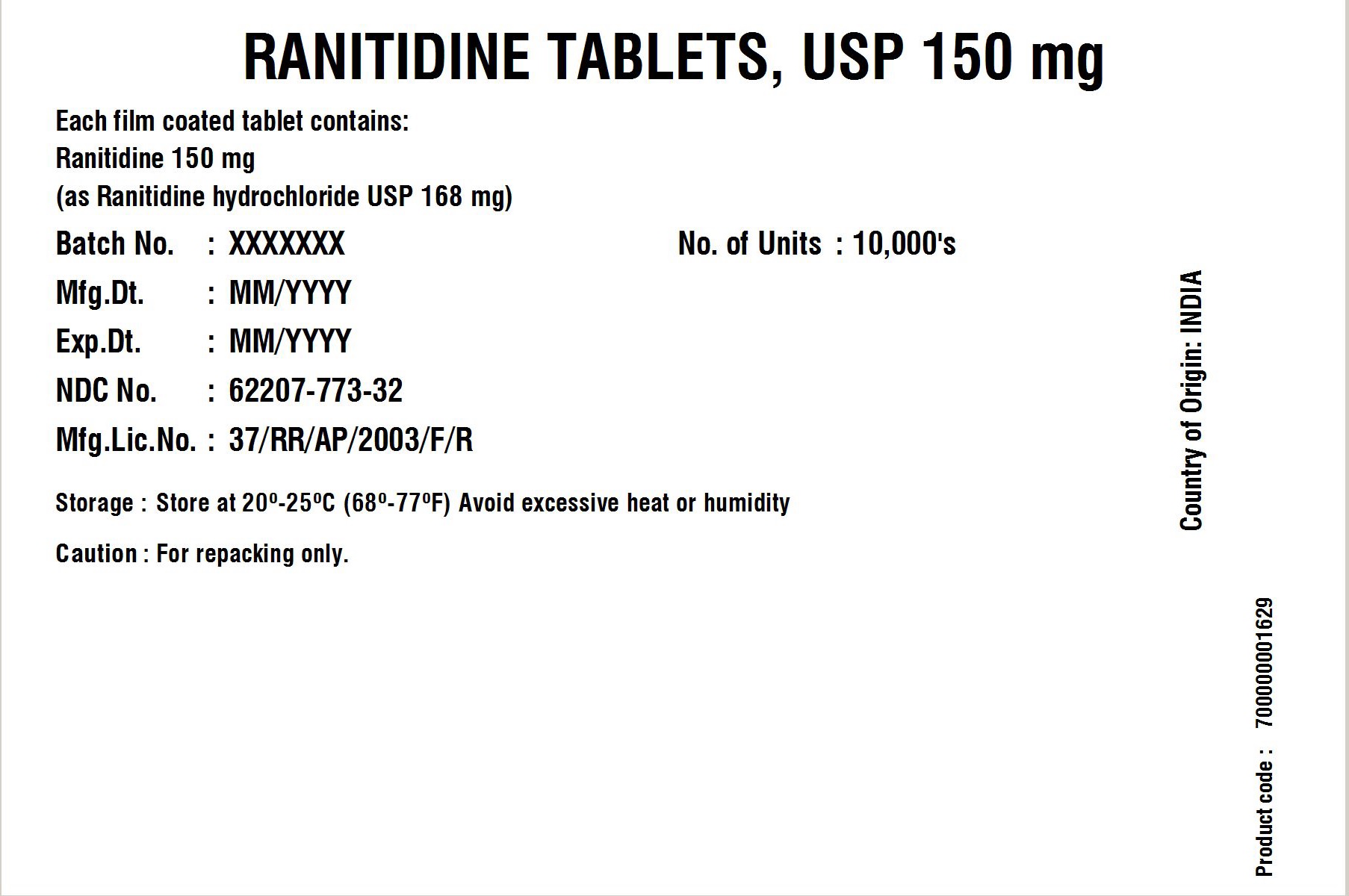
(ranitidine · DailyMed)
What it does
Ranitidine is a medication that helps reduce stomach acid, providing relief from conditions related to excess acid.
Commonly used for: heartburn, acid reflux (gastroesophageal reflux disease), stomach ulcers
Read more in plain English ↓Plain-language summary for general understanding - not medical advice. Always follow your pharmacist/doctor.
Ask about this medicine
Answers come only from this medicine's registration record, BNF monograph and interaction data - not medical advice.
Hard to find? We help patients in Kenya source rare medicines. We don't sell or dispense medicines - licensed pharmacies do.
Source this medicineRegistration & product details
Source: Pharmacy and Poisons Board · fetched 2026-01-28 21:34:07 · updated 2026-07-20 11:08:25
Drug Interactions
1Unknown (1)
Lomitapide - increases exposure
Ranitidine is predicted to increase the exposure to lomitapide. Separate administration by 12 hours.
Data from BNF 85 (British National Formulary). This is not a substitute for professional medical advice. Matched via: exact
About this medicine
Ranitidine is a medication that helps reduce stomach acid, providing relief from conditions related to excess acid.
What it treats
- heartburn
- acid reflux (gastroesophageal reflux disease)
- stomach ulcers
How it works
Ranitidine works by blocking a substance in the stomach that produces acid, leading to less acid being made.
Who it's for
Ranitidine is suitable for adults and children who need help managing stomach acid-related conditions.
AI-assisted summary grounded in BNF data - general information only, not medical advice. Always confirm with your pharmacist or doctor.
Clinical monograph: Ranitidine
BNF-referencedRanitidine is a histamine H2-receptor antagonist used primarily to decrease gastric acid secretion. It is indicated for the treatment of conditions associated with excessive stomach acid, such as gastric ulcers, duodenal ulcers, gastro-oesophageal reflux disease (GERD), and NSAID-associated ulceration. Ranitidine provides symptomatic relief and promotes healing of the gastrointestinal mucosa by inhibiting acid secretion, and it is effective in both short-term and long-term treatment regimens.
Indications
- Benign gastric ulceration
- Duodenal ulceration
- NSAID-associated gastric ulceration
- NSAID-associated duodenal ulceration
- Gastro-oesophageal reflux disease (GERD)
- Moderate to severe gastro-oesophageal reflux disease
- Chronic episodic dyspepsia
Dosage
Adults: The usual adult dosage for benign gastric ulceration and duodenal ulceration is 150 mg twice daily or 300 mg once daily for 4 to 8 weeks. For GERD, the dosage can be 150-300 mg twice daily for up to 12 weeks, depending on the severity
Mechanism of action
Ranitidine works by reversibly binding to histamine H2 receptors on gastric parietal cells, thus inhibiting the binding of histamine. This action decreases gastric acid secretion stimulated by gastrin and other agonists. The drug provides rapid relief of gastric acid-related symptoms, typically within 60 minutes of administration, with effects lasting from 4 to 10 hours.
Pharmacodynamics
Ranitidine effectively reduces gastric acid secretion in response to various stimuli, including food intake and pharmacological agents. It is particularly useful in conditions with excessive acid production, such as Zollinger-Ellison syndrome, and has been shown to improve the appearance of esophageal tissues in patients with GERD upon endoscopic examination.
Pharmacokinetics
Ranitidine is absorbed quickly after oral administration, with peak plasma concentrations typically occurring within 1 to 3 hours. The drug has a bioavailability of approximately 50%, and its elimination half-life ranges from 2 to 3 hours. It is primarily excreted in the urine, with dose adjustments recommended in patients with renal impairment. The drug's effects can be influenced by factors such as age and concurrent medications.
Contra-indications
- Hypersensitivity to ranitidine or any of its components
- Severe hepatic impairment
Adverse effects
- Headache
- Dizziness
- Constipation
- Diarrhea
- Nausea
- Vomiting
- Dry mouth
- Taste alteration
- Anxiety
- Chest tightness
- Drowsiness
- Anaemia
- Hyperuricaemia
Interactions
- Ranitidine may increase the exposure of lomitapide, though the mechanism is unknown
Precautions
- Caution in patients with renal impairment, dose adjustments may be necessary
- Caution in patients with hepatic impairment
- Use during pregnancy only if essential
- Breastfeeding is generally considered safe
Pregnancy
Manufacturer advises avoiding unless essential.
Breast-feeding
Amount too small to be harmful.
Storage
Store below 25°C. Keep in a dry place and protect from light.
Formulations
- 150 mg capsules
- 300 mg capsules
- Oral suspension
- Oral solution
AI-synthesized from BNF references - general information only, not a substitute for professional medical advice or the current BNF. Verify doses with a pharmacist.
Molecular reference: Ranitidine
PubChem CID 3001055Molecular formula: C13H22N4O3S
Mechanism of action
After a meal, the hormone gastrin, produced by cells in the lining of the stomach, stimulates the release of histamine, which then binds to histamine H2 receptors, leading to the secretion of gastric acid. Ranitidine reduces the secretion of gastric acid by reversible binding to histamine (H2) receptors, which are found on gastric parietal cells. This process leads to the inhibition of histamine binding to this receptor, causing the reduction of gastric acid secretion. The relief of gastric-acid related symptoms can occur as soon as 60 minutes after administration of a single dose, and the effects can last from 4-10 hours, providing fast and effective symptomatic relief. H2 antagonists inhibit gastric acid secretion elicited by histamine and other H2 agonists in a dose dependent, competitive manner; the degree of inhibition parallels the concentration of the drug in plasma over a wide range. The H2 antagonists also inhibit acid secretion elicited by gastrin and, to a lesser extent, by muscarinic agonists. Importantly, these drugs inhibit basal (fasting) and nocturnal acid secretion and that stimulated by food, sham feeding, fundic distention, and various pharmacological agents; this property reflects the vital role of histamine in mediating the effects of diverse stimuli. /H2 Receptor Antagonists/ ... /H2 Antagonists/ measurably inhibit effects on the cardiovascular and other systems that are elicited through H2 receptors by exogenous or endogenous histamine. /H2 Receptor Antagonists/ ...IS A COMPETITIVE ANTAGONIST OF HISTAMINE-INDUCED GASTRIC ACID SECRETION... INHIBITS BOTH THE VOLUME AND CONCENTRATION OF GASTRIC ACID INDUCED NOCTURNALLY AND BY FOOD BUT DOES NOT AFFECT GASTRIC MUCUS OR ITS PRODUCTION. ...DOES NOT AFFECT LOWER ESOPHAGEAL SPHINCTER PRESSURE...
Pharmacodynamics
Ranitidine decreases the secretion of gastric acid stimulated by food and drugs. It also reduces the secretion of gastric acid in hypersecretory conditions such as Zollinger-Ellison syndrome. Marked improvements in the appearance of the esophageal tissues have been observed by endoscopic imaging after ranitidine therapy.
Biological pathways
Source: PubChem (NCBI) · pathways from PathBank, Reactome, WikiPathways & PharmGKB.
This drug in other countries
The same active ingredient registered across other registries we cover - including different brands.
- ACILOC-150 150MG TABLET
- HISTAC 150 MG TABLET
- HISTAC 28MG/ML INJECTION
- HISTAC 300MG TABLET
- INTAC-300 300MG TABLET
- NEOTACK 150MG TABLET