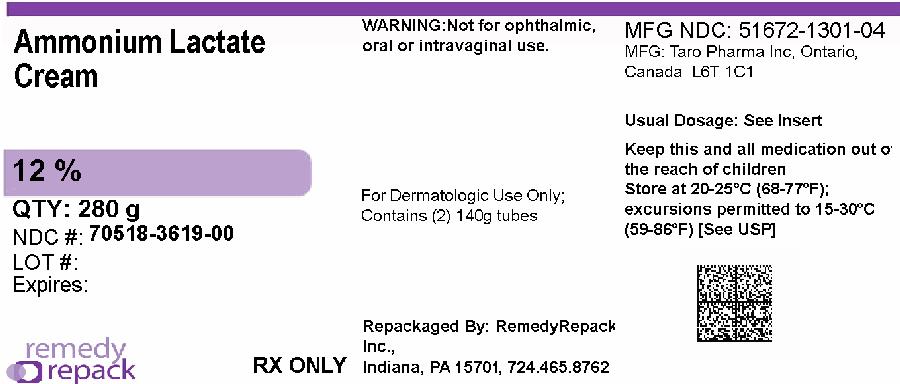
(ammonium · DailyMed)
REDIN PN LIQUID
Calcium Lactate Pentahydrate BP 50 mg,Copper Sulphate Pentahydrate BP 25 mcg,Cyanocobalamin BP 2.5 mcg,Ferric Ammonium Citrate 230 mg,Folic Acid Hydrate BP 0.5 mg,Manganese Sulphate BP 0.25 mg,Protein Hydrolysate (equivalent to 75% of Protein) 100 mg,Selenium (as Sodium Selenite) 25 mcg,Zinc Sulphate Heptahydrate BP 35 mg
What it does
Ammonium is a compound that can be used in various treatments but is not classified under a specific drug class.
Read more in plain English ↓Plain-language summary for general understanding - not medical advice. Always follow your pharmacist/doctor.
Ask about this medicine
Answers come only from this medicine's registration record, BNF monograph and interaction data - not medical advice.
Medicine sourcing is available in Kenya only. We don't sell or dispense medicines - licensed pharmacies do.
Sourcing - Kenya onlyRegistration & product details
Source: Tanzania Medicines and Medical Devices Authority · fetched 2026-04-20 10:06:13 · updated 2026-10-22 03:00:45
About ammonium
Ammonium is a compound that can be used in various treatments but is not classified under a specific drug class.
How it works
Ammonium works by balancing chemical levels in the body.
Who it's for
It may be used in specific medical conditions as determined by a healthcare provider.
AI-assisted summary grounded in BNF data - general information only, not medical advice. Always confirm with your pharmacist or doctor.
About copper
Copper is a mineral that is essential for various bodily functions, playing a role in the formation of red blood cells and maintaining healthy bones and nerves.
What it treats
- copper deficiency
- anemia
- bone health
- nerve health
How it works
Copper helps the body create red blood cells and supports the proper functioning of nerves and bones.
Who it's for
Copper supplements may be recommended for individuals with low copper levels or certain health conditions that affect copper absorption.
Cautions
- • Excessive copper intake can be harmful.
- • People with certain health conditions should consult a healthcare provider before use.
AI-assisted summary grounded in BNF data - general information only, not medical advice. Always confirm with your pharmacist or doctor.
About cyanocobalamin
Cyanocobalamin is a form of vitamin B12 that is important for maintaining healthy nerve cells and producing red blood cells.
What it treats
- vitamin B12 deficiency
- pernicious anemia
- certain types of anemia
How it works
It helps in the production of red blood cells and supports the nervous system.
Who it's for
It is for people who have low levels of vitamin B12, including those with certain dietary restrictions or absorption issues.
AI-assisted summary grounded in BNF data - general information only, not medical advice. Always confirm with your pharmacist or doctor.
About ferric
Ferric is a form of iron used to treat iron deficiency and related conditions.
What it treats
- iron deficiency
- iron deficiency anemia
How it works
Ferric works by providing your body with the iron it needs to make red blood cells, which carry oxygen.
Who it's for
Ferric is for people who have low iron levels or anemia caused by insufficient iron.
AI-assisted summary grounded in BNF data - general information only, not medical advice. Always confirm with your pharmacist or doctor.
About folic
Folic acid is a type of B vitamin that helps your body produce and maintain new cells. It is essential for making DNA and other genetic material.
What it treats
- preventing folic acid deficiency
- helping in the development of the baby during pregnancy (especially in the early stages)
- treating certain types of anemia (low red blood cell count)
How it works
Folic acid works by helping the body create new cells and produce DNA, which is vital for growth and development.
Who it's for
Folic acid is for people who need extra folate, such as pregnant women or those with certain medical conditions.
AI-assisted summary grounded in BNF data - general information only, not medical advice. Always confirm with your pharmacist or doctor.
About heptahydrate
Heptahydrate is a substance used in various medicinal products.
What it treats
- treatment of certain conditions related to hydration
- used in pharmaceutical formulations
How it works
Heptahydrate helps to maintain or restore hydration in the body.
Who it's for
This substance is generally used for individuals needing hydration support.
AI-assisted summary grounded in BNF data - general information only, not medical advice. Always confirm with your pharmacist or doctor.
About hydrate
Hydrate is used to help maintain proper fluid balance in the body.
What it treats
- dehydration
- fluid imbalance
How it works
Hydrate helps the body retain water, ensuring that cells and organs function properly.
Who it's for
This is for anyone needing additional fluids, such as those who are dehydrated or have conditions affecting fluid levels.
AI-assisted summary grounded in BNF data - general information only, not medical advice. Always confirm with your pharmacist or doctor.
About hydrolysate
Hydrolysate is a type of protein that is broken down into smaller pieces, making it easier for the body to absorb. It is often used in nutritional products.
What it treats
- nutritional support
- muscle recovery
How it works
Hydrolysate provides essential amino acids that help in building and repairing tissues, which is important for overall health and recovery.
Who it's for
Hydrolysate is suitable for individuals needing extra protein, such as athletes, those recovering from surgery, or people with specific dietary needs.
AI-assisted summary grounded in BNF data - general information only, not medical advice. Always confirm with your pharmacist or doctor.
About lactate
Lactate is a substance used in medical settings to help manage certain conditions related to acid-base balance in the body.
What it treats
- metabolic acidosis
- lactic acidosis
- supporting hydration
How it works
Lactate helps to correct acid levels in the body, providing energy to cells and supporting metabolic processes.
Who it's for
Adults and children who have conditions causing an imbalance in body acids.
AI-assisted summary grounded in BNF data - general information only, not medical advice. Always confirm with your pharmacist or doctor.
About manganese
Manganese is a trace mineral important for many bodily functions, including bone formation and metabolism.
What it treats
- nutritional support
- bone health
How it works
Manganese helps the body use certain nutrients and is involved in the formation of connective tissue, bones, and blood-clotting factors.
Who it's for
Adults and children who may have low manganese levels due to dietary deficiencies.
Cautions
- • Excessive intake can lead to toxicity.
- • Consult a healthcare provider if you have liver problems.
AI-assisted summary grounded in BNF data - general information only, not medical advice. Always confirm with your pharmacist or doctor.
About pentahydrate
Pentahydrate is a medication used to treat various conditions, but specific details about its uses, interactions, and cautions are not provided.
How it works
The exact mechanism of how pentahydrate works is not specified.
Who it's for
Pentahydrate may be prescribed for individuals with certain health conditions, but specific criteria are not listed.
AI-assisted summary grounded in BNF data - general information only, not medical advice. Always confirm with your pharmacist or doctor.
About protein
Protein is an essential nutrient that helps build and repair tissues in the body.
What it treats
- malnutrition
- muscle weakness
- wound healing
How it works
Protein provides the building blocks (amino acids) that the body needs to create and maintain muscles, skin, and other tissues.
Who it's for
It is suitable for anyone who needs to increase their protein intake, including those recovering from illness or injury, athletes, and people with certain dietary restrictions.
AI-assisted summary grounded in BNF data - general information only, not medical advice. Always confirm with your pharmacist or doctor.
About selenium
Selenium is a mineral that is important for various bodily functions, including supporting the immune system and maintaining healthy cells.
What it treats
- supports immune health
- promotes healthy cell function
- may help prevent certain diseases
How it works
Selenium acts as an antioxidant, helping to protect cells from damage caused by free radicals.
Who it's for
Selenium is for people who need support for their immune system or those who have low levels of this mineral.
AI-assisted summary grounded in BNF data - general information only, not medical advice. Always confirm with your pharmacist or doctor.
Clinical monograph: Cyanocobalamin
BNF-referencedCyanocobalamin, commonly known as vitamin B12, is a water-soluble vitamin essential for various bodily functions, including DNA synthesis, red blood cell formation, and neurological function. It plays a crucial role in the metabolism of fatty acids and amino acids. Deficiency in vitamin B12 can lead to megaloblastic anemia and neurological disorders.
Mechanism of action
Cyanocobalamin serves as a cofactor for methionine synthase and L-methylmalonyl-CoA mutase enzymes. Methionine synthase is essential for the synthesis of purines and pyrimidines that form DNA. L-methylmalonyl-CoA mutase is involved in the degradation of propionate, crucial for fat and protein metabolism. The lack of vitamin B12 results in the accumulation of methylmalonyl CoA, contributing to neurological manifestations. Additionally, it is vital for the synthesis of methionine from homocysteine, and its deficiency can lead to functional folate deficiency, which impacts red blood cell formation.
Pharmacodynamics
Cyanocobalamin corrects vitamin B12 deficiency and alleviates symptoms and laboratory abnormalities associated with pernicious anemia, such as megaloblastic indices, gastrointestinal lesions, and neurological damage. It is essential for growth, cell reproduction, hematopoiesis, nucleoprotein, and myelin synthesis. The drug significantly impacts fat and carbohydrate metabolism, as well as protein synthesis. Rapidly dividing cells, such as those in the bone marrow, have a high demand for vitamin B12. Parenteral administration of cyanocobalamin can quickly reverse the anemia and gastrointestinal symptoms of vitamin B12 deficiency, while also preventing the progression of related neurological damage.
Pharmacokinetics
Cyanocobalamin is absorbed in the intestine, primarily in the ileum, via specific transport mechanisms that may be impaired in individuals with intrinsic factor deficiency (as seen in pernicious anemia). Once absorbed, it is widely distributed in body tissues, with significant concentrations found in the liver, kidneys, and heart. The vitamin is stored in the liver, where it can be released into circulation as needed. Cyanocobalamin undergoes conversion to its active forms, methylcobalamin and adenosylcobalamin, which are utilized in various metabolic processes. The elimination half-life is variable, but it is generally excreted via urine as metabolites
Adverse effects
- Abdominal distension
- Decreased appetite
- Flatulence
- Nausea
Interactions
- Folic acid may interact with cyanocobalamin, especially in cases of megaloblastic anemia caused by folate deficiency.
Precautions
- Should not be given alone for pernicious anemia.
- Use caution in patients with Leber's disease, as it may worsen optic atrophy.
Pregnancy
Cyanocobalamin is essential during pregnancy as it helps prevent neural tube defects. It is advised that females of childbearing potential take 5 mg of folic acid daily before conception and throughout pregnancy.
Breast-feeding
Cyanocobalamin is generally considered safe during breastfeeding, but it is advised to monitor the infant for any adverse effects.
Storage
Store in a cool, dry place, away from direct sunlight. Protect from moisture.
Formulations
- Tablet: 1000 micrograms
- Tablet: 500 micrograms
- Tablet: 100 micrograms
- Oral solution: 50 micrograms per ml
- Solution for injection: 1000 micrograms per ml
AI-synthesized from BNF references - general information only, not a substitute for professional medical advice or the current BNF. Verify doses with a pharmacist.
Clinical monograph: Selenium
BNF-referencedSelenium is a trace element essential for human health, playing a crucial role in various biological processes. It is primarily incorporated into selenoproteins, which are vital for antioxidant defense, thyroid hormone metabolism, and immune function. Selenium deficiency can lead to several health issues, including impaired immune response and increased oxidative stress.
Indications
- Selenium deficiency
- Supportive therapy in conditions requiring antioxidant support
- Potential adjunct in cancer prevention strategies
Dosage
Children: Refer to BNF for Children for specific dosing information.
Adults: Initially 100–500 micrograms daily, adjusted according to response and serum levels.
Mechanism of action
Selenium is metabolized to selenophosphate and selenocysteine, which are essential for the synthesis of selenoproteins. This process involves the incorporation of selenium into proteins through a specialized tRNA that recognizes the RNA sequence UGA, which is facilitated by SECIS structures and SBP-2 proteins. Key selenoproteins, like glutathione peroxidases, help protect cells from oxidative damage, thus playing a significant role in reducing the risk of diseases such as atherosclerosis and certain cancers.
Pharmacodynamics
Selenium is incorporated into various selenoproteins that perform essential functions, including antioxidant activity, redox balance, and regulation of thyroid hormones. Its role in antioxidant defense mechanisms is particularly important for protecting cells against reactive oxygen species (ROS). Selenium supplementation has been linked to improved immune function and potential cancer prevention.
Pharmacokinetics
Selenium is absorbed through the gastrointestinal tract, and its bioavailability can vary based on the source and form of selenium. Once absorbed, it is distributed to various tissues, where it is incorporated into selenoproteins. Selenium is primarily excreted through urine, and its half-life can depend on dietary intake and individual metabolism. Selenium status can be assessed through blood levels of selenoproteins and selenium itself.
Adverse effects
- Nausea
- Anaemia
- Aplastic anaemia
- Skin reactions
- Gastrointestinal disorders
Precautions
- Selenium supplementation should not be given unless there is good evidence of deficiency.
- Use caution in patients with a history of hypersensitivity to selenium or its compounds.
Pregnancy
Limited information is available regarding selenium supplementation during pregnancy. Consult specialist sources for guidance.
Breast-feeding
Limited information is available; the effect of selenium on copper levels in milk is conflicting, and its impact on the infant is unknown.
Storage
After opening, store in a refrigerator (2–8°C).
Formulations
- Tablets (e.g., L-Selenomethionine 200 micrograms, SelenoPrecise 100 micrograms)
- Capsules (e.g., Trientine dihydrochloride 250 mg)
- Injection solutions (e.g., Sodium selenite 50 micrograms per 1 ml)
AI-synthesized from BNF references - general information only, not a substitute for professional medical advice or the current BNF. Verify doses with a pharmacist.
Clinical monograph: ammonium
BNF-referencedAmmonium is a positively charged ion (NH4+) that plays a crucial role in various biochemical processes, including nitrogen metabolism in living organisms. It is involved in the synthesis of amino acids and nucleotides, acting as a precursor in the biosynthesis of important biological compounds. Ammonium is also a key component in the nitrogen cycle, contributing to the fertility of soil and aquatic environments.
Indications
- Nitrogen supplementation in clinical nutrition
- Management of metabolic alkalosis
- Treatment of certain types of kidney disorders
Dosage
Children: Specific pediatric dosing information is not detailed in the BNF. Refer to the BNF for Children for appropriate dosing based on age and condition.
Adults: Dosage varies based on clinical indication and should be guided by specific treatment protocols. Refer to clinical guidelines for detailed dosing information.
Mechanism of action
Ammonium ions participate in various metabolic pathways, including the biosynthesis of amino acids and nucleotides. It serves as a nitrogen source for organisms, facilitating the synthesis of essential biomolecules. The presence of ammonium can influence pH levels and osmotic balance within cells, thereby affecting cellular functions and enzyme activities.
Pharmacodynamics
Ammonium affects cellular metabolism by acting as a nitrogen donor in the synthesis of organic compounds. Its role in the nitrogen cycle and as a substrate in biochemical pathways allows for the maintenance of cellular functions, including energy production and cellular growth. Alterations in ammonium levels can influence various physiological processes, including neurotransmitter synthesis and energy metabolism.
Pharmacokinetics
Ammonium is readily absorbed and distributed in biological systems. It can be produced endogenously through amino acid metabolism or obtained from dietary sources. The excretion of ammonium primarily occurs through the kidneys, where it is converted to urea for elimination. Ammonium levels are regulated by various mechanisms, including the action of renal tubular cells that either secrete or reabsorb ammonium based on the body's needs.
AI-synthesized from BNF references - general information only, not a substitute for professional medical advice or the current BNF. Verify doses with a pharmacist.
Clinical monograph: ammoniumchloride
BNF-referencedAmmonium chloride is an inorganic compound with the chemical formula ClH4N. It is primarily used as an expectorant and systemic acidifier. Its mechanism involves increasing hydrogen ion concentrations, thereby enhancing acidity and promoting the production of respiratory tract fluid, which aids in effective coughing. Additionally, it alters the bicarbonate:carbonic acid ratio in the body, potentially leading to acidosis and promoting the excretion of electrolytes and water.
Indications
- Cough associated with respiratory tract infections
- Acid-base disorders
- Edema management
Dosage
Children: Refer to the BNF for Children for appropriate paediatric dosing guidelines based on age and condition.
Adults: Refer to the BNF for specific adult dosing guidelines as they depend on the indication and clinical context.
Mechanism of action
Ammonium chloride increases acidity by raising hydrogen ion concentrations. It dissociates into ammonium and chloride ions; the ammonium is converted to urea in the liver, releasing hydrogen ions that lower pH. The chloride ions displace bicarbonate in extracellular fluid, leading to acidosis and increased renal excretion of electrolytes and water, resulting in fluid mobilization.
Pharmacodynamics
Ammonium chloride acts as a systemic acidifier, facilitating the excretion of chloride and sodium, while also increasing the acidity of body fluids. The conversion of ammonium to urea in the liver with the release of hydrogen ions contributes to a decrease in blood pH, affecting acid-base balance in the body.
Pharmacokinetics
Ammonium chloride is absorbed from the gastrointestinal tract and metabolized in the liver, where it is converted to urea. The dissociated ions impact renal function, leading to increased excretion of sodium, potassium, and water. The elimination half-life and specific metabolism details are not explicitly defined.
Adverse effects
- Nausea
- Vomiting
- Abdominal pain
- Diarrhea
- Dizziness
- Headache
Interactions
- Antacids may reduce the effectiveness of ammonium chloride
- Potassium-sparing diuretics may increase the risk of hyperkalemia
Precautions
- Use with caution in patients with renal impairment
- Monitor electrolyte levels during prolonged therapy
- Consider potential for acidosis in patients with liver disease
Pregnancy
Ammonium chloride should only be used during pregnancy if the potential benefit justifies the potential risk to the fetus. Consult a healthcare provider for individualized advice.
Breast-feeding
Ammonium chloride is excreted in breast milk. Use caution and consult a healthcare provider if breastfeeding.
Storage
Store in a cool, dry place, away from direct sunlight and moisture. Keep out of reach of children.
Formulations
- Oral solution
- Powder for oral solution
AI-synthesized from BNF references - general information only, not a substitute for professional medical advice or the current BNF. Verify doses with a pharmacist.
Clinical monograph: copper
BNF-referencedCopper is an essential trace element that plays a crucial role in various biological processes, including the functioning of enzymes and the formation of connective tissue. It is an important cofactor for many oxidase enzymes and has antioxidant properties. Copper deficiency can lead to serious health conditions such as Occipital Horn Syndrome and Menke's disease, which are associated with impaired development and neurological impairment. In addition, copper is used in certain contraceptive devices, where it reduces sperm viability and motility, thereby preventing fertilization.
Indications
- Copper deficiency
- Occipital Horn Syndrome
- Menke's disease
- Contraception (via copper IUD)
Dosage
Children: Refer to the BNF for Children for specific dosing information.
Adults: Refer to the relevant clinical guidelines and BNF for specific dosing information.
Mechanism of action
Copper is absorbed from the gastrointestinal tract via high affinity copper uptake proteins and low affinity copper uptake proteins, likely being reduced to the Cu1+ form prior to transport. Inside enterocytes, it binds to the copper transport protein ATOX1, which facilitates its transport to copper transporting ATPase-1 on the Golgi membrane for incorporation into the Golgi apparatus. Once in systemic circulation, copper binds primarily to ceruloplasmin, albumin, and alpha 2-macroglobulin. It acts as a cofactor in a variety of oxidase enzymes and also influences sperm motility when released from copper IUDs, contributing to its contraceptive effect.
Pharmacodynamics
Copper is essential for the activity of many enzymes and plays a vital role in processes such as iron metabolism, neurotransmitter synthesis, and antioxidant defense. Copper ions, particularly when released from intrauterine devices, have been shown to decrease sperm viability, thereby impacting fertility.
Pharmacokinetics
Copper is absorbed from the gut and is predominantly transported in the plasma bound to proteins such as ceruloplasmin and albumin. The absorption efficiency can vary; however, a significant portion of dietary copper is usually absorbed. The body regulates copper levels through hepatic excretion and storage mechanisms, ensuring homeostasis. Excess copper can lead to toxicity, while deficiency results in various health issues.
Pregnancy
Copper is considered essential during pregnancy, but excessive intake should be avoided due to potential toxicity.
Breast-feeding
Copper is excreted in breast milk, and adequate maternal intake is important for infant development.
Storage
Store in a cool, dry place, away from moisture and heat.
AI-synthesized from BNF references - general information only, not a substitute for professional medical advice or the current BNF. Verify doses with a pharmacist.
Clinical monograph: ferric
BNF-referencedFerric, often referring to ferric iron or its salts, is an essential mineral primarily involved in oxygen transport and storage in the body. It plays a crucial role in erythropoiesis and is a key component of hemoglobin. Ferric compounds are commonly used in the treatment of iron deficiency anemia, a condition where the body lacks sufficient iron to produce adequate hemoglobin. The ferric ion is the oxidized form of iron, which is more stable in biological systems compared to ferrous iron.
Indications
- Iron deficiency anemia
- Chronic blood loss
- Nutritional iron deficiency
- Pregnancy-related anemia
Dosage
Children: Refer to the BNF for Children for specific dosing information as it may vary based on the formulation and clinical context.
Adults: Refer to the BNF for specific dosing information as it may vary based on the formulation and clinical context.
Mechanism of action
Ferric ions participate in various biological processes, including oxygen transport and electron transfer. They facilitate the formation of hemoglobin in red blood cells, allowing for efficient oxygen delivery throughout the body. Ferric compounds can also promote the absorption of iron from the gastrointestinal tract by providing a more bioavailable form of iron.
Pharmacodynamics
Ferric compounds exhibit their effects primarily through the restoration of iron levels in the body. This leads to improved synthesis of hemoglobin and overall enhancement of oxygen-carrying capacity. The pharmacological action is dose-dependent, with higher doses leading to more pronounced effects on hemoglobin levels and erythropoiesis. Additionally, ferric ions can influence various metabolic pathways involved in cellular respiration and energy production.
Pharmacokinetics
Ferric is absorbed in the gastrointestinal tract, with absorption rates influenced by dietary factors and the presence of other substances in the gut. Once absorbed, ferric ions are transported in the bloodstream bound to transferrin, a transport protein. The body regulates iron levels primarily through absorption rather than excretion, and excess iron can be stored in the liver, spleen, and bone marrow. The elimination of ferric compounds is generally slow, as they are incorporated into various biological systems or stored for future use.
Contra-indications
- Hypersensitivity to ferric compounds
- Iron overload conditions such as haemochromatosis or haemosiderosis
- Chronic liver disease
- Active peptic ulcer disease
Adverse effects
- Gastrointestinal disturbances including nausea, vomiting, and constipation
- Diarrhea
- Abdominal pain
- Black stools
- Allergic reactions including rashes and anaphylaxis
- Staining of teeth (with oral formulations)
Interactions
- Antacids may reduce the absorption of oral ferric preparations
- Tetracyclines and quinolone antibiotics may have reduced absorption when taken with iron
- Ascorbic acid may enhance the absorption of iron
Precautions
- Caution in patients with a history of gastrointestinal disease
- Monitor for signs of iron overload in patients receiving repeated doses
- Use with caution in patients with renal impairment
Pregnancy
Ferric compounds are generally considered safe in pregnancy when used as directed to treat iron deficiency, but should be used under medical supervision.
Breast-feeding
Ferric compounds are excreted in breast milk in small amounts, usually considered safe but should be used under medical supervision.
Storage
Store in a cool, dry place away from direct sunlight. Keep out of reach of children.
Formulations
- Oral tablets
- Oral solution
- Intravenous injection
AI-synthesized from BNF references - general information only, not a substitute for professional medical advice or the current BNF. Verify doses with a pharmacist.
Clinical monograph: folic
BNF-referencedFolic acid, also known as Vitamin B9 or folate, is a water-soluble B-complex vitamin essential for numerous biochemical processes, including DNA and RNA synthesis. It plays a critical role in the synthesis of purines, pyrimidines, and the amino acid methionine, making it vital for normal cell division and growth. Folic acid is predominantly found in foods such as liver, kidney, yeast, and leafy green vegetables, and due to the body's inability to synthesize it, dietary intake or supplementation is necessary to prevent deficiencies. Folic acid is particularly important during periods of rapid cell proliferation, such as infancy and pregnancy, and has been associated with reduced risks of certain cancers.
Mechanism of action
Folic acid is biochemically inactive until it is converted into active forms, primarily tetrahydrofolic acid and methyltetrahydrofolate, by the enzyme dihydrofolate reductase (DHFR). These active forms are essential for maintaining normal erythropoiesis, synthesizing nucleic acids, interconverting amino acids, and generating formate. They participate in critical one-carbon transfer reactions necessary for DNA synthesis and methylation processes. Folic acid, in conjunction with vitamin B12, helps normalize elevated homocysteine levels by facilitating its remethylation to methionine, a process that is crucial for various metabolic pathways.
Pharmacodynamics
Folic acid is an essential cofactor for enzymes involved in nucleic acid synthesis and amino acid metabolism. It is particularly significant in preventing megaloblastic anemia, which arises from impaired DNA synthesis due to folate deficiency. The synthesis of thymidylate, necessary for DNA formation, is directly influenced by folate availability. Folic acid's role is especially crucial during periods of rapid cellular division, and it has protective effects against certain cancer developments. As humans cannot synthesize folic acid endogenously, adequate dietary intake is essential for maintaining normal physiological functions.
Pharmacokinetics
Folic acid is absorbed in the small intestine and is then converted into its active forms within the body. The bioavailability of folic acid is influenced by factors such as food composition and the presence of certain gastrointestinal conditions. Once absorbed, it is transported in the bloodstream, mainly as 5-methyltetrahydrofolate. The distribution of folate occurs within various tissues, with significant
Adverse effects
- Allergic reactions
- Gastrointestinal disturbances
- Skin rash
- Altered sleep patterns
Interactions
- Anticonvulsants may reduce the effectiveness of folic acid
- Methotrexate may interfere with folic acid metabolism
- Trimethoprim-sulfamethoxazole can enhance the effects of folic acid deficiency
Precautions
- Monitor for signs of anemia in patients with malabsorption syndromes
- Use cautiously in patients with a history of hypersensitivity to folic acid
- Assess for vitamin B12 deficiency before initiating treatment, as folic acid can mask symptoms
Pregnancy
Folic acid is essential during pregnancy to prevent neural tube defects and support fetal development. Supplementation is recommended before conception and during the first trimester.
Breast-feeding
Folic acid passes into breast milk, and adequate maternal intake is important to ensure sufficient levels for the nursing infant.
Storage
Store in a cool, dry place away from light. Keep out of reach of children.
Formulations
- Tablets
- Oral solutions
- Injectable forms
AI-synthesized from BNF references - general information only, not a substitute for professional medical advice or the current BNF. Verify doses with a pharmacist.
Clinical monograph: hepta
BNF-referencedHeptachlor is a polychlorinated cyclodiene insecticide, primarily used for pest control. It has been largely discontinued in many countries due to its toxicity and environmental persistence. Heptachlor is known to affect the central nervous system of insects and can have significant implications for human and environmental health.
Dosage
Children: Refer to BNF for Children for specific dosing guidance, as heptachlor usage is largely restricted.
Adults: Refer to BNF for specific dosing information, as heptachlor is not commonly used in clinical settings due to safety concerns.
Mechanism of action
Heptachlor mimics the action of picrotoxin, inhibiting gamma-aminobutyric acid (GABA)-stimulated chloride uptake, which leads to nerve excitation in insects. It competes for binding sites in the brain, causing central nervous system stimulation and resulting in increased transmitter release. This mechanism can lead to increased excitability and potentially toxic effects in target organisms.
Pharmacodynamics
As a neurotoxic agent, heptachlor causes hyperactivity and central nervous system stimulation in insects. Its effects on GABA receptors disrupt normal inhibitory neurotransmission, resulting in uncontrolled neuronal firing. While primarily studied in insects, similar mechanisms may be inferred in higher organisms, including potential neurotoxic effects in humans.
Pharmacokinetics
Heptachlor is lipophilic, leading to significant bioaccumulation in organisms and environmental persistence. It is metabolized in the liver to heptachlor epoxide, which is the more toxic form. The elimination half-life varies but can be prolonged due to its fat solubility and tendency to accumulate in fatty tissues.
Pregnancy
Heptachlor is classified as a category B drug. Animal studies have not shown any harm to the fetus, but there are no adequate and well-controlled studies in pregnant women. Use only if clearly needed.
Breast-feeding
It is not known if heptachlor is excreted in human milk. Caution should be exercised when administering heptachlor to a nursing mother.
Storage
Store in a cool, dry place, away from direct sunlight. Keep container tightly closed and out of reach of children.
AI-synthesized from BNF references - general information only, not a substitute for professional medical advice or the current BNF. Verify doses with a pharmacist.
Clinical monograph: heptahydrate
Heptahydrate, commonly referred to as heptahydrate salts, refers to a class of compounds that contain seven molecules of water in their crystalline structure. These compounds are used in various pharmaceutical formulations and can influence the solubility and bioavailability of the active ingredients. The presence of water molecules can also impact the stability and shelf-life of the drug formulation.
Dosage
Children: Refer to specific formulation guidelines for pediatric dosing, as heptahydrate is generally used in conjunction with other active ingredients.
Adults: Refer to specific formulation guidelines for dosing, as heptahydrate is typically a component rather than an active agent.
Mechanism of action
Heptahydrate itself does not have a specific pharmacological action as it is generally a structural component in formulations. However, the active ingredients in heptahydrate formulations may exert their effects through various mechanisms depending on their specific pharmacology.
Pharmacodynamics
Pharmacodynamics of heptahydrate salts is largely influenced by the active pharmaceutical ingredients they are combined with. The presence of water molecules can enhance solubility, thereby improving the absorption and overall efficacy of the drug when administered. The hydration state can also play a role in the release profile of the drug from solid dosage forms.
Pharmacokinetics
The pharmacokinetics of heptahydrate formulations depend on the specific active ingredient they harbor. The dissolution rate can be affected by the hydration state, leading to variations in absorption rates. Generally, the pharmacokinetic profile would include absorption, distribution, metabolism, and excretion characteristics of the active pharmaceutical ingredients rather than the heptahydrate component itself.
AI-synthesized from BNF references - general information only, not a substitute for professional medical advice or the current BNF. Verify doses with a pharmacist.
Clinical monograph: hydrate
Hydration therapy involves the administration of fluids to maintain or restore fluid balance in the body. It is critical in treating conditions such as dehydration, which can arise from various causes including excessive fluid loss due to vomiting, diarrhea, or sweating. Hydration can be achieved through oral or intravenous routes, depending on the severity of the condition and the patient's ability to take fluids orally.
Indications
- Dehydration
- Electrolyte imbalance
- Heat-related illnesses
- Postoperative recovery
- Diarrhea and vomiting
- Chronic illnesses leading to fluid loss
Dosage
Children: Pediatric dosing should be guided by clinical guidelines and the severity of dehydration. For children experiencing mild to moderate dehydration, ORS is recommended, with the amount based on weight and age. For severe dehydration, intravenous fluid therapy is indicated, with specific protocols available in pediatric guidelines.
Adults: Dosage varies based on the degree of dehydration and the underlying clinical condition. For mild dehydration, oral rehydration solutions (ORS) are often sufficient, while severe cases may require intravenous fluids, with specific rates and types determined by clinical judgment.
Mechanism of action
Hydration works by replenishing lost fluids and electrolytes, restoring osmotic balance and cellular function. The primary components of hydration solutions, such as water, electrolytes (sodium, potassium, chloride), and sometimes glucose, promote proper cellular hydration and support metabolic processes.
Pharmacodynamics
The pharmacodynamics of hydration primarily involves the restoration of plasma volume and the maintenance of electrolyte homeostasis. Proper hydration enhances kidney function, improves cardiovascular stability, and supports normal physiological functions, such as thermoregulation and nutrient transport. It also aids in the recovery of tissues and organs affected by dehydration.
Pharmacokinetics
The pharmacokinetics of hydration solutions depend on the composition of the fluid administered. Oral hydration solutions are absorbed primarily in the gastrointestinal tract, with the rate of absorption influenced by the concentration of electrolytes and glucose. Intravenous fluids can distribute rapidly into the extracellular space, with effects seen almost immediately. The elimination of excess fluids occurs mainly through renal excretion.
Pregnancy
Hydration is essential during pregnancy, but fluid intake should be monitored to avoid excessive hydration, which can lead to complications.
Breast-feeding
Adequate hydration is important during breastfeeding, as it supports milk production. However, excessive fluid intake should be avoided.
Storage
Store in a cool, dry place away from direct sunlight.
Formulations
- Oral solutions
- Intravenous fluids
- Electrolyte solutions
AI-synthesized from BNF references - general information only, not a substitute for professional medical advice or the current BNF. Verify doses with a pharmacist.
Clinical monograph: hydrolysate
BNF-referencedHydrolysate refers to a substance formed by the hydrolysis of proteins, which breaks down the protein into smaller peptides and amino acids. This process is significant in various applications, including nutritional supplements and medical formulations aimed at enhancing protein absorption and utilization in the body. Hydrolysates are often used in enteral nutrition, particularly for patients with specific dietary needs or malabsorption syndromes.
Indications
- Nutritional support in malnourished patients
- Post-operative recovery
- Management of malabsorption syndromes
- Support in conditions requiring enhanced protein intake
Dosage
Children: Refer to the BNF for Children for dosing recommendations.
Adults: Refer to specific formulations and BNF guidelines for appropriate dosing.
Mechanism of action
Hydrolysates increase the availability of amino acids and peptides for absorption in the intestines. The smaller size of these molecules compared to whole proteins facilitates their transport across the intestinal wall, allowing for quicker and more effective utilization by the body. This mechanism is particularly beneficial in patients with compromised digestive capabilities.
Pharmacodynamics
The pharmacodynamic effects of hydrolysates involve the supply of essential and non-essential amino acids, which are crucial for various metabolic processes, including protein synthesis, neurotransmitter production, and immune function. The rapid absorption of these peptides can lead to quicker recovery times in malnourished individuals or those undergoing surgical recovery.
Pharmacokinetics
Hydrolysates are rapidly absorbed in the gastrointestinal tract, with peak plasma concentrations occurring shortly after ingestion. The bioavailability of amino acids from hydrolysates is generally higher than that of intact proteins due to their smaller molecular size. The metabolism of amino acids occurs primarily in the liver, where they can be utilized for energy production or incorporated into new proteins. The elimination of amino acids happens through renal pathways, with excess being excreted in urine.
Pregnancy
Safety during pregnancy has not been established. Use only if the potential benefit justifies the potential risk to the fetus.
Breast-feeding
It is not known if hydrolysate is excreted in human milk. Caution should be exercised when administering to nursing mothers.
Storage
Store in a cool, dry place, away from light. Keep out of reach of children.
AI-synthesized from BNF references - general information only, not a substitute for professional medical advice or the current BNF. Verify doses with a pharmacist.
Clinical monograph: lactate
BNF-referencedLactate, the anion of lactic acid, is a key intermediate in metabolic processes, primarily produced during anaerobic glycolysis. It serves as an important energy source, particularly for heart and skeletal muscle, and plays a crucial role in the Cori cycle, where it is converted back to glucose in the liver. Elevated lactate levels can indicate anaerobic metabolism, often observed in conditions such as sepsis, shock, or strenuous exercise.
Indications
- Metabolic acidosis
- Lactic acidosis
- Energy substrate in critical illness
- Monitoring tissue perfusion and oxygenation
Dosage
Children: Refer to the BNF for Children for appropriate dosing in paediatric patients.
Adults: Refer to specific guidelines based on clinical context as dosing is highly variable and situation-dependent.
Mechanism of action
Lactate acts as a signaling molecule and energy substrate in various physiological and pathological processes. It is involved in the modulation of several metabolic pathways, including the Cori cycle and Krebs cycle. Lactate also participates in metabolic reprogramming, especially in cancer cells, where it can promote tumor growth and survival by providing an alternative energy source and influencing cellular signaling pathways such as the PI3K/AKT/mTOR pathway.
Pharmacodynamics
Lactate plays a vital role in energy metabolism. It can be oxidized back to pyruvate by lactate dehydrogenase, entering the Krebs cycle for ATP production. In addition to serving as an energy substrate, lactate impacts pH regulation and can influence the function of various immune cells. Its levels can indicate the state of oxygen delivery and utilization in tissues, thus serving as a marker for metabolic stress.
Pharmacokinetics
Lactate is produced primarily in the cytoplasm during glycolysis, with its concentration in the blood reflecting the balance between production and clearance. It is metabolized predominantly in the liver, where it can be converted back to glucose or utilized in the Krebs cycle. Lactate levels can vary based on factors such as exercise, tissue hypoxia, and metabolic conditions.
Pregnancy
Lactate is generally regarded as safe during pregnancy as it is a naturally occurring metabolite in the body, but specific clinical advice should be sought.
Breast-feeding
Lactate is considered safe during breastfeeding as it is a normal component of human metabolism, but consult a healthcare provider for personalized advice.
Storage
Store in a cool, dry place away from direct sunlight. Keep out of reach of children.
AI-synthesized from BNF references - general information only, not a substitute for professional medical advice or the current BNF. Verify doses with a pharmacist.
Clinical monograph: manganese
BNF-referencedManganese is a trace mineral that is essential for human health, playing a critical role in various physiological processes. It is involved in the formation of connective tissue, bones, blood clotting factors, and sex hormones. Additionally, manganese is a cofactor for several important enzymes, including those involved in metabolism and antioxidant defense. It is found in foods such as nuts, seeds, whole grains, and leafy vegetables.
Indications
- Manganese deficiency
- Bone health and development
- Antioxidant support
- Enzyme cofactor in metabolic processes
Dosage
Children: Refer to the BNF for Children for appropriate dosing recommendations.
Adults: Refer to specific clinical guidelines or the BNF for appropriate dosing recommendations.
Mechanism of action
Manganese serves as a cofactor for several enzymes, including manganese superoxide dismutase (MnSOD), which protects cells from oxidative stress by catalyzing the dismutation of superoxide radicals into oxygen and hydrogen peroxide. It also participates in the activation of enzymes involved in carbohydrate, fat, and protein metabolism.
Pharmacodynamics
Manganese plays a role in various biochemical pathways, particularly in the metabolism of amino acids, cholesterol, glucose, and carbohydrates. It is crucial for bone formation and the maintenance of cartilage. Manganese also aids in the synthesis of glycosyltransferases, which are important for the formation of glycoproteins and proteoglycans.
Pharmacokinetics
Manganese is absorbed primarily in the small intestine, with absorption efficiency influenced by dietary factors and the presence of competing minerals. It is transported in the bloodstream bound to proteins such as alpha-2-macroglobulin and transferrin. Manganese is stored in the liver, pancreas, and bones, and is excreted primarily through bile and to a lesser extent in urine. Its half-life in the human body is not well defined due to its trace nature and variable absorption.
Pregnancy
Manganese is classified as a dietary mineral that is essential for human health, but excessive intake should be avoided during pregnancy as it may affect fetal development.
Breast-feeding
Manganese is present in breast milk, and normal dietary intake is considered safe during breastfeeding. However, excessive supplementation should be avoided.
Storage
Store in a cool, dry place, away from direct light and moisture.
AI-synthesized from BNF references - general information only, not a substitute for professional medical advice or the current BNF. Verify doses with a pharmacist.
Clinical monograph: pentahydrate
Pentahydrate refers to a compound that contains five molecules of water associated with each molecule of the substance. In pharmacology, pentahydrates can refer to specific salts or hydrates of drugs. These compounds are often used to enhance the solubility and stability of the active pharmaceutical ingredient. The characteristics of pentahydrates can influence their pharmacological properties, including absorption and bioavailability.
Dosage
Children: Refer to the specific drug formulation and clinical guidelines for appropriate dosing. Pediatric doses should be carefully calculated based on the active ingredient and the child's age and weight.
Adults: Refer to the specific drug formulation and clinical guidelines for appropriate dosing. Doses can vary widely based on the active ingredient and its clinical application.
Mechanism of action
Pentahydrate forms do not have a specific mechanism of action, as they are typically salts or hydrates of other active compounds. The effectiveness depends on the active ingredient associated with the pentahydrate form, which may engage in various biochemical interactions in the body to exert therapeutic effects. Generally, the release of the active drug from its hydrated form can influence its absorption and subsequent pharmacological activity.
Pharmacodynamics
The pharmacodynamics of pentahydrate forms is determined by their active ingredients. The hydration state can affect the dissolution rate, which in turn influences the onset of action and overall efficacy. Hydrated forms can improve solubility in biological fluids, leading to enhanced absorption and bioavailability in certain cases. The specific pharmacological action, such as receptor binding or enzyme inhibition, will depend on the drug itself rather than the pentahydrate status.
Pharmacokinetics
The pharmacokinetics of pentahydrate forms is influenced by the solubility and stability of the drug. Generally, a hydrated form may result in increased dissolution rates, promoting better absorption in the gastrointestinal tract. The extent and rate of absorption can vary based on the specific pentahydrate and its active ingredient. Distribution, metabolism, and excretion will depend on the nature of the drug itself, including its half-life and the pathways involved in its elimination from the body.
Pregnancy
Safety in pregnancy has not been established. Use only if the potential benefit justifies the risk.
Breast-feeding
Caution is advised. It is unknown if pentahydrate is excreted in human milk.
Storage
Store in a cool, dry place, away from light. Keep out of reach of children.
AI-synthesized from BNF references - general information only, not a substitute for professional medical advice or the current BNF. Verify doses with a pharmacist.
Clinical monograph: pentapotassium
Pentapotassium is a potassium salt that may be utilized in various therapeutic contexts, particularly for its role in electrolyte balance. It is often used in conditions where potassium supplementation is required, such as hypokalemia. Potassium is a vital mineral that is crucial for numerous physiological functions, including nerve transmission, muscle contraction, and maintaining fluid balance.
Indications
- Hypokalemia
- Potassium depletion
- Certain types of arrhythmias
- Prevention of hypokalemia in patients receiving diuretics
Dosage
Children: Refer to established guidelines or consult the BNF for Children for specific dosing recommendations.
Adults: Refer to established guidelines or consult the BNF for specific dosing recommendations.
Mechanism of action
Potassium ions play a crucial role in cellular physiology. They are essential for maintaining the resting membrane potential of cells and are involved in the generation of action potentials in excitable tissues such as neurons and muscle cells. The influx and efflux of potassium ions across cell membranes are critical for normal cardiac and neuromuscular function.
Pharmacodynamics
Potassium functions as an essential intracellular cation, influencing various physiological processes. It helps regulate heart rhythm, muscle contraction, and nerve impulses. An adequate potassium level is necessary to prevent muscle weakness, paralysis, and arrhythmias. The relationship between potassium levels and these physiological functions is tightly controlled by renal function and dietary intake.
Pharmacokinetics
Potassium is absorbed primarily in the gastrointestinal tract. Following absorption, it is distributed throughout the body's tissues, with approximately 98% of the body's potassium found intracellularly. The kidneys play a critical role in regulating potassium levels by excreting excess potassium in urine. The half-life of potassium in the body can vary significantly based on renal function, dietary intake, and cellular demands.
Pregnancy
There is insufficient data on the safety of pentapotassium during pregnancy. It should only be used if the benefits outweigh the risks.
Breast-feeding
It is not known if pentapotassium is excreted in human milk. Caution is advised when administering to nursing mothers.
Storage
Store in a cool, dry place, away from direct sunlight. Keep out of reach of children.
AI-synthesized from BNF references - general information only, not a substitute for professional medical advice or the current BNF. Verify doses with a pharmacist.
Clinical monograph: protein
Proteins are large, complex molecules made up of amino acids and are essential for the structure, function, and regulation of the body's tissues and organs. They play critical roles in various biological processes, including enzymatic reactions, immune responses, and cellular signaling. Dietary proteins are obtained from both animal and plant sources and are broken down into amino acids during digestion, which are then used by the body to synthesize new proteins as needed.
Indications
- Nutritional supplementation
- Muscle repair and growth
- Immune support
- Enzyme replacement therapy
- Hormonal regulation
Dosage
Children: Refer to specific product guidelines for dosing information, as protein requirements in children vary based on age, growth stage, and health status.
Adults: Refer to specific product guidelines for dosing information, as protein requirements can vary widely based on individual needs, activity levels, and clinical conditions.
Mechanism of action
Proteins exert their effects primarily through their structure and interactions with other molecules. They can function as enzymes, hormones, and antibodies, and their action is often mediated by binding to specific receptors or substrates, leading to a change in cellular activity or function. For example, enzymes catalyze biochemical reactions, while antibodies bind to antigens to facilitate immune responses.
Pharmacodynamics
The pharmacodynamics of proteins can vary significantly depending on the specific protein being considered. Generally, the effects of proteins are dose-dependent and influenced by their concentration, affinity for targets, and duration of action. Proteins can have a wide range of biological activities, including promoting cellular repair, regulating metabolism, and modulating immune responses.
Pharmacokinetics
The pharmacokinetics of proteins includes their absorption, distribution, metabolism, and excretion (ADME). Proteins are typically digested in the gastrointestinal tract into amino acids before being absorbed into the bloodstream. Once in circulation, proteins can be distributed throughout various tissues. They may have a variable half-life based on their structure and function, and they are primarily metabolized by the liver and excreted via the kidneys. The pharmacokinetic profile can be influenced by factors such as the route of administration and the presence of other substances.
Pregnancy
Generally considered safe, but high protein intake should be monitored to avoid potential risks.
Breast-feeding
Adequate protein intake is critical for lactating women to support milk production and quality.
Storage
Store in a cool, dry place, away from direct sunlight.
AI-synthesized from BNF references - general information only, not a substitute for professional medical advice or the current BNF. Verify doses with a pharmacist.
Molecular reference: Cyanocobalamin
PubChem CID 166596686Molecular formula: C63H88CoN14O14P
Mechanism of action
Vitamin B12 serves as a cofactor for _methionine synthase_ and _L-methylmalonyl-CoA mutase_ enzymes. Methionine synthase is essential for the synthesis of purines and pyrimidines that form DNA. L-methylmalonyl-CoA mutase converts L-methylmalonyl-CoA to _succinyl-CoA_ in the degradation of propionate, an important reaction required for both fat and protein metabolism. It is a lack of vitamin B12 cofactor in the above reaction and the resulting accumulation of methylmalonyl CoA that is believed to be responsible for the neurological manifestations of B12 deficiency. Succinyl-CoA is also necessary for the synthesis of hemoglobin. In tissues, vitamin B12 is required for the synthesis of _methionine_ from homocysteine. Methionine is required for the formation of S-adenosylmethionine, a methyl donor for nearly 100 substrates, comprised of DNA, RNA, hormones, proteins, as well as lipids. Without vitamin B12, tetrahydrofolate cannot be regenerated from 5-methyltetrahydrofolate, and this can lead to functional folate deficiency,. This reaction is dependent on methylcobalamin (vitamin B12) as a co-factor and is also dependent on folate, in which the methyl group of methyltetrahydrofolate is transferred to homocysteine to form _methionine_ and _tetrahydrofolate_. Vitamin B12 incorporates into circulating folic acid into growing red blood cells; retaining the folate in these cells. A deficiency of vitamin B12 and the interruption of this reaction leads to the development of megaloblastic anemia.
Pharmacodynamics
**General effects** Cyanocobalamin corrects vitamin B12 deficiency and improves the symptoms and laboratory abnormalities associated with pernicious anemia (megaloblastic indices, gastrointestinal lesions, and neurologic damage). This drug aids in growth, cell reproduction, hematopoiesis, nucleoprotein, and myelin synthesis. It also plays an important role in fat metabolism, carbohydrate metabolism, as well as protein synthesis. Cells that undergo rapid division (for example, epithelial cells, bone marrow, and myeloid cells) have a high demand for vitamin B12. **Parenteral cyanocobalamin effects** The parenteral administration of vitamin B12 rapidly and completely reverses the megaloblastic anemia and gastrointestinal symptoms of vitamin B12 deficiency. Rapid parenteral administration of vitamin B12 in deficiency related neurological damage prevents the progression of this condition. **Nasal spray effects** In 24 vitamin B12 deficient patients who were already stabilized on intramuscular (IM) vitamin B12 therapy, single daily doses of intranasal cyanocobalamin for 8 weeks lead to serum vitamin B12 concentrations that were within the target therapeutic range (>200 ng/L).
Source: PubChem (NCBI) · pathways from PathBank, Reactome, WikiPathways & PharmGKB.
Molecular reference: Selenium
PubChem CID 6326970Molecular formula: Se
Mechanism of action
Selenium is first metabolized to selenophosphate and selenocysteine. Selenium incorporation is genetically encoded through the RNA sequence UGA. This sequence is recognized by RNA ste loop structures called selenocysteine inserting sequences (SECIS). These structures require the binding of SECIS binding proteins (SBP-2) to recognize selenocystiene. The specialized tRNA is first bound to a serine residue which is then enzymatically processed to a selylcysteyl-tRNA by selenocystiene sythase using selenophosphate as a selenium donor. Other unidentified proteins are required as part of the binding of this tRNA to the ribosome. Selenoproteins appear to be necessary for life as mice with the specialized tRNA gene knocked out exhibited early embryonic lethality. The most important selenoproteins seem to be the glutathione peroxidases and thioredoxin reductases which are part of the body's defenses againts reactive oxygen species (ROS). The importance of selenium in these anti-oxidant proteins has been implicated in the reduction of atherosclerosis by preventing the oxidation of low density lipoprotein. Selenium supplementation is also being investigated in the prevention of cancer and has been suggested to be beneficial to immune function. Converging data from epidemiological, ecological, and clinical studies have shown that selenium (Se) can decrease the risk for some types of human cancers. Induction of apoptosis is considered an important cellular event that can account for the cancer preventive effects of Se. Prior to occurrence of apoptosis, Se compounds alter the expression and/or activities of signaling molecules, mitochondria-associated factors, transcriptional factors, tumor suppressor genes, and cellular reduced glutathione. Mechanistic studies have demonstrated that the methylselenol metabolite pool has many desirable attributes of chemoprevention, whereas the hydrogen selenide pool with excess of selenoprotein synthesis can lead to DNA single-strand breaks. To elucidate the effects of Se on cytotoxic events, it should be remembered that the chemical forms and the dose of Se, and the experimental system used, are determinants of its biological activities. This mini-review focuses on elucidation of the molecular mechanisms of cancer prevention by Se with the apoptotic approach. /Selenium/ Selenium status can also influence thyroid hormone function via the deiodinase enzymes. Selenium is a critical component of the deiodinase enzymes, including iodothyronine 5'-deiodinases, which convert the prohormone thyroxine (T4) to the active circulating form, triiodothyronine (T3). Selenium is also a component of GPX, the main enzyme responsible for protecting thyroid cells against oxidative damage. GPX is involved in the detoxification of hydrogen peroxide, which is produced in the thyroid during the conversion of T4 to T3. /Selenium/ Selenium readily substitutes for sulfur in biomolecules and in many biochemical reactions, especially when the concentration of selenium is high and the concentration of sulfur is low in the organism. Inactivation of the sulfhydryl enzymes necessary for oxidative reactions in cellular respiration, through effects on mitochondrial and microsomal electron transport, might contribute to acute selenium toxicity. Selenium may have a role in hepatic heme metabolism that is related to GPX or lipid peroxidation. Selenocysteine is specifically found in some proteins (e.g., glutathione peroxidase); selenomethionine appears to randomly substitute for methionine in protein synthesis. This appears to be an additional mechanism for intermediate- or chronic-duration toxicity. Skin, hair, and nail damage are significant indicators of chronic selenium overexposure. The mechanism causing these integumentary effects is unclear, but could be related to the high selenium concentrations in these tissues as a consequence of the substitution of selenium for sulfur in certain amino acids, including the disulfide bridges that pr
Pharmacodynamics
Selenium is incorporated into many different selenoproteins which serve various functions throughout the body.
Biological pathways
Source: PubChem (NCBI) · pathways from PathBank, Reactome, WikiPathways & PharmGKB.
Molecular reference: ammonium
PubChem CID 223Molecular formula: H4N+
Biological pathways
Source: PubChem (NCBI) · pathways from PathBank, Reactome, WikiPathways & PharmGKB.
Molecular reference: ammoniumchloride
PubChem CID 25517Molecular formula: ClH4N
Mechanism of action
Ammonium chloride increases acidity by increasing the amount of hydrogen ion concentrations. Ammonium chloride can be used as an expectorant due to its irritative action on the bronchial mucosa. This effect causes the production of respiratory tract fluid which in order facilitates the effective cough. The acid-forming properties of ammonium chloride result from dissociation of the salt to an ammonium cation and a chloride anion. In patients with normal hepatic function, the ammonium cation is converted to urea by the liver and a hydrogen cation is released which reacts with a bicarbonate ion to form water and carbon dioxide. The chloride anion combines with fixed bases in the extracellular fluid, thereby reducing the alkaline reserve of the body. The net result is the displacement of bicarbonate ions by chloride anions. The displacement of bicarbonate by chloride alters the bicarbonate:carbonic acid ratio if the body and acidosis results. The increased chloride concentration in the extracellular fluid produces an increased load to the renal tubules and appreciable amounts of chloride anions escape reabsorption. These anions are excreted along with cations and water. Sodium is the principal cation excreted; however, potassium excretion may also be increased to some degree. By increasing the excretion of both extracellular electrolytes and water, ammonium chloride causes a net loss of extracellular fluid and promotes the mobilization of edema fluid.
Pharmacodynamics
Systemic acidifier. In liver ammonium chloride is converted into urea with the liberation of hydrogen ions ( which lowers the pH) and chloride.
Biological pathways
Source: PubChem (NCBI) · pathways from PathBank, Reactome, WikiPathways & PharmGKB.
Molecular reference: copper
PubChem CID 23978Molecular formula: Cu
Mechanism of action
Copper is absorbed from the gut via high affinity copper uptake protein and likely through low affinity copper uptake protein and natural resistance-associated macrophage protein-2. It is believed that copper is reduced to the Cu1+ form prior to transport. Once inside the enterocyte, it is bound to copper transport protein ATOX1 which shuttles the ion to copper transporting ATPase-1 on the golgi membrane which take up copper into the golgi apparatus. Once copper has been secreted by enterocytes into the systemic circulation it remain largely bound by ceruloplasmin (65-90%), albumin (18%), and alpha 2-macroglobulin (12%). Copper is an essential element in the body and is incorporated into many oxidase enzymes as a cofactor. It is also a component of zinc/copper super oxide dismutase, giving it an anti-oxidant role. Copper defiency occurs in Occipital Horn Syndrome and Menke's disease both of which are associated with impaired development of connective tissue due to the lack of copper to act as a cofactor in protein-lysine-6-oxidase. Menke's disease is also associated with progressive neurological impairment leading to death in infancy. The precise mechanisms of the effects of copper deficiency are vague due to the wide range of enzymes which use the ion as a cofactor. Copper appears to reduce the viabilty and motility of spermatozoa. This reduces the likelihood of fertilization with a copper IUD, producing copper's contraceptive effect. The exact mechanism of copper's effect on sperm are unknown. The reason for the less severe reaction when the foreign body is at a distance from the retina has been proposed to be ... that near the retina & its blood vessels there is greater oxygen tension than at a distance, which causes metallic copper to oxidize to toxic copper compounds more rapidly close to or in contact with the retina than at a distance. Furthermore, the abscess formation that is characteristic of copper undergoing oxidation close to the retina & choroiod can be attributed to attraction of polymorphonuclear leukocytes from these nearby vascular tissues, which become heavily infiltrated. Liquefaction & disorganization of the vitreous body has been explained on the basis of copper catalysis of oxidation of ascorbic acid, leading to depolymerization of the hyaluronic acid of the vitreous humor. Changes in protein & hexosamine content have also been related to decrease in viscosity of the vitreous humor. Increased content of amino acids in the vitreous humor has been consistent with proteolysis of the vitreous body, but decreased concentration in the aqueous humor has suggested suppression of secretion of amino acids by the ciliary body under the influence of copper.
Pharmacodynamics
Copper is incorporated into many enzymes throughout the body as an essential part of their function. Copper ions are known to reduce fertility when released from copper-containing IUDs.
Biological pathways
Source: PubChem (NCBI) · pathways from PathBank, Reactome, WikiPathways & PharmGKB.
Molecular reference: ferric
PubChem CID 16048613Molecular formula: C30H21FeN3O15-3
Source: PubChem (NCBI) · pathways from PathBank, Reactome, WikiPathways & PharmGKB.
Molecular reference: folic
PubChem CID 135398658Molecular formula: C19H19N7O6
Mechanism of action
Folic acid, as it is biochemically inactive, is converted to tetrahydrofolic acid and methyltetrahydrofolate by dihydrofolate reductase (DHFR). These folic acid congeners are transported across cells by receptor-mediated endocytosis where they are needed to maintain normal erythropoiesis, synthesize purine and thymidylate nucleic acids, interconvert amino acids, methylate tRNA, and generate and use formate. Using vitamin B12 as a cofactor, folic acid can normalize high homocysteine levels by remethylation of homocysteine to methionine via methionine synthetase. Folic acid, after conversion to tetrahydrofolic acid, is necessary for normal erythropoiesis, synthesis of purine and thymidylates, metabolism of amino acids such as glycine and methionine, and the metabolism of histidine. The principal biochemical function of folates is the mediation of one-carbon transfer reactions. 5-Methyltetrahydrofolate donates a methyl group to homocystine, in the conversion of homocystine to L-methionine. ... 5,10-Methyltetrahydrofolate is regenerated from tetrahydrofolate via the enzyme serine hydroxymethyltransferase, a reaction, which in addition to producing 5,10-methyltetrahydrofolate, yields glycine. ... 5,10-methyltetrahydrofolate, supplies the one carbon group for the methylation of deoxyuridylic acid to form the DNA precursor thymidylic acid. This reaction is catalyzed by thymidylate synthase and the folate product of the reaction is dihydrofolate. Dihydrofolate is converted to tetrahydrofolate via the enzyme dihydrofolate reductase ...
Pharmacodynamics
Folic acid is a water-soluble B-complex vitamin found in foods such as liver, kidney, yeast, and leafy, green vegetables. Also known as folate or Vitamin B9, folic acid is an essential cofactor for enzymes involved in DNA and RNA synthesis. More specifically, folic acid is required by the body for the synthesis of purines, pyrimidines, and methionine before incorporation into DNA or protein. Folic acid is the precursor of tetrahydrofolic acid, which is involved as a cofactor for transformylation reactions in the biosynthesis of purines and thymidylates of nucleic acids. Impairment of thymidylate synthesis in patients with folic acid deficiency is thought to account for the defective deoxyribonucleic acid (DNA) synthesis that leads to megaloblast formation and megaloblastic and macrocytic anemias. Folic acid is particularly important during phases of rapid cell division, such as infancy, pregnancy, and erythropoiesis, and plays a protective factor in the development of cancer. As humans are unable to synthesize folic acid endogenously, diet and supplementation is necessary to prevent deficiencies. In order to function properly within the body, folic acid must first be reduced by the enzyme dihydrofolate reductase (DHFR) into the cofactors dihydrofolate (DHF) and tetrahydrofolate (THF). This important pathway, which is required for de novo synthesis of nucleic acids and amino acids, is disrupted by anti-metabolite therapies such as [DB00563] as they function as DHFR inhibitors to prevent DNA synthesis in rapidly dividing cells, and therefore prevent the formation of DHF and THF. In general, folate serum levels below 5 ng/mL indicate folate deficiency, and levels below 2 ng/mL usually result in megaloblastic anemia.
Biological pathways
Source: PubChem (NCBI) · pathways from PathBank, Reactome, WikiPathways & PharmGKB.
Molecular reference: hepta
PubChem CID 3589Molecular formula: C10H5Cl7
Mechanism of action
EVIDENCE INDICATES THAT CYCLODIENE-TYPE-INSECTICIDES, EG, HEPTACHLOR EPOXIDE, MIMIC ACTION OF PICROTOXININ. THESE INSECTICIDES INHIBIT THE GAMMA-AMINOBUTYRIC ACID-STIMULATED CHLORIDE UPTAKE IN COXAL MUSCLE OF AMERICAN COCKROACH, & DIRECTLY COMPETE AGAINST LABELED DIHYDROPICROTOXININ FOR BINDING IN THE RAT BRAIN SYNAPTOSOMES. MOREOVER, SEVERAL CYCLODIENE RESISTANT INSECT STRAINS ARE RESISTANT TO PICROTOXININ. THIS CROSS-RESISTANCE IS SPECIFIC TO PICROTOXININ & DOES NOT EXTEND TO OTHER NEUROEXCITANTS. THESE INSECTICIDES, LIKE PICROTOXININ, CAUSE CENTRAL NERVOUS EXCITATION BY STIMULATING TRANSMITTER RELEASE. THESE RESULTS INDICATE THAT SOME OF THE NERVE EXCITATION SYMPTOMS THAT INSECTICIDES CAUSE ARE LIKELY DUE TO THEIR INTERACTION WITH PICROTOXININ RECEPTOR. HEPTACHLOR WAS EVALUATED FOR GENOTOXICITY & EPIGENETIC MEMBRANE EFFECTS. IT WAS NON-GENOTOXIC IN ARLHGPRT MUTAGENESIS ASSAY IN WHICH THE GENOTOXIC CARCINOGENS 7,12-DIMETHYLBENZ(A)ANTHRACENE & BENZO(A)PYRENE INDUCED SIGNIFICANT INCR IN MUTANT INCIDENCE. HEPTACHLOR INHIBITED INTERCELLULAR COMMUNICATION BETWEEN CULTURED LIVER CELLS, A PROPERTY DEMONSTRATED BY MANY TUMOR PROMOTING AGENTS, WHEREAS, BENZO(A)PYRENE DID NOT PRODUCE THIS EPIGENETIC EFFECT. The actions of the polychlorocycloalkane insecticide heptachlor, and its epoxide metabolite, were examined on GABA receptors in insects and vertebrates. Electrophysiological experiments on the cell body of the cockroach (Periplaneta americana) fast coxal depressor motor neuron (Df), and GABA-activated (36) Cl- uptake experiments on microsacs perpared from cockroach ventral nerve cords showed that both heptachlor and heptachlor epoxide blocked functional GABA receptors. The block appeared to be non-competitive and was voltage-independent over the membrane potential range -75 mV to -110 mV. There was no significant difference between the potencies of heptachlor and heptachlor epoxide in the functional assays for insect GABA receptors. Both compounds inhibited (35)S-t-butylbicyclophosphorothionate binding in insects and vertebrates. The findings provide further evidence for block of an insect GABA receptor/Cl- channel by the cyclodiene class of polychlorocycloalkanes, and reveal differences in the insecticide (35)S-t-butylbicyclophosphorothionate binding site interactions of insects and vertebrates. The effects of heptachlor on oxidative phosphorylation and electron transport in male Donryu rat liver mitochondria were investigated. The effects of 50 uM heptachlor on the respiratory activity of isolated liver mitochondria was tested in the presence of added succinate as a substrate. The effects of 100 uM heptachlor was tested in the presence of three kinds of substrates: succinate, beta-hydroxybutylate, and ascorbate plus N,N,N'N'-tetramethylphenylene-diamine. Heptachlor at 50 uM greatly inhibited the state 3 respiration, but inhibited the state 4 respiration hardly at all. The inhibition was released by 2,4-dinitrophenol. The higher dose suppressed state 3 and state 4 respiration almost completely with succinate as substrate. The findings suggest that the function of the electron transport system was also suppressed by the higher heptachlor dose even without oxidative phosphorylation.
Source: PubChem (NCBI) · pathways from PathBank, Reactome, WikiPathways & PharmGKB.
Molecular reference: hydrolysate
PubChem CID 11115326Molecular formula: C16H20I3N3O7
Source: PubChem (NCBI) · pathways from PathBank, Reactome, WikiPathways & PharmGKB.
Molecular reference: lactate
PubChem CID 91435Molecular formula: C3H5O3-
Biological pathways
Source: PubChem (NCBI) · pathways from PathBank, Reactome, WikiPathways & PharmGKB.
Molecular reference: manganese
PubChem CID 23930Molecular formula: Mn
Source: PubChem (NCBI) · pathways from PathBank, Reactome, WikiPathways & PharmGKB.
This drug in other countries
The same active ingredient registered across other registries we cover - including different brands.
- .FORMULA 1 HEALTHY MEAL SHAKE MIX BANANA CREAM · Fine Foods
- ABICOF SYRUP · Socomed Pharmaceutical
- ABIVIT DROPS · Accelius Global
- ABVITE ADULT MULTIVITAMIN GUMMIES · Abvite
- ABYCO SYRUP (Clear syrupy liquid contains Cyproheptadine HCL BP/Thiamine HCL (Vitamin B1) BP/Riboflavin (Vitamin B2) (as a Riboflavin 5 phosphate sodium)/Pyridoxine HCL (Vitamin B6) BP/Cyanocobalamin (Vitamin B12) BP/D-Panthenol (Dexpanthenol) USP 2mg/5mg/2.2mg/5mg/5mg/25mg) · Socomed Pharma
- ABYCO CAPSULES ORAL (Each film-coated tablet contains Cyproheptadine Hydrochloride Eq/Cyproheptadine HCl Anhydrous/Thiamine Hydrochloride (Vitamin B1)/Riboflavin (Vitamin B2)/Pyridoxine Hydrochloride (Vitamin B6)/Cyanocobalamin (Vitamin B12) /Calcium Pantothenate 4mg/2mg/2.2mg/1.5mg/1mcg/5mg) · Socomed Pharma
- A-LENNON VITAMIN B12 INJECTION 10 ML · Lennon
- BRONCLEER CHILDREN'S COUGH SYRUP · Adcock Ingram
- COFSYL ORIGINAL SYRUP · Cospharm
- MAGSPEC · Lincoln Pharmaceuticals Limited
- POLYGAM 12G · National Bioproducts Institute Npc
- RINGER LACTATE FRESENIUS · Fresenius Kabi