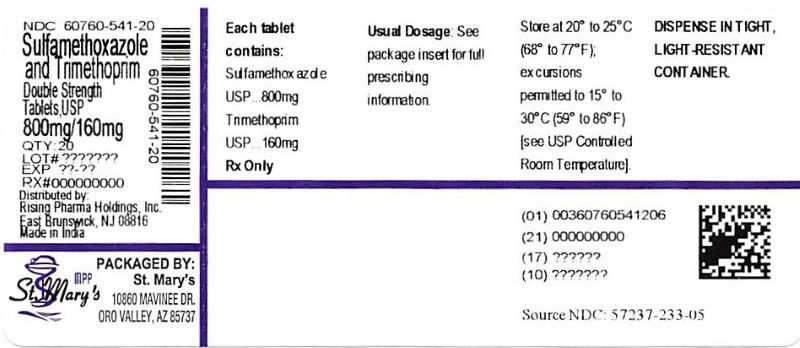
(sulfamethoxazole · DailyMed)
Resmed Co-Trimoxazole Oral Susp
Sulphamethoxazole; Trimethoprim; Liquid sugar; Methyl paraben; Propyl paraben; sodium benzoate; Sorbic acid; Propylen glycol; Disodium EDTA; Sodium carboxymethylcellulose; Tween 80; Colloidal silicon dioxide; Peppermint essence; Potable Water
What it does
Benzoate is a compound often used as a preservative in food and medicines.
Commonly used for: food preservation, medicinal uses in certain formulations
Read more in plain English ↓Plain-language summary for general understanding - not medical advice. Always follow your pharmacist/doctor.
Ask about this medicine
Answers come only from this medicine's registration record, BNF monograph and interaction data - not medical advice.
Medicine sourcing is available in Kenya only. We don't sell or dispense medicines - licensed pharmacies do.
Sourcing - Kenya onlyRegistration & product details
Source: South African Health Products Regulatory Authority · fetched 2026-04-15 21:30:16 · updated 2026-09-27 04:01:02
Drug Interactions
15Pharmacodynamic Warnings
Trimethoprim appears in TABLE 2: Drugs that cause nephrotoxicity
Trimethoprim appears in TABLE 16: Drugs that increase serum potassium
Trimethoprim appears in TABLE 18: Drugs that cause hyponatraemia
Moderate (3)
Dopamine Receptor Agonists - increases exposure
Trimethoprim is predicted to increase the exposure to dopamine receptor agonists (pramipexole). Adjust dose.
Pramipexole - increases exposure
Trimethoprim is predicted to increase the exposure to pramipexole. Adjust dose.
Treprostinil - increases exposure
Trimethoprim is predicted to increase the exposure to treprostinil. Adjust dose. Theoretical Tretinoin → see retinoids Triamcinolone → see corticosteroids Triamterene → see potassium-sparing diuretics
Unknown (12)
Antiepileptics - increases concentration
Trimethoprim increases the concentration of antiepileptics (fosphenytoin, phenytoin).
Azathioprine In Renal Transplant Patients - increases risk of haematological toxicity
Trimethoprim might increase the risk of haematological toxicity when given with azathioprine in renal transplant patients. r Anecdotal Azelastine → see antihistamines, non-sedating Azilsartan → see an
Coumarins - increases anticoagulant effect
Sulfamethoxazole increases the anticoagulant effect of coumarins.
Digoxin - increases concentration
Trimethoprim increases the concentration of digoxin.
Fosphenytoin - increases concentration
Trimethoprim increases the concentration of antiepileptics (fosphenytoin, phenytoin).
Data from BNF 85 (British National Formulary). This is not a substitute for professional medical advice. Matched via: exact
About benzoate
Benzoate is a compound often used as a preservative in food and medicines.
What it treats
- food preservation
- medicinal uses in certain formulations
How it works
Benzoate helps prevent the growth of harmful bacteria and fungi, keeping products safe for longer.
Who it's for
People consuming products containing benzoate, including children and adults.
AI-assisted summary grounded in BNF data - general information only, not medical advice. Always confirm with your pharmacist or doctor.
About carboxymethylcellulose
Carboxymethylcellulose is a substance used to relieve dryness in the eyes and mouth.
What it treats
- dry eyes (keratoconjunctivitis sicca)
- dry mouth (xerostomia)
How it works
It works by forming a protective layer on the surface of the eyes or mouth, helping to retain moisture.
Who it's for
It is suitable for people experiencing dryness in their eyes or mouth due to various reasons, including certain medical conditions, medications, or environmental factors.
AI-assisted summary grounded in BNF data - general information only, not medical advice. Always confirm with your pharmacist or doctor.
About colloidal
Colloidal solutions are often used in various medical treatments and can help improve the delivery of certain medications.
What it treats
- supporting hydration
- helping with nutrient absorption
- improving medication effectiveness
How it works
Colloidal solutions contain small particles that can help carry and deliver substances in the body more effectively.
Who it's for
Adults and children who need assistance with hydration or nutrient delivery.
AI-assisted summary grounded in BNF data - general information only, not medical advice. Always confirm with your pharmacist or doctor.
About dioxide
Dioxide is used in various medical applications, but specific details about its class or interactions are not provided.
How it works
The exact mechanism of action for dioxide is not specified, but it generally serves various therapeutic roles in medicine.
Who it's for
Dioxide may be suitable for individuals needing treatment related to its specific applications, but more information is needed to identify specific patient groups.
AI-assisted summary grounded in BNF data - general information only, not medical advice. Always confirm with your pharmacist or doctor.
About disodium
Disodium is a compound that may be used in various medical applications, particularly in maintaining electrolyte balance.
What it treats
- maintaining salt and water balance in the body
- supporting kidney function
How it works
Disodium helps to regulate the levels of sodium in the body, which is important for many bodily functions, including nerve and muscle activity.
Who it's for
It is usually prescribed for individuals who need help with electrolyte balance, such as those with certain kidney conditions or those undergoing specific treatments.
AI-assisted summary grounded in BNF data - general information only, not medical advice. Always confirm with your pharmacist or doctor.
About edta
EDTA is a medication used to help remove heavy metals from the body.
What it treats
- heavy metal poisoning (e.g., lead poisoning)
- certain types of heart disease
How it works
EDTA binds to heavy metals in the body, allowing them to be excreted and reducing their harmful effects.
Who it's for
This medication is for individuals who have been exposed to high levels of heavy metals or have certain heart conditions.
AI-assisted summary grounded in BNF data - general information only, not medical advice. Always confirm with your pharmacist or doctor.
About essence
Essence is a natural product that is often used for its flavor and fragrance. It can have various uses in food, cosmetics, and alternative health.
What it treats
- flavoring food and beverages
- aromatic therapy
- cosmetic products
How it works
Essence provides a strong flavor or scent that can enhance the overall experience of food or products.
Who it's for
Essence can be used by anyone looking to add flavor or aroma to their food, drinks, or personal care items.
AI-assisted summary grounded in BNF data - general information only, not medical advice. Always confirm with your pharmacist or doctor.
About glycol
Glycol is a substance used in various medical and industrial applications, primarily known for its properties as a solvent and humectant.
What it treats
- moisturizing skin (topical applications)
- acting as a solvent in medications
How it works
Glycol helps to retain moisture and can dissolve other substances, making it useful in creams and solutions.
Who it's for
Glycol is generally safe for use in topical products for adults and children when used as directed.
AI-assisted summary grounded in BNF data - general information only, not medical advice. Always confirm with your pharmacist or doctor.
About liquid
Liquid medications can come in various forms, including solutions, syrups, and suspensions. They are often used for easier swallowing and faster absorption.
What it treats
- nausea and vomiting
- pain relief
- fever reduction
- cough relief
How it works
Liquid medications are absorbed quickly into the body, providing rapid relief for various symptoms.
Who it's for
Liquid medications can be suitable for people of all ages, especially those who have difficulty swallowing tablets or capsules.
AI-assisted summary grounded in BNF data - general information only, not medical advice. Always confirm with your pharmacist or doctor.
About methyl
Methyl is an active ingredient used in various medications. It is involved in different treatments for health conditions.
What it treats
- mood disorders
- depression
- anxiety
How it works
Methyl helps to improve mood and reduce feelings of anxiety by affecting certain chemicals in the brain.
Who it's for
This medication is for adults experiencing mood-related issues.
AI-assisted summary grounded in BNF data - general information only, not medical advice. Always confirm with your pharmacist or doctor.
About paraben
Paraben is a substance often used as a preservative in cosmetics and some medications.
What it treats
- used in cosmetics
- used in some medications
How it works
Paraben helps prevent the growth of harmful bacteria and mold, keeping products safe for use.
Who it's for
Generally for anyone using cosmetic products or certain medications that contain parabens.
AI-assisted summary grounded in BNF data - general information only, not medical advice. Always confirm with your pharmacist or doctor.
About peppermint
Peppermint is a natural herb commonly used for its soothing properties.
What it treats
- digestive issues (like indigestion)
- headaches
- muscle pain
- colds and respiratory issues
How it works
Peppermint contains menthol, which helps relax muscles and has a cooling effect, providing relief from discomfort.
Who it's for
Anyone looking for natural relief from digestive problems, headaches, or muscle tension.
Cautions
- • May cause allergic reactions in some people.
- • Avoid if you have certain digestive conditions, like gastroesophageal reflux disease (GERD).
AI-assisted summary grounded in BNF data - general information only, not medical advice. Always confirm with your pharmacist or doctor.
About potable
Potable refers to water that is safe to drink and free from harmful contaminants.
What it treats
- hydration
- preventing dehydration
- maintaining overall health
How it works
Potable water is essential for keeping the body hydrated and functioning properly.
Who it's for
Everyone, especially those who are physically active, sick, or in hot environments.
Cautions
- • Always ensure water is clean and safe before drinking.
- • Contaminated water can cause illnesses.
AI-assisted summary grounded in BNF data - general information only, not medical advice. Always confirm with your pharmacist or doctor.
About propyl
Propyl is a chemical compound often used in various medicines. It helps in treating certain health conditions, but specific information on its uses and interactions is not provided.
How it works
Propyl works by influencing biological processes in the body, but the exact mechanism is not detailed.
Who it's for
Propyl may be suitable for individuals needing treatment for specific health issues, though details are not provided.
AI-assisted summary grounded in BNF data - general information only, not medical advice. Always confirm with your pharmacist or doctor.
About propylen
Propylen is a medication used for various health conditions, though specific uses were not provided.
How it works
The specific way propylen works in the body was not detailed.
Who it's for
Propylen may be prescribed for patients needing treatment for certain health issues.
AI-assisted summary grounded in BNF data - general information only, not medical advice. Always confirm with your pharmacist or doctor.
About silicon
Silicon is a mineral that may help support healthy bones and connective tissues.
What it treats
- bone health
- joint health
- skin health
How it works
Silicon helps form collagen, which is important for maintaining the strength and elasticity of bones and tissues.
Who it's for
Silicon is for individuals looking to support their bone and joint health.
AI-assisted summary grounded in BNF data - general information only, not medical advice. Always confirm with your pharmacist or doctor.
About sorbic
Sorbic is often used as a preservative in food products to prevent spoilage from mold and yeast.
What it treats
- preservative in food products
- prevention of mold growth
- prevention of yeast growth
How it works
Sorbic works by inhibiting the growth of certain fungi and bacteria, helping to keep products fresh for longer.
Who it's for
Sorbic is suitable for food manufacturers looking to extend the shelf life of their products.
AI-assisted summary grounded in BNF data - general information only, not medical advice. Always confirm with your pharmacist or doctor.
About sugar
Sugar is a simple carbohydrate that provides energy for the body.
What it treats
- providing energy
- sweetening food and drinks
How it works
Sugar is broken down in the body to release energy, which is essential for daily activities.
Who it's for
Everyone can consume sugar, but it should be in moderation, especially for those with certain health conditions.
Cautions
- • Excessive sugar intake can lead to weight gain.
- • High sugar consumption can increase the risk of diabetes and dental problems.
AI-assisted summary grounded in BNF data - general information only, not medical advice. Always confirm with your pharmacist or doctor.
About sulfamethoxazole
Sulfamethoxazole is an antibiotic used to treat bacterial infections.
What it treats
- bacterial infections
- urinary tract infections
- respiratory tract infections
How it works
It works by stopping the growth of bacteria.
Who it's for
This medication is for adults and children with certain bacterial infections.
AI-assisted summary grounded in BNF data - general information only, not medical advice. Always confirm with your pharmacist or doctor.
About trimethoprim
Trimethoprim is an antibiotic used to treat infections, primarily those of the urinary tract.
What it treats
- urinary tract infections
- bladder infections
- kidney infections
How it works
It works by stopping the growth of bacteria that cause infections.
Who it's for
It is for people suffering from bacterial infections, especially in the urinary system.
Cautions
- • Be cautious if you are taking medications that can harm the kidneys.
- • Avoid if you are on drugs that raise potassium levels in the blood.
- • Use with care if you are taking medications that can lower sodium levels.
AI-assisted summary grounded in BNF data - general information only, not medical advice. Always confirm with your pharmacist or doctor.
About tween
Tween is a type of surfactant often used in medicines and food products to help mix ingredients.
What it treats
- used as an emulsifier in various formulations
How it works
Tween helps to combine water and oil-based ingredients, making products smoother and more effective.
Who it's for
Suitable for use in products for people needing better ingredient mixing.
AI-assisted summary grounded in BNF data - general information only, not medical advice. Always confirm with your pharmacist or doctor.
Clinical monograph: Trimethoprim
BNF-referencedTrimethoprim is an antimicrobial agent primarily used in the treatment of bacterial infections. It functions as a bacteriostatic agent by inhibiting the enzyme dihydrofolate reductase, which is crucial for the synthesis of tetrahydrofolic acid, an essential component for bacterial nucleic acid and protein production. It is often prescribed in combination with sulfamethoxazole to enhance its bactericidal effects.
Indications
- Bacterial infections
- Urinary tract infections
- Respiratory tract infections
- Prophylaxis of recurrent urinary tract infections
Dosage
Children: For children aged 6 weeks to 5 months: 4 mg/kg twice daily (max. 200 mg). For children 6 months to 5 years: 4 mg/kg twice daily (max. 200 mg). For children 6–11 years: 4 mg/kg twice daily (max. 200 mg). For children
Adults: 200 mg twice daily.
Mechanism of action
Trimethoprim is a reversible inhibitor of dihydrofolate reductase, an enzyme that catalyzes the formation of tetrahydrofolic acid from dihydrofolic acid. By inhibiting this enzyme, trimethoprim disrupts the biosynthesis of nucleic acids and proteins in bacteria, leading to their growth inhibition. The drug has a significantly higher affinity for bacterial dihydrofolate reductase compared to the mammalian enzyme, ensuring selective antibacterial activity.
Pharmacodynamics
Trimethoprim exerts its antimicrobial effects by disrupting bacterial nucleic acid synthesis. It is effective against various gram-negative bacteria and some coagulase-negative Staphylococcus species. Resistance can develop through mechanisms such as alterations to the bacterial cell wall or overproduction of the target enzyme. Monitoring for potential blood disorders is important during therapy, as rare adverse effects can occur.
Pharmacokinetics
Trimethoprim is well absorbed from the gastrointestinal tract and reaches peak plasma concentrations within 1-4 hours post-administration. It has a volume of distribution that suggests extensive tissue penetration, including into the lungs and kidneys, and is primarily excreted unchanged in the urine. The elimination half-life is approximately 8-10 hours, and dosing adjustments may be necessary in cases of renal impairment.
Contra-indications
- Severe renal impairment
- Known hypersensitivity to trimethoprim or any component of the formulation
Adverse effects
- Diarrhoea
- Nausea
- Headache
- Dizziness
- Fatigue
- Skin reactions
- Vomiting
- Anxiety
- Agranulocytosis
- Eosinophilia
- Photosensitivity reactions
- Thrombocytopenia
- Leukopenia
- Pseudomembranous colitis
Interactions
- Increases exposure to pramipexole
- Increases exposure to treprostinil
- Increases exposure to dopaminergic receptor agonists
- Increases concentration of antiepileptics
- Increases concentration of fosphenytoin
- Increases concentration of phenytoin
- Increases risk of haematological toxicity with azathioprine in renal transplant patients
- Increases concentration of digoxin
- Increases exposure to repaglinide
Precautions
- Caution in patients with renal impairment
- Caution in elderly patients (75 years and over)
- Monitor for signs of blood disorders such as sore throat, fever, and pallor
- Consider local antimicrobial susceptibility patterns before use
Pregnancy
Manufacturer advises avoidance due to potential fetal developmental toxicity observed in animal studies.
Breast-feeding
Manufacturer advises avoidance as trimethoprim is present in milk in animal studies.
Storage
Store in a cool, dry place, away from direct sunlight. Keep out of reach of children.
Formulations
- Tablets
- Oral suspension
- Injection solution
AI-synthesized from BNF references - general information only, not a substitute for professional medical advice or the current BNF. Verify doses with a pharmacist.
Clinical monograph: benzoate
BNF-referencedBenzoate is the conjugate base of benzoic acid, characterized by the molecular formula C7H5O2-. It is primarily utilized as a food preservative and has various roles in metabolic pathways within the human body. As a naturally occurring compound, it plays a role in the biosynthesis of several secondary metabolites and is involved in the degradation of certain aromatic compounds.
Indications
- Food preservative
- Treatment of urea cycle disorders
- Metabolic disorders involving benzoyl-CoA
Dosage
Children: Refer to the BNF for Children for specific dosing guidelines based on condition.
Adults: Refer to the BNF for specific dosing guidelines based on condition.
Mechanism of action
Benzoate acts mainly by inhibiting the growth of bacteria and fungi through its ability to lower the pH, creating an environment that is less favorable for microbial growth. It is also involved in metabolic pathways where it helps in the conjugation of toxic substances, facilitating their excretion from the body.
Pharmacodynamics
Benzoate is known for its antimicrobial properties, which are particularly effective against a wide range of fungi and bacteria. Its efficacy as a preservative is due to its ability to penetrate microbial cell membranes and disrupt their metabolic processes. Additionally, it has been observed to modulate various metabolic pathways, particularly those associated with aromatic compound degradation.
Pharmacokinetics
After ingestion, benzoate is rapidly absorbed in the gastrointestinal tract. It is metabolized primarily in the liver, where it undergoes conjugation with glycine to form hippurate, which is then excreted in the urine. The half-life of benzoate varies depending on individual metabolic rates but is generally short due to its efficient conversion and excretion.
Pregnancy
There is limited data on the use of benzoate in pregnancy. Consultation with healthcare professionals is advised before use.
Breast-feeding
Limited data is available on the excretion of benzoate in breast milk. Caution is recommended when administering to nursing mothers.
Storage
Store in a cool, dry place away from direct sunlight. Keep out of reach of children.
AI-synthesized from BNF references - general information only, not a substitute for professional medical advice or the current BNF. Verify doses with a pharmacist.
Clinical monograph: carboxymethylcellulose
Carboxymethylcellulose (CMC) is a cellulose derivative used primarily as a thickening agent, stabilizer, and emulsifier in various pharmaceutical and food formulations. It is an anionic, water-soluble polymer that enhances the viscosity of solutions and suspensions. CMC is also utilized as a lubricant in dry eye treatments and has applications in the formulation of tablets and other dosage forms.
Indications
- Dry eye syndrome
- Ocular lubrication
- Thickening agent in pharmaceutical formulations
- Food industry as a stabilizer and emulsifier
Dosage
Children: For paediatric use, refer to specific product guidelines and consult a healthcare professional for appropriate advice.
Adults: For dry eye treatment, apply as needed, typically 1 drop in each affected eye. Refer to specific product guidelines for exact formulation and frequency.
Mechanism of action
Carboxymethylcellulose works by forming a gel-like structure when it interacts with water, which helps retain moisture and provide lubrication. In ophthalmic applications, it acts as a protective agent for the ocular surface, reducing friction and providing comfort to patients with dry eye conditions.
Pharmacodynamics
The pharmacodynamic properties of carboxymethylcellulose are primarily related to its ability to increase viscosity and improve the stability of formulations. It does not undergo significant systemic absorption and exerts its effects locally, particularly in the gastrointestinal tract and on the ocular surface as a lubricant.
Pharmacokinetics
Carboxymethylcellulose is not absorbed significantly through the gastrointestinal tract when ingested, and its systemic bioavailability is negligible. When used in ophthalmic formulations, it acts locally on the eye without significant systemic effects. The elimination pathway is primarily through natural degradation and excretion of unabsorbed material.
Adverse effects
- Allergic reactions
- Skin irritation
- Gastrointestinal discomfort
Precautions
- Use with caution in patients with known hypersensitivity to cellulose derivatives
- Monitor for allergic reactions
Pregnancy
Carboxymethylcellulose is generally considered safe during pregnancy as it is not absorbed systemically.
Breast-feeding
Carboxymethylcellulose is considered safe during breastfeeding as it is not absorbed systemically.
Storage
Store in a cool, dry place away from direct sunlight.
Formulations
- Eye drops
- Oral suspensions
- Topical gels
AI-synthesized from BNF references - general information only, not a substitute for professional medical advice or the current BNF. Verify doses with a pharmacist.
Clinical monograph: colloidal
Colloidal solutions are mixtures in which small particles are dispersed throughout a continuous medium. They can be used in various medical applications, including as intravenous fluids for volume expansion and as drug delivery systems. Colloidal solutions can improve the solubility and stability of drugs, enhancing their therapeutic effects.
Indications
- Hypovolemic shock
- Severe burns
- Postoperative fluid replacement
- Sepsis
- Trauma management
Dosage
Children: Refer to established guidelines for specific dosing, as it varies based on the type of colloidal solution used and the clinical condition being treated.
Adults: Refer to established guidelines for specific dosing, as it varies based on the type of colloidal solution used and the clinical condition being treated.
Mechanism of action
Colloidal solutions work by maintaining oncotic pressure in the blood, thus helping to retain fluid within the vascular system. This is primarily due to the large molecular weight of the colloidal particles, which cannot easily pass through capillary walls. The presence of colloids in the blood helps to draw water into the circulation, increasing blood volume and improving tissue perfusion.
Pharmacodynamics
The pharmacodynamics of colloidal solutions are centered on their ability to exert osmotic pressure, which helps maintain blood volume and pressure. This effect is particularly important in conditions such as hypovolemia and shock, where fluid replacement is necessary to restore hemodynamic stability. The efficacy of colloidal solutions can vary depending on the type of colloid used, as well as the underlying clinical condition being treated.
Pharmacokinetics
Colloidal solutions are typically administered intravenously and their pharmacokinetics can vary based on the specific formulation. Generally, colloids are distributed throughout the vascular compartment and have a longer duration of action compared to crystalloids, as they remain in circulation longer. The elimination of colloids is primarily through the reticuloendothelial system, where they are metabolized or eliminated by the liver and spleen. Factors such as particle size and composition can influence their distribution and clearance.
Adverse effects
- Allergic reactions
- Injection site reactions
- Nausea
- Vomiting
- Headache
- Fever
Precautions
- Use with caution in patients with known allergies to any component of the formulation
- Monitor for signs of hypersensitivity during administration
- Consider volume overload in patients with cardiac or renal impairment
Pregnancy
The safety of colloidal solutions during pregnancy has not been established. Use only if the potential benefit justifies the potential risk to the fetus.
Breast-feeding
It is not known whether colloidal solutions are excreted in human milk. Caution should be exercised when administering to breastfeeding mothers.
Storage
Store at room temperature, protect from light, and do not freeze. Keep out of reach of children.
Formulations
- Colloidal silver
- Colloidal gold
- Colloidal iron
- Other metal colloids
AI-synthesized from BNF references - general information only, not a substitute for professional medical advice or the current BNF. Verify doses with a pharmacist.
Clinical monograph: dioxide
Dioxide refers to a class of chemical compounds that contain two oxygen atoms bonded to another element or group. The most commonly referenced dioxide is carbon dioxide (CO2), a colorless, odorless gas produced by respiration in animals and plants and by the combustion of organic matter. In a clinical context, dioxides are often involved in various physiological processes and can play roles in drug mechanisms, particularly with respect to gas exchange and acid-base balance in the body.
Indications
- Monitoring respiratory function
- Assessment of metabolic status
- Management of respiratory acidosis
- Management of respiratory alkalosis
Dosage
Children: Dosing for interventions related to carbon dioxide levels in pediatric patients should be guided by clinical protocols and the BNF for Children.
Adults: Dosing for interventions related to carbon dioxide levels is typically based on clinical assessment and individual patient needs. Refer to clinical guidelines for specific scenarios.
Mechanism of action
Carbon dioxide acts primarily as a signaling molecule in the body, influencing respiratory drive and blood pH. It is produced during cellular respiration and is a critical component of the bicarbonate buffering system, which helps maintain acid-base homeostasis. Elevated levels of CO2 in the blood stimulate ventilation in the lungs, increasing the rate of gas exchange and facilitating the removal of excess CO2.
Pharmacodynamics
The pharmacodynamic effects of dioxides, particularly carbon dioxide, are closely related to its concentration in the blood. As CO2 levels increase, it leads to respiratory acidosis, which can stimulate the respiratory centers in the brain to increase ventilation. Conversely, low levels of CO2 can cause respiratory alkalosis, potentially leading to decreased respiratory drive. CO2 also plays a role in vasodilation and can affect blood flow and pressure through its influence on smooth muscle tone.
Pharmacokinetics
Carbon dioxide is produced endogenously during metabolic processes and is transported in the bloodstream primarily in three forms: dissolved in plasma, as bicarbonate ions (HCO3-), and bound to hemoglobin. The half-life of CO2 in the bloodstream is very short due to its rapid exchange with alveolar gas in the lungs. The elimination of CO2 occurs through exhalation, making it a dynamic component of respiratory physiology.
Pregnancy
Data on the effects of dioxide during pregnancy are limited. Caution is advised due to potential risks associated with exposure.
Breast-feeding
Limited data are available regarding the excretion of dioxide in human milk. Caution is recommended.
Storage
Store in a cool, dry place, away from direct sunlight and moisture.
AI-synthesized from BNF references - general information only, not a substitute for professional medical advice or the current BNF. Verify doses with a pharmacist.
Clinical monograph: disodium
BNF-referencedDisodium is a chemical compound composed of two sodium ions. It is not commonly referenced as a standalone drug but is often found in various formulations and compounds, particularly in the context of sodium salts. Disodium salts can have various applications in medicine, including as electrolytes in intravenous solutions and in the formulation of certain medications.
Indications
- Electrolyte replacement
- Volume expansion in hypovolemic patients
- Management of hyponatremia
- Support in intravenous fluid therapy
Dosage
Children: Refer to the BNF for Children for appropriate dosing in paediatric patients, as dosages may vary based on the formulation and clinical condition.
Adults: Refer to specific product information or clinical guidelines for dosage recommendations, as disodium is often part of combination products.
Mechanism of action
Disodium compounds often function by providing sodium ions that are essential for various physiological processes. Sodium ions play a critical role in maintaining osmotic balance, nerve impulse transmission, and muscle contraction. In the context of intravenous solutions, disodium helps to restore electrolyte balance in patients.
Pharmacodynamics
The pharmacodynamics of disodium is primarily related to its role in electrolyte balance and fluid homeostasis. Sodium ions are vital for the function of excitable tissues, including neurons and muscle cells. Changes in sodium levels can affect blood pressure, hydration status, and overall cellular function.
Pharmacokinetics
The pharmacokinetics of disodium compounds depend on their specific formulation and route of administration. When administered intravenously, disodium is rapidly distributed in the extracellular fluid, where it helps to maintain osmotic pressure. Sodium is primarily excreted by the kidneys, and its levels can be influenced by fluid intake, dietary sodium, and renal function.
Pregnancy
Use with caution. Consult a healthcare provider for specific guidance.
Breast-feeding
Use with caution. Consult a healthcare provider for specific guidance.
Storage
Store at room temperature, away from moisture and direct sunlight.
AI-synthesized from BNF references - general information only, not a substitute for professional medical advice or the current BNF. Verify doses with a pharmacist.
Clinical monograph: edta
BNF-referencedEdetate calcium disodium, commonly known as EDTA, is a chelating agent primarily used for the treatment of heavy metal poisoning, particularly lead poisoning. It functions by binding to divalent and trivalent metal ions in the bloodstream, facilitating their excretion through urine. EDTA has a high affinity for calcium and can displace it from its binding sites, forming stable complexes with various toxic metals while having limited efficacy against certain metals such as mercury and arsenic.
Indications
- Lead poisoning
- Zinc toxicity
- Cadmium poisoning
- Iron overload disorders
Dosage
Adults: Refer to the BNF for specific dosing recommendations for adults, as it may vary based on the condition being treated and the severity of metal poisoning.
Mechanism of action
The pharmacologic effects of edetate calcium disodium are due to the formation of chelates with divalent and trivalent metals. A stable chelate forms with any metal that can displace calcium from the molecule, which includes lead, zinc, cadmium, and iron. The excretion of zinc is significantly increased, while the effect on calcium excretion is minimal. The chelation process helps to reduce the toxicity of heavy metals in the body by promoting their urinary excretion.
Pharmacodynamics
Edetate calcium acts as a heavy metal chelating agent, forming stable, water-soluble complexes with metal ions that can be excreted in urine. One gram of edetate calcium can theoretically bind up to 620 mg of lead, though actual urinary excretion rates are lower, with approximately 5 mg of lead excreted per gram of EDTA in lead-poisoned patients. It is relatively ineffective against mercury, gold, or arsenic poisoning but can mobilize and eliminate zinc, cadmium, copper, iron, and manganese.
Pharmacokinetics
After intravenous administration, edetate calcium disodium is rapidly distributed in the blood and has a half-life that can vary based on the patient's condition and the presence of heavy metals. The drug is primarily excreted unchanged in the urine. Calcium levels may be transiently lowered during infusion, but significant mobilization of body calcium stores is usually not observed unless very slow infusions are administered. The effects on metal ion excretion are dose-dependent and vary according to the specific metal involved.
Contra-indications
- Hypersensitivity to edetate calcium disodium or any component of the formulation
- Pre-existing renal impairment
- Calcium deficiency states
Adverse effects
- Hypocalcemia
- Renal impairment
- Gastrointestinal disturbances such as nausea and vomiting
- Headache
- Hypotension
- Electrolyte imbalances
Interactions
- Increased risk of toxicity when used with nephrotoxic agents
- May interfere with the absorption of certain minerals and vitamins
- Should not be mixed with other intravenous drugs due to potential chemical interactions
Precautions
- Monitor renal function during treatment
- Use caution in patients with cardiovascular disease due to potential hypotensive effects
- Evaluate calcium levels periodically in patients receiving prolonged therapy
- Use with caution in patients with a history of seizures
Pregnancy
Limited data available on the use of edetate calcium disodium in pregnant women. Use only if clearly needed.
Breast-feeding
It is not known whether edetate calcium disodium is excreted in human milk. Caution is advised.
Storage
Store at room temperature, away from light and moisture. Keep out of reach of children.
Formulations
- Edetate calcium disodium injection
AI-synthesized from BNF references - general information only, not a substitute for professional medical advice or the current BNF. Verify doses with a pharmacist.
Clinical monograph: essence
Essence refers to a concentrated extract or a significant component of a substance, often used in various contexts such as fragrances, flavors, or essential oils. In pharmacology, essences may also refer to herbal preparations or concentrated forms of medicinal plants that carry therapeutic properties. Their application can vary widely, from aromatherapy to traditional medicine.
Indications
- Aromatherapy
- Anxiety relief
- Mood enhancement
- Antimicrobial applications
- Pain management
- Anti-inflammatory treatments
Dosage
Children: Dosage for paediatric use of essences should be approached with caution and tailored to the child's age, weight, and condition. Refer to specific pediatric guidelines or consult a healthcare provider for appropriate dosing information.
Adults: Dosage for essences varies widely based on the specific type of essence and the intended use. It is essential to refer to specific guidelines or consult a healthcare provider for appropriate dosing information.
Mechanism of action
The mechanism of action of essences can vary depending on the specific substance in question. Generally, essential oils and herbal extracts act through a combination of phytochemical interactions, influencing neurotransmitter systems, modulating inflammation, and exhibiting antimicrobial properties. These compounds may interact with various receptors in the body, including G-protein coupled receptors and ion channels, leading to physiological responses.
Pharmacodynamics
Pharmacodynamics of essences is largely dependent on their chemical composition. Many essential oils contain terpenes, phenols, and other bioactive compounds that exhibit a range of effects such as antibacterial, antifungal, anti-inflammatory, and analgesic properties. The effects can vary based on concentration, route of administration, and individual patient factors, influencing their efficacy and safety.
Pharmacokinetics
The pharmacokinetics of essences involves absorption, distribution, metabolism, and excretion. Essential oils are typically absorbed through the skin or via inhalation and can be distributed throughout the body via the bloodstream. They are often metabolized by the liver, with various pathways leading to the formation of active or inactive metabolites. Excretion mostly occurs through urine, but some components may also be eliminated through bile or exhalation.
Pregnancy
The safety of essence during pregnancy has not been established. Consultation with a healthcare provider is recommended before use.
Breast-feeding
It is unclear whether essence is excreted in breast milk. Caution is advised, and it is best to consult a healthcare provider.
Storage
Store in a cool, dry place away from direct sunlight. Keep out of reach of children.
AI-synthesized from BNF references - general information only, not a substitute for professional medical advice or the current BNF. Verify doses with a pharmacist.
Clinical monograph: glycol
BNF-referencedEthylene glycol, a colorless, odorless liquid with a sweet taste, is primarily used in antifreeze and industrial applications. It is toxic to humans and can lead to severe metabolic acidosis and organ damage upon ingestion. Due to its potential for misuse and toxicity, it is classified as a hazardous substance.
Dosage
Children: Refer to the BNF for Children for appropriate dosing information in paediatric cases, especially in instances of overdose.
Adults: Refer to the BNF for specific dosing information based on clinical circumstances, particularly in cases of overdose.
Mechanism of action
Ethylene glycol is metabolized by alcohol dehydrogenase to glycoaldehyde, which is subsequently converted to glycolic, glyoxylic, and oxalic acids. These metabolites contribute to anion gap metabolic acidosis and are responsible for tissue injury through the formation of insoluble calcium oxalate crystals.
Pharmacodynamics
The toxicity of ethylene glycol arises from its metabolites, particularly glycolic and oxalic acids. These compounds induce metabolic acidosis, lead to renal failure through calcium oxalate crystal deposition in the kidneys, and can cause neurological impairment. The anion gap increases due to the accumulation of these acids, leading to complications such as cardiovascular instability and potential multi-organ failure.
Pharmacokinetics
Ethylene glycol is rapidly absorbed after oral ingestion. It undergoes first-pass metabolism primarily in the liver, where it is converted into its toxic metabolites. The elimination half-life of ethylene glycol varies but is generally prolonged in cases of renal impairment. Renal excretion of metabolites contributes to the duration of toxicity, necessitating prompt medical intervention in cases of overdose.
Adverse effects
- Metabolic acidosis
- Renal failure
- CNS depression
- Hypocalcemia
- Cardiovascular collapse
- Pulmonary edema
Precautions
- Use with caution in patients with renal impairment
- Monitor for signs of metabolic acidosis
- Evaluate electrolyte levels, particularly calcium
Pregnancy
There is limited data on the safety of ethylene glycol in pregnancy. It should only be used if clearly needed.
Breast-feeding
It is unknown if ethylene glycol is excreted in human milk. Caution is advised.
Storage
Store in a tightly closed container at room temperature, away from heat and moisture.
Formulations
- Liquid
AI-synthesized from BNF references - general information only, not a substitute for professional medical advice or the current BNF. Verify doses with a pharmacist.
Clinical monograph: liquid
BNF-referencedMethyl parathion is an organophosphate compound primarily used as an insecticide. It exerts its effects through inhibition of key enzymes involved in neurotransmission, leading to toxic effects associated with acute poisoning. It is important to note that toxic manifestations generally occur only after significant inhibition of plasma cholinesterase levels, specifically when more than 50% inhibition is observed. This compound has been studied for its acute toxicity and enzymatic interactions.
Indications
- Insecticide for agricultural use
- Research tool in toxicology
Dosage
Children: Refer to the BNF for Children for specific dosing and administration guidelines.
Adults: Refer to the BNF for specific dosing and administration guidelines.
Mechanism of action
Methyl parathion acts primarily by inhibiting the enzyme acetylcholinesterase, which is essential for the breakdown of the neurotransmitter acetylcholine. Its active metabolite, methyl paraoxon, is a potent inhibitor of both acetylcholinesterase and butyrylcholinesterase. The inhibition of these enzymes results in the accumulation of acetylcholine at synapses, leading to overstimulation of cholinergic receptors and resultant toxic effects.
Pharmacodynamics
The pharmacodynamics of methyl parathion involve its action as a noncompetitive inhibitor of acetylcholinesterase, causing prolonged effects of acetylcholine due to its inability to be hydrolyzed. The resultant cholinergic toxicity can lead to symptoms such as muscle twitching, respiratory distress, and potentially fatal outcomes if not treated promptly. The extent of inhibition is dose-dependent, with significant toxicity occurring after substantial enzyme inhibition.
Pharmacokinetics
Methyl parathion is absorbed through the gastrointestinal tract and can also be absorbed through the skin and respiratory tract. It is metabolized in the liver to form methyl paraoxon, which is responsible for the majority of its toxic effects. The distribution of methyl parathion in body tissues is influenced by its lipophilicity, and it is primarily excreted as metabolites in the urine. The elimination half-life and specific pharmacokinetic parameters can vary based on individual metabolism and exposure levels.
Pregnancy
There are no adequate and well-controlled studies in pregnant women. Use only if the potential benefit justifies the potential risk to the fetus.
Breast-feeding
It is not known whether this drug is excreted in human milk. Caution is advised when administering to nursing women.
Storage
Store in a cool, dry place away from direct sunlight. Keep out of reach of children.
Formulations
- Liquid formulation
AI-synthesized from BNF references - general information only, not a substitute for professional medical advice or the current BNF. Verify doses with a pharmacist.
Clinical monograph: methyl
BNF-referencedMethyl compounds, including corticosteroids like methylprednisolone, are synthetic derivatives of naturally occurring steroids. They are widely used for their anti-inflammatory and immunosuppressive properties. Methylprednisolone is notably effective in managing various conditions involving inflammation and autoimmunity.
Indications
- Allergic conditions
- Autoimmune diseases
- Asthma and chronic obstructive pulmonary disease (COPD)
- Certain cancers (e.g., leukemia, lymphoma)
- Skin conditions (e.g., dermatitis)
- Inflammatory bowel disease
- Multiple sclerosis exacerbations
- Severe infections requiring immunosuppression
Dosage
Children: Refer to BNF for Children for specific dosing; doses vary significantly based on the child's age, weight, and condition being treated.
Adults: Refer to BNF for specific dosing; typically, initial doses range from 4 to 48 mg depending on the severity of the condition.
Mechanism of action
Methylprednisolone exerts its effects by binding to glucocorticoid receptors, leading to the modulation of gene expression. This interaction influences the transcription of anti-inflammatory proteins while suppressing the expression of pro-inflammatory genes, ultimately resulting in reduced inflammation and immune response.
Pharmacodynamics
The pharmacodynamic effects of methylprednisolone are characterized by its ability to decrease inflammation, suppress the immune response, and affect carbohydrate metabolism. Therapeutic doses lead to various systemic effects, including modification of leukocyte distribution and inhibition of cytokine production.
Pharmacokinetics
Methylprednisolone is well absorbed after oral administration, with a bioavailability of approximately 50%. It has a volume of distribution that reflects extensive tissue binding. The drug is metabolized primarily in the liver through conjugation and reduction, and its metabolites are excreted in urine. The half-life varies based on the route of administration but is generally around 18 to 36 hours.
Adverse effects
- Increased blood pressure
- Hyperglycemia
- Weight gain
- Mood changes
- Insomnia
- Gastrointestinal disturbances
- Increased susceptibility to infections
Interactions
- methylphenidate+apraclonidine: Severe (decreases effects)
- methylthioninium chloride+bupropion: Severe (increases risk of severe hypertension)
- methylphenidate+linezolid: Severe (increases risk of elevated blood pressure)
- rasagiline+methylphenidate: Severe (increases risk of a hypertensive crisis)
- mao-inhibitors+methylphenidate: Severe (increases risk of a hypertensive crisis)
- dronedarone+methylprednisolone: Moderate (increases exposure)
- miconazole+methylprednisolone: Moderate (increases concentration)
- antifungals, azoles+methylprednisolone: Moderate (increases exposure)
- crizotinib+methylprednisolone: Moderate (increases exposure)
Precautions
- Use with caution in patients with hypertension
- Monitor blood glucose levels in diabetic patients
- Consider potential for infection risk due to immunosuppression
- Evaluate for psychiatric effects in susceptible individuals
Pregnancy
Corticosteroids may be used during pregnancy if the potential benefit justifies the risk to the fetus. Careful monitoring is advised.
Breast-feeding
Corticosteroids are excreted in breast milk; caution is advised. Monitor the infant for potential effects.
Storage
Store in a cool, dry place, away from light. Keep out of reach of children.
Formulations
- Tablets
- Injectable solutions
- Topical preparations
AI-synthesized from BNF references - general information only, not a substitute for professional medical advice or the current BNF. Verify doses with a pharmacist.
Clinical monograph: methylsulphate
BNF-referencedMethylsulphate, with the molecular formula CH3O4S, is an organic compound that serves as a methylating agent. It is commonly used in various chemical reactions, including the methylation of nucleophiles in organic synthesis. Methylsulphate is not typically used as a therapeutic agent in clinical practice but may be encountered in laboratory settings.
Mechanism of action
Methylsulphate functions as a methylating agent, transferring a methyl group to nucleophiles. This process involves the formation of a sulfonium ion, which is highly reactive and can readily react with nucleophilic sites on various substrates, leading to methylation reactions.
Pharmacodynamics
The pharmacodynamics of methylsulphate is primarily related to its role as a methylating agent in biochemical reactions. It can alter the structure and function of biological molecules, potentially affecting cellular processes and signaling pathways. However, detailed pharmacodynamic studies specific to therapeutic use are limited.
Pharmacokinetics
There is limited information on the pharmacokinetics of methylsulphate, given its typical use as a reagent in laboratory settings rather than a clinical drug. When used in chemical reactions, its reactivity and transformation into other compounds would dictate its pharmacokinetic profile, which could vary significantly based on the specific context of use.
Pregnancy
There is limited data on the use of methylsulphate in pregnancy. Consult relevant guidelines.
Breast-feeding
Data on the excretion of methylsulphate in human milk is not available. Caution is advised.
Storage
Store in a cool, dry place, away from direct sunlight.
AI-synthesized from BNF references - general information only, not a substitute for professional medical advice or the current BNF. Verify doses with a pharmacist.
Clinical monograph: paraben
Parabens are a class of synthetic compounds commonly used as preservatives in cosmetics, pharmaceuticals, and food products due to their antimicrobial properties. They are esters of para-hydroxybenzoic acid and are effective against a wide range of bacteria and fungi. Parabens help prolong the shelf life of products by preventing microbial growth, thus maintaining product efficacy and safety.
Indications
- Preservative in cosmetics
- Preservative in pharmaceuticals
- Preservative in food products
Dosage
Children: Refer to specific product guidelines as dosing varies based on formulation and concentration used.
Adults: Refer to specific product guidelines as dosing varies based on formulation and concentration used.
Mechanism of action
Parabens work by inhibiting the growth of microorganisms through their ability to disrupt the cellular processes of bacteria and fungi. They penetrate the microbial cell membrane and disrupt enzyme and protein functions, leading to cell death. Parabens are known to have low toxicity and are metabolized by the body, subsequently being excreted in urine.
Pharmacodynamics
Parabens demonstrate broad-spectrum antimicrobial activity, making them effective preservatives in various formulations. Their efficacy is influenced by factors such as concentration, pH, and the presence of other ingredients in the formulation. Due to their structural similarity to estrogen, there has been concern regarding their potential endocrine-disrupting effects, although the clinical significance of this is still debated.
Pharmacokinetics
Parabens are readily absorbed through the skin and gastrointestinal tract. Once absorbed, they are rapidly metabolized primarily in the liver. They undergo hydrolysis to form para-hydroxybenzoic acid, which is then conjugated with glucuronic acid and excreted in urine. The half-life of parabens in the human body is relatively short, and they are eliminated rapidly.
Adverse effects
- Allergic reactions, such as skin rashes
- Irritation at the site of application
- Endocrine disruption (in high concentrations)
Precautions
- Use with caution in individuals with known sensitivities or allergies to parabens
- Consider potential endocrine effects with prolonged exposure
Pregnancy
Parabens are generally considered safe in cosmetics and personal care products during pregnancy, although caution is advised due to potential endocrine disruption.
Breast-feeding
Parabens are considered safe in breastfeeding, but it is recommended to use products with minimal or no parabens when possible.
Storage
Store in a cool, dry place away from direct sunlight. Keep out of reach of children.
Formulations
- Topical creams
- Lotions
- Shampoos
- Conditioners
- Makeup products
- Pharmaceutical preparations
AI-synthesized from BNF references - general information only, not a substitute for professional medical advice or the current BNF. Verify doses with a pharmacist.
Clinical monograph: peppermint
Peppermint, derived from the Mentha piperita plant, is commonly used in traditional and complementary medicine. Its essential oil contains menthol, which is primarily responsible for its therapeutic effects. Peppermint is often utilized for its soothing properties, particularly in digestive disorders and respiratory conditions. It is available in various forms, including oil, capsules, and teas.
Indications
- Irritable bowel syndrome
- Dyspepsia
- Nausea
- Headaches
- Respiratory congestion
Dosage
Children: Refer to the BNF for Children for appropriate dosing guidelines.
Adults: Refer to the relevant product-specific information for dosing recommendations, as peppermint formulations can vary widely.
Mechanism of action
The primary active component, menthol, works by activating the TRPM8 (transient receptor potential cation channel subfamily M member 8) ion channel, which is involved in the sensation of cold and cooling. This action can lead to a localized anesthetic effect, reducing pain and discomfort. Additionally, menthol can cause relaxation of smooth muscle in the gastrointestinal tract, aiding in the relief of digestive symptoms.
Pharmacodynamics
Peppermint exhibits antispasmodic effects, particularly in the gastrointestinal tract, by relaxing the smooth muscles. It also has a mild analgesic effect due to its cooling sensation, which can provide symptomatic relief in various conditions. Furthermore, peppermint oil may have antimicrobial properties, contributing to its use in treating certain infections.
Pharmacokinetics
Menthol is rapidly absorbed after oral administration and is metabolized in the liver. The peak plasma concentration typically occurs within a few hours. The elimination half-life of menthol is approximately 1.5 to 2 hours, and it is primarily excreted in the urine as metabolites. The pharmacokinetics of peppermint oil can vary based on the formulation and route of administration.
Interactions
- peppermint oil + lomitapide: Unknown (increases exposure)
Pregnancy
Peppermint is generally considered safe for use in pregnancy when used in culinary amounts. However, high doses should be avoided due to potential uterine stimulation.
Breast-feeding
Peppermint is considered safe during breastfeeding when used in culinary amounts. Caution is advised with high doses as effects on the infant are not well studied.
Storage
Store in a cool, dry place away from direct sunlight. Keep out of reach of children.
Formulations
- Peppermint oil
- Peppermint extract
- Peppermint tea
AI-synthesized from BNF references - general information only, not a substitute for professional medical advice or the current BNF. Verify doses with a pharmacist.
Clinical monograph: potable
Potable refers to water that is safe for drinking and consumption. It is a critical component for human health, necessary for hydration, and plays various roles in metabolic processes. Access to potable water is essential for preventing waterborne diseases and maintaining overall health.
Indications
- Dehydration
- Hyponatremia
- Heat-related illnesses
- Kidney function maintenance
- Electrolyte balance
Dosage
Children: For children, the amount of potable water required varies by age, size, and activity level. It is important to ensure adequate hydration, particularly in hot weather or during physical activity. Refer to BNF for Children for specific guidance.
Adults: General guidance for adults is to consume an adequate amount of water daily, typically around 2-3 liters, but this can vary based on individual needs and activity levels. Specific dosing should be based on hydration requirements.
Mechanism of action
Potable water does not have a specific pharmacological mechanism of action as it is not a drug. However, it facilitates numerous biological functions in the body, including nutrient transport, temperature regulation, and waste elimination. The presence of soluble minerals and electrolytes in water can also aid in maintaining homeostasis.
Pharmacodynamics
The pharmacodynamics of potable water can be understood in terms of its role in maintaining fluid balance, supporting cellular functions, and aiding in metabolic processes. Adequate hydration is crucial for maintaining blood volume, regulating body temperature, and ensuring proper kidney function. The body's response to hydration status involves hormonal regulation, including the release of antidiuretic hormone (ADH) to manage water retention.
Pharmacokinetics
As a substance that is ingested, potable water is quickly absorbed in the gastrointestinal tract. The rate of absorption can vary based on factors such as temperature, the presence of electrolytes, and individual physiological conditions. Once absorbed, water is distributed throughout the body, where it enters cells and is involved in various metabolic processes. The renal system plays a significant role in regulating water balance through filtration and reabsorption.
Pregnancy
The safety of potable water is critical during pregnancy. Contaminated water can lead to infections and complications. It is essential to ensure that drinking water is safe.
Breast-feeding
Mothers should ensure access to safe drinking water to prevent transmission of waterborne diseases to infants through contaminated sources.
Storage
Potable water should be stored in clean, food-grade containers, away from direct sunlight and contaminants. Ensure containers are regularly cleaned.
AI-synthesized from BNF references - general information only, not a substitute for professional medical advice or the current BNF. Verify doses with a pharmacist.
Clinical monograph: propyl
BNF-referencedPropyl, or propyl group, refers to a branched alkyl group derived from propane and is often used in organic chemistry as a substituent on various compounds. In pharmacology, propyl derivatives have been associated with various therapeutic agents, including antithyroid medications. Propylthiouracil (PTU) is a notable drug that contains a propyl group and is used primarily in the management of hyperthyroidism. It inhibits the synthesis of thyroid hormones, thereby decreasing their levels in the body.
Indications
- Hyperthyroidism
- Graves' disease
- Thyroid storm
Dosage
Children: Refer to the BNF
Adults: The usual initial dose of propylthiouracil in adults is 300 mg per day, divided into 3 doses. The maintenance dose is typically 100-150 mg per day, adjusted based on thyroid function tests.
Mechanism of action
Propylthiouracil acts by inhibiting the enzyme thyroid peroxidase, which is involved in the iodination of tyrosine residues in thyroglobulin, a precursor of thyroid hormones. By blocking this enzyme, PTU reduces the production of thyroxine (T4) and triiodothyronine (T3), leading to decreased thyroid hormone levels in circulation. Additionally, PTU inhibits the conversion of T4 to T3 in peripheral tissues, further contributing to its antithyroid effects.
Pharmacodynamics
The pharmacodynamic effects of propylthiouracil are primarily centered around its ability to lower thyroid hormone levels, which helps alleviate symptoms of hyperthyroidism such as increased heart rate, weight loss, and anxiety. The onset of action can vary, but therapeutic effects may be observed within several weeks of initiation. Monitoring thyroid function tests is essential to assess the efficacy and adjust dosing as needed.
Pharmacokinetics
Propylthiouracil is well absorbed from the gastrointestinal tract, though its bioavailability can be affected by factors such as food intake. The drug is extensively metabolized in the liver, and its elimination half-life averages around 1-2 hours. Most of the drug is excreted in urine as metabolites. It is important to note that due to its rapid metabolism, multiple daily doses may be required to maintain therapeutic levels.
Interactions
- propylthiouracil+metyrapone: Severe (decreases effects)
AI-synthesized from BNF references - general information only, not a substitute for professional medical advice or the current BNF. Verify doses with a pharmacist.
Clinical monograph: propylen
Propylen is a chemical compound, commonly known as propylene glycol, which is often used in pharmaceutical formulations as a solvent, humectant, and preservative. It is a colorless, odorless, and hygroscopic liquid with a slightly sweet taste. It is generally recognized as safe for use in food and pharmaceuticals, and it has a low toxicity profile. Propylen is well absorbed by the body and is metabolized primarily in the liver.
Indications
- Used as a solvent for drug formulations
- Serves as a humectant in topical medications
- Acts as a preservative in various pharmaceutical preparations
Dosage
Children: Refer to specific formulations and product guidelines for appropriate dosing, as dosages vary depending on the formulation and intended use.
Adults: Refer to specific formulations and product guidelines for appropriate dosing, as dosages vary depending on the formulation and intended use.
Mechanism of action
Propylen acts as a humectant by attracting and retaining moisture. It helps to solubilize other compounds and enhances the bioavailability of certain drugs by improving their solubility in aqueous solutions. Propylen glycol also serves as a vehicle for drug delivery, facilitating the absorption of active pharmaceutical ingredients.
Pharmacodynamics
Propylen has minimal pharmacodynamic effects on its own, as it primarily acts as an excipient. Its role in formulations allows for improved stability and efficacy of active ingredients. The pharmacodynamic properties of the drug in which propylen is used will depend on the active compounds it is combined with.
Pharmacokinetics
Propylen is rapidly absorbed following oral or parenteral administration. It is distributed widely throughout the body, with a volume of distribution of approximately 0.5 to 0.7 L/kg. Propylen is metabolized in the liver to lactic acid and other metabolites, which are then eliminated through the kidneys. The elimination half-life is variable, generally ranging from a few hours to half a day, depending on individual metabolic rates.
Pregnancy
Safety during pregnancy has not been established. Use only if clearly needed.
Breast-feeding
Use with caution. Consult healthcare provider.
Storage
Store at room temperature, away from moisture and heat.
AI-synthesized from BNF references - general information only, not a substitute for professional medical advice or the current BNF. Verify doses with a pharmacist.
Clinical monograph: silicon
BNF-referencedSilicon, represented by the molecular formula Si, is a metalloid that plays a significant role in various biological processes, particularly in the formation of connective tissues and bone. It is thought to contribute to the structural integrity of collagen and other extracellular matrix components. Silicon is not classified as an essential element in the human diet, but it is involved in the metabolism of minerals and may affect bone health and formation.
Indications
- Potential role in bone health
- Support for connective tissue formation
- May aid in mineral metabolism
Dosage
Children: There is no established clinical dosage for silicon in paediatric populations, as it is not classified as an essential nutrient.
Adults: There is no established clinical dosage for silicon in adults, as it is not classified as an essential nutrient.
Mechanism of action
Silicon is believed to enhance the synthesis of glycosaminoglycans and collagen, which are important for the structural integrity of connective tissues. It may also influence the activity of certain enzymes involved in bone mineralization, thus playing a role in maintaining bone density and health.
Pharmacodynamics
The pharmacodynamics of silicon is not fully elucidated; however, it is thought to involve the modulation of bone metabolism and the promotion of connective tissue health. Silicon may have a synergistic effect with other minerals, such as calcium and magnesium, aiding in their utilization and metabolism in the body.
Pharmacokinetics
The pharmacokinetics of silicon is complex, as it is not absorbed through typical gastrointestinal pathways. Instead, silicon is thought to be taken up in the form of silicates and then distributed throughout the body, particularly in connective tissues. The elimination of silicon occurs primarily through renal excretion, with some variations depending on dietary intake and individual metabolism.
Pregnancy
Silicon is generally considered safe during pregnancy, as it is a naturally occurring element in the human body. However, specific recommendations regarding supplementation should be followed based on the advice of a healthcare provider.
Breast-feeding
Silicon is present in breast milk in small amounts. Its safety during breastfeeding is generally regarded as acceptable, although supplementation should be approached with caution and under medical advice.
Storage
Silicon should be stored in a cool, dry place, protected from light and moisture. Follow specific storage recommendations provided by the manufacturer if available.
AI-synthesized from BNF references - general information only, not a substitute for professional medical advice or the current BNF. Verify doses with a pharmacist.
Clinical monograph: sorbic
Sorbic acid, commonly known as sorbic, is a compound primarily used as a preservative in food and cosmetic products due to its ability to inhibit the growth of molds, yeast, and some bacteria. It is a naturally occurring compound found in various berries and has been widely adopted in the food industry for its efficacy in extending shelf life. Sorbic acid is generally recognized as safe (GRAS) when used within recommended limits.
Indications
- Food preservation
- Cosmetic preservation
- Pharmaceutical preservation
Dosage
Children: Refer to applicable regulations and guidelines for specific usage limits, typically not exceeding 0.1% to 0.3% in food products.
Adults: Refer to applicable regulations and guidelines for specific usage limits, typically not exceeding 0.1% to 0.3% in food products.
Mechanism of action
Sorbic acid exerts its antimicrobial effects by inhibiting the enzyme activity required for yeast and mold growth. It disrupts the metabolic pathways of these microorganisms, preventing their reproduction and leading to cell death. The undissociated form of sorbic acid penetrates the microbial cell membrane, where it lowers the intracellular pH, thus inhibiting vital cellular processes.
Pharmacodynamics
Sorbic acid is effective against a wide range of fungi and some bacteria. Its antimicrobial activity is pH-dependent, exhibiting greater efficacy at lower pH levels. The compound is particularly effective in acidic environments, making it suitable for use in acidic food products. The inhibitory concentration varies depending on the type of microorganism, with molds generally being more susceptible than bacteria.
Pharmacokinetics
Sorbic acid is poorly absorbed in the gastrointestinal tract when ingested, leading to minimal systemic exposure. It is primarily excreted unchanged in the urine. The half-life of sorbic acid in the body is short, which correlates with its rapid elimination. The compound does not accumulate in tissues, making it safe for short-term consumption at low doses.
Adverse effects
- Allergic reactions
- Skin irritation
- Gastrointestinal disturbances
Precautions
- Use with caution in patients with known allergies to sorbates
- Should be used in moderation to avoid potential gastrointestinal upset
Pregnancy
Safety during pregnancy has not been established; consult a healthcare provider before use.
Breast-feeding
Consult a healthcare provider before use while breastfeeding.
Storage
Store in a cool, dry place, away from direct sunlight. Keep out of reach of children.
Formulations
- Sorbic acid
- Potassium sorbate
AI-synthesized from BNF references - general information only, not a substitute for professional medical advice or the current BNF. Verify doses with a pharmacist.
Clinical monograph: sugar
BNF-referencedSugar, primarily referring to sucrose, is a carbohydrate that serves as a major source of energy in the human diet. It is a disaccharide composed of glucose and fructose, and is commonly derived from sugarcane and sugar beet. Sugar is utilized in various food products for sweetness, preservation, and texture enhancement.
Indications
- Providing energy in dietary supplementation
- Enhancing flavor in food products
- Replacement of carbohydrates in certain medical nutrition therapies
Dosage
Children: Refer to general dietary guidelines for carbohydrate intake in children. No specific dosing guidelines provided.
Adults: Refer to general dietary guidelines for carbohydrate intake. No specific dosing guidelines provided.
Mechanism of action
Sugar is metabolized in the body to provide energy. Upon ingestion, sucrose is broken down by the enzyme sucrase into its constituent monosaccharides, glucose and fructose, which are then absorbed into the bloodstream. These monosaccharides can be utilized by cells for energy or stored as glycogen in the liver and muscles.
Pharmacodynamics
As a simple carbohydrate, sugar elevates blood glucose levels rapidly after consumption, leading to increased insulin secretion from the pancreas. This insulin facilitates the uptake of glucose by tissues, promoting energy production. The rapid increase in blood sugar can provide quick energy but may also lead to potential negative effects on metabolism and weight if consumed in excess.
Pharmacokinetics
After oral administration, sugar is quickly hydrolyzed in the gastrointestinal tract. Peak plasma glucose concentrations typically occur within 30 minutes to 2 hours post-ingestion, depending on the amount consumed and individual metabolism. The half-life of glucose in the bloodstream is relatively short, as it is rapidly taken up by tissues or converted into glycogen.
Pregnancy
Sugar is generally considered safe for use during pregnancy, but excessive intake should be avoided to prevent gestational diabetes and excessive weight gain.
Breast-feeding
Sugar is safe during breastfeeding; however, excessive consumption should be avoided.
Storage
Store in a cool, dry place, away from moisture and direct sunlight.
Formulations
- Granulated sugar
- Brown sugar
- Powdered sugar
- Liquid sugar
AI-synthesized from BNF references - general information only, not a substitute for professional medical advice or the current BNF. Verify doses with a pharmacist.
Clinical monograph: sulfamethoxazole
BNF-referencedSulfamethoxazole is a bacteriostatic sulfonamide antibiotic primarily used to treat bacterial infections by inhibiting folate synthesis in susceptible bacteria. It is often administered in combination with trimethoprim to enhance its efficacy and reduce the likelihood of bacterial resistance.
Indications
- Urinary tract infections
- Respiratory tract infections
- Gastrointestinal infections
- Pneumocystis pneumonia
- Toxoplasmosis
Dosage
Children: Refer to the BNF for Children for specific dosing information appropriate for paediatric patients, as doses are typically weight-based and vary by age and condition.
Adults: Refer to the BNF for specific dosing information based on the clinical condition being treated, as dosing may vary depending on the severity of the infection and patient characteristics.
Mechanism of action
Sulfamethoxazole inhibits bacterial dihydrofolic acid synthesis due to its structural similarity to para-aminobenzoic acid (PABA). It competitively inhibits dihydropteroate synthase, the enzyme responsible for converting PABA to dihydrofolic acid. This action prevents the synthesis of tetrahydrofolate, leading to the inhibition of bacterial purine and DNA synthesis, resulting in a bacteriostatic effect.
Pharmacodynamics
Sulfamethoxazole is generally bacteriostatic, inhibiting a crucial step in bacterial folate synthesis. It is typically used in combination with trimethoprim, which inhibits the reduction of dihydrofolic acid to tetrahydrofolate. This combination allows for a synergistic effect, reducing the rate of bacterial resistance development compared to using either drug alone. Care should be taken as sulfamethoxazole can cause hypersensitivity reactions, and it may contribute to folate deficiency, particularly in at-risk populations.
Pharmacokinetics
Sulfamethoxazole is well absorbed following oral administration and is widely distributed in body tissues. It has a moderate half-life, necessitating multiple daily doses for sustained therapeutic effect. The drug is metabolized in the liver and excreted primarily via the kidneys, with some metabolites being active. Its excretion can be influenced by renal function, necessitating dose adjustments in patients with compromised kidney function.
Contra-indications
- Hypersensitivity to sulfamethoxazole or other sulfonamides
- Severe liver impairment
- Severe renal impairment
- History of severe adverse reactions to sulfonamides (e.g., Stevens-Johnson syndrome)
Adverse effects
- Rash
- Nausea
- Vomiting
- Diarrhea
- Hematological reactions (e.g., leukopenia, thrombocytopenia)
- Liver toxicity
- Renal toxicity
- Hemolytic anemia in patients with G6PD deficiency
- Stevens-Johnson syndrome
- Toxic epidermal necrolysis
Interactions
- Sulfamethoxazole may increase the anticoagulant effect of coumarins
- Concurrent use with other folate antagonists may enhance toxicity
- May interact with methotrexate, increasing the risk of toxicity
Precautions
- Use with caution in patients with a history of hypersensitivity reactions
- Monitor for signs of folate deficiency
- Assess renal and liver function prior to and during treatment
- Discontinue immediately at the first sign of rash or skin reaction
Pregnancy
Sulfamethoxazole is generally not recommended during pregnancy, especially in the first trimester and near term, due to potential risks of teratogenic effects and kernicterus in the newborn.
Breast-feeding
Sulfamethoxazole is excreted in breast milk; caution is advised when administering to nursing mothers due to potential effects on the nursing infant.
Storage
Store at room temperature, away from moisture and heat. Protect from light.
Formulations
- Oral tablets
- Oral suspension
- Injection
AI-synthesized from BNF references - general information only, not a substitute for professional medical advice or the current BNF. Verify doses with a pharmacist.
Clinical monograph: tween
Tween, commonly referred to as polysorbate, is a nonionic surfactant and emulsifier used widely in food, pharmaceuticals, and cosmetics. It helps to stabilize mixtures that typically do not mix well, such as oil and water, by reducing surface tension. Tween is often used in the formulation of medications to improve solubility and bioavailability.
Indications
- Used as an emulsifier in pharmaceutical formulations
- Improving the solubility of poorly soluble drugs
- Stabilizing emulsions in topical and oral medications
- Used in laboratory settings as a surfactant
Dosage
Children: Dosage varies based on formulation and intended use, refer to specific product guidelines.
Adults: Dosage varies based on formulation and intended use, refer to specific product guidelines.
Mechanism of action
Tween works by reducing the surface tension of the liquid it is mixed with, allowing for better mixing of hydrophilic and hydrophobic substances. This property makes it effective in enhancing the delivery of drugs that are poorly soluble in water. Tween can also stabilize emulsions by forming a protective layer around droplets, preventing them from coalescing.
Pharmacodynamics
As a surfactant, Tween enhances the solubility of lipophilic compounds and improves the absorption of drugs through biological membranes. Its application in drug formulation can lead to increased bioavailability and improved therapeutic effects, especially for poorly soluble drugs.
Pharmacokinetics
Tween is generally not absorbed significantly in the gastrointestinal tract when ingested. Instead, it has a local effect in the gastrointestinal tract and may influence the absorption of other compounds. The metabolism of Tween is not well characterized, and its excretion primarily occurs through feces. The overall pharmacokinetic profile is influenced by the specific formulation in which it is used.
Pregnancy
Tween (polysorbate 20) is generally considered safe for use during pregnancy. However, it should be used only when clearly needed and after consultation with a healthcare provider.
Breast-feeding
Tween is considered safe for use during breastfeeding. Its absorption and systemic exposure are minimal, but it is advisable to consult a healthcare provider.
Storage
Store at room temperature, away from moisture and heat. Keep tightly closed in a cool, dry place.
AI-synthesized from BNF references - general information only, not a substitute for professional medical advice or the current BNF. Verify doses with a pharmacist.
Molecular reference: Trimethoprim
PubChem CID 5578Molecular formula: C14H18N4O3
Mechanism of action
Trimethoprim is a reversible inhibitor of dihydrofolate reductase, one of the principal enzymes catalyzing the formation of tetrahydrofolic acid (THF) from dihydrofolic acid (DHF). Tetrahydrofolic acid is necessary for the biosynthesis of bacterial nucleic acids and proteins and ultimately for continued bacterial survival - inhibiting its synthesis, then, results in bactericidal activity. Trimethoprim binds with a much stronger affinity to bacterial dihydrofolate reductase as compared to its mammalian counterpart, allowing trimethoprim to selectively interfere with bacterial biosynthetic processes. Trimethoprim is often given in combination with sulfamethoxazole, which inhibits the preceding step in bacterial protein synthesis - given together, sulfamethoxazole and trimethoprim inhibit two consecutive steps in the biosynthesis of bacterial nucleic acids and proteins. As a monotherapy trimethoprim is considered bacteriostatic, but in combination with sulfamethoxazole is thought to exert bactericidal activity. Trimethoprim is a bacteriostatic lipophilic weak base structurally related to pyrimethamine. It binds to and reversibly inhibits the bacterial enzyme dihydrofolate reductase, selectively blocking conversion of dihydrofolic acid to its functional form, tetrahydrofolic acid. This depletes folate, an essential cofactor in the biosynthesis of nucleic acids, resulting in interference with bacterial nucleic acid and protein production. Bacterial dihydrofolate reductase is approximately 50,000 to 60,000 times more tightly bound by trimethoprim than is the corresponding mammalian enzyme. To determine the incidence & severity of hyperkalemia during trimethoprim therapy, 30 consecutive patients with acquired immunodeficiency syndrome receiving high-dose (20 mg/kg/day) trimethoprim were studied; in addition, the mechanism of trimethoprim-induced hyperkalemia was investigated in rats. Trimethoprim increased serum potassium concn by 0.6 mmol/l despite normal adrenocortical function & glomerular filtration rate. Serum potassium levels >5 mmol/l were observed during trimethoprim treatment in 15 of 30 patients. In rats, iv trimethoprim inhibited renal potassium excretion by 40% & increased sodium excretion by 46%. It was concluded that trimethoprim blocks apical membrane sodium channels in the mammalian distal nephron. As a consequence, the transepithelial voltage is reduced & potassium secretion is inhibited. Decreased renal potassium excretion secondary to these direct effects on kidney tubules leads to hyperkalemia in a substantial number of patients being treated with trimethoprim-containing drugs.
Pharmacodynamics
Trimethoprim exerts its antimicrobial effects by inhibiting an essential step in the synthesis of bacterial nucleic acids and proteins. It has shown activity against several species of gram-negative bacteria, as well as coagulase-negative _Staphylococcus_ species. Resistance to trimethoprim may arise via a variety of mechanisms, including alterations to the bacterial cell wall, overproduction of dihydrofolate reductase, or production of resistant dihydrofolate reductase. Rarely, trimethoprim can precipitate the development of blood disorders (e.g. thrombocytopenia, leukopenia, etc.) which may be preceded by symptoms such as sore throat, fever, pallor, and or purpura - patients should be monitored closely for the development of these symptoms throught the course of therapy. As antimicrobial susceptibility patterns are geographically distinct, local antibiograms should be consulted to ensure adequate coverage of relevant pathogens prior to use.
Biological pathways
Source: PubChem (NCBI) · pathways from PathBank, Reactome, WikiPathways & PharmGKB.
Molecular reference: benzoate
PubChem CID 242Molecular formula: C7H5O2-
Biological pathways
Source: PubChem (NCBI) · pathways from PathBank, Reactome, WikiPathways & PharmGKB.
Molecular reference: disodium
PubChem CID 141233Molecular formula: Na2
Source: PubChem (NCBI) · pathways from PathBank, Reactome, WikiPathways & PharmGKB.
Molecular reference: edta
PubChem CID 6049Molecular formula: C10H16N2O8
Mechanism of action
The pharmacologic effects of edetate calcium disodium are due to the formation of chelates with divalent and trivalent metals. A stable chelate will form with any metal that has the ability to displace calcium from the molecule, a feature shared by lead, zinc, cadmium, manganese, iron and mercury. The amounts of manganese and iron metabolized are not significant. Copper is not mobilized and mercury is unavailable for chelation because it is too tightly bound to body ligands or it is stored in inaccessible body compartments. The excretion of calcium by the body is not increased following intravenous administration of edetate calcium disodium, but the excretion of zinc is considerably increased. Effects on rat liver glucocorticoid receptor in vitro was studied. At 4 °C, 10 mmole EDTA had a stablizing effect on unbound hepatic glucocorticoid receptors. Apparently, endogenous metal ions are involved in the processes of glucocorticoid-receptor complex stabilization and transformation. Edetate disodium injection forms chelates with the cations of calcium and many divalent and trivalent metals. Because of its affinity for calcium, edetate disodium will produce a lowering of the serum calcium level during intravenous infusion. Slow infusion over a protracted period may cause mobilization of extracirculatory calcium stores. Edetate disodium exerts a negative inotropic effect upon the heart. Edetate disodium likewise forms chelates with other polyvalent metals and produces increases in urinary excretion of magnesium, zinc and other trace elements. It does not form a chelate with potassium but may reduce the serum level and increase urinary loss of potassium.
Pharmacodynamics
Edetate calcium is a heavy metal chelating agent. The calcium in edetate calcium can be displaced by divalent or trivalent metals to form a stable water soluble complex that can be excreted in the urine. In theory, 1 g of edetate calcium can theoretically bind 620 mg of lead, but in reality only about 5 mg per gram is actually excreted into the urine in lead poisoned patients. In addition to chelating lead, edetate calcium also chelates and eliminates zinc from the body. Edetate calcium also binds cadmium, copper, iron and manganese, but to a much lesser extent than either lead or zinc. Edetate calcium is relatively ineffective for use in treating mercury, gold or arsenic poisoning.
Source: PubChem (NCBI) · pathways from PathBank, Reactome, WikiPathways & PharmGKB.
Molecular reference: glycol
PubChem CID 174Molecular formula: C2H6O2
Mechanism of action
Ethylene glycol is metabolized by alcohol dehydrogenase to glycoaldehyde, which is then metabolized to glycolic, glyoxylic, and oxalic acids. These acids, along with excess lactic acid are responsible for the anion gap metabolic acidosis. Oxalic acid readily precipitates with calcium to form insoluble calcium oxalate crystals. Tissue injury is caused by widespread deposition of oxalate crystals and the toxic effects of glycolic and glyoxylic acids.
Biological pathways
Source: PubChem (NCBI) · pathways from PathBank, Reactome, WikiPathways & PharmGKB.
Molecular reference: liquid
PubChem CID 4130Molecular formula: C8H10NO5PS
Mechanism of action
Acute poisoning ... is related to ... inhibiting action on enzyme acetylcholinesterase. Toxic manifestations generally occur only after more than 50% of plasma cholinesterase is inhibited. ... Methyl parathion ... depend on oxidative activation by replacement of thiono-sulfur with oxygen for ... toxicity. Methyl parathion has only a slight inhibitory action on acetylcholinesterase and butyrylcholinesterase, but its active metabolite, methyl paraoxon, is a potent inhibitor of both these enzymes. A study was conducted examining the inhibition of (Ca2+ and Mg2+)-ATPase by parathion (56382) and methyl parathion. Enzyme activity was assessed spectrophotometrically in pig erythrocyte membranes containing calcium2+ (Ca2+) and magnesium2+ and in solubilized membrane preparations incubated with the test agents. The enzyme response to ATP was biphasic. Equations expressing the kinetics of the substrate curves described two classes of the ATP binding active site, one with high affinity and low maximum rate and one with low affinity and high maximum rate. High affinity active sites were stimulated by low ATP concentrations (20 uM), whereas low affinity active sites were stimulated by high ATP levels (2 mM). Parathion and methylparathion dose dependently inhibited enzyme activity; parathion had a greater inhibitory effect than methylparathion. Lineweaver-Burke and Dixon plots indicated noncompetitive inhibition. Parathion and methylparathion induced enzyme inhibition occurred over a range of free calcium ion concentrations (0.5 to 5 mM); the inhibition was significantly greater at lower Ca2+ concentrations (1 to 100 uM) than at higher concentrations. The authors conclude that parathion and methylparathion inhibit ATPase activity by binding to a site on the enzyme rather than through an interaction with associated lipids. For more Mechanism of Action (Complete) data for METHYL PARATHION (6 total), please visit the HSDB record page.
Biological pathways
Source: PubChem (NCBI) · pathways from PathBank, Reactome, WikiPathways & PharmGKB.
Molecular reference: methyl
PubChem CID 3034819Molecular formula: CH3
Source: PubChem (NCBI) · pathways from PathBank, Reactome, WikiPathways & PharmGKB.
Molecular reference: methylbromide
PubChem CID 6323Molecular formula: CH3Br
Biological pathways
Source: PubChem (NCBI) · pathways from PathBank, Reactome, WikiPathways & PharmGKB.
Molecular reference: methylsulfate
PubChem CID 4694097Molecular formula: CH3O4S-
Source: PubChem (NCBI) · pathways from PathBank, Reactome, WikiPathways & PharmGKB.
Molecular reference: methylsulphate
PubChem CID 4694097Molecular formula: CH3O4S-
Source: PubChem (NCBI) · pathways from PathBank, Reactome, WikiPathways & PharmGKB.
Molecular reference: propyl
PubChem CID 123145Molecular formula: C3H7
Source: PubChem (NCBI) · pathways from PathBank, Reactome, WikiPathways & PharmGKB.
Molecular reference: silicon
PubChem CID 5461123Molecular formula: Si
Source: PubChem (NCBI) · pathways from PathBank, Reactome, WikiPathways & PharmGKB.
Molecular reference: sugar
PubChem CID 5988Molecular formula: C12H22O11
Biological pathways
Source: PubChem (NCBI) · pathways from PathBank, Reactome, WikiPathways & PharmGKB.
Molecular reference: sulfamethoxazole
PubChem CID 5329Molecular formula: C10H11N3O3S
Mechanism of action
Sulfamethoxazole is a sulfonamide that inhibits bacterial dihydrofolic acid synthesis due to its structural similarity to an endogenous substrate, para-aminobenzoic acid (PABA). Most bacteria meet their need for folic acid by synthesizing it from PABA, as opposed to Animalia that require exogenous folic acid sources. Sulfamethoxazole competitively inhibits dihydropteroate synthase, the enzyme responsible for bacterial conversion of PABA to dihydrofolic acid. Inhibition of this pathway prevents the synthesis of tetrahydrofolate and, ultimately, the synthesis of bacterial purines and DNA, resulting in a bacteriostatic effect. Sulfonamides are usually bacteriostatic in action. Sulfonamides interfere with the utilization of p-aminobenzoic acid (PABA) in the biosynthesis of tetrahydrofolic acid (the reduced form of folic acid) cofactors in susceptible bacteria. Sulfonamides are structural analogs of PABA and appear to interfere with PABA utilization by competitively inhibiting the enzyme dihydropteroate synthase, which catalyzes the formation of dihydropteroic acid (a precursor of tetrahydrofolic acid) from PABA and pteridine; however, other mechanism(s) affecting the biosynthetic pathway also may be involved. Compounds such as pyrimethamine and trimethoprim, which block later stages in the synthesis of folic acid, act synergistically with sulfonamides. Only microorganisms that synthesize their own folic acid are inhibited by sulfonamides; animal cells and bacteria which are capable of utilizing folic acid precursors or preformed folic acid are not affected by these drugs. The antibacterial activity of the sulfonamides is reportedly decreased in the presence of blood or purulent body exudates. /Sulfonamides/ /Sulfonamides inhibit bacterial growth by preventing para-aminobenzoic acid (PABA) from being incorporated/ into dihydropteroic acid, the immediate precursor of folic acid. Sensitive microorganisms are those that must synthesize their own folic acid; bacteria that can utilize preformed folate are not affected. Bacteriostasis induced by sulfonamides is counteracted by PABA competitively. Sulfonamides do not affect mammalian cells by this mechanism, since they require preformed folic acid and cannot synthesize it. /Sulfonamides/ Sulfonamides are broad-spectrum, bacteriostatic anti-infectives. They are structural analogs of para-aminobenzoic acid and competively inhibit a bacterial enzyme, dihydropteroate synthetase, that is responsible for incorporation of para-aminobenzoic acid into dihydrofolic acid. This blocks the synthesis of dihydrofolic acid and decreases the amount of metabolically active tetrahydrofolic acid, a cofactor for the synthesis of purines, thymidine, and DNA. /Sulfonamides/ The hydroxylamine and nitroso metabolites formed by N4-oxidation of sulfonamides are thought to be involved in the pathogenesis of idiosyncratic reactions to this class of drugs. Idiosyncratic reactions to sulfonamides are characterized by multisystemic toxicity, including hepatitis, nephritis, dermatitis, and blood dyscrasias (aplastic anemia, agranulocytosis). Previously it has been shown that cytochrome p-450 in the liver metabolizes sulfamethoxazole to its hydroxylamine metabolite. In this paper the N4-oxidation of sulfamethoxazole by activated monocytes and neutrophils (human and canine) to form sulfamethoxazole hydroxylamine and nitrosulfamethoxazole is reported. The presumed nitroso intermediate was not detected. Purified myeloperoxidase and prostaglandin H synthase were also capable of mediating the oxidation of sulfamethoxazole. The present studies suggest that myeloperoxidase is responsible for the observed oxidation by phagocytic cells. Oxidation by neutrophils may play a role in agranulocytosis, and oxidation by monocytes may facilitate antigen presentation. Extrahepatic bioactivation of sulfonamides by peroxidases in phagocytic cells and other tissues may be important in determining the range of adverse reactions to sulfonamides
Pharmacodynamics
Sulfamethoxazole is a bacteriostatic sulfonamide antibiotic that inhibits a critical step in bacterial folate synthesis. It is generally given in combination with [trimethoprim], a dihydrofolate reductase inhibitor, which inhibits the reduction of dihydrofolic acid to tetrahydrofolic acid. Studies have shown that bacterial resistance develops more slowly with the combination of the two drugs than with either trimethoprim or sulfamethoxazole alone, as together they inhibit sequential steps in the bacterial folate synthesis pathway. Sulfonamides, including sulfamethoxazole, have been implicated in hypersensitivity reactions - these agents should be discontinued at the first sign of a developing rash, as this may signal the start of a more severe reaction such as Stevens-Johnson syndrome or toxic epidermal necrolysis. Sulfamethoxazole treatment may contribute to folate deficiency and should therefore be used with caution in patients at a higher risk of developing a deficiency. Hemolysis has been observed in patients with glucose-6-phosphate dehydrogenase deficiency who are using sulfamethoxazole/trimethoprim.
Source: PubChem (NCBI) · pathways from PathBank, Reactome, WikiPathways & PharmGKB.
This drug in other countries
The same active ingredient registered across other registries we cover - including different brands.
- ADDRUB GEL ( Diclofenac Diethylamine/ Methyl Salicylate/Menthol/ Linseed Oil Gel 1.16%w/w/1.0%w/w/ 10.0% w/w / 5.0w/w/ 3.0w/w) · Addii Biotech
- AMPROLIUM 20% WSP · Henan Benon Biopharmaceutical
- APSASOL COCCI PLUS POWDER (Each kg contains Sulfamethazine 200g/ Sulfaquinoxaline sodium 25g/ Trimethoprim 45g/ Oxytetracycline hydrochloride 200g/ Vitamin A 5,000,000iu/ Vitamin K3 5g) · Multivet
- ARTHROFLEX PLUS TABLETS (Each tablet contains Glucosamine 500mg/ Chondroitin 400mg/ Methyl Sulfonyl Methane 250mg/ Collagen type 2 40mg/ Hyaluronic Acid 3.3mg) · Aayansh Wellness
- ASHITOX POWDER (Each gram contains: Propionic Acid/Benzoic acid/Sorbic Acid /Acetic Acid/MOS/Aluminum Silicate 5.75%/1.5%/0.63%/7.00%/0.50%/84.62%) · Advanced Agrovets Biotechnologies
- AXARELIEF GEL ([Unit Content] DICLOFENAC DIETHYLAMINE, LINSEED OIL, METHYL SALICYLATE & MENTHOL GEL. 1.16%w/w/1%w/w/3%w/w/10%w/w/5%w/w · Kremoint Pharma