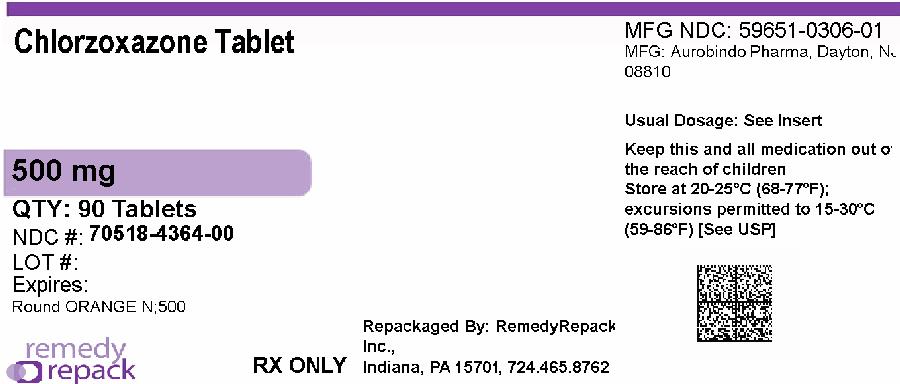
(chlorzoxazone · DailyMed)
RILIF MR TABLETS
ACECLOFENAC BPPARACETAMOL BP AND CHLORZOXAZONE USP
What it does
Aceclofenac is a non-steroidal anti-inflammatory drug (NSAID) used to relieve pain and reduce inflammation.
Commonly used for: pain relief, inflammation (swelling and redness), arthritis, muscle pain
Read more in plain English ↓Plain-language summary for general understanding - not medical advice. Always follow your pharmacist/doctor.
Ask about this medicine
Answers come only from this medicine's registration record, BNF monograph and interaction data - not medical advice.
Hard to find? We help patients in Kenya source rare medicines. We don't sell or dispense medicines - licensed pharmacies do.
Source this medicineRegistration & product details
Source: Pharmacy and Poisons Board · fetched 2026-01-28 21:43:02 · updated 2026-07-20 11:17:21
Drug Interactions
14Pharmacodynamic Warnings
Aceclofenac appears in TABLE 2: Drugs that cause nephrotoxicity
Aceclofenac appears in TABLE 4: Drugs with antiplatelet effects
Aceclofenac appears in TABLE 16: Drugs that increase serum potassium
Aceclofenac appears in TABLE 18: Drugs that cause hyponatraemia
Severe (1)
Mifamurtide - decreases efficacy
NSAIDs(high-dose)arepredictedtodecreasetheefficacyof mifamurtide.Avoid.rTheoretical
Moderate (5)
Antiarrhythmics - increases exposure
NSAIDs (celecoxib) are predicted to increase the exposure to antiarrhythmics (flecainide, propafenone). Monitor and adjust dose.
Cladribine - increases exposure
NSAIDs(sulindac)mightincreasetheexposuretocladribine. Avoidoradjustdose.oTheoretical
Flecainide - increases exposure
NSAIDs (celecoxib) are predicted to increase the exposure to antiarrhythmics (flecainide, propafenone). Monitor and adjust dose.
Pemetrexed - increases exposure
NSAIDs are predicted to increase the exposure to pemetrexed. Use with caution or avoid. Also see TABLE 2 p. 1517
Propafenone - increases exposure
NSAIDs (celecoxib) are predicted to increase the exposure to antiarrhythmics (flecainide, propafenone). Monitor and adjust dose.
Unknown (8)
Alendronate - increases risk of gastrointestinal irritation
NSAIDs are predicted to increase the risk of gastrointestinal irritation when given with bisphosphonates (alendronate, ibandronate).
Bisphosphonates - increases risk of gastrointestinal irritation
NSAIDs are predicted to increase the risk of gastrointestinal irritation when given with bisphosphonates (alendronate, ibandronate).
Bisphosphonates - increases risk of renal impairment
NSAIDs are predicted to increase the risk of renal impairment when given with bisphosphonates (clodronate).
Clodronate - increases risk of renal impairment
NSAIDs are predicted to increase the risk of renal impairment when given with clodronate.
Deferasirox - increases risk of gastrointestinal bleeding
NSAIDs are predicted to increase the risk of gastrointestinal bleeding when given with deferasirox.
Deferiprone - increases exposure
NSAIDs(diclofenac)arepredictedtoincreasetheexposureto deferiprone.oTheoretical
Ibandronate - increases risk of gastrointestinal irritation
NSAIDs are predicted to increase the risk of gastrointestinal irritation when given with bisphosphonates (alendronate, ibandronate).
Ironchelators - increases risk of gastrointestinal bleeding
NSAIDs are predicted to increase the risk of gastrointestinal bleeding when given with iron chelators (deferasirox).
Data from BNF 85 (British National Formulary). This is not a substitute for professional medical advice. Matched via: class
About aceclofenac
Aceclofenac is a non-steroidal anti-inflammatory drug (NSAID) used to relieve pain and reduce inflammation.
What it treats
- pain relief
- inflammation (swelling and redness)
- arthritis
- muscle pain
How it works
It works by blocking substances in the body that cause pain and inflammation.
Who it's for
This medication is for adults experiencing pain or inflammation from conditions like arthritis or muscle injuries.
Drug class
NSAIDs
Cautions
- • Be cautious if taking other drugs that can harm the kidneys.
- • Avoid if using drugs that prevent blood clots.
- • Take care if using medications that may increase potassium levels.
- • Use with caution if taking drugs that can lower sodium levels.
AI-assisted summary grounded in BNF data - general information only, not medical advice. Always confirm with your pharmacist or doctor.
About bpparacetamol
Bpparacetamol is a medication commonly used to relieve pain and reduce fever.
What it treats
- pain relief (analgesia)
- fever reduction (antipyretic)
How it works
It works by blocking pain signals in the brain and helps to lower body temperature.
Who it's for
It is suitable for adults and children who need relief from pain or fever.
AI-assisted summary grounded in BNF data - general information only, not medical advice. Always confirm with your pharmacist or doctor.
About chlorzoxazone
Chlorzoxazone is a muscle relaxant used to relieve muscle pain and discomfort.
What it treats
- muscle pain
- muscle spasms
How it works
It helps to relax the muscles, making it easier to move and reducing pain.
Who it's for
It is for adults experiencing muscle pain or spasms.
AI-assisted summary grounded in BNF data - general information only, not medical advice. Always confirm with your pharmacist or doctor.
Clinical monograph: Aceclofenac
BNF-referencedAceclofenac is a non-steroidal anti-inflammatory drug (NSAID) primarily used for the relief of pain and inflammation associated with musculoskeletal disorders such as rheumatoid arthritis, osteoarthritis, and ankylosing spondylitis. It works by inhibiting the production of prostaglandins, which are compounds that mediate inflammation and pain.
Indications
- Pain and inflammation in rheumatoid arthritis
- Pain and inflammation in osteoarthritis
- Pain and inflammation in ankylosing spondylitis
Dosage
Children: Refer to the BNF for Children for appropriate dosing in paediatric patients.
Adults: The recommended dose for adults is 100 mg twice daily.
Mechanism of action
Aceclofenac acts by inhibiting the cyclooxygenase (COX) enzymes, specifically COX-2, leading to a decrease in the synthesis of prostaglandins. This results in an anti-inflammatory effect, pain relief, and reduction in swelling. The pathway involves the blockade of the arachidonic acid pathway, which is vital for the production of pro-inflammatory mediators.
Pharmacodynamics
Aceclofenac exhibits anti-inflammatory, analgesic, and antipyretic properties. By inhibiting COX-2, it reduces inflammation and pain while sparing COX-1, which helps maintain gastric mucosal integrity, thereby potentially lowering the risk of gastrointestinal side effects compared to other NSAIDs. However, it still poses risks such as gastrointestinal bleeding, renal impairment, and cardiovascular events.
Pharmacokinetics
Aceclofenac is well-absorbed after oral administration, with peak plasma concentrations occurring approximately 1-2 hours post-dose. It is extensively metabolized in the liver, primarily via glucuronidation, with its metabolites being excreted through urine. The half-life of aceclofenac is about 4 hours, necessitating twice-daily dosing for effective pain management. The drug's clearance may be reduced in patients with hepatic impairment.
Contra-indications
- Active bleeding
- Active gastrointestinal bleeding
- History of hypersensitivity to aspirin or any other NSAID
- Severe renal impairment
- Severe hepatic impairment
Adverse effects
- Constipation
- Vomiting
- Anaemia
- Angioedema
- Depression
- Drowsiness
- Dyspnoea
- Fatigue
- Haemolytic anaemia
- Headache
- Heart failure
- Hepatic disorders
- Hyperkalaemia
- Hypertension
- Inflammatory bowel disease
- Leg cramps
- Nephrotic syndrome
- Neutropenia
- Oedema
- Palpitations
- Pancreatitis
- Paraesthesia
- Respiratory disorders
- Severe cutaneous adverse reactions (SCARs)
- Sleep disorders
- Taste altered
- Thrombocytopenia
- Tinnitus
- Tremor
- Vasculitis
- Vertigo
- Visual impairment
- Weight increased
Interactions
- Increased risk of gastrointestinal side effects when combined with low-dose aspirin
- Alcohol increases risk of gastrointestinal hemorrhage
- NSAIDs may exacerbate symptoms in asthma patients
Precautions
- Use with caution in elderly patients and those at risk of gastrointestinal ulceration
- Patients with serious rheumatic diseases may become dependent on NSAIDs
- Consider gastroprotective treatment for at-risk patients
Pregnancy
Most manufacturers advise avoiding the use of NSAIDs during pregnancy unless the potential benefit outweighs the risk, particularly during the third trimester due to risks associated with fetal ductus arteriosus closure.
Breast-feeding
Use with caution during breastfeeding.
Storage
Store in a cool, dry place away from light.
Formulations
- Oral tablets
AI-synthesized from BNF references - general information only, not a substitute for professional medical advice or the current BNF. Verify doses with a pharmacist.
Clinical monograph: bpparacetamol
Bupropion is an atypical antidepressant that primarily acts as a norepinephrine-dopamine reuptake inhibitor (NDRI). It is commonly used for the treatment of major depressive disorder and as an aid to smoking cessation. Bupropion is known for its stimulating effects and is often preferred for patients who experience fatigue or lethargy with traditional antidepressants.
Indications
- Major depressive disorder
- Seasonal affective disorder
- Smoking cessation (as an aid)
Dosage
Children: Safety and efficacy in children have not been established, and specific dosing recommendations are not available.
Adults: Refer to specific product guidelines for dosing details, as dosages vary based on indication and formulation. Generally, it is initiated at a low dose and titrated as tolerated.
Mechanism of action
Bupropion's mechanism of action involves the inhibition of the reuptake of norepinephrine and dopamine, which increases the availability of these neurotransmitters in the synaptic cleft. It also has some antagonistic effects at nicotinic acetylcholine receptors, which may contribute to its efficacy in smoking cessation.
Pharmacodynamics
Bupropion exhibits a unique pharmacological profile compared to other antidepressants. It has a lower risk of sexual side effects and weight gain. Its stimulating properties can help alleviate symptoms of depression and improve energy levels. The drug's effects on dopaminergic and noradrenergic systems make it effective in managing depressive symptoms and aiding in the cessation of nicotine addiction.
Pharmacokinetics
Bupropion is well absorbed after oral administration, with peak plasma concentrations occurring approximately 2 hours after dosing. It undergoes extensive hepatic metabolism, primarily by cytochrome P450 2B6. The elimination half-life ranges from 21 to 30 hours. The drug is primarily excreted in the urine, with metabolites accounting for most of the drug's clearance from the body.
Adverse effects
- Nausea
- Vomiting
- Rash
- Liver damage (with overdose)
- Allergic reactions
Interactions
- Alcohol (increased risk of liver toxicity)
- Warfarin (may enhance anticoagulant effect)
- Certain antiepileptic drugs (may increase risk of hepatotoxicity)
Precautions
- Use with caution in patients with liver disease
- Monitor patients with chronic alcohol use
- Caution in patients with renal impairment
Pregnancy
Paracetamol is generally considered safe during pregnancy but should be used at the lowest effective dose for the shortest duration necessary.
Breast-feeding
Paracetamol is excreted in breast milk in small amounts and is considered safe for use while breastfeeding.
Storage
Store in a cool, dry place away from direct light. Keep out of reach of children.
Formulations
- Tablets
- Oral suspension
- Suppositories
- Injectable solution
AI-synthesized from BNF references - general information only, not a substitute for professional medical advice or the current BNF. Verify doses with a pharmacist.
Clinical monograph: chlorzoxazone
BNF-referencedChlorzoxazone is a centrally-acting muscle relaxant used primarily to relieve muscle spasms associated with painful musculoskeletal conditions. It is effective in reducing discomfort and increasing mobility in patients experiencing muscle tension or spasms due to various etiologies.
Indications
- Muscle spasms from musculoskeletal conditions
- Pain associated with muscle tension
- Skeletal muscle spasm relief
Dosage
Children: Refer to the BNF for Children for specific dosing guidance.
Adults: Refer to the BNF for specific dosing guidance.
Mechanism of action
Chlorzoxazone inhibits degranulation of mast cells, preventing the release of histamine and slow-reacting substance of anaphylaxis (SRS-A), which are mediators of type I allergic reactions. It may also reduce the release of inflammatory leukotrienes. The drug acts by inhibiting calcium and potassium influx, leading to neuronal inhibition and muscle relaxation. Primarily, it exerts its effects at the spinal cord and subcortical areas of the brain, inhibiting multisynaptic reflex arcs responsible for muscle spasms.
Pharmacodynamics
Chlorzoxazone is effective as a centrally-acting agent for managing painful musculoskeletal conditions. It works by inhibiting the reflex pathways in the central nervous system that contribute to muscle spasms, resulting in reduced spasticity, relief of pain, and improved mobility of the affected muscles.
Pharmacokinetics
Chlorzoxazone is absorbed from the gastrointestinal tract and is metabolized in the liver, primarily via cytochrome P450 enzymes. It has a relatively short half-life, which may necessitate multiple dosing throughout the day for sustained effect. The metabolites are primarily excreted in the urine.
Adverse effects
- Drowsiness
- Dizziness
- Nausea
- Vomiting
- Rash
- Hepatotoxicity
Interactions
- Alcohol may enhance the sedative effects of chlorzoxazone.
- Caution is advised when used with other CNS depressants.
Precautions
- Use with caution in patients with liver disease.
- Monitor for signs of hepatotoxicity during treatment.
- Caution in patients with a history of allergy to chlorzoxazone or similar agents.
Pregnancy
Chlorzoxazone should only be used during pregnancy if the potential benefit justifies the potential risk to the fetus, as safety data is limited.
Breast-feeding
Chlorzoxazone is excreted in breast milk; caution is advised when administering to nursing mothers.
Storage
Store at room temperature, away from excess heat and moisture. Keep out of reach of children.
Formulations
- Tablets
- Capsules
AI-synthesized from BNF references - general information only, not a substitute for professional medical advice or the current BNF. Verify doses with a pharmacist.
Molecular reference: Aceclofenac
PubChem CID 71771Molecular formula: C16H13Cl2NO4
Mechanism of action
Through COX-2 inhibition, aceclofenac downregulates the production of various inflammatory mediators including prostaglandin E2 (PGE2), IL-1β, and TNF from the arachidonic acid (AA) pathway. Inhibition of IL-6 is thought to be mediated by diclofenac converted from aceclofenac. Suppressed action of inflammatory cytokines decreases the production of reactive oxygen species. Aceclofenac is shown to decreased production of nitrous oxide in human articular chondrocytes. In addition, aceclofenac interferes with neutrophil adhesion to endothelium by decreasing the expression of L-selectin (CD62L), which is a cell adhesion molecule expressed on lymphocytes. Aceclofenac is proposed to stimulate the synthesis of glycosaminoglycan in human osteoarthritic cartilage which may be mediated through its inhibitory action on IL-1 production and activity. The chrondroprotective effects are generated by 4'-hydroxyaceclofenac which suppresses IL-1 mediated production of promatrix metalloproteinase-1 and metalloproteinase-3 and interferes with the release of proteoglycan from chrondrocytes.
Pharmacodynamics
Aceclofenac is a NSAID that inhibits both isoforms of COX enzyme, a key enzyme involved in the inflammatory cascade. COX-1 enzyme is a constitutive enzyme involved in prostacyclin production and protective functions of gastric mucosa whereas COX-2 is an inducible enzyme involved in the production of inflammatory mediators in response to inflammatory stimuli. Aceclofenac displays more selectivity towards COX-2 (IC50 of 0.77uM) than COX-1 (IC50 of >100uM), which promotes its gastric tolerance compared to other NSAIDs. The primary metabolite, 4'-hydroxyaceclofenac, also minimally inhibits COX-2 with IC50 value of 36uM. Although the mode of action of aceclofenac is thought to mainly arise from the inhibition of synthesis of prostaglandins (PGE2), aceclofenac also inhibits the production of inflammatory cytokines, interleukins (IL-1β, IL-6), and tumor necrosis factors (TNF). It is also reported that aceclofenac also affects the cell adhesion molecules from neutrophils. Aceclofenac also targets the synthesis of glycosaminoglycan and mediates chrondroprotective effects.
Source: PubChem (NCBI) · pathways from PathBank, Reactome, WikiPathways & PharmGKB.
Molecular reference: chlorzoxazone
PubChem CID 2733Molecular formula: C7H4ClNO2
Mechanism of action
Chlorzoxazone inhibits degranulation of mast cells, subsequently preventing the release of histamine and slow-reacting substance of anaphylaxis (SRS-A), mediators of type I allergic reactions. Chlorzoxazone also may reduce the release of inflammatory leukotrienes. Chlorzoxazone may act by inhibiting calcium and potassium influx which would lead to neuronal inhibition and muscle relaxation. Data available from animal experiments as well as human study indicate that chlorzoxazone acts primarily at the level of the spinal cord and subcortical areas of the brain where it inhibits multisynaptic reflex arcs involved in producing and maintaining skeletal muscle spasm
Pharmacodynamics
Chlorzoxazone is a centrally-acting agent for painful musculoskeletal conditions. Data available from animal experiments as well as human study indicate that chlorzoxazone acts primarily at the level of the spinal cord and subcortical areas of the brain where it inhibits multisynaptic reflex a.c. involved in producing and maintaining skeletal muscle spasm of varied etiology. The clinical result is a reduction of the skeletal muscle spasm with relief of pain and increased mobility of the involved muscles.
Biological pathways
Source: PubChem (NCBI) · pathways from PathBank, Reactome, WikiPathways & PharmGKB.
This drug in other countries
The same active ingredient registered across other registries we cover - including different brands.
- ACECLOFENAC VEGA 100MG TABLETS · Adnova Healthcare
- ACECLORITE SR 200mg TABLETS (Each film-coated tablet contains Aceclofenac 200mg) · Novagen Healthcare
- ACLO-P TABLETS (Each film coated tablet contains Aceclofenac / Paracetamol 100mg/ 500mg) · Centurion Laboratories
- ACLOMOL SR200 TABLETS ( Aceclofenac 200mg) · Lark Laboratories
- ACLOTAS TABLETS (Each Tablet contains Aceclofenac 100mg) · Intas Pharmaceuticals
- ADDMOL TABLETS · Addii Biotech