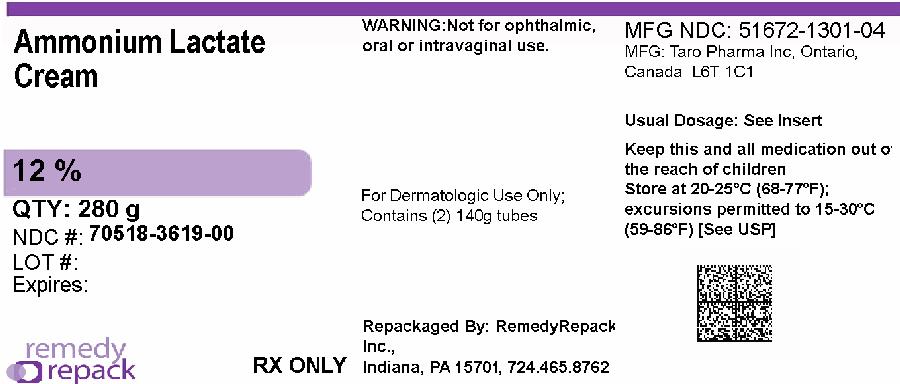
(ammonium · DailyMed)
RUFENAC GEL 1.16%W/W GEL
DICLOFENAC DIETHYL AMMONIUM
What it does
Ammonium is a compound that can be used in various treatments but is not classified under a specific drug class.
Read more in plain English ↓Plain-language summary for general understanding - not medical advice. Always follow your pharmacist/doctor.
Ask about this medicine
Answers come only from this medicine's registration record, BNF monograph and interaction data - not medical advice.
Medicine sourcing is available in Kenya only. We don't sell or dispense medicines - licensed pharmacies do.
Sourcing - Kenya onlyRegistration & product details
Source: Pharmacy and Medicines Regulatory Authority · fetched 2026-04-21 17:37:45 · updated 2026-09-29 04:33:06
Drug Interactions
17Pharmacodynamic Warnings
Diclofenac appears in TABLE 2: Drugs that cause nephrotoxicity
Diclofenac appears in TABLE 4: Drugs with antiplatelet effects
Diclofenac appears in TABLE 16: Drugs that increase serum potassium
Diclofenac appears in TABLE 18: Drugs that cause hyponatraemia
Severe (1)
Mifamurtide - decreases efficacy
NSAIDs(high-dose)arepredictedtodecreasetheefficacyof mifamurtide.Avoid.rTheoretical
Moderate (5)
Antiarrhythmics - increases exposure
NSAIDs (celecoxib) are predicted to increase the exposure to antiarrhythmics (flecainide, propafenone). Monitor and adjust dose.
Cladribine - increases exposure
NSAIDs(sulindac)mightincreasetheexposuretocladribine. Avoidoradjustdose.oTheoretical
Flecainide - increases exposure
NSAIDs (celecoxib) are predicted to increase the exposure to antiarrhythmics (flecainide, propafenone). Monitor and adjust dose.
Pemetrexed - increases exposure
NSAIDs are predicted to increase the exposure to pemetrexed. Use with caution or avoid. Also see TABLE 2 p. 1517
Propafenone - increases exposure
NSAIDs (celecoxib) are predicted to increase the exposure to antiarrhythmics (flecainide, propafenone). Monitor and adjust dose.
Unknown (11)
Alendronate - increases risk of gastrointestinal irritation
NSAIDs are predicted to increase the risk of gastrointestinal irritation when given with bisphosphonates (alendronate, ibandronate).
Bisphosphonates - increases risk of gastrointestinal irritation
NSAIDs are predicted to increase the risk of gastrointestinal irritation when given with bisphosphonates (alendronate, ibandronate).
Bisphosphonates - increases risk of renal impairment
NSAIDs are predicted to increase the risk of renal impairment when given with bisphosphonates (clodronate).
Clodronate - increases risk of renal impairment
NSAIDs are predicted to increase the risk of renal impairment when given with clodronate.
Deferasirox - increases risk of gastrointestinal bleeding
NSAIDs are predicted to increase the risk of gastrointestinal bleeding when given with deferasirox.
Data from BNF 85 (British National Formulary). This is not a substitute for professional medical advice. Matched via: class
About ammonium
Ammonium is a compound that can be used in various treatments but is not classified under a specific drug class.
How it works
Ammonium works by balancing chemical levels in the body.
Who it's for
It may be used in specific medical conditions as determined by a healthcare provider.
AI-assisted summary grounded in BNF data - general information only, not medical advice. Always confirm with your pharmacist or doctor.
About diclofenac
Diclofenac is a non-steroidal anti-inflammatory drug (NSAID) that helps reduce pain and inflammation.
What it treats
- pain relief
- inflammation (swelling)
- arthritis
- muscle pain
How it works
It works by blocking substances in the body that cause pain and inflammation.
Who it's for
It is for adults and children over the age of 12 who need relief from pain or swelling.
Drug class
NSAIDs
Cautions
- • Be careful if you are taking drugs that can harm your kidneys.
- • Avoid if you are on medications that prevent blood clots.
- • Use caution if you are taking drugs that can raise potassium levels in your blood.
- • Avoid if you are taking medications that can lower sodium levels.
AI-assisted summary grounded in BNF data - general information only, not medical advice. Always confirm with your pharmacist or doctor.
About diethyl
Diethyl is a medication used for various conditions, but specific information about its class and interactions is not provided.
How it works
The specific way diethyl works is not detailed.
Who it's for
Diethyl may be prescribed for certain medical conditions as determined by a healthcare provider.
AI-assisted summary grounded in BNF data - general information only, not medical advice. Always confirm with your pharmacist or doctor.
Clinical monograph: Diclofenacsodium
BNF-referencedDiclofenac sodium is a non-steroidal anti-inflammatory drug (NSAID) that is commonly used to relieve pain and inflammation associated with various musculoskeletal disorders and rheumatic diseases. It works by inhibiting the cyclooxygenase (COX) enzymes, which play a key role in the synthesis of prostaglandins, thereby reducing inflammation, pain, and fever.
Indications
- Pain and inflammation in musculoskeletal disorders
- Rheumatic disease
- Osteoarthritis of the knee
- Postoperative pain
- Control of anterior segment inflammation following ophthalmic surgery
Dosage
Children: For paediatric dosing, please refer to the BNF for Children as specific dosages are not provided in this text.
Adults: For topical application, apply 3–4 times a day to the affected area. For injection, 75 mg may be administered intravenously, then 75 mg after 4–6 hours if required, up to a maximum of 150 mg per day for no more than 2 days.
Mechanism of action
Diclofenac sodium primarily acts as a selective inhibitor of cyclooxygenase-1 (COX-1) and cyclooxygenase-2 (COX-2). By blocking these enzymes, diclofenac decreases the production of prostaglandins, which are mediators of inflammation and pain. This mechanism leads to reduced inflammatory responses and alleviation of pain.
Pharmacodynamics
The pharmacological effects of diclofenac include anti-inflammatory, analgesic, and antipyretic properties. The onset of action is typically within a few hours following administration, with peak effects seen within 1 to 2 hours. The duration of analgesia can vary depending on the formulation and dosage used.
Pharmacokinetics
Diclofenac is rapidly absorbed after oral administration, with peak plasma concentrations occurring within 1 to 2 hours. It is extensively metabolized in the liver to active metabolites and has a half-life of approximately 1 to 2 hours. The drug is primarily excreted in the urine, with both unchanged drug and metabolites being eliminated. Food can affect the absorption, so it is often recommended to take it on an empty stomach.
Contra-indications
- History of hypersensitivity to diclofenac or other NSAIDs
- Active gastrointestinal ulceration
- History of recurrent gastrointestinal bleeding
- History of cerebrovascular bleeding
- Severe renal impairment
- Severe hepatic impairment
- Dehydration
- Hypovolaemia
- History of asthma precipitated by NSAIDs
- History of gastro-intestinal perforation related to previous NSAID therapy
- History of confirmed or suspected hemorrhagic diathesis
Adverse effects
- Gastrointestinal discomfort
- Nausea
- Vomiting
- Diarrhea
- Constipation
- Headache
- Dizziness
- Rash
- Tinnitus
- Elevated liver enzymes
- Renal impairment
- Fluid retention
- Increased blood pressure
Interactions
- Increased risk of gastrointestinal bleeding when used with other NSAIDs or anticoagulants
- Caution with diuretics due to potential for renal impairment
- May enhance the effects of anticoagulants like warfarin
- Caution with antihypertensive medications due to potential for reduced efficacy
Precautions
- Use with caution in patients with a history of cardiovascular disease
- Monitor renal function in patients with pre-existing renal impairment
- Long-term use may affect female fertility, reversible upon discontinuation
- Use with caution during pregnancy, especially in the third trimester
Pregnancy
Avoid unless the potential benefit outweighs the risk. Avoid during the third trimester due to risks of fetal ductus arteriosus closure and pulmonary hypertension of the newborn.
Breast-feeding
Use with caution; amount in milk is generally too small to be harmful.
Storage
Store in a cool, dry place away from direct sunlight. Keep out of reach of children.
Formulations
- Diclofenac sodium 1% gel
- Diclofenac sodium 75 mg injection
- Diclofenac sodium eye drops 0.1% (Voltarol Ophtha)
AI-synthesized from BNF references - general information only, not a substitute for professional medical advice or the current BNF. Verify doses with a pharmacist.
Clinical monograph: Diclofenacpotassium
BNF-referencedDiclofenac potassium is a non-steroidal anti-inflammatory drug (NSAID) commonly used to relieve pain and inflammation associated with various musculoskeletal disorders, including rheumatic diseases and acute gout. It is known for its analgesic and anti-inflammatory properties.
Indications
- Pain and inflammation in musculoskeletal disorders
- Rheumatic diseases
- Acute gout
- Postoperative pain
Dosage
Children: For children aged 9–13 years (body weight 35 kg and above), up to 2 mg/kg daily in 3 divided doses; maximum 100 mg per day. For children aged 14–17 years, 75–100 mg daily in 2–3 divided doses.
Adults: 75–150 mg daily in 2–3 divided doses.
Mechanism of action
Diclofenac potassium works primarily by inhibiting the cyclooxygenase (COX) enzymes, specifically COX-1 and COX-2. This inhibition decreases the synthesis of prostaglandins, which are mediators involved in inflammation, pain, and fever. This action results in reduced inflammation and pain sensation in affected tissues.
Pharmacodynamics
The analgesic effects of diclofenac potassium are evident within a few hours after administration. It shows a dose-dependent response in reducing pain and inflammation, making it effective for managing acute pain and inflammatory conditions. The drug can also have a beneficial effect on reducing fever.
Pharmacokinetics
Diclofenac potassium is rapidly absorbed from the gastrointestinal tract, with peak plasma concentrations typically occurring within 1-2 hours after oral administration. It has a half-life of approximately 1-2 hours, but its anti-inflammatory effects can last longer due to its active metabolites. The drug is extensively metabolized in the liver, and its metabolites are excreted primarily in the urine.
Contra-indications
- Active gastrointestinal bleeding
- Active gastrointestinal ulceration
- History of recurrent gastrointestinal haemorrhage
- Cerebrovascular disorders
- History of hypersensitivity to aspirin or any other NSAID
- Severe cardiac impairment
- Severe hepatic impairment
- Severe renal impairment
- History of allergic disorders
Adverse effects
- Diarrhoea
- Gastrointestinal disturbances
- Headache
- Insomnia
- Malaise
- Acute gout pain
- Palpitations
- Skin reactions
- Vertigo
- Angioedema
- Decreased appetite
- Dyspepsia
- Hypertension
- Nephritis
- Neutropenia
- Photosensitivity
- Severe cutaneous adverse reactions
- Syncope
- Tachycardia
- Thrombocytopenia
- Tinnitus
- Blurred vision
Interactions
- Increased risk of gastrointestinal bleeding with other NSAIDs
- Caution with anticoagulants due to potential increased bleeding risk
- Caution with antihypertensives as NSAIDs may reduce their efficacy
- Caution with diuretics due to potential renal impairment
Precautions
- Caution in patients with dehydration
- Caution in elderly patients due to increased risk of serious side effects
- Caution in patients with a history of cardiovascular disease
- Use with caution in patients with renal impairment
- Monitor for signs of gastrointestinal bleeding
Pregnancy
Avoid unless the potential benefit outweighs the risk. Avoid during the third trimester due to risk of fetal ductus arteriosus closure and possible persistent pulmonary hypertension in the newborn.
Breast-feeding
Use with caution during breastfeeding; no specific information available.
Storage
Store in a cool, dry place away from light. Keep out of reach of children.
Formulations
- Oral tablets
- Oral suspension
AI-synthesized from BNF references - general information only, not a substitute for professional medical advice or the current BNF. Verify doses with a pharmacist.
Clinical monograph: Diclofenac
BNF-referencedDiclofenac is a non-steroidal anti-inflammatory drug (NSAID) used primarily for its analgesic and anti-inflammatory properties. It is indicated for the treatment of various painful inflammatory conditions, including arthritis, dysmenorrhea, and postoperative pain. Diclofenac works by inhibiting the cyclooxygenase (COX) enzymes, leading to reduced synthesis of prostaglandins, which are mediators of pain and inflammation.
Indications
- Rheumatoid arthritis
- Osteoarthritis
- Ankylosing spondylitis
- Acute pain
- Dysmenorrhea
- Postoperative pain
- Inflammatory conditions
Dosage
Children: For children, the dosage must be determined based on weight and the specific indication. It is essential to refer
Adults: The usual oral dose for adults is 50 mg taken two to three times daily, with a maximum daily dose of 150 mg. In specific cases, doses may vary based on the condition being treated and the patient's response.
Mechanism of action
Diclofenac inhibits cyclooxygenase-1 and -2 (COX-1 and COX-2), enzymes responsible for the conversion of arachidonic acid to prostaglandins. This inhibition reduces the levels of prostaglandins G2, leading to decreased inflammation, pain, and fever. Prostaglandin E2 (PGE2), a primary mediator of nociception, is suppressed, which lowers pain sensitivity and peripheral sensitization via G-protein coupled receptors.
Pharmacodynamics
Diclofenac reduces inflammation and nociceptive pain while also exhibiting antipyretic effects. Its action can increase the risk of gastrointestinal ulceration due to the inhibition of protective mucus secretion in the stomach, which is a common side effect of NSAIDs.
Pharmacokinetics
Diclofenac is rapidly absorbed after oral administration, with peak plasma concentrations occurring within 1 to 2 hours. It has a high volume of distribution and is extensively metabolized in the liver, primarily by cytochrome P450 enzymes. The elimination half-life is approximately 1 to 2 hours, with metabolites excreted in urine. Its pharmacokinetics can be influenced by factors such as age, liver function, and concurrent medications.
Contra-indications
- Untreated local infection
Adverse effects
- Gastrointestinal ulceration
- Nausea
- Vomiting
- Diarrhea
- Abdominal pain
- Headache
- Dizziness
- Rash
Interactions
- Ciclosporin: Unknown (increases concentration)
- Iron chelators: Unknown (increases exposure)
- Deferiprone: Unknown (increases exposure)
Precautions
- Use with caution in patients with a history of gastrointestinal disease
- Monitor renal function in long-term use
- Consider cardiovascular risks in patients with pre-existing conditions
Pregnancy
Manufacturer advises to avoid unless essential.
Breast-feeding
Manufacturer advises to avoid unless essential.
Storage
Store below 25°C. Protect from light and moisture.
Formulations
- Diclofenac 50 mg oral tablet
- Diclofenac 100 mg extended-release oral tablet
- Diclofenac 75 mg injection
- Diclofenac 1% gel
AI-synthesized from BNF references - general information only, not a substitute for professional medical advice or the current BNF. Verify doses with a pharmacist.
Clinical monograph: ammonium
BNF-referencedAmmonium is a positively charged ion (NH4+) that plays a crucial role in various biochemical processes, including nitrogen metabolism in living organisms. It is involved in the synthesis of amino acids and nucleotides, acting as a precursor in the biosynthesis of important biological compounds. Ammonium is also a key component in the nitrogen cycle, contributing to the fertility of soil and aquatic environments.
Indications
- Nitrogen supplementation in clinical nutrition
- Management of metabolic alkalosis
- Treatment of certain types of kidney disorders
Dosage
Children: Specific pediatric dosing information is not detailed in the BNF. Refer to the BNF for Children for appropriate dosing based on age and condition.
Adults: Dosage varies based on clinical indication and should be guided by specific treatment protocols. Refer to clinical guidelines for detailed dosing information.
Mechanism of action
Ammonium ions participate in various metabolic pathways, including the biosynthesis of amino acids and nucleotides. It serves as a nitrogen source for organisms, facilitating the synthesis of essential biomolecules. The presence of ammonium can influence pH levels and osmotic balance within cells, thereby affecting cellular functions and enzyme activities.
Pharmacodynamics
Ammonium affects cellular metabolism by acting as a nitrogen donor in the synthesis of organic compounds. Its role in the nitrogen cycle and as a substrate in biochemical pathways allows for the maintenance of cellular functions, including energy production and cellular growth. Alterations in ammonium levels can influence various physiological processes, including neurotransmitter synthesis and energy metabolism.
Pharmacokinetics
Ammonium is readily absorbed and distributed in biological systems. It can be produced endogenously through amino acid metabolism or obtained from dietary sources. The excretion of ammonium primarily occurs through the kidneys, where it is converted to urea for elimination. Ammonium levels are regulated by various mechanisms, including the action of renal tubular cells that either secrete or reabsorb ammonium based on the body's needs.
AI-synthesized from BNF references - general information only, not a substitute for professional medical advice or the current BNF. Verify doses with a pharmacist.
Clinical monograph: ammoniumchloride
BNF-referencedAmmonium chloride is an inorganic compound with the chemical formula ClH4N. It is primarily used as an expectorant and systemic acidifier. Its mechanism involves increasing hydrogen ion concentrations, thereby enhancing acidity and promoting the production of respiratory tract fluid, which aids in effective coughing. Additionally, it alters the bicarbonate:carbonic acid ratio in the body, potentially leading to acidosis and promoting the excretion of electrolytes and water.
Indications
- Cough associated with respiratory tract infections
- Acid-base disorders
- Edema management
Dosage
Children: Refer to the BNF for Children for appropriate paediatric dosing guidelines based on age and condition.
Adults: Refer to the BNF for specific adult dosing guidelines as they depend on the indication and clinical context.
Mechanism of action
Ammonium chloride increases acidity by raising hydrogen ion concentrations. It dissociates into ammonium and chloride ions; the ammonium is converted to urea in the liver, releasing hydrogen ions that lower pH. The chloride ions displace bicarbonate in extracellular fluid, leading to acidosis and increased renal excretion of electrolytes and water, resulting in fluid mobilization.
Pharmacodynamics
Ammonium chloride acts as a systemic acidifier, facilitating the excretion of chloride and sodium, while also increasing the acidity of body fluids. The conversion of ammonium to urea in the liver with the release of hydrogen ions contributes to a decrease in blood pH, affecting acid-base balance in the body.
Pharmacokinetics
Ammonium chloride is absorbed from the gastrointestinal tract and metabolized in the liver, where it is converted to urea. The dissociated ions impact renal function, leading to increased excretion of sodium, potassium, and water. The elimination half-life and specific metabolism details are not explicitly defined.
Adverse effects
- Nausea
- Vomiting
- Abdominal pain
- Diarrhea
- Dizziness
- Headache
Interactions
- Antacids may reduce the effectiveness of ammonium chloride
- Potassium-sparing diuretics may increase the risk of hyperkalemia
Precautions
- Use with caution in patients with renal impairment
- Monitor electrolyte levels during prolonged therapy
- Consider potential for acidosis in patients with liver disease
Pregnancy
Ammonium chloride should only be used during pregnancy if the potential benefit justifies the potential risk to the fetus. Consult a healthcare provider for individualized advice.
Breast-feeding
Ammonium chloride is excreted in breast milk. Use caution and consult a healthcare provider if breastfeeding.
Storage
Store in a cool, dry place, away from direct sunlight and moisture. Keep out of reach of children.
Formulations
- Oral solution
- Powder for oral solution
AI-synthesized from BNF references - general information only, not a substitute for professional medical advice or the current BNF. Verify doses with a pharmacist.
Clinical monograph: diethyl
BNF-referencedDiethyl, commonly referred to as butane, is a colorless gas at room temperature and is primarily used as a fuel and solvent. It is part of the alkane family and has a simple molecular structure represented by the formula C4H10. Due to its volatility and flammability, butane is often used in lighters and portable stoves. However, abuse through inhalation can lead to serious health risks, including asphyxia and cardiac arrhythmias.
Dosage
Children: Refer to BNF for Children for appropriate dosing guidelines, as specific therapeutic doses are not applicable for butane.
Adults: Refer to BNF for appropriate dosing guidelines, as specific therapeutic doses are not applicable for butane.
Mechanism of action
Butane acts primarily as a central nervous system depressant when inhaled, leading to hypoxia and potential cardiac complications. The inhalation of butane can result in a range of toxic effects, including asphyxia due to displacement of oxygen and direct toxic effects on cardiac tissues, which can lead to arrhythmias and myocardial damage.
Pharmacodynamics
The pharmacodynamic properties of butane involve its effects on the central nervous system, where it enhances inhibitory neurotransmission. This can lead to sedation and a decreased level of consciousness. Additionally, butane can cause cardiovascular effects, including changes in heart rhythm and potential myocardial ischemia due to oxygen deprivation.
Pharmacokinetics
Butane is rapidly absorbed through the lungs upon inhalation. Its distribution throughout the body is quick due to its lipophilic characteristics, allowing it to cross cell membranes efficiently. Metabolism of butane occurs primarily in the liver, although specific metabolic pathways are not extensively characterized. The elimination half-life is variable and dependent on the duration and intensity of exposure.
Contra-indications
- Hypersensitivity to butane or any of its components
- Severe respiratory insufficiency
- Acute or chronic pulmonary disease
Adverse effects
- Asphyxia
- Cardiac arrhythmias
- CNS depression
- Dizziness
- Headache
- Nausea
- Vomiting
- Confusion
- Loss of consciousness
Interactions
- May potentiate the effects of other CNS depressants
- Use with caution in patients receiving medications that affect cardiac rhythm
Precautions
- Use in well-ventilated areas to reduce inhalation risk
- Monitor patients for signs of respiratory distress
- Avoid use in individuals with a history of substance abuse
Pregnancy
There are no adequate and well-controlled studies in pregnant women. Use only if clearly needed and the potential benefits justify the potential risks.
Breast-feeding
It is not known whether butane is excreted in human milk. Caution should be exercised when administered to a nursing woman.
Storage
Store in a cool, well-ventilated area away from heat and flames. Keep container tightly closed.
Formulations
- Aerosol propellant
- Lighter refills
AI-synthesized from BNF references - general information only, not a substitute for professional medical advice or the current BNF. Verify doses with a pharmacist.
Molecular reference: Diclofenac
PubChem CID 3033Molecular formula: C14H11Cl2NO2
Mechanism of action
Diclofenac inhibits cyclooxygenase-1 and -2, the enzymes responsible for production of prostaglandin (PG) G<sub>2</sub> which is the precursor to other PGs. These molecules have broad activity in pain and inflammation and the inhibition of their production is the common mechanism linking each effect of diclofenac. PGE<sub>2</sub> is the primary PG involved in modulation of nociception. It mediates peripheral sensitization through a variety of effects. PGE<sub>2</sub> activates the G<sub>q</sub>-coupled EP<sub>1</sub> receptor leading to increased activity of the inositol trisphosphate/phospholipase C pathway. Activation of this pathway releases intracellular stores of calcium which directly reduces action potential threshold and activates protein kinase C (PKC) which contributes to several indirect mechanisms. PGE<sub>2</sub> also activates the EP<sub>4</sub> receptor, coupled to G<sub>s</sub>, which activates the adenylyl cyclase/protein kinase A (AC/PKA) signaling pathway. PKA and PKC both contribute to the potentiation of transient receptor potential cation channel subfamily V member 1 (TRPV1) potentiation, which increases sensitivity to heat stimuli. They also activate tetrodotoxin-resistant sodium channels and inhibit inward potassium currents. PKA further contributes to the activation of the P2X3 purine receptor and sensitization of T-type calcium channels. The activation and sensitization of depolarizing ion channels and inhibition of inward potassium currents serve to reduce the intensity of stimulus necessary to generate action potentials in nociceptive sensory afferents. PGE<sub>2</sub> act via EP<sub>3</sub> to increase sensitivity to bradykinin and via EP<sub>2</sub> to further increase heat sensitivity. Central sensitization occurs in the dorsal horn of the spinal cord and is mediated by the EP<sub>2</sub> receptor which couples to G<sub>s</sub>. Pre-synaptically, this receptor increases the release of pro-nociceptive neurotransmitters glutamate, CGRP, and substance P. Post-synaptically it increases the activity of AMPA and NMDA receptors and produces inhibition of inhibitory glycinergic neurons. Together these lead to a reduced threshold of activating, allowing low intensity stimuli to generate pain signals. PGI<sub>2</sub> is known to play a role via its G<sub>s</sub>-coupled IP receptor although the magnitude of its contribution varies. It has been proposed to be of greater importance in painful inflammatory conditions such as arthritis. By limiting sensitization, both peripheral and central, via these pathways NSAIDs can effectively reduce inflammatory pain. PGI<sub>2</sub> and PGE<sub>2</sub> contribute to acute inflammation via their IP and EP<sub>2</sub> receptors. Similarly to β adrenergic receptors these are G<sub>s</sub>-coupled and mediate vasodilation through the AC/PKA pathway. PGE<sub>2</sub> also contributes by increasing leukocyte adhesion to the endothelium and attracts the cells to the site of injury. PGD<sub>2</sub> plays a role in the activation of endothelial cell release of cytokines through its DP<sub>1</sub> receptor. PGI<sub>2</sub> and PGE<sub>2</sub> modulate T-helper cell activation and differentiation through IP, EP<sub>2</sub>, and EP<sub>4</sub> receptors which is believed to be an important activity in the pathology of arthritic conditions. By limiting the production of these PGs at the site of injury, NSAIDs can reduce inflammation. PGE<sub>2</sub> can cross the blood-brain barrier and act on excitatory G<sub>q</sub> EP<sub>3</sub> receptors on thermoregulatory neurons in the hypothalamus. This activation triggers an increase in heat-generation and a reduction in heat-loss to produce a fever. NSAIDs prevent the generation of PGE<sub>2</sub> thereby reducing the activity of these neurons. Diclofenac has pharmacologic actions similar to those of other prototypical NSAIAs. The drug exhibits anti-inflammatory, analgesic, and antipyretic activity. The exact mechanisms have not been c
Pharmacodynamics
Diclofenac reduces inflammation and by extension reduces nociceptive pain and combats fever. It also increases the risk of developing a gastrointestinal ulcer by inhibiting the production of protective mucus in the stomach.
Biological pathways
Source: PubChem (NCBI) · pathways from PathBank, Reactome, WikiPathways & PharmGKB.
Molecular reference: ammonium
PubChem CID 223Molecular formula: H4N+
Biological pathways
Source: PubChem (NCBI) · pathways from PathBank, Reactome, WikiPathways & PharmGKB.
Molecular reference: ammoniumchloride
PubChem CID 25517Molecular formula: ClH4N
Mechanism of action
Ammonium chloride increases acidity by increasing the amount of hydrogen ion concentrations. Ammonium chloride can be used as an expectorant due to its irritative action on the bronchial mucosa. This effect causes the production of respiratory tract fluid which in order facilitates the effective cough. The acid-forming properties of ammonium chloride result from dissociation of the salt to an ammonium cation and a chloride anion. In patients with normal hepatic function, the ammonium cation is converted to urea by the liver and a hydrogen cation is released which reacts with a bicarbonate ion to form water and carbon dioxide. The chloride anion combines with fixed bases in the extracellular fluid, thereby reducing the alkaline reserve of the body. The net result is the displacement of bicarbonate ions by chloride anions. The displacement of bicarbonate by chloride alters the bicarbonate:carbonic acid ratio if the body and acidosis results. The increased chloride concentration in the extracellular fluid produces an increased load to the renal tubules and appreciable amounts of chloride anions escape reabsorption. These anions are excreted along with cations and water. Sodium is the principal cation excreted; however, potassium excretion may also be increased to some degree. By increasing the excretion of both extracellular electrolytes and water, ammonium chloride causes a net loss of extracellular fluid and promotes the mobilization of edema fluid.
Pharmacodynamics
Systemic acidifier. In liver ammonium chloride is converted into urea with the liberation of hydrogen ions ( which lowers the pH) and chloride.
Biological pathways
Source: PubChem (NCBI) · pathways from PathBank, Reactome, WikiPathways & PharmGKB.
Molecular reference: diethyl
PubChem CID 7843Molecular formula: C4H10
Mechanism of action
...Not infrequently intentional butane inhalation results in high morbidity and mortality. A fatal outcome of butane abuse can be caused by asphyxia, cardiac arrhythmia or trauma. The reported number of cases in which death was the consequence of pure butane inhalation is limited, and in most cases a mixture of propellants was involved. This report covers two cases of sudden death due to the sniffing of a cigarette lighter refill containing butane. Autopsy was followed by toxicological, pathohistological and immunohistochemical analysis. Butane gas was confirmed in samples of blood, urine, brain and lungs... Histology showed almost identical changes in the lungs and heart in both cases. The morphology of heart damage on standard H/E stains was of special interest because it displayed all the characteristics of chronic and acute myocardial hypoxia found in the absence of atherosclerotic heart disease. In order to confirm early cardiac death caused by asphyxia due to butane inhalation a panel of immunohistochemical agents was used...
Biological pathways
Source: PubChem (NCBI) · pathways from PathBank, Reactome, WikiPathways & PharmGKB.
This drug in other countries
The same active ingredient registered across other registries we cover - including different brands.
- ABICOF SYRUP · Socomed Pharmaceutical
- ABMOL FORTE CAPSULES (Each hard gelatin contains Paracetamol / Diclofenac Sodium / Caffeine 325mg/50mg/30mg) · Socomed Pharma
- ABY-DICLO 100MG TABLETS (Each tablet contains Diclofenac 100mg) · SocomedPharma
- ACELA 100 TABLETS · Osuka Pharmaceuticals
- ACELA 80 TABLETS · Osuka Pharmaceuticals
- ACELA PLUS TABLETS · Osuka Pharmaceuticals