International reference: 6 US FDA recalls for this ingredient
Lack of Assurance of Sterility: Franck's Lab Inc. initiated a recall of all Sterile Human Drugs distributed between 11/21/2011 and 05/21/2012. FDA environmental sampling revealed the presence of microorganisms and fungal growth in the clean room where sterile products were prepared. (buffered)
Labeling: Label Mixup: TRI-BUFFERED ASPIRIN, Tablet, 325 mg may have potentially been mislabeled as the following drug: ISOMETHEPTENE MUCATE/ DICHLORALPHENAZONE/APAP, Capsule, 65 mg/100 mg/325 mg, NDC 44183044001, Pedigree: W003596, EXP: 5/31/2014. (buffered)
Lack of Assurance of Sterility (buffered)
Lack of Assurance of Sterility (buffered)
Subpotent Drug: Stability data does not support the current expiration dating of 55 days after compounding. (buffered)
Lack of Assurance of Sterility (buffered)
US-market enforcement records (OpenFDA), shown for reference - not specific to this product in Kenya.
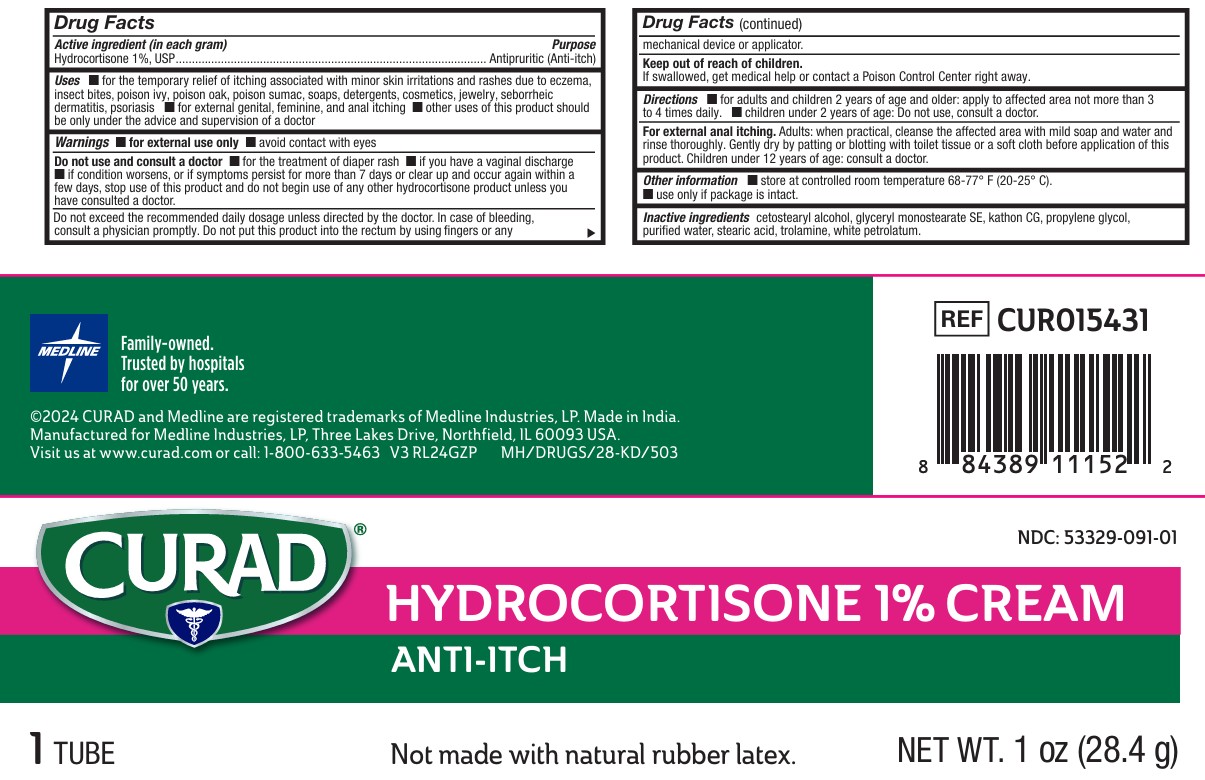
(hydrocortisone · DailyMed)
S-HYDRO
HYDROCORTISONE SODIUM SUCCINATE BUFFERED 5% STERILE
What it does
Buffered is a type of medication that helps to reduce acidity in the stomach.
Commonly used for: stomach upset, indigestion, heartburn
Read more in plain English ↓Plain-language summary for general understanding - not medical advice. Always follow your pharmacist/doctor.
Ask about this medicine
Answers come only from this medicine's registration record, BNF monograph and interaction data - not medical advice.
Hard to find? We help patients in Kenya source rare medicines. We don't sell or dispense medicines - licensed pharmacies do.
Source this medicineRegistration & product details
Source: Pharmacy and Poisons Board · fetched 2026-01-28 20:40:59 · updated 2026-07-26 11:31:30
Drug Interactions
41Pharmacodynamic Warnings
Hydrocortisone appears in TABLE 17: Drugs that reduce serum potassium
Severe (1)
Mifamurtide - decreases efficacy
Corticosteroidsarepredictedtodecreasetheefficacyof mifamurtide.Avoid.rTheoretical
Moderate (20)
Corticosteroids - increases exposure
Dronedarone is predicted to increase the exposure to corticosteroids (methylprednisolone). Monitor and adjust dose.
Corticosteroids - increases concentration
Miconazole is predicted to increase the concentration of corticosteroids (methylprednisolone). Monitor and adjust dose.
Corticosteroids - increases exposure
Antifungals, azoles (fluconazole, isavuconazole, posaconazole) are predicted to increase the exposure to corticosteroids (methylprednisolone). Monitor and adjust dose.
Corticosteroids - decreases exposure
Cenobamate is predicted to decrease the exposure to corticosteroids (fluticasone). Adjust dose.
Corticosteroids - decreases efficacy
Mifepristone is predicted to decrease the efficacy of corticosteroids. Use with caution and adjust dose.
Unknown (20)
Aspirin - decreases concentration
Corticosteroids are predicted to decrease the concentration of aspirin (high-dose) and aspirin (high-dose) increases the risk of gastrointestinal bleeding when given with corticosteroids.
Choline Salicylate - decreases concentration
Corticosteroids are predicted to decrease the concentration of cholinesalicylate. Ciclesonide → see corticosteroids Ciclosporin → see TABLE 2 p. 1517 (nephrotoxicity), TABLE 16 p. 1521 (increased seru
Corticosteroids - increases exposure
Cobicistat is predicted to increase the exposure to corticosteroids (beclometasone) (risk with beclometasone is likely to be lower than with other corticosteroids).
Corticosteroids - increases risk of gastrointestinal perforation
Erlotinib is predicted to increase the risk of gastrointestinal perforation when given with corticosteroids.
Corticosteroids - increases exposure
Idelalisib is predicted to increase the exposure to corticosteroids (betamethasone, budesonide, ciclesonide, deflazacort, dexamethasone, fludrocortisone, fluticasone, hydrocortisone, methylprednisolon
Data from BNF 85 (British National Formulary). This is not a substitute for professional medical advice. Matched via: class
About buffered
Buffered is a type of medication that helps to reduce acidity in the stomach.
What it treats
- stomach upset
- indigestion
- heartburn
How it works
Buffered works by neutralizing stomach acid, which helps relieve discomfort caused by too much acid.
Who it's for
Buffered is suitable for adults and children who experience stomach acidity issues.
AI-assisted summary grounded in BNF data - general information only, not medical advice. Always confirm with your pharmacist or doctor.
About hydrocortisone
Hydrocortisone is a corticosteroid used to reduce inflammation and treat various conditions.
What it treats
- Inflammation
- Allergic reactions
- Skin conditions
- Adrenal insufficiency (Addison's disease)
How it works
It works by decreasing inflammation and suppressing the immune system.
Who it's for
Hydrocortisone is for people dealing with severe inflammation or conditions related to hormone deficiency.
Drug class
Corticosteroids
Cautions
- • Be cautious if you are taking medications that lower potassium levels in your blood.
AI-assisted summary grounded in BNF data - general information only, not medical advice. Always confirm with your pharmacist or doctor.
About sterile
Sterile refers to products that are free from germs and bacteria, ensuring safety for use in medical settings.
What it treats
- Preparing medications
- Surgical procedures
- Injections and infusions
How it works
Sterile products are treated to eliminate all forms of microorganisms, making them safe for medical use.
Who it's for
Patients requiring clean and safe medical products, such as those undergoing surgery or receiving injections.
AI-assisted summary grounded in BNF data - general information only, not medical advice. Always confirm with your pharmacist or doctor.
Clinical monograph: Hydrocortisone
BNF-referencedHydrocortisone is a corticosteroid that exhibits both glucocorticoid and mineralocorticoid activities, making it effective in managing various inflammatory and autoimmune conditions. It is commonly used as a replacement therapy in adrenal insufficiency and as an anti-inflammatory agent in a range of disorders.
Indications
- Adrenocortical insufficiency
- Inflammatory bowel disease
- Severe acute asthma
- Acute hypersensitivity reactions
- Congenital adrenal hyperplasia
- Replacement therapy in adrenal insufficiency
Dosage
Children: For children aged 1-5 months: Initially 25 mg 3 times a day, adjusted according to response. For children aged 6 months-5 years: Initially 50 mg 3 times a day, adjusted according to response. For children aged 6-11 years: Initially 100 mg 3 times a day, adjusted
Adults: 100-500 mg 3-4 times a day or when required. For replacement in adrenocortical insufficiency, 20-30 mg once daily, adjusted according to response.
Mechanism of action
Hydrocortisone binds to the glucocorticoid receptor, leading to decreased vasodilation and permeability of capillaries, inhibition of leukocyte migration to inflammation sites, and changes in gene expression that promote anti-inflammatory pathways. It inhibits phospholipase A2, NF-kappa B, and other inflammatory transcription factors, stabilizing leukocyte lysosomal membranes and reducing the release of destructive enzymes. High doses can raise sodium levels and decrease potassium levels through mineralocorticoid receptor activity.
Pharmacodynamics
Hydrocortisone's pharmacodynamic profile includes the inhibition of various inflammatory mediators and the promotion of anti-inflammatory cytokines. Its effects are dose-dependent, with lower doses providing anti-inflammatory benefits, while higher doses exhibit immunosuppressive effects. It has a wide therapeutic index and moderate duration of action.
Pharmacokinetics
Hydrocortisone is metabolized primarily in the liver, with its effects lasting for several hours to days. The onset of action varies with the route of administration, being more rapid when given intravenously. Its half-life is influenced by factors such as dose and administration route, and it is excreted through urine as metabolites.
Contra-indications
- Systemic fungal infections
- Hypersensitivity to hydrocortisone or any excipients
Adverse effects
- Increased risk of infections
- Hyperglycemia
- Hypertension
- Fluid retention and edema
- Gastrointestinal disturbances
- Mood changes
- Osteoporosis
- Peptic ulcer disease
- Cushing's syndrome with long-term use
Interactions
- Mitotane: Moderate decrease in hydrocortisone exposure
- Rifampicin: Moderate decrease in hydrocortisone exposure
- Cobicistat: Unknown effect, potential increase in hydrocortisone exposure
- Idelalisib: Unknown effect, potential increase in hydrocortisone exposure
- Clarithromycin: Unknown effect, potential increase in hydrocortisone exposure
Precautions
- Use with caution in patients with diabetes
- Monitor for signs of infection during therapy
- Consider dose adjustment in patients with hepatic impairment
- Gradual withdrawal is recommended to avoid adrenal insufficiency after prolonged therapy
Pregnancy
Hydrocortisone is categorized as category C. Use only if the potential benefit justifies the potential risk to the fetus.
Breast-feeding
Hydrocortisone is excreted in breast milk. Caution is advised when administering to nursing mothers.
Storage
Store at room temperature, away from moisture and heat. Protect from light.
Formulations
- Injectable form (sodium succinate)
- Modified-release tablets
- Immediate-release tablets
AI-synthesized from BNF references - general information only, not a substitute for professional medical advice or the current BNF. Verify doses with a pharmacist.
Clinical monograph: buffered
Buffered medications are formulations that contain buffering agents to maintain a stable pH level, which can enhance the solubility and stability of the active ingredients. These formulations are often used to reduce gastric irritation and improve tolerability in patients, particularly those who may have sensitive stomachs or are prone to gastrointestinal side effects. Buffered formulations can include combinations of acids and their corresponding salts to create a more neutral pH environment.
Indications
- Gastroesophageal reflux disease (GERD)
- Peptic ulcers
- Dyspepsia
- Irritable bowel syndrome
- Medication-induced gastric irritation
Dosage
Children: Refer to the BNF for Children for appropriate dosing.
Adults: Refer to the specific product guidelines or BNF for appropriate dosing.
Mechanism of action
Buffered medications work by neutralizing gastric acid, aiming to maintain a more neutral pH in the stomach or gastrointestinal tract. This action can facilitate better absorption of certain drugs that may be degraded or poorly absorbed in acidic environments. The buffering agents typically include compounds such as sodium bicarbonate or magnesium hydroxide, which react with gastric acid to decrease acidity.
Pharmacodynamics
The pharmacodynamic effects of buffered medications depend on the active pharmaceutical ingredient, but the buffering agents primarily function to mitigate the acidity of the stomach contents. This can lead to reduced irritation of the gastric mucosa and enhanced comfort for the patient. The overall effect is to promote a more favorable environment for drug absorption and decrease potential side effects associated with high acidity.
Pharmacokinetics
The pharmacokinetics of buffered medications can vary based on the specific active ingredient used. Generally, the buffering agents do not significantly alter the absorption, distribution, metabolism, or excretion of the drug but serve to improve solubility and stability. The onset of action may be faster for some formulations due to improved absorption in a less acidic environment. The buffering agents themselves are typically rapidly absorbed and excreted by the kidneys.
Pregnancy
Safety during pregnancy has not been established, consult healthcare provider before use.
Breast-feeding
Consult healthcare provider before use while breastfeeding.
Storage
Store in a cool, dry place away from direct sunlight.
AI-synthesized from BNF references - general information only, not a substitute for professional medical advice or the current BNF. Verify doses with a pharmacist.
Clinical monograph: sterile
Sterile refers to a state in which a substance, typically a pharmaceutical product or medical device, is free from all living microorganisms, including bacteria, viruses, fungi, and spores. Achieving sterility is essential for products intended for injection, surgical use, or any application where the introduction of microbes could lead to infection or contamination. Sterilization methods include autoclaving, filtration, ethylene oxide gas, and radiation.
Indications
- Surgical procedures
- Injection of medications
- Preparation of sterile pharmaceutical products
- Management of open wounds
- Use in controlled environments such as hospitals and laboratories
Dosage
Children: Refer to specific drug monographs for dosage information as sterile itself is not a pharmacological agent.
Adults: Refer to specific drug monographs for dosage information as sterile itself is not a pharmacological agent.
Mechanism of action
Sterility itself does not have a mechanism of action as it is a state of cleanliness and does not interact with biological systems. However, the methods used to achieve sterility, such as heat or chemical agents, act by denaturing proteins, disrupting cellular structures, or damaging nucleic acids in microorganisms, leading to their inactivation or destruction.
Pharmacodynamics
The pharmacodynamics of sterile techniques primarily involves the prevention of microbial infection and contamination when administering medications. By ensuring that products are sterile, the risk of adverse effects related to infections is minimized. The effectiveness of sterilization methods can be influenced by factors such as temperature, duration of exposure, and the type of microorganisms present.
Pharmacokinetics
As sterility does not pertain to a specific drug, pharmacokinetics is not applicable. However, the pharmacokinetics of a drug will depend on its formulation, route of administration, and the presence of preservatives or stabilizers that may be used alongside sterile preparations.
Pregnancy
Sterile preparations are generally considered safe during pregnancy as they are used to provide hydration, nutrition, or medications in a controlled manner, but specific formulations should be assessed individually.
Breast-feeding
Sterile solutions used for hydration or nutritional support are typically safe during breastfeeding, but any specific additives or medications within the solutions should be evaluated for safety.
Storage
Sterile solutions should be stored in a cool, dry place, protected from light, and should be used before the expiration date. Once opened, they may have specific storage requirements based on the formulation.
Formulations
- Sterile saline solution
- Sterile water for injection
- Sterile dextrose solution
- Sterile electrolyte solutions
AI-synthesized from BNF references - general information only, not a substitute for professional medical advice or the current BNF. Verify doses with a pharmacist.
Molecular reference: Hydrocortisone
PubChem CID 5754Molecular formula: C21H30O5
Mechanism of action
The short-term effects of corticosteroids are decreased vasodilation and permeability of capillaries, as well as decreased leukocyte migration to sites of inflammation. Corticosteroids binding to the glucocorticoid receptor mediates changes in gene expression that lead to multiple downstream effects over hours to days. Glucocorticoids inhibit neutrophil apoptosis and demargination; they inhibit phospholipase A2, which decreases the formation of arachidonic acid derivatives; they inhibit NF-Kappa B and other inflammatory transcription factors; they promote anti-inflammatory genes like interleukin-10. Lower doses of corticosteroids provide an anti-inflammatory effect, while higher doses are immunosuppressive. High doses of glucocorticoids for an extended period bind to the mineralocorticoid receptor, raising sodium levels and decreasing potassium levels. Following topical application, corticosteroids produce anti-inflammatory, antipruritic, and vasoconstrictor actions. The activity of the drugs is thought to result at least in part from binding with a steroid receptor. Corticosteroids decrease inflammation by stabilizing leukocyte lysosomal membranes, preventing release of destructive acid hydrolases from leukocytes; inhibiting macrophage accumulation in inflamed areas; reducing leukocyte adhesion to capillary endothelium; reducing capillary wall permeability and edema formation; decreasing complement components; antagonizing histamine activity and release of kinin from substrates; reducing fibroblast proliferation, collagen deposition, and subsequent scar tissue formation; and possibly by other mechanisms as yet unknown. Corticosteroids, especially the fluorinated corticosteroids, have antimitotic activity on cutaneous fibroblasts and the epidermis. /Corticosteroids/ Reactive oxygen species (ROS) generation by polymorphonuclear leukocytes (PMNL) and mononuclear cells (MNC) is inhibited following the intravenous administration of hydrocortisone. This is associated with a parallel decrease in intranuclear NFkappaB, known to modulate inflammatory responses including ROS generation. Plasma levels of interleukin-10 (IL-10), an anti-inflammatory and immunosuppressive cytokine produced by TH2 cells, are also increased after hydrocortisone administration. In this study, we have investigated the effect of hydrocortisone on p47(phox) subunit, a key component of nicotinamide adenine dinucleotide phosphate (NADPH) oxidase, in MNC and the pharmacodynamics of this effect with ROS generation and plasma IL-10 levels /were investigated/. p47(phox) subunit protein levels in MNC showed a progressive decrease after hydrocortisone administration. It reached a nadir at 4 hours and increased thereafter to a baseline level at 24 hours. ROS generation also decreased, reached a nadir between 2 and 4 hours, and returned to a baseline level at 24 hours. IL-10 concentrations increased, peaked at 4 hours, and reverted to the baseline levels at 24 hours. In conclusion, p47(phox) subunit suppression may contribute to the inhibition of ROS generation in MNC after hydrocortisone administration. This suppression occurs in parallel with the suppression of NFkappaB and an increase in IL-10 plasma levels. Therefore, it would appear that the decrease in intranuclear NFkappaB and an increase in IL-10 may cause the inhibitory modulation on p47(phox) subunit and ROS generation by MNC following hydrocortisone and other glucocorticoids.
Pharmacodynamics
Hydrocortisone binds to the glucocorticoid receptor leading to downstream effects such as inhibition of phospholipase A2, NF-kappa B, other inflammatory transcription factors, and the promotion of anti-inflammatory genes. Hydrocortisone has a wide therapeutic index and a moderate duration of action. Patients should stop taking the medication if irritation or sensitization occurs.
Biological pathways
Source: PubChem (NCBI) · pathways from PathBank, Reactome, WikiPathways & PharmGKB.
This drug in other countries
The same active ingredient registered across other registries we cover - including different brands.
- ANICORT-1% 1%W/W OINTMENT
- ANOMEX COMBINATION PRODUCT OINTMENT
- ANOMEX COMBINATION PRODUCT SUPPOSITORY
- CORTILEB 1% CREAM
- DAWACORT 1%W/W CREAM
- DAWACORT 1%W/W OINTMENT
- ANOMEX OINTMENT (Each gram contains Hydrocortisone Acetate/Lidocaine/Zinc Oxide/Allantoin 0.25%w/w/3%w/w/5%w/w/0.5%w/w) · Kremoint Pharma
- BLUCORT INJECTION (Each vial contains Hydrocortisone Sodium Succinate 100mg) · Pharmax India
- CORRENT CREAM (Each 30g contains Hydrocortisone 1%) · Kremoint Pharma
- CORTISONE 1% CREAM ( · Hovid
- DAKTACORT 2% CREAM ( Miconazole/ Hydrocortisone 2%w/w/ 1%w/w) · Janssen Pharmaceutica
- EMGICOSTIN 100MG ( Hydrocortisone Sodium Succinate 100mg) · Makcur Laboratories