International reference: 3 US FDA recalls for this ingredient
Lack of Sterility Assurance: All lots of sterile products compounded by the pharmacy that are not expired due to concerns associated with quality control procedures that present a potential risk to sterility assurance that were observed during a recent FDA inspection. (caproate)
Lack of Assurance of Sterility; all sterile human compounded drugs within expiry (caproate)
Lack of Assurance of Sterility: A recent FDA inspection of Vann Healthcare Services facility revealed deficiencies that raise concerns about the pharmacy's ability to consistently assure sterility of their products. (caproate)
US-market enforcement records (OpenFDA), shown for reference - not specific to this product in South Africa.
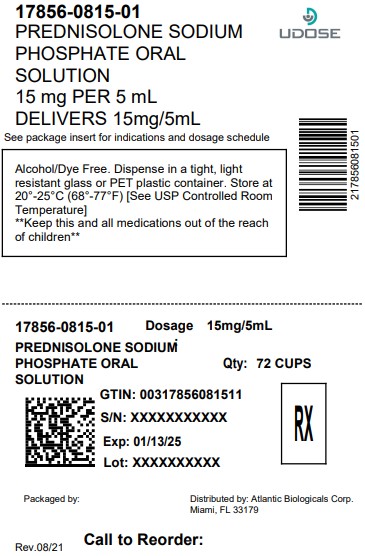
(prednisolone · DailyMed)
SCHERIPROCT OINTMENT
CINCHOCAINE HYDROCHLORIDE, PREDNISOLONE CAPROATE
What it does
Caproate is a medication used to treat certain hormonal imbalances.
Commonly used for: hormonal issues, infertility
Read more in plain English ↓Plain-language summary for general understanding - not medical advice. Always follow your pharmacist/doctor.
Ask about this medicine
Answers come only from this medicine's registration record, BNF monograph and interaction data - not medical advice.
Medicine sourcing is available in Kenya only. We don't sell or dispense medicines - licensed pharmacies do.
Sourcing - Kenya onlyRegistration & product details
Source: South African Health Products Regulatory Authority · fetched 2026-04-15 21:12:25 · updated 2026-10-18 04:00:15
Drug Interactions
41Pharmacodynamic Warnings
Prednisolone appears in TABLE 17: Drugs that reduce serum potassium
Severe (1)
Mifamurtide - decreases efficacy
Corticosteroidsarepredictedtodecreasetheefficacyof mifamurtide.Avoid.rTheoretical
Moderate (20)
Corticosteroids - increases exposure
Dronedarone is predicted to increase the exposure to corticosteroids (methylprednisolone). Monitor and adjust dose.
Corticosteroids - increases concentration
Miconazole is predicted to increase the concentration of corticosteroids (methylprednisolone). Monitor and adjust dose.
Corticosteroids - increases exposure
Antifungals, azoles (fluconazole, isavuconazole, posaconazole) are predicted to increase the exposure to corticosteroids (methylprednisolone). Monitor and adjust dose.
Corticosteroids - decreases exposure
Cenobamate is predicted to decrease the exposure to corticosteroids (fluticasone). Adjust dose.
Corticosteroids - decreases efficacy
Mifepristone is predicted to decrease the efficacy of corticosteroids. Use with caution and adjust dose.
Unknown (20)
Aspirin - decreases concentration
Corticosteroids are predicted to decrease the concentration of aspirin (high-dose) and aspirin (high-dose) increases the risk of gastrointestinal bleeding when given with corticosteroids.
Choline Salicylate - decreases concentration
Corticosteroids are predicted to decrease the concentration of cholinesalicylate. Ciclesonide → see corticosteroids Ciclosporin → see TABLE 2 p. 1517 (nephrotoxicity), TABLE 16 p. 1521 (increased seru
Corticosteroids - increases exposure
Cobicistat is predicted to increase the exposure to corticosteroids (beclometasone) (risk with beclometasone is likely to be lower than with other corticosteroids).
Corticosteroids - increases risk of gastrointestinal perforation
Erlotinib is predicted to increase the risk of gastrointestinal perforation when given with corticosteroids.
Corticosteroids - increases exposure
Idelalisib is predicted to increase the exposure to corticosteroids (betamethasone, budesonide, ciclesonide, deflazacort, dexamethasone, fludrocortisone, fluticasone, hydrocortisone, methylprednisolon
Data from BNF 85 (British National Formulary). This is not a substitute for professional medical advice. Matched via: class
About caproate
Caproate is a medication used to treat certain hormonal imbalances.
What it treats
- hormonal issues
- infertility
How it works
Caproate works by helping to regulate hormones in the body.
Who it's for
This medication is for individuals experiencing hormonal imbalances or related fertility issues.
AI-assisted summary grounded in BNF data - general information only, not medical advice. Always confirm with your pharmacist or doctor.
About cinchocaine
Cinchocaine is a local anesthetic used to numb a specific area of the body.
What it treats
- pain relief during minor surgical procedures
- treatment of skin conditions
How it works
Cinchocaine works by blocking the nerves in the area where it is applied, preventing the feeling of pain.
Who it's for
It is suitable for adults and children for certain medical procedures.
AI-assisted summary grounded in BNF data - general information only, not medical advice. Always confirm with your pharmacist or doctor.
About prednisolone
Prednisolone is a corticosteroid medication used to reduce inflammation and suppress the immune system.
What it treats
- inflammation
- allergic reactions
- asthma
- autoimmune diseases
- certain types of cancer
How it works
It works by mimicking the effects of hormones your body makes in the adrenal glands, helping to reduce swelling and control the immune response.
Who it's for
Prednisolone is prescribed for people with conditions that involve inflammation or an overactive immune system.
Drug class
Corticosteroids
Cautions
- • Be cautious if taking medications that lower potassium levels.
AI-assisted summary grounded in BNF data - general information only, not medical advice. Always confirm with your pharmacist or doctor.
Clinical monograph: Prednisolone
BNF-referencedPrednisolone is a synthetic corticosteroid that exhibits anti-inflammatory and immunosuppressive properties. It is commonly used to treat a variety of corticosteroid-responsive conditions, including inflammatory disorders, autoimmune diseases, and certain malignancies. Prednisolone works by modulating gene expression through binding to the glucocorticoid receptor, leading to decreased inflammation and altered immune responses.
Indications
- Corticosteroid-responsive conditions
- Autoimmune diseases
- Inflammatory eye conditions
- Certain malignancies
- Chronic inflammatory disorders
Dosage
Children: Refer to the BNF for Children for appropriate paediatric dosing recommendations based on age and weight.
Adults: Refer to the BNF for specific adult dosing guidelines based on the condition being treated. Doses may vary depending on the severity of the condition and the clinical response.
Mechanism of action
Prednisolone binds to the glucocorticoid receptor, resulting in altered gene expression that decreases vasodilation, capillary permeability, and leukocyte migration to sites of inflammation. It inhibits phospholipase A2, reducing the production of arachidonic acid derivatives, and suppresses pro-inflammatory transcription factors such as NF-Kappa B. This results in an anti-inflammatory effect at lower doses and immunosuppressive effects at higher doses.
Pharmacodynamics
Corticosteroids like prednisolone exert their effects by inhibiting pro-inflammatory signals and promoting anti-inflammatory signals through their action on the glucocorticoid receptor. Prednisolone has a relatively short half-life of 2.1 to 3.5 hours, and while it has a wide therapeutic window, long-term use can lead to hypothalamic-pituitary-adrenal axis suppression and increased infection risk.
Pharmacokinetics
Prednisolone is rapidly absorbed and has a short duration of action. Its pharmacokinetics involve extensive metabolism in the liver, primarily through hepatic enzymes, leading to various metabolites. The elimination half-life is approximately 2.1 to 3.5 hours, and it is primarily excreted in the urine. Chronic use can affect circadian rhythms and homeostasis.
Contra-indications
- Known allergy to prednisolone or any of its components
- Systemic fungal infections
- Active tuberculosis
- Untreated bacterial infections
Adverse effects
- Increased susceptibility to infections
- Gastrointestinal disturbances
- Fluid retention
- Hypertension
- Cushing's syndrome
- Osteoporosis
- Mood changes
- Hyperglycemia
Interactions
- Mitotane (Moderate - decreases exposure)
- Rifampicin (Moderate - decreases exposure)
- Cobicistat (Unknown - increases exposure)
- Idelalisib (Unknown - increases exposure)
- Clarithromycin (Unknown - increases exposure)
Precautions
- Monitor for signs of infection during therapy
- Use with caution in patients with a history of gastrointestinal ulcers
- Tapering of dosage may be necessary to avoid withdrawal symptoms
- Consider potential effects on growth in pediatric patients
Pregnancy
Prednisolone is classified as a Category C drug. It should only be used if the potential benefits justify the potential risk to the fetus.
Breast-feeding
Prednisolone is excreted in breast milk. Caution should be exercised when administered to nursing mothers.
Storage
Store in a cool, dry place away from light. Keep out of reach of children.
Formulations
- Tablets: 2 mg, 4 mg, 16 mg, 100 mg
- Suspension for injection
- Powder and solvent for solution for injection
AI-synthesized from BNF references - general information only, not a substitute for professional medical advice or the current BNF. Verify doses with a pharmacist.
Clinical monograph: caproate
BNF-referencedCaproate, also known as hexanoate, is a medium-chain fatty acid with a molecular formula of C6H11O2-. It is involved in various biochemical pathways and is primarily recognized for its role in the biosynthesis of cannabinoids. This compound is used in different clinical settings, including potential applications in metabolic disorders and as a food additive.
Indications
- Metabolic disorders
- Food additive
- Potential role in cannabinoid synthesis
Dosage
Children: Refer to the BNF for Children for appropriate dosing information.
Adults: Refer to specific clinical guidelines or consult the BNF for appropriate dosing information.
Mechanism of action
Caproate acts as a precursor in the cannabinoid biosynthesis pathway. It influences lipid metabolism and may modulate various physiological processes through its interaction with fatty acid receptors, although specific receptor interactions and downstream effects require further elucidation.
Pharmacodynamics
Caproate is associated with lipid metabolism and may have roles in energy production and cellular signaling. Its effects can vary based on concentration and biological context, contributing to metabolic processes and potentially impacting appetite regulation and energy homeostasis.
Pharmacokinetics
Caproate is absorbed through the gastrointestinal tract and metabolized in the liver. It undergoes β-oxidation to produce energy and can be incorporated into various lipid structures. The pharmacokinetic profile, including absorption, distribution, metabolism, and excretion, can be influenced by factors such as diet and individual metabolic rates.
Pregnancy
There is limited data on the use of caproate in pregnancy. Caution is advised.
Breast-feeding
Caution is advised as the effects on the nursing infant are not well studied.
Storage
Store in a well-closed container at room temperature, away from light.
AI-synthesized from BNF references - general information only, not a substitute for professional medical advice or the current BNF. Verify doses with a pharmacist.
Clinical monograph: cinchocaine
BNF-referencedCinchocaine, also known as dibucaine, is an amide-type local anesthetic used primarily for its ability to block nerve conduction and provide localized anesthesia. It is commonly employed in various medical procedures to alleviate pain and discomfort by inhibiting the sensation of pain at the targeted site. Cinchocaine is particularly useful in dental procedures, minor surgeries, and as a topical anesthetic.
Indications
- Local anesthesia for minor surgical procedures
- Topical anesthetic for skin and mucous membrane procedures
- Dental anesthesia
Dosage
Children: Refer to BNF for Children for specific dosing guidelines.
Adults: Refer to BNF for specific dosing guidelines.
Mechanism of action
Cinchocaine functions by blocking both the initiation and conduction of nerve impulses. It decreases the permeability of the neuronal membrane to sodium ions through inhibition of sodium channels. This stabilizes the membrane and inhibits depolarization, leading to the failure of propagated action potentials and subsequent conduction blockade. The anesthetic action progressively develops in a nerve, increasing the threshold for electrical excitability, slowing impulse conduction, and decreasing the probability of propagation of the action potential.
Pharmacodynamics
As an amide-type local anesthetic, cinchocaine shares pharmacodynamic properties with other agents in its class, such as lidocaine. It provides a reversible blockade of nerve conduction, effectively numbing the area to which it is applied. Its onset and duration of action may vary based on concentration and the specific formulation used.
Pharmacokinetics
Cinchocaine is absorbed through mucous membranes and the skin, with its onset of action typically occurring within minutes. The duration of action can vary, often lasting for several hours. It is metabolized primarily in the liver and excreted through the kidneys. The pharmacokinetic profile may be influenced by factors such as the route of administration and individual patient characteristics.
Adverse effects
- Local irritation
- Allergic reactions
- Systemic toxicity (e.g., seizures, cardiac arrest)
Precautions
- Use with caution in patients with a history of hypersensitivity to local anesthetics
- Caution in patients with severe hepatic impairment
Pregnancy
Cinchocaine should be used in pregnancy only if the potential benefit justifies the potential risk to the fetus. It is classified as a category B drug.
Breast-feeding
Cinchocaine is excreted in breast milk; caution should be exercised when administering to nursing mothers.
Storage
Store at room temperature, away from light and moisture. Keep out of reach of children.
Formulations
- Topical cream
- Gels
- Ointments
AI-synthesized from BNF references - general information only, not a substitute for professional medical advice or the current BNF. Verify doses with a pharmacist.
Molecular reference: Prednisolone
PubChem CID 5755Molecular formula: C21H28O5
Mechanism of action
The short term effects of corticosteroids are decreased vasodilation and permeability of capillaries, as well as decreased leukocyte migration to sites of inflammation. Corticosteroids binding to the glucocorticoid receptor mediates changes in gene expression that lead to multiple downstream effects over hours to days. Glucocorticoids inhibit neutrophil apoptosis and demargination; they inhibit phospholipase A2, which decreases the formation of arachidonic acid derivatives; they inhibit NF-Kappa B and other inflammatory transcription factors; they promote anti-inflammatory genes like interleukin-10. Lower doses of corticosteroids provide an anti-inflammatory effect, while higher doses are immunosuppressive. High doses of glucocorticoids for an extended period bind to the mineralocorticoid receptor, raising sodium levels and decreasing potassium levels. Although altered homeostatic regulation, including disturbance of 24-h rhythms, is often observed in the patients undergoing glucocorticoid therapy, the mechanisms underlying the disturbance remains poorly understood. We report here that chronic treatment with a synthetic glucocorticoid, prednisolone, can cause alteration of circadian clock function at molecular level. Treatment of cultured hepatic cells (HepG2) with prednisolone induced expression of Period1 (Per1), and the prednisolone treatment also attenuated the serum-induced oscillations in the expression of Period2 (Per2), Rev-erbalpha, and Bmal1 mRNA in HepG2 cells. Because the attenuation of clock gene oscillations was blocked by pretreating the cells with a Per1 antisense phosphothioate oligodeoxynucleotide, the extensive expression of Per1 induced by prednisolone may have resulted in the reduced amplitude of other clock gene oscillations. Continuous administration of prednisolone into mice constitutively increased the Per1 mRNA levels in liver and skeletal muscle, which seems to attenuate the oscillation in the expressions of Per2, Rev-erbalpha, and Bmal1. However, a single daily administration of prednisolone at the time of day corresponding to acrophase of endogenous glucocorticoid levels had little effect on the rhythmic expression of clock genes. These results suggest a possible pharmacological action by prednisolone on the core circadian oscillation mechanism and indicate the possibility that the alteration of clock function induced by prednisolone can be avoided by optimizing the dosing schedule. Glucocorticoids are capable of suppressing the inflammatory process through numerous pathways. They interact with specific intracellular receptor proteins in target tissues to alter the expression of corticosteroid-responsive genes. Glucocorticoid-specific receptors in the cell cytoplasm bind with steroid ligands to form hormone-receptor complexes that eventually translocate to the cell nucleus. There these complexes bind to specific DNA sequences and alter their expression. The complexes may induce the transcription of mRNA leading to synthesis of new proteins. Such proteins include lipocortin, a protein known to inhibit PLA2a and thereby block the synthesis of prostaglandins, leukotrienes, and PAF. Glucocorticoids also inhibit the production of other mediators including AA metabolites such as COX, cytokines, the interleukins, adhesion molecules, and enzymes such as collagenase. /Glucocorticoids/
Pharmacodynamics
Corticosteroids bind to the glucocorticoid receptor, inhibiting pro-inflammatory signals, and promoting anti-inflammatory signals. Prednisolone has a short duration of action as the half life is 2.1-3.5 hours. Corticosteroids have a wide therapeutic window as patients make require doses that are multiples of what the body naturally produces. Patients taking corticosteroids should be counselled regarding the risk of hypothalamic-pituitary-adrenal axis suppression and increased susceptibility to infections.
Biological pathways
Source: PubChem (NCBI) · pathways from PathBank, Reactome, WikiPathways & PharmGKB.
Molecular reference: caproate
PubChem CID 4398339Molecular formula: C6H11O2-
Biological pathways
Source: PubChem (NCBI) · pathways from PathBank, Reactome, WikiPathways & PharmGKB.
Molecular reference: cinchocaine
PubChem CID 3025Molecular formula: C20H29N3O2
Mechanism of action
Local anesthetics block both the initiation and conduction of nerve impulses by decreasing the neuronal membrane's permeability to sodium ions through sodium channel inhibition. This reversibly stabilizes the membrane and inhibits depolarization, resulting in the failure of a propagated action potential and subsequent conduction blockade. ... PREVENT THE GENERATION & THE CONDUCTION OF THE NERVE IMPULSE. THEIR PRIMARY SITE OF ACTION IS THE CELL MEMBRANE. ... BLOCK CONDUCTION BY DECREASING OR PREVENTING THE TRANSIENT INCREASE IN THE PERMEABILITY OF EXCITABLE MEMBRANES TO NA IONS THAT IS NORMALLY PRODUCED BY A SLIGHT DEPOLARIZATION ... /LOCAL ANESTHETICS/ AS ANESTHETIC ACTION PROGRESSIVELY DEVELOPS IN A NERVE, THE THRESHOLD FOR ELECTRICAL EXCITABILITY GRADUALLY INCREASES, THE RATE OF RISE OF THE ACTION POTENTIAL DECLINES, IMPULSE CONDUCTION SLOWS, & THE SAFETY FACTOR FOR CONDUCTION DECREASES; THESE FACTORS DECREASE PROBABILITY OF PROPAGATION OF THE ACTION POTENTIAL, AND NERVE CONDUCTION FAILS. /LOCAL ANESTHETICS/ ... CAN BLOCK K ION CHANNELS. ... BLOCKADE OF CONDUCTION IS NOT ACCOMPANIED BY ANY LARGE OR CONSISTENT CHANGE IN RESTING MEMBRANE DUE TO BLOCK OF K ION CHANNELS. /LOCAL ANESTHETICS/ ... SITE AT WHICH LOCAL ANESTHETICS ACT, AT LEAST IN THEIR CHARGED FORM, IS ACCESSIBLE ONLY FROM THE INNER SURFACE OF THE MEMBRANE. ... LOCAL ANESTHETICS APPLIED EXTERNALLY FIRST MUST CROSS THE MEMBRANE BEFORE THEY CAN EXERT A BLOCKING ACTION. /LOCAL ANESTHETICS/ ... ACT ON ANY PART OF NERVOUS SYSTEM & ON EVERY TYPE OF NERVE FIBER. /LOCAL ANESTHETICS/
Pharmacodynamics
Dibucaine is an amide-type local anesthetic, similar to lidocaine.
Biological pathways
Source: PubChem (NCBI) · pathways from PathBank, Reactome, WikiPathways & PharmGKB.
This drug in other countries
The same active ingredient registered across other registries we cover - including different brands.
- ANUSTAT OINTMENT · Madawa Pharmaceuticals
- ASTOLON · Opera Pharma
- AUROFORT · Dawa
- AUROPRED · Dawa
- COPRED TABLETS · Comet Healthcare
- COTIPRED 20MG EFFERVESCENT TABLETS · Biovail Health
- DECATYLEN LOZENGES · Acino Pharma
- GATILANT P EYE DROPS · Atlantic Lifesciences
- LUMEPRED EYE DROP · Axa Parenterals
- NEO-PRESOL LOTION (Each 25ml bottle contains Methyl Prednisolone/Sulphur/Neomycin Sulphate 2.5mg/50mg/2.5mg) · Drugfield Pharmaceuticals
- O-PRED · Oa & J Pharmaceuticals
- PREDILANT EYE DROPS · Atlantic Lifesciences