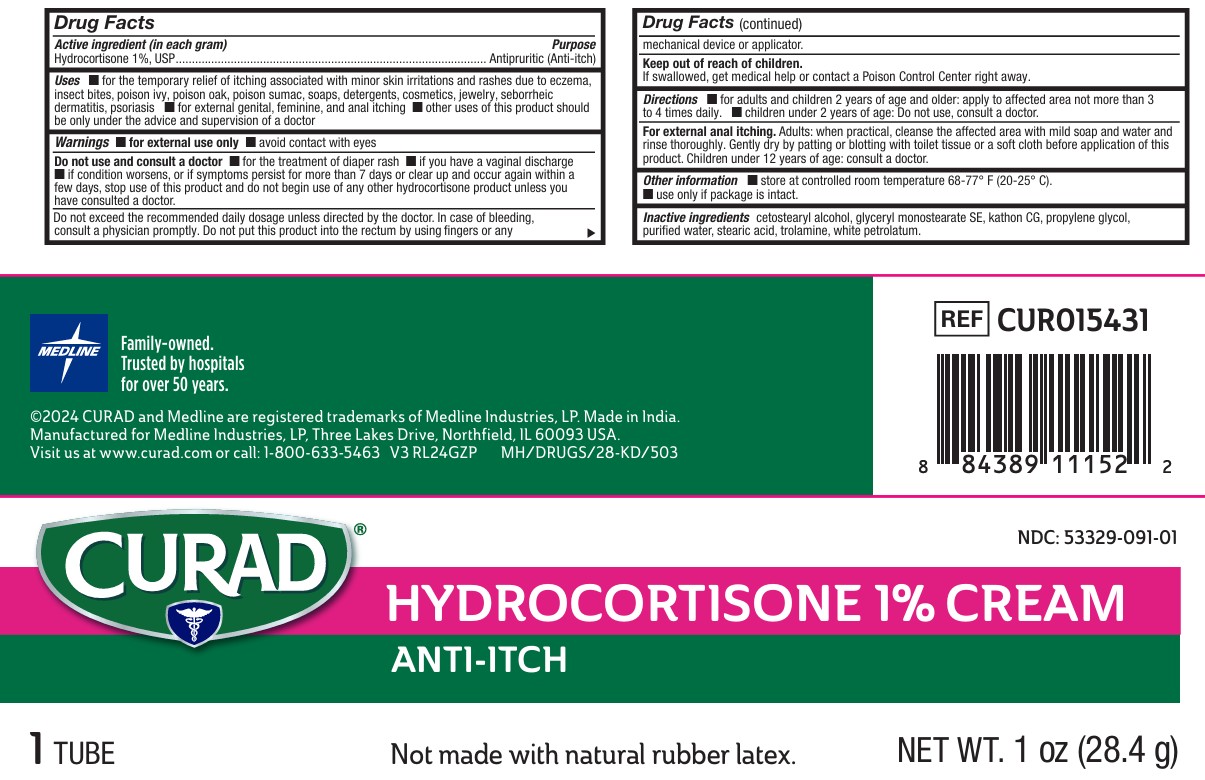
(hydrocortisone · DailyMed)
sediproct supp
Cinchocaine Hydrochloride 5.00 mg,Esculoside 10 mg,Framycetin Sulphate 10.00 mg,Hydrocortisone Micronized 5.00 mg
What it does
Cinchocaine is a local anesthetic used to numb a specific area of the body.
Commonly used for: pain relief during minor surgical procedures, treatment of skin conditions
Read more in plain English ↓Plain-language summary for general understanding - not medical advice. Always follow your pharmacist/doctor.
Ask about this medicine
Answers come only from this medicine's registration record, BNF monograph and interaction data - not medical advice.
Medicine sourcing is available in Kenya only. We don't sell or dispense medicines - licensed pharmacies do.
Sourcing - Kenya onlyRegistration & product details
Source: Zambia Medicines Regulatory Authority · fetched 2026-03-12 00:04:21 · updated 2026-09-24 03:36:20
Drug Interactions
41Pharmacodynamic Warnings
Hydrocortisone appears in TABLE 17: Drugs that reduce serum potassium
Severe (1)
Mifamurtide - decreases efficacy
Corticosteroidsarepredictedtodecreasetheefficacyof mifamurtide.Avoid.rTheoretical
Moderate (20)
Corticosteroids - increases exposure
Dronedarone is predicted to increase the exposure to corticosteroids (methylprednisolone). Monitor and adjust dose.
Corticosteroids - increases concentration
Miconazole is predicted to increase the concentration of corticosteroids (methylprednisolone). Monitor and adjust dose.
Corticosteroids - increases exposure
Antifungals, azoles (fluconazole, isavuconazole, posaconazole) are predicted to increase the exposure to corticosteroids (methylprednisolone). Monitor and adjust dose.
Corticosteroids - decreases exposure
Cenobamate is predicted to decrease the exposure to corticosteroids (fluticasone). Adjust dose.
Corticosteroids - decreases efficacy
Mifepristone is predicted to decrease the efficacy of corticosteroids. Use with caution and adjust dose.
Unknown (20)
Aspirin - decreases concentration
Corticosteroids are predicted to decrease the concentration of aspirin (high-dose) and aspirin (high-dose) increases the risk of gastrointestinal bleeding when given with corticosteroids.
Choline Salicylate - decreases concentration
Corticosteroids are predicted to decrease the concentration of cholinesalicylate. Ciclesonide → see corticosteroids Ciclosporin → see TABLE 2 p. 1517 (nephrotoxicity), TABLE 16 p. 1521 (increased seru
Corticosteroids - increases exposure
Cobicistat is predicted to increase the exposure to corticosteroids (beclometasone) (risk with beclometasone is likely to be lower than with other corticosteroids).
Corticosteroids - increases risk of gastrointestinal perforation
Erlotinib is predicted to increase the risk of gastrointestinal perforation when given with corticosteroids.
Corticosteroids - increases exposure
Idelalisib is predicted to increase the exposure to corticosteroids (betamethasone, budesonide, ciclesonide, deflazacort, dexamethasone, fludrocortisone, fluticasone, hydrocortisone, methylprednisolon
Data from BNF 85 (British National Formulary). This is not a substitute for professional medical advice. Matched via: class
About cinchocaine
Cinchocaine is a local anesthetic used to numb a specific area of the body.
What it treats
- pain relief during minor surgical procedures
- treatment of skin conditions
How it works
Cinchocaine works by blocking the nerves in the area where it is applied, preventing the feeling of pain.
Who it's for
It is suitable for adults and children for certain medical procedures.
AI-assisted summary grounded in BNF data - general information only, not medical advice. Always confirm with your pharmacist or doctor.
About esculoside
Esculoside is a natural compound often used for its health benefits, particularly for circulation.
What it treats
- poor circulation (venous insufficiency)
- swollen legs (edema)
- varicose veins
How it works
Esculoside helps improve blood flow and reduce swelling by strengthening blood vessel walls.
Who it's for
Esculoside is suitable for adults dealing with circulation issues or related symptoms.
AI-assisted summary grounded in BNF data - general information only, not medical advice. Always confirm with your pharmacist or doctor.
About framycetin
Framycetin is an antibiotic used to treat bacterial infections on the skin.
What it treats
- skin infections
- infected wounds
- burns
How it works
It works by killing or stopping the growth of bacteria that cause infections.
Who it's for
Framycetin is suitable for adults and children with certain bacterial skin infections.
AI-assisted summary grounded in BNF data - general information only, not medical advice. Always confirm with your pharmacist or doctor.
About hydrocortisone
Hydrocortisone is a corticosteroid used to reduce inflammation and treat various conditions.
What it treats
- Inflammation
- Allergic reactions
- Skin conditions
- Adrenal insufficiency (Addison's disease)
How it works
It works by decreasing inflammation and suppressing the immune system.
Who it's for
Hydrocortisone is for people dealing with severe inflammation or conditions related to hormone deficiency.
Drug class
Corticosteroids
Cautions
- • Be cautious if you are taking medications that lower potassium levels in your blood.
AI-assisted summary grounded in BNF data - general information only, not medical advice. Always confirm with your pharmacist or doctor.
About micronized
Micronized is a form of medication that is processed to be more easily absorbed by the body.
What it treats
- certain types of skin conditions
- hormonal disorders
How it works
It works by allowing the body to absorb the medication more effectively, enhancing its effects.
Who it's for
This medication is for individuals who need improved absorption of their treatment.
AI-assisted summary grounded in BNF data - general information only, not medical advice. Always confirm with your pharmacist or doctor.
Clinical monograph: Hydrocortisone
BNF-referencedHydrocortisone is a corticosteroid that exhibits both glucocorticoid and mineralocorticoid activities, making it effective in managing various inflammatory and autoimmune conditions. It is commonly used as a replacement therapy in adrenal insufficiency and as an anti-inflammatory agent in a range of disorders.
Indications
- Adrenocortical insufficiency
- Inflammatory bowel disease
- Severe acute asthma
- Acute hypersensitivity reactions
- Congenital adrenal hyperplasia
- Replacement therapy in adrenal insufficiency
Dosage
Children: For children aged 1-5 months: Initially 25 mg 3 times a day, adjusted according to response. For children aged 6 months-5 years: Initially 50 mg 3 times a day, adjusted according to response. For children aged 6-11 years: Initially 100 mg 3 times a day, adjusted
Adults: 100-500 mg 3-4 times a day or when required. For replacement in adrenocortical insufficiency, 20-30 mg once daily, adjusted according to response.
Mechanism of action
Hydrocortisone binds to the glucocorticoid receptor, leading to decreased vasodilation and permeability of capillaries, inhibition of leukocyte migration to inflammation sites, and changes in gene expression that promote anti-inflammatory pathways. It inhibits phospholipase A2, NF-kappa B, and other inflammatory transcription factors, stabilizing leukocyte lysosomal membranes and reducing the release of destructive enzymes. High doses can raise sodium levels and decrease potassium levels through mineralocorticoid receptor activity.
Pharmacodynamics
Hydrocortisone's pharmacodynamic profile includes the inhibition of various inflammatory mediators and the promotion of anti-inflammatory cytokines. Its effects are dose-dependent, with lower doses providing anti-inflammatory benefits, while higher doses exhibit immunosuppressive effects. It has a wide therapeutic index and moderate duration of action.
Pharmacokinetics
Hydrocortisone is metabolized primarily in the liver, with its effects lasting for several hours to days. The onset of action varies with the route of administration, being more rapid when given intravenously. Its half-life is influenced by factors such as dose and administration route, and it is excreted through urine as metabolites.
Contra-indications
- Systemic fungal infections
- Hypersensitivity to hydrocortisone or any excipients
Adverse effects
- Increased risk of infections
- Hyperglycemia
- Hypertension
- Fluid retention and edema
- Gastrointestinal disturbances
- Mood changes
- Osteoporosis
- Peptic ulcer disease
- Cushing's syndrome with long-term use
Interactions
- Mitotane: Moderate decrease in hydrocortisone exposure
- Rifampicin: Moderate decrease in hydrocortisone exposure
- Cobicistat: Unknown effect, potential increase in hydrocortisone exposure
- Idelalisib: Unknown effect, potential increase in hydrocortisone exposure
- Clarithromycin: Unknown effect, potential increase in hydrocortisone exposure
Precautions
- Use with caution in patients with diabetes
- Monitor for signs of infection during therapy
- Consider dose adjustment in patients with hepatic impairment
- Gradual withdrawal is recommended to avoid adrenal insufficiency after prolonged therapy
Pregnancy
Hydrocortisone is categorized as category C. Use only if the potential benefit justifies the potential risk to the fetus.
Breast-feeding
Hydrocortisone is excreted in breast milk. Caution is advised when administering to nursing mothers.
Storage
Store at room temperature, away from moisture and heat. Protect from light.
Formulations
- Injectable form (sodium succinate)
- Modified-release tablets
- Immediate-release tablets
AI-synthesized from BNF references - general information only, not a substitute for professional medical advice or the current BNF. Verify doses with a pharmacist.
Clinical monograph: Framycetinsulfate
BNF-referencedFramycetinsulfate is an aminoglycoside antibiotic used primarily in the treatment of bacterial infections associated with otitis externa. It is often formulated as ear drops, which can be combined with other agents like dexamethasone for enhanced therapeutic effects. While not typically required for uncomplicated cases of otitis externa, framycetinsulfate may be indicated in situations where there is a risk of more severe complications, particularly in vulnerable populations such as young children or individuals with systemic illnesses.
Indications
- Bacterial infection in otitis externa
Dosage
Children: Apply 2–3 drops 4–5 times a day, including a dose at bedtime.
Adults: Apply 2–3 drops 4–5 times a day, including a dose at bedtime.
Mechanism of action
Framycetinsulfate exerts its antibacterial effect by inhibiting protein synthesis in bacteria. It binds to the 30S ribosomal subunit, causing misreading of mRNA and ultimately leading to the production of nonfunctional or toxic peptides. This action disrupts bacterial cell function and contributes to cell death.
Pharmacodynamics
Framycetinsulfate is effective against a range of gram-negative and some gram-positive bacteria. Its ability to penetrate bacterial cell walls and interfere with protein synthesis makes it a potent antibacterial agent. However, resistance can develop, particularly with prolonged use.
Pharmacokinetics
When applied topically, framycetinsulfate has limited systemic absorption. Its pharmacokinetic profile is characterized by minimal systemic exposure, which reduces the risk of systemic side effects. The drug is primarily excreted unchanged in urine. Local application leads to high concentrations at the site of infection, which is beneficial for treating localized infections like otitis externa.
Contra-indications
- Perforated tympanic membrane
Adverse effects
- Ototoxicity
- Local irritation
- Allergic reactions
Interactions
- Potential risk of ototoxicity may increase when used with other aminoglycosides
Precautions
- Avoid prolonged use
- Use with caution in patients with mitochondrial mutations
Pregnancy
Framycetin sulfate should be used during pregnancy only if the potential benefit justifies the potential risk to the fetus. Consult product literature for detailed guidance.
Breast-feeding
Caution is advised when administering framycetin sulfate during breastfeeding. Consult product literature for detailed guidance.
Storage
Store in a cool, dry place away from direct sunlight. Keep out of reach of children.
Formulations
- Ear drops containing framycetin sulfate
AI-synthesized from BNF references - general information only, not a substitute for professional medical advice or the current BNF. Verify doses with a pharmacist.
Clinical monograph: cinchocaine
BNF-referencedCinchocaine, also known as dibucaine, is an amide-type local anesthetic used primarily for its ability to block nerve conduction and provide localized anesthesia. It is commonly employed in various medical procedures to alleviate pain and discomfort by inhibiting the sensation of pain at the targeted site. Cinchocaine is particularly useful in dental procedures, minor surgeries, and as a topical anesthetic.
Indications
- Local anesthesia for minor surgical procedures
- Topical anesthetic for skin and mucous membrane procedures
- Dental anesthesia
Dosage
Children: Refer to BNF for Children for specific dosing guidelines.
Adults: Refer to BNF for specific dosing guidelines.
Mechanism of action
Cinchocaine functions by blocking both the initiation and conduction of nerve impulses. It decreases the permeability of the neuronal membrane to sodium ions through inhibition of sodium channels. This stabilizes the membrane and inhibits depolarization, leading to the failure of propagated action potentials and subsequent conduction blockade. The anesthetic action progressively develops in a nerve, increasing the threshold for electrical excitability, slowing impulse conduction, and decreasing the probability of propagation of the action potential.
Pharmacodynamics
As an amide-type local anesthetic, cinchocaine shares pharmacodynamic properties with other agents in its class, such as lidocaine. It provides a reversible blockade of nerve conduction, effectively numbing the area to which it is applied. Its onset and duration of action may vary based on concentration and the specific formulation used.
Pharmacokinetics
Cinchocaine is absorbed through mucous membranes and the skin, with its onset of action typically occurring within minutes. The duration of action can vary, often lasting for several hours. It is metabolized primarily in the liver and excreted through the kidneys. The pharmacokinetic profile may be influenced by factors such as the route of administration and individual patient characteristics.
Adverse effects
- Local irritation
- Allergic reactions
- Systemic toxicity (e.g., seizures, cardiac arrest)
Precautions
- Use with caution in patients with a history of hypersensitivity to local anesthetics
- Caution in patients with severe hepatic impairment
Pregnancy
Cinchocaine should be used in pregnancy only if the potential benefit justifies the potential risk to the fetus. It is classified as a category B drug.
Breast-feeding
Cinchocaine is excreted in breast milk; caution should be exercised when administering to nursing mothers.
Storage
Store at room temperature, away from light and moisture. Keep out of reach of children.
Formulations
- Topical cream
- Gels
- Ointments
AI-synthesized from BNF references - general information only, not a substitute for professional medical advice or the current BNF. Verify doses with a pharmacist.
Clinical monograph: esculoside
BNF-referencedEsculoside is a natural compound with antioxidant properties, primarily derived from the horse chestnut tree (Aesculus hippocastanum). It is commonly used in the management of venous insufficiency and associated conditions. This compound is known for its ability to strengthen blood vessel walls and improve circulation, making it beneficial in treating conditions such as chronic venous disease and hemorrhoids.
Indications
- Chronic venous insufficiency
- Hemorrhoids
- Varicose veins
- Edema associated with venous disorders
Dosage
Children: Refer to BNF for Children for appropriate dosing information, as paediatric dosing is not typically established for esculoside.
Adults: The specific adult dosage should be obtained from the BNF, as it varies depending on the formulation and condition being treated.
Mechanism of action
Esculoside acts by increasing the resistance of capillaries to damage and enhancing venous tone. It also exhibits anti-inflammatory effects, which can help reduce symptoms associated with venous insufficiency. The compound is thought to exert its effects through modulation of various signaling pathways that affect endothelial function and vascular permeability.
Pharmacodynamics
Esculoside demonstrates several pharmacological effects, including vasoprotection, anti-inflammatory activity, and improvement in microcirculation. It is believed to enhance the integrity of blood vessel walls, reducing edema and promoting better blood flow. Additionally, the antioxidant properties of esculoside help mitigate oxidative stress, contributing to its therapeutic effects.
Pharmacokinetics
The pharmacokinetics of esculoside, including its absorption, distribution, metabolism, and excretion, are not extensively documented. However, it is known that the compound is metabolized in the liver and its metabolites may contribute to its therapeutic effects. The bioavailability of esculoside may vary based on formulation and individual patient factors.
Pregnancy
There is insufficient data on the use of esculoside in pregnancy. It should be used with caution and only if the potential benefit justifies the potential risk to the fetus.
Breast-feeding
It is unknown whether esculoside is excreted in human milk. Caution is advised when administering to nursing mothers.
Storage
Store in a cool, dry place, away from direct sunlight and moisture. Keep out of reach of children.
Formulations
- {'name': 'Esculoside', 'type': 'oral solution', 'strength': 'various concentrations available'}
- {'name': 'Esculoside', 'type': 'tablet', 'strength': 'various strengths available'}
AI-synthesized from BNF references - general information only, not a substitute for professional medical advice or the current BNF. Verify doses with a pharmacist.
Clinical monograph: framycetin
BNF-referencedFramycetin is an aminoglycoside antibiotic primarily used for treating bacterial infections, particularly those affecting the eyes, such as conjunctivitis. It is effective against various aerobic bacteria, but it does not possess activity against fungi, viruses, or most anaerobic bacteria. Framycetin works by disrupting bacterial protein synthesis, rendering the pathogens unable to grow or reproduce.
Indications
- Bacterial conjunctivitis
- Other bacterial eye infections
Dosage
Children: Refer to the BNF for Children for specific paediatric dosing information.
Adults: Refer to the BNF for specific dosing information.
Mechanism of action
Framycetin binds to specific proteins within the 30S ribosomal subunit and to 16S rRNA, specifically targeting four nucleotides of the rRNA and a single amino acid of protein S12. This binding interferes with the decoding site near nucleotide 1400 in 16S rRNA, leading to misreading of mRNA. Consequently, incorrect amino acids are incorporated into the polypeptide chains, resulting in nonfunctional or toxic peptides and the disintegration of polysomes into nonfunctional monosomes. This mechanism ultimately leads to the bactericidal effect characteristic of aminoglycoside antibiotics.
Pharmacodynamics
Framycetin effectively treats bacterial infections by inhibiting protein synthesis in susceptible bacteria. It primarily targets aerobic bacteria and is not effective against anaerobic bacteria or non-bacterial pathogens. The drug has a bactericidal effect, suppressing the growth and survival of bacteria, which is critical in treating infections such as conjunctivitis and other bacterial eye conditions.
Pharmacokinetics
Framycetin's pharmacokinetic profile, including absorption, distribution, metabolism, and excretion specifics, is not extensively detailed in the provided data. However, as with other aminoglycosides, it is generally understood that these drugs can have significant renal excretion and may require monitoring in patients with renal impairment. The duration of activity can extend from 48 to 72 hours following administration.
Adverse effects
- Ocular irritation
- Allergic reactions
- Contact dermatitis
- Local discomfort
Precautions
- Use with caution in patients with known hypersensitivity to aminoglycosides
- Avoid prolonged use to minimize the risk of developing antibiotic resistance
- Monitor for signs of local irritation or sensitivity
Pregnancy
Framycetin should be used during pregnancy only if the potential benefit justifies the potential risk to the fetus. Consult a healthcare provider for guidance.
Breast-feeding
Framycetin may be excreted in breast milk. Caution is advised when administering to nursing mothers.
Storage
Store at room temperature, away from light and moisture. Keep out of reach of children.
Formulations
- Eye drops
- Ointment
- Cream
AI-synthesized from BNF references - general information only, not a substitute for professional medical advice or the current BNF. Verify doses with a pharmacist.
Clinical monograph: micronized
Micronized formulations involve particles that are reduced in size to enhance solubility and absorption. This method is commonly used in pharmaceuticals to improve the bioavailability of drugs that have poor water solubility. Micronization increases the surface area of the drug, facilitating a faster dissolution rate in the gastrointestinal tract.
Indications
- Enhanced absorption of poorly soluble drugs
- Improved therapeutic effectiveness of various medications
Dosage
Children: Refer to specific drug formulations for dosing information, as dosages can vary widely based on the active ingredient.
Adults: Refer to specific drug formulations for dosing information, as dosages can vary widely based on the active ingredient.
Mechanism of action
Micronization itself does not alter the pharmacological activity of the drug; rather, it enhances the drug's absorption characteristics. This is particularly significant for drugs that are poorly soluble, as increased absorption can lead to more effective therapeutic outcomes.
Pharmacodynamics
The pharmacodynamics of micronized drugs remain consistent with the pharmacological profile of the active ingredient. Micronized drugs often exhibit enhanced onset of action due to increased absorption rates, leading to quicker therapeutic effects. However, the specific effects will depend on the drug and its mechanism of action.
Pharmacokinetics
Micronization can significantly influence the pharmacokinetics of a drug by improving its absorption in the gastrointestinal tract. This may lead to increased peak plasma concentrations and altered time to peak effect. The elimination half-life and volume of distribution may remain unchanged, but the overall bioavailability may be improved.
Pregnancy
Micronized formulations should be used during pregnancy only if the potential benefit justifies the potential risk to the fetus. Consultation with a healthcare provider is recommended.
Breast-feeding
Caution is advised when using micronized drugs while breastfeeding. The effects on the infant should be considered, and consultation with a healthcare provider is recommended.
Storage
Store in a cool, dry place away from direct sunlight. Keep out of reach of children.
AI-synthesized from BNF references - general information only, not a substitute for professional medical advice or the current BNF. Verify doses with a pharmacist.
Molecular reference: Hydrocortisone
PubChem CID 5754Molecular formula: C21H30O5
Mechanism of action
The short-term effects of corticosteroids are decreased vasodilation and permeability of capillaries, as well as decreased leukocyte migration to sites of inflammation. Corticosteroids binding to the glucocorticoid receptor mediates changes in gene expression that lead to multiple downstream effects over hours to days. Glucocorticoids inhibit neutrophil apoptosis and demargination; they inhibit phospholipase A2, which decreases the formation of arachidonic acid derivatives; they inhibit NF-Kappa B and other inflammatory transcription factors; they promote anti-inflammatory genes like interleukin-10. Lower doses of corticosteroids provide an anti-inflammatory effect, while higher doses are immunosuppressive. High doses of glucocorticoids for an extended period bind to the mineralocorticoid receptor, raising sodium levels and decreasing potassium levels. Following topical application, corticosteroids produce anti-inflammatory, antipruritic, and vasoconstrictor actions. The activity of the drugs is thought to result at least in part from binding with a steroid receptor. Corticosteroids decrease inflammation by stabilizing leukocyte lysosomal membranes, preventing release of destructive acid hydrolases from leukocytes; inhibiting macrophage accumulation in inflamed areas; reducing leukocyte adhesion to capillary endothelium; reducing capillary wall permeability and edema formation; decreasing complement components; antagonizing histamine activity and release of kinin from substrates; reducing fibroblast proliferation, collagen deposition, and subsequent scar tissue formation; and possibly by other mechanisms as yet unknown. Corticosteroids, especially the fluorinated corticosteroids, have antimitotic activity on cutaneous fibroblasts and the epidermis. /Corticosteroids/ Reactive oxygen species (ROS) generation by polymorphonuclear leukocytes (PMNL) and mononuclear cells (MNC) is inhibited following the intravenous administration of hydrocortisone. This is associated with a parallel decrease in intranuclear NFkappaB, known to modulate inflammatory responses including ROS generation. Plasma levels of interleukin-10 (IL-10), an anti-inflammatory and immunosuppressive cytokine produced by TH2 cells, are also increased after hydrocortisone administration. In this study, we have investigated the effect of hydrocortisone on p47(phox) subunit, a key component of nicotinamide adenine dinucleotide phosphate (NADPH) oxidase, in MNC and the pharmacodynamics of this effect with ROS generation and plasma IL-10 levels /were investigated/. p47(phox) subunit protein levels in MNC showed a progressive decrease after hydrocortisone administration. It reached a nadir at 4 hours and increased thereafter to a baseline level at 24 hours. ROS generation also decreased, reached a nadir between 2 and 4 hours, and returned to a baseline level at 24 hours. IL-10 concentrations increased, peaked at 4 hours, and reverted to the baseline levels at 24 hours. In conclusion, p47(phox) subunit suppression may contribute to the inhibition of ROS generation in MNC after hydrocortisone administration. This suppression occurs in parallel with the suppression of NFkappaB and an increase in IL-10 plasma levels. Therefore, it would appear that the decrease in intranuclear NFkappaB and an increase in IL-10 may cause the inhibitory modulation on p47(phox) subunit and ROS generation by MNC following hydrocortisone and other glucocorticoids.
Pharmacodynamics
Hydrocortisone binds to the glucocorticoid receptor leading to downstream effects such as inhibition of phospholipase A2, NF-kappa B, other inflammatory transcription factors, and the promotion of anti-inflammatory genes. Hydrocortisone has a wide therapeutic index and a moderate duration of action. Patients should stop taking the medication if irritation or sensitization occurs.
Biological pathways
Source: PubChem (NCBI) · pathways from PathBank, Reactome, WikiPathways & PharmGKB.
Molecular reference: cinchocaine
PubChem CID 3025Molecular formula: C20H29N3O2
Mechanism of action
Local anesthetics block both the initiation and conduction of nerve impulses by decreasing the neuronal membrane's permeability to sodium ions through sodium channel inhibition. This reversibly stabilizes the membrane and inhibits depolarization, resulting in the failure of a propagated action potential and subsequent conduction blockade. ... PREVENT THE GENERATION & THE CONDUCTION OF THE NERVE IMPULSE. THEIR PRIMARY SITE OF ACTION IS THE CELL MEMBRANE. ... BLOCK CONDUCTION BY DECREASING OR PREVENTING THE TRANSIENT INCREASE IN THE PERMEABILITY OF EXCITABLE MEMBRANES TO NA IONS THAT IS NORMALLY PRODUCED BY A SLIGHT DEPOLARIZATION ... /LOCAL ANESTHETICS/ AS ANESTHETIC ACTION PROGRESSIVELY DEVELOPS IN A NERVE, THE THRESHOLD FOR ELECTRICAL EXCITABILITY GRADUALLY INCREASES, THE RATE OF RISE OF THE ACTION POTENTIAL DECLINES, IMPULSE CONDUCTION SLOWS, & THE SAFETY FACTOR FOR CONDUCTION DECREASES; THESE FACTORS DECREASE PROBABILITY OF PROPAGATION OF THE ACTION POTENTIAL, AND NERVE CONDUCTION FAILS. /LOCAL ANESTHETICS/ ... CAN BLOCK K ION CHANNELS. ... BLOCKADE OF CONDUCTION IS NOT ACCOMPANIED BY ANY LARGE OR CONSISTENT CHANGE IN RESTING MEMBRANE DUE TO BLOCK OF K ION CHANNELS. /LOCAL ANESTHETICS/ ... SITE AT WHICH LOCAL ANESTHETICS ACT, AT LEAST IN THEIR CHARGED FORM, IS ACCESSIBLE ONLY FROM THE INNER SURFACE OF THE MEMBRANE. ... LOCAL ANESTHETICS APPLIED EXTERNALLY FIRST MUST CROSS THE MEMBRANE BEFORE THEY CAN EXERT A BLOCKING ACTION. /LOCAL ANESTHETICS/ ... ACT ON ANY PART OF NERVOUS SYSTEM & ON EVERY TYPE OF NERVE FIBER. /LOCAL ANESTHETICS/
Pharmacodynamics
Dibucaine is an amide-type local anesthetic, similar to lidocaine.
Biological pathways
Source: PubChem (NCBI) · pathways from PathBank, Reactome, WikiPathways & PharmGKB.
Molecular reference: esculoside
PubChem CID 11954382Molecular formula: C30H34O19
Source: PubChem (NCBI) · pathways from PathBank, Reactome, WikiPathways & PharmGKB.
Molecular reference: framycetin
PubChem CID 8378Molecular formula: C23H46N6O13
Mechanism of action
Framycetin binds to specific 30S-subunit proteins and 16S rRNA, four nucleotides of 16S rRNA and a single amino acid of protein S12. This interferes with decoding site in the vicinity of nucleotide 1400 in 16S rRNA of 30S subunit. This region interacts with the wobble base in the anticodon of tRNA. This leads to interference with the initiation complex, misreading of mRNA so incorrect amino acids are inserted into the polypeptide leading to nonfunctional or toxic peptides and the breakup of polysomes into nonfunctional monosomes. Like other aminoglycoside antibiotic drugs, neomycin inhibits bacterial ribosomes by binding to the 30S ribosomal subunit of susceptible bacteria and disrupting the translational machinery of bacterial protein synthesis. Bacterial translation is normally initiated by the mRNA binding to the 30S ribosomal subunit and subsequent binding with 50S subunit for elongation. Aminoglycosides are usually bactericidal in action. Although the exact mechanism of action has not been fully elucidated, the drugs appear to inhibit protein synthesis in susceptible bacteria by irreversibly binding to 30S ribosomal subunits. /Aminoglycosides/ A class of angiogenesis inhibitor has emerged from our mechanistic study of the action of angiogenin, a potent angiogenic factor. Neomycin, an aminoglycoside antibiotic, inhibits nuclear translocation of human angiogenin in human endothelial cells, an essential step for angiogenin-induced angiogenesis. The phospholipase C-inhibiting activity of neomycin appears to be involved, because U-73122, another phospholipase C inhibitor, has a similar effect. In contrast, genistein, oxophenylarsine, and staurosporine, inhibitors of tyrosine kinase, phosphotyrosine phosphatase, and protein kinase C, respectively, do not inhibit nuclear translocation of angiogenin. Neomycin inhibits angiogenin-induced proliferation of human endothelial cells in a dose-dependent manner. At 50 microM, neomycin abolishes angiogenin-induced proliferation but does not affect the basal level of proliferation and cell viability. Other aminoglycoside antibiotics, including gentamicin, streptomycin, kanamycin, amikacin, and paromomycin, have no effect on angiogenin-induced cell proliferation. Most importantly, neomycin completely inhibits angiogenin-induced angiogenesis in the chicken chorioallantoic membrane at a dose as low as 20 ng per egg. These results suggest that neomycin and its analogs are a class of agents that may be developed for anti-angiogenin therapy. ... Aminoglycosides are aminocyclitols that kill bacteria by inhibiting protein synthesis as they bind to the 16S rRNA and by disrupting the integrity of bacterial cell membrane. Aminoglycoside resistance mechanisms include: (a) the deactivation of aminoglycosides by N-acetylation, adenylylation or O-phosphorylation, (b) the reduction of the intracellular concentration of aminoglycosides by changes in outer membrane permeability, decreased inner membrane transport, active efflux, and drug trapping, (c) the alteration of the 30S ribosomal subunit target by mutation, and (d) methylation of the aminoglycoside binding site. ... /Aminoglycosides/
Pharmacodynamics
Framycetin is used for the treatment of bacterial eye infections such as conjunctivitis. Framycetin is an antibiotic. It is not active against fungi, viruses and most kinds of anaerobic bacteria. Framycetin works by binding to the bacterial 30S ribosomal subunit, causing misreading of t-RNA, leaving the bacterium unable to synthesize proteins vital to its growth. Framycetin is useful primarily in infections involving aerobic bacteria bacteria. Neomycin mediates its bactericidal action by inhibiting bacterial protein synthesis, thereby suppressing the growth and survival of susceptible bacteria. Following oral administration, the duration of bactericidal activity of neomycin ranged from 48 to 72 hours. By decreasing colonic bacteria that produce ammonia, neomycin was shown to be effective as an adjunctive therapy in hepatic coma to improve neurologic symptoms. Neomycin is active against both gram positive and gram negative organisms, including the major _E. coli_ species resident in the colon as well as the enteropathogenic forms of _E. coli_. It is also active against _Klebsiella_-_Enterobacter_ group. Resistant strains of _E. coli_, _Klebsiella_ and _Proteus spp_. may emerge from neomycin therapy. Neomycin has no antifungal activity and has some activity against some protozoa.
Biological pathways
Source: PubChem (NCBI) · pathways from PathBank, Reactome, WikiPathways & PharmGKB.
This drug in other countries
The same active ingredient registered across other registries we cover - including different brands.
- ANOMEX OINTMENT · Theralife Pharma
- ANOMEX PLUS · Theralife Pharma
- ANOMEX SUPPOSITORY · Theralife Pharma
- ANUSTAT OINTMENT · Madawa Pharmaceuticals
- BICOOL · Medox Pharmaceuticals
- CANDIPLAS-H CREAM · Sunpar Pharmaceuticals
- ALU SPRAY · Laboratoires Biove
- ANOMEX OINTMENT (Each gram contains Hydrocortisone Acetate/Lidocaine/Zinc Oxide/Allantoin 0.25%w/w/3%w/w/5%w/w/0.5%w/w) · Kremoint Pharma
- BLUCORT INJECTION (Each vial contains Hydrocortisone Sodium Succinate 100mg) · Pharmax India
- CORRENT CREAM (Each 30g contains Hydrocortisone 1%) · Kremoint Pharma
- CORTISONE 1% CREAM ( · Hovid
- DAKTACORT 2% CREAM ( Miconazole/ Hydrocortisone 2%w/w/ 1%w/w) · Janssen Pharmaceutica