International reference: 1 US FDA recall for this ingredient
Lack of Assurance of Sterility: Franck's Lab Inc. initiated a recall of all Sterile Human Drugs distributed between 11/21/2011 and 05/21/2012. FDA environmental sampling revealed the presence of microorganisms and fungal growth in the clean room where sterile products were prepared. (strontium)
US-market enforcement records (OpenFDA), shown for reference - not specific to this product in Tanzania.
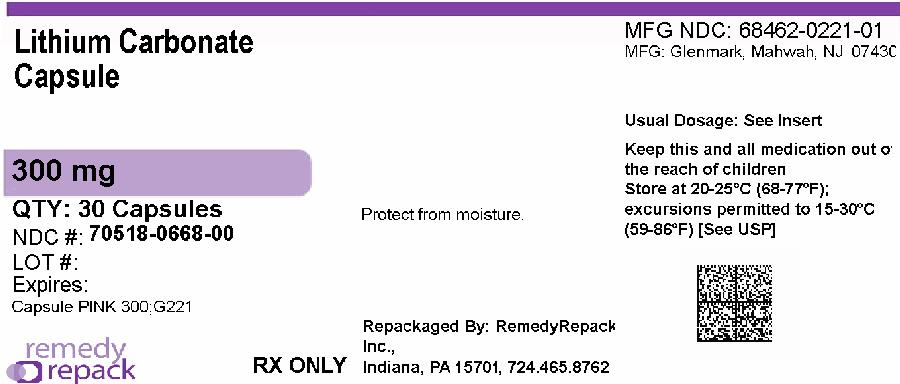
(carbonate · DailyMed)
SENSE-T TOOTH PASTE
Calcium Carbonate 15.0 %w/w,F D & C Blue #1 0.001 %w/w,Flavour E-9503615 0.75 %w/w,Glycerine 1.4 %w/w,Glycerine 3.8 %w/w,Glycerine 6.8 %w/w,Hydroxyethyl cellulose 1.9 %w/w,Macrogolglycerol Hydroxystearate (Kolliphor RH 40) 0.5 %w/w,Purified Water qs QS,SODIUM METHYL COCOYL TAURAT 1.5 %w/w,Saccharin Sodium BP 0.35 %w/w,Silica Colloidal Anhydrous (Aerosil 200 Pharma) 2.5 %w/w,Sorbitol Solution 70%. 12.0 %w/w,Strontium Chloride Hexahydrate 10.0 %w/w,Titanium dioxide 0.5 %w/w
What it does
Blue is a medication used to treat various health conditions. It works by targeting specific processes in the body to provide relief.
Commonly used for: general health issues, pain relief
Read more in plain English ↓Plain-language summary for general understanding - not medical advice. Always follow your pharmacist/doctor.
Ask about this medicine
Answers come only from this medicine's registration record, BNF monograph and interaction data - not medical advice.
Medicine sourcing is available in Kenya only. We don't sell or dispense medicines - licensed pharmacies do.
Sourcing - Kenya onlyRegistration & product details
Source: Tanzania Medicines and Medical Devices Authority · fetched 2026-05-18 02:04:12 · updated 2026-10-19 03:00:45
Drug Interactions
2Pharmacodynamic Warnings
Strontium appears in TABLE 5: Drugs that cause thromboembolism
Severe (2)
Quinolones - decreases absorption
Strontiumispredictedtodecreasetheabsorptionof quinolones.Avoid.oTheoretical
Tetracyclines - decreases absorption
Strontium is predicted to decrease the absorption of tetracyclines. Avoid. Theoretical Sucralfate
Data from BNF 85 (British National Formulary). This is not a substitute for professional medical advice. Matched via: exact
About blue
Blue is a medication used to treat various health conditions. It works by targeting specific processes in the body to provide relief.
What it treats
- general health issues
- pain relief
How it works
Blue works by affecting certain chemicals in the body to help alleviate symptoms.
Who it's for
Blue is suitable for adults and children with the prescribed conditions.
AI-assisted summary grounded in BNF data - general information only, not medical advice. Always confirm with your pharmacist or doctor.
About carbonate
Carbonate is used to help manage acidity in the stomach and can be found in various over-the-counter products.
What it treats
- stomach acidity
- indigestion
- heartburn
How it works
Carbonate helps neutralize stomach acid, providing relief from discomfort caused by excess acidity.
Who it's for
Adults and children experiencing symptoms of stomach acidity or indigestion.
AI-assisted summary grounded in BNF data - general information only, not medical advice. Always confirm with your pharmacist or doctor.
About cellulose
Cellulose is a type of fiber that helps with digestion and promotes bowel health.
What it treats
- constipation
- irregular bowel movements
How it works
Cellulose adds bulk to the stool, making it easier to pass through the intestines.
Who it's for
Suitable for people looking to improve their digestive health.
AI-assisted summary grounded in BNF data - general information only, not medical advice. Always confirm with your pharmacist or doctor.
About cocoyl
Cocoyl is often used for its cleansing and moisturizing properties in various skin and hair care products.
What it treats
- dry skin
- hair care
How it works
Cocoyl helps to cleanse and hydrate the skin and hair by attracting moisture.
Who it's for
Cocoyl is suitable for anyone looking to improve skin hydration and hair softness.
AI-assisted summary grounded in BNF data - general information only, not medical advice. Always confirm with your pharmacist or doctor.
About colloidal
Colloidal solutions are often used in various medical treatments and can help improve the delivery of certain medications.
What it treats
- supporting hydration
- helping with nutrient absorption
- improving medication effectiveness
How it works
Colloidal solutions contain small particles that can help carry and deliver substances in the body more effectively.
Who it's for
Adults and children who need assistance with hydration or nutrient delivery.
AI-assisted summary grounded in BNF data - general information only, not medical advice. Always confirm with your pharmacist or doctor.
About dioxide
Dioxide is used in various medical applications, but specific details about its class or interactions are not provided.
How it works
The exact mechanism of action for dioxide is not specified, but it generally serves various therapeutic roles in medicine.
Who it's for
Dioxide may be suitable for individuals needing treatment related to its specific applications, but more information is needed to identify specific patient groups.
AI-assisted summary grounded in BNF data - general information only, not medical advice. Always confirm with your pharmacist or doctor.
About flavour
Flavour is used to enhance the taste of products and make them more enjoyable.
What it treats
- improving the taste of foods and drinks
- masking unpleasant tastes in medications
How it works
Flavours work by stimulating our taste buds, making foods and drinks taste better.
Who it's for
Flavour can be used by anyone who wants to improve the taste of their food or beverages.
AI-assisted summary grounded in BNF data - general information only, not medical advice. Always confirm with your pharmacist or doctor.
About glycerine
Glycerine is a substance that helps to relieve constipation by drawing water into the bowel, making it easier to pass stools.
What it treats
- constipation
- bowel preparation before medical procedures
How it works
Glycerine works by attracting water to the intestines, which softens the stool and stimulates bowel movements.
Who it's for
Glycerine is suitable for adults and children who need help with constipation.
AI-assisted summary grounded in BNF data - general information only, not medical advice. Always confirm with your pharmacist or doctor.
About hexahydrate
Hexahydrate is a medication used to help with various conditions. It is important to follow guidance from a healthcare professional when using this medication.
How it works
The exact way hexahydrate works in the body is not specified, but it is used in different treatments.
Who it's for
This medication may be prescribed for certain health conditions based on a doctor's evaluation.
AI-assisted summary grounded in BNF data - general information only, not medical advice. Always confirm with your pharmacist or doctor.
About hydroxyethyl
Hydroxyethyl is often used in various medical applications for its properties that help improve fluid balance in the body.
What it treats
- fluid replacement therapy
- treatment of shock
- surgery support
How it works
It helps to maintain blood volume and improve circulation by drawing fluid into the blood vessels.
Who it's for
This treatment is suitable for patients who have lost significant fluid, such as during surgery or due to medical conditions.
AI-assisted summary grounded in BNF data - general information only, not medical advice. Always confirm with your pharmacist or doctor.
About hydroxystearate
Hydroxystearate is a compound often used in various formulations for its moisturizing and emollient properties.
What it treats
- skin dryness
- eczema
- dermatitis
How it works
Hydroxystearate helps to soften and hydrate the skin by forming a barrier that locks in moisture.
Who it's for
It is suitable for individuals with dry skin conditions or those seeking to prevent dryness.
AI-assisted summary grounded in BNF data - general information only, not medical advice. Always confirm with your pharmacist or doctor.
About macrogolglycerol
Macrogolglycerol is a medicine used to help relieve constipation by making it easier to pass stools.
What it treats
- constipation
How it works
It works by drawing water into the bowel, which helps to soften stools and makes them easier to pass.
Who it's for
This medicine is for adults and children who need help with constipation.
AI-assisted summary grounded in BNF data - general information only, not medical advice. Always confirm with your pharmacist or doctor.
About methyl
Methyl is an active ingredient used in various medications. It is involved in different treatments for health conditions.
What it treats
- mood disorders
- depression
- anxiety
How it works
Methyl helps to improve mood and reduce feelings of anxiety by affecting certain chemicals in the brain.
Who it's for
This medication is for adults experiencing mood-related issues.
AI-assisted summary grounded in BNF data - general information only, not medical advice. Always confirm with your pharmacist or doctor.
About purified
Purified ingredients are often used in various medicines to ensure safety and effectiveness by removing impurities.
What it treats
- various medical conditions
How it works
Purified ingredients help in delivering the intended effects of the medicine without the risk of contaminants.
Who it's for
People who need medications with safe and effective ingredients.
AI-assisted summary grounded in BNF data - general information only, not medical advice. Always confirm with your pharmacist or doctor.
About saccharin
Saccharin is an artificial sweetener used to add sweetness to foods and drinks without calories.
What it treats
- sugar substitute
- dietary sweetener
How it works
Saccharin works by stimulating the taste buds to produce a sweet flavor, making it a popular choice for those needing to reduce sugar intake.
Who it's for
It is suitable for people looking to manage their weight or blood sugar levels, including those with diabetes.
AI-assisted summary grounded in BNF data - general information only, not medical advice. Always confirm with your pharmacist or doctor.
About silica
Silica is a natural substance that can be found in various forms and is often used to help with digestion and absorb excess moisture.
What it treats
- digestive issues
- absorption of moisture
How it works
Silica helps improve digestion by supporting the body's ability to break down food and absorb nutrients.
Who it's for
Silica may be suitable for adults experiencing digestive discomfort or needing help with moisture control.
AI-assisted summary grounded in BNF data - general information only, not medical advice. Always confirm with your pharmacist or doctor.
About sorbitol
Sorbitol is a type of sugar alcohol used to help relieve constipation by softening the stool.
What it treats
- constipation
- bowel preparation
How it works
Sorbitol works by drawing water into the intestines, which helps to soften the stool and make it easier to pass.
Who it's for
Sorbitol is suitable for adults and children who need help with constipation.
AI-assisted summary grounded in BNF data - general information only, not medical advice. Always confirm with your pharmacist or doctor.
About strontium
Strontium is a supplement used to support bone health and may be particularly helpful in conditions related to bone density.
What it treats
- bone health
- osteoporosis
How it works
Strontium helps to strengthen bones and may reduce the risk of fractures.
Who it's for
People at risk of weak bones, such as those with osteoporosis.
Cautions
- • Avoid if you are taking medications that can cause blood clots.
AI-assisted summary grounded in BNF data - general information only, not medical advice. Always confirm with your pharmacist or doctor.
About taurat
Taurat is a medication that may be used for various health conditions, though specific uses are not provided here.
How it works
The exact mechanism of how Taurat works is not detailed, but it is generally aimed at improving certain health conditions.
Who it's for
Taurat may be prescribed to individuals with specific health issues as determined by a healthcare professional.
AI-assisted summary grounded in BNF data - general information only, not medical advice. Always confirm with your pharmacist or doctor.
About titanium
Titanium is a material often used in medical implants and devices due to its strength and compatibility with the body.
What it treats
- surgical implants
- dental implants
- orthopedic devices
How it works
Titanium is used in medical devices because it is strong, lightweight, and does not react negatively with body tissues.
Who it's for
People who need implants or devices for medical conditions, such as joint replacements or dental issues.
AI-assisted summary grounded in BNF data - general information only, not medical advice. Always confirm with your pharmacist or doctor.
Clinical monograph: blue
Blue, also known as methylene blue, is a synthetic dye that has been used for various therapeutic purposes, including the treatment of methemoglobinemia, a condition where hemoglobin is oxidized and unable to carry oxygen effectively. Additionally, it has applications in treating certain infections and as a surgical marker.
Indications
- Methemoglobinemia
- Urinary tract infections
- Surgical marking
- Treatment of certain types of cyanide poisoning
Dosage
Children: Refer to the BNF for Children for appropriate pediatric dosing information.
Adults: Refer to the relevant clinical guidelines or the BNF for specific dosing recommendations.
Mechanism of action
Methylene blue acts as a reducing agent, converting methemoglobin back to its functional form, hemoglobin. This is primarily achieved through its action as an electron donor, facilitating the reduction of ferric iron (Fe3+) in hemoglobin to ferrous iron (Fe2+), thereby restoring its oxygen-carrying capacity. It also exhibits antimicrobial properties through its ability to generate reactive oxygen species when exposed to light, which can inhibit bacterial growth.
Pharmacodynamics
The pharmacodynamics of methylene blue involve its role in enhancing oxygen delivery in patients suffering from methemoglobinemia. By converting methemoglobin back to hemoglobin, it effectively increases the amount of hemoglobin available for oxygen transport. The drug also shows effects on the vascular system, where it can induce vasodilation and influence blood pressure.
Pharmacokinetics
Methylene blue is rapidly absorbed after intravenous administration, with peak plasma concentrations occurring within 1 to 3 hours. It is extensively distributed in body tissues and fluids, including the liver, kidneys, and lungs. The drug undergoes hepatic metabolism, primarily through the cytochrome P450 system, and is excreted mainly through urine. The half-life ranges from 5 to 24 hours, depending on the dosage and individual patient factors.
Pregnancy
Consult healthcare provider before use, as safety in pregnancy is not established.
Breast-feeding
Consult healthcare provider before use, as safety during breastfeeding is not established.
Storage
Store in a cool, dry place away from direct sunlight.
AI-synthesized from BNF references - general information only, not a substitute for professional medical advice or the current BNF. Verify doses with a pharmacist.
Clinical monograph: carbonate
BNF-referencedCarbonate is a polyatomic ion with the molecular formula CO3^2-. It plays a critical role in various biological processes, including the regulation of pH in biological systems and the formation of bicarbonate, which is essential for maintaining acid-base balance. Carbonates are commonly found in nature and are involved in buffering systems in blood and other bodily fluids.
Mechanism of action
Carbonate ions participate in buffering reactions that help maintain pH homeostasis in biological systems. They can react with acids to form bicarbonate and carbon dioxide, thus neutralizing excess acidity in the body. This mechanism is crucial in processes such as respiration and metabolism.
Pharmacodynamics
As a buffer, carbonate helps to stabilize pH levels in different biological environments, preventing excessive acidity or alkalinity that could impair cellular functions. It is involved in the transport of carbon dioxide in the blood and plays a role in maintaining the acid-base equilibrium necessary for physiological processes.
Pharmacokinetics
Carbonate ions are readily absorbed in the gastrointestinal tract when ingested and can be found in various body fluids. They are involved in the bicarbonate buffering system, where they are converted to bicarbonate (HCO3-) and carbon dioxide (CO2) through reactions with acids. The kidneys regulate the levels of bicarbonate and carbonate in the body, excreting or reabsorbing them as needed to maintain homeostasis.
Pregnancy
There is no specific information available regarding the use of carbonate compounds during pregnancy. Consult a healthcare provider for advice.
Breast-feeding
There is no specific information available regarding the use of carbonate compounds while breastfeeding. Consult a healthcare provider for advice.
Storage
Store in a cool, dry place away from direct sunlight. Keep out of reach of children.
AI-synthesized from BNF references - general information only, not a substitute for professional medical advice or the current BNF. Verify doses with a pharmacist.
Clinical monograph: cellulose
Cellulose is a complex carbohydrate and a key structural component of the plant cell wall. It is an indigestible polysaccharide made up of linear chains of glucose molecules linked by β-1,4-glycosidic bonds. As a dietary fiber, cellulose contributes to digestive health by promoting bowel regularity and is commonly used as a laxative and bulking agent in various food products and pharmaceuticals.
Indications
- Constipation
- Dietary fiber supplementation
- Irritable bowel syndrome
- Diverticular disease
- Weight management
Dosage
Children: Refer to appropriate guidelines for specific dosage; generally taken with adequate fluid intake.
Adults: Refer to appropriate guidelines for specific dosage; generally taken with adequate fluid intake.
Mechanism of action
Cellulose acts primarily as a bulk-forming laxative. It absorbs water in the intestines, which increases stool bulk and stimulates peristalsis, thus facilitating bowel movements. Additionally, cellulose is not digestible by human enzymes, leading to fermentation by gut bacteria, which may enhance gut health and alter gut microbiota composition.
Pharmacodynamics
Cellulose increases stool weight and frequency of bowel movements. It works by retaining water in the intestines, leading to softer stools and improved passage through the gastrointestinal tract. The bulking effect of cellulose can help alleviate constipation and promote overall digestive health. It may also play a role in cholesterol reduction and glycemic control through its effects on digestion and absorption of nutrients.
Pharmacokinetics
Cellulose is not absorbed into the bloodstream due to its indigestible nature. Instead, it passes through the gastrointestinal tract, where it adds bulk to the stool. Its fermentation by colonic bacteria produces short-chain fatty acids, which may have beneficial effects on colon health. The onset of action for cellulose as a laxative can vary but is generally within 24 to 72 hours after ingestion.
Adverse effects
- Bloating
- Flatulence
- Diarrhea
- Abdominal discomfort
Precautions
- Use with caution in patients with a history of gastrointestinal disorders.
- Monitor for potential allergic reactions in sensitive individuals.
Pregnancy
Cellulose is generally considered safe during pregnancy as it is a non-toxic, indigestible fiber.
Breast-feeding
Cellulose is also considered safe during breastfeeding; it is excreted in breast milk in negligible amounts.
Storage
Store in a cool, dry place away from direct sunlight.
Formulations
- Powder
- Capsules
- Tablets
- Granules
AI-synthesized from BNF references - general information only, not a substitute for professional medical advice or the current BNF. Verify doses with a pharmacist.
Clinical monograph: cocoyl
Cocoyl, also known as cocoyl glutamic acid, is an amino acid derivative that is often used in cosmetic and personal care formulations due to its surfactant and conditioning properties. It is derived from coconut oil and is recognized for its ability to enhance the solubility of other ingredients, improve skin feel, and provide moisturizing benefits.
Indications
- Moisturizing agent
- Surfactant in personal care products
- Skin conditioning agent
- Enhancing solubility of formulations
Dosage
Children: Refer to specific product guidelines for appropriate use in cosmetic formulations.
Adults: Refer to specific product guidelines for appropriate use in cosmetic formulations.
Mechanism of action
Cocoyl works primarily by interacting with the skin and hair proteins, forming complexes that increase hydration and improve texture. It has surfactant properties that help to reduce surface tension and improve the spreadability of formulations. Additionally, due to its amino acid structure, it may contribute to skin barrier function and overall skin health.
Pharmacodynamics
As a surfactant, cocoyl reduces the surface tension of water, which enhances its ability to cleanse and remove dirt and oils from the skin and hair. Its moisturizing properties are attributed to its ability to bind water and form a protective film on the skin, thus preventing transepidermal water loss. This makes it beneficial for maintaining skin hydration and softness.
Pharmacokinetics
Cocoyl is generally well-tolerated when applied topically, with minimal systemic absorption. Its pharmacokinetics are not extensively studied, but as a large molecule, it is unlikely to penetrate deeply into the skin or enter systemic circulation. It is primarily excreted through the skin surface as it is used in cosmetic formulations.
Pregnancy
Safety during pregnancy has not been established. Use with caution and only if the potential benefit justifies the potential risk to the fetus.
Breast-feeding
Caution is advised when using during breastfeeding as it is unknown if the drug is excreted in human milk.
Storage
Store in a cool, dry place away from direct sunlight and moisture. Keep out of reach of children.
AI-synthesized from BNF references - general information only, not a substitute for professional medical advice or the current BNF. Verify doses with a pharmacist.
Clinical monograph: colloidal
Colloidal solutions are mixtures in which small particles are dispersed throughout a continuous medium. They can be used in various medical applications, including as intravenous fluids for volume expansion and as drug delivery systems. Colloidal solutions can improve the solubility and stability of drugs, enhancing their therapeutic effects.
Indications
- Hypovolemic shock
- Severe burns
- Postoperative fluid replacement
- Sepsis
- Trauma management
Dosage
Children: Refer to established guidelines for specific dosing, as it varies based on the type of colloidal solution used and the clinical condition being treated.
Adults: Refer to established guidelines for specific dosing, as it varies based on the type of colloidal solution used and the clinical condition being treated.
Mechanism of action
Colloidal solutions work by maintaining oncotic pressure in the blood, thus helping to retain fluid within the vascular system. This is primarily due to the large molecular weight of the colloidal particles, which cannot easily pass through capillary walls. The presence of colloids in the blood helps to draw water into the circulation, increasing blood volume and improving tissue perfusion.
Pharmacodynamics
The pharmacodynamics of colloidal solutions are centered on their ability to exert osmotic pressure, which helps maintain blood volume and pressure. This effect is particularly important in conditions such as hypovolemia and shock, where fluid replacement is necessary to restore hemodynamic stability. The efficacy of colloidal solutions can vary depending on the type of colloid used, as well as the underlying clinical condition being treated.
Pharmacokinetics
Colloidal solutions are typically administered intravenously and their pharmacokinetics can vary based on the specific formulation. Generally, colloids are distributed throughout the vascular compartment and have a longer duration of action compared to crystalloids, as they remain in circulation longer. The elimination of colloids is primarily through the reticuloendothelial system, where they are metabolized or eliminated by the liver and spleen. Factors such as particle size and composition can influence their distribution and clearance.
Adverse effects
- Allergic reactions
- Injection site reactions
- Nausea
- Vomiting
- Headache
- Fever
Precautions
- Use with caution in patients with known allergies to any component of the formulation
- Monitor for signs of hypersensitivity during administration
- Consider volume overload in patients with cardiac or renal impairment
Pregnancy
The safety of colloidal solutions during pregnancy has not been established. Use only if the potential benefit justifies the potential risk to the fetus.
Breast-feeding
It is not known whether colloidal solutions are excreted in human milk. Caution should be exercised when administering to breastfeeding mothers.
Storage
Store at room temperature, protect from light, and do not freeze. Keep out of reach of children.
Formulations
- Colloidal silver
- Colloidal gold
- Colloidal iron
- Other metal colloids
AI-synthesized from BNF references - general information only, not a substitute for professional medical advice or the current BNF. Verify doses with a pharmacist.
Clinical monograph: dioxide
Dioxide refers to a class of chemical compounds that contain two oxygen atoms bonded to another element or group. The most commonly referenced dioxide is carbon dioxide (CO2), a colorless, odorless gas produced by respiration in animals and plants and by the combustion of organic matter. In a clinical context, dioxides are often involved in various physiological processes and can play roles in drug mechanisms, particularly with respect to gas exchange and acid-base balance in the body.
Indications
- Monitoring respiratory function
- Assessment of metabolic status
- Management of respiratory acidosis
- Management of respiratory alkalosis
Dosage
Children: Dosing for interventions related to carbon dioxide levels in pediatric patients should be guided by clinical protocols and the BNF for Children.
Adults: Dosing for interventions related to carbon dioxide levels is typically based on clinical assessment and individual patient needs. Refer to clinical guidelines for specific scenarios.
Mechanism of action
Carbon dioxide acts primarily as a signaling molecule in the body, influencing respiratory drive and blood pH. It is produced during cellular respiration and is a critical component of the bicarbonate buffering system, which helps maintain acid-base homeostasis. Elevated levels of CO2 in the blood stimulate ventilation in the lungs, increasing the rate of gas exchange and facilitating the removal of excess CO2.
Pharmacodynamics
The pharmacodynamic effects of dioxides, particularly carbon dioxide, are closely related to its concentration in the blood. As CO2 levels increase, it leads to respiratory acidosis, which can stimulate the respiratory centers in the brain to increase ventilation. Conversely, low levels of CO2 can cause respiratory alkalosis, potentially leading to decreased respiratory drive. CO2 also plays a role in vasodilation and can affect blood flow and pressure through its influence on smooth muscle tone.
Pharmacokinetics
Carbon dioxide is produced endogenously during metabolic processes and is transported in the bloodstream primarily in three forms: dissolved in plasma, as bicarbonate ions (HCO3-), and bound to hemoglobin. The half-life of CO2 in the bloodstream is very short due to its rapid exchange with alveolar gas in the lungs. The elimination of CO2 occurs through exhalation, making it a dynamic component of respiratory physiology.
Pregnancy
Data on the effects of dioxide during pregnancy are limited. Caution is advised due to potential risks associated with exposure.
Breast-feeding
Limited data are available regarding the excretion of dioxide in human milk. Caution is recommended.
Storage
Store in a cool, dry place, away from direct sunlight and moisture.
AI-synthesized from BNF references - general information only, not a substitute for professional medical advice or the current BNF. Verify doses with a pharmacist.
Clinical monograph: flavour
Flavour agents, often referred to as flavorings, are substances added to food and beverages to impart a specific taste or aroma. They can be natural or artificial and are widely used in the food industry to enhance palatability and consumer acceptance of products. Natural flavors are derived from fruits, vegetables, spices, and other plant materials, while artificial flavors are synthesized to mimic natural tastes.
Indications
- Enhancement of taste in food and beverages
- Improvement of palatability in nutritional products
- Masking undesirable flavors in medications
Dosage
Children: There is no specific pediatric dosage for flavor agents as they are used as needed to improve the taste of food and beverages.
Adults: There is no specific dosage for flavor agents as they are used as needed to achieve the desired taste and aroma in food and beverages.
Mechanism of action
Flavor compounds interact with taste receptors on the tongue, stimulating the sensory neurons responsible for taste perception. This interaction influences the overall flavor profile of food and beverages, enhancing the eating experience. Some flavors may also have a psychological effect, stimulating appetite or evoking pleasant memories associated with certain tastes.
Pharmacodynamics
While flavor agents are primarily used for sensory enhancement in food, their pharmacodynamic effects are minimal as they are not designed to elicit a pharmacological response. However, certain flavors may influence digestion and metabolism indirectly by enhancing saliva production or affecting gut motility. The enjoyment of flavored products can also lead to increased food intake and satisfaction.
Pharmacokinetics
Flavour compounds are typically ingested and metabolized by the body. Their absorption rates can vary depending on their chemical structure and formulation. Once ingested, they may be rapidly metabolized in the liver and other tissues, with excretion primarily via urine. The specific pharmacokinetic profiles of flavor agents can vary significantly based on their source and chemical properties.
Pregnancy
Flavours are generally considered safe for use during pregnancy, but specific assessments should be made based on the type of flavouring agent.
Breast-feeding
Most flavouring agents are deemed safe during breastfeeding, although it's advisable to consult healthcare professionals regarding specific ingredients.
Storage
Store in a cool, dry place away from direct sunlight and heat sources. Ensure that the container is tightly sealed to prevent contamination.
AI-synthesized from BNF references - general information only, not a substitute for professional medical advice or the current BNF. Verify doses with a pharmacist.
Clinical monograph: glycerine
BNF-referencedGlycerine, also known as glycerol, is a colorless, odorless, viscous liquid classified primarily as an osmotic laxative. It is used to relieve constipation and to decrease intraocular pressure in certain medical conditions. Glycerine works by drawing water into the intestines or the eye, facilitating evacuation or reducing pressure respectively. It is commonly available in suppository form for rectal administration and is effective within 15 to 30 minutes.
Indications
- Constipation
- Decreased intraocular pressure
Dosage
Children: For children, refer to the BNF for Children for appropriate glycerin dosing guidelines.
Adults: For constipation, glycerin can be administered rectally as a suppository. Follow specific product guidelines for dosage.
Mechanism of action
When administered rectally, glycerine exerts a hygroscopic and/or local irritant action, drawing water from the tissues into the feces and reflexively stimulating evacuation. Additionally, glycerine decreases intraocular pressure by creating an osmotic gradient between the blood and intraocular fluid, leading to fluid movement out of the aqueous and vitreous humors into the bloodstream.
Pharmacodynamics
Glycerine is commonly classified as an osmotic laxative but may also exert local irritant effects, lubricating, and fecal softening actions. Its onset of action typically occurs within 15 to 30 minutes when used as a suppository.
Pharmacokinetics
Glycerine is readily absorbed and metabolized in the body. It undergoes glycerol metabolism pathways, contributing to various biochemical processes including phospholipid biosynthesis. The pharmacokinetic profile of glycerine indicates a rapid onset of action due to its osmotic properties.
Adverse effects
- Abdominal cramps
- Diarrhea
- Nausea
- Vomiting
- Electrolyte imbalance
Precautions
- Use with caution in patients with renal impairment
- May cause dehydration if used excessively
- Monitor for electrolyte disturbances in prolonged use
Pregnancy
Glycerin is generally considered safe to use during pregnancy for indicated conditions. Always consult a healthcare provider before use.
Breast-feeding
Glycerin is unlikely to be harmful in breastfeeding mothers. Consult a healthcare provider for specific guidance.
Storage
Store in a cool, dry place, away from direct sunlight. Keep out of reach of children.
Formulations
- Suppositories
- Oral solution
AI-synthesized from BNF references - general information only, not a substitute for professional medical advice or the current BNF. Verify doses with a pharmacist.
Clinical monograph: hexa
BNF-referencedHexa, also known as hexanoic acid or caproic acid, is a medium-chain fatty acid with the molecular formula C6H10O7. It is utilized in various clinical settings, primarily for its metabolic and energy-providing properties. It plays a role in fatty acid metabolism and has applications in dietary management and nutrition.
Indications
- Dietary supplementation
- Metabolic disorders
- Energy provision in specific clinical settings
Dosage
Children: Refer to the BNF for Children for specific dosing instructions.
Adults: Refer to the BNF for specific dosing instructions.
Mechanism of action
Hexa functions primarily as a source of energy through beta-oxidation, where it is broken down into acetyl-CoA units that enter the citric acid cycle. This process ultimately leads to the production of ATP, which is essential for cellular energy.
Pharmacodynamics
Hexa contributes to the regulation of metabolic pathways involving fatty acids. It influences energy homeostasis and can impact lipid profiles in the body. The presence of medium-chain fatty acids like hexa can promote ketogenesis, especially in carbohydrate-restricted diets, providing an alternative energy source.
Pharmacokinetics
Hexa is absorbed through the gastrointestinal tract and is rapidly metabolized in the liver. It has a relatively short half-life, and its metabolites are efficiently utilized or excreted by the body. The pharmacokinetic profile may be affected by dietary factors and individual metabolic rates.
Pregnancy
Hexa should only be used in pregnancy if the benefits outweigh the risks. Consult with a healthcare professional.
Breast-feeding
It is unknown if hexa is excreted in human milk. Caution is advised when administering to nursing mothers.
Storage
Store in a cool, dry place, away from direct sunlight. Keep out of reach of children.
AI-synthesized from BNF references - general information only, not a substitute for professional medical advice or the current BNF. Verify doses with a pharmacist.
Clinical monograph: hexahydrate
BNF-referencedHexahydrate is a chemical compound characterized by its molecular formula H12N3O15Tb. It typically refers to a hydrated form of a compound. The specific properties, clinical applications, and pharmacological effects can vary based on the particular substance it is associated with. In medicinal contexts, hexahydrates often serve as hydrates of various pharmaceutical agents, which can influence their solubility, stability, and bioavailability.
AI-synthesized from BNF references - general information only, not a substitute for professional medical advice or the current BNF. Verify doses with a pharmacist.
Clinical monograph: hydroxyethyl
BNF-referencedHydroxyethyl is a chemical compound primarily known for its role as a hydrophilic moiety in various pharmaceutical formulations. It is often used in the production of hydroxyethyl starch, a volume expander in clinical settings, particularly in managing hypovolemia. Hydroxyethyl compounds can affect the properties of drug formulations, enhancing solubility and stability.
Indications
- Hypovolemia
- Shock
- Fluid resuscitation
Dosage
Children: Refer to the BNF for Children for paediatric dosing guidelines.
Adults: Refer to the BNF for appropriate dosing guidelines depending on the clinical scenario and formulation used.
Mechanism of action
Hydroxyethyl starch works by increasing oncotic pressure in the blood, thereby drawing fluid into the vascular space. This helps to expand blood volume and improve circulation. The mechanism involves its ability to mimic natural plasma proteins, resulting in an effective volume expansion.
Pharmacodynamics
Hydroxyethyl starch acts as a colloid, helping to maintain intravascular volume. It is metabolized in the body, with its effects depending on the degree of substitution and molecular weight. The drug's colloidal properties facilitate the retention of fluid within the vascular system, which is crucial in treating conditions such as hypovolemia and shock.
Pharmacokinetics
Hydroxyethyl starch is administered intravenously and is distributed throughout the vascular system. It is gradually metabolized by the reticuloendothelial system, primarily the liver and spleen. The elimination half-life varies depending on the molecular weight and concentration of the formulation used. Higher molecular weight formulations tend to persist longer in circulation.
Pregnancy
Not established. Use with caution and only if the potential benefit justifies the potential risk to the fetus.
Breast-feeding
Use with caution. Limited data available.
Storage
Store in a cool, dry place away from direct sunlight. Keep out of reach of children.
AI-synthesized from BNF references - general information only, not a substitute for professional medical advice or the current BNF. Verify doses with a pharmacist.
Clinical monograph: hydroxystearate
BNF-referencedHydroxystearate is a fatty acid derivative commonly used in pharmaceutical formulations. It is a type of stearic acid that has been modified by the addition of a hydroxyl group. This modification enhances its solubility and emulsifying properties, making it useful in various topical and parenteral preparations. It is often found in creams, ointments, and other formulations intended for skin application or as excipients in drug delivery systems.
Indications
- Emulsifier in topical formulations
- Stabilizer in parenteral preparations
- Moisturizer in skincare products
Dosage
Children: Refer to specific formulation guidelines for dosing, as hydroxystearate is typically used as an excipient rather than a primary therapeutic agent.
Adults: Refer to specific formulation guidelines for dosing, as hydroxystearate is typically used as an excipient rather than a primary therapeutic agent.
Mechanism of action
Hydroxystearate primarily acts as an emulsifier and stabilizer in formulations. It helps to reduce surface tension between oil and water phases, promoting the formation and stability of emulsions. This property is particularly beneficial in topical preparations, where it aids in the even distribution of active ingredients across the skin surface.
Pharmacodynamics
Hydroxystearate exhibits surfactant properties that facilitate the absorption of other active compounds through the skin or mucous membranes. Its ability to form stable emulsions enhances the bioavailability of lipophilic drugs, allowing for improved therapeutic effects. Additionally, it has a moisturizing effect on the skin due to its fatty acid composition, which can help in maintaining skin hydration and barrier function.
Pharmacokinetics
Hydroxystearate is typically not absorbed systemically when applied topically, as it primarily acts locally at the site of application. It may undergo hydrolysis by esterases in the skin to release free fatty acids, which can then be incorporated into skin lipids. The pharmacokinetic profile may vary depending on the formulation and the presence of other excipients that influence its absorption and distribution.
Pregnancy
No adequate data are available on the use of hydroxystearate in pregnant women. It should be used only if the potential benefit justifies the potential risk to the fetus.
Breast-feeding
It is not known whether hydroxystearate is excreted in human milk. Caution should be exercised when administered to a nursing woman.
Storage
Store in a cool, dry place away from direct sunlight.
Formulations
- {'formulation': 'Hydroxystearate', 'molecular_formula': 'C18H36O3'}
AI-synthesized from BNF references - general information only, not a substitute for professional medical advice or the current BNF. Verify doses with a pharmacist.
Clinical monograph: macrogolglycerol
Macrogolglycerol, also known as polyethylene glycol glycerol, is a laxative used to treat constipation and to cleanse the bowel before diagnostic procedures. It acts by retaining water in the stool, resulting in softer stools and increased bowel movements. It is often preferred for its osmotic properties and minimal systemic absorption.
Indications
- Constipation
- Bowel preparation before surgery or diagnostic procedures
Dosage
Children: Refer to specific pediatric dosing guidelines or a healthcare provider for detailed dosing instructions, as it depends on the child's age and weight.
Adults: Refer to specific guidelines or a healthcare provider for detailed dosing instructions, as it varies based on the condition being treated.
Mechanism of action
Macrogolglycerol works by osmotically drawing water into the gastrointestinal tract, leading to increased stool water content. This action stimulates peristalsis, facilitating bowel movements. The presence of glycerol enhances the osmotic effect, making it more effective in softening the stool.
Pharmacodynamics
The pharmacodynamic effects of macrogolglycerol are primarily related to its ability to increase the water content in the intestines. This can lead to a significant decrease in stool consistency, promoting easier passage. The onset of action varies based on the formulation and dosage but generally occurs within 24 to 72 hours after administration.
Pharmacokinetics
Macrogolglycerol is poorly absorbed from the gastrointestinal tract, which limits systemic exposure and potential side effects. It is excreted unchanged in feces. The half-life is not well defined due to its non-systemic nature, but its effects are primarily localized to the intestines.
Contra-indications
- Hypersensitivity to macrogolglycerol or any of its components
- Severe intestinal obstruction
- Bowel perforation
- Severe inflammatory bowel disease
Adverse effects
- Abdominal pain
- Nausea
- Vomiting
- Diarrhea
- Electrolyte imbalances
- Dehydration
- Flatulence
Interactions
- May alter the absorption of concomitantly administered medications due to changes in gastrointestinal transit time
- Caution when used with drugs that require a specific gastrointestinal pH for absorption
Precautions
- Use with caution in patients with renal impairment
- Monitor electrolyte levels in patients receiving prolonged treatment
- Consider potential for dehydration in elderly patients or those with pre-existing conditions
Pregnancy
There are limited data on the use of macrogolglycerol in pregnancy. It should be used only if the potential benefit justifies the potential risk to the fetus.
Breast-feeding
Macrogolglycerol is generally considered safe during breastfeeding, but consult a healthcare provider for individual circumstances.
Storage
Store in a cool, dry place, away from direct sunlight. Keep out of reach of children.
Formulations
- Oral solution
- Powder for oral solution
- Suppositories
AI-synthesized from BNF references - general information only, not a substitute for professional medical advice or the current BNF. Verify doses with a pharmacist.
Clinical monograph: methyl
BNF-referencedMethyl compounds, including corticosteroids like methylprednisolone, are synthetic derivatives of naturally occurring steroids. They are widely used for their anti-inflammatory and immunosuppressive properties. Methylprednisolone is notably effective in managing various conditions involving inflammation and autoimmunity.
Indications
- Allergic conditions
- Autoimmune diseases
- Asthma and chronic obstructive pulmonary disease (COPD)
- Certain cancers (e.g., leukemia, lymphoma)
- Skin conditions (e.g., dermatitis)
- Inflammatory bowel disease
- Multiple sclerosis exacerbations
- Severe infections requiring immunosuppression
Dosage
Children: Refer to BNF for Children for specific dosing; doses vary significantly based on the child's age, weight, and condition being treated.
Adults: Refer to BNF for specific dosing; typically, initial doses range from 4 to 48 mg depending on the severity of the condition.
Mechanism of action
Methylprednisolone exerts its effects by binding to glucocorticoid receptors, leading to the modulation of gene expression. This interaction influences the transcription of anti-inflammatory proteins while suppressing the expression of pro-inflammatory genes, ultimately resulting in reduced inflammation and immune response.
Pharmacodynamics
The pharmacodynamic effects of methylprednisolone are characterized by its ability to decrease inflammation, suppress the immune response, and affect carbohydrate metabolism. Therapeutic doses lead to various systemic effects, including modification of leukocyte distribution and inhibition of cytokine production.
Pharmacokinetics
Methylprednisolone is well absorbed after oral administration, with a bioavailability of approximately 50%. It has a volume of distribution that reflects extensive tissue binding. The drug is metabolized primarily in the liver through conjugation and reduction, and its metabolites are excreted in urine. The half-life varies based on the route of administration but is generally around 18 to 36 hours.
Adverse effects
- Increased blood pressure
- Hyperglycemia
- Weight gain
- Mood changes
- Insomnia
- Gastrointestinal disturbances
- Increased susceptibility to infections
Interactions
- methylphenidate+apraclonidine: Severe (decreases effects)
- methylthioninium chloride+bupropion: Severe (increases risk of severe hypertension)
- methylphenidate+linezolid: Severe (increases risk of elevated blood pressure)
- rasagiline+methylphenidate: Severe (increases risk of a hypertensive crisis)
- mao-inhibitors+methylphenidate: Severe (increases risk of a hypertensive crisis)
- dronedarone+methylprednisolone: Moderate (increases exposure)
- miconazole+methylprednisolone: Moderate (increases concentration)
- antifungals, azoles+methylprednisolone: Moderate (increases exposure)
- crizotinib+methylprednisolone: Moderate (increases exposure)
Precautions
- Use with caution in patients with hypertension
- Monitor blood glucose levels in diabetic patients
- Consider potential for infection risk due to immunosuppression
- Evaluate for psychiatric effects in susceptible individuals
Pregnancy
Corticosteroids may be used during pregnancy if the potential benefit justifies the risk to the fetus. Careful monitoring is advised.
Breast-feeding
Corticosteroids are excreted in breast milk; caution is advised. Monitor the infant for potential effects.
Storage
Store in a cool, dry place, away from light. Keep out of reach of children.
Formulations
- Tablets
- Injectable solutions
- Topical preparations
AI-synthesized from BNF references - general information only, not a substitute for professional medical advice or the current BNF. Verify doses with a pharmacist.
Clinical monograph: methylsulphate
BNF-referencedMethylsulphate, with the molecular formula CH3O4S, is an organic compound that serves as a methylating agent. It is commonly used in various chemical reactions, including the methylation of nucleophiles in organic synthesis. Methylsulphate is not typically used as a therapeutic agent in clinical practice but may be encountered in laboratory settings.
Mechanism of action
Methylsulphate functions as a methylating agent, transferring a methyl group to nucleophiles. This process involves the formation of a sulfonium ion, which is highly reactive and can readily react with nucleophilic sites on various substrates, leading to methylation reactions.
Pharmacodynamics
The pharmacodynamics of methylsulphate is primarily related to its role as a methylating agent in biochemical reactions. It can alter the structure and function of biological molecules, potentially affecting cellular processes and signaling pathways. However, detailed pharmacodynamic studies specific to therapeutic use are limited.
Pharmacokinetics
There is limited information on the pharmacokinetics of methylsulphate, given its typical use as a reagent in laboratory settings rather than a clinical drug. When used in chemical reactions, its reactivity and transformation into other compounds would dictate its pharmacokinetic profile, which could vary significantly based on the specific context of use.
Pregnancy
There is limited data on the use of methylsulphate in pregnancy. Consult relevant guidelines.
Breast-feeding
Data on the excretion of methylsulphate in human milk is not available. Caution is advised.
Storage
Store in a cool, dry place, away from direct sunlight.
AI-synthesized from BNF references - general information only, not a substitute for professional medical advice or the current BNF. Verify doses with a pharmacist.
Clinical monograph: purified
Purified refers to a substance that has been processed to remove impurities, contaminants, or unwanted substances, resulting in a more concentrated and effective form of the original compound. In pharmacology, purified compounds are often used to enhance therapeutic efficacy and reduce adverse effects. The purification process can apply to a variety of substances, including drugs, biological products, and chemical compounds.
Dosage
Children: Refer to specific drug formulations and product labels as purified substances can vary widely in their use and dosing.
Adults: Refer to specific drug formulations and product labels as purified substances can vary widely in their use and dosing.
Mechanism of action
The mechanism of action for purified compounds varies widely depending on the specific substance. Generally, purified drugs exert their effects by interacting with specific biological targets, such as receptors, enzymes, or ion channels, leading to a desired therapeutic effect. This interaction can involve binding to receptors to activate or inhibit signaling pathways, modulating enzymatic activity, or altering physiological processes.
Pharmacodynamics
Pharmacodynamics describes the effects of a drug on the body and the relationship between drug concentration and effect. For purified drugs, this can involve dose-response relationships and the time course of their action. The purified form often enhances potency and reduces variability in response among patients, which can lead to more predictable therapeutic outcomes. The overall effect is determined by the drug's affinity for its target, the efficacy of the drug-receptor interaction, and the downstream signaling pathways activated as a result of this interaction.
Pharmacokinetics
Pharmacokinetics involves the absorption, distribution, metabolism, and excretion (ADME) of a drug. For purified substances, absorption can be more efficient due to the absence of impurities that may affect solubility or stability. Distribution may also be enhanced, leading to higher bioavailability. Metabolism can be influenced by the structure of the purified compound, as it may be metabolized more readily by liver enzymes. Excretion typically occurs through the kidneys or liver, depending on the molecular characteristics of the purified drug.
Pregnancy
Consult with a healthcare professional, as the safety of purified forms of medications during pregnancy may vary depending on the specific substance.
Breast-feeding
Consult with a healthcare professional, as the safety of purified forms of medications during breastfeeding may vary depending on the specific substance.
Storage
Store in a cool, dry place, away from light and moisture, and keep out of reach of children.
AI-synthesized from BNF references - general information only, not a substitute for professional medical advice or the current BNF. Verify doses with a pharmacist.
Clinical monograph: saccharin
BNF-referencedSaccharin is an artificial sweetener, commonly used as a sugar substitute due to its intense sweetness and low caloric content. It is approximately 300 to 400 times sweeter than sucrose, making it a popular choice in various food and beverage products. Saccharin does not contribute any calories, which is beneficial for weight management and diabetes control. It is often found in diet foods, soft drinks, and tabletop sweeteners.
Indications
- Adjunct in weight management
- Sugar substitute for diabetics
- Flavoring agent in various food products
Dosage
Children: Refer to the BNF for Children for specific pediatric dosing guidance. Saccharin is often used in pediatric populations as a sugar substitute but should be administered with caution and within recommended limits.
Adults: As saccharin is used as a sweetener rather than a medication, specific dosing guidelines are not typically established. The acceptable daily intake (ADI) is generally considered to be safe within the limits set by health authorities.
Mechanism of action
Saccharin activates specific T2R bitter taste receptors, which are involved in the perception of taste. Additionally, it has been shown to stimulate transient receptor potential vanilloid-1 (TRPV1) receptors, which are present in taste receptor cells and nerve terminals throughout the oral cavity. This activation may contribute to the bitter aftertaste and metallic taste sensations associated with saccharin and similar sweeteners.
Pharmacodynamics
Saccharin's primary pharmacodynamic effect is its intense sweetness, which is mediated through the activation of taste receptors. The stimulation of T2R receptors and TRPV1 channels can lead to varying taste sensations, including sweetness and bitterness. The sweet taste perception occurs through the activation of taste receptor cells that signal through gustatory pathways to the brain, allowing for the recognition of sweet flavors.
Pharmacokinetics
Saccharin is rapidly absorbed from the gastrointestinal tract and is excreted unchanged in urine. It does not undergo significant metabolism, which contributes to its safety profile as a non-caloric sweetener. The elimination half-life and pharmacokinetic parameters are not typically documented due to its minimal systemic effects in the context of sweetening agents.
Adverse effects
- Gastrointestinal disturbances
- Allergic reactions
- Headaches
- Metallic taste
Precautions
- Use with caution in patients with a history of hypersensitivity to sweeteners
- Consider potential for allergic reactions
Pregnancy
Safety during pregnancy has not been established. Use with caution and consult healthcare professionals.
Breast-feeding
Safety during breastfeeding has not been established. Consult healthcare professionals before use.
Storage
Store in a cool, dry place, away from direct sunlight.
Formulations
- Tablets
- Powder
AI-synthesized from BNF references - general information only, not a substitute for professional medical advice or the current BNF. Verify doses with a pharmacist.
Clinical monograph: silica
BNF-referencedSilica, primarily in the form of silicon dioxide (SiO2), is a naturally occurring mineral found in various forms, including crystalline and amorphous structures. It is widely used in various industries, including construction, manufacturing, and as a food additive. Silica is known for its high melting point and chemical stability. In clinical contexts, exposure to crystalline silica has been linked to respiratory diseases such as silicosis and lung cancer due to its cytotoxic effects on lung cells. The different forms of silica exhibit varying degrees of biological activity, with crystalline silica being more hazardous than amorphous types.
Indications
- Silicosis
- Chronic obstructive pulmonary disease (COPD)
- Lung cancer associated with silica exposure
Dosage
Adults: Silica is not administered as a drug, but rather
Mechanism of action
Silica, particularly crystalline forms like quartz and cristobalite, can induce cytotoxicity and morphological transformation in cells. The cytotoxic effects are attributed to the presence of silanol groups and trace iron on the silica surface, which can generate reactive oxygen species. These interactions lead to cellular damage and transformation, suggesting multiple molecular mechanisms underlying silica's biological effects. The activity is sensitive to the silica's surface structure and composition, indicating that the biological response is a phenomenon originating from the silica's surface characteristics.
Pharmacodynamics
Silica's pharmacodynamic effects are largely related to its cytotoxic and transforming properties, particularly in lung tissue. The inhalation of crystalline silica can lead to the activation of inflammatory pathways, oxidative stress, and apoptosis in alveolar macrophages and epithelial cells. This can result in chronic inflammation, fibrosis, and ultimately, diseases such as silicosis and lung cancer. The degree of these effects varies based on the type of silica, its crystalline structure, and the presence of surface modifications.
Pharmacokinetics
The pharmacokinetics of silica is complex as it is not absorbed systemically when inhaled or ingested. Instead, inhaled silica particles can deposit in the alveolar region of the lungs, where they may persist for long periods. The body responds to silica exposure through inflammatory processes, and macrophages attempt to phagocytize silica particles. However, the persistence of these particles can lead to chronic lung conditions. Clearance mechanisms are inefficient, leading to prolonged retention in lung tissue.
Adverse effects
- Cytotoxicity
- Morphological transformation of cells
- Respiratory issues
- Silicosis
- Lung cancer
Precautions
- Use caution in occupational settings with silica dust exposure
- Regular monitoring of lung function in exposed individuals
Pregnancy
There is insufficient data on the effects of silica on pregnancy. It is advised to minimize exposure.
Breast-feeding
Limited data available; caution is advised due to potential respiratory effects.
Storage
Store in a cool, dry place, away from moisture and incompatible materials.
Formulations
- Crystalline silica
- Amorphous silica (diatomaceous earth)
- Silica gel
AI-synthesized from BNF references - general information only, not a substitute for professional medical advice or the current BNF. Verify doses with a pharmacist.
Clinical monograph: sorbitol
BNF-referencedSorbitol is a sugar alcohol used primarily as a laxative due to its ability to draw water into the intestines, promoting bowel movements. It is also utilized in various food and pharmaceutical applications as a sweetener and humectant. Sorbitol is naturally found in certain fruits and can be synthesized from glucose. In addition to its laxative properties, sorbitol has been studied for its role in apoptosis in cancer cells and its involvement in metabolic pathways related to glucose.
Indications
- Constipation
- Diagnostic aid in colonoscopy preparation
- Management of hyperosmolality in various conditions
Dosage
Children: For children, the dosage should be determined based on age and condition, and it is advised to refer to the BNF for Children for specific dosing guidelines.
Adults: The typical dose for adults is 30 to 150 mL of sorbitol solution (70%) taken orally, as needed, usually before bedtime.
Mechanism of action
Sorbitol exerts its laxative effect by drawing water into the large intestine, thereby stimulating bowel movements. It acts as a hygroscopic agent, pulling water from tissues into the feces, which reflexively stimulates evacuation. In metabolic pathways, sorbitol is produced from glucose via aldose reductase and is converted to fructose by sorbitol dehydrogenase, with implications in diabetic complications such as retinopathy.
Pharmacodynamics
Sorbitol's laxative effect results from its osmotic properties, which increase the water content of the stool and soften it, facilitating easier passage. Additionally, sorbitol can induce apoptosis in certain cancer cell lines, indicating potential therapeutic implications beyond its laxative use. The modulation of intracellular signaling pathways through the regulation of proteins such as Bax and Bcl-2 suggests a complex role in cellular health and disease.
Pharmacokinetics
Sorbitol is poorly absorbed in the gastrointestinal tract, which contributes to its efficacy as a laxative. It is metabolized in the liver, primarily through the polyol pathway. The absorption and distribution of sorbitol are affected by its osmotic properties, leading to increased intestinal water retention. Its elimination is primarily via renal excretion, with minimal systemic absorption, thus reducing the risk of systemic side effects.
Adverse effects
- Diarrhea
- Abdominal cramps
- Nausea
- Vomiting
- Electrolyte imbalances
Precautions
- Use with caution in patients with renal impairment
- May exacerbate gastrointestinal conditions
Pregnancy
Sorbitol is generally considered safe during pregnancy, but should be used under medical supervision.
Breast-feeding
Sorbitol is excreted in breast milk in small amounts; consult a healthcare provider before use.
Storage
Store in a cool, dry place, away from direct sunlight.
Formulations
- Oral solution
- Syrup
AI-synthesized from BNF references - general information only, not a substitute for professional medical advice or the current BNF. Verify doses with a pharmacist.
Clinical monograph: strontium
BNF-referencedStrontium is a chemical element, classified as an alkaline earth metal, with the symbol Sr and atomic number 38. It is primarily known for its role in bone health, often analyzed in the context of strontium ranelate, a compound used in the treatment of osteoporosis. Strontium can influence bone metabolism and density, making it a subject of interest in the management of skeletal disorders.
Indications
- Osteoporosis
- Bone density enhancement
- Management of bone health
Dosage
Children: Refer to the BNF for Children for specific dosing information.
Adults: Refer to the BNF for specific dosing information.
Mechanism of action
Strontium acts by promoting bone formation and inhibiting bone resorption. It mimics calcium in the body and is incorporated into the bone matrix, thereby enhancing bone strength and density. The precise mechanisms include modulation of osteoblast and osteoclast activity, leading to an overall increase in bone mineral density.
Pharmacodynamics
Strontium influences the balance between bone formation and resorption. It stimulates the proliferation and activity of osteoblasts (bone-forming cells) while reducing the activity of osteoclasts (bone-resorbing cells). This dual action helps in restoring the balance in bone remodeling, which is often disrupted in conditions such as osteoporosis.
Pharmacokinetics
After administration, strontium is absorbed in the gastrointestinal tract, although its absorption can be significantly affected by the presence of other compounds. It distributes into the bone, where it remains for extended periods. The biological half-life of strontium in bone can be several years, contributing to its long-term effects on bone density. Excretion occurs primarily via the kidneys.
Interactions
- strontium+quinolones: Severe (decreases absorption)
- strontium+tetracyclines: Severe (decreases absorption)
AI-synthesized from BNF references - general information only, not a substitute for professional medical advice or the current BNF. Verify doses with a pharmacist.
Clinical monograph: taurat
Taurat, also known as taurine, is a sulfur-containing amino acid that is important in several biological processes. It is found in high concentrations in the brain, heart, and muscles. Taurine plays a crucial role in bile salt formation, osmoregulation, and stabilization of cell membranes. It is often used as a dietary supplement and has been studied for its potential benefits in various health conditions, including cardiovascular diseases and neurological disorders.
Indications
- Heart failure
- Hypertension
- Diabetes
- Neurological disorders
- Ocular health
Dosage
Children: Refer to clinical guidelines or a healthcare professional for appropriate dosing information.
Adults: Refer to clinical guidelines or a healthcare professional for appropriate dosing information.
Mechanism of action
Taurine exerts its effects through multiple mechanisms. It acts as an osmotic and cellular stabilizer, modulating calcium signaling, and influencing neurotransmitter release. Taurine is also known to activate GABA receptors, which may contribute to its neuroprotective effects. Furthermore, it plays a role in antioxidant defense by scavenging free radicals and enhancing the activity of antioxidant enzymes.
Pharmacodynamics
Taurine influences various physiological processes, including cardiac function, immune response, and central nervous system activity. It has been shown to reduce oxidative stress, improve endothelial function, and may help regulate blood pressure. Its role in calcium homeostasis is also significant, as it helps to modulate intracellular calcium levels, which is vital for muscle contraction and neurotransmission.
Pharmacokinetics
Taurine is absorbed from the gastrointestinal tract and is widely distributed throughout the body, with especially high concentrations in the brain, heart, and skeletal muscles. It is primarily excreted through urine, with a half-life of approximately 2-5 hours. Taurine does not undergo extensive metabolism, and its elimination is mainly through renal pathways.
Pregnancy
There is limited data on the use of taurat during pregnancy. It should only be used if clearly needed and the benefits outweigh the risks.
Breast-feeding
Limited information is available regarding the excretion of taurat in human milk. Caution is advised when administering to nursing mothers.
Storage
Store taurat in a cool, dry place away from direct sunlight. Keep out of reach of children.
AI-synthesized from BNF references - general information only, not a substitute for professional medical advice or the current BNF. Verify doses with a pharmacist.
Clinical monograph: titanium
BNF-referencedTitanium is a transition metal with the atomic number 22 and molecular formula Ti. It is known for its high strength-to-weight ratio, corrosion resistance, and biocompatibility, making it a valuable material in various medical and industrial applications, including implants and prosthetics. Its use in medicine primarily revolves around its incorporation into devices and materials rather than as a pharmacological agent.
Indications
- Orthopedic implants
- Dental implants
- Prosthetic devices
- Surgical instruments
Mechanism of action
Titanium does not have a specific mechanism of action as it is not a drug in the traditional sense. Instead, its biocompatibility allows it to integrate with biological tissues without eliciting significant immune responses, making it suitable for use in implants and prosthetic devices. The presence of titanium ions can influence biological processes, including cell proliferation and differentiation.
Pharmacodynamics
Titanium itself does not exhibit pharmacodynamics as it is not administered as a drug. Its interactions within biological systems are primarily mechanical and structural, providing support and stability in orthopedic and dental applications. The biocompatibility of titanium allows for favorable tissue integration and reduced rejection rates compared to other materials.
Pharmacokinetics
As titanium is not a pharmacological agent, traditional pharmacokinetic parameters such as absorption, distribution, metabolism, and excretion do not apply. Titanium is typically utilized in solid forms, such as implants, where it remains localized and does not undergo metabolism or systemic circulation.
Pregnancy
There is limited data on the use of titanium during pregnancy. Consult a healthcare professional before use.
Breast-feeding
There is limited data on the excretion of titanium in breast milk. Consult a healthcare professional before use.
Storage
Store in a cool, dry place away from direct sunlight.
AI-synthesized from BNF references - general information only, not a substitute for professional medical advice or the current BNF. Verify doses with a pharmacist.
Molecular reference: carbonate
PubChem CID 19660Molecular formula: CO3-2
Biological pathways
Source: PubChem (NCBI) · pathways from PathBank, Reactome, WikiPathways & PharmGKB.
Molecular reference: glycerine
PubChem CID 753Molecular formula: C3H8O3
Mechanism of action
When administered rectally, glycerin exerts a hygroscopic and/or local irritant action, drawing water from the tissues into the feces and reflexively stimulating evacuation. Glycerin decreases intraocular pressure by creating an osmotic gradient between the blood and intraocular fluid, causing fluid to move out of the aqueous and vitreous humors into the bloodstream. Glycerin (glycerol) and sorbitol are hyperosmotic laxatives. When administered rectally, glycerin and sorbitol exert a hygroscopic and/or local irritant action, drawing water from the tissues into the feces and reflexly stimulating evacuation. The extent to which the simple physical distention of the rectum and the hygroscopic and/or local irritant actions are responsible for the laxative effects of some of these drugs is not known. Only extremely high oral doses of sorbitol (25 g daily) or glycerin exert laxative action. /Glycerin/ decreases intraocular pressure by creating an osmotic gradient between the blood and intraocular fluid, causing fluid to move out of the aqueous and vitreous humors into the bloodstream. The physicochemical effects of a series of alkanols, alkanediols and glycerol on erythrocyte shape and hemolysis at 4 and 20 degrees C were examined. We calculated the dielectric constant of the incubation medium, Ds, and the dielectric constant of the erythrocyte membrane Dm in the presence of organic solutes. The ratio Ds/Dm = -38.48 at 20 degrees C defines the normal biconcave shape in a medium without hemolytic agents. A decrease in Ds/Dm favors externalization or internalization with consequent hemolysis. Alkanols and alkanediols convert biconcave erythrocytes into echinocytes, which is accompanied by an increase in the projected surface area. Glycerol converts biconcave erythrocytes into stomatocytes, which was accompanied by a marginal decrease in the projected surface area. Progressive externalization in alkanols and alkanediols or internalization in glycerol resulted in a decrease in the projected surface area and the formation of smooth spheres. The degree of shape change induced was related to the degree of hemolysis and the ratio Ds/Dm. A decrease in temperature reduced both the degree of shape change and hemolysis. .../Thus/ physicochemical toxicity may be a result of a temperature dependent hydrophobic interaction between the organic solutes and the membrane and is best interpreted by the ability of the solutes to change Ds and Dm.
Pharmacodynamics
Glycerin is commonly classified as an osmotic laxative but may act additionally or alternatively through its local irritant effects; it may also have lubricating and fecal softening actions. Glycerin suppositories usually work within 15 to 30 minutes.
Biological pathways
Source: PubChem (NCBI) · pathways from PathBank, Reactome, WikiPathways & PharmGKB.
Molecular reference: hexa
PubChem CID 610Molecular formula: C6H10O7
Source: PubChem (NCBI) · pathways from PathBank, Reactome, WikiPathways & PharmGKB.
Molecular reference: hexahydrate
PubChem CID 202879Molecular formula: H12N3O15Tb
Source: PubChem (NCBI) · pathways from PathBank, Reactome, WikiPathways & PharmGKB.
Molecular reference: hydroxyethyl
PubChem CID 123157Molecular formula: C2H5O
Source: PubChem (NCBI) · pathways from PathBank, Reactome, WikiPathways & PharmGKB.
Molecular reference: hydroxystearate
PubChem CID 138590Molecular formula: C18H36O3
Source: PubChem (NCBI) · pathways from PathBank, Reactome, WikiPathways & PharmGKB.
Molecular reference: methyl
PubChem CID 3034819Molecular formula: CH3
Source: PubChem (NCBI) · pathways from PathBank, Reactome, WikiPathways & PharmGKB.
Molecular reference: methylbromide
PubChem CID 6323Molecular formula: CH3Br
Biological pathways
Source: PubChem (NCBI) · pathways from PathBank, Reactome, WikiPathways & PharmGKB.
Molecular reference: methylsulfate
PubChem CID 4694097Molecular formula: CH3O4S-
Source: PubChem (NCBI) · pathways from PathBank, Reactome, WikiPathways & PharmGKB.
Molecular reference: methylsulphate
PubChem CID 4694097Molecular formula: CH3O4S-
Source: PubChem (NCBI) · pathways from PathBank, Reactome, WikiPathways & PharmGKB.
Molecular reference: saccharin
PubChem CID 5143Molecular formula: C7H5NO3S
Mechanism of action
...it has been shown that the activation of particular T2R bitter taste receptors is partially involved with the bitter aftertaste sensation of saccharin and acesulfame-K. ... /This study/ addressed the question of whether /they/ could stimulate transient receptor potential vanilloid-1 (TRPV1) receptors, as these receptors are activated by a large range of structurally different chemicals. Moreover, TRPV1 receptors and/or their variants are found in taste receptor cells and in nerve terminals throughout the oral cavity. Hence, TRPV1 activation could be involved in the ... aftertaste or even contribute to the poorly understood metallic taste sensation. Using Ca(2+) imaging on TRPV1 receptors heterologously expressed in the human embryonic kidney (HEK) 293 cells and on dissociated primary sensory neurons,... /it was found/ that in both systems, .../sweeteners/ activate TRPV1 receptors, and, moreover, they sensitize these channels to acid and heat. ... /it was/also found that TRPV1 receptors were activated by CuSO(4), ZnSO(4), and FeSO(4), three salts known to produce a metallic taste sensation. In summary, .../the/ results identify a novel group of compounds that activate TRPV1 and, consequently, provide a molecular mechanism that may account for off tastes of sweeteners and metallic tasting salts.
Source: PubChem (NCBI) · pathways from PathBank, Reactome, WikiPathways & PharmGKB.
Molecular reference: silica
PubChem CID 24261Molecular formula: O2Si
Mechanism of action
...Some quartz and cristobalite dusts (crystalline) as well as the diatomaceous earths (amorphous), but not the pyrogenic amorphous silica, were cytotoxic and induced morphological transformation of SHE cells in a concentration-dependent manner. The ranking in cytotoxicity was different from that in transforming potency, suggesting two separate molecular mechanisms for the two effects. The cytotoxic and transforming potencies were different from one dust to another, even among the same structural silicas. The type of crystalline structure (quartz vs cristobalite) and the crystalline vs biogenic amorphous form did not correlate with cytotoxic or transforming potency of silica dusts. Comparison of cellular effects induced by original and surface modified samples revealed that several surface functionalities modulate cytotoxic and transforming potencies. The cytotoxic effects appeared to be related to the distribution and abundance of silanol groups and to the presence of trace amounts of iron on the silica surface. Silica particles with fractured surfaces and/or iron-active sites, able to generate reactive oxygen species, induced SHE cell transformation. The results show that the activity of silica at the cellular level is sensitive to the composition and structure of surface functionalities and confirm that the biological response to silica is a surface originated phenomenon. In vivo exposure of rat lungs to crystalline silica either by intratracheal instillation or by inhalation results in an increase in mRNA levels for inducible nitric oxide synthase (iNOS) in bronchoalveolar lavage cells (BALC), elevated nitric oxide (.NO) production by BALC, and an increase in .NO-dependent chemiluminescence (CL) from alveolar macrophages (AM). Induction of iNOS message occurs in both AM and polymorphonuclear leukocytes (PMN) harvested from silica-exposed lungs but is not significantly elevated in lavaged lung tissue. This review presents characteristics of simple and complicated coal workers' pneumoconiosis (CWP) as well as pathologic indices of acute and chronic silicosis by summarizing results of in vitro, animal, and human investigations. These results support four basic mechanisms in the etiology of CWP and silicosis: a) direct cytotoxicity of coal dust or silica, resulting in lung cell damage, release of lipases and proteases, and eventual lung scarring; b) activation of oxidant production by pulmonary phagocytes, which overwhelms the antioxidant defenses and leads to lipid peroxidation, protein nitrosation, cell injury, and lung scarring; c) activation of mediator release from alveolar macrophages and epithelial cells, which leads to recruitment of polymorphonuclear leukocytes and macrophages, resulting in the production of proinflammatory cytokines and reactive species and in further lung injury and scarring; d) secretion of growth factors from alveolar macrophages and epithelial cells, stimulating fibroblast proliferation and eventual scarring. Results of in vitro and animal studies provide a basis for proposing these mechanisms for the initiation and progression of pneumoconiosis. Data obtained from exposed workers lend support to these mechanisms. /The authors/ reported previously that freshly fractured silica (FFSi) induces activator protein-1 (AP-1) activation through extracellular signal-regulated protein kinases (ERKs) and p38 kinase pathways. In the present study, the biologic activities of FFSi and aged silica (ASi) were compared by measuring their effects on the AP-1 activation and phosphorylation of ERKs and p38 kinase. The roles of reactive oxygen species (ROS) in this silica-induced AP-1 activation were also investigated. FFSi-induced AP-1 activation was four times higher than that of ASi in JB6 cells. FFSi also caused greater phosphorylation of ERKs and p38 kinase than ASi. FFSi generated more ROS than ASi when incubated with the cells as measured by electron spin resonance (ESR). Studies using ROS-sensitive dyes and
Source: PubChem (NCBI) · pathways from PathBank, Reactome, WikiPathways & PharmGKB.
Molecular reference: sorbitol
PubChem CID 5780Molecular formula: C6H14O6
Mechanism of action
Sorbitol exerts its laxative effect by drawing water into the large intestine, thereby stimulating bowel movements. ... Sorbitol exerts hygroscopic and/or local irritant action, drawing water from tissues into feces and reflexly stimulating evacuation. The polyol pathway consists of two enzymes aldose reductase (AR) and sorbitol dehydrogenase (SDH); the former is the first enzyme in the polyol pathway, that catalyzes the reduction of glucose to sorbitol, the latter is the second one, that converts sorbitol to fructose using by NAD(+) as a cofactor. ... SDH activity, the second step in the polyol pathway, might make a greater contribution to the etiology of diabetic retinopathy than does the first step involving AR. /This paper proposes/ a novel hypothesis that polymorphisms of SDH gene may be correlated with SDH gene expression levels in diabetic retinas, thus being a valuable genetic marker for diabetic retinopathy. It has been reported that sorbitol induces apoptosis in several cancer cell lines. ... In /this/ study, the intracellular signaling pathways of sorbitol-induced apoptosis in human K562 cells were investigated using both morphological analysis and DNA fragmentation technique. In this study, we demonstrated that sorbitol-induced apoptosis in human K562 cells is a concentration- and time-dependent manner. This sorbitol-induced apoptosis in human K562 cells was also accompanied by the up-regulation of Bax, and down-regulation of p-Bcl-2, but no effect on the levels of Bcl-X(L). Moreover, the sorbitol treatment resulted in a significant reduction of mitochondria membrane potential, increase in the release of mitochondrial cytochrome c (cyt c), and activation of caspase 3. Furthermore, treatment with caspase 3 inhibitor (z-DEVD-fmk) was capable of preventing the sorbitol-induced caspase 3 activity and cell death. These results clearly demonstrate that the induction of apoptosis by sorbitol involves multiple cellular/molecular pathways and strongly suggest that pro- and anti-apoptotic Bcl-2 family proteins, mitochondrial membrane potential, mitochondrial cyt c, and caspase 3, they all participate in sorbitol-induced apoptotic process in human K562 cells. Chronic diabetic complications, in particular, nephropathy, peripheral and autonomic neuropathy, "diabetic foot," retinopathy, and cardiovascular disease, remain the major cause of morbidity and mortality in patients with diabetes mellitus. Growing evidence indicates that both increased activity of the sorbitol pathway of glucose metabolism and enhanced oxidative stress are the leading factors in the pathogenesis of diabetic complications. The relation between the two mechanisms remains the area of controversy. One group has reported that increased sorbitol pathway activity has a protective rather than detrimental role in complication-prone tissues because the pathway detoxifies toxic lipid peroxidation products. Others put forward a so-called "unifying hypothesis" suggesting that activation of several major pathways implicated in diabetic complications (eg, sorbitol pathway) occurs due to increased production of superoxide anion radicals in mitochondria and resulting poly(ADP-ribose) polymerase activation. This review (a) presents findings supporting a key role for the sorbitol pathway in oxidative stress and oxidative stress-initiated downstream mechanisms of diabetic complications, and (b) summarizes experimental evidence against a detoxifying role of the sorbitol pathway, as well as the "unifying concept."
Biological pathways
Source: PubChem (NCBI) · pathways from PathBank, Reactome, WikiPathways & PharmGKB.
Molecular reference: strontium
PubChem CID 5359327Molecular formula: Sr
Source: PubChem (NCBI) · pathways from PathBank, Reactome, WikiPathways & PharmGKB.
Molecular reference: titanium
PubChem CID 23963Molecular formula: Ti
Source: PubChem (NCBI) · pathways from PathBank, Reactome, WikiPathways & PharmGKB.
This drug in other countries
The same active ingredient registered across other registries we cover - including different brands.
- ADDRUB GEL ( Diclofenac Diethylamine/ Methyl Salicylate/Menthol/ Linseed Oil Gel 1.16%w/w/1.0%w/w/ 10.0% w/w / 5.0w/w/ 3.0w/w) · Addii Biotech
- AMCOF INFANT COUGH SYRUP · Salom Pharmacy
- ARTHROFLEX PLUS TABLETS (Each tablet contains Glucosamine 500mg/ Chondroitin 400mg/ Methyl Sulfonyl Methane 250mg/ Collagen type 2 40mg/ Hyaluronic Acid 3.3mg) · Aayansh Wellness
- ASTYMIN 3 INFUSION (Each ml contains L-Arginine Hydrochloride/L-Histidine Hydrochloride H2O/L-Isoleucine/L-Leucine/L-Lysine Hydrochloride/L-Methionine/L-Phenylalanine/L-Threonine/L-Tryptophan/L-Valine/Glycine/Sorbitol ) · Tablets
- AXARELIEF GEL ([Unit Content] DICLOFENAC DIETHYLAMINE, LINSEED OIL, METHYL SALICYLATE & MENTHOL GEL. 1.16%w/w/1%w/w/3%w/w/10%w/w/5%w/w · Kremoint Pharma
- BEEHIVE BALSAM SYRUP · Ayrton Saunders