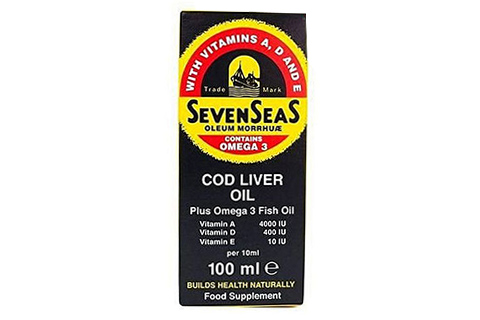
SEVEN SEAS COD LIVER OIL CAPSULES
VITAMINS A D E AND OMEGA 3 FATTY ACIDS
What it does
Acids are substances that can help in various medical conditions, often used to adjust pH levels in the body or treat certain diseases.
Commonly used for: stomach acid issues (acid reflux), metabolic disorders, certain types of infections
Read more in plain English ↓Plain-language summary for general understanding - not medical advice. Always follow your pharmacist/doctor.
Ask about this medicine
Answers come only from this medicine's registration record, BNF monograph and interaction data - not medical advice.
Hard to find? We help patients in Kenya source rare medicines. We don't sell or dispense medicines - licensed pharmacies do.
Source this medicineRegistration & product details
Source: Pharmacy and Poisons Board · fetched 2026-01-28 21:37:23 · updated 2026-07-20 11:11:44
About acids
Acids are substances that can help in various medical conditions, often used to adjust pH levels in the body or treat certain diseases.
What it treats
- stomach acid issues (acid reflux)
- metabolic disorders
- certain types of infections
How it works
Acids can help balance pH levels in the body and assist in digestion or treatment of specific conditions.
Who it's for
People experiencing issues related to stomach acid, metabolic problems, or specific infections.
AI-assisted summary grounded in BNF data - general information only, not medical advice. Always confirm with your pharmacist or doctor.
About fatty
Fatty is a substance that can be used for various health-related purposes.
What it treats
- weight management
- nutritional supplementation
How it works
Fatty helps the body in its processes related to energy and nutrition.
Who it's for
It is suitable for individuals looking to manage their weight or improve their nutritional intake.
AI-assisted summary grounded in BNF data - general information only, not medical advice. Always confirm with your pharmacist or doctor.
About omega
Omega is a supplement that supports overall health, particularly for heart and brain function.
What it treats
- heart health
- brain health
- joint health
How it works
Omega works by providing essential fatty acids that the body needs for various functions, including reducing inflammation and supporting cell health.
Who it's for
Omega is suitable for adults looking to improve their heart and brain health or manage joint discomfort.
AI-assisted summary grounded in BNF data - general information only, not medical advice. Always confirm with your pharmacist or doctor.
About vitamins
Vitamins are essential nutrients that help support various bodily functions and maintain overall health.
What it treats
- vitamin deficiency
- general health support
- boosting immune system
- improving energy levels
How it works
Vitamins support different processes in the body, such as energy production, immune function, and the maintenance of healthy skin and bones.
Who it's for
Vitamins are for anyone who wants to improve their health or address specific vitamin deficiencies.
AI-assisted summary grounded in BNF data - general information only, not medical advice. Always confirm with your pharmacist or doctor.
Clinical monograph: acids
Acids are a broad class of compounds characterized by their ability to donate protons (H+) in aqueous solutions. They play crucial roles in various physiological processes and are involved in numerous biochemical pathways. Common examples include acetic acid, citric acid, and hydrochloric acid. Acids are essential in digestion, metabolic pathways, and as components of various pharmaceutical formulations.
Indications
- Gastroesophageal reflux disease (GERD)
- Peptic ulcers
- Dyspepsia
- Acid-base balance disorders
Dosage
Children: Refer to specific acid formulations and guidelines for dosing. General dosing depends on the acid and its clinical use.
Adults: Refer to specific acid formulations and guidelines for dosing. General dosing depends on the acid and its clinical use.
Mechanism of action
Acids exert their effects primarily by dissociating into protons and anions in solution, thereby lowering the pH of the surrounding environment. This proton donation can influence various physiological processes, including enzyme activity, ion transport, and cellular signaling pathways. For example, hydrochloric acid in the stomach aids in digestion and the absorption of certain nutrients.
Pharmacodynamics
The pharmacodynamic effects of acids are largely dependent on their concentration and the specific type of acid involved. Weak acids may dissociate partially, leading to a less pronounced effect, while strong acids fully dissociate, leading to significant changes in pH and potential tissue irritation. Acids can also interact with various receptors and enzymes, influencing metabolic pathways and physiological responses.
Pharmacokinetics
The pharmacokinetics of acids vary widely depending on their chemical structure. Strong acids, such as hydrochloric acid, do not significantly enter systemic circulation due to their rapid dissociation in aqueous environments. Weak acids may be absorbed through the gastrointestinal tract, where their absorption is influenced by pH, solubility, and the presence of food. Metabolism and excretion pathways also vary, with some acids being metabolized to bicarbonate or other metabolites before excretion, primarily via the kidneys.
Adverse effects
- Gastrointestinal irritation
- Nausea
- Vomiting
- Abdominal pain
- Diarrhea
- Electrolyte imbalance
Precautions
- Use with caution in patients with renal impairment
- Monitor for signs of gastrointestinal bleeding
- Consider potential interactions with other medications that may affect gastrointestinal motility or pH levels
Pregnancy
The safety of various acids during pregnancy may vary; consult specific guidelines for each acid. Generally, use should be limited to essential cases.
Breast-feeding
Caution is advised when using acids during breastfeeding; consult specific guidelines for each acid.
Storage
Store in a cool, dry place away from direct sunlight. Keep tightly closed and out of reach of children.
AI-synthesized from BNF references - general information only, not a substitute for professional medical advice or the current BNF. Verify doses with a pharmacist.
Clinical monograph: fatty
Fatty acids are carboxylic acids with long aliphatic chains, which can be saturated or unsaturated. They play essential roles in various biological processes, including energy storage, cellular structure, and signaling pathways. Fatty acids are primarily derived from dietary fats and can also be synthesized in the body. They are crucial for maintaining the integrity of cell membranes and serve as precursors for bioactive lipids.
Indications
- Nutritional support
- Management of dyslipidemia
- Support for cardiovascular health
- Anti-inflammatory therapies
Dosage
Children: Refer to the BNF for Children for specific dosing recommendations based on age and condition.
Adults: Dosage varies widely depending on the specific type of fatty acid and the condition being treated. Refer to specific guidelines for dietary or therapeutic doses.
Mechanism of action
Fatty acids exert their effects through several mechanisms, including serving as energy sources, components of cell membrane phospholipids, and precursors for signaling molecules such as eicosanoids. They can modulate gene expression and influence metabolic pathways by activating nuclear receptors, such as peroxisome proliferator-activated receptors (PPARs).
Pharmacodynamics
Fatty acids influence lipid metabolism, inflammation, and insulin sensitivity. They can alter membrane fluidity and receptor function, impacting cellular signaling. Saturated fatty acids may promote inflammatory processes, while unsaturated fatty acids, particularly omega-3 and omega-6 fatty acids, can exert anti-inflammatory effects and promote cardiovascular health.
Pharmacokinetics
Fatty acids are absorbed in the intestine via passive diffusion and are transported in the blood bound to albumin or as part of lipoproteins. They are metabolized in the liver, where they can undergo beta-oxidation to generate energy or be converted into ketone bodies. The half-life varies depending on the type of fatty acid and its incorporation into various tissues.
Pregnancy
Consult with a healthcare provider before use, as the effects of fatty acids during pregnancy can vary.
Breast-feeding
Consult with a healthcare provider before use, as some fatty acids may be excreted in breast milk.
Storage
Store in a cool, dry place away from direct sunlight.
AI-synthesized from BNF references - general information only, not a substitute for professional medical advice or the current BNF. Verify doses with a pharmacist.
Clinical monograph: omega
Omega, commonly referred to in the context of omega-3 and omega-6 fatty acids, is a group of polyunsaturated fatty acids (PUFAs) essential for human health. They are not synthesized by the body and must be obtained through diet or supplements. Omega-3 fatty acids include eicosapentaenoic acid (EPA) and docosahexaenoic acid (DHA), while omega-6 fatty acids include linoleic acid. These fatty acids play critical roles in various physiological processes, including inflammation, cardiovascular health, and brain function.
Indications
- Cardiovascular disease prevention
- Hypertriglyceridemia
- Rheumatoid arthritis
- Inflammatory bowel disease
- Cognitive decline and dementia
- Mood disorders
Dosage
Adults: Dosage varies based on the condition being treated. For general health, a common recommendation is 250-500 mg of combined EPA and DHA
Mechanism of action
Omega fatty acids exert their effects through various mechanisms, including the modulation of inflammatory pathways and the synthesis of specialized pro-resolving mediators. They are incorporated into cell membranes, affecting membrane fluidity and receptor function. Omega-3 fatty acids can also decrease the production of pro-inflammatory eicosanoids and increase anti-inflammatory mediators, promoting a balanced inflammatory response.
Pharmacodynamics
The pharmacodynamics of omega fatty acids involve their role in cellular signaling, gene expression, and lipid metabolism. Omega-3 fatty acids, particularly EPA and DHA, have been shown to influence the resolution of inflammation and enhance endothelial function. They also play a role in neuroprotection and cognitive function, with evidence suggesting that adequate omega-3 intake is associated with reduced risk of neurodegenerative diseases.
Pharmacokinetics
Omega fatty acids are absorbed in the intestine through the action of bile salts and pancreatic enzymes. Once absorbed, they are transported via chylomicrons into the lymphatic system and then into the bloodstream. They are distributed throughout the body, particularly in the brain and heart. The half-life of omega fatty acids can vary, with some studies suggesting an elimination half-life of several days to weeks, depending on the specific fatty acid and individual metabolism. They undergo beta-oxidation for energy production and can be converted into eicosanoids, which mediate various physiological functions.
Adverse effects
- Nausea
- Diarrhea
- Fishy aftertaste
- Allergic reactions
- Increased bleeding risk
Interactions
- Anticoagulants may increase the risk of bleeding when combined with omega-3 fatty acids
- Antihypertensive medications may have additive effects on blood pressure
Precautions
- Use cautiously in patients with bleeding disorders
- Monitor patients on anticoagulants for signs of increased bleeding
- Consider the source of omega-3 fatty acids, as some may contain contaminants
Pregnancy
Generally considered safe when used in recommended amounts, but high doses should be avoided due to potential bleeding risk.
Breast-feeding
Considered safe; omega-3 fatty acids can be beneficial for both mother and infant.
Storage
Store in a cool, dry place, away from light. Refrigeration may be required for some formulations to maintain stability.
Formulations
- Capsules
- Softgels
- Liquid oil
- Fortified foods
AI-synthesized from BNF references - general information only, not a substitute for professional medical advice or the current BNF. Verify doses with a pharmacist.
Clinical monograph: vitamins
Vitamins are organic compounds that are essential for normal growth and metabolism in the body. They play a critical role in various biochemical processes, including energy production, immune function, and the synthesis of hormones and neurotransmitters. Vitamins are classified into two main categories: water-soluble and fat-soluble. Water-soluble vitamins include the B-complex vitamins and vitamin C, while fat-soluble vitamins include vitamins A, D, E, and K.
Indications
- Vitamin deficiency
- Nutritional supplementation
- Prevention of certain diseases
- Supporting metabolic functions
Dosage
Children: Refer to specific guidelines for individual vitamins or consult a healthcare professional for personalized dosing recommendations.
Adults: Refer to specific guidelines for individual vitamins or consult a healthcare professional for personalized dosing recommendations.
Mechanism of action
Vitamins function primarily as coenzymes or precursors for enzyme cofactors in various metabolic pathways. For instance, B vitamins are involved in energy metabolism by assisting in the conversion of carbohydrates, fats, and proteins into energy. Vitamin C acts as an antioxidant, protecting cells from damage, and is also crucial for collagen synthesis. Fat-soluble vitamins like A are involved in vision and immune function, while vitamin D regulates calcium and phosphate metabolism.
Pharmacodynamics
Vitamins exert their effects by participating in biochemical reactions and influencing metabolic pathways. For example, vitamin A is vital for vision and immune response, while vitamin D is important for maintaining bone health through its role in calcium absorption. The effects of vitamins can vary significantly depending on their solubility, with water-soluble vitamins typically being excreted more readily than fat-soluble ones, which can accumulate in the body.
Pharmacokinetics
The absorption of vitamins varies; water-soluble vitamins are generally absorbed in the small intestine and excreted in urine, while fat-soluble vitamins require dietary fats for absorption and are stored in the liver and fatty tissues. The bioavailability of vitamins can be affected by dietary composition, age, and health status. Elimination half-lives also differ; for instance, vitamin C has a shorter half-life compared to vitamin A, which can persist in the body for longer periods.
Adverse effects
- Nausea
- Vomiting
- Diarrhea
- Constipation
- Headache
- Fatigue
- Allergic reactions
Interactions
- Fat-soluble vitamins (A, D, E, K) can accumulate and cause toxicity when taken in excess, especially with other supplements
- Certain medications (e.g., anticoagulants) may interact with vitamin K
- Vitamin C can enhance the absorption of iron supplements
Precautions
- Use caution in patients with kidney disease when taking vitamin D
- Monitor for signs of toxicity with high-dose vitamin supplementation
- Consider dietary sources of vitamins before recommending supplements
Pregnancy
Vitamins are generally considered safe during pregnancy when taken at recommended dosages. However, excessive intake, particularly of fat-soluble vitamins, should be avoided.
Breast-feeding
Most vitamins are safe during breastfeeding at recommended doses, but excessive amounts can affect breast milk composition.
Storage
Store in a cool, dry place away from direct sunlight. Keep out of reach of children.
Formulations
- Tablets
- Capsules
- Soft gels
- Powders
- Liquid solutions
- Chewable tablets
AI-synthesized from BNF references - general information only, not a substitute for professional medical advice or the current BNF. Verify doses with a pharmacist.
This drug in other countries
The same active ingredient registered across other registries we cover - including different brands.
- ADVACARE PRENATAL CARE TABLET · Yew Supplements
- AJ WELLNESS VITAL B PLUS SOFTGEL CAPSULES · Renown Pharmaceuticals
- AJ WELLNESS VITAL SILVER GELATIN CAPSULES ( Omega 3 Fatty Acids 1000mg) · Renown Pharmaceuticals
- ALPHA LIPID LIFELINE POWDER (contains Garlic/ Colostrum/ Vitamins and Minerals Premix/ Phospholipid powder/ Lactobacillus Acidopjilis · Nia Nutritional
- ALVITE CAPSULES · Entrance Pharmaceuticals
- BLUE AID COD LIVER OIL (Each 5ml contains Vit A/Vit D/Vit E/Omega 3 3500IU/400IU/0.5IU/0.9g) · Healthy Health Nutraceuticals
- ACTILYF COMBINATION PRODUCT CAPSULES
- AMINOSOFT_DROPS COMBINATION PRODUCT LIQUID
- AMITONE COMBINATION PRODUCT SYRUP
- ATO_Z COMBINATION PRODUCT SYRUP
- BEVIDOXINE-FORTE COMBINATION PRODUCT TABLET
- ENTROMIN_FORTE COMBINATION PRODUCT CAPSULE