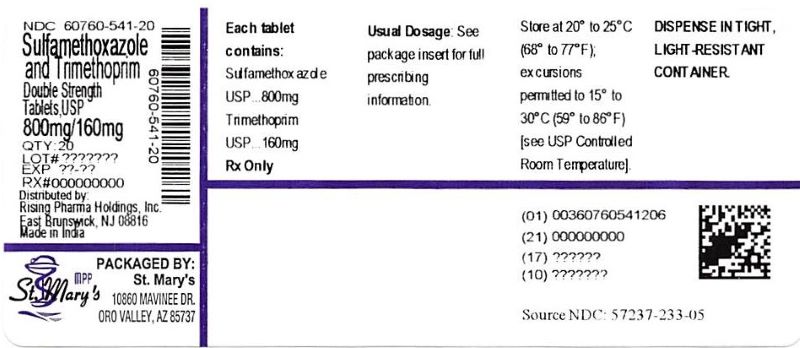
(trimethoprim · DailyMed)
SHALPHATRIM SUSPENSION
SULFAMETHOXAXOLE BP TRIMETHOPRIM BP
What it does
Sulfamethoxazole is an antibiotic used to treat various bacterial infections.
Commonly used for: bacterial infections, urinary tract infections (UTIs), pneumonia, ear infections
Read more in plain English ↓Plain-language summary for general understanding - not medical advice. Always follow your pharmacist/doctor.
Ask about this medicine
Answers come only from this medicine's registration record, BNF monograph and interaction data - not medical advice.
Hard to find? We help patients in Kenya source rare medicines. We don't sell or dispense medicines - licensed pharmacies do.
Source this medicineRegistration & product details
Source: Pharmacy and Poisons Board · fetched 2026-01-28 20:55:21 · updated 2026-07-26 11:45:59
Drug Interactions
14Pharmacodynamic Warnings
Trimethoprim appears in TABLE 2: Drugs that cause nephrotoxicity
Trimethoprim appears in TABLE 16: Drugs that increase serum potassium
Trimethoprim appears in TABLE 18: Drugs that cause hyponatraemia
Moderate (3)
Dopamine Receptor Agonists - increases exposure
Trimethoprim is predicted to increase the exposure to dopamine receptor agonists (pramipexole). Adjust dose.
Pramipexole - increases exposure
Trimethoprim is predicted to increase the exposure to pramipexole. Adjust dose.
Treprostinil - increases exposure
Trimethoprim is predicted to increase the exposure to treprostinil. Adjust dose. Theoretical Tretinoin → see retinoids Triamcinolone → see corticosteroids Triamterene → see potassium-sparing diuretics
Unknown (11)
Antiepileptics - increases concentration
Trimethoprim increases the concentration of antiepileptics (fosphenytoin, phenytoin).
Azathioprine In Renal Transplant Patients - increases risk of haematological toxicity
Trimethoprim might increase the risk of haematological toxicity when given with azathioprine in renal transplant patients. r Anecdotal Azelastine → see antihistamines, non-sedating Azilsartan → see an
Digoxin - increases concentration
Trimethoprim increases the concentration of digoxin.
Fosphenytoin - increases concentration
Trimethoprim increases the concentration of antiepileptics (fosphenytoin, phenytoin).
Lamivudine - increases exposure
Trimethoprim slightly increases the exposure to lamivudine. NSAIDs → see TABLE 18 p. 1521 (hyponatraemia), TABLE 2 p. 1517 (nephrotoxicity), TABLE 16 p. 1521 (increased serum potassium), TABLE 4 p. 15
Data from BNF 85 (British National Formulary). This is not a substitute for professional medical advice. Matched via: exact
About sulfamethoxaxole
Sulfamethoxazole is an antibiotic used to treat various bacterial infections.
What it treats
- bacterial infections
- urinary tract infections (UTIs)
- pneumonia
- ear infections
How it works
It works by stopping the growth of bacteria in the body.
Who it's for
It is for adults and children who have infections caused by bacteria.
AI-assisted summary grounded in BNF data - general information only, not medical advice. Always confirm with your pharmacist or doctor.
About trimethoprim
Trimethoprim is an antibiotic used to treat infections, primarily those of the urinary tract.
What it treats
- urinary tract infections
- bladder infections
- kidney infections
How it works
It works by stopping the growth of bacteria that cause infections.
Who it's for
It is for people suffering from bacterial infections, especially in the urinary system.
Cautions
- • Be cautious if you are taking medications that can harm the kidneys.
- • Avoid if you are on drugs that raise potassium levels in the blood.
- • Use with care if you are taking medications that can lower sodium levels.
AI-assisted summary grounded in BNF data - general information only, not medical advice. Always confirm with your pharmacist or doctor.
Clinical monograph: sulfamethoxaxole
Sulfamethoxazole is a sulfonamide antibiotic that is often used in combination with trimethoprim to enhance its antibacterial effectiveness. It works by inhibiting bacterial synthesis of folate, which is essential for the production of nucleic acids and ultimately for bacterial growth and reproduction. It is primarily effective against a range of Gram-positive and Gram-negative bacteria, including certain strains of Escherichia coli, Klebsiella pneumoniae, and Staphylococcus aureus.
Indications
- Urinary tract infections
- Respiratory tract infections
- Gastrointestinal infections
- Pneumocystis pneumonia
- Toxoplasmosis
- Certain skin infections
Dosage
Children: Refer to the BNF for Children for specific dosing guidelines appropriate for children.
Adults: Refer to the BNF for specific dosing guidelines based on the infection being treated.
Mechanism of action
Sulfamethoxazole acts as a competitive inhibitor of dihydropteroate synthase, an enzyme involved in the bacterial folate synthesis pathway. By blocking this enzyme, sulfamethoxazole prevents the conversion of para-aminobenzoic acid (PABA) to dihydropteroic acid, thereby inhibiting the production of folate. This ultimately disrupts nucleic acid synthesis and bacterial growth.
Pharmacodynamics
The antibacterial activity of sulfamethoxazole is dose-dependent and is characterized by its ability to inhibit bacterial growth. It is bacteriostatic, meaning it stops bacteria from multiplying but does not kill them outright. The combination with trimethoprim results in a synergistic effect, leading to enhanced efficacy against certain pathogens.
Pharmacokinetics
Sulfamethoxazole is well-absorbed following oral administration, with peak plasma concentrations typically occurring within 2 to 4 hours. It is widely distributed throughout body tissues and fluids, including the central nervous system. The drug is metabolized in the liver and primarily eliminated via the kidneys. Its half-life ranges from 6 to 12 hours. The presence of trimethoprim can alter the pharmacokinetics of sulfamethoxazole, affecting its efficacy and safety profile.
Contra-indications
- Hypersensitivity to sulfamethoxazole, other sulfonamides or any components of the formulation
- Severe renal impairment
- Porphyria
Adverse effects
- Rash
- Nausea
- Vomiting
- Diarrhea
- Hematologic reactions (e.g., agranulocytosis, aplastic anemia)
- Stevens-Johnson syndrome
- Toxic epidermal necrolysis
- Hepatic toxicity
Interactions
- Anticoagulants (may enhance their effects)
- Methotrexate (may increase toxicity)
- Phenytoin (may displace phenytoin from protein binding sites)
- Diuretics (may increase the risk of nephrotoxicity)
Precautions
- Use with caution in patients with renal impairment
- Monitor blood counts in long-term therapy
- Assess for signs of hypersensitivity
- Avoid use in patients with glucose-6-phosphate dehydrogenase deficiency
Pregnancy
Sulfamethoxazole should be avoided in pregnancy, especially during the first trimester, due to potential teratogenic effects.
Breast-feeding
Sulfamethoxazole is excreted in breast milk; therefore, caution should be exercised when administering to nursing mothers.
Storage
Store in a cool, dry place away from light. Keep out of reach of children.
Formulations
- Tablets
- Suspension
- Injection
AI-synthesized from BNF references - general information only, not a substitute for professional medical advice or the current BNF. Verify doses with a pharmacist.
Clinical monograph: Trimethoprim
BNF-referencedTrimethoprim is an antimicrobial agent primarily used in the treatment of bacterial infections. It functions as a bacteriostatic agent by inhibiting the enzyme dihydrofolate reductase, which is crucial for the synthesis of tetrahydrofolic acid, an essential component for bacterial nucleic acid and protein production. It is often prescribed in combination with sulfamethoxazole to enhance its bactericidal effects.
Indications
- Bacterial infections
- Urinary tract infections
- Respiratory tract infections
- Prophylaxis of recurrent urinary tract infections
Dosage
Children: For children aged 6 weeks to 5 months: 4 mg/kg twice daily (max. 200 mg). For children 6 months to 5 years: 4 mg/kg twice daily (max. 200 mg). For children 6–11 years: 4 mg/kg twice daily (max. 200 mg). For children
Adults: 200 mg twice daily.
Mechanism of action
Trimethoprim is a reversible inhibitor of dihydrofolate reductase, an enzyme that catalyzes the formation of tetrahydrofolic acid from dihydrofolic acid. By inhibiting this enzyme, trimethoprim disrupts the biosynthesis of nucleic acids and proteins in bacteria, leading to their growth inhibition. The drug has a significantly higher affinity for bacterial dihydrofolate reductase compared to the mammalian enzyme, ensuring selective antibacterial activity.
Pharmacodynamics
Trimethoprim exerts its antimicrobial effects by disrupting bacterial nucleic acid synthesis. It is effective against various gram-negative bacteria and some coagulase-negative Staphylococcus species. Resistance can develop through mechanisms such as alterations to the bacterial cell wall or overproduction of the target enzyme. Monitoring for potential blood disorders is important during therapy, as rare adverse effects can occur.
Pharmacokinetics
Trimethoprim is well absorbed from the gastrointestinal tract and reaches peak plasma concentrations within 1-4 hours post-administration. It has a volume of distribution that suggests extensive tissue penetration, including into the lungs and kidneys, and is primarily excreted unchanged in the urine. The elimination half-life is approximately 8-10 hours, and dosing adjustments may be necessary in cases of renal impairment.
Contra-indications
- Severe renal impairment
- Known hypersensitivity to trimethoprim or any component of the formulation
Adverse effects
- Diarrhoea
- Nausea
- Headache
- Dizziness
- Fatigue
- Skin reactions
- Vomiting
- Anxiety
- Agranulocytosis
- Eosinophilia
- Photosensitivity reactions
- Thrombocytopenia
- Leukopenia
- Pseudomembranous colitis
Interactions
- Increases exposure to pramipexole
- Increases exposure to treprostinil
- Increases exposure to dopaminergic receptor agonists
- Increases concentration of antiepileptics
- Increases concentration of fosphenytoin
- Increases concentration of phenytoin
- Increases risk of haematological toxicity with azathioprine in renal transplant patients
- Increases concentration of digoxin
- Increases exposure to repaglinide
Precautions
- Caution in patients with renal impairment
- Caution in elderly patients (75 years and over)
- Monitor for signs of blood disorders such as sore throat, fever, and pallor
- Consider local antimicrobial susceptibility patterns before use
Pregnancy
Manufacturer advises avoidance due to potential fetal developmental toxicity observed in animal studies.
Breast-feeding
Manufacturer advises avoidance as trimethoprim is present in milk in animal studies.
Storage
Store in a cool, dry place, away from direct sunlight. Keep out of reach of children.
Formulations
- Tablets
- Oral suspension
- Injection solution
AI-synthesized from BNF references - general information only, not a substitute for professional medical advice or the current BNF. Verify doses with a pharmacist.
Molecular reference: Trimethoprim
PubChem CID 5578Molecular formula: C14H18N4O3
Mechanism of action
Trimethoprim is a reversible inhibitor of dihydrofolate reductase, one of the principal enzymes catalyzing the formation of tetrahydrofolic acid (THF) from dihydrofolic acid (DHF). Tetrahydrofolic acid is necessary for the biosynthesis of bacterial nucleic acids and proteins and ultimately for continued bacterial survival - inhibiting its synthesis, then, results in bactericidal activity. Trimethoprim binds with a much stronger affinity to bacterial dihydrofolate reductase as compared to its mammalian counterpart, allowing trimethoprim to selectively interfere with bacterial biosynthetic processes. Trimethoprim is often given in combination with sulfamethoxazole, which inhibits the preceding step in bacterial protein synthesis - given together, sulfamethoxazole and trimethoprim inhibit two consecutive steps in the biosynthesis of bacterial nucleic acids and proteins. As a monotherapy trimethoprim is considered bacteriostatic, but in combination with sulfamethoxazole is thought to exert bactericidal activity. Trimethoprim is a bacteriostatic lipophilic weak base structurally related to pyrimethamine. It binds to and reversibly inhibits the bacterial enzyme dihydrofolate reductase, selectively blocking conversion of dihydrofolic acid to its functional form, tetrahydrofolic acid. This depletes folate, an essential cofactor in the biosynthesis of nucleic acids, resulting in interference with bacterial nucleic acid and protein production. Bacterial dihydrofolate reductase is approximately 50,000 to 60,000 times more tightly bound by trimethoprim than is the corresponding mammalian enzyme. To determine the incidence & severity of hyperkalemia during trimethoprim therapy, 30 consecutive patients with acquired immunodeficiency syndrome receiving high-dose (20 mg/kg/day) trimethoprim were studied; in addition, the mechanism of trimethoprim-induced hyperkalemia was investigated in rats. Trimethoprim increased serum potassium concn by 0.6 mmol/l despite normal adrenocortical function & glomerular filtration rate. Serum potassium levels >5 mmol/l were observed during trimethoprim treatment in 15 of 30 patients. In rats, iv trimethoprim inhibited renal potassium excretion by 40% & increased sodium excretion by 46%. It was concluded that trimethoprim blocks apical membrane sodium channels in the mammalian distal nephron. As a consequence, the transepithelial voltage is reduced & potassium secretion is inhibited. Decreased renal potassium excretion secondary to these direct effects on kidney tubules leads to hyperkalemia in a substantial number of patients being treated with trimethoprim-containing drugs.
Pharmacodynamics
Trimethoprim exerts its antimicrobial effects by inhibiting an essential step in the synthesis of bacterial nucleic acids and proteins. It has shown activity against several species of gram-negative bacteria, as well as coagulase-negative _Staphylococcus_ species. Resistance to trimethoprim may arise via a variety of mechanisms, including alterations to the bacterial cell wall, overproduction of dihydrofolate reductase, or production of resistant dihydrofolate reductase. Rarely, trimethoprim can precipitate the development of blood disorders (e.g. thrombocytopenia, leukopenia, etc.) which may be preceded by symptoms such as sore throat, fever, pallor, and or purpura - patients should be monitored closely for the development of these symptoms throught the course of therapy. As antimicrobial susceptibility patterns are geographically distinct, local antibiograms should be consulted to ensure adequate coverage of relevant pathogens prior to use.
Biological pathways
Source: PubChem (NCBI) · pathways from PathBank, Reactome, WikiPathways & PharmGKB.
This drug in other countries
The same active ingredient registered across other registries we cover - including different brands.
- ALPRIM 480MG TABLET
- ASTRIM 480MG TABLET
- ASTRIM_960 960MG TABLET
- BETRIM-480 480MG TABLET
- BISEPTON 240MG/5ML ORAL 240MG/5ML ORAL SUSPENSION
- BISEPTON 480MG 480MG TABLET
- AMPROLIUM 20% WSP · Henan Benon Biopharmaceutical
- APSASOL COCCI PLUS POWDER (Each kg contains Sulfamethazine 200g/ Sulfaquinoxaline sodium 25g/ Trimethoprim 45g/ Oxytetracycline hydrochloride 200g/ Vitamin A 5,000,000iu/ Vitamin K3 5g) · Multivet
- CO-TRIMOXAZOLE TABLETS (Each tablet contains Sulphamethoxazole B.P/Trimethoprim 400mg/80mg) · Entrance Pharmaceuticals
- CO-TRIMOXAZOLE TABLETS · M&g Pharmaceuticals
- CO-TRIMOXAZOLE TABLETS · Letap Pharmaceuticals
- CO-TRIMOXAZOLE TABLETS · Phyto-riker Pharmaceuticals