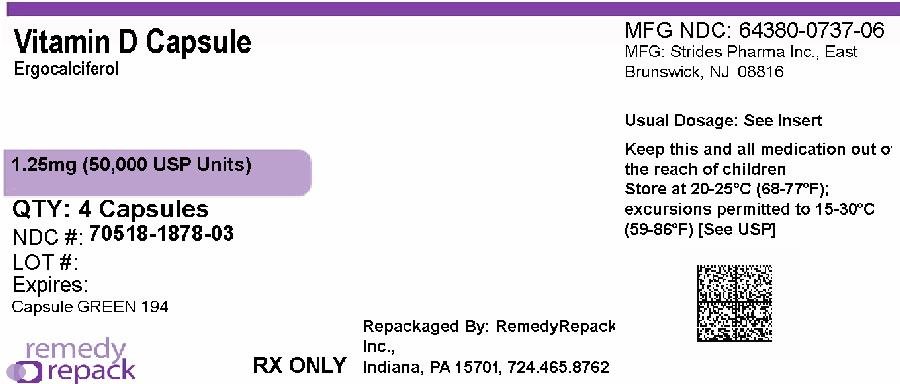
(vitamin · DailyMed)
Softdrops
Borax 0.800 mg/5.26ml,Boric Acid 8.000 mg/5.26ml,Calcium Chloride Dihydrate 0.120 mg/5.26ml,Glycerol 5.000 mg/5.26ml,Hydrochloric acid q.s mg/5.26ml,Magnesium Chloride Hexahydrate 0.125 mg/5.26ml,N-Acetyl Carnosine 1.000 mg/5.26ml,Oxychloro Complex (Stabilized) 0.100 mg/5.26ml,Perborate Sodium 0.040 mg/5.26ml,Polyoxyl 35 Castor Oil 5.000 mg/5.26ml,Potassium Chloride 1.800 mg/5.26ml,Sodium Carboxymethylcellulose 0.5 %w/v,Sodium Chloride 0.500 mg/5.26ml,Sodium Citrate 2.500 mg/5.26ml,Sodium Hydroxide (Pellets) q.s mg/5.26ml,Vitamin A Oil Concentrate 0.030 mg/5.26ml,Vitamin E Acetate BP (All-rac-alfa Tocopheryl Acetate) 0.030 mg/5.26ml,Water for injections q.s to 1 mL mg/5.26ml
What it does
Borax is a compound often used in cleaning products and as a natural remedy for various conditions.
Commonly used for: skin irritations, fungal infections, cleaning agent
Read more in plain English ↓Plain-language summary for general understanding - not medical advice. Always follow your pharmacist/doctor.
Ask about this medicine
Answers come only from this medicine's registration record, BNF monograph and interaction data - not medical advice.
Medicine sourcing is available in Kenya only. We don't sell or dispense medicines - licensed pharmacies do.
Sourcing - Kenya onlyRegistration & product details
Source: Tanzania Medicines and Medical Devices Authority · fetched 2026-03-11 23:38:18 · updated 2026-09-28 03:00:45
Drug Interactions
7Severe (2)
Vitamin - increases risk of vitamin a toxicity
TretinoinispredictedtoincreasetheriskofvitaminAtoxicity whengivenwithvitaminA.Avoid.rStudy Ribavirin e
Vitamin - increases risk of vitamin a toxicity
Retinoids(tretinoin)arepredictedtoincreasetheriskof vitaminAtoxicitywhengivenwithvitaminA.Avoid.r Study VitaminDsubstances . . . . . alfacalcidol.calcipotri..ol calcitriol colecalciferol ergocalcifero
Moderate (1)
Vitamin - increases risk of toxicity
Retinoids (bexarotene) are predicted to increase the risk of toxicity when given with vitamin A. Adjust dose.
Unknown (4)
Vitamin - decreases effects
Carbamazepine is predicted to decrease the effects of vitamin D substances.
Vitamin - increases exposure
Cobicistat is predicted to increase the exposure to vitamin D substances (paricalcitol).
Vitamin - increases exposure
Idelalisib is predicted to increase the exposure to vitamin D substances (paricalcitol).
Vitamin - increases exposure
Clarithromycin is predicted to increase the exposure to vitamin D substances (paricalcitol).
Data from BNF 85 (British National Formulary). This is not a substitute for professional medical advice. Matched via: exact
About borax
Borax is a compound often used in cleaning products and as a natural remedy for various conditions.
What it treats
- skin irritations
- fungal infections
- cleaning agent
How it works
Borax works by creating an environment that is hostile to certain fungi and bacteria, helping to reduce infections.
Who it's for
Borax may be used by adults seeking natural options for treating minor skin issues or for cleaning purposes.
Cautions
- • Avoid using on broken skin.
- • Keep away from children.
- • Use with caution if you have sensitive skin.
AI-assisted summary grounded in BNF data - general information only, not medical advice. Always confirm with your pharmacist or doctor.
About boric
Boric acid is a compound that can be used for various purposes, including treating certain infections and conditions.
What it treats
- vaginal infections (such as yeast infections)
- eye infections
- skin irritation
How it works
Boric acid has antifungal and antibacterial properties, helping to kill harmful organisms and promote healing.
Who it's for
It is suitable for adults and may be used in specific cases as directed by a healthcare professional.
AI-assisted summary grounded in BNF data - general information only, not medical advice. Always confirm with your pharmacist or doctor.
About carboxymethylcellulose
Carboxymethylcellulose is a substance used to relieve dryness in the eyes and mouth.
What it treats
- dry eyes (keratoconjunctivitis sicca)
- dry mouth (xerostomia)
How it works
It works by forming a protective layer on the surface of the eyes or mouth, helping to retain moisture.
Who it's for
It is suitable for people experiencing dryness in their eyes or mouth due to various reasons, including certain medical conditions, medications, or environmental factors.
AI-assisted summary grounded in BNF data - general information only, not medical advice. Always confirm with your pharmacist or doctor.
About carnosine
Carnosine is a substance that may help support overall health and well-being.
What it treats
- supporting muscle function
- promoting skin health
- reducing signs of aging
How it works
Carnosine works by acting as an antioxidant, helping to protect cells from damage and supporting various body functions.
Who it's for
Carnosine may be suitable for adults looking to improve their physical health and skin appearance.
AI-assisted summary grounded in BNF data - general information only, not medical advice. Always confirm with your pharmacist or doctor.
About castor
Castor is a natural substance derived from the seeds of the castor bean plant, often used for its health benefits.
What it treats
- constipation
- skin conditions
- inducing labor (in pregnant women)
How it works
Castor works by stimulating the intestines to promote bowel movements and has moisturizing properties for the skin.
Who it's for
Castor is suitable for adults and may be used in specific situations by pregnant women under medical supervision.
Cautions
- • Do not use if allergic to castor or its components.
- • Should be used carefully in pregnant women and only under medical guidance.
AI-assisted summary grounded in BNF data - general information only, not medical advice. Always confirm with your pharmacist or doctor.
About complex
Complex is a medication used to treat various health conditions. It works in the body to help improve symptoms.
How it works
Complex helps the body by influencing certain processes to improve health.
Who it's for
This medication is for individuals with specific health conditions as determined by a healthcare provider.
AI-assisted summary grounded in BNF data - general information only, not medical advice. Always confirm with your pharmacist or doctor.
About glycerol
Glycerol is a natural compound often used to relieve constipation by drawing water into the intestines.
What it treats
- constipation
- bowel movement difficulties
How it works
Glycerol helps soften stool and makes it easier to pass by increasing moisture in the intestines.
Who it's for
It is suitable for adults and children who need help with constipation.
AI-assisted summary grounded in BNF data - general information only, not medical advice. Always confirm with your pharmacist or doctor.
About hexahydrate
Hexahydrate is a medication used to help with various conditions. It is important to follow guidance from a healthcare professional when using this medication.
How it works
The exact way hexahydrate works in the body is not specified, but it is used in different treatments.
Who it's for
This medication may be prescribed for certain health conditions based on a doctor's evaluation.
AI-assisted summary grounded in BNF data - general information only, not medical advice. Always confirm with your pharmacist or doctor.
About hydrochloric
Hydrochloric acid is a substance that helps with digestion in the stomach.
What it treats
- stomach acidity issues
- digestive problems
How it works
It aids in breaking down food and absorbing nutrients in the stomach.
Who it's for
It is used for people who have low stomach acid or certain digestive disorders.
AI-assisted summary grounded in BNF data - general information only, not medical advice. Always confirm with your pharmacist or doctor.
About hydroxide
Hydroxide is a compound used to help neutralize stomach acid and relieve indigestion or heartburn.
What it treats
- indigestion
- heartburn
How it works
Hydroxide works by neutralizing the excess acid in the stomach, which helps to reduce discomfort.
Who it's for
Hydroxide is suitable for adults and children experiencing symptoms of excess stomach acid.
AI-assisted summary grounded in BNF data - general information only, not medical advice. Always confirm with your pharmacist or doctor.
About injections
Injections are a method of delivering medication directly into the body using a syringe and needle.
What it treats
- administering vaccines
- treating infections
- managing pain
- delivering hormones
- providing nutrients
How it works
Injections allow medicines to enter the bloodstream quickly, helping them work faster than oral medications.
Who it's for
Injections may be used for anyone who needs medication that cannot be taken by mouth or needs rapid effect.
Cautions
- • May cause discomfort or pain at the injection site.
- • Risk of infection if not administered properly.
- • Some people may have allergic reactions to injected medications.
AI-assisted summary grounded in BNF data - general information only, not medical advice. Always confirm with your pharmacist or doctor.
About oxychloro
Oxychloro is a medication used to treat various conditions, primarily related to inflammation and infection.
What it treats
- infections
- inflammatory conditions
How it works
Oxychloro works by reducing inflammation and fighting off infections in the body.
Who it's for
This medication is suitable for adults and children with certain infections or inflammatory issues.
AI-assisted summary grounded in BNF data - general information only, not medical advice. Always confirm with your pharmacist or doctor.
About perborate
Perborate is a chemical compound often used in cleaning and whitening products, particularly for teeth.
What it treats
- tooth whitening
- cleaning agents
How it works
Perborate releases oxygen when it comes into contact with water, which helps to remove stains and whiten surfaces.
Who it's for
Adults and children who need teeth whitening or cleaning products.
AI-assisted summary grounded in BNF data - general information only, not medical advice. Always confirm with your pharmacist or doctor.
About polyoxyl
Polyoxyl is a substance used in various medical applications, often as a surfactant or emulsifier.
What it treats
- skin conditions
- wound care
- certain formulations in medicine
How it works
Polyoxyl helps to stabilize mixtures and improve the delivery of other ingredients in treatments.
Who it's for
Adults and children, depending on the specific formulation and application.
AI-assisted summary grounded in BNF data - general information only, not medical advice. Always confirm with your pharmacist or doctor.
About tocopherol
Tocopherol is a form of vitamin E, an antioxidant that helps protect cells from damage.
What it treats
- skin health
- antioxidant support
- nutritional supplement
How it works
It helps protect your body from harmful substances by neutralizing free radicals.
Who it's for
It is suitable for people looking to support their overall health and skin condition.
AI-assisted summary grounded in BNF data - general information only, not medical advice. Always confirm with your pharmacist or doctor.
About vitamin
Vitamins are essential nutrients that support various bodily functions and overall health.
What it treats
- nutritional deficiency
- general health maintenance
How it works
Vitamins support normal bodily functions, including metabolism, immune function, and cell repair.
Who it's for
Anyone needing to improve their nutrient intake or maintain good health.
AI-assisted summary grounded in BNF data - general information only, not medical advice. Always confirm with your pharmacist or doctor.
Clinical monograph: Glycerol
BNF-referencedGlycerol, also known as glycerin, is a colorless, odorless, viscous liquid that is hygroscopic and sweet-tasting. It is primarily used as an osmotic laxative for the relief of constipation, especially in cases where other treatments may not be effective. Glycerol works by drawing water into the intestines and stimulating evacuation. It is also used in various pharmaceutical formulations and has applications in skin care due to its moisturizing properties.
Indications
- Constipation
- Bowel cleansing
Dosage
Children: Child 1–11 months: 1 g as required, Child 1–11 years: 2 g as required, Child 12–17 years: 4 g as required.
Adults: 4 g as required, usually administered rectally.
Mechanism of action
When administered rectally, glycerol exerts a hygroscopic and/or local irritant action, drawing water from the tissues into the feces and reflexively stimulating evacuation. It decreases intraocular pressure by creating an osmotic gradient between the blood and intraocular fluid, causing fluid to move from the aqueous and vitreous humors into the bloodstream. Glycerol is classified as a hyperosmotic laxative and may also have lubricating and fecal softening effects.
Pharmacodynamics
Glycerol is commonly classified as an osmotic laxative, acting through its local irritant effects and possibly having lubricating and fecal softening actions. Glycerol suppositories usually produce effects within 15 to 30 minutes, providing quick relief from constipation.
Pharmacokinetics
Glycerol is rapidly absorbed through the gastrointestinal tract. It is metabolized in the liver and other tissues, with a half-life that varies depending on the route of administration. Following rectal administration, glycerol is primarily excreted in urine. The pharmacokinetics may vary based on dosage forms and individual patient factors.
Contra-indications
- Acute abdominal conditions
- Acute inflammatory bowel disease
- Intestinal obstruction
- Severe dehydration
Adverse effects
- Abdominal cramps
- Asthenia
- Gastrointestinal disorders
- Hypermagnesaemia
- Skin reactions
- Urine discolouration
Precautions
- Avoid prolonged contact with skin, especially in incontinent patients or infants wearing nappies due to the risk of irritation and excoriation.
- Excessive use may cause diarrhea and related effects such as hypokalaemia.
Pregnancy
Manufacturers advise avoidance due to limited information available.
Breast-feeding
Manufacturers advise avoidance as there is no information available.
Storage
Store at room temperature, away from direct sunlight.
Formulations
- Glycerol 1g suppositories
- Glycerol 2g suppositories
- Glycerol 4g suppositories
- Glycerol oral suspension
AI-synthesized from BNF references - general information only, not a substitute for professional medical advice or the current BNF. Verify doses with a pharmacist.
Clinical monograph: borax
BNF-referencedBorax, also known as sodium tetraborate, is a naturally occurring mineral and a compound of boron. It is primarily used in various industrial applications, household cleaning products, and as a fungicide. Its use in medicine is limited, but it has been noted for its antifungal and antibacterial properties, particularly in the treatment of certain infections. Borax is often utilized in a diluted form for topical applications.
Indications
- Topical antifungal treatment
- Treatment of yeast infections
- Disinfectant for minor cuts and abrasions
Dosage
Children: Refer to specific product guidelines or medical literature as dosages can vary based on formulation and indication.
Adults: Refer to specific product guidelines or medical literature as dosages can vary based on formulation and indication.
Mechanism of action
Information regarding the mechanism of action of boric acid in mediating its antibacterial or antifungal actions is limited. Boric acid inhibits biofilm formation and hyphal transformation of Candida albicans, which are critical virulence factors. In addition, arrest of fungal growth was observed with the treatment of boric acid.
Pharmacodynamics
Boric acid exhibits minimal bacteriostatic and antifungal activities. It is likely to mediate antifungal actions at high concentrations over prolonged exposures. The effectiveness of boric acid as a topical agent depends on the concentration and duration of exposure to the target organism.
Pharmacokinetics
The pharmacokinetics of borax are not extensively documented. However, it is known that borax is poorly absorbed when ingested orally, and its effects are primarily local when applied topically. Systemic absorption can occur, but this is generally minimal. Boron, the active component in borax, may accumulate in body tissues with prolonged exposure, although specific details regarding the distribution, metabolism, and excretion of borax remain limited.
Pregnancy
Boric acid should be used with caution during pregnancy. Consult a healthcare professional before use.
Breast-feeding
Use of boric acid while breastfeeding is not well established. Consult a healthcare professional.
Storage
Store in a cool, dry place, protected from light. Keep out of reach of children.
AI-synthesized from BNF references - general information only, not a substitute for professional medical advice or the current BNF. Verify doses with a pharmacist.
Clinical monograph: boric
Boric acid, also known as hydrogen borate, is a weak acid that is often used as an antiseptic, insecticide, and antifungal agent. It has a long history of use in various medical and non-medical applications. In clinical settings, boric acid is primarily employed for the treatment of vaginal infections and as a disinfectant. Its antifungal properties make it effective against certain fungal infections, particularly those caused by Candida species. Boric acid is typically formulated as a powder or solution for topical or intravaginal use.
Indications
- Vulvovaginal candidiasis
- Fungal infections
- Antiseptic for minor cuts and abrasions
- Ocular antiseptic
- Insecticide in pest control
Dosage
Adults: Refer to specific guidelines for formulations. Commonly used as a 2-3% solution
Mechanism of action
Boric acid exerts its antifungal effects by disrupting the cell membrane integrity of fungi. It interferes with the synthesis of essential cellular components, leading to cell lysis and death. The acid also has mild antibacterial properties, which can help in reducing bacterial load in infected areas. The exact molecular pathways involved in these actions are not fully elucidated, but it is known to alter the pH of the environment, making it less conducive for fungal growth.
Pharmacodynamics
Boric acid demonstrates a low toxicity profile in humans when used appropriately. Its antifungal activity is primarily effective against Candida species, and it can be used as a second-line treatment for vulvovaginal candidiasis, particularly in cases of recurrent infections. The effectiveness of boric acid is also attributed to its ability to maintain an acidic environment, which is unfavorable for the growth of many pathogens. Its antiseptic properties help in reducing inflammation and promoting healing in infected tissues.
Pharmacokinetics
Boric acid is poorly absorbed through the gastrointestinal tract but can be absorbed through the skin and mucous membranes. Once absorbed, it is distributed throughout the body, with a tendency to accumulate in various tissues, including the liver and kidneys. The elimination half-life of boric acid is variable, depending on dosage and route of administration. It is primarily excreted unchanged in the urine. Due to its potential for toxicity with high systemic exposure, it is important to adhere to recommended dosages.
Contra-indications
- Hypersensitivity to boron or any component of the formulation
- Severe renal impairment
Adverse effects
- Skin irritation or rash
- Nausea
- Vomiting
- Diarrhea
- Headache
- Fatigue
- Tremors
- Confusion
Interactions
- May interact with other topical medications
- Caution with nephrotoxic agents
Precautions
- Use with caution in patients with renal insufficiency
- Careful monitoring is advised in long-term use
- Not recommended for use in large areas of broken skin
Pregnancy
Boric acid is classified as category C. Use during pregnancy only if the potential benefit justifies the potential risk to the fetus.
Breast-feeding
Limited data available. It is advisable to avoid use while breastfeeding.
Storage
Store in a cool, dry place away from light. Keep out of reach of children.
Formulations
- Topical ointment
- Powder
- Solution
AI-synthesized from BNF references - general information only, not a substitute for professional medical advice or the current BNF. Verify doses with a pharmacist.
Clinical monograph: carboxymethylcellulose
Carboxymethylcellulose (CMC) is a cellulose derivative used primarily as a thickening agent, stabilizer, and emulsifier in various pharmaceutical and food formulations. It is an anionic, water-soluble polymer that enhances the viscosity of solutions and suspensions. CMC is also utilized as a lubricant in dry eye treatments and has applications in the formulation of tablets and other dosage forms.
Indications
- Dry eye syndrome
- Ocular lubrication
- Thickening agent in pharmaceutical formulations
- Food industry as a stabilizer and emulsifier
Dosage
Children: For paediatric use, refer to specific product guidelines and consult a healthcare professional for appropriate advice.
Adults: For dry eye treatment, apply as needed, typically 1 drop in each affected eye. Refer to specific product guidelines for exact formulation and frequency.
Mechanism of action
Carboxymethylcellulose works by forming a gel-like structure when it interacts with water, which helps retain moisture and provide lubrication. In ophthalmic applications, it acts as a protective agent for the ocular surface, reducing friction and providing comfort to patients with dry eye conditions.
Pharmacodynamics
The pharmacodynamic properties of carboxymethylcellulose are primarily related to its ability to increase viscosity and improve the stability of formulations. It does not undergo significant systemic absorption and exerts its effects locally, particularly in the gastrointestinal tract and on the ocular surface as a lubricant.
Pharmacokinetics
Carboxymethylcellulose is not absorbed significantly through the gastrointestinal tract when ingested, and its systemic bioavailability is negligible. When used in ophthalmic formulations, it acts locally on the eye without significant systemic effects. The elimination pathway is primarily through natural degradation and excretion of unabsorbed material.
Adverse effects
- Allergic reactions
- Skin irritation
- Gastrointestinal discomfort
Precautions
- Use with caution in patients with known hypersensitivity to cellulose derivatives
- Monitor for allergic reactions
Pregnancy
Carboxymethylcellulose is generally considered safe during pregnancy as it is not absorbed systemically.
Breast-feeding
Carboxymethylcellulose is considered safe during breastfeeding as it is not absorbed systemically.
Storage
Store in a cool, dry place away from direct sunlight.
Formulations
- Eye drops
- Oral suspensions
- Topical gels
AI-synthesized from BNF references - general information only, not a substitute for professional medical advice or the current BNF. Verify doses with a pharmacist.
Clinical monograph: carnosine
BNF-referencedCarnosine is a dipeptide composed of beta-alanine and histidine. It is found in high concentrations in skeletal muscle, brain tissue, and the heart. Carnosine plays a role in various physiological processes, including acting as a buffer to maintain pH levels in muscles during intense exercise, protecting cells from oxidative stress, and having potential neuroprotective effects. Carnosine is also being studied for its possible anti-aging properties and its role in enhancing athletic performance.
Indications
- Supplementation for athletic performance enhancement
- Potential neuroprotective agent
- Support in conditions related to oxidative stress
- Investigational use in aging-related conditions
Dosage
Children: Refer to the BNF for Children for specific dosing recommendations, as pediatric dosing must be determined based on age, weight, and clinical condition.
Adults: Refer to specific guidelines or consult a healthcare professional for dosing regimens, as dosages may vary based on the intended use and individual patient factors.
Mechanism of action
Carnosine acts as a buffer in muscle cells, helping to regulate pH by neutralizing lactic acid produced during intense exercise. It also exhibits antioxidant properties, scavenging reactive oxygen species and reducing oxidative damage to cells. Furthermore, carnosine has been shown to modulate the activity of various enzymes and signaling pathways, including those involved in cellular energy metabolism and neuroprotection.
Pharmacodynamics
Carnosine influences several physiological functions, primarily through its buffering capacity and antioxidant activity. It helps to maintain acid-base balance in muscles, can improve muscle performance by delaying fatigue, and may protect against oxidative damage, which is relevant in aging and neurodegenerative diseases. By modulating calcium homeostasis, carnosine may also play a role in muscle contraction and relaxation.
Pharmacokinetics
Carnosine is rapidly absorbed after oral administration, with a bioavailability that may be affected by its peptide structure. It is distributed widely in tissues, particularly in muscles and the brain. Carnosine is metabolized to its constituent amino acids, beta-alanine and histidine, and excreted primarily through the kidneys. The half-life of carnosine in the body is relatively short, necessitating frequent dosing for sustained effects.
Pregnancy
Carnosine should be used during pregnancy only if clearly needed. There is limited information on its safety.
Breast-feeding
Carnosine is excreted in human milk, and caution should be exercised when administering to breastfeeding women.
Storage
Store at room temperature, away from moisture and direct light. Keep out of reach of children.
Formulations
- Carnosine powder
- Carnosine capsules
- Carnosine injectable solution
AI-synthesized from BNF references - general information only, not a substitute for professional medical advice or the current BNF. Verify doses with a pharmacist.
Clinical monograph: castor
Castor is derived from the seeds of the Ricinus communis plant, commonly known as castor bean. It is primarily known for its oil, which has been used for centuries for its laxative properties and as a lubricant. The oil contains ricinoleic acid, which is responsible for its therapeutic effects. Castor oil is often employed in various formulations to treat constipation, induce labor, and as a topical agent for skin conditions.
Indications
- Constipation
- Labor induction
- Topical treatment for skin conditions
Dosage
Children: Refer to the BNF for Children for appropriate pediatric dosing guidelines, as no specific doses are provided.
Adults: Refer to specific guidelines for adult dosing based on the formulation used and the condition being treated, as no standardized dose is provided.
Mechanism of action
Ricinoleic acid, the main active component of castor oil, acts as a stimulant laxative. It works by increasing the peristaltic movement of the intestines, which aids in the evacuation of stool. Additionally, it may inhibit the absorption of water in the intestines, resulting in softer stools. The oil is also believed to have anti-inflammatory properties, which can be beneficial in treating certain skin conditions.
Pharmacodynamics
The pharmacodynamic properties of castor oil include its ability to stimulate intestinal motility and increase the secretion of intestinal fluids. This leads to a faster transit time for stool through the bowel. In topical applications, castor oil exhibits emollient and moisturizing effects, promoting healing and soothing irritated skin. Its anti-inflammatory effects may also contribute to the reduction of swelling and pain in inflamed tissues.
Pharmacokinetics
Castor oil is absorbed in the gastrointestinal tract, where it is metabolized to ricinoleic acid. The onset of action for its laxative effect typically occurs within 2 to 6 hours after oral administration. The duration of action varies, but effects usually last for several hours. When applied topically, castor oil penetrates the skin and may provide localized effects without significant systemic absorption.
Adverse effects
- Abdominal cramps
- Diarrhea
- Nausea
- Vomiting
- Dehydration
Precautions
- Use with caution in patients with gastrointestinal disorders
- Not recommended for prolonged use
- Monitor for signs of dehydration
Pregnancy
Castor oil is generally not recommended during pregnancy due to potential uterine contractions and risk of premature labor.
Breast-feeding
Castor oil should be used with caution during breastfeeding as it may cause gastrointestinal discomfort in nursing infants.
Storage
Store in a cool, dry place, away from direct sunlight.
Formulations
- Liquid
- Capsules
AI-synthesized from BNF references - general information only, not a substitute for professional medical advice or the current BNF. Verify doses with a pharmacist.
Clinical monograph: complex
Complex refers to a category of pharmacological agents that interact with various biological systems to produce therapeutic effects. These compounds often consist of multiple components, which may enhance efficacy or reduce side effects. Their exact classification and specific therapeutic uses depend on the individual agent.
Dosage
Children: Refer to specific drug guidelines or BNF for Children for accurate dosing information.
Adults: Refer to specific drug guidelines or BNF for accurate dosing information.
Mechanism of action
The mechanism of action of complex drugs can vary widely depending on their composition. Generally, these agents may act by modulating receptor activity, inhibiting enzyme pathways, or altering cellular signaling pathways. For instance, they may function as agonists or antagonists at specific receptors, influencing physiological responses such as neurotransmission or inflammation.
Pharmacodynamics
The pharmacodynamics of complex drugs involves understanding how they affect the body over time, including their potency, efficacy, and duration of action. These drugs may exhibit dose-dependent effects, where higher doses lead to increased therapeutic actions or side effects. Additionally, the interactions between the components of a complex formulation can result in synergistic or antagonistic effects, impacting the overall therapeutic outcome.
Pharmacokinetics
Pharmacokinetics of complex drugs encompasses the absorption, distribution, metabolism, and excretion (ADME) of the drug components. Absorption can be influenced by the formulation, while distribution may vary based on the lipophilicity and protein binding of each component. Metabolism often occurs in the liver, with various enzymes involved, and excretion typically takes place via renal or biliary pathways. The half-life of complex drugs can vary significantly based on their individual components.
Pregnancy
Consult healthcare provider. Risk-benefit assessment is essential before use.
Breast-feeding
Consult healthcare provider. Monitor for potential effects on the infant.
Storage
Store in a cool, dry place away from direct sunlight. Keep out of reach of children.
AI-synthesized from BNF references - general information only, not a substitute for professional medical advice or the current BNF. Verify doses with a pharmacist.
Clinical monograph: hexa
BNF-referencedHexa, also known as hexanoic acid or caproic acid, is a medium-chain fatty acid with the molecular formula C6H10O7. It is utilized in various clinical settings, primarily for its metabolic and energy-providing properties. It plays a role in fatty acid metabolism and has applications in dietary management and nutrition.
Indications
- Dietary supplementation
- Metabolic disorders
- Energy provision in specific clinical settings
Dosage
Children: Refer to the BNF for Children for specific dosing instructions.
Adults: Refer to the BNF for specific dosing instructions.
Mechanism of action
Hexa functions primarily as a source of energy through beta-oxidation, where it is broken down into acetyl-CoA units that enter the citric acid cycle. This process ultimately leads to the production of ATP, which is essential for cellular energy.
Pharmacodynamics
Hexa contributes to the regulation of metabolic pathways involving fatty acids. It influences energy homeostasis and can impact lipid profiles in the body. The presence of medium-chain fatty acids like hexa can promote ketogenesis, especially in carbohydrate-restricted diets, providing an alternative energy source.
Pharmacokinetics
Hexa is absorbed through the gastrointestinal tract and is rapidly metabolized in the liver. It has a relatively short half-life, and its metabolites are efficiently utilized or excreted by the body. The pharmacokinetic profile may be affected by dietary factors and individual metabolic rates.
Pregnancy
Hexa should only be used in pregnancy if the benefits outweigh the risks. Consult with a healthcare professional.
Breast-feeding
It is unknown if hexa is excreted in human milk. Caution is advised when administering to nursing mothers.
Storage
Store in a cool, dry place, away from direct sunlight. Keep out of reach of children.
AI-synthesized from BNF references - general information only, not a substitute for professional medical advice or the current BNF. Verify doses with a pharmacist.
Clinical monograph: hexahydrate
BNF-referencedHexahydrate is a chemical compound characterized by its molecular formula H12N3O15Tb. It typically refers to a hydrated form of a compound. The specific properties, clinical applications, and pharmacological effects can vary based on the particular substance it is associated with. In medicinal contexts, hexahydrates often serve as hydrates of various pharmaceutical agents, which can influence their solubility, stability, and bioavailability.
AI-synthesized from BNF references - general information only, not a substitute for professional medical advice or the current BNF. Verify doses with a pharmacist.
Clinical monograph: hydrochloric
Hydrochloric acid, commonly known as stomach acid, is a clear, colorless solution that is produced in the stomach. It plays a critical role in digestion by creating an acidic environment that aids in the breakdown of food and activates digestive enzymes. In a pharmaceutical context, hydrochloric acid is used in various formulations to adjust pH levels, facilitate drug absorption, and as a component in sterile preparations.
Indications
- Adjustment of pH in pharmaceutical formulations
- Facilitation of drug absorption
- Used in sterile preparations
Dosage
Children: Refer to specific product guidelines for dosing information, as hydrochloric acid is typically used in a controlled setting based on formulation requirements.
Adults: Refer to specific product guidelines for dosing information, as hydrochloric acid is typically used in a controlled setting based on formulation requirements.
Mechanism of action
Hydrochloric acid dissociates in aqueous solution to release hydrogen ions (H+), leading to a decrease in pH. This acidic environment promotes the activation of pepsinogen to pepsin, an enzyme essential for protein digestion. Additionally, the acidity aids in the absorption of certain minerals and drugs that require an acidic environment for optimal bioavailability.
Pharmacodynamics
The primary pharmacodynamic action of hydrochloric acid is the maintenance of gastric acidity, which is essential for normal digestive processes. The acidic environment helps in denaturing proteins, activating digestive enzymes, and providing a barrier against pathogenic microorganisms. Its effects can influence the absorption and efficacy of various medications, particularly those that are pH-dependent.
Pharmacokinetics
Hydrochloric acid does not undergo significant systemic absorption when used in its normal contexts, as it acts locally within the gastrointestinal tract. The amount of hydrochloric acid produced by the stomach varies with food intake and physiological needs. It is secreted by parietal cells in the gastric mucosa, and its secretion is regulated by neural, hormonal, and local factors. The half-life of hydrochloric acid is not applicable as it is continuously produced and neutralized within the gastrointestinal tract.
Contra-indications
- Hypersensitivity to hydrochloric acid or any of its components
- Severe renal impairment
- Active gastrointestinal bleeding
Adverse effects
- Abdominal pain
- Diarrhea
- Nausea
- Vomiting
- Esophageal irritation
- Gastric mucosal irritation
- Electrolyte imbalances
Interactions
- May interact with alkaline substances, potentially neutralizing hydrochloric acid
- Caution with antacids as they may affect the efficacy of hydrochloric acid
Precautions
- Use with caution in patients with a history of gastritis or gastric ulcers
- Monitor electrolytes in prolonged use
- Use cautiously in patients with respiratory conditions due to potential aspiration risks
Pregnancy
Hydrochloric acid is classified as a category C drug. Use during pregnancy only if clearly needed and the potential benefits justify the risks to the fetus.
Breast-feeding
There is limited data on the excretion of hydrochloric acid in human milk. Use with caution during breastfeeding.
Storage
Store in a cool, dry place away from direct sunlight and heat. Ensure the container is tightly closed.
Formulations
- Oral solutions
- Injectable forms
- Tablets
AI-synthesized from BNF references - general information only, not a substitute for professional medical advice or the current BNF. Verify doses with a pharmacist.
Clinical monograph: hydroxide
BNF-referencedHydroxide, represented by the molecular formula HO-, is an anion commonly found in various chemical and biological systems. It plays a crucial role in acid-base chemistry and is a fundamental component in many biochemical pathways. Hydroxide ions are involved in maintaining pH balance in biological systems and participate in various metabolic processes.
Dosage
Children: Refer to specific guidelines for pediatric dosing; consult the BNF for Children for accurate dosage information.
Adults: Refer to specific guidelines for use; dosage may vary based on the context of use.
Mechanism of action
Hydroxide ions act primarily as bases, neutralizing acids to form water and salts. They participate in various biochemical pathways, including selenium metabolism and the degradation of reactive oxygen species. Hydroxide can influence enzyme activity and stability by altering the pH of the environment, thereby affecting metabolic reactions.
Pharmacodynamics
Hydroxide ions can impact biological processes by changing the local pH, which influences enzyme activity, ion transport, and the solubility of other compounds. Their ability to neutralize acids can help regulate physiological pH, contributing to homeostasis in living organisms.
Pharmacokinetics
As an inorganic ion, hydroxide does not undergo traditional pharmacokinetic processes like absorption, distribution, metabolism, or excretion. Instead, it is rapidly equilibrated in biological fluids and participates in acid-base reactions, having immediate effects on the local environment.
Pregnancy
There is limited information regarding the use of hydroxide during pregnancy. Consult a healthcare professional for advice.
Breast-feeding
Limited data is available on the excretion of hydroxide in breast milk. Consult a healthcare professional before use.
Storage
Store in a cool, dry place away from direct sunlight. Keep out of reach of children.
AI-synthesized from BNF references - general information only, not a substitute for professional medical advice or the current BNF. Verify doses with a pharmacist.
Clinical monograph: injections
Injections refer to the administration of a substance directly into the body through a syringe and needle. This method is commonly used for delivering medications, vaccines, or biological therapies. Injections can be administered intravenously, intramuscularly, subcutaneously, or intradermally, depending on the drug's properties and the desired effect. This route ensures rapid onset of action, making it ideal for emergencies or when immediate therapeutic effects are required.
Indications
- Pain management
- Vaccination
- Antibiotic therapy
- Hormonal therapies
- Anesthesia
- Nutritional support
- Chemotherapy
Dosage
Children: Refer to specific drug guidelines for paediatric dosing, as it requires careful consideration of weight and age.
Adults: Refer to specific drug guidelines for adult dosing, as it varies widely depending on the medication and clinical condition.
Mechanism of action
The mechanism of action of injected drugs varies widely based on the specific medication being administered. Generally, injected drugs enter the bloodstream directly, allowing them to circulate rapidly throughout the body. For instance, antibiotics may work by inhibiting bacterial cell wall synthesis, while analgesics may modulate pain pathways in the central nervous system. Each drug has unique pathways through which it achieves its therapeutic effects.
Pharmacodynamics
Pharmacodynamics refers to the effects of drugs on the body and their mechanisms of action. For injectable medications, effects can be immediate or delayed, depending on the drug's formulation and route of administration. Factors influencing pharmacodynamics include receptor affinity, drug concentration, and the presence of other substances that may enhance or inhibit the drug's effects. For example, some injectable drugs may require specific receptors to exert their effects, while others may have a broader range of action.
Pharmacokinetics
Pharmacokinetics involves the absorption, distribution, metabolism, and excretion (ADME) of injected drugs. After administration, drugs are rapidly absorbed into the bloodstream, leading to quick therapeutic effects. The distribution depends on factors such as blood flow, tissue permeability, and protein binding. Drugs are metabolized primarily in the liver and excreted through the kidneys or bile. The pharmacokinetic profile can vary widely based on the drug's chemical nature, dosage, and individual patient factors.
Pregnancy
Safety during pregnancy depends on the specific injection and its active ingredients. It is essential to consult a healthcare professional for guidance.
Breast-feeding
The safety of injections during breastfeeding varies by the specific medication. It is recommended to seek advice from a healthcare provider.
Storage
Store injections as per manufacturer's guidelines, usually in a cool, dry place away from direct sunlight. Some may require refrigeration.
AI-synthesized from BNF references - general information only, not a substitute for professional medical advice or the current BNF. Verify doses with a pharmacist.
Clinical monograph: oxychloro
Oxychloro is a chemical compound often used for its antiseptic properties and is known for its effectiveness in disinfecting surfaces and treating certain infections. It is part of a class of compounds that exhibit antibacterial activity, making it useful in medical and industrial applications.
Indications
- Topical antiseptic for skin disinfection
- Treatment of minor cuts and abrasions
- Disinfection of medical instruments
- Sanitization in healthcare settings
Dosage
Children: For children, dosage should be determined by a healthcare provider based on age and weight. Refer to specific guidelines for pediatric use.
Adults: For topical use, apply a thin layer to the affected area 1 to 3 times daily, depending on the severity of the condition.
Mechanism of action
Oxychloro exerts its antimicrobial effects primarily through the production of reactive oxygen species (ROS), which can damage cellular components of bacteria, leading to cell death. It disrupts bacterial cell membranes and inhibits enzymatic functions critical for bacterial survival.
Pharmacodynamics
The pharmacodynamic profile of oxychloro indicates that it has a broad spectrum of antibacterial activity. It is effective against both Gram-positive and Gram-negative bacteria. The compound's efficacy is influenced by factors such as concentration, exposure time, and the specific bacterial strain.
Pharmacokinetics
Oxychloro's pharmacokinetics can vary based on formulation and route of administration. Generally, after application, it demonstrates rapid local action at the site of infection or contamination, with minimal systemic absorption when used topically. Its elimination half-life and metabolic pathways are not well defined due to limited clinical data.
Pregnancy
Oxychloro should be used during pregnancy only if the potential benefit justifies the potential risk to the fetus. Consult a healthcare professional before use.
Breast-feeding
It is not known whether oxychloro is excreted in human milk. Caution should be exercised when administering to nursing mothers.
Storage
Store in a cool, dry place, away from direct sunlight. Keep out of reach of children.
AI-synthesized from BNF references - general information only, not a substitute for professional medical advice or the current BNF. Verify doses with a pharmacist.
Clinical monograph: perborate
BNF-referencedPerborate is a chemical compound that is commonly used as a bleaching agent and an oxidizing agent in various applications, including laundry detergents and oral hygiene products. It releases hydrogen peroxide when dissolved in water, which contributes to its antibacterial and whitening properties. Perborate can exist in various forms, including sodium perborate, which is the most commonly used form in commercial products.
Indications
- Oral hygiene
- Bleaching agent in dental procedures
- Laundry and fabric cleaning
Dosage
Children: Refer to specific product guidelines or consult a healthcare professional for appropriate pediatric dosing.
Adults: Refer to specific product guidelines or consult a healthcare professional for appropriate dosing.
Mechanism of action
Perborate acts primarily as an oxidizing agent. Upon dissolution, it decomposes to release hydrogen peroxide, which exerts its antimicrobial effect by producing reactive oxygen species that damage cellular components, including lipids, proteins, and nucleic acids, leading to cell death. The release of hydrogen peroxide also contributes to its bleaching effects by breaking down chromophores in colored substances, thereby whitening them.
Pharmacodynamics
The pharmacodynamics of perborate is closely tied to its release of hydrogen peroxide. The antimicrobial activity is concentration-dependent, with higher concentrations showing greater effectiveness against a broad spectrum of bacteria. In the context of dentistry, it is used for its ability to oxidize and neutralize organic matter, which can help in the management of oral infections and improve oral hygiene.
Pharmacokinetics
Perborate does not have a defined pharmacokinetic profile in humans, as it is primarily used topically or in dental applications and is not systemically absorbed in significant amounts. When used in oral hygiene products, it may be partially broken down in the oral cavity, releasing hydrogen peroxide, which can then exert local effects. Its systemic absorption is minimal, and it is generally considered safe for use in the concentrations found in commercial products.
Pregnancy
There is limited information on the safety of perborate during pregnancy. It is advisable to avoid its use unless deemed necessary by a healthcare provider.
Breast-feeding
Limited data is available regarding the excretion of perborate in breast milk. Caution is advised when using this substance while breastfeeding.
Storage
Store in a cool, dry place away from direct sunlight. Keep container tightly closed and out of reach of children.
AI-synthesized from BNF references - general information only, not a substitute for professional medical advice or the current BNF. Verify doses with a pharmacist.
Clinical monograph: polyoxyl
Polyoxyl, also known as polyethylene glycol (PEG), is a hydrophilic polymer widely used as a laxative and in various pharmaceutical formulations as an excipient. It functions primarily as an osmotic agent, drawing water into the intestines to facilitate bowel movements. Polyoxyl is non-toxic, non-absorbable, and is utilized in both adult and pediatric populations for the treatment of constipation and bowel preparation prior to medical procedures.
Indications
- Constipation
- Bowel preparation before colonoscopy or surgery
Dosage
Children: Refer to specific product guidelines for dosing instructions.
Adults: Refer to specific product guidelines for dosing instructions.
Mechanism of action
Polyoxyl works by retaining water in the stool, increasing its bulk and consistency. This osmotic effect stimulates bowel movements by softening the stool and promoting peristalsis. The water-retaining properties are attributed to its high molecular weight and hydrophilicity, which allow it to attract and hold water within the gastrointestinal tract.
Pharmacodynamics
The pharmacodynamic profile of polyoxyl includes its ability to enhance stool water content, thereby improving fecal passage through the intestines. This results in increased stool frequency and decreased transit time. Polyoxyl does not significantly affect electrolyte balance, making it a safe option for chronic constipation management.
Pharmacokinetics
Polyoxyl is not absorbed systemically; it remains in the gastrointestinal tract where it exerts its effects. The onset of action can vary but typically occurs within 24 to 72 hours after administration. The elimination of polyoxyl occurs through fecal excretion, with no significant metabolism or renal clearance involved.
Adverse effects
- Nausea
- Vomiting
- Diarrhea
- Abdominal cramps
- Allergic reactions
Precautions
- Use with caution in patients with gastrointestinal disorders.
- Monitor for allergic reactions in patients with a history of hypersensitivity.
Pregnancy
Polyoxyl is generally regarded as safe for use during pregnancy, but specific clinical guidance should be consulted.
Breast-feeding
Polyoxyl is considered safe during breastfeeding, though maternal factors should be assessed.
Storage
Store at room temperature, away from moisture and heat. Keep out of reach of children.
Formulations
- Oral solution
- Tablet
- Topical cream
AI-synthesized from BNF references - general information only, not a substitute for professional medical advice or the current BNF. Verify doses with a pharmacist.
Clinical monograph: tocopherol
BNF-referencedTocopherol, commonly known as vitamin E, is a fat-soluble antioxidant that plays a critical role in protecting cell membranes from oxidative stress. It is primarily found in various dietary sources, including nuts, seeds, and green leafy vegetables. Tocopherol acts by donating hydrogen atoms to free radicals, thereby neutralizing their harmful effects and preventing cellular damage.
Indications
- Prevention of vitamin E deficiency
- Antioxidant therapy
- Support in conditions related to oxidative stress
Dosage
Children: Refer to BNF for Children for specific dosage guidelines.
Adults: Refer to BNF for specific dosage guidelines.
Mechanism of action
Tocopherol acts as a radical scavenger, primarily functioning as an antioxidant for lipid bilayers. It donates hydrogen atoms to free radicals, trapping them and preventing cellular damage. Its effectiveness is influenced by its location within the membrane and its interaction with cytosolic reductants like ascorbate. Tocopherol can trap multiple radicals, including alkyl and peroxy radicals.
Pharmacodynamics
The antioxidant properties of tocopherol lead to significant pharmacodynamic effects, including the inhibition of cell death through modulation of protein kinase C (PKC). Tocopherol also exhibits anti-inflammatory effects, which can be attributed to its influence on cytokines, prostaglandins, prostanoids, and thromboxanes. These interactions may contribute to its protective effects in various pathological conditions.
Pharmacokinetics
Tocopherol is absorbed in the intestines and its bioavailability can be influenced by dietary fat intake. It is transported in the plasma primarily bound to lipoproteins. Tocopherol is stored in adipose tissue and the liver, and its elimination occurs through bile and urine. The half-life of tocopherol can vary depending on the individual's nutritional status and other factors.
Pregnancy
Tocopherol is generally considered safe during pregnancy, but it is advisable to consult a healthcare provider before use.
Breast-feeding
Tocopherol is excreted in breast milk, and while it is considered safe, a healthcare provider should be consulted for specific recommendations.
Storage
Store in a cool, dry place away from direct sunlight.
AI-synthesized from BNF references - general information only, not a substitute for professional medical advice or the current BNF. Verify doses with a pharmacist.
Clinical monograph: vitamin
BNF-referencedVitamins are organic compounds that are essential for various metabolic processes in the body. They play crucial roles in maintaining health, supporting the immune system, and promoting growth and development. Different vitamins have specific functions, and they are required in varying amounts depending on age, sex, and physiological conditions.
Indications
- Vitamin deficiency syndromes (e.g., scurvy for vitamin C deficiency, rickets for vitamin D deficiency)
- Support for immune function
- Antioxidant support
- Bone health maintenance
- Vision health
- Energy metabolism support
Dosage
Children: Refer to the BNF for Children for specific vitamin dosing guidelines, which depend on age and nutritional requirements.
Adults: Refer to specific vitamin guidelines as dosage varies significantly depending on the type of vitamin and individual needs.
Mechanism of action
Vitamins function primarily as coenzymes or precursors for coenzymes in enzymatic reactions. For instance, B vitamins are involved in energy metabolism, while vitamins A, C, D, E, and K support various physiological functions including vision, antioxidant activity, calcium regulation, and blood clotting. Each vitamin has a unique mechanism of action based on its structure and role in the body.
Pharmacodynamics
Vitamins exert their effects at the cellular level, influencing metabolic pathways, gene expression, and immune responses. For example, vitamin D regulates calcium and phosphate homeostasis, while vitamin A is crucial for vision and immune function. Deficiencies in vitamins can lead to a range of disorders, highlighting their importance in maintaining health.
Pharmacokinetics
The pharmacokinetics of vitamins vary widely. Fat-soluble vitamins (A, D, E, and K) are stored in liver and adipose tissues and can be released into circulation as needed. Water-soluble vitamins (B-complex and C) are not stored and must be consumed regularly, with excess amounts excreted in urine. Absorption rates, half-lives, and distribution can also differ based on the specific vitamin and individual metabolic factors.
Interactions
- tretinoin+vitamin: Severe (increases risk of vitamin toxicity)
- retinoids+vitamin: Severe (increases risk of vitamin toxicity)
- retinoids+vitamin: Moderate (increases risk of toxicity)
- carbamazepine+vitamin: Unknown (decreases effects)
- cobicistat+vitamin: Unknown (increases exposure)
- vitamin D substances+digoxin: Unknown (increases risk of toxicity)
- idelalisib+vitamin: Unknown (increases exposure)
- clarithromycin+vitamin: Unknown (increases exposure)
Pregnancy
Consult healthcare professional before use. Vitamin supplementation during pregnancy should be carefully managed to avoid hypervitaminosis.
Breast-feeding
Consult healthcare professional before use. Some vitamins can pass into breast milk and may affect the infant.
Storage
Store in a cool, dry place, away from direct sunlight. Ensure it is kept out of reach of children.
Formulations
- {'name': 'Vitamin A', 'form': 'Capsule', 'strength': '10000 IU'}
- {'name': 'Vitamin D', 'form': 'Tablet', 'strength': '1000 IU'}
- {'name': 'Vitamin E', 'form': 'Softgel', 'strength': '400 IU'}
AI-synthesized from BNF references - general information only, not a substitute for professional medical advice or the current BNF. Verify doses with a pharmacist.
Molecular reference: Glycerol
PubChem CID 753Molecular formula: C3H8O3
Mechanism of action
When administered rectally, glycerin exerts a hygroscopic and/or local irritant action, drawing water from the tissues into the feces and reflexively stimulating evacuation. Glycerin decreases intraocular pressure by creating an osmotic gradient between the blood and intraocular fluid, causing fluid to move out of the aqueous and vitreous humors into the bloodstream. Glycerin (glycerol) and sorbitol are hyperosmotic laxatives. When administered rectally, glycerin and sorbitol exert a hygroscopic and/or local irritant action, drawing water from the tissues into the feces and reflexly stimulating evacuation. The extent to which the simple physical distention of the rectum and the hygroscopic and/or local irritant actions are responsible for the laxative effects of some of these drugs is not known. Only extremely high oral doses of sorbitol (25 g daily) or glycerin exert laxative action. /Glycerin/ decreases intraocular pressure by creating an osmotic gradient between the blood and intraocular fluid, causing fluid to move out of the aqueous and vitreous humors into the bloodstream. The physicochemical effects of a series of alkanols, alkanediols and glycerol on erythrocyte shape and hemolysis at 4 and 20 degrees C were examined. We calculated the dielectric constant of the incubation medium, Ds, and the dielectric constant of the erythrocyte membrane Dm in the presence of organic solutes. The ratio Ds/Dm = -38.48 at 20 degrees C defines the normal biconcave shape in a medium without hemolytic agents. A decrease in Ds/Dm favors externalization or internalization with consequent hemolysis. Alkanols and alkanediols convert biconcave erythrocytes into echinocytes, which is accompanied by an increase in the projected surface area. Glycerol converts biconcave erythrocytes into stomatocytes, which was accompanied by a marginal decrease in the projected surface area. Progressive externalization in alkanols and alkanediols or internalization in glycerol resulted in a decrease in the projected surface area and the formation of smooth spheres. The degree of shape change induced was related to the degree of hemolysis and the ratio Ds/Dm. A decrease in temperature reduced both the degree of shape change and hemolysis. .../Thus/ physicochemical toxicity may be a result of a temperature dependent hydrophobic interaction between the organic solutes and the membrane and is best interpreted by the ability of the solutes to change Ds and Dm.
Pharmacodynamics
Glycerin is commonly classified as an osmotic laxative but may act additionally or alternatively through its local irritant effects; it may also have lubricating and fecal softening actions. Glycerin suppositories usually work within 15 to 30 minutes.
Biological pathways
Source: PubChem (NCBI) · pathways from PathBank, Reactome, WikiPathways & PharmGKB.
Molecular reference: borax
PubChem CID 16211214Molecular formula: B4Na2O7.10H2O
Mechanism of action
Information regarding the mechanism of action of boric acid in mediating its antibacterial or antifungal actions is limited. Boric acid inhibits biofilm formation and hyphal transformation of _Candida albicans_, which are critical virulence factors. In addition, arrest of fungal growth was observed with the treatment of boric acid.
Pharmacodynamics
Boric acid exhibits minimal bacteriostatic and antifungal activities. Boric acid is likely to mediate antifungal actions at high concentrations over prolonged exposures.
Source: PubChem (NCBI) · pathways from PathBank, Reactome, WikiPathways & PharmGKB.
Molecular reference: carnosine
PubChem CID 439224Molecular formula: C9H14N4O3
Biological pathways
Source: PubChem (NCBI) · pathways from PathBank, Reactome, WikiPathways & PharmGKB.
Molecular reference: hexa
PubChem CID 610Molecular formula: C6H10O7
Source: PubChem (NCBI) · pathways from PathBank, Reactome, WikiPathways & PharmGKB.
Molecular reference: hexahydrate
PubChem CID 202879Molecular formula: H12N3O15Tb
Source: PubChem (NCBI) · pathways from PathBank, Reactome, WikiPathways & PharmGKB.
Molecular reference: hydroxide
PubChem CID 961Molecular formula: HO-
Biological pathways
Source: PubChem (NCBI) · pathways from PathBank, Reactome, WikiPathways & PharmGKB.
Molecular reference: perborate
PubChem CID 5460515Molecular formula: B2H4O8-2
Source: PubChem (NCBI) · pathways from PathBank, Reactome, WikiPathways & PharmGKB.
Molecular reference: tocopherol
PubChem CID 14986Molecular formula: C28H48O2
Mechanism of action
Tocopherol acts as a radical scavenger. It mainly acts as an antioxidant for lipid bilayers. Tocopherol's functions depend on the H-atom donating ability, location, and movement within the membrane, as well as the efficiency in the radical recycling by some cytosolic reductants such as ascorbate. Tocopherol actions are related to the trap of radicals, and it has been shown that even in the absence of substituents in the ortho-positions, tocopherol can trap more than two radicals. The type of radicals available for tocopherol are alkyl and peroxy.
Pharmacodynamics
The antioxidant effects of tocopherol can be translated into different changes at the pharmacodynamic level. In vitro studies have shown that this antioxidant activity can produce modification in protein kinase C (PKC) which will later be translated into an inhibition of cell death. Some other derivate effects are the anti-inflammatory properties of tocopherol which can be related to the modulation of cytokines or prostaglandins, prostanoids and thromboxanes.
Source: PubChem (NCBI) · pathways from PathBank, Reactome, WikiPathways & PharmGKB.
Molecular reference: vitamin
PubChem CID 266052Molecular formula: C14H15NO7
Source: PubChem (NCBI) · pathways from PathBank, Reactome, WikiPathways & PharmGKB.
This drug in other countries
The same active ingredient registered across other registries we cover - including different brands.
- .FORMULA 1 HEALTHY MEAL SHAKE MIX BANANA CREAM · Fine Foods
- .FORMULA 1 HEALTHY MEAL SHAKE MIX COOKIE CRUNCH · Fine Foods
- ABIVIT DROPS · Accelius Global
- ABVITE ADULT MULTIVITAMIN GUMMIES · Abvite
- ABYCID SUSPENSION (Each 5ml contains Magnesium Hydroxide BP/ Dried Aluminium Hydroxide BP Magnesium Trisilicate BP Activated Dimethicone (Simethicone) B 225mg/200mg/25mg) · Socomed Pharmceuticals Pvt Limited
- ACIQUARD O SUSPENSION (Each 5ml contains Dried Aluminium Hydroxide / Magnesium Hydroxide / Simethicone / Oxethazaine 250mg/250mg/50mg/10mg) · Pharmanova
- ADCO MAYOGEL SUSPENSION · Adcock Ingram
- CP-HYOSCINE · Swiss Parenterals Ltd
- LENACAPAVIR GILEAD SOLUTION FOR INJECTION · Hikma Farmaceutica
- SODIUM BICARBONATE 4 % INJECTION FRESENIUS · Fresenius Kabi Manufacturing SA Limited
- SODIUM BICARBONATE 8,5 % INJECTION FRESENIUS · Fresenius Kabi Manufacturing SA Limited
- STERILISED WATER FOR INJECTIONS BP · Otsuka Pharmaceutical India Private Limited