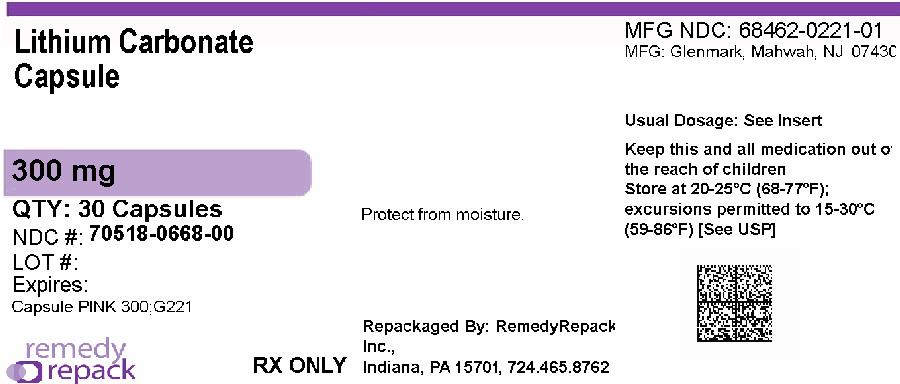
(carbonate · DailyMed)
Specbac
Meropenem Trihydrate USP (Sterile) with sodium carbonate 1 gm
What it does
Carbonate is used to help manage acidity in the stomach and can be found in various over-the-counter products.
Commonly used for: stomach acidity, indigestion, heartburn
Read more in plain English ↓Plain-language summary for general understanding - not medical advice. Always follow your pharmacist/doctor.
Ask about this medicine
Answers come only from this medicine's registration record, BNF monograph and interaction data - not medical advice.
Medicine sourcing is available in Kenya only. We don't sell or dispense medicines - licensed pharmacies do.
Sourcing - Kenya onlyRegistration & product details
Source: Tanzania Medicines and Medical Devices Authority · fetched 2026-03-11 23:36:55 · updated 2026-09-28 03:00:44
About carbonate
Carbonate is used to help manage acidity in the stomach and can be found in various over-the-counter products.
What it treats
- stomach acidity
- indigestion
- heartburn
How it works
Carbonate helps neutralize stomach acid, providing relief from discomfort caused by excess acidity.
Who it's for
Adults and children experiencing symptoms of stomach acidity or indigestion.
AI-assisted summary grounded in BNF data - general information only, not medical advice. Always confirm with your pharmacist or doctor.
About meropenem
Meropenem is an antibiotic used to treat serious bacterial infections.
What it treats
- serious infections
- bacterial infections
- infections caused by resistant bacteria
How it works
Meropenem works by killing bacteria and stopping their growth.
Who it's for
It is for adults and children with severe infections that need strong antibiotics.
AI-assisted summary grounded in BNF data - general information only, not medical advice. Always confirm with your pharmacist or doctor.
Clinical monograph: carbonate
BNF-referencedCarbonate is a polyatomic ion with the molecular formula CO3^2-. It plays a critical role in various biological processes, including the regulation of pH in biological systems and the formation of bicarbonate, which is essential for maintaining acid-base balance. Carbonates are commonly found in nature and are involved in buffering systems in blood and other bodily fluids.
Mechanism of action
Carbonate ions participate in buffering reactions that help maintain pH homeostasis in biological systems. They can react with acids to form bicarbonate and carbon dioxide, thus neutralizing excess acidity in the body. This mechanism is crucial in processes such as respiration and metabolism.
Pharmacodynamics
As a buffer, carbonate helps to stabilize pH levels in different biological environments, preventing excessive acidity or alkalinity that could impair cellular functions. It is involved in the transport of carbon dioxide in the blood and plays a role in maintaining the acid-base equilibrium necessary for physiological processes.
Pharmacokinetics
Carbonate ions are readily absorbed in the gastrointestinal tract when ingested and can be found in various body fluids. They are involved in the bicarbonate buffering system, where they are converted to bicarbonate (HCO3-) and carbon dioxide (CO2) through reactions with acids. The kidneys regulate the levels of bicarbonate and carbonate in the body, excreting or reabsorbing them as needed to maintain homeostasis.
Pregnancy
There is no specific information available regarding the use of carbonate compounds during pregnancy. Consult a healthcare provider for advice.
Breast-feeding
There is no specific information available regarding the use of carbonate compounds while breastfeeding. Consult a healthcare provider for advice.
Storage
Store in a cool, dry place away from direct sunlight. Keep out of reach of children.
AI-synthesized from BNF references - general information only, not a substitute for professional medical advice or the current BNF. Verify doses with a pharmacist.
Clinical monograph: Meropenem
BNF-referencedMeropenem is a broad-spectrum carbapenem antibiotic that exhibits bactericidal activity against a wide range of aerobic and anaerobic Gram-positive and Gram-negative bacteria. It is primarily administered via intravenous infusion or injection and is indicated for serious infections, particularly those caused by bacteria resistant to other antibiotics. Meropenem is effective in treating hospital-acquired infections, complicated urinary tract infections, intra-abdominal infections, and meningitis.
Indications
- Bacterial infections
- Hospital-acquired septicaemia
- Complicated urinary-tract infections including pyelonephritis
- Complicated intra-abdominal infections
- Meningitis
- Endocarditis (in combination with another antibacterial)
- Hospital-acquired pneumonia
- Ventilator-associated pneumonia
Dosage
Adults: 0.5–1 g every 8 hours, for complicated urinary-tract infections, complicated intra-abdominal infections, and bacterial meningitis, 2 g every 8 hours for 5-10 days; may be continued for up to 14 days depending on the site of infection.
Mechanism of action
The bactericidal activity of meropenem results from the inhibition of cell wall synthesis. It readily penetrates the cell wall of most Gram-positive and Gram-negative bacteria to reach penicillin-binding protein (PBP) targets. Its strongest affinities are toward PBPs 2, 3, and 4 of Escherichia coli and Pseudomonas aeruginosa, and PBPs 1, 2, and 4 of Staphylococcus aureus.
Pharmacodynamics
Meropenem is a broad-spectrum carbapenem antibiotic that is active against both Gram-positive and Gram-negative bacteria. It penetrates bacterial cells and interferes with the synthesis of vital cell wall components, leading to cell death. The bactericidal concentrations are generally 1-2 times the bacteriostatic concentrations.
Pharmacokinetics
Meropenem is administered intravenously and has a volume of distribution of approximately 0.2-0.3 L/kg, indicating rapid distribution into body fluids and tissues. It is primarily eliminated via the kidneys, with a half-life of around 1 hour. Dose adjustments are recommended in patients with renal impairment, particularly those with creatinine clearance less than 90 mL/minute.
Contra-indications
- History of hypersensitivity to meropenem or any component of the formulation
- Severe allergic reactions to other beta-lactam antibiotics
Adverse effects
- Abdominal pain
- Diarrhoea
- Nausea
- Vomiting
- Headache
- Skin reactions
- Thrombocytosis
- Bacteraemia
- Seizures
- Agitation
- Increased risk of infection
- Antibiotic-associated colitis
- Eosinophilia
- Hemolytic anemia
- Leukopenia
- Neutropenia
- Paraesthesia
- Severe cutaneous adverse reactions (SCARs)
- Thrombophlebitis
Interactions
- Other nephrotoxic agents may enhance the risk of renal toxicity
- Probenecid may reduce renal clearance and increase serum levels of meropenem
Precautions
- Caution in patients with renal impairment; dose adjustments may be necessary
- Monitor liver function due to risk of hepatotoxicity
- Caution in patients with a history of seizures or central nervous system disorders
- Positive Coombs' test reported
Pregnancy
Meropenem should only be used during pregnancy if the potential benefit justifies the potential risk to the fetus.
Breast-feeding
Meropenem is excreted in breast milk; caution should be exercised when administering to nursing mothers.
Storage
Store in a cool, dry place. Protect from light. After reconstitution, use promptly or store as recommended in product guidelines.
Formulations
- Powder for solution for injection 500 mg
- Powder for solution for injection 1 g
- Powder for solution for infusion
AI-synthesized from BNF references - general information only, not a substitute for professional medical advice or the current BNF. Verify doses with a pharmacist.
Molecular reference: carbonate
PubChem CID 19660Molecular formula: CO3-2
Biological pathways
Source: PubChem (NCBI) · pathways from PathBank, Reactome, WikiPathways & PharmGKB.
Molecular reference: Meropenem
PubChem CID 441130Molecular formula: C17H25N3O5S
Mechanism of action
The bactericidal activity of meropenem results from the inhibition of cell wall synthesis. Meropenem readily penetrates the cell wall of most Gram-positive and Gram-negative bacteria to reach penicillin-binding- protein (PBP) targets. Its strongest affinities are toward PBPs 2, 3 and 4 of <i>Escherichia coli</i> and <i>Pseudomonas aeruginosa</i>; and PBPs 1, 2 and 4 of <i>Staphylococcus aureus</i>. The bactericidal activity of meropenem results from the inhibition of cell wall synthesis. Meropenem readily penetrates the cell wall of most Gram-positive and Gram-negative bacteria to reach penicillin-binding-protein (PBP) targets. Its strongest affinities are toward PBPs 2, 3 and 4 of Escherichia coli and Pseudomonas aeruginosa; and PBPs 1, 2, and 4 of Staphylococcus aureus. Bactericidal concentrations (defined as a 3 log10 reduction in cell counts within 12 to 24 hours) are typically 1-2 times the bacteriostatic concentrations of meropenem, with the exception of Listeria monocytogenes, against which lethal activity is not observed.
Pharmacodynamics
Meropenem is a broad-spectrum carbapenem antibiotic. It is active against Gram-positive and Gram-negative bacteria. Meropenem exerts its action by penetrating bacterial cells readily and interfering with the synthesis of vital cell wall components, which leads to cell death.
Source: PubChem (NCBI) · pathways from PathBank, Reactome, WikiPathways & PharmGKB.
This drug in other countries
The same active ingredient registered across other registries we cover - including different brands.
- BELL'S ANTACID MIXTURE ( Magnesium Trisilicate/Light Magnessium Carbonate/Sodium Bicarbonate 2.5%w/v/ 2.5%w/v/ 2.5%w/v 2.5%w/v) · Bells Sons & Company
- BHM MAGNESIUM TRISILICATE MIXTURE SUSPENSION (Each 5ml contains Magnesium Trisilicate/ Light Magnesium Carbonate / Sodium Bicarbonate 250mg/250mg/250mg) · Evangelist Temple Bryant Mission
- CALCID-DENK TABLETS (Each effervescent tablet contains Calcium carbonate/Cholecalciferol 1000mg/22µg) · Losan Pharma
- CALVION TABLETS · Medopharm
- CLEANSHIELD LIQUID SUPPLEMENT · Allgone
- DRIVCAL TABLETS (Each tablet contains Calcium Carbonate) · Addii Biotech
- ACIDEX SUSPENSION · Pine Healthcare
- ALPENAM 1G INJECTION · Europa Healthcare
- APOPENEM 1000 · Syner-med Pharmaceuticalsltd
- APOPENEM 500 · Syner-med Pharmaceuticalsltd
- ARCHIFAR 1G POWDER FOR SOLUTION FOR INJECTION · Sunpar Pharmaceuticals
- ARCHIFAR 500 MG POWDER FOR SOLUTION FOR INJECTION · Sunpar Pharmaceuticals