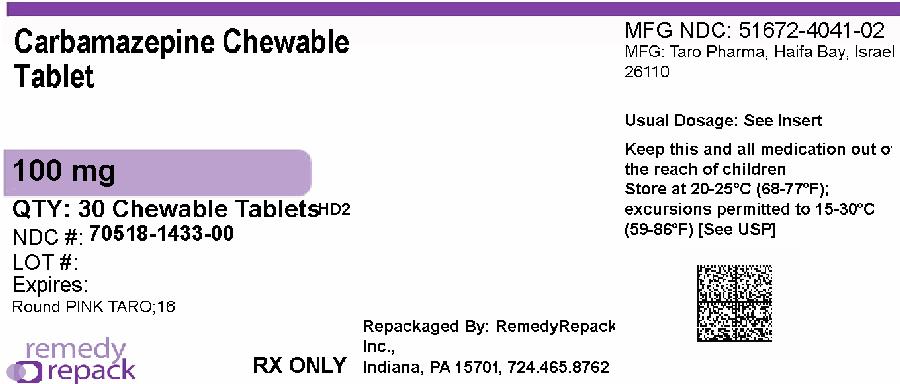
(carbamazepine · DailyMed)
Tegretol
Carbamazepine 200 mg,Carmellose Sodium 10 mg,Magnesium Stearate 3 mg,Microcrystalline cellulose 65 mg,Silica colloidal anhydrous 2 mg
What it does
Carbamazepine is a medication used to treat seizures and certain types of nerve pain. It belongs to a class of drugs called antiepileptics.
Commonly used for: seizures (epilepsy), nerve pain (neuropathic pain)
Read more in plain English ↓Plain-language summary for general understanding - not medical advice. Always follow your pharmacist/doctor.
Ask about this medicine
Answers come only from this medicine's registration record, BNF monograph and interaction data - not medical advice.
Medicine sourcing is available in Kenya only. We don't sell or dispense medicines - licensed pharmacies do.
Sourcing - Kenya onlyRegistration & product details
Source: Zambia Medicines Regulatory Authority · fetched 2026-03-12 00:07:55 · updated 2026-05-22 02:47:32
Drug Interactions
113Pharmacodynamic Warnings
Carbamazepine appears in TABLE 1: Drugs that cause hepatotoxicity
Carbamazepine appears in TABLE 18: Drugs that cause hyponatraemia
Severe (15)
Antiepileptics - decreases absorption
Iron chelators (dexrazoxane) might decrease the absorption of antiepileptics (fosphenytoin, phenytoin). Avoid.
Antiepileptics - decreases exposure
Lumacaftor is predicted to decrease the exposure to antiepileptics (carbamazepine, fosphenytoin, phenobarbital, phenytoin, primidone). Avoid.
Antiepileptics - decreases concentration
St John’s wort is predicted to decrease the concentration of antiepileptics (fosphenytoin, phenobarbital, phenytoin, primidone). Avoid.
Antiepileptics - increases risk of overheating and dehydration
Hydroxyzine potentially increases the risk of overheating and dehydration when given with antiepileptics (zonisamide). Avoid in children.
Antiepileptics - increases risk of overheating and dehydration
Haloperidol potentially increases the risk of overheating and dehydration when given with antiepileptics (zonisamide). Avoid in children.
Moderate (47)
Antiepileptics - increases concentration
Intravenous chloramphenicol increases the concentration of antiepileptics (fosphenytoin, phenytoin) and antiepileptics (fosphenytoin, phenytoin) affect the concentration of intravenous chloramphenicol
Antiepileptics - decreases concentration
Diazoxide decreases the concentration of antiepileptics (fosphenytoin, phenytoin) and antiepileptics (fosphenytoin, phenytoin) are predicted to decrease the effects of diazoxide. Monitor concentration
Antiepileptics - increases concentration
Disulfiramincreasestheconcentrationofantiepileptics (fosphenytoin,phenytoin).Monitorconcentrationandadjust dose.rStudy →AlsoseeTABLE12p.1520
Antiepileptics - increases concentration
Fluorouracilincreasestheconcentrationofantiepileptics (fosphenytoin,phenytoin).Monitorconcentrationandadjust dose.rAnecdotal 1xidneppA|snoitcaretnI A1 https://www.facebook.c (Books-Courses-Medic
Antiepileptics - decreases concentration
Folates are predicted to decrease the concentration of antiepileptics (fosphenytoin, phenobarbital, phenytoin, primidone). Monitor concentration and adjust dose.
Unknown (51)
Afatinib - decreases exposure
Carbamazepine is predicted to decrease the exposure to afatinib.
Aliskiren - decreases exposure
Carbamazepine decreases the exposure to aliskiren.
Antiepileptics - increases risk of overheating and dehydration
Acetazolamide potentially increases the risk of overheating and dehydration when given with antiepileptics (zonisamide). Avoid in children.
Antiepileptics - increases risk of visual disturbances
Alcohol potentially increases the risk of visual disturbances when given with antiepileptics (retigabine).
Antiepileptics - decreases exposure
Enzalutamide is predicted to slightly decrease the exposure to antiepileptics (brivaracetam).
Data from BNF 85 (British National Formulary). This is not a substitute for professional medical advice. Matched via: class
About carbamazepine
Carbamazepine is a medication used to treat seizures and certain types of nerve pain. It belongs to a class of drugs called antiepileptics.
What it treats
- seizures (epilepsy)
- nerve pain (neuropathic pain)
How it works
Carbamazepine helps stabilize electrical activity in the brain, reducing the frequency and severity of seizures.
Who it's for
This medication is for individuals with epilepsy or specific nerve pain conditions.
Drug class
Antiepileptics
Cautions
- • Be careful if you are taking drugs that can harm the liver.
- • Be cautious if you are taking medications that can lower sodium levels in the blood.
AI-assisted summary grounded in BNF data - general information only, not medical advice. Always confirm with your pharmacist or doctor.
About carmellose
Carmellose is a substance used to help relieve dry eyes by keeping them moist and comfortable.
What it treats
- dry eyes
- ocular dryness
How it works
Carmellose works by forming a protective layer over the surface of the eye, helping to retain moisture.
Who it's for
Carmellose is suitable for anyone experiencing dry or irritated eyes.
AI-assisted summary grounded in BNF data - general information only, not medical advice. Always confirm with your pharmacist or doctor.
About cellulose
Cellulose is a type of fiber that helps with digestion and promotes bowel health.
What it treats
- constipation
- irregular bowel movements
How it works
Cellulose adds bulk to the stool, making it easier to pass through the intestines.
Who it's for
Suitable for people looking to improve their digestive health.
AI-assisted summary grounded in BNF data - general information only, not medical advice. Always confirm with your pharmacist or doctor.
About colloidal
Colloidal solutions are often used in various medical treatments and can help improve the delivery of certain medications.
What it treats
- supporting hydration
- helping with nutrient absorption
- improving medication effectiveness
How it works
Colloidal solutions contain small particles that can help carry and deliver substances in the body more effectively.
Who it's for
Adults and children who need assistance with hydration or nutrient delivery.
AI-assisted summary grounded in BNF data - general information only, not medical advice. Always confirm with your pharmacist or doctor.
About microcrystalline
Microcrystalline is a type of substance often used in medicines to help with various health issues. It is commonly used as a filler or binder in tablets and capsules.
What it treats
- stomach issues
- constipation
- weight management
How it works
It helps to improve the texture of medicines and can assist in the absorption of other ingredients in the body.
Who it's for
Adults and children who need help with specific health conditions, as directed by a healthcare professional.
AI-assisted summary grounded in BNF data - general information only, not medical advice. Always confirm with your pharmacist or doctor.
About silica
Silica is a natural substance that can be found in various forms and is often used to help with digestion and absorb excess moisture.
What it treats
- digestive issues
- absorption of moisture
How it works
Silica helps improve digestion by supporting the body's ability to break down food and absorb nutrients.
Who it's for
Silica may be suitable for adults experiencing digestive discomfort or needing help with moisture control.
AI-assisted summary grounded in BNF data - general information only, not medical advice. Always confirm with your pharmacist or doctor.
Clinical monograph: Carmellosesodium
BNF-referencedCarmellose sodium is a high molecular weight polymer used primarily as a lubricant in ocular formulations. It is a derivative of cellulose and acts to relieve symptoms associated with dry eye conditions, including keratoconjunctivitis sicca. The compound forms a protective film on the surface of the eye, thereby enhancing comfort and stability of the tear film.
Indications
- Dry eye conditions
- Keratoconjunctivitis sicca
- Unstable tear film
Dosage
Children: Apply 3–4 times a day or when required to the eye.
Adults: Apply 3–4 times a day or when required to the eye.
Mechanism of action
Carmellose sodium acts as a viscosity-increasing agent, providing lubrication and hydration. It works by creating a gel-like consistency that mimics natural tears, thus improving moisture retention on the ocular surface. This action alleviates dryness and irritation in the eyes.
Pharmacodynamics
Carmellose sodium exhibits mucomimetic properties, which means it has the ability to mimic natural mucus in the eye. Its effectiveness in reducing symptoms of dryness is attributed to its ability to increase tear film stability and provide a protective barrier against environmental irritants. It does not have systemic effects as it is used topically.
Pharmacokinetics
Carmellose sodium is administered topically and is not absorbed systemically, making its pharmacokinetics primarily local. The onset of action is rapid, providing immediate relief for dry eye symptoms. The duration of action depends on factors such as the formulation and frequency of administration. Due to its high molecular weight, it remains on the ocular surface for an extended period, ensuring prolonged lubrication.
Adverse effects
- Transient blurred vision
- Eye irritation
- Allergic reactions
Precautions
- Consult a healthcare professional if symptoms persist
- Avoid contact with the tip of the dropper to prevent contamination
Pregnancy
Carmellose sodium is generally considered safe for use during pregnancy. However, consult a healthcare provider for personalized advice.
Breast-feeding
Carmellose sodium is not known to pose a risk during breastfeeding, but it is advisable to consult a healthcare provider.
Storage
Store at room temperature, away from direct sunlight. Keep out of reach of children.
Formulations
- Carmize 0.5% eye drops
- Carmize 1% eye drops
- Cellusan 0.5% eye drops
- Celluvisc 0.5% eye drops
- Liquivisc 0.25% eye gel
- Ocu-Lube Carmellose 0.5% eye drops
- Tearvis 0.5% eye drops
AI-synthesized from BNF references - general information only, not a substitute for professional medical advice or the current BNF. Verify doses with a pharmacist.
Clinical monograph: Carbamazepine
BNF-referencedCarbamazepine is an antiepileptic drug primarily used to manage epilepsy, particularly focal and generalized tonic-clonic seizures. It is also indicated for other conditions such as trigeminal neuralgia and bipolar disorder. Carbamazepine functions by inhibiting sodium channels, thereby reducing neuronal excitability and stabilizing mood in bipolar disorder. It has a narrow therapeutic index, necessitating careful monitoring of plasma levels to avoid toxicity.
Indications
- Epilepsy (focal and generalized tonic-clonic seizures)
- Trigeminal neuralgia
- Bipolar disorder (manic episodes)
- Adjunctive therapy in acute alcohol withdrawal
- Diabetic neuropathy
Dosage
Children: For children
Adults: Initially, 100 mg 1-2 times a day, increased gradually according to response; usual dose 200 mg 3-4 times a day, increased if necessary up to 1.6 g daily.
Mechanism of action
Carbamazepine's mechanism of action is associated with its ability to inhibit voltage-dependent sodium channels, which reduces the firing of action potentials and stabilizes neuronal membranes. This results in decreased polysynaptic nerve responses and inhibition of excessive neuronal firing, effectively controlling seizure activity. In bipolar disorder, it may enhance GABA transmission and increase dopamine turnover, alleviating manic and depressive symptoms.
Pharmacodynamics
Carbamazepine exhibits anticonvulsant effects by limiting high-frequency repetitive firing of action potentials in neurons. It shows effectiveness in treating manic episodes in bipolar disorder and alleviating pain associated with trigeminal neuralgia. The drug has a narrow therapeutic index, which requires careful dose management to balance efficacy with the risk of adverse effects. Genetic variations can affect carbamazepine metabolism and efficacy, with certain genotypes conferring resistance to treatment.
Pharmacokinetics
Carbamazepine is well absorbed orally and undergoes extensive hepatic metabolism, primarily by cytochrome P450 enzymes. It has a half-life of about 12-17 hours, but this can decrease with chronic use due to autoinduction of its metabolism. The drug is primarily excreted in urine as metabolites, with only a small fraction excreted unchanged. Plasma levels should be monitored, particularly in patients with significant genetic variations affecting drug metabolism.
Contra-indications
- History of hypersensitivity to carbamazepine or any of its components
- Bone marrow depression
- History of aplastic anaemia or agranulocytosis associated with carbamazepine
- Concomitant use with monoamine oxidase inhibitors
Adverse effects
- Dizziness
- Drowsiness
- Nausea
- Vomiting
- Rash
- Agranulocytosis
- Aplastic anaemia
- Hepatic dysfunction
- Stevens-Johnson syndrome
- Toxic epidermal necrolysis
Interactions
- Carbamazepine + Antipsychotics (second-generation): Severe (increases risk of myelosuppression)
- Carbamazepine + Clozapine: Severe (increases risk of myelosuppression)
- Carbamazepine + Berotralstat: Severe (decreases concentration)
- Carbamazepine + Ledipasvir: Severe (decreases exposure)
- Carbamazepine + Lumacaftor: Severe (decreases exposure)
- Carbamazepine + Sofosbuvir: Severe (decreases exposure)
- Carbamazepine + Thrombin inhibitors: Severe (decreases exposure)
- Carbamazepine + Dabigatran: Severe (decreases exposure)
- Carbamazepine + Antifungals (azoles): Moderate (decreases efficacy)
- Carbamazepine + Itraconazole: Moderate (decreases efficacy)
Precautions
- Monitor hepatic function regularly, especially in long-term therapy
- Caution in patients with a history of bone marrow suppression
- Gradual withdrawal recommended to avoid seizure exacerbation
- Consider genetic testing for HLA-B*1502 to assess risk of serious skin reactions in certain populations
Pregnancy
Use during pregnancy only if the potential benefit justifies the potential risk to the fetus. Monitor closely as carbamazepine may cause fetal harm.
Breast-feeding
Carbamazepine is excreted in breast milk. Caution is advised; monitor the infant for side effects.
Storage
Store
AI-synthesized from BNF references - general information only, not a substitute for professional medical advice or the current BNF. Verify doses with a pharmacist.
Clinical monograph: carmellose
Carmellose, also known as carboxymethyl cellulose (CMC), is a water-soluble polysaccharide derived from cellulose. It is commonly used as a thickening agent, emulsifier, and stabilizer in various pharmaceutical formulations, as well as in food products. Carmellose aids in the formation of gels and enhances the viscosity of solutions, making it useful in both topical and oral dosage forms.
Indications
- Dry eye syndrome
- Ocular lubrication
- Gastroesophageal reflux disease (GERD)
- Topical applications (as a lubricant or protectant)
Dosage
Children: Refer to specific formulation guidelines for recommended dosages, as doses vary widely depending on the formulation and intended use.
Adults: Refer to specific formulation guidelines for recommended dosages, as doses vary widely depending on the formulation and intended use.
Mechanism of action
Carmellose works by increasing the viscosity of solutions and forming a gel-like consistency when mixed with water. This property allows it to act as a lubricant and protectant, particularly in formulations designed for ocular or gastrointestinal use. The water-binding capacity of carmellose helps to retain moisture in tissues, which can be beneficial in treating dryness.
Pharmacodynamics
The pharmacodynamic properties of carmellose are primarily related to its ability to modify the physical properties of solutions and suspensions. It does not exert specific pharmacological effects but rather enhances the bioavailability and stability of active ingredients in pharmaceutical formulations. Its hydrophilic nature allows it to hold water and improve the consistency of products, thus facilitating drug delivery and absorption.
Pharmacokinetics
Carmellose is not absorbed systemically when administered orally, as it is primarily used as an excipient. It passes through the gastrointestinal tract without significant metabolism. The elimination half-life is not applicable, as it does not enter systemic circulation. Its effects are localized to the site of application or ingestion, where it acts as a bulking agent or thickener.
Adverse effects
- Gastrointestinal discomfort
- Bloating
- Diarrhea
Precautions
- Use with caution in patients with gastrointestinal disorders
- Monitor for hypersensitivity reactions
Pregnancy
Carmellose is generally considered safe during pregnancy, but it is advisable to consult a healthcare provider before use.
Breast-feeding
Carmellose is considered safe for use during breastfeeding, but it is recommended to seek advice from a healthcare professional.
Storage
Store in a cool, dry place away from direct sunlight.
Formulations
- Powder
- Tablet
- Capsule
- Suspension
AI-synthesized from BNF references - general information only, not a substitute for professional medical advice or the current BNF. Verify doses with a pharmacist.
Clinical monograph: cellulose
Cellulose is a complex carbohydrate and a key structural component of the plant cell wall. It is an indigestible polysaccharide made up of linear chains of glucose molecules linked by β-1,4-glycosidic bonds. As a dietary fiber, cellulose contributes to digestive health by promoting bowel regularity and is commonly used as a laxative and bulking agent in various food products and pharmaceuticals.
Indications
- Constipation
- Dietary fiber supplementation
- Irritable bowel syndrome
- Diverticular disease
- Weight management
Dosage
Children: Refer to appropriate guidelines for specific dosage; generally taken with adequate fluid intake.
Adults: Refer to appropriate guidelines for specific dosage; generally taken with adequate fluid intake.
Mechanism of action
Cellulose acts primarily as a bulk-forming laxative. It absorbs water in the intestines, which increases stool bulk and stimulates peristalsis, thus facilitating bowel movements. Additionally, cellulose is not digestible by human enzymes, leading to fermentation by gut bacteria, which may enhance gut health and alter gut microbiota composition.
Pharmacodynamics
Cellulose increases stool weight and frequency of bowel movements. It works by retaining water in the intestines, leading to softer stools and improved passage through the gastrointestinal tract. The bulking effect of cellulose can help alleviate constipation and promote overall digestive health. It may also play a role in cholesterol reduction and glycemic control through its effects on digestion and absorption of nutrients.
Pharmacokinetics
Cellulose is not absorbed into the bloodstream due to its indigestible nature. Instead, it passes through the gastrointestinal tract, where it adds bulk to the stool. Its fermentation by colonic bacteria produces short-chain fatty acids, which may have beneficial effects on colon health. The onset of action for cellulose as a laxative can vary but is generally within 24 to 72 hours after ingestion.
Adverse effects
- Bloating
- Flatulence
- Diarrhea
- Abdominal discomfort
Precautions
- Use with caution in patients with a history of gastrointestinal disorders.
- Monitor for potential allergic reactions in sensitive individuals.
Pregnancy
Cellulose is generally considered safe during pregnancy as it is a non-toxic, indigestible fiber.
Breast-feeding
Cellulose is also considered safe during breastfeeding; it is excreted in breast milk in negligible amounts.
Storage
Store in a cool, dry place away from direct sunlight.
Formulations
- Powder
- Capsules
- Tablets
- Granules
AI-synthesized from BNF references - general information only, not a substitute for professional medical advice or the current BNF. Verify doses with a pharmacist.
Clinical monograph: colloidal
Colloidal solutions are mixtures in which small particles are dispersed throughout a continuous medium. They can be used in various medical applications, including as intravenous fluids for volume expansion and as drug delivery systems. Colloidal solutions can improve the solubility and stability of drugs, enhancing their therapeutic effects.
Indications
- Hypovolemic shock
- Severe burns
- Postoperative fluid replacement
- Sepsis
- Trauma management
Dosage
Children: Refer to established guidelines for specific dosing, as it varies based on the type of colloidal solution used and the clinical condition being treated.
Adults: Refer to established guidelines for specific dosing, as it varies based on the type of colloidal solution used and the clinical condition being treated.
Mechanism of action
Colloidal solutions work by maintaining oncotic pressure in the blood, thus helping to retain fluid within the vascular system. This is primarily due to the large molecular weight of the colloidal particles, which cannot easily pass through capillary walls. The presence of colloids in the blood helps to draw water into the circulation, increasing blood volume and improving tissue perfusion.
Pharmacodynamics
The pharmacodynamics of colloidal solutions are centered on their ability to exert osmotic pressure, which helps maintain blood volume and pressure. This effect is particularly important in conditions such as hypovolemia and shock, where fluid replacement is necessary to restore hemodynamic stability. The efficacy of colloidal solutions can vary depending on the type of colloid used, as well as the underlying clinical condition being treated.
Pharmacokinetics
Colloidal solutions are typically administered intravenously and their pharmacokinetics can vary based on the specific formulation. Generally, colloids are distributed throughout the vascular compartment and have a longer duration of action compared to crystalloids, as they remain in circulation longer. The elimination of colloids is primarily through the reticuloendothelial system, where they are metabolized or eliminated by the liver and spleen. Factors such as particle size and composition can influence their distribution and clearance.
Adverse effects
- Allergic reactions
- Injection site reactions
- Nausea
- Vomiting
- Headache
- Fever
Precautions
- Use with caution in patients with known allergies to any component of the formulation
- Monitor for signs of hypersensitivity during administration
- Consider volume overload in patients with cardiac or renal impairment
Pregnancy
The safety of colloidal solutions during pregnancy has not been established. Use only if the potential benefit justifies the potential risk to the fetus.
Breast-feeding
It is not known whether colloidal solutions are excreted in human milk. Caution should be exercised when administering to breastfeeding mothers.
Storage
Store at room temperature, protect from light, and do not freeze. Keep out of reach of children.
Formulations
- Colloidal silver
- Colloidal gold
- Colloidal iron
- Other metal colloids
AI-synthesized from BNF references - general information only, not a substitute for professional medical advice or the current BNF. Verify doses with a pharmacist.
Clinical monograph: microcrystalline
Microcrystalline cellulose is a refined wood pulp, commonly used as an excipient in pharmaceutical formulations. It serves as a bulking agent and stabilizer in tablets and capsules, improving the physical properties of the drug formulation. It is characterized by its ability to absorb moisture and provide a suitable texture for various dosage forms.
Indications
- Used as an excipient in tablet formulations
- Used as a bulking agent in capsule formulations
- Used in food products as a thickener or stabilizer
Dosage
Children: Refer to specific product guidelines as dosage will depend on the formulation and the active ingredients.
Adults: Refer to specific product guidelines as dosage will depend on the formulation and the active ingredients.
Mechanism of action
Microcrystalline cellulose acts as a non-digestible filler that enhances the flow properties of powders during the manufacturing of tablets and capsules. It does not have a direct pharmacological action on the body but ensures that the active ingredients are effectively delivered to the patient.
Pharmacodynamics
As a non-active ingredient, microcrystalline cellulose does not exert pharmacodynamic effects typical of active pharmaceutical ingredients. Its primary role is to provide a stable and consistent matrix for the drug, facilitating the release of the active compound once ingested.
Pharmacokinetics
Microcrystalline cellulose is not absorbed in the gastrointestinal tract; it passes through the digestive system largely unchanged. It adds bulk to the stool, which may aid in promoting regular bowel movements. The substance is excreted in feces, where it contributes to dietary fiber intake.
Pregnancy
Data regarding the use of microcrystalline cellulose during pregnancy is limited. It is advisable to consult with healthcare professionals before use.
Breast-feeding
Microcrystalline cellulose is considered safe during breastfeeding, as it is not absorbed systemically.
Storage
Store in a cool, dry place away from direct sunlight and moisture.
AI-synthesized from BNF references - general information only, not a substitute for professional medical advice or the current BNF. Verify doses with a pharmacist.
Clinical monograph: silica
BNF-referencedSilica, primarily in the form of silicon dioxide (SiO2), is a naturally occurring mineral found in various forms, including crystalline and amorphous structures. It is widely used in various industries, including construction, manufacturing, and as a food additive. Silica is known for its high melting point and chemical stability. In clinical contexts, exposure to crystalline silica has been linked to respiratory diseases such as silicosis and lung cancer due to its cytotoxic effects on lung cells. The different forms of silica exhibit varying degrees of biological activity, with crystalline silica being more hazardous than amorphous types.
Indications
- Silicosis
- Chronic obstructive pulmonary disease (COPD)
- Lung cancer associated with silica exposure
Dosage
Adults: Silica is not administered as a drug, but rather
Mechanism of action
Silica, particularly crystalline forms like quartz and cristobalite, can induce cytotoxicity and morphological transformation in cells. The cytotoxic effects are attributed to the presence of silanol groups and trace iron on the silica surface, which can generate reactive oxygen species. These interactions lead to cellular damage and transformation, suggesting multiple molecular mechanisms underlying silica's biological effects. The activity is sensitive to the silica's surface structure and composition, indicating that the biological response is a phenomenon originating from the silica's surface characteristics.
Pharmacodynamics
Silica's pharmacodynamic effects are largely related to its cytotoxic and transforming properties, particularly in lung tissue. The inhalation of crystalline silica can lead to the activation of inflammatory pathways, oxidative stress, and apoptosis in alveolar macrophages and epithelial cells. This can result in chronic inflammation, fibrosis, and ultimately, diseases such as silicosis and lung cancer. The degree of these effects varies based on the type of silica, its crystalline structure, and the presence of surface modifications.
Pharmacokinetics
The pharmacokinetics of silica is complex as it is not absorbed systemically when inhaled or ingested. Instead, inhaled silica particles can deposit in the alveolar region of the lungs, where they may persist for long periods. The body responds to silica exposure through inflammatory processes, and macrophages attempt to phagocytize silica particles. However, the persistence of these particles can lead to chronic lung conditions. Clearance mechanisms are inefficient, leading to prolonged retention in lung tissue.
Adverse effects
- Cytotoxicity
- Morphological transformation of cells
- Respiratory issues
- Silicosis
- Lung cancer
Precautions
- Use caution in occupational settings with silica dust exposure
- Regular monitoring of lung function in exposed individuals
Pregnancy
There is insufficient data on the effects of silica on pregnancy. It is advised to minimize exposure.
Breast-feeding
Limited data available; caution is advised due to potential respiratory effects.
Storage
Store in a cool, dry place, away from moisture and incompatible materials.
Formulations
- Crystalline silica
- Amorphous silica (diatomaceous earth)
- Silica gel
AI-synthesized from BNF references - general information only, not a substitute for professional medical advice or the current BNF. Verify doses with a pharmacist.
Molecular reference: Carbamazepine
PubChem CID 2554Molecular formula: C15H12N2O
Mechanism of action
Carbamazepine's mechanism of action is not fully elucidated and is widely debated. One major hypothesis is that carbamazepine inhibits sodium channel firing, treating seizure activity. Animal research studies have demonstrated that carbamazepine exerts its effects by lowering polysynaptic nerve response and inhibiting post-tetanic potentiation. In both cats and rats, carbamazepine was shown to decrease pain caused by infraorbital nerve stimulation. A decrease in the action potential in the nucleus ventralis of the thalamus in the brain and inhibition of the lingual mandibular reflex were observed in other studies after carbamazepine use. Carbamazepine causes the above effects by binding to voltage-dependent sodium channels and preventing action potentials, which normally lead to stimulatory effects on nerves. In bipolar disorder, carbamazepine is thought to increase dopamine turnover and increase GABA transmission, treating manic and depressive symptoms. A common issue that has arisen is resistance to this drug in up to 30% of epileptic patients, which may occur to altered metabolism in patients with variant genotypes. A potential therapeutic target to combat carbamazepine resistance has recently been identified as the EPHX1 gene promoter, potentially conferring resistance to carbamazepine through methylation. Anticonvulsant: Exact mechanism unknown; may act postsynaptically by limiting the ability of neurons to sustain high frequency repetitive firing of action potentials through enhancement of sodium channel inactivation; in addition to altering neuronal excitability, may act presynaptically to block the release of neurotransmitter by blocking presynaptic sodium channels and the firing of action potentials, which in turn decreases synaptic transmission. Antineuralgic: Exact mechanism unknown; may involve gamma-aminobutyric acid (GABAB) receptors, which may be linked to calcium channels. Antimanic; antipsychotic: Exact mechanism is unknown; may be related to either the anticonvulsant or the antineuralgic effects of carbamazepine, or to tis effects on neurotransmitter modulator systems. Antidiuretic: Exact mechanism unknown; may exert a hypothalamic effect on the osmoreceptors mediated via secretion of antidiuretic hormone (ADH), or may have a direct effect on the renal tubule. For more Mechanism of Action (Complete) data for CARBAMAZEPINE (8 total), please visit the HSDB record page.
Pharmacodynamics
**General effects** Carbamazepine treats seizures and the symptoms of trigeminal neuralgia by inhibiting sodium channels. In bipolar 1 disorder, carbamazepine has been found to decrease mania symptoms in a clinically significant manner according to the Young Mania Rating Scale (YMRS). Carbamazepine has a narrow therapeutic index. **A note on genetic variation and carbamazepine use** In studies of Han Chinese ancestry patients, a pronounced association between the HLA-B*1502 genotype and Steven Johnson syndrome and/or toxic epidermal necrolysis (SJS/TEN) resulting from carbamazepine use was observed.
Biological pathways
Source: PubChem (NCBI) · pathways from PathBank, Reactome, WikiPathways & PharmGKB.
Molecular reference: silica
PubChem CID 24261Molecular formula: O2Si
Mechanism of action
...Some quartz and cristobalite dusts (crystalline) as well as the diatomaceous earths (amorphous), but not the pyrogenic amorphous silica, were cytotoxic and induced morphological transformation of SHE cells in a concentration-dependent manner. The ranking in cytotoxicity was different from that in transforming potency, suggesting two separate molecular mechanisms for the two effects. The cytotoxic and transforming potencies were different from one dust to another, even among the same structural silicas. The type of crystalline structure (quartz vs cristobalite) and the crystalline vs biogenic amorphous form did not correlate with cytotoxic or transforming potency of silica dusts. Comparison of cellular effects induced by original and surface modified samples revealed that several surface functionalities modulate cytotoxic and transforming potencies. The cytotoxic effects appeared to be related to the distribution and abundance of silanol groups and to the presence of trace amounts of iron on the silica surface. Silica particles with fractured surfaces and/or iron-active sites, able to generate reactive oxygen species, induced SHE cell transformation. The results show that the activity of silica at the cellular level is sensitive to the composition and structure of surface functionalities and confirm that the biological response to silica is a surface originated phenomenon. In vivo exposure of rat lungs to crystalline silica either by intratracheal instillation or by inhalation results in an increase in mRNA levels for inducible nitric oxide synthase (iNOS) in bronchoalveolar lavage cells (BALC), elevated nitric oxide (.NO) production by BALC, and an increase in .NO-dependent chemiluminescence (CL) from alveolar macrophages (AM). Induction of iNOS message occurs in both AM and polymorphonuclear leukocytes (PMN) harvested from silica-exposed lungs but is not significantly elevated in lavaged lung tissue. This review presents characteristics of simple and complicated coal workers' pneumoconiosis (CWP) as well as pathologic indices of acute and chronic silicosis by summarizing results of in vitro, animal, and human investigations. These results support four basic mechanisms in the etiology of CWP and silicosis: a) direct cytotoxicity of coal dust or silica, resulting in lung cell damage, release of lipases and proteases, and eventual lung scarring; b) activation of oxidant production by pulmonary phagocytes, which overwhelms the antioxidant defenses and leads to lipid peroxidation, protein nitrosation, cell injury, and lung scarring; c) activation of mediator release from alveolar macrophages and epithelial cells, which leads to recruitment of polymorphonuclear leukocytes and macrophages, resulting in the production of proinflammatory cytokines and reactive species and in further lung injury and scarring; d) secretion of growth factors from alveolar macrophages and epithelial cells, stimulating fibroblast proliferation and eventual scarring. Results of in vitro and animal studies provide a basis for proposing these mechanisms for the initiation and progression of pneumoconiosis. Data obtained from exposed workers lend support to these mechanisms. /The authors/ reported previously that freshly fractured silica (FFSi) induces activator protein-1 (AP-1) activation through extracellular signal-regulated protein kinases (ERKs) and p38 kinase pathways. In the present study, the biologic activities of FFSi and aged silica (ASi) were compared by measuring their effects on the AP-1 activation and phosphorylation of ERKs and p38 kinase. The roles of reactive oxygen species (ROS) in this silica-induced AP-1 activation were also investigated. FFSi-induced AP-1 activation was four times higher than that of ASi in JB6 cells. FFSi also caused greater phosphorylation of ERKs and p38 kinase than ASi. FFSi generated more ROS than ASi when incubated with the cells as measured by electron spin resonance (ESR). Studies using ROS-sensitive dyes and
Source: PubChem (NCBI) · pathways from PathBank, Reactome, WikiPathways & PharmGKB.
This drug in other countries
The same active ingredient registered across other registries we cover - including different brands.
- AZEPINE TABLETS · Biodeal Laboratories
- CARBAGEN 200MG · Unisel
- CARBAMAZEPINE TABLETS BP 200 MG · Sai Pharmaceuticals
- CARBAMAZEPINE TABS 200MG · Harleys
- CARBAPRO 200 · Pro Med Pharmaceuticals
- CARBAS · Opera Pharma
- CARBAMAZAPINE · Gss Pharm
- CLAVUAID 1000 TABLETS · Reyoung Pharmaceuticals
- CLAVUAID 625 TABLETS · Reyoung Pharmaceuticals
- Carbamazepine 200mg Tablets ( each tablets contains Carbamazepine) · Jiansusu Peryyn
- Carbamazepine USP 200mg Tablet (Each tablet contains Carbamazepine BP 200mg · Infocus Remedies
- ENERZYME POWDER · Alivira Animal Health