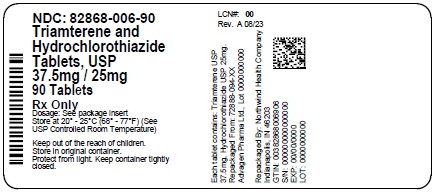
(hydrochlorothiazide · DailyMed)
Teli H
Hydrochlorothiazide 12.5 mg,Magnesium Stearate blister of 12,Mannitol blister of 12,Meglumine blister of 12,Polyvinyl Pyrrolidone blister of 12,Purified Water blister of 12,Sodium hydroxide pellets blister of 12,Telmisartan 40 mg
What it does
Hydrochlorothiazide is a type of medicine known as a thiazide diuretic, which helps the body get rid of excess water and salt through urine.
Commonly used for: high blood pressure (hypertension), heart failure, fluid retention (edema)
Read more in plain English ↓Plain-language summary for general understanding - not medical advice. Always follow your pharmacist/doctor.
Ask about this medicine
Answers come only from this medicine's registration record, BNF monograph and interaction data - not medical advice.
Medicine sourcing is available in Kenya only. We don't sell or dispense medicines - licensed pharmacies do.
Sourcing - Kenya onlyRegistration & product details
Source: Tanzania Medicines and Medical Devices Authority · fetched 2026-03-11 23:42:18 · updated 2026-09-28 03:00:45
About hydrochlorothiazide
Hydrochlorothiazide is a type of medicine known as a thiazide diuretic, which helps the body get rid of excess water and salt through urine.
What it treats
- high blood pressure (hypertension)
- heart failure
- fluid retention (edema)
How it works
It works by helping the kidneys remove excess fluid and salt from the body, which lowers blood pressure and reduces swelling.
Who it's for
It is commonly prescribed for adults with high blood pressure, heart problems, or those retaining too much fluid.
Drug class
Thiazide diuretics
Cautions
- • Be careful if you are taking medications that can lower blood pressure.
- • Avoid using with drugs that lower potassium levels in the blood.
- • Use with caution if you are on medications that can cause low sodium levels.
AI-assisted summary grounded in BNF data - general information only, not medical advice. Always confirm with your pharmacist or doctor.
About hydroxide
Hydroxide is a compound used to help neutralize stomach acid and relieve indigestion or heartburn.
What it treats
- indigestion
- heartburn
How it works
Hydroxide works by neutralizing the excess acid in the stomach, which helps to reduce discomfort.
Who it's for
Hydroxide is suitable for adults and children experiencing symptoms of excess stomach acid.
AI-assisted summary grounded in BNF data - general information only, not medical advice. Always confirm with your pharmacist or doctor.
About mannitol
Mannitol is a type of sugar alcohol used mainly to help reduce swelling and pressure in the body, especially in the eyes and brain.
What it treats
- reducing pressure in the brain (intracranial hypertension)
- treating eye swelling (ocular hypertension)
- promoting urine production in kidney failure
How it works
Mannitol works by drawing water out of tissues and into the bloodstream, helping to decrease swelling and pressure.
Who it's for
Mannitol is typically used for patients with conditions that cause high pressure in the brain or eyes, and those with certain kidney issues.
AI-assisted summary grounded in BNF data - general information only, not medical advice. Always confirm with your pharmacist or doctor.
About meglumine
Meglumine is a compound often used in medical imaging and diagnostic procedures.
What it treats
- medical imaging
- diagnostic procedures
How it works
Meglumine helps to enhance the visibility of certain areas in the body during imaging tests, making it easier for healthcare providers to see and diagnose conditions.
Who it's for
Meglumine is used for patients undergoing specific imaging tests, such as X-rays or CT scans.
AI-assisted summary grounded in BNF data - general information only, not medical advice. Always confirm with your pharmacist or doctor.
About pellets
Pellets are a form of medication that can be taken to treat various health conditions. They are often used for controlled release of medication over time.
What it treats
- pain management
- hormone replacement therapy
- certain nutritional deficiencies
How it works
Pellets release medication slowly into the body, providing a steady effect over time.
Who it's for
Pellets can be suitable for adults and children, depending on the specific condition being treated.
AI-assisted summary grounded in BNF data - general information only, not medical advice. Always confirm with your pharmacist or doctor.
About polyvinyl
Polyvinyl is a substance often used in medical products and devices.
What it treats
- used in various medical applications
- often found in surgical materials
- used in drug delivery systems
How it works
Polyvinyl works by providing a stable and safe medium for delivering medications or as part of medical devices.
Who it's for
This is for patients needing medical treatments involving devices or drug delivery systems that use polyvinyl.
AI-assisted summary grounded in BNF data - general information only, not medical advice. Always confirm with your pharmacist or doctor.
About purified
Purified ingredients are often used in various medicines to ensure safety and effectiveness by removing impurities.
What it treats
- various medical conditions
How it works
Purified ingredients help in delivering the intended effects of the medicine without the risk of contaminants.
Who it's for
People who need medications with safe and effective ingredients.
AI-assisted summary grounded in BNF data - general information only, not medical advice. Always confirm with your pharmacist or doctor.
About pyrrolidone
Pyrrolidone is a compound that may be used in various formulations, but specific details on its applications are limited.
How it works
Pyrrolidone is known for its properties in helping with the solubility and stability of certain substances, making it useful in various products.
Who it's for
Pyrrolidone may be suitable for adults and children depending on its specific formulations and uses.
AI-assisted summary grounded in BNF data - general information only, not medical advice. Always confirm with your pharmacist or doctor.
About telmisartan
Telmisartan is a medicine that helps lower blood pressure and protect your heart.
What it treats
- high blood pressure (hypertension)
- heart protection
How it works
Telmisartan works by blocking a substance in your body that can raise blood pressure, helping your blood vessels relax.
Who it's for
Telmisartan is for adults with high blood pressure or those needing heart protection.
Drug class
Angiotensin-II receptor antagonists
Cautions
- • Be careful if you take medications that can cause low blood pressure when starting this medicine.
- • Avoid medications that can lower blood pressure too much.
- • Watch out for medicines that can increase potassium levels in your blood.
AI-assisted summary grounded in BNF data - general information only, not medical advice. Always confirm with your pharmacist or doctor.
Clinical monograph: Mannitol
BNF-referencedMannitol is an osmotic diuretic and a sugar alcohol that is used primarily to reduce elevated intracranial pressure and to promote diuresis in various medical conditions, including cerebral edema and acute kidney injury. It is metabolically inert in humans and is eliminated primarily through the kidneys. Mannitol works by elevating blood plasma osmolality, drawing water out of tissues and into the bloodstream, which helps to reduce fluid volume and pressure in the brain and other compartments.
Indications
- Cerebral edema
- Elevated intracranial pressure
- Acute kidney injury
- Oliguria
- Glaucoma
- Renal function diagnostic aid
Dosage
Adults: For cerebral edema, administer 0
Mechanism of action
Mannitol elevates blood plasma osmolality, resulting in enhanced flow of water from tissues, including the brain and cerebrospinal fluid, into interstitial fluid and plasma. This action reduces cerebral edema and intracranial pressure. As a diuretic, it increases the osmolality of glomerular filtrate, leading to increased urinary excretion of water and preventing sodium and chloride reabsorption in the renal tubules. Mannitol also facilitates the urinary excretion of toxic substances and can help in assessing renal function by measuring glomerular filtration rate (GFR).
Pharmacodynamics
Mannitol is classified as an osmotic diuretic. It is chemically similar to other sugar alcohols but has a unique ability to promote diuresis by remaining unabsorbed in the renal tubules. Its use is indicated for conditions associated with increased body fluids, such as cerebral edema and glaucoma. Mannitol may be combined with other diuretics to enhance diuretic efficacy. Inhaled formulations are used in cystic fibrosis, though they may cause bronchospasm and hemoptysis.
Pharmacokinetics
Mannitol is freely filtered by the glomeruli with less than 10% tubular reabsorption, which allows for its urinary excretion rate to serve as a measurement of GFR. It does not undergo significant metabolism and is eliminated primarily through the kidneys. The onset of action occurs within 30 to 60 minutes after intravenous administration, with effects lasting for several hours. Administration may require monitoring of renal function and fluid balance.
Contra-indications
- Anuria
- Severe dehydration
- Severe renal impairment
- Intracranial bleeding
Adverse effects
- Asthenia
- Gastrointestinal disturbances
- Dry mouth
- Confusion
- Visual impairment
- Hypotension
- Electrolyte imbalances
- Pulmonary edema
- Hemoptysis (with inhalation use)
- Bronchospasm (with inhalation use)
Interactions
- Potassium-sparing diuretics may increase the risk of hyperkalemia
- Other diuretics may have additive effects
- Caution with nephrotoxic agents
Precautions
- Caution in patients with diabetes mellitus
- Caution in the elderly
- Caution in patients with gout
- Caution in patients with hepatic impairment
- Monitor renal function and electrolytes regularly
- May cause blue fluorescence of urine
Pregnancy
Manufacturer advises avoid due to potential toxicity in animal studies.
Breast-feeding
Manufacturer advises avoid due to lack of information available.
Storage
Store in a cool, dry place, away from light. Do not freeze.
Formulations
- Solution for injection
- Inhalation powder
- Oral solution
AI-synthesized from BNF references - general information only, not a substitute for professional medical advice or the current BNF. Verify doses with a pharmacist.
Clinical monograph: Hydrochlorothiazide
BNF-referencedHydrochlorothiazide is a thiazide diuretic primarily used in the management of hypertension and edema associated with heart failure. By promoting the excretion of sodium and water, it helps lower blood pressure and reduce fluid retention. Its mechanism of action involves inhibition of sodium reabsorption in the distal convoluted tubule of the nephron, which results in increased urine output.
Indications
- Hypertension
- Edema associated with congestive heart failure
- Edema due to renal dysfunction
Dosage
Children: Refer to the BNF for Children for specific dosing information.
Adults: 2.5 mg daily, taken in the morning for hypertension; higher doses may be used for other indications.
Mechanism of action
Hydrochlorothiazide is transported into epithelial cells of the distal convoluted tubule via organic anion transporters OAT1, OAT3, and OAT4. It inhibits the sodium-chloride symporter (SLC12A3), preventing sodium reabsorption. This action reduces the concentration gradient that promotes water reabsorption, leading to increased urine production.
Pharmacodynamics
Hydrochlorothiazide increases the excretion of sodium and water, thereby promoting diuresis. It is effective in lowering blood pressure and has a wide therapeutic range, with doses typically ranging from 25 to 100 mg. The drug exhibits a greater antihypertensive effect at lower doses due to enhanced vasodilation, while higher doses primarily exert their effects through diuresis. Caution is advised in patients with renal or hepatic impairment.
Pharmacokinetics
Hydrochlorothiazide is well absorbed from the gastrointestinal tract, with peak plasma concentrations occurring within 1-2 hours post-administration. It has a half-life of about 6-15 hours, depending on individual patient factors. The drug is primarily excreted unchanged in the urine. Dosage adjustments may be necessary in patients with renal impairment due to the risk of accumulation.
Contra-indications
- History of hypersensitivity to sulfonamides
- Acute porphyrias
- Severe renal impairment
Adverse effects
- Angina pectoris
- Arrhythmias
- Arthralgia
- Asthenia
- Chest pain
- Confusion
- Dry mouth
- Haemolytic anaemia
- Hepatic disorders
- Hyperkalaemia
- Hypokalemia
- Nausea
- Rhabdomyolysis
- Syncope
- Vertigo
Interactions
- Potassium-sparing diuretics
- Other antihypertensives
- Lithium
- Non-steroidal anti-inflammatory drugs (NSAIDs)
- Corticosteroids
Precautions
- Diabetes mellitus
- Elderly patients
- Basal cell carcinoma
- Cutaneous lupus erythematosus
- Patients with hepatic impairment
- Monitoring of electrolytes
Pregnancy
Hydrochlorothiazide should be used during pregnancy only if the potential benefit justifies the potential risk to the fetus. It is advisable to avoid use, especially during the first trimester.
Breast-feeding
Hydrochlorothiazide is present in breast milk; however, the amount is probably too small to be harmful. Caution is advised as large doses may suppress lactation.
Storage
Store in a cool, dry place away from light. Keep out of reach of children.
Formulations
- Tablets: 12.5 mg, 25 mg
- Oral solution
- Combination products with amiloride
AI-synthesized from BNF references - general information only, not a substitute for professional medical advice or the current BNF. Verify doses with a pharmacist.
Clinical monograph: Telmisartan
BNF-referencedTelmisartan is an angiotensin-II receptor antagonist primarily used to treat hypertension. It belongs to the class of drugs known for their ability to lower blood pressure by inhibiting the effects of angiotensin II, a potent vasoconstrictor. Additionally, telmisartan may offer metabolic benefits through its partial agonistic effects on peroxisome proliferator-activated receptor gamma (PPARγ).
Indications
- Hypertension
- Heart failure
- Chronic kidney disease
- Diabetic nephropathy
Dosage
Children: For paediatric patients, refer to the BNF for Children for appropriate dosing guidelines.
Adults: The usual starting dose is 40 mg once daily, which may be adjusted based on blood pressure response. The maximum recommended dose is 80 mg per day.
Mechanism of action
Telmisartan interferes with the binding of angiotensin II to the angiotensin II AT1 receptor by selectively binding to these receptors in vascular smooth muscle and the adrenal gland. This blockage leads to reduced systemic vascular resistance and lower blood pressure. Telmisartan is not an ACE inhibitor and does not affect other hormone receptors or ion channels. It may also enhance carbohydrate and lipid metabolism via its PPARγ activity.
Pharmacodynamics
Telmisartan exhibits high affinity for the AT1 receptor subtype, making it an effective angiotensin II antagonist. It plays a significant role in lowering blood pressure by preventing vasoconstriction and aldosterone release. The potential PPARγ agonistic properties suggest additional metabolic advantages, including improved glucose and lipid metabolism.
Pharmacokinetics
Telmisartan is administered orally and has a high bioavailability. It is extensively bound to plasma proteins and undergoes hepatic metabolism, primarily via glucuronidation. The drug has a long half-life, allowing for once-daily dosing. Excretion occurs mainly through the feces, with minimal renal elimination.
Contra-indications
- Hypersensitivity to telmisartan or any of the excipients
- Severe hepatic impairment
- Severe renal impairment or patients on dialysis
Adverse effects
- Dizziness
- Fatigue
- Hypotension
- Hyperkalemia
- Renal impairment
- Angioedema
Interactions
- Other antihypertensives
- Nonsteroidal anti-inflammatory drugs (NSAIDs)
- Lithium
- Potassium-sparing diuretics
- Renin-angiotensin-aldosterone system (RAAS) inhibitors
Precautions
- Monitor renal function, particularly in patients with renal artery stenosis
- Caution in patients with a history of angioedema
- Use with caution in patients with diabetes
- Monitor potassium levels in patients at risk for hyperkalemia
Pregnancy
Telmisartan is not recommended during pregnancy, particularly in the second and third trimesters, due to potential harm to the fetus.
Breast-feeding
The effects of telmisartan on breastfed infants are unknown; caution should be exercised.
Storage
Store at room temperature, away from moisture and heat.
Formulations
- Tablets: 20 mg, 40 mg
- Combination tablets with hydrochlorothiazide: 20 mg/12.5 mg, 40 mg/12.5 mg
AI-synthesized from BNF references - general information only, not a substitute for professional medical advice or the current BNF. Verify doses with a pharmacist.
Clinical monograph: hydroxide
BNF-referencedHydroxide, represented by the molecular formula HO-, is an anion commonly found in various chemical and biological systems. It plays a crucial role in acid-base chemistry and is a fundamental component in many biochemical pathways. Hydroxide ions are involved in maintaining pH balance in biological systems and participate in various metabolic processes.
Dosage
Children: Refer to specific guidelines for pediatric dosing; consult the BNF for Children for accurate dosage information.
Adults: Refer to specific guidelines for use; dosage may vary based on the context of use.
Mechanism of action
Hydroxide ions act primarily as bases, neutralizing acids to form water and salts. They participate in various biochemical pathways, including selenium metabolism and the degradation of reactive oxygen species. Hydroxide can influence enzyme activity and stability by altering the pH of the environment, thereby affecting metabolic reactions.
Pharmacodynamics
Hydroxide ions can impact biological processes by changing the local pH, which influences enzyme activity, ion transport, and the solubility of other compounds. Their ability to neutralize acids can help regulate physiological pH, contributing to homeostasis in living organisms.
Pharmacokinetics
As an inorganic ion, hydroxide does not undergo traditional pharmacokinetic processes like absorption, distribution, metabolism, or excretion. Instead, it is rapidly equilibrated in biological fluids and participates in acid-base reactions, having immediate effects on the local environment.
Pregnancy
There is limited information regarding the use of hydroxide during pregnancy. Consult a healthcare professional for advice.
Breast-feeding
Limited data is available on the excretion of hydroxide in breast milk. Consult a healthcare professional before use.
Storage
Store in a cool, dry place away from direct sunlight. Keep out of reach of children.
AI-synthesized from BNF references - general information only, not a substitute for professional medical advice or the current BNF. Verify doses with a pharmacist.
Clinical monograph: meglumine
BNF-referencedMeglumine is a compound used primarily as a pharmaceutical excipient and as a solubilizing agent in various medical preparations. It is a derivative of glucuronic acid and functions as a stabilizer for certain drug formulations, particularly in radiologic contrast media. Meglumine enhances the solubility of active ingredients, thereby improving their bioavailability.
Indications
- Used as a solubilizing agent in pharmaceutical preparations
- Used in radiographic contrast media formulations
Dosage
Children: Refer to specific formulations for paediatric dosing instructions as it varies depending on the application.
Adults: Refer to specific formulations for adult dosing instructions as it varies depending on the application.
Mechanism of action
Meglumine acts by enhancing the solubility and stability of drugs in solution, particularly in radiographic contrast agents. It is involved in purinergic signaling pathways, which are essential for various physiological processes, including neurotransmission and inflammation.
Pharmacodynamics
The pharmacodynamic profile of meglumine is largely influenced by its role as a solubilizing agent. It does not exhibit direct pharmacological effects on its own but rather facilitates the action of other active ingredients in formulations. Its impact on purinergic signaling may contribute to modulating physiological responses in the body.
Pharmacokinetics
Meglumine is rapidly absorbed when administered, with its pharmacokinetics closely tied to the properties of the drugs it accompanies. The distribution, metabolism, and excretion of meglumine are not well-defined as it typically functions as an excipient rather than an active therapeutic agent. Its elimination from the body is primarily via renal pathways.
Pregnancy
There is insufficient data on the use of meglumine in pregnancy, therefore it should only be used if the potential benefit justifies the potential risk to the fetus.
Breast-feeding
Caution is advised when administering meglumine to breastfeeding women, as its effects on infants are not well studied.
Storage
Store in a cool, dry place away from direct sunlight. Keep out of reach of children.
AI-synthesized from BNF references - general information only, not a substitute for professional medical advice or the current BNF. Verify doses with a pharmacist.
Clinical monograph: pellets
Pellets are solid dosage forms that are typically used for the controlled release of medication. They are small, round or oval-shaped granules that can be administered orally or via other routes. This dosage form is designed to release the active ingredient slowly over time, allowing for prolonged therapeutic effects and improved patient compliance. Pellets are often used in hormone replacement therapy, pain management, or for the delivery of other medications requiring steady plasma levels.
Indications
- Hormone replacement therapy
- Pain management
- Chronic disease management
- Certain psychiatric conditions
- Hormonal imbalance
Dosage
Children: Refer to specific product information and guidelines, as dosing will vary based on the active ingredient and clinical indication.
Adults: Refer to specific product information and guidelines, as dosing will vary based on the active ingredient and clinical indication.
Mechanism of action
Pellets can contain various active pharmaceutical ingredients that may act through different mechanisms. For example, hormone pellets release hormones such as testosterone or estrogen into the bloodstream, where they bind to specific receptors to exert their physiological effects. The controlled release mechanism allows for a gradual increase in hormone levels, mimicking the body's natural secretion patterns.
Pharmacodynamics
The pharmacodynamic effects of pellets depend on the active ingredients contained within them. For hormone pellets, the effects can include modulation of reproductive processes, alleviation of menopausal symptoms, or enhancement of muscle mass and strength in the case of testosterone. The controlled release mechanism helps maintain therapeutic levels of the drug in the plasma, which can lead to more stable and effective treatment outcomes.
Pharmacokinetics
The pharmacokinetics of pellets vary based on the specific drug formulation. Generally, after administration, pellets dissolve or disintegrate, allowing the active ingredient to be absorbed into the bloodstream. The rate of absorption and the time to peak plasma concentration will depend on the pellet's composition, the solubility of the drug, and the physiological conditions of the gastrointestinal tract or the application site. The half-life of the drug will also influence the dosing schedule and the duration of action.
Pregnancy
Safety in pregnancy has not been established. Use only if the potential benefit justifies the potential risk to the fetus.
Breast-feeding
It is not known whether this drug is excreted in human milk. Caution is advised when administering to nursing mothers.
Storage
Store in a cool, dry place, away from direct sunlight. Keep out of reach of children.
AI-synthesized from BNF references - general information only, not a substitute for professional medical advice or the current BNF. Verify doses with a pharmacist.
Clinical monograph: polyvinyl
Polyvinyl refers to a group of synthetic polymers derived from vinyl compounds, commonly used in various medical and pharmaceutical applications. It is primarily known for its use in the production of containers, tubing, and other medical devices due to its chemical stability, durability, and biocompatibility. Polyvinyl chloride (PVC) is one of the most common forms, often utilized in blood bags, IV containers, and other medical products.
Indications
- Used in medical devices and containers for fluids
- Used in drug delivery systems
Dosage
Children: Polyvinyl is not a drug and therefore does not have a dosage.
Adults: Polyvinyl is not a drug and therefore does not have a dosage.
Mechanism of action
Polyvinyl does not have a pharmacological mechanism of action as it is a structural material rather than a drug. Its function is primarily physical, providing a safe and effective medium for storage and transport of medical fluids and medications.
Pharmacodynamics
As a polymer, polyvinyl does not exert pharmacodynamic effects typical of active pharmaceutical ingredients. Its role in medicine is to serve as an inert substance that provides a barrier to contamination and ensures the integrity of the contents it holds.
Pharmacokinetics
Polyvinyl is not absorbed or metabolized in the body in the way that drugs are. It remains in a stable form and is excreted unchanged if it enters the body, with no systemic effects or pharmacokinetic profile.
Pregnancy
Polyvinyl products are generally considered safe for use during pregnancy; however, specific formulations should be assessed for safety.
Breast-feeding
Polyvinyl compounds are unlikely to pose a risk during breastfeeding, but exposure should be minimized when possible.
Storage
Store in a cool, dry place away from direct sunlight and moisture. Keep out of reach of children.
AI-synthesized from BNF references - general information only, not a substitute for professional medical advice or the current BNF. Verify doses with a pharmacist.
Clinical monograph: purified
Purified refers to a substance that has been processed to remove impurities, contaminants, or unwanted substances, resulting in a more concentrated and effective form of the original compound. In pharmacology, purified compounds are often used to enhance therapeutic efficacy and reduce adverse effects. The purification process can apply to a variety of substances, including drugs, biological products, and chemical compounds.
Dosage
Children: Refer to specific drug formulations and product labels as purified substances can vary widely in their use and dosing.
Adults: Refer to specific drug formulations and product labels as purified substances can vary widely in their use and dosing.
Mechanism of action
The mechanism of action for purified compounds varies widely depending on the specific substance. Generally, purified drugs exert their effects by interacting with specific biological targets, such as receptors, enzymes, or ion channels, leading to a desired therapeutic effect. This interaction can involve binding to receptors to activate or inhibit signaling pathways, modulating enzymatic activity, or altering physiological processes.
Pharmacodynamics
Pharmacodynamics describes the effects of a drug on the body and the relationship between drug concentration and effect. For purified drugs, this can involve dose-response relationships and the time course of their action. The purified form often enhances potency and reduces variability in response among patients, which can lead to more predictable therapeutic outcomes. The overall effect is determined by the drug's affinity for its target, the efficacy of the drug-receptor interaction, and the downstream signaling pathways activated as a result of this interaction.
Pharmacokinetics
Pharmacokinetics involves the absorption, distribution, metabolism, and excretion (ADME) of a drug. For purified substances, absorption can be more efficient due to the absence of impurities that may affect solubility or stability. Distribution may also be enhanced, leading to higher bioavailability. Metabolism can be influenced by the structure of the purified compound, as it may be metabolized more readily by liver enzymes. Excretion typically occurs through the kidneys or liver, depending on the molecular characteristics of the purified drug.
Pregnancy
Consult with a healthcare professional, as the safety of purified forms of medications during pregnancy may vary depending on the specific substance.
Breast-feeding
Consult with a healthcare professional, as the safety of purified forms of medications during breastfeeding may vary depending on the specific substance.
Storage
Store in a cool, dry place, away from light and moisture, and keep out of reach of children.
AI-synthesized from BNF references - general information only, not a substitute for professional medical advice or the current BNF. Verify doses with a pharmacist.
Clinical monograph: pyrrolidone
BNF-referencedPyrrolidone, specifically 2-pyrrolidone, is a cyclic amide with the molecular formula C4H7NO. It is primarily used as a solvent and a skin penetration enhancer in pharmaceutical formulations. It assists in enhancing the permeation of various compounds through the skin, making it valuable in topical applications.
Indications
- Topical drug formulations
- Skin penetration enhancer
Dosage
Children: Refer to the BNF for Children for appropriate formulations and concentrations.
Adults: Refer to specific product guidelines or consult the BNF for appropriate formulations and concentrations.
Mechanism of action
2-Pyrrolidone enhances skin permeation by increasing the diffusivity of polar compounds while decreasing the diffusivity and partitioning of nonpolar compounds through the skin. It acts as a mild accelerant for polar material diffusion, such as methanol, through the human stratum corneum, while inhibiting the transport of nonpolar lipophilic substances.
Pharmacodynamics
Pyrrolidone exhibits unique properties that facilitate the transport of drugs through the skin. Its ability to alter the permeability of the skin barrier allows for enhanced transdermal absorption of active pharmaceutical ingredients, which can lead to improved therapeutic outcomes in topical drug delivery.
Pharmacokinetics
The pharmacokinetics of pyrrolidone involve factors such as its absorption through the skin, distribution within biological tissues, metabolism, and excretion. While specific pharmacokinetic data on 2-pyrrolidone is limited, its role as a skin penetration enhancer suggests that it may exhibit relatively rapid absorption when applied topically. Further studies are needed to elucidate its complete pharmacokinetic profile.
Pregnancy
Safety during pregnancy has not been established. Use only if clearly needed and the benefits outweigh the risks.
Breast-feeding
Not enough data available to determine safety during breastfeeding. Caution is advised.
Storage
Store in a cool, dry place away from light. Keep container tightly closed.
AI-synthesized from BNF references - general information only, not a substitute for professional medical advice or the current BNF. Verify doses with a pharmacist.
Molecular reference: Hydrochlorothiazide
PubChem CID 3639Molecular formula: C7H8ClN3O4S2
Mechanism of action
Hydrochlorothiazide is transported from the circulation into epithelial cells of the distal convoluted tubule by the organic anion transporters OAT1, OAT3, and OAT4. From these cells, hydrochlorothiazide is transported to the lumen of the tubule by multidrug resistance associated protein 4 (MRP4). Normally, sodium is reabsorbed into epithelial cells of the distal convoluted tubule and pumped into the basolateral interstitium by a sodium-potassium ATPase, creating a concentration gradient between the epithelial cell and the distal convoluted tubule that promotes the reabsorption of water. Hydrochlorothiazide acts on the proximal region of the distal convoluted tubule, inhibiting reabsorption by the sodium-chloride symporter, also known as Solute Carrier Family 12 Member 3 (SLC12A3). Inhibition of SLC12A3 reduces the magnitude of the concentration gradient between the epithelial cell and distal convoluted tubule, reducing the reabsorption of water.
Pharmacodynamics
Hydrochlorothiazide prevents the reabsorption of sodium and water from the distal convoluted tubule, allowing for the increased elimination of water in the urine. Hydrochlorothiazide has a wide therapeutic window as dosing is individualized and can range from 25-100mg. Hydrochlorothiazide should be used with caution in patients with reduced kidney or liver function.
Biological pathways
Source: PubChem (NCBI) · pathways from PathBank, Reactome, WikiPathways & PharmGKB.
Molecular reference: Mannitol
PubChem CID 6251Molecular formula: C6H14O6
Mechanism of action
Mannitol is an osmotic diuretic that is metabolically inert in humans and occurs naturally, as a sugar or sugar alcohol, in fruits and vegetables. Mannitol elevates blood plasma osmolality, resulting in enhanced flow of water from tissues, including the brain and cerebrospinal fluid, into interstitial fluid and plasma. As a result, cerebral edema, elevated intracranial pressure, and cerebrospinal fluid volume and pressure may be reduced. As a diurectic mannitol induces diuresis because it is not reabsorbed in the renal tubule, thereby increasing the osmolality of the glomerular filtrate, facilitating excretion of water, and inhibiting the renal tubular reabsorption of sodium, chloride, and other solutes. Mannitol promotes the urinary excretion of toxic materials and protects against nephrotoxicity by preventing the concentration of toxic substances in the tubular fluid. As an Antiglaucoma agent mannitol levates blood plasma osmolarity, resulting in enhanced flow of water from the eye into plasma and a consequent reduction in intraocular pressure. As a renal function diagnostic aid mannitol is freely filtered by the glomeruli with less than 10% tubular reabsorption. Therefore, its urinary excretion rate may serve as a measurement of glomerular filtration rate (GFR). The exact mechanism of action of inhaled mannitol in the symptomatic maintenance treatment of cystic fibrosis remains unclear. It is hypothesized that mannitol produces an osmotic gradient across the airway epithelium that draws fluid into the extracellular space and alters the properties of the airway surface mucus layer, allowing easier mucociliary clearance. MANNITOL IS.../USED/ IN PROPHYLAXIS OF ACUTE RENAL FAILURE. IT IS USED FOR THIS PURPOSE IN CONDITIONS AS DIVERSE AS CARDIOVASCULAR OPERATIONS, SEVERE TRAUMATIC INJURY, OPERATIONS IN THE PRESENCE OF SEVERE JAUNDICE, AND MGMNT OF HEMOLYTIC TRANSFUSION REACTIONS. IN EACH OF THESE CONDITIONS, A PRECIPITOUS FALL IN THE FLOW OF URINE MAY BE ANTICIPATED EITHER AS THE RESULT OF AN ACUTELY REDUCED FILTRATION RATE OR FROM ACUTE CHANGES IN TUBULAR PERMEABILITY. THE LATTER MAY BE CONSEQUENCE OF THE PRESENCE OF NOXIOUS AGENT WITHIN THE TUBULAR FLUID IN EXCESSIVELY HIGH CONCN, IN SOME INSTANCES SUFFICIENT TO RESULT IN ACTUAL PRECIPITATION. IN THESE SITUATIONS, MANNITOL EXERTS OSMOTIC EFFECT WITHIN THE TUBULAR FLUID, INHIBITS WATER REABSORPTION, & MAINTAINS THE RATE OF URINE FLOW. ...CONCN OF TOXIC AGENT WITHIN TUBULAR FLUID DOES NOT REACH EXCESSIVELY HIGH LEVELS THAT OTHERWISE WOULD HAVE BEEN ACHIEVED BY MORE COMPLETE REABSORPTION OF WATER. ...EVEN THOUGH /GLOMERULAR/ FILTRATION RATE IS REDUCED, MANNITOL IS STILL FILTERED @ GLOMERULUS. THE TUBULAR IMPERMEABILITY TO MANNITOL IS NOT ALTERED BY ACUTE RENAL ISCHEMIA OF SHORT DURATION. HENCE, THE MANNITOL THAT IS FILTERED IS ALSO EXCRETED IN THE VOIDED URINE. UNREABSORBED SOLUTE LIMITS BACK DIFFUSION OF WATER. ...URINE VOL CAN BE MAINTAINED EVEN IN PRESENCE OF DECR GLOMERULAR FILTRATION.
Pharmacodynamics
Chemically, mannitol is an alcohol and a sugar, or a polyol; it is similar to xylitol or sorbitol. However, mannitol has a tendency to lose a hydrogen ion in aqueous solutions, which causes the solution to become acidic. For this reason, it is not uncommon to add a substance to adjust its pH, such as sodium bicarbonate. Mannitol is commonly used to increase urine production (diuretic). It is also used to treat or prevent medical conditions that are caused by an increase in body fluids/water (e.g., cerebral edema, glaucoma, kidney failure). Mannitol is frequently given along with other diuretics (e.g., furosemide, chlorothiazide) and/or IV fluid replacement. Inhaled mannitol has the possibility to cause bronchospasm and hemoptysis; the occurrence of either should lead to discontinuation of inhaled mannitol.
Biological pathways
Source: PubChem (NCBI) · pathways from PathBank, Reactome, WikiPathways & PharmGKB.
Molecular reference: Telmisartan
PubChem CID 65999Molecular formula: C33H30N4O2
Mechanism of action
Telmisartan interferes with the binding of angiotensin II to the angiotensin II AT<sub>1</sub>-receptor by binding reversibly and selectively to the receptors in vascular smooth muscle and the adrenal gland. As angiotensin II is a vasoconstrictor, which also stimulates the synthesis and release of aldosterone, blockage of its effects results in decreases in systemic vascular resistance. Telmisartan does not inhibit the angiotensin converting enzyme, other hormone receptors, or ion channels. Studies also suggest that telmisartan is a partial agonist of PPARγ, which is an established target for antidiabetic drugs. This suggests that telmisartan can improve carbohydrate and lipid metabolism, as well as control insulin resistance without causing the side effects that are associated with full PPARγ activators. Migration of CD4-positive lymphocytes into the vessel wall represents an important step in early atherogenesis. Telmisartan is an angiotensin type 1 receptor (AT1R) blocker with peroxisome proliferator-activated receptor (PPAR)-gamma-activating properties. The present study examined the effect of telmisartan on CD4-positive cell migration and the role of PPARgamma in this context. CD4-positive lymphocytes express both the AT1R and PPARgamma. Stimulation of CD4-positive lymphocytes with stromal cell-derived factor (SDF)-1 leads to a 4.1+/-3.1-fold increase in cell migration. Pretreatment of cells with telmisartan reduces this effect in a concentration-dependent manner to a maximal 1.6+/-0.7-fold induction at 10 mumol/L of telmisartan (P<0.01 compared with SDF-1-treated cells; n=22). Three different PPARgamma activators, rosiglitazone, pioglitazone, and GW1929, had similar effects, whereas eprosartan, a non-PPARgamma-activating AT1R blocker, did not affect chemokine-induced lymphocyte migration. Telmisartan's effect on CD4-positive lymphocyte migration was mediated through an early inhibition of chemokine-induced phosphatidylinositol 3-kinase activity. Downstream, telmisartan inhibited F-actin formation, as well as intercellular adhesion molecule-3 translocation. Transfection of CD4-positive lymphocytes with PPARgamma small interfering RNA abolished telmisartan's effect on migration, whereas blockade of the AT1R had no such effect. Telmisartan inhibits chemokine-induced CD4-positive cell migration independent of the AT1R via PPARgamma. These data provide a novel mechanism to explain how telmisartan modulates lymphocyte activation by its PPARgamma-activating properties. Angiotensin II is formed from angiotensin I in a reaction catalyzed by angiotensin-converting enzyme (ACE, kininase II). Angiotensin II is the principal pressor agent of the renin-angiotensin system, with effects that include vasoconstriction, stimulation of synthesis and release of aldosterone, cardiac stimulation, and renal reabsorption of sodium. Telmisartan blocks the vasoconstrictor and aldosterone-secreting effects of angiotensin II by selectively blocking the binding of angiotensin II to the AT1 receptor in many tissues, such as vascular smooth muscle and the adrenal gland. Its action is therefore independent of the pathways for angiotensin II synthesis. There is also an AT2 receptor found in many tissues, but AT2 is not known to be associated with cardiovascular homeostasis. Telmisartan has much greater affinity (>3,000 fold) for the AT1 receptor than for the AT2 receptor. Blockade of the renin-angiotensin system with ACE inhibitors, which inhibit the biosynthesis of angiotensin II from angiotensin I, is widely used in the treatment of hypertension. ACE inhibitors also inhibit the degradation of bradykinin, a reaction also catalyzed by ACE. Because telmisartan does not inhibit ACE (kininase II), it does not affect the response to bradykinin. Whether this difference has clinical relevance is not yet known. Telmisartan does not bind to or block other hormone receptors or ion channels known to be important in cardiovascular regulation. Block
Pharmacodynamics
Telmisartan is an orally active nonpeptide angiotensin II antagonist that acts on the AT<sub>1</sub> receptor subtype. It has the highest affinity for the AT<sub>1</sub> receptor among commercially available ARBs and has minimal affinity for the AT<sub>2</sub> receptor. New studies suggest that telmisartan may also have PPARγ agonistic properties that could potentially confer beneficial metabolic effects, as PPARγ is a nuclear receptor that regulates specific gene transcription, and whose target genes are involved in the regulation of glucose and lipid metabolism, as well as anti-inflammatory responses. This observation is currently being explored in clinical trials. Angiotensin II is formed from angiotensin I in a reaction catalyzed by angiotensin-converting enzyme (ACE, kininase II). Angiotensin II is the principal pressor agent of the renin-angiotensin system, with effects that include vasoconstriction, stimulation of synthesis and release of aldosterone, cardiac stimulation, and renal reabsorption of sodium. Telmisartan works by blocking the vasoconstrictor and aldosterone secretory effects of angiotensin II.
Biological pathways
Source: PubChem (NCBI) · pathways from PathBank, Reactome, WikiPathways & PharmGKB.
Molecular reference: hydroxide
PubChem CID 961Molecular formula: HO-
Biological pathways
Source: PubChem (NCBI) · pathways from PathBank, Reactome, WikiPathways & PharmGKB.
Molecular reference: meglumine
PubChem CID 8567Molecular formula: C7H17NO5
Biological pathways
Source: PubChem (NCBI) · pathways from PathBank, Reactome, WikiPathways & PharmGKB.
Molecular reference: pyrrolidone
PubChem CID 12025Molecular formula: C4H7NO
Mechanism of action
THE MECHANISMS OF SKIN PENETRATION ENHANCERS WERE INVESTIGATED BY MEASURING STEADY-STATE FLUXES IN VITRO FOR MODEL COMPOUNDS, METHANOL, OCTANOL & CAFFEINE. 2-PYRROLIDONE ENHANCED THEIR PERMEATION THROUGH THE POLAR ROUTE OF THE SKIN BY INCREASING THE DIFFUSIVITY & DECREASED PASSAGE THROUGH THE NONPOLAR ROUTE BY DECREASING DIFFUSIVITY & PARTITIONING. TRYPSINIZED, ABDOMINAL STRATUM CORNEUM ABSORBED 1-4 TIMES ITS WT OF PRIMARY ALCOHOLIC VEHICLE FROM SOLUTIONS OF 0-80% WT 2-PYRROLIDONE IN WATER; ABOUT 2 SEPARATION PARTITION COEFFICIENTS OPERATED. CALCULATIONS OF HM VALUES FOR THE PARTITIONS INDICATED THAT 2-PYRROLIDONE IS PROBABLY NOT A PENETRATION ACCELERANT FOR C1-C8 PRIMARY ALCOHOLS. FOR THE SIMPLE NONELECTROLYTES TESTED, & UNDER IDEALIZED IN VITRO STEADY STATE CONDITIONS, 2-PYRROLIDONE ACTED AS A MILD ACCELERANT FOR POLAR MATERIAL (METHANOL) DIFFUSION THROUGH HUMAN STRATUM CORNEUM, BUT INHIBITED NONPOLAR, LIPOPHILIC (OCTANOL) TRANSPORT.
Biological pathways
Source: PubChem (NCBI) · pathways from PathBank, Reactome, WikiPathways & PharmGKB.
This drug in other countries
The same active ingredient registered across other registries we cover - including different brands.
- ADCO MAYOGEL SUSPENSION · Adcock Ingram
- AMLISAR 40/10 · Zaklady Farmaceutyczne Polpharma S.a
- AMLISAR 40/5 · Zaklady Farmaceutyczne Polpharma S.a
- AMLISAR 80/10 · Zaklady Farmaceutyczne Polpharma S.a
- AMLISAR 80/5 · Zaklady Farmaceutyczne Polpharma S.a
- AVACARD 40 · Inventia Healthcare
- ABYCID SUSPENSION (Each 5ml contains Magnesium Hydroxide BP/ Dried Aluminium Hydroxide BP Magnesium Trisilicate BP Activated Dimethicone (Simethicone) B 225mg/200mg/25mg) · Socomed Pharmceuticals Pvt Limited
- ACIQUARD O SUSPENSION (Each 5ml contains Dried Aluminium Hydroxide / Magnesium Hydroxide / Simethicone / Oxethazaine 250mg/250mg/50mg/10mg) · Pharmanova
- ALUMINIUM HYDROXIDE 500MG TABLETS · Letap Pharmaceuticals
- ALUMINIUM HYDROXIDE TABLETS · M&g Pharmaceuticals
- ALUMINIUM HYDROXIDE TABLETS · Phyto-Riker Pharmaceutical
- ALUSIL PLUS SUSPENSION (Each 5ml contains Aluminium Hydroxide/Magnesium Hydroxide/Magnesium Trisilicate/Simethicone 300mg/100mg/200mg/30mg) · Letap Pharmaceuticals