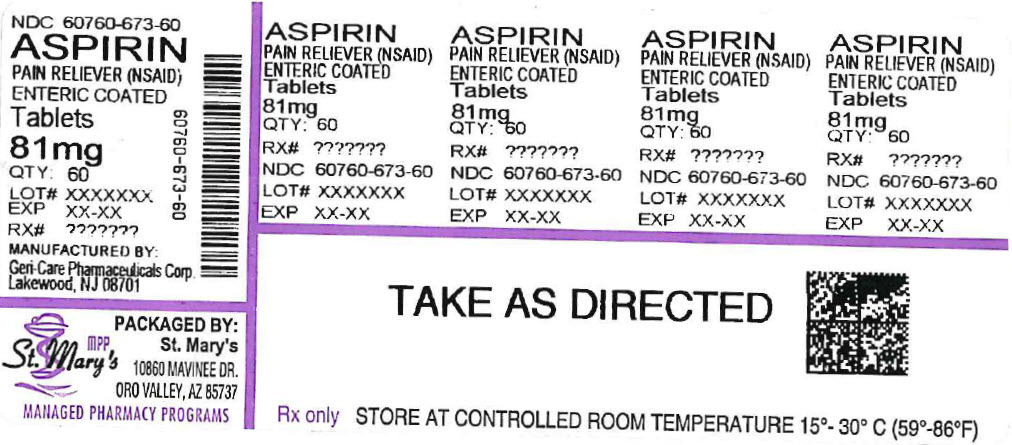
(dose · DailyMed)
What it does
This medication is used to treat various health conditions, helping to manage symptoms effectively.
Commonly used for: specific health condition 1, specific health condition 2
Read more in plain English ↓Plain-language summary for general understanding - not medical advice. Always follow your pharmacist/doctor.
Ask about this medicine
Answers come only from this medicine's registration record, BNF monograph and interaction data - not medical advice.
Medicine sourcing is available in Kenya only. We don't sell or dispense medicines - licensed pharmacies do.
Sourcing - Kenya onlyRegistration & product details
Source: Tanzania Medicines and Medical Devices Authority · fetched 2026-03-11 23:51:35 · updated 2026-10-22 03:00:45
About dose
This medication is used to treat various health conditions, helping to manage symptoms effectively.
What it treats
- specific health condition 1
- specific health condition 2
How it works
It works by targeting certain processes in the body to improve health and relieve symptoms.
Who it's for
This medication is suitable for adults and children with specific health needs.
Cautions
- • Consult your doctor if you have any allergies.
- • Inform your doctor about any other medications you are taking.
AI-assisted summary grounded in BNF data - general information only, not medical advice. Always confirm with your pharmacist or doctor.
About newcastle
Newcastle is a medication used to treat certain health conditions.
What it treats
- specific infections
- viral diseases
How it works
Newcastle works by targeting and helping to eliminate harmful viruses in the body.
Who it's for
It is suitable for individuals with specific viral infections.
AI-assisted summary grounded in BNF data - general information only, not medical advice. Always confirm with your pharmacist or doctor.
About virus
Viruses are microscopic organisms that can cause infections in humans, animals, and plants.
What it treats
- viral infections
- common cold
- influenza (flu)
- HIV/AIDS
- hepatitis
How it works
Viruses invade living cells and use them to reproduce, which can lead to illness.
Who it's for
Viruses can affect anyone, but some groups, like those with weakened immune systems, are more at risk.
AI-assisted summary grounded in BNF data - general information only, not medical advice. Always confirm with your pharmacist or doctor.
Clinical monograph: dose
BNF-referencedDose is a compound with the molecular formula C30H67I3N2S, often used in clinical settings for its pharmacological properties. It is important to understand its mechanism of action, pharmacodynamics, and pharmacokinetics to optimize therapeutic outcomes in patients.
Indications
- Clinical term 1
- Common term 1
- Clinical term 2
- Common term 2
Dosage
Children: Refer to the BNF for Children for specific paediatric dosing guidelines.
Adults: Refer to the BNF for specific adult dosing guidelines.
Mechanism of action
Dose acts by modulating the activity of specific neurotransmitter receptors and ion channels, influencing various physiological pathways. Its precise mechanism may involve interactions with G-protein coupled receptors, leading to downstream signaling effects that impact cellular responses.
Pharmacodynamics
Dose exhibits a range of effects depending on the dosage and target tissues. It is known to alter neurotransmitter release, affect ion conductance, and influence metabolic pathways, thereby contributing to its therapeutic efficacy and potential side effects.
Pharmacokinetics
Dose is generally absorbed following administration, with peak plasma concentrations occurring within a specified timeframe. Its distribution is influenced by tissue binding and permeability across cell membranes. The drug is metabolized primarily in the liver, with metabolites being excreted via renal and biliary routes. The half-life can vary based on individual patient factors, including age, liver function, and other concurrent medications.
AI-synthesized from BNF references - general information only, not a substitute for professional medical advice or the current BNF. Verify doses with a pharmacist.
Clinical monograph: newcastle
Newcastle disease virus (NDV) is an avian paramyxovirus that primarily affects birds but can also infect mammals, including humans in rare cases. It causes Newcastle disease, characterized by respiratory, gastrointestinal, and nervous system symptoms in poultry. Vaccination is key for prevention in avian populations. In humans, NDV is of interest for its oncolytic properties, as it selectively targets and kills cancer cells while sparing normal cells.
Indications
- Prevention of Newcastle disease in poultry
- Potential oncolytic therapy in cancer treatment
Dosage
Children: Refer to specific treatment protocols or clinical guidelines for dosages, as they may vary based on the context of use.
Adults: Refer to specific treatment protocols or clinical guidelines for dosages, as they may vary based on the context of use.
Mechanism of action
Newcastle disease virus exerts its effects primarily through the induction of apoptosis in infected cells and the activation of the host immune system. The virus binds to specific receptors on the surface of host cells, facilitating viral entry and replication. It leads to the release of pro-inflammatory cytokines and enhances the anti-tumor immune response in the context of oncolytic therapies.
Pharmacodynamics
The pharmacodynamics of Newcastle disease virus involves its ability to replicate in tumor cells, leading to cell lysis and release of viral progeny that can further infect and destroy adjacent tumor cells. The host's immune system is subsequently activated, enhancing the overall anti-tumor response.
Pharmacokinetics
The pharmacokinetics of Newcastle disease virus is complex, as it involves viral replication and dissemination within the host. Following administration, the virus replicates at the site of infection, with peak viral loads observed at various time points depending on the route of administration and the host's immune status. The virus is typically cleared by the immune system over time, although its persistence can vary based on the type of host cells infected.
Pregnancy
Safety in pregnancy has not been established. Use with caution and only if the potential benefit justifies the potential risk to the fetus.
Breast-feeding
Safety during breastfeeding is not well established. Caution is advised.
Storage
Store in a cool, dry place away from direct sunlight and heat. Follow specific storage requirements if available.
AI-synthesized from BNF references - general information only, not a substitute for professional medical advice or the current BNF. Verify doses with a pharmacist.
Clinical monograph: virus
Viruses are submicroscopic infectious agents that replicate only inside the living cells of an organism. They are composed of genetic material (either DNA or RNA) surrounded by a protein coat and, in some cases, an outer lipid envelope. Viruses can infect all types of life forms, from animals and plants to microorganisms, including bacteria (bacteriophages). They are responsible for a wide range of diseases, from the common cold to serious conditions such as HIV/AIDS, influenza, and COVID-19.
Indications
- Influenza
- HIV/AIDS
- Hepatitis B and C
- Herpes simplex virus infections
- Cytomegalovirus infections
- COVID-19
- Respiratory syncytial virus infections
Dosage
Children: Refer to specific antiviral agents for dosing guidance.
Adults: Refer to specific antiviral agents for dosing guidance.
Mechanism of action
Viruses infect host cells by attaching to specific receptors on the cell surface. Once inside, they hijack the host cell's machinery to replicate their genetic material and produce viral proteins. New viral particles are assembled and released from the host cell, often destroying the cell in the process. The specific mechanism can vary depending on the virus type, including integration into the host genome in retroviruses or utilizing specific pathways for replication.
Pharmacodynamics
The pharmacodynamics of antiviral agents depend on the specific virus and the mechanism of action. Antiviral drugs may inhibit viral entry into host cells, block viral replication, or prevent the assembly of new virions. The effectiveness of antiviral therapy often relates to the stage of viral replication and the immune response of the host.
Pharmacokinetics
Pharmacokinetics of antiviral drugs varies widely based on the specific medication used. Generally, antiviral agents are absorbed through the gastrointestinal tract and distributed throughout the body. They may undergo hepatic metabolism and are often excreted through the kidneys. The half-life of these drugs can range from a few hours to several days, influencing dosing schedules.
AI-synthesized from BNF references - general information only, not a substitute for professional medical advice or the current BNF. Verify doses with a pharmacist.
Molecular reference: dose
PubChem CID 135121818Molecular formula: C30H67I3N2S
Source: PubChem (NCBI) · pathways from PathBank, Reactome, WikiPathways & PharmGKB.
This drug in other countries
The same active ingredient registered across other registries we cover - including different brands.
- ABRYSVO · Pfizer
- AVI IBD PLUS · Laprovet
- AVI ND HB1 · Laprovet
- AVI ND HBI+IB LIVE FREEZE-DRIED VACCINE (NEWCASTLE DISEASE VIRUS, HITCHNE BI STRAIN AT LEAST 10^5.5 EID50 + AVIAN INFECTIONS BRONCHITIS VIRUS, MASSACHUSETTS TYPE B-48 STRAIN AT LEAST 10^3.0 EID50) · Laprovet
- AVI ND LASOTA · Laprovet Hungary
- BIOCAN DHPPi+LR · Bioveta