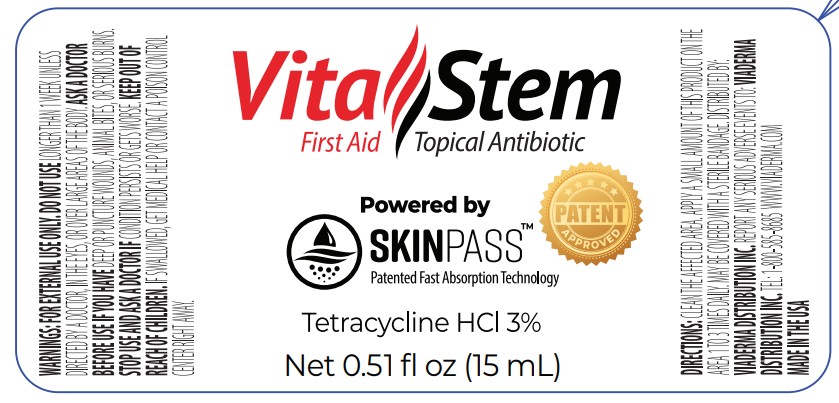
(tetracycline · DailyMed)
TETRAGEN
Anhydrous lanolin 27.452 mg/g,Hard Paraffin 75.0 mg/g,Light Liquid Paraffin 585.548 mg/g,Microcrystalline Wax 300.00 mg/g,Tetracycline Hydrochloride U.S.P 10 mg/gm
What it does
Hard is a medicinal ingredient used to help with various health conditions.
Read more in plain English ↓Plain-language summary for general understanding - not medical advice. Always follow your pharmacist/doctor.
Ask about this medicine
Answers come only from this medicine's registration record, BNF monograph and interaction data - not medical advice.
Medicine sourcing is available in Kenya only. We don't sell or dispense medicines - licensed pharmacies do.
Sourcing - Kenya onlyRegistration & product details
Source: Tanzania Medicines and Medical Devices Authority · fetched 2026-06-04 06:52:03 · updated 2026-10-19 03:00:45
Drug Interactions
11Pharmacodynamic Warnings
Tetracycline appears in TABLE 1: Drugs that cause hepatotoxicity
Severe (1)
Tetracyclines - decreases absorption
Strontium is predicted to decrease the absorption of tetracyclines. Avoid. Theoretical Sucralfate
Moderate (3)
Lithium - increases risk of lithium toxicity
Tetracyclines are predicted to increase the risk of lithium toxicity when given with lithium. Avoid or adjust dose.
Tetracyclines - decreases concentration
Fosphenytoin is predicted to decrease the concentration of tetracyclines (doxycycline). Adjust dose.
Tetracyclines - decreases exposure
Rifampicin modestly decreases the exposure to tetracyclines (doxycycline). Adjust dose.
Unknown (7)
Antimalarials - decreases concentration
Tetracycline decreases the concentration of antimalarials (atovaquone).
Atovaquone - decreases concentration
Tetracycline decreases the concentration of antimalarials (atovaquone).
Relugolix - increases exposure
Tetracycline is predicted to increase the exposure to relugolix. Avoid or take relugolix first and separate administration by at least 6 hours.
Tetracyclines - decreases exposure
Mitotane is predicted to decrease the exposure to tetracyclines (eravacycline). Adjust eravacycline dose, p. 625.
Tetracyclines - decreases exposure
Rifampicin is predicted to decrease the exposure to tetracyclines (eravacycline). Adjust eravacycline dose, p. 625.
Tetracyclines - decreases exposure
St John's wort is predicted to decrease the exposure to tetracyclines (eravacycline). Adjust eravacycline dose, p. 625.
Tetracyclines - decreases absorption
Oralzincispredictedtodecreasetheabsorptionof tetracyclines.Separateadministrationby2to3hours. oTheoretical https://www.facebook.c (Books-Courses-Medic
Data from BNF 85 (British National Formulary). This is not a substitute for professional medical advice. Matched via: class
About hard
Hard is a medicinal ingredient used to help with various health conditions.
How it works
Hard works by interacting with specific body systems to provide relief or treatment for certain conditions.
Who it's for
Hard is suitable for individuals experiencing the conditions it is meant to treat.
AI-assisted summary grounded in BNF data - general information only, not medical advice. Always confirm with your pharmacist or doctor.
About lanolin
Lanolin is a natural substance derived from sheep's wool, commonly used to moisturize and protect the skin.
What it treats
- dry skin
- eczema
- dermatitis
How it works
Lanolin forms a barrier on the skin, helping to retain moisture and prevent dryness.
Who it's for
This product is suitable for anyone experiencing dry or irritated skin.
AI-assisted summary grounded in BNF data - general information only, not medical advice. Always confirm with your pharmacist or doctor.
About light
Light therapy is used to treat various conditions by exposing the skin to specific wavelengths of light.
What it treats
- seasonal affective disorder (SAD)
- psoriasis
- eczema
- acne
How it works
Light therapy works by using specific types of light to help improve mood or skin conditions.
Who it's for
Light therapy is for people suffering from mood disorders or certain skin conditions.
AI-assisted summary grounded in BNF data - general information only, not medical advice. Always confirm with your pharmacist or doctor.
About liquid
Liquid medications can come in various forms, including solutions, syrups, and suspensions. They are often used for easier swallowing and faster absorption.
What it treats
- nausea and vomiting
- pain relief
- fever reduction
- cough relief
How it works
Liquid medications are absorbed quickly into the body, providing rapid relief for various symptoms.
Who it's for
Liquid medications can be suitable for people of all ages, especially those who have difficulty swallowing tablets or capsules.
AI-assisted summary grounded in BNF data - general information only, not medical advice. Always confirm with your pharmacist or doctor.
About microcrystalline
Microcrystalline is a type of substance often used in medicines to help with various health issues. It is commonly used as a filler or binder in tablets and capsules.
What it treats
- stomach issues
- constipation
- weight management
How it works
It helps to improve the texture of medicines and can assist in the absorption of other ingredients in the body.
Who it's for
Adults and children who need help with specific health conditions, as directed by a healthcare professional.
AI-assisted summary grounded in BNF data - general information only, not medical advice. Always confirm with your pharmacist or doctor.
About paraffin
Paraffin is a substance used to help relieve constipation by softening stools.
What it treats
- constipation
- hard stools
How it works
Paraffin works by coating the stool and the intestines, making it easier to pass stools.
Who it's for
Paraffin is suitable for people experiencing constipation, particularly in cases where dietary changes are not sufficient.
Cautions
- • Avoid using if you have abdominal pain or intestinal blockage.
- • Consult a healthcare provider if symptoms persist.
AI-assisted summary grounded in BNF data - general information only, not medical advice. Always confirm with your pharmacist or doctor.
About tetracycline
Tetracycline is an antibiotic that helps fight bacterial infections.
What it treats
- bacterial infections
- acne
- respiratory infections
How it works
It works by stopping the growth of bacteria in the body.
Who it's for
It is for people who have infections caused by certain types of bacteria.
Drug class
Tetracyclines
Cautions
- • Be cautious if you are taking other medications that can harm the liver.
AI-assisted summary grounded in BNF data - general information only, not medical advice. Always confirm with your pharmacist or doctor.
Clinical monograph: Tetracycline
BNF-referencedTetracycline is a broad-spectrum antibiotic belonging to the tetracycline class of drugs. It is primarily used to treat various bacterial infections by inhibiting protein synthesis in susceptible bacteria. Its efficacy includes treatment for infections caused by organisms such as Chlamydia, Rickettsia, and Mycoplasma. Due to its ability to bind to calcium, it can cause deposition in growing bones and teeth, which is a significant consideration in pediatric use.
Indications
- Bacterial infections such as chlamydia
- Rickettsial infections
- Mycoplasma infections
- Acne vulgaris (off-label use)
Dosage
Children: In children aged 12 to 17 years, the recommended dose for susceptible infections is 100 mg daily, but this can vary based on specific circumstances and should be guided by the BNF for Children
Adults: For susceptible infections, the typical adult dose is 100 mg twice daily for 5 to 14 days, depending on the specific infection. For acne, 500 mg twice daily for 6 to 12 weeks may be used.
Mechanism of action
Tetracycline works by binding to the 30S ribosomal subunit of bacteria, inhibiting the attachment of aminoacyl-tRNA to the ribosomal acceptor site. This effectively prevents protein synthesis, which is essential for bacterial growth and replication.
Pharmacodynamics
The pharmacodynamics of tetracycline involves its bacteriostatic action, meaning it stops bacteria from multiplying rather than killing them outright. Its spectrum of activity covers a wide range of gram-positive and gram-negative bacteria, as well as some atypical pathogens. Resistance can develop through various mechanisms, including efflux pumps and ribosomal protection.
Pharmacokinetics
Tetracycline is well-absorbed from the gastrointestinal tract, although its absorption can be decreased by the presence of divalent and trivalent metal ions (such as calcium, magnesium, and iron). It is distributed widely in body tissues and fluids, with a volume of distribution of approximately 0.5-1.0 L/kg. Tetracycline is largely excreted unchanged in the urine, with a half-life ranging from 6 to 12 hours. Renal impairment can increase its half-life, necessitating caution in dosing.
Contra-indications
- Children under 12 years due to deposition in growing bone and teeth, causing staining and occasionally dental hypoplasia
Adverse effects
- Gastrointestinal disturbances
- Hearing impairment
- Discoloration of teeth
- Photosensitivity
- Dizziness
- Vertigo
- Skin reactions such as rash or pruritus
- Allergic reactions including anaphylaxis
- Esophagitis
- Stomatitis
- Pseudomembranous colitis
Interactions
- Strontium and tetracyclines: Severe (decreases absorption)
- Fosphenytoin and tetracyclines: Moderate (decreases concentration)
- Tetracyclines and lithium: Moderate (increases risk of lithium toxicity)
- Rifampicin and tetracyclines: Moderate (decreases exposure)
- Mitotane and tetracyclines: Unknown (decreases exposure)
- St John's Wort and tetracyclines: Unknown (decreases exposure)
- Tetracycline and antimalarials: Unknown (decreases concentration)
- Tetracycline and atovaquone: Unknown (decreases concentration)
- Tetracycline and relugolix: Unknown (increases exposure)
Precautions
- Use with caution in patients with renal impairment, as dose adjustments may be necessary
- Monitor for hepatotoxicity, pigmentation, and systemic lupus erythematosus in long-term use
- Avoid concurrent use with medications that may affect absorption or increase toxicity
- Advise patients to remain upright for at least 30 minutes after taking to prevent esophageal irritation
Pregnancy
Tetracyclines are generally not recommended during pregnancy due to the risk of dental staining and skeletal abnormalities in the developing fetus.
Breast-feeding
Tetracyclines can be excreted in breast milk and may affect the infant's dental development; caution is advised.
Storage
Store in a cool, dry place, away from direct sunlight and moisture. Keep out of reach of children.
Formulations
- Tablets: 250 mg, 500 mg
- Oral suspension
AI-synthesized from BNF references - general information only, not a substitute for professional medical advice or the current BNF. Verify doses with a pharmacist.
Clinical monograph: hard
Hard, commonly referred to in various contexts, can refer to a range of substances or drugs depending on the specific context. In pharmacology, it is crucial to specify the drug in question for accurate information. Generally, the term may allude to substances that exhibit a strong, potent effect on the body, leading to significant pharmacological actions. The effects can vary widely based on the specific compound in question, its classification, and its intended medical use.
Dosage
Children: Refer to specific pediatric dosing guidelines based on the identified drug, as 'hard' does not provide sufficient information.
Adults: Refer to specific drug information for dosing guidelines, as 'hard' does not specify a particular medication.
Mechanism of action
The mechanism of action for drugs termed 'hard' must be specified for accurate information, as this phrase does not designate a specific compound. Mechanisms may involve receptor interaction, enzyme inhibition, or modulation of biochemical pathways, depending on the drug in question. For example, opioid analgesics work primarily by binding to mu-opioid receptors in the central nervous system, leading to analgesic effects.
Pharmacodynamics
Pharmacodynamics refers to the effects of a drug on the body and its mechanisms of action. The pharmacodynamics of any drug classified as 'hard' would depend on its specific pharmacological profile, including its efficacy, potency, and the nature of its therapeutic effects. For instance, in the case of opioids, pharmacodynamic effects include pain relief, sedation, and potential respiratory depression.
Pharmacokinetics
Pharmacokinetics involves the absorption, distribution, metabolism, and excretion (ADME) of a drug. The pharmacokinetics of a substance termed 'hard' would vary significantly based on the specific drug. For many medications, absorption may occur via oral or parenteral routes, distribution may involve binding to plasma proteins, metabolism may occur in the liver, and excretion is typically renal. Each of these parameters is critical for understanding the drug's action and potential side effects.
Pregnancy
Consult a healthcare professional before use, as safety has not been established.
Breast-feeding
Consult a healthcare professional before use, as safety has not been established.
Storage
Store in a cool, dry place, away from direct sunlight.
AI-synthesized from BNF references - general information only, not a substitute for professional medical advice or the current BNF. Verify doses with a pharmacist.
Clinical monograph: lanolin
Lanolin is a natural wax derived from the wool of sheep, composed mainly of esters of long-chain fatty acids and long-chain alcohols. It is commonly used as a moisturizing agent in topical formulations due to its emollient properties. Lanolin is known for its ability to help maintain skin hydration and protect against moisture loss, making it a popular ingredient in various cosmetic and pharmaceutical products.
Indications
- Dry skin
- Chapped lips
- Eczema
- Skin irritation
- Nipple soreness in breastfeeding
- Cosmetic moisturization
Dosage
Children: Apply as needed to the affected area, ensuring even coverage. Refer to specific guidelines or product information for pediatric formulations.
Adults: Apply as needed to the affected area, ensuring even coverage. Frequency of application may depend on the severity of the condition and the formulation used.
Mechanism of action
Lanolin acts as an occlusive agent that forms a barrier on the skin surface, reducing transepidermal water loss and enhancing skin hydration. Its lipid composition mimics the natural lipids found in the skin, promoting a feeling of smoothness and softness. Additionally, lanolin can aid in the delivery of other active ingredients through the skin by enhancing their absorption.
Pharmacodynamics
The emollient properties of lanolin allow it to soften and soothe the skin. Its fatty acid and alcohol content contribute to its ability to create a protective layer that prevents dehydration and irritation, particularly in conditions where the skin is compromised or dry. Lanolin's hydrating effects can lead to improved skin barrier function and overall skin appearance.
Pharmacokinetics
Lanolin is not systemically absorbed to a significant extent when applied topically, indicating a low bioavailability. Its effects are primarily local, enhancing skin hydration and protection. The duration of action can vary depending on the formulation and application frequency, but it generally provides prolonged moisturization as long as it remains on the skin.
Adverse effects
- Skin irritation
- Allergic reactions
- Rash
Precautions
- Use with caution in individuals with a known allergy to wool or lanolin
- Perform a patch test prior to widespread use
Pregnancy
Lanolin is generally considered safe for use during pregnancy, but it is advisable to consult a healthcare provider before use.
Breast-feeding
Lanolin is often used as a nipple cream for breastfeeding mothers and is considered safe when used as directed.
Storage
Store in a cool, dry place away from direct sunlight. Ensure the container is tightly closed when not in use.
Formulations
- Cream
- Ointment
- Lotion
AI-synthesized from BNF references - general information only, not a substitute for professional medical advice or the current BNF. Verify doses with a pharmacist.
Clinical monograph: light
Light is a form of electromagnetic radiation that is visible to the human eye. It plays a critical role in various biological processes, including vision, photosynthesis, and circadian rhythms. Light can be categorized into different wavelengths, with visible light ranging approximately from 400 to 700 nanometers. It influences numerous physiological functions and can have therapeutic applications, such as in phototherapy for skin conditions and mood disorders.
Indications
- Vision correction
- Phototherapy for skin conditions (e.g., psoriasis, eczema)
- Treatment of seasonal affective disorder (SAD)
- Circadian rhythm disorders
- Wound healing
Dosage
Children: Light therapy for paediatric patients should be approached with caution and always under professional guidance. Specific dosages will depend on the individual treatment protocol and condition being addressed.
Adults: Dosage of light therapy varies based on the condition being treated and should be tailored to individual needs, typically ranging from 15 minutes to 2 hours of exposure per day depending on the specific treatment protocol.
Mechanism of action
Light affects biological systems primarily through phototransduction, which involves the conversion of light into electrical signals within photoreceptor cells in the retina. This process initiates a cascade of biochemical reactions that ultimately lead to visual perception. In addition, specific wavelengths of light can interact with various biological molecules, triggering cellular responses such as the production of vitamin D through skin exposure to UVB radiation.
Pharmacodynamics
The pharmacodynamic effects of light are highly dependent on its wavelength and intensity. Short-wavelength blue light (around 480 nm) is known to influence circadian rhythms by affecting melatonin secretion. In therapeutic settings, light can modulate biological responses, such as promoting wound healing, reducing inflammation, and alleviating symptoms of seasonal affective disorder (SAD) through bright light therapy.
Pharmacokinetics
Light does not undergo traditional pharmacokinetic processes such as absorption, distribution, metabolism, or excretion. Instead, its effects are immediate and localized, depending on the intensity and duration of exposure. The penetration depth of light varies with wavelength; for example, UV light can penetrate the skin and affect deeper tissues, while visible light primarily affects the surface layers.
Pregnancy
There is limited data on the effects of light exposure during pregnancy. However, excessive exposure to bright light can be harmful to both the mother and the developing fetus.
Breast-feeding
Light exposure is generally considered safe while breastfeeding, but excessive exposure should be avoided to prevent potential harm to the infant.
Storage
Light should be properly controlled and managed in environments where it is used, ensuring that exposure levels are safe and effective.
AI-synthesized from BNF references - general information only, not a substitute for professional medical advice or the current BNF. Verify doses with a pharmacist.
Clinical monograph: liquid
BNF-referencedMethyl parathion is an organophosphate compound primarily used as an insecticide. It exerts its effects through inhibition of key enzymes involved in neurotransmission, leading to toxic effects associated with acute poisoning. It is important to note that toxic manifestations generally occur only after significant inhibition of plasma cholinesterase levels, specifically when more than 50% inhibition is observed. This compound has been studied for its acute toxicity and enzymatic interactions.
Indications
- Insecticide for agricultural use
- Research tool in toxicology
Dosage
Children: Refer to the BNF for Children for specific dosing and administration guidelines.
Adults: Refer to the BNF for specific dosing and administration guidelines.
Mechanism of action
Methyl parathion acts primarily by inhibiting the enzyme acetylcholinesterase, which is essential for the breakdown of the neurotransmitter acetylcholine. Its active metabolite, methyl paraoxon, is a potent inhibitor of both acetylcholinesterase and butyrylcholinesterase. The inhibition of these enzymes results in the accumulation of acetylcholine at synapses, leading to overstimulation of cholinergic receptors and resultant toxic effects.
Pharmacodynamics
The pharmacodynamics of methyl parathion involve its action as a noncompetitive inhibitor of acetylcholinesterase, causing prolonged effects of acetylcholine due to its inability to be hydrolyzed. The resultant cholinergic toxicity can lead to symptoms such as muscle twitching, respiratory distress, and potentially fatal outcomes if not treated promptly. The extent of inhibition is dose-dependent, with significant toxicity occurring after substantial enzyme inhibition.
Pharmacokinetics
Methyl parathion is absorbed through the gastrointestinal tract and can also be absorbed through the skin and respiratory tract. It is metabolized in the liver to form methyl paraoxon, which is responsible for the majority of its toxic effects. The distribution of methyl parathion in body tissues is influenced by its lipophilicity, and it is primarily excreted as metabolites in the urine. The elimination half-life and specific pharmacokinetic parameters can vary based on individual metabolism and exposure levels.
Pregnancy
There are no adequate and well-controlled studies in pregnant women. Use only if the potential benefit justifies the potential risk to the fetus.
Breast-feeding
It is not known whether this drug is excreted in human milk. Caution is advised when administering to nursing women.
Storage
Store in a cool, dry place away from direct sunlight. Keep out of reach of children.
Formulations
- Liquid formulation
AI-synthesized from BNF references - general information only, not a substitute for professional medical advice or the current BNF. Verify doses with a pharmacist.
Clinical monograph: microcrystalline
Microcrystalline cellulose is a refined wood pulp, commonly used as an excipient in pharmaceutical formulations. It serves as a bulking agent and stabilizer in tablets and capsules, improving the physical properties of the drug formulation. It is characterized by its ability to absorb moisture and provide a suitable texture for various dosage forms.
Indications
- Used as an excipient in tablet formulations
- Used as a bulking agent in capsule formulations
- Used in food products as a thickener or stabilizer
Dosage
Children: Refer to specific product guidelines as dosage will depend on the formulation and the active ingredients.
Adults: Refer to specific product guidelines as dosage will depend on the formulation and the active ingredients.
Mechanism of action
Microcrystalline cellulose acts as a non-digestible filler that enhances the flow properties of powders during the manufacturing of tablets and capsules. It does not have a direct pharmacological action on the body but ensures that the active ingredients are effectively delivered to the patient.
Pharmacodynamics
As a non-active ingredient, microcrystalline cellulose does not exert pharmacodynamic effects typical of active pharmaceutical ingredients. Its primary role is to provide a stable and consistent matrix for the drug, facilitating the release of the active compound once ingested.
Pharmacokinetics
Microcrystalline cellulose is not absorbed in the gastrointestinal tract; it passes through the digestive system largely unchanged. It adds bulk to the stool, which may aid in promoting regular bowel movements. The substance is excreted in feces, where it contributes to dietary fiber intake.
Pregnancy
Data regarding the use of microcrystalline cellulose during pregnancy is limited. It is advisable to consult with healthcare professionals before use.
Breast-feeding
Microcrystalline cellulose is considered safe during breastfeeding, as it is not absorbed systemically.
Storage
Store in a cool, dry place away from direct sunlight and moisture.
AI-synthesized from BNF references - general information only, not a substitute for professional medical advice or the current BNF. Verify doses with a pharmacist.
Clinical monograph: paraffin
Paraffin, commonly referred to as mineral oil, is a colorless, odorless, and tasteless oil derived from petroleum. It is primarily used as a laxative and emollient. In medicinal formulations, it is often employed to relieve constipation by lubricating the intestinal tract, thus facilitating the passage of stool. Additionally, it can be used in topical applications to soften and moisturize the skin.
Indications
- Constipation
- Dry skin
- Skin irritation
Dosage
Children: Refer to specific guidelines and prescribing information for paediatric dosing.
Adults: Refer to specific guidelines and prescribing information for adult dosing.
Mechanism of action
Paraffin acts as a lubricating agent in the gastrointestinal tract. It coats the stool and the intestinal walls, which helps to ease the passage of feces by reducing friction. This action promotes bowel movements and alleviates constipation. When used topically, it forms a barrier on the skin, which helps to retain moisture and protect against irritants.
Pharmacodynamics
Paraffin has a low viscosity and surface tension, which allows it to spread easily over surfaces. Its lubricating properties facilitate the movement of stool through the intestines, while its emollient properties help in maintaining skin hydration and barrier function. The onset of action for oral administration typically occurs within 6 to 8 hours, making it effective in treating occasional constipation.
Pharmacokinetics
Paraffin is not absorbed systemically when ingested; it remains in the gastrointestinal tract and is excreted unchanged in the feces. After oral administration, it acts locally in the intestines without significant systemic effects. When used topically, it remains on the skin surface and does not penetrate deeply, providing a protective layer without altering systemic pharmacokinetics.
Adverse effects
- Abdominal cramps
- Diarrhea
- Nausea
- Vomiting
- Lipid pneumonia (when aspirated)
- Electrolyte imbalances
Precautions
- Use with caution in patients with gastrointestinal obstruction
- Avoid in patients with a history of aspiration
- Monitor for signs of dehydration with prolonged use
Pregnancy
Use only if clearly needed. Consult a healthcare provider for advice.
Breast-feeding
Paraffin can be excreted in breast milk, use with caution.
Storage
Store at room temperature away from moisture and heat.
Formulations
- Liquid paraffin
- Soft paraffin (for topical use)
AI-synthesized from BNF references - general information only, not a substitute for professional medical advice or the current BNF. Verify doses with a pharmacist.
Molecular reference: liquid
PubChem CID 4130Molecular formula: C8H10NO5PS
Mechanism of action
Acute poisoning ... is related to ... inhibiting action on enzyme acetylcholinesterase. Toxic manifestations generally occur only after more than 50% of plasma cholinesterase is inhibited. ... Methyl parathion ... depend on oxidative activation by replacement of thiono-sulfur with oxygen for ... toxicity. Methyl parathion has only a slight inhibitory action on acetylcholinesterase and butyrylcholinesterase, but its active metabolite, methyl paraoxon, is a potent inhibitor of both these enzymes. A study was conducted examining the inhibition of (Ca2+ and Mg2+)-ATPase by parathion (56382) and methyl parathion. Enzyme activity was assessed spectrophotometrically in pig erythrocyte membranes containing calcium2+ (Ca2+) and magnesium2+ and in solubilized membrane preparations incubated with the test agents. The enzyme response to ATP was biphasic. Equations expressing the kinetics of the substrate curves described two classes of the ATP binding active site, one with high affinity and low maximum rate and one with low affinity and high maximum rate. High affinity active sites were stimulated by low ATP concentrations (20 uM), whereas low affinity active sites were stimulated by high ATP levels (2 mM). Parathion and methylparathion dose dependently inhibited enzyme activity; parathion had a greater inhibitory effect than methylparathion. Lineweaver-Burke and Dixon plots indicated noncompetitive inhibition. Parathion and methylparathion induced enzyme inhibition occurred over a range of free calcium ion concentrations (0.5 to 5 mM); the inhibition was significantly greater at lower Ca2+ concentrations (1 to 100 uM) than at higher concentrations. The authors conclude that parathion and methylparathion inhibit ATPase activity by binding to a site on the enzyme rather than through an interaction with associated lipids. For more Mechanism of Action (Complete) data for METHYL PARATHION (6 total), please visit the HSDB record page.
Biological pathways
Source: PubChem (NCBI) · pathways from PathBank, Reactome, WikiPathways & PharmGKB.
Molecular reference: Tetracycline
PubChem CID 54675776Molecular formula: C22H24N2O8
Biological pathways
Source: PubChem (NCBI) · pathways from PathBank, Reactome, WikiPathways & PharmGKB.
This drug in other countries
The same active ingredient registered across other registries we cover - including different brands.
- ABAMYCIN 10% INJECTION · Murphy Chemicals
- ALKANIL · Krishna Chemists
- AMINOGARD LIQUID · Wessex Pharmaceuticals
- AMINOGARD Liquid · Prisma Pharma FZE
- BIOTET CAPSULES · Biodeal Laboratories
- BIOTET OINTMENT · Biodeal Laboratories
- BEEHIVE BALSAM SYRUP · Ayrton Saunders
- BELL'S ANTACID MIXTURE ( Magnesium Trisilicate/Light Magnessium Carbonate/Sodium Bicarbonate 2.5%w/v/ 2.5%w/v/ 2.5%w/v 2.5%w/v) · Bells Sons & Company
- BHM MAGNESIUM TRISILICATE MIXTURE SUSPENSION (Each 5ml contains Magnesium Trisilicate/ Light Magnesium Carbonate / Sodium Bicarbonate 250mg/250mg/250mg) · Evangelist Temple Bryant Mission
- CLAVUAID 1000 TABLETS · Reyoung Pharmaceuticals
- CLAVUAID 625 TABLETS · Reyoung Pharmaceuticals
- FEROMIN 12 LIQUID · Yew Supplements
- ALEVE® · Bayer Bitterfeld GMBH
- ETIMIB-DENK 10 MG · Artesan Pharma
- KRYXANA 200 MG · Novartis
- KRYXANA 200 MG · Novartis Singapore Pharmaceutical, Manufacturing PTY. Ltd
- LENACAPAVIR GILEAD FILM COATED TABLETS · Rottendorf Pharma
- MENTHOLATUM DEEP HEAT RUB · The Mentholatum Company Limited