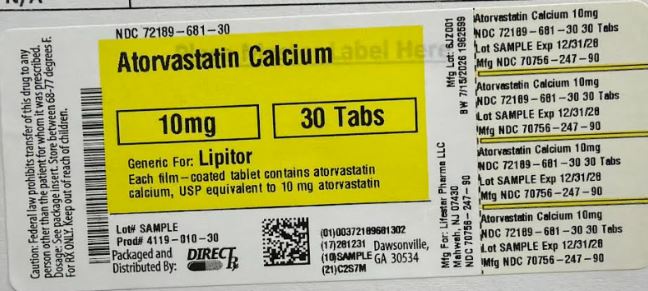
(atorvastatin · DailyMed)
TRIOGOOD 10
ASPIRIN, CLOPIDOGREL & ATORVASTATIN
What it does
Aspirin is a medication commonly used to relieve pain, reduce inflammation, and lower fever. It also helps prevent blood clots.
Commonly used for: pain relief, inflammation reduction, fever reduction, prevention of blood clots
Read more in plain English ↓Plain-language summary for general understanding - not medical advice. Always follow your pharmacist/doctor.
Ask about this medicine
Answers come only from this medicine's registration record, BNF monograph and interaction data - not medical advice.
Hard to find? We help patients in Kenya source rare medicines. We don't sell or dispense medicines - licensed pharmacies do.
Source this medicineRegistration & product details
Source: Pharmacy and Poisons Board · fetched 2026-02-19 02:03:34 · updated 2026-10-23 02:08:44
Drug Interactions
167Pharmacodynamic Warnings
Atorvastatin appears in TABLE 1: Drugs that cause hepatotoxicity
Clopidogrel appears in TABLE 4: Drugs with antiplatelet effects
Aspirin appears in TABLE 4: Drugs with antiplatelet effects
Severe (12)
Aspirin - increases risk of adverse effects
Bismuth subsalicylate is predicted to increase the risk of adverse effects when given with aspirin. Avoid.
Atorvastatin - increases exposure
Darolutamide is predicted to increase the exposure to statins (atorvastatin, fluvastatin, rosuvastatin). Avoid.
Atorvastatin - increases exposure
Posaconazole is predicted to increase the exposure to statins (atorvastatin). Avoid.
Atorvastatin - increases exposure
Tedizolid is predicted to increase the exposure to statins (atorvastatin, fluvastatin, rosuvastatin). Avoid.
Clopidogrel - decreases efficacy
Voriconazole is predicted to decrease the efficacy of clopidogrel. Avoid.
Moderate (43)
Atorvastatin - increases exposure
Amiodarone is predicted to increase the exposure to statins (atorvastatin). Monitor and adjust dose.
Atorvastatin - increases exposure
Dronedarone slightly increases the exposure to statins (atorvastatin). Monitor and adjust dose.
Atorvastatin - decreases exposure
Carbamazepine is predicted to decrease the exposure to statins (atorvastatin). Monitor and adjust dose. Also see TABLE 1 p. 1517.
Atorvastatin - decreases exposure
Eslicarbazepine is predicted to decrease the exposure to statins (atorvastatin). Monitor and adjust dose.
Atorvastatin - increases exposure
Fluconazole is predicted to increase the exposure to statins (atorvastatin, simvastatin). Monitor and adjust dose. Also see TABLE 1 p. 1517.
Unknown (112)
Alendronate - increases risk of gastrointestinal irritation
Aspirin (high-dose) is predicted to increase the risk of gastrointestinal irritation when given with bisphosphonates (alendronate, ibandronate).
Aliskiren - increases exposure
Atorvastatin slightly to moderately increases the exposure to aliskiren.
Alitretinoin - increases exposure
Clopidogrel is predicted to increase the exposure to retinoids (alitretinoin). Adjust alitretinoin dose, p. 1382.
Anti-Androgens - increases exposure
Clopidogrel is predicted to increase the exposure to anti-androgens (apalutamide) and anti-androgens (apalutamide) are predicted to increase the exposure to the active metabolite of clopidogrel. Avoid
Apalutamide - increases exposure
Clopidogrel is predicted to increase the exposure to anti-androgens (apalutamide) and anti-androgens (apalutamide) are predicted to increase the exposure to the active metabolite of clopidogrel. Avoid
Data from BNF 85 (British National Formulary). This is not a substitute for professional medical advice. Matched via: exact
About aspirin
Aspirin is a medication commonly used to relieve pain, reduce inflammation, and lower fever. It also helps prevent blood clots.
What it treats
- pain relief
- inflammation reduction
- fever reduction
- prevention of blood clots
How it works
Aspirin works by blocking substances in the body that cause pain, fever, and inflammation. It also prevents blood cells from sticking together.
Who it's for
Aspirin is suitable for adults needing pain relief or those at risk of heart problems due to blood clots.
Cautions
- • Be careful if you are taking other medications that affect blood clotting.
AI-assisted summary grounded in BNF data - general information only, not medical advice. Always confirm with your pharmacist or doctor.
About atorvastatin
Atorvastatin is a medication used to lower cholesterol levels in the blood.
What it treats
- high cholesterol (hyperlipidemia)
- prevention of heart disease
- prevention of stroke
How it works
Atorvastatin works by blocking a substance your body needs to make cholesterol, which helps reduce the amount of cholesterol in your blood.
Who it's for
It is suitable for adults who have high cholesterol or are at risk of heart disease.
Drug class
Statins
Cautions
- • Be cautious if you are taking other medications that can harm the liver.
AI-assisted summary grounded in BNF data - general information only, not medical advice. Always confirm with your pharmacist or doctor.
About clopidogrel
Clopidogrel is a medication that helps prevent blood clots by making your blood less sticky.
What it treats
- prevention of heart attacks
- prevention of strokes
- peripheral artery disease management
How it works
Clopidogrel works by blocking platelets in your blood from sticking together, which helps to keep your blood flowing smoothly.
Who it's for
Clopidogrel is for individuals at risk of blood clots, such as those with heart conditions or a history of strokes.
Cautions
- • Avoid combining with other medications that also prevent blood clots.
AI-assisted summary grounded in BNF data - general information only, not medical advice. Always confirm with your pharmacist or doctor.
Clinical monograph: Atorvastatin
BNF-referencedAtorvastatin is a statin medication used to lower cholesterol levels and reduce the risk of cardiovascular disease. It works by inhibiting HMG-CoA reductase, an enzyme involved in the synthesis of cholesterol in the liver.
Indications
- Hyperlipidaemia
- Primary prevention of cardiovascular disease
- Secondary prevention of cardiovascular events
Dosage
Children: Refer to the BNF for Children for specific dosing information.
Adults: Initial dose is typically 10-20 mg once daily, which can be adjusted based on lipid levels and tolerability. Maximum dose is 80 mg once daily.
Mechanism of action
Atorvastatin competitively inhibits HMG-CoA reductase, leading to decreased cholesterol synthesis and increased uptake of LDL cholesterol from the blood.
Pharmacodynamics
Atorvastatin reduces total cholesterol, LDL cholesterol, and triglycerides while increasing HDL cholesterol. The effects are dose-dependent, and it may also provide vascular protection.
Pharmacokinetics
Atorvastatin is rapidly absorbed after oral administration, with peak plasma concentrations occurring within 1 to 2 hours. It undergoes extensive first-pass metabolism in the liver, primarily by CYP3A4. The elimination half-life is approximately 14 hours, and it is excreted mainly in bile.
Contra-indications
- Active liver disease
- Unexplained persistent elevations in serum transaminases
- Pregnancy
Adverse effects
- Myopathy
- Rhabdomyolysis
- Hepatotoxicity
- Severe cutaneous adverse reactions (SCARs)
- Hypoglycaemia
- Peripheral oedema
- Cough
- Dyspnoea
- Weight loss
Interactions
- darolutamide: Severe (increases exposure)
- posaconazole: Severe (increases exposure)
- tedizolid: Severe (increases exposure)
- amiodarone: Moderate (increases exposure)
- dronedarone: Moderate (increases exposure)
- carbamazepine: Moderate (decreases exposure)
- eslicarbazepine: Moderate (decreases exposure)
- fluconazole: Moderate (increases exposure)
- diltiazem: Moderate (increases exposure)
- cobicistat: Moderate (increases exposure)
Precautions
- Caution in patients with a history of haemorrhagic stroke
- Caution in hepatic impairment
- Patient counselling advised for muscle effects
Pregnancy
Manufacturer advises against use due to potential risk of fetal congenital anomalies.
Breast-feeding
Manufacturer advises to avoid; no information available.
Storage
Store in a cool, dry place away from direct sunlight.
Formulations
- Atorvastatin 10 mg tablets
- Atorvastatin 20 mg tablets
- Atorvastatin 30 mg tablets
- Atorvastatin 60 mg tablets
- Atorvastatin 80 mg tablets
AI-synthesized from BNF references - general information only, not a substitute for professional medical advice or the current BNF. Verify doses with a pharmacist.
Clinical monograph: Aspirin
BNF-referencedAspirin, also known as acetylsalicylic acid, is a non-steroidal anti-inflammatory drug (NSAID) that exhibits analgesic, antipyretic, and anti-inflammatory properties. It is primarily used for its antiplatelet effects to prevent thrombus formation and manage cardiovascular conditions.
Indications
- Prevention of thrombus formation after cardiac surgery
- Thromboembolism prophylaxis
- Management of Kawasaki disease
- Pain relief
- Fever reduction
- Anti-inflammatory treatment
Dosage
Children: Refer to BNF for Children for specific dosing; general guidance includes 1-5 mg/kg once daily for children aged 1 month to 11 years (max. dose 75 mg) and 75 mg once daily for children aged 12-17 years.
Adults: For antiplatelet effects, typically 75-150 mg once daily. For inflammatory conditions, doses may range from 300 mg to 3 g daily, divided into several doses.
Mechanism of action
Aspirin irreversibly inhibits cyclooxygenase (COX-1 and COX-2) enzymes, leading to decreased production of thromboxane A2, a potent promoter of platelet aggregation, thereby reducing platelet aggregation and thrombus formation.
Pharmacodynamics
Aspirin's antiplatelet effect is dose-dependent, with lower doses primarily affecting platelet function and higher doses providing anti-inflammatory and analgesic effects. It is effective in reducing the risk of cardiovascular events and managing inflammatory conditions.
Pharmacokinetics
Aspirin is rapidly absorbed from the gastrointestinal tract, with peak plasma concentrations occurring approximately 1-2 hours post-ingestion. It is extensively metabolized in the liver, and its elimination half-life varies depending on the dose. Aspirin is primarily excreted as salicylic acid and other metabolites in the urine.
Contra-indications
- Active gastrointestinal bleeding
- Severe renal impairment
- Severe hepatic impairment
- Hypersensitivity to aspirin or other NSAIDs
- History of peptic ulcer disease
- Asthma exacerbated by aspirin or other NSAIDs
Adverse effects
- Gastrointestinal irritation
- Dyspepsia
- Gastrointestinal bleeding
- Allergic reactions
- Tinnitus
- Reye's syndrome in children
Interactions
- Severe interaction with bismuth subsalicylate (increases risk of adverse effects)
- Moderate interaction with pemetrexed (increases exposure)
- Unknown interactions with bisphosphonates (increases risk of gastrointestinal irritation and renal impairment)
- Unknown interaction with corticosteroids (decreases concentration)
- Unknown interaction with daptomycin (increases risk of renal impairment)
- Unknown interaction with erlotinib (increases risk of gastrointestinal perforation)
Precautions
- Use with caution in patients with a history of gastrointestinal disorders
- Monitor renal function in long-term use
- Avoid use in children with viral infections due to the risk of Reye's syndrome
- Consider proton pump inhibitors for patients at high risk of gastrointestinal bleeding
Pregnancy
Use with caution; not recommended in the third trimester due to risk of bleeding complications.
Breast-feeding
Generally considered safe; aspirin is excreted in breast milk in small amounts.
Storage
Store below 25°C in a tightly closed container, protect from light.
Formulations
- Tablet
- Liquid formulation
- Effervescent tablet
AI-synthesized from BNF references - general information only, not a substitute for professional medical advice or the current BNF. Verify doses with a pharmacist.
Clinical monograph: Clopidogrel
BNF-referencedClopidogrel is an antiplatelet medication that belongs to the thienopyridine class. It is primarily used to prevent atherothrombotic events in patients at risk of myocardial infarction, stroke, and other cardiovascular complications. Clopidogrel is administered orally and is known for its ability to irreversibly inhibit platelet aggregation, thereby reducing the risk of clot formation. Its long duration of action and once-daily dosing make it a convenient option in clinical practice.
Indications
- Prevention of atherothrombotic events in patients with acute coronary syndrome
- Secondary prevention of ischaemic stroke
- Prevention of atherothrombotic events in peripheral arterial disease
Mechanism of action
Clopidogrel is activated through a two-step metabolic process to form an active thiol-containing metabolite. This metabolite irreversibly binds to the P2Y12 ADP receptors on platelets, preventing ADP from activating the GPIIb/IIIa complex, which is crucial for platelet aggregation. As a result, clopidogrel inhibits platelet aggregation for the lifespan of the platelets (approximately 7 to 10 days). The inhibition of the P2Y12 receptor reduces platelet activation and aggregation not just from ADP, but also from other agonists.
Pharmacodynamics
Clopidogrel is a prodrug that serves as a potent antiplatelet agent, effectively reducing the risk of myocardial infarction and stroke. Its pharmacological effects are long-lasting, allowing for once-daily dosing. Clopidogrel exhibits a broad therapeutic window, and its dosage ranges from 75 mg to 300 mg per day, depending on the clinical scenario. Its action helps maintain blood flow and prevent occlusive vascular events.
Pharmacokinetics
Clopidogrel is well absorbed in the gastrointestinal tract, with peak plasma concentrations occurring within 1 to 2 hours after oral administration. It undergoes extensive hepatic metabolism, primarily through CYP450 enzymes, which convert it into its active form. The elimination half-life of clopidogrel is approximately 6 hours, but the antiplatelet effect lasts much longer due to the irreversible nature of its action on platelets. It is primarily excreted through urine, with a majority of the dose eliminated as inactive metabolites.
Contra-indications
- Active bleeding
Adverse effects
- Confusion
- Fever
- Gynaecomastia
- Hallucination
- Hepatic disorders
- Hypotension
- Myalgia
- Neutropenia
- Severe cutaneous adverse reactions (SCARs)
- Stomatitis
- Taste altered
- Ulcerative colitis
- Vasculitis
- Vertigo
- Wound haemorrhage
Interactions
- Voriconazole + clopidogrel: Severe (decreases efficacy)
- HIV protease inhibitors + clopidogrel: Severe (decreases efficacy)
- Moclobemide + clopidogrel: Severe (decreases efficacy)
- Ritonavir + clopidogrel: Severe (decreases efficacy)
- Clopidogrel + pioglitazone: Moderate (increases exposure)
- Clopidogrel + treprostinil: Moderate (increases exposure)
- Clopidogrel + apalutamide: Unknown (increases exposure)
- Clopidogrel + enzalutamide: Unknown (increases exposure)
- Fluconazole + clopidogrel: Unknown (decreases efficacy)
- Clopidogrel + anti-androgens: Unknown (increases exposure)
Precautions
- Caution with history of hypersensitivity reactions to thienopyridines
- Caution in moderate hepatic impairment
- Caution in renal impairment
- Discontinue 7 days before elective surgery if antiplatelet effect not desirable
- Patients at risk of increased bleeding from trauma, surgery, or other pathological conditions
Pregnancy
Manufacturer advises avoid-no information available.
Breast-feeding
Manufacturer advises avoid.
Storage
Store in a cool, dry place, away from direct sunlight.
Formulations
- Clopidogrel 75 mg tablet
- Clopidogrel 300 mg tablet
- Clopidogrel oral suspension
AI-synthesized from BNF references - general information only, not a substitute for professional medical advice or the current BNF. Verify doses with a pharmacist.
Molecular reference: Aspirin
PubChem CID 2244Molecular formula: C9H8O4
Mechanism of action
Acetylsalicylic acid (ASA) blocks prostaglandin synthesis. It is non-selective for COX-1 and COX-2 enzymes. Inhibition of COX-1 results in the inhibition of platelet aggregation for about 7-10 days (average platelet lifespan). The acetyl group of acetylsalicylic acid binds with a serine residue of the cyclooxygenase-1 (COX-1) enzyme, leading to irreversible inhibition. This prevents the production of pain-causing prostaglandins. This process also stops the conversion of arachidonic acid to thromboxane A2 (TXA2), which is a potent inducer of platelet aggregation. Platelet aggregation can result in clots and harmful venous and arterial thromboembolism, leading to conditions such as pulmonary embolism and stroke. It is important to note that there is 60% homology between the protein structures of COX-1 and COX-2. ASA binds to serine 516 residue on the active site of COX-2 in the same fashion as its binding to the serine 530 residue located on the active site of COX-1. The active site of COX-2 is, however, slightly larger than the active site of COX-1, so that arachidonic acid (which later becomes prostaglandins) manages to bypass the aspirin molecule inactivating COX-2. ASA, therefore, exerts more action on the COX-1 receptor rather than on the COX-2 receptor. A higher dose of acetylsalicylic acid is required for COX-2 inhibition. Produce analgesia through a peripheral action by blocking pain impulse generation and via a central action, possibly in the hypothalamus. The peripheral action may predominate and probably involves inhibition of the synthesis or prostaglandins, and possibly inhibition of the synthesis and/or actions of other substances, which sensitize pain receptors to mechanical or chemical stimulation. /Salicylates/ May produce antipyresis by acting centrally on the hypothalamic heat-regulating center to produce peripheral vasodilation resulting in increased cutaneous blood flow, sweating, and heat loss. The central action may involve inhibition of prostaglandin synthesis in the hypothalamus; however, there is some evidence that fevers caused by endogenous pyrogens that do not act via a prostaglandin mechanism may also respond to salicylate therapy. /Salicylates/ CNS ... ESP NUCLEI LOCATED IN HYPOTHALAMUS PLAYS MAJOR ROLE IN REGULATION OF PERIPHERAL MECHANISMS CONCERNED WITH BODY HEAT PRODN & LOSS. WITH SALICYLATES, HEAT PRODN IS NOT INHIBITED, BUT HEAT LOSS IS INCR BY INCR PERIPHERAL BLOOD FLOW & PERSPIRATION. /SALICYLATES/ Aspirin acetylates prostaglandin endoperoxide synthase (prostaglandin G/H-synthase) and irreversibly inhibits its cyclooxygenase (COX) activity. The enzyme catalyzes the conversion of arachidonic acid to PGH2, the first committed step in prostanoid biosynthesis. Two isoforms of prostaglandin endoperoxide synthase exist, PGHS-1 and PGHS-2 (also referred to as COX-1 and COX-2, respectively). PGHS-1 (COX-1) is expressed constitutively in most cell types, including platelets. PGHS-2 (COX-2) is undetectable in most mammalian cells, but its expression can be induced rapidly in response to mitogenic and inflammatory stimuli. Aspirin is a relatively selective inhibitor of platelet PGHS-1 (cyclooxygenase-1, COX-1). The existence of 2 isoenzymes with different aspirin sensitivities, coupled with extremely different recovery rates of their cyclooxygenase (COX) activity following inactivation by aspirin, at least partially explains the different dosage requirements and durations of aspirin effects on platelet function versus the drug's analgesic and anti-inflammatory effects. Human platelets and vascular endothelial cells process PGH2 to produce thromboxane A2 and prostacyclin (epoprostenol, PGI2), respectively. Thromboxane A2 induces platelet aggregation and vasoconstriction, while prostacyclin inhibits platelet aggregation and induces vasodilation. Aspirin is antithrombotic in a wide range of doses inhibiting thromboxane A2 and prostacyclin. For more Mechanism of Action (Complete) data for ACETYLSALICY
Pharmacodynamics
**Effects on pain and fever** Acetylsalicylic acid disrupts the production of prostaglandins throughout the body by targeting cyclooxygenase-1 (COX-1) and cyclooxygenase-2 (COX-2). Prostaglandins are potent, irritating substances that have been shown to cause headaches and pain upon injection into humans. Prostaglandins increase the sensitivity of pain receptors and substances such as histamine and bradykinin. Through the disruption of the production and prevention of release of prostaglandins in inflammation, this drug may stop their action at pain receptors, preventing symptoms of pain. Acetylsalicylic acid is considered an antipyretic agent because of its ability to interfere with the production of brain prostaglandin E1. Prostaglandin E1 is known to be an extremely powerful fever-inducing agent. **Effects on platelet aggregation** The inhibition of platelet aggregation by ASA occurs because of its interference with thromboxane A2 in platelets, caused by COX-1 inhibition. Thromboxane A2 is an important lipid responsible for platelet aggregation, which can lead to clot formation and future risk of heart attack or stroke. **A note on cancer prevention** ASA has been studied in recent years to determine its effect on the prevention of various malignancies. In general, acetylsalicylic acid is involved in the interference of various cancer signaling pathways, sometimes inducing or upregulating tumor suppressor genes. Results of various studies suggest that there are beneficial effects of long-term ASA use in the prevention of several types of cancer, including stomach, colorectal, pancreatic, and liver cancers. Research is ongoing.
Biological pathways
Source: PubChem (NCBI) · pathways from PathBank, Reactome, WikiPathways & PharmGKB.
Molecular reference: Atorvastatin
PubChem CID 60823Molecular formula: C33H35FN2O5
Mechanism of action
Atorvastatin is a statin medication and a competitive inhibitor of the enzyme HMG-CoA (3-hydroxy-3-methylglutaryl coenzyme A) reductase, which catalyzes the conversion of HMG-CoA to mevalonate, an early rate-limiting step in cholesterol biosynthesis. Atorvastatin acts primarily in the liver, where decreased hepatic cholesterol concentrations stimulate the upregulation of hepatic low-density lipoprotein (LDL) receptors, which increases hepatic uptake of LDL. Atorvastatin also reduces Very-Low-Density Lipoprotein-Cholesterol (VLDL-C), serum triglycerides (TG) and Intermediate Density Lipoproteins (IDL), as well as the number of apolipoprotein B (apo B) containing particles, but increases High-Density Lipoprotein Cholesterol (HDL-C). _In vitro_ and _in vivo_ animal studies also demonstrate that atorvastatin exerts vasculoprotective effects independent of its lipid-lowering properties, also known as the pleiotropic effects of statins. These effects include improvement in endothelial function, enhanced stability of atherosclerotic plaques, reduced oxidative stress and inflammation, and inhibition of the thrombogenic response. Statins were also found to bind allosterically to β2 integrin function-associated antigen-1 (LFA-1), which plays an essential role in leukocyte trafficking and T cell activation. In animal models, Lipitor lowers plasma cholesterol and lipoprotein levels by inhibiting 3-hydroxy-3-methylglutaryl-coenzyme A (HMG-CoA) reductase and cholesterol synthesis in the liver and by increasing the number of hepatic low-density lipoprotein (LDL) receptors on the cell surface to enhance uptake and catabolism of LDL; Lipitor also reduces LDL production and the number of LDL particles. Lipitor reduces LDL-cholesterol (LDL-C) in some patients with homozygous familial hypercholesterolemia (FH), a population that rarely responds to other lipid-lowering medication(s). Lipitor is a selective, competitive inhibitor of 3-hydroxy-3-methylglutaryl-coenzyme A (HMG-CoA) reductase, the rate-limiting enzyme that converts 3-hydroxy-3-methylglutaryl-coenzyme A to mevalonate, a precursor of sterols, including cholesterol. Cholesterol and triglycerides circulate in the bloodstream as part of lipoprotein complexes. With ultracentrifugation, these complexes separate into HDL (high-density lipoprotein), IDL (intermediate-density lipoprotein), LDL (low-density lipoprotein), and VLDL (very-low-density lipoprotein) fractions. Triglycerides (TG) and cholesterol in the liver are incorporated into VLDL and released into the plasma for delivery to peripheral tissues. LDL is formed from VLDL and is catabolized primarily through the high-affinity LDL receptor. Clinical and pathologic studies show that elevated plasma levels of total cholesterol (total-C), LDL-cholesterol (LDL-C), and apolipoprotein B (apo B) promote human atherosclerosis and are risk factors for developing cardiovascular disease, while increased levels of HDL-C are associated with a decreased cardiovascular risk. Statins are largely used in clinics in the treatment of patients with cardiovascular diseases for their effect on lowering circulating cholesterol. Lectin-like oxidized low-density lipoprotein (LOX-1), the primary receptor for ox-LDL, plays a central role in the pathogenesis of atherosclerosis and cardiovascular disorders. We have recently shown that chronic exposure of cells to lovastatin disrupts LOX-1 receptor cluster distribution in plasma membranes, leading to a marked loss of LOX-1 function. Here we investigated the molecular mechanism of statin-mediated LOX-1 inhibition and we demonstrate that all tested statins /including atorvastatin/ are able to displace the binding of fluorescent ox-LDL to LOX-1 by a direct interaction with LOX-1 receptors in a cell-based binding assay. Molecular docking simulations confirm the interaction and indicate that statins completely fill the hydrophobic tunnel that crosses the C-type lectin-like (CTLD) recognition domain of LOX-1. Classical
Pharmacodynamics
Atorvastatin is an oral antilipemic agent that reversibly inhibits HMG-CoA reductase. It lowers total cholesterol, low-density lipoprotein-cholesterol (LDL-C), apolipoprotein B (apo B), non-high density lipoprotein-cholesterol (non-HDL-C), and triglyceride (TG) plasma concentrations while increasing HDL-C concentrations. High LDL-C, low HDL-C and high TG concentrations in the plasma are associated with increased risk of atherosclerosis and cardiovascular disease. The total cholesterol to HDL-C ratio is a strong predictor of coronary artery disease, and high ratios are associated with a higher risk of disease. Increased levels of HDL-C are associated with lower cardiovascular risk. By decreasing LDL-C and TG and increasing HDL-C, atorvastatin reduces the risk of cardiovascular morbidity and mortality. Elevated cholesterol levels (and high low-density lipoprotein (LDL) levels in particular) are an important risk factor for the development of CVD. Clinical studies have shown that atorvastatin reduces LDL-C and total cholesterol by 36-53%. In patients with dysbetalipoproteinemia, atorvastatin reduced the levels of intermediate-density lipoprotein cholesterol. It has also been suggested that atorvastatin can limit the extent of angiogenesis, which can be useful in the treatment of chronic subdural hematoma. **Myopathy/Rhabdomyolysis** Atorvastatin, like other HMG-CoA reductase inhibitors, is associated with a risk of drug-induced myopathy characterized by muscle pain, tenderness, or weakness in conjunction with elevated levels of creatine kinase (CK). Myopathy often manifests as rhabdomyolysis with or without acute renal failure secondary to myoglobinuria. The risk of statin-induced myopathy is dose-related, and the symptoms of myopathy are typically resolved upon drug discontinuation. Results from observational studies suggest that 10-15% of people taking statins may experience muscle aches at some point during treatment. **Liver Dysfunction** Statins, like some other lipid-lowering therapies, have been associated with biochemical abnormalities of liver function. Persistent elevations (> 3 times the upper limit of normal [ULN] occurring on two or more occasions) in serum transaminases occurred in 0.7% of patients who received atorvastatin in clinical trials. This effect appears to be dose-related. **Endocrine Effects** Statins are associated with a risk of increased serum HbA1c and glucose levels. An _in vitro_ study demonstrated a dose-dependent cytotoxic effect on human pancreatic islet β cells following treatment with atorvastatin. Moreover, insulin secretion rates decreased relative to control. HMG-CoA reductase inhibitors interfere with cholesterol synthesis and may theoretically interfere with the production of adrenal and/or gonadal steroids. Clinical studies with atorvastatin and other HMG-CoA reductase inhibitors have suggested that these agents do not affect plasma cortisol concentrations, basal plasma testosterone concentration, or adrenal reserve. However, the effect of statins on male fertility has not been fully investigated. The effects of statins on the pituitary-gonadal axis in premenopausal women are unknown. **Cardiovascular** Significant decreases in circulating ubiquinone levels in patients treated with atorvastatin and other statins have been observed. The clinical significance of a potential long-term statin-induced deficiency of ubiquinone has not been established. It has been reported that a decrease in myocardial ubiquinone levels could lead to impaired cardiac function in patients with borderline congestive heart failure. **Lipoprotein A** In some patients, the beneficial effect of lowered total cholesterol and LDL-C levels may be partly blunted by the concomitant increase in Lp(a) lipoprotein concentrations. Present knowledge suggests the importance of high Lp(a) levels as an emerging risk factor for coronary heart disease. Further studies have demonstrated statins affect Lp(a) levels diffe
Biological pathways
Source: PubChem (NCBI) · pathways from PathBank, Reactome, WikiPathways & PharmGKB.
Molecular reference: Clopidogrel
PubChem CID 60606Molecular formula: C16H16ClNO2S
Mechanism of action
Clopidogrel is activated via a 2 steps reaction to an active thiol-containing metabolite. This active form is a platelet inhibitor that irreversibly binds to P2Y<sub>12</sub> ADP receptors on platelets. This binding prevents ADP binding to P2Y<sub>12</sub> receptors, activation of the glycoprotein GPIIb/IIIa complex, and platelet aggregation. Clopidogrel must be metabolized by CYP450 enzymes to produce the active metabolite that inhibits platelet aggregation. The active metabolite of clopidogrel selectively inhibits the binding of adenosine diphosphate (ADP) to its platelet P2Y12 receptor and the subsequent ADP-mediated activation of the glycoprotein GPIIb/IIIa complex, thereby inhibiting platelet aggregation. This action is irreversible. Consequently, platelets exposed to clopidogrel's active metabolite are affected for the remainder of their lifespan (about 7 to 10 days). Platelet aggregation induced by agonists other than ADP is also inhibited by blocking the amplification of platelet activation by released ADP. The P2Y12 receptor plays a crucial role in the regulation of platelet activation by several agonists, which is irreversibly antagonized by the active metabolite of clopidogrel, a widely used anti-thrombotic drug. In this study, we investigated whether reduction of platelet reactivity leads to reduced inflammatory responses using a rat model of erosive arthritis. We evaluated the effect of clopidogrel on inflammation in Lewis rats in a peptidoglycan polysaccharide (PG-PS)-induced arthritis model with four groups of rats: 1) untreated, 2) clopidogrel-treated, 3) PG-PS-induced, and 4) PG-PS-induced and clopidogrel-treated. There were significant differences between the PG-PS+clopidogrel group when compared to the PG-PS group including: increased joint diameter and clinical manifestations of inflammation, elevated plasma levels of pro-inflammatory cytokines (IL-1 beta, interferon (IFN) gamma, and IL-6), an elevated neutrophil blood count and an increased circulating platelet count. Plasma levels of IL-10 were significantly lower in the PG-PS+clopidogrel group compared to the PG-PS group. Plasma levels of platelet factor 4 (PF4) were elevated in both the PG-PS and the PG-PS+clopidogrel groups, however PF4 levels showed no difference upon clopidogrel treatment, suggesting that the pro- inflammatory effect of clopidogrel may be due to its action on cells other than platelets. Histology indicated an increase in leukocyte infiltration at the inflammatory area of the joint, increased pannus formation, blood vessel proliferation, subsynovial fibrosis and cartilage erosion upon treatment with clopidogrel in PG-PS-induced arthritis animals. In summary, animals treated with clopidogrel showed a pro-inflammatory effect in the PG-PS-induced arthritis animal model, which might not be mediated by platelets.
Pharmacodynamics
Clopidogrel is a prodrug of a platelet inhibitor used to reduce the risk of myocardial infarction and stroke. It has a long duration of action as it is taken once daily and a large therapeutic window as it is given in doses of 75-300mg daily.
Biological pathways
Source: PubChem (NCBI) · pathways from PathBank, Reactome, WikiPathways & PharmGKB.
This drug in other countries
The same active ingredient registered across other registries we cover - including different brands.